Early cancer detection can be lifesaving, yet many people—particularly older adults—dismiss persistent warning signs as a normal part of aging.
This is not uncommon even for those in the public eye, as actors Chadwick Boseman and James Van Der Beek’s cancer journeys have shown how symptoms can be ignored, underestimated, or mistaken for less serious issues.
According to Dr. Jad Chahoud, an oncologist and chief scientific and innovation officer at Orlando Health Cancer Institute, the mistake often proves costly.
He advised that any unexplained change in bodily function lasting more than a few weeks is “worth discussing with your doctor.”
The expert highlighted five commonly overlooked symptoms that people often associate with progressing age or everyday stress, saying they should never be ignored.
Fatigue and weight loss can sometimes signal underlying cancer

Image credits: Ivan S/Pexels (not an actual photo)
In 2018, Chadwick Boseman had just become one of Hollywood’s biggest stars with the success of Black Panther.
Unbeknownst to many of his newer fans, however, was the fact that Boseman had been battling cancer since 2016.
Before his demise in August 2020, he was often photographed appearing noticeably thinner.


Image credits: Getty Images/Unsplash (not an actual photo)
People relentlessly speculated about the cause of his weight loss, with some even making mocking remarks about his appearance.
The speculations and backlash took on a different meaning after his passing, with many reflecting on how their assumptions and jokes had overlooked his health complications.
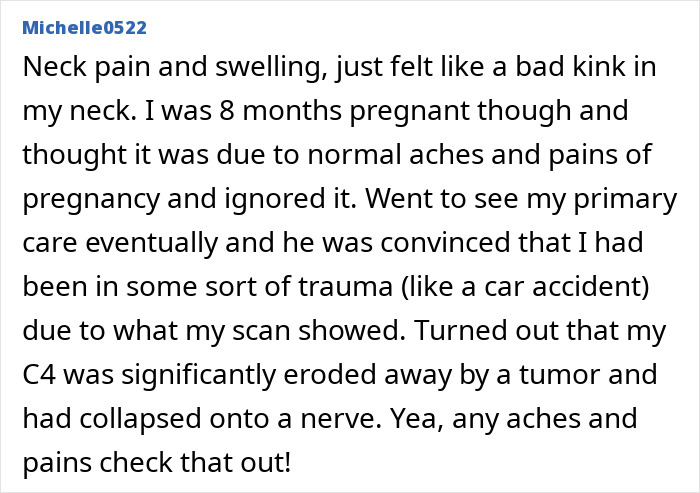

Image credits: Getty Images/Unsplash (not an actual photo)
“I remember everybody was calling him a cr**khead and saying all kinds of mean things about him. And he didn’t correct any of them. He let them talk and quietly fought his battle,” a netizen shared in a recent post.
While weight loss is common with aging, it can also sometimes point to an underlying cancer, per Dr. Chahoud’s June 23 interview with The New York Post.
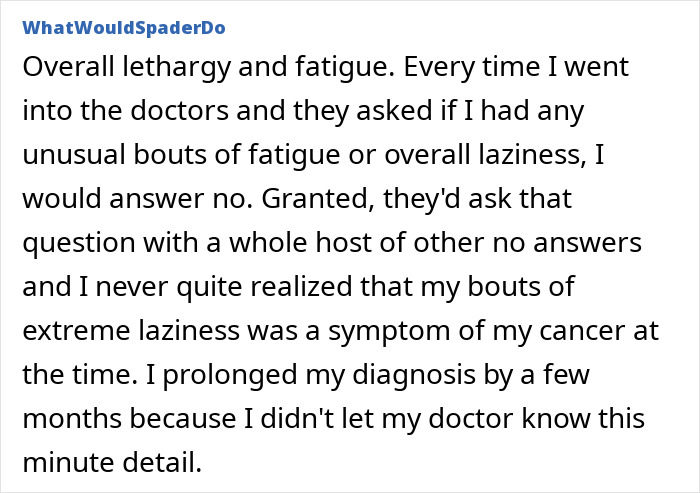
“A loss of 5 percent or more of body weight over the course of six to 12 months without an obvious reason should be evaluated,” he said.

Image credits: Gareth Cattermole/Getty Images for Disney/chadwickboseman
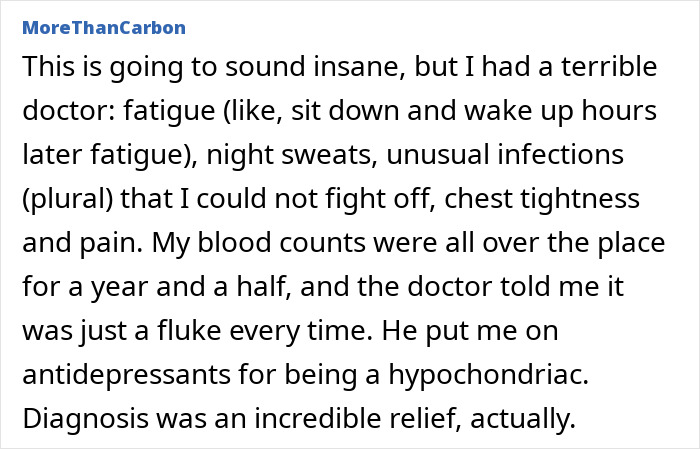
Dr. Chahoud also highlighted persistent fatigue, weakness, and brain fog as potential warning signs.
While occasional tiredness is common, unexplained fatigue that does not improve with rest can be linked to cancers attacking the colon and kidney, as well as blood cancers such as leukemia and lymphoma.
Changes in bowel or urinary habits should not be dismissed

Image credits: Curated Lifestyle/Unsplash (not an actual photo)
Changes in bowel habits are another warning sign that should not be ignored.
Dawson’s Creek star James Van Der Beek, who lost his battle with colorectal cancer in February, revealed in a 2024 interview with People that he dismissed changes in his bowel habits long enough to let it reach stage 3.
“I thought maybe I needed to stop coffee, or maybe not put cream in my coffee,” he recalled.
“But when I cut that out, and it didn’t improve, I thought, ‘All right, I’d better get this checked out,’” he said.

Image credits: Curated Lifestyle/Unsplash (not an actual photo)
The shape, size, consistency, and frequency of bowel movements should be monitored, as disruptions can sometimes indicate colorectal cancer, according to Dr. Chahoud.
“Pencil-thin poop, in particular, could indicate a tumor near the end of the colon,” he said.
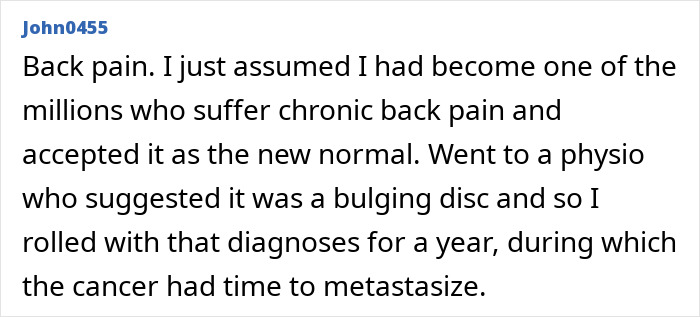
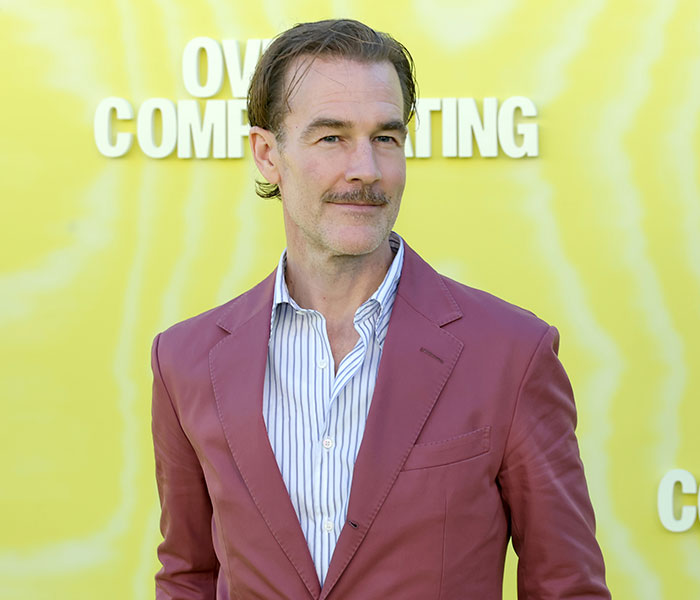
Image credits: Kevin Winter/Getty Images
Frequent urination and blood in the urine are commonly associated with an enlarged prostate and aging, but they could also indicate bladder, kidney, or prostate cancer and should be discussed with a medical professional, according to Dr. Chahoud.
Persistent aches should be examined, as it is better to be safe than sorry
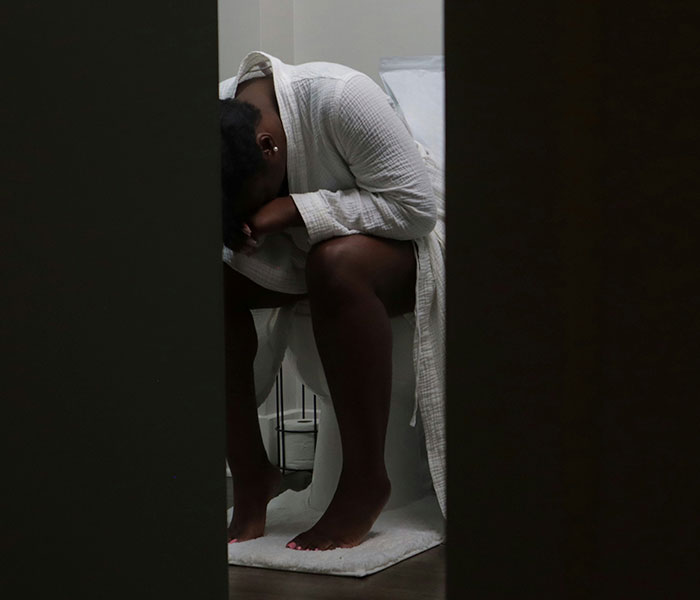
Image credits: ManuelTheLensman/Unsplash (not an actual photo)
“While most pain is not cancer, persistent or acute progressive pain can occasionally be associated with cancers involving bones, kidneys, pancreas, or other organs,” warned Dr. Chahoud.


Image credits: Curated Lifestyle/Unsplash (not an actual photo)
“Aging itself should not cause a rapid decline in how you feel or function,” he stressed, adding that his “goal isn’t to make people anxious but to make them aware that getting older should not automatically be used to explain away changes in your health.”
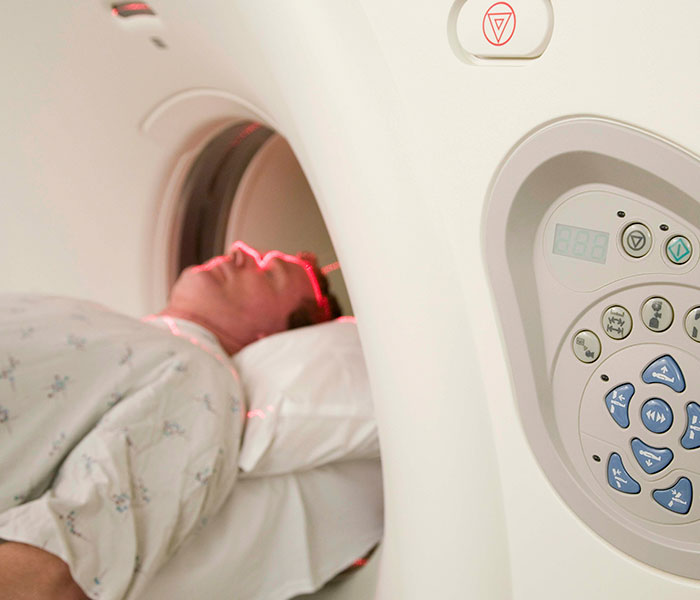
Image credits: Getty Images/Unsplash (not an actual photo)
Being proactive about health can, after all, be life-changing.
“The message that matters: Most cancers are more treatable when caught early, and no symptom is too ‘trivial’ to mention to a doctor,” the doctor said.
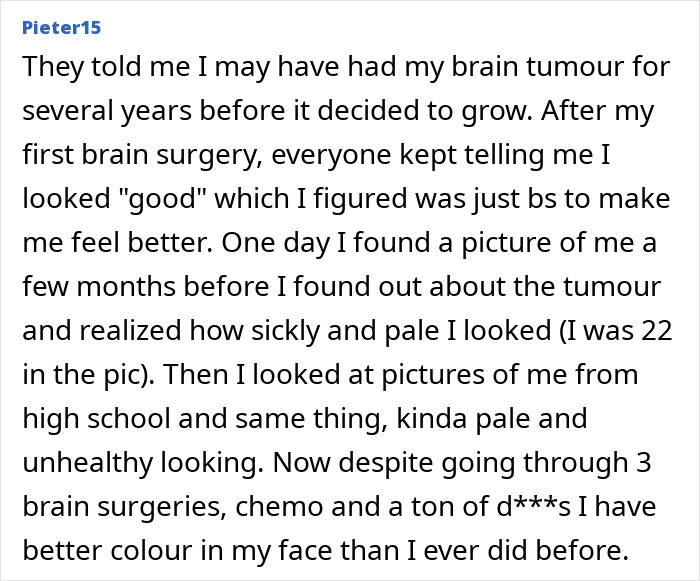
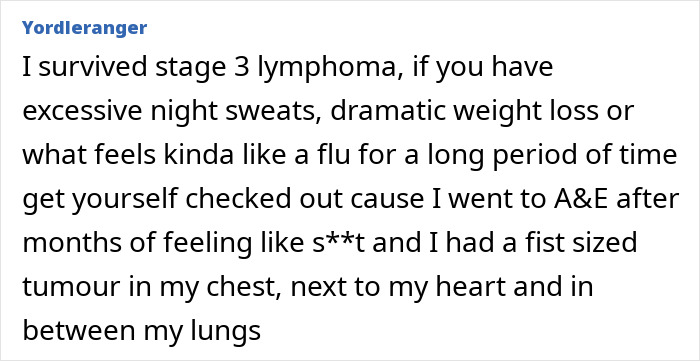
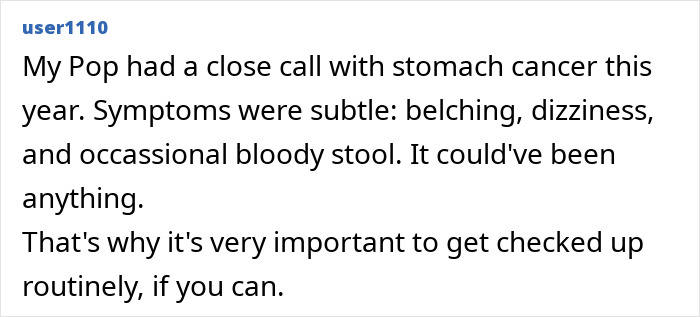
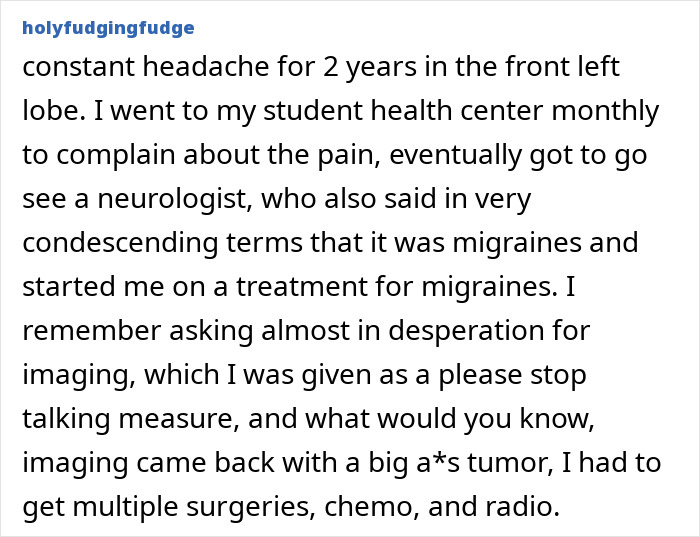
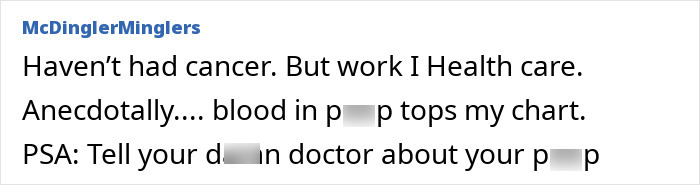
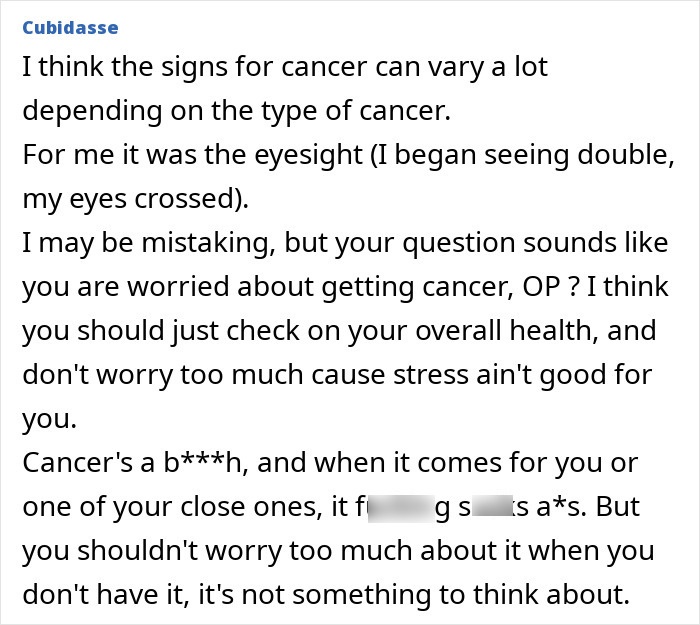
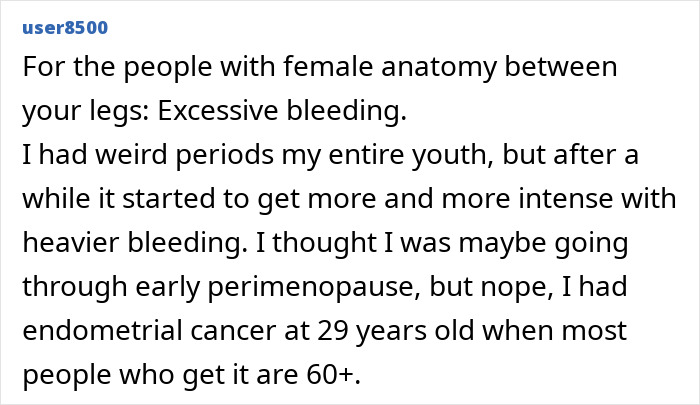
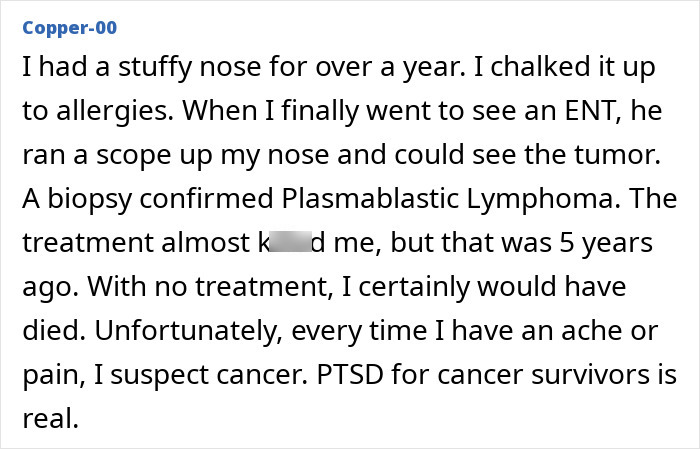
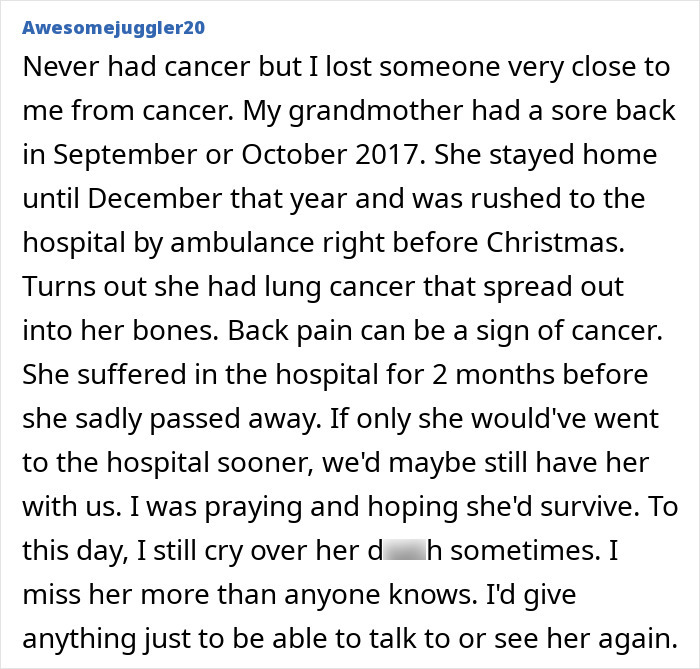
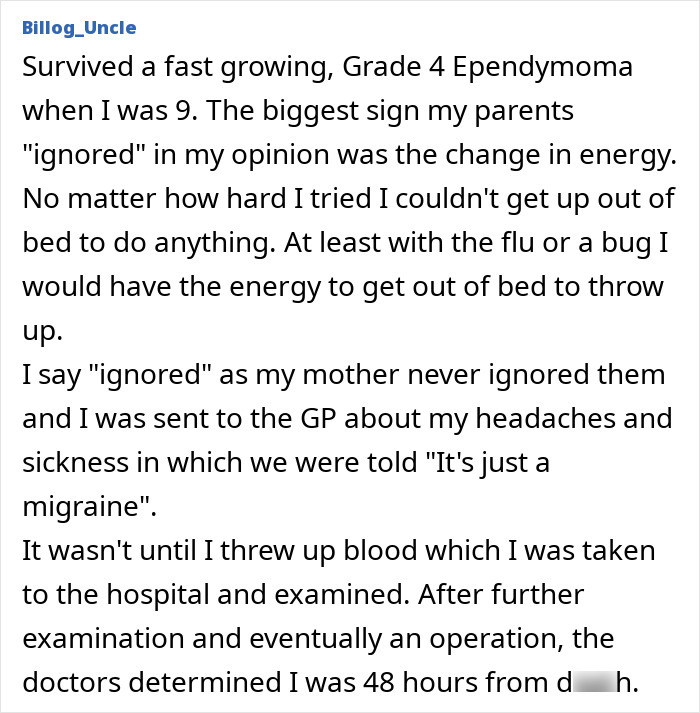
“The biggest sign my parents ignored was the change in energy,” a social media user said
 Follow Us