It’s been six years since the pandemic turned everyday life upside down, and a lot has changed since then—especially when it comes to work and office culture. Working from home went from a rare perk to a full-blown reality, bringing flexibility, fewer commutes, and a little more breathing room to daily life. But lately, things have started swinging back the other way. Offices are reopening, routines are shifting again, and not all of it feels like progress.
In one case, a person shared how their company ended remote work and pushed everyone back into the office full time. They described exhausting commutes, stressful traffic, and hours lost each day, all in the name of a workplace culture they don’t even enjoy. What followed was a brutally honest look at what “back to normal” really means. Keep reading to see why their story struck a nerve with so many.
Commuting to the office every day can be exhausting for many employees

Image credits: senivpetro (not the actual photo)

A man from the U.S. shared how he felt switching from working at home to going into the office was wasteful, as most of his time was spent commuting
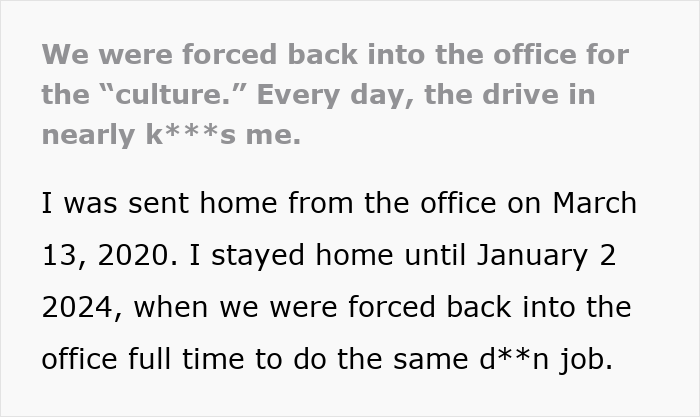

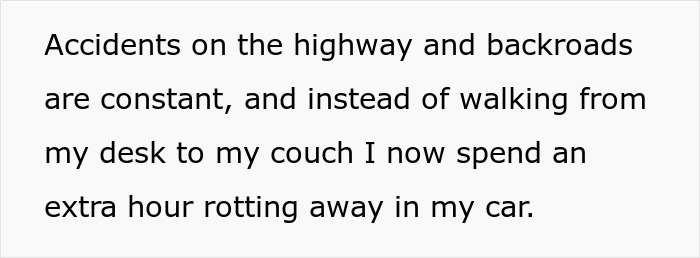
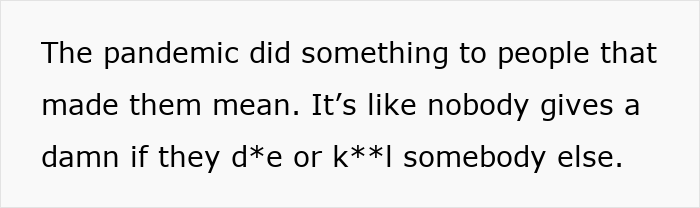

Image credits: alfribeiro (not the actual photo)
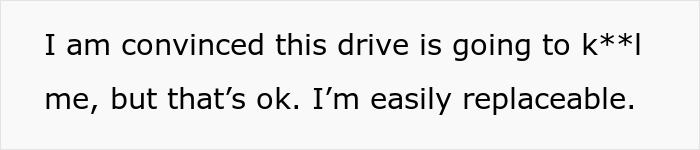
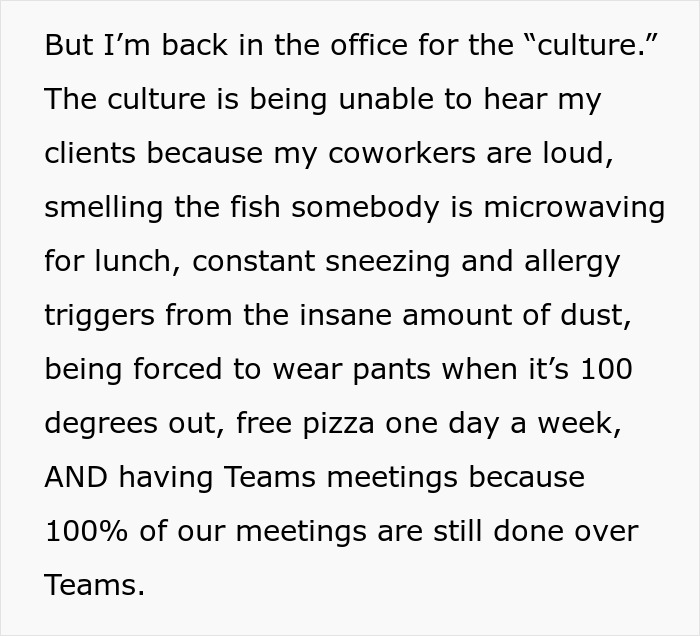
Image credits: Tappadeeassa
The author went on to share more details about his situation and daily routine
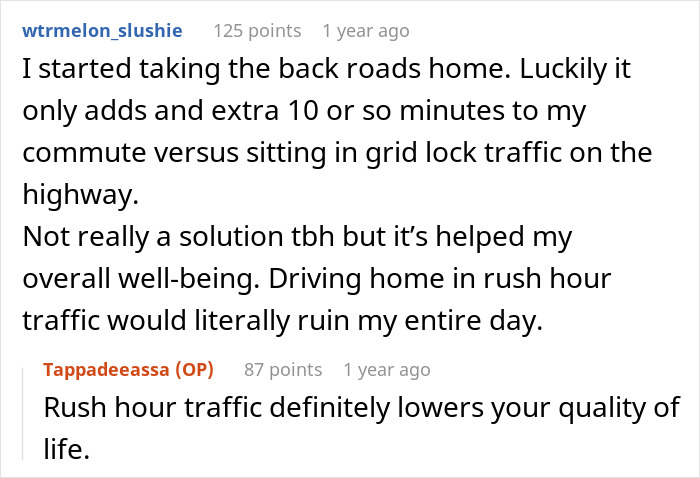
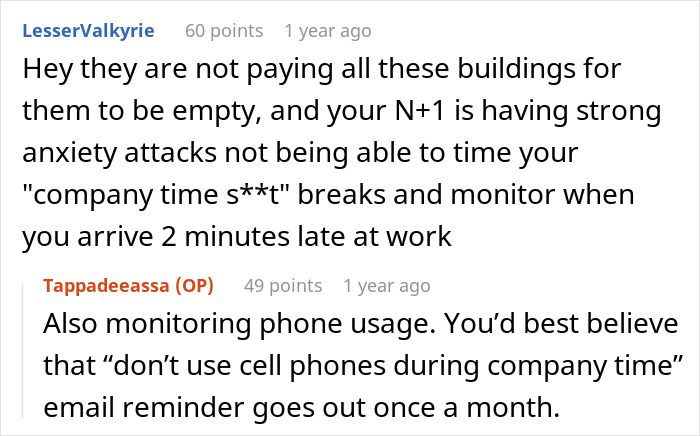
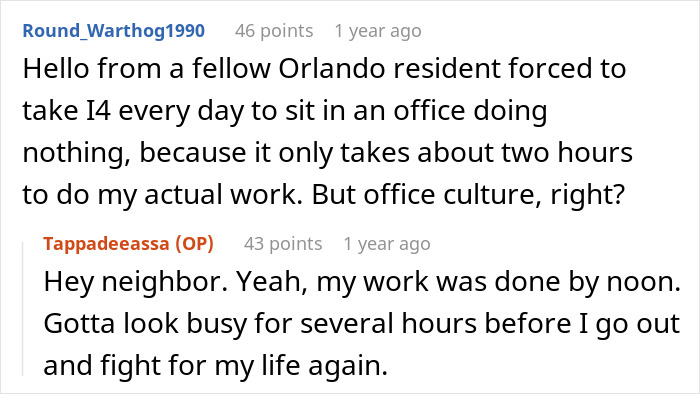
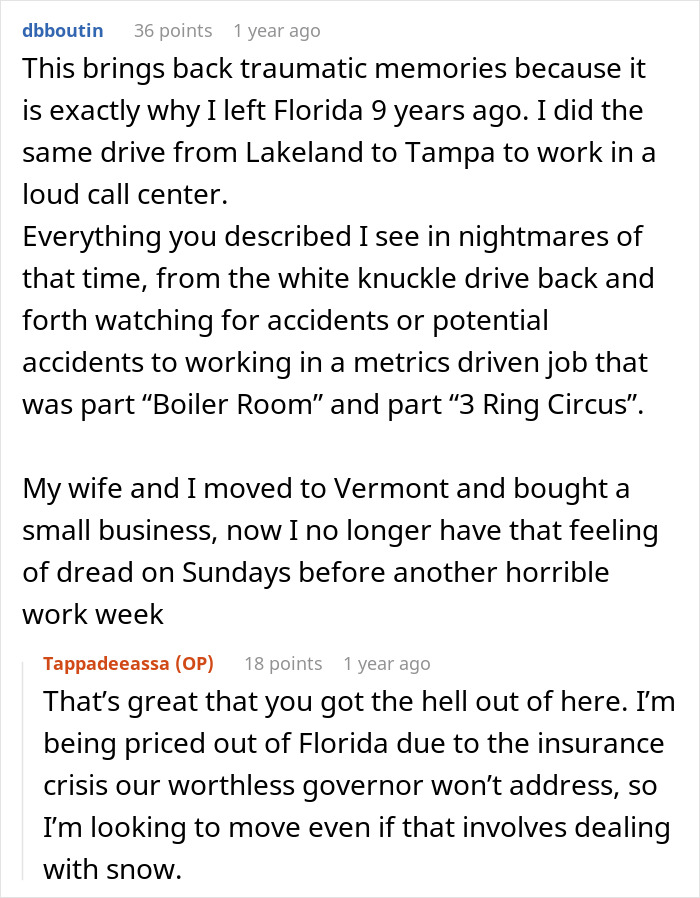
Positive work environments let employees have the freedom and flexibility to do their best work without feeling micromanaged or restricted
When you join a new workplace, the culture can make or break your entire experience. It affects how motivated you feel, how comfortable you are speaking up, and whether you actually enjoy showing up each day. In fact, a survey of more than 2,000 workers across North America found that most people value a positive work culture even more than extra pay. According to Forbes, 73% said they’d rather work somewhere with a healthy, supportive environment, while only 27% chose higher pay as their top priority. It turns out feeling respected and valued often matters more than a bigger paycheck.
Every company is different, but some things just universally make work better. Flexibility is one of them. Employees today don’t want to feel boxed into an old-school 9-to-5 routine if the job doesn’t require it. Remote work, hybrid schedules, or flexible hours show trust. It tells people they’re valued for their output, not just their seat time. For younger workers especially, rigid office rules feel outdated. They’ve seen work happen successfully from anywhere. When flexibility exists, stress drops and productivity often rises.
People don’t want to feel like they’re just checking boxes all day. They want to know their work actually matters. A strong company culture clearly explains the “why” behind the work. When employees understand how their role fits into the bigger picture, motivation naturally grows. Shared values help teams stay aligned during tough moments. It also makes decisions feel less random and more intentional. Purpose gives people something to believe in beyond deadlines. And that sense of meaning keeps people invested.
A healthy workplace doesn’t just hire people and leave them stuck. It actively helps them grow. Professional development shows employees that the company sees a future with them. Mentorship programs can be especially powerful, offering guidance beyond daily tasks. Learning new skills keeps work from feeling stale. It also builds confidence and loyalty over time. When people feel supported in growing, they’re more likely to stay. Growth turns a job into a long-term opportunity.

Image credits: The Yuri Arcurs Collection (not the actual photo)
Working in a toxic environment can take a serious toll on mental health, leaving employees stressed, drained, and less motivated over time
No workplace is conflict-free, and that’s normal. What matters is how those conflicts are handled. Are concerns taken seriously or brushed aside? A good culture encourages open conversations without fear. Managers who listen and act fairly build trust fast. When issues are ignored, resentment quietly builds. Healthy conflict resolution strengthens teams instead of breaking them. It shows employees they’re respected as humans, not just workers.
Fairness is one of the fastest ways to earn or lose employee trust. People notice when rules apply differently to different employees. It’s no secret that favoritism creates frustration and disengagement. When employees feel treated equally, morale improves naturally. Fairness also encourages accountability across teams. It reassures people that hard work will be recognized. A fair environment feels safe and motivating.
On the flip side, a toxic workplace is hard to miss once you’re in it. Negativity becomes the norm instead of the exception. Gossip spreads faster than solutions. Trust between coworkers slowly disappears. People start protecting themselves instead of collaborating. Motivation drops, and burnout creeps in quickly. Communication feels passive-aggressive or dismissive. Over time, even good employees feel drained and checked out.
When a toxic culture goes unchecked, the damage spreads fast. Productivity suffers because people are emotionally exhausted. Talented employees start leaving, often quietly. New hires sense the tension almost immediately. Eventually, the company’s reputation takes a hit too. Fixing toxicity requires accountability, honesty, and real change. Without it, the cycle simply repeats.
In this particular case, it seems like the company showed little flexibility when it came to considering hybrid or work-from-home options. From what the author shared, the return to office didn’t improve productivity or collaboration—it only added stress, long commutes, and daily frustration. The so-called “culture” felt more like a checklist than something employees actually enjoyed or benefited from. For the author, it sounded less like progress and more like a step backward. What’s your take on work-from-home versus office life? Let us know your thoughts in the comments below.

Image credits: Drazen Zigic (not the actual photo)
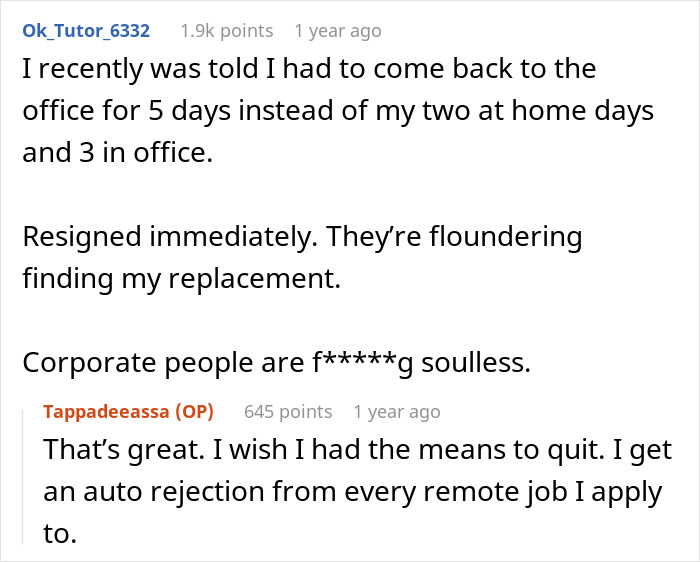
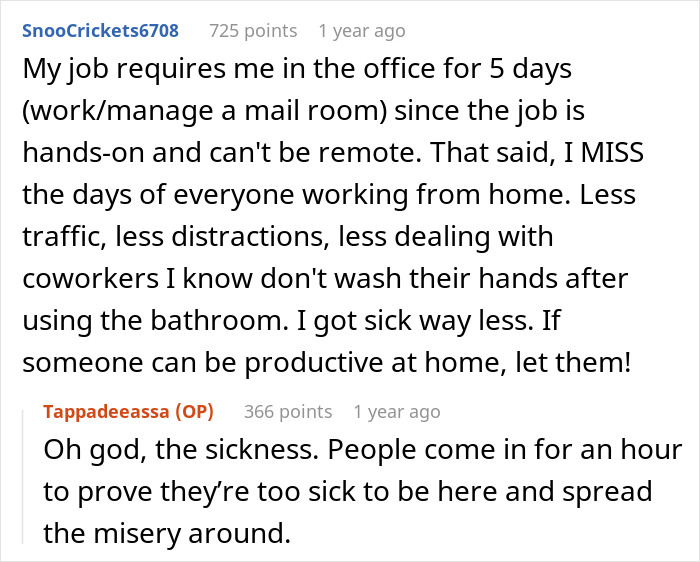
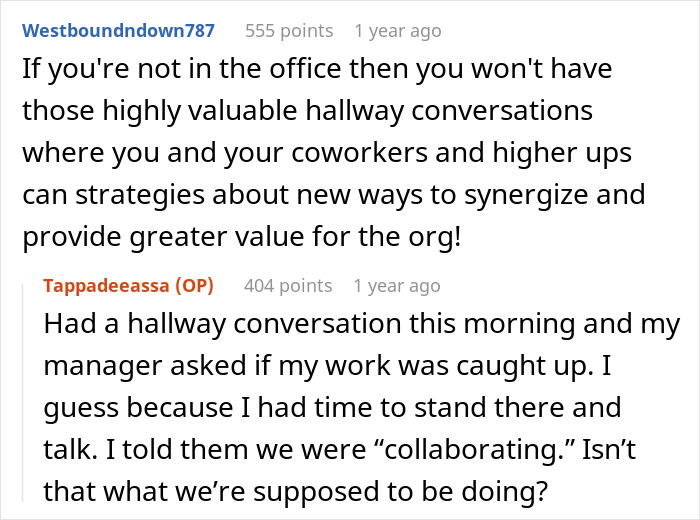
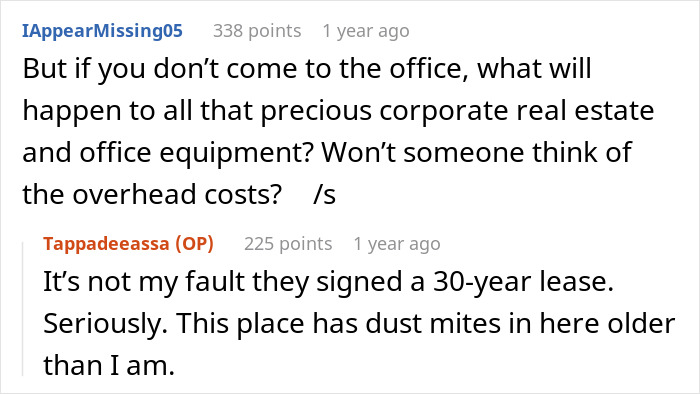
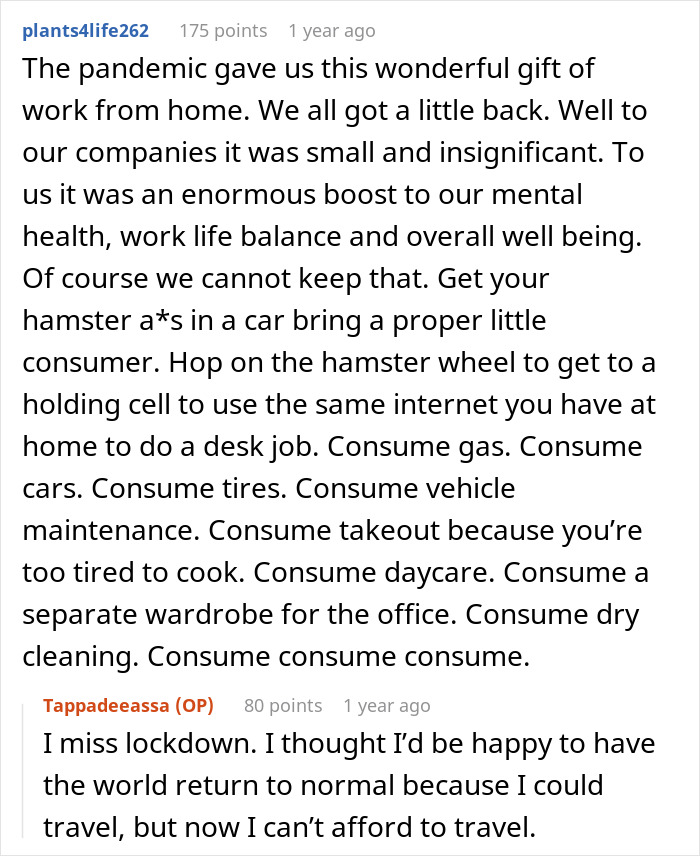
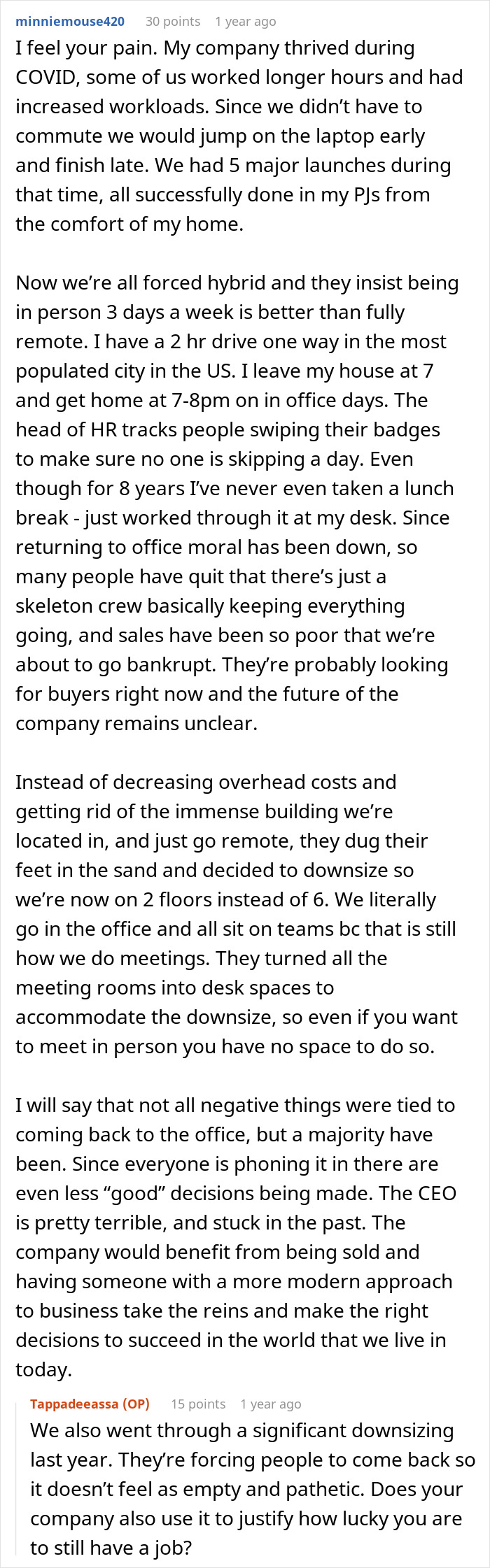
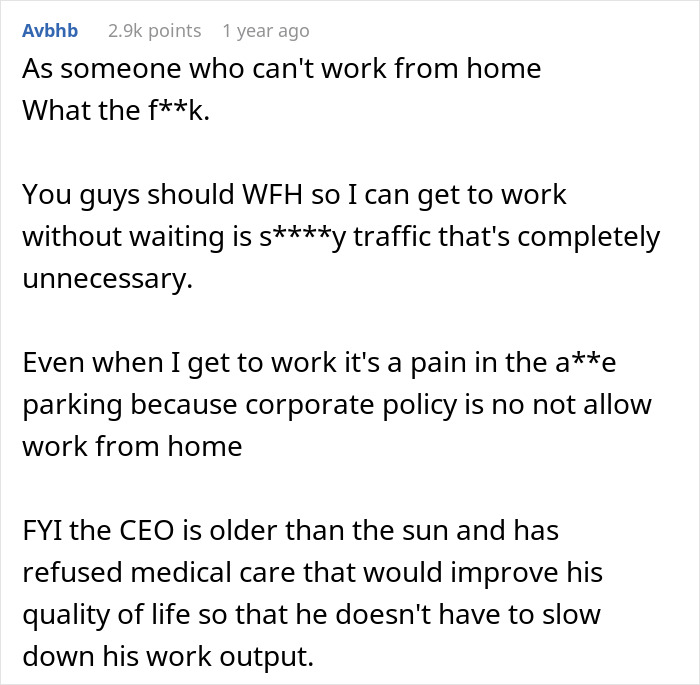
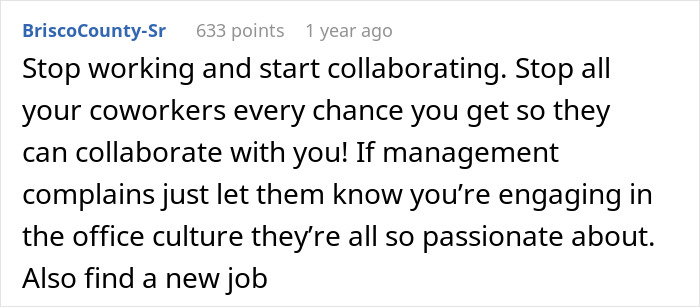
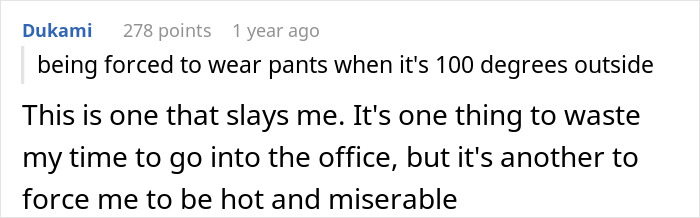
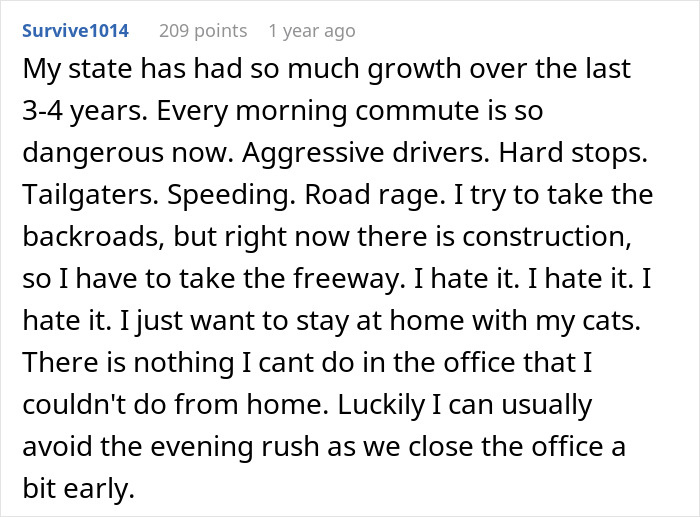
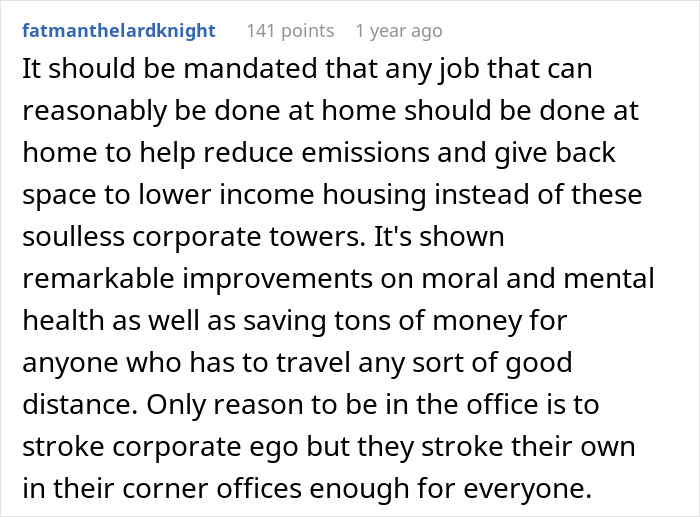
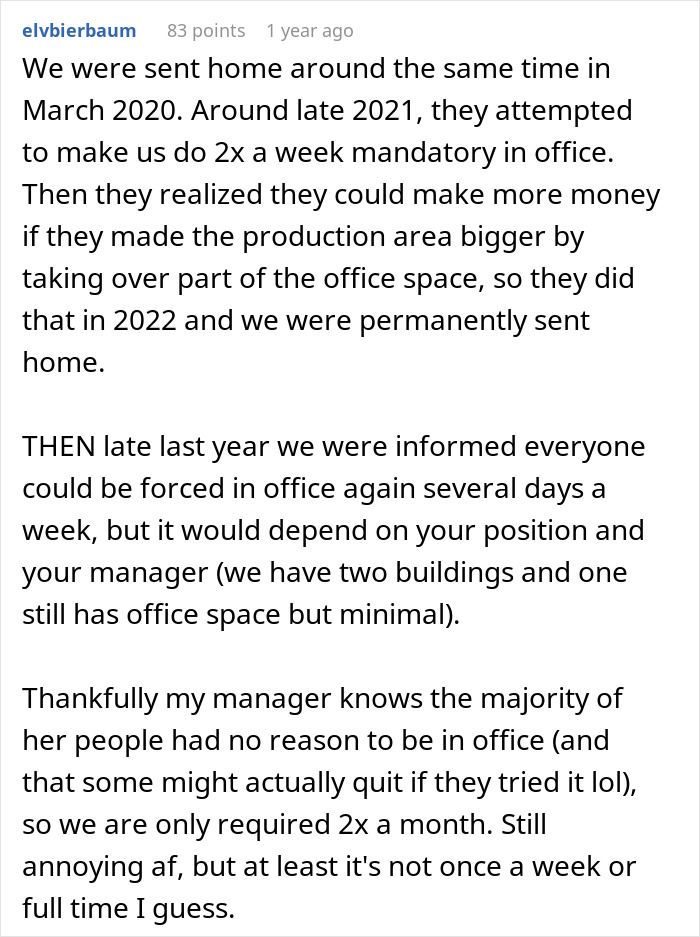
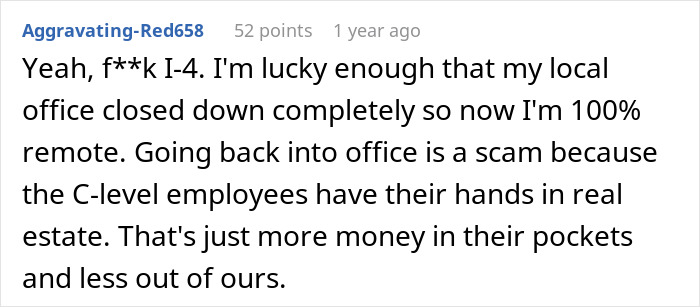
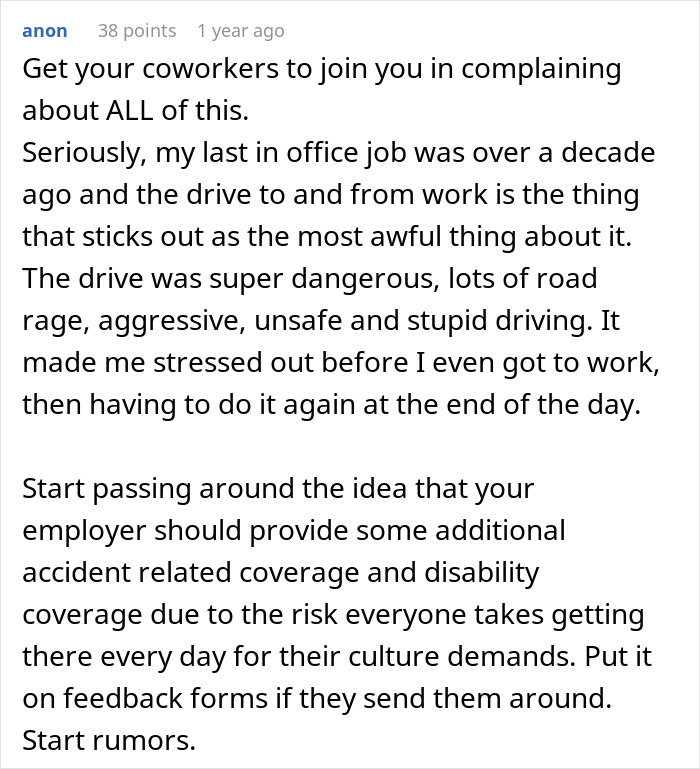
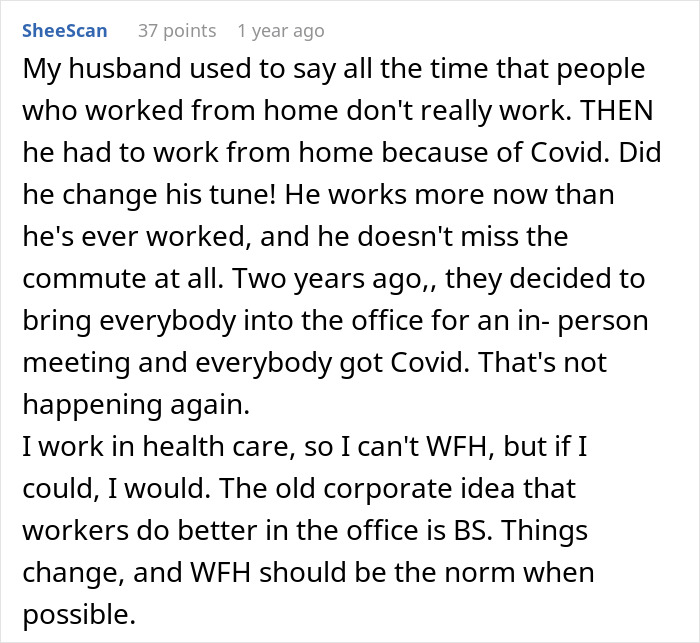
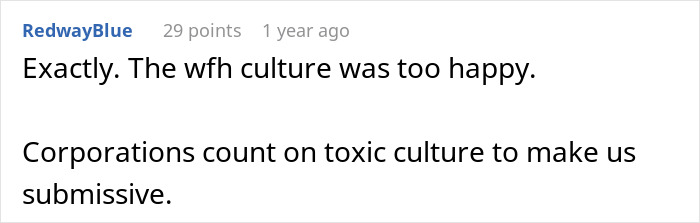
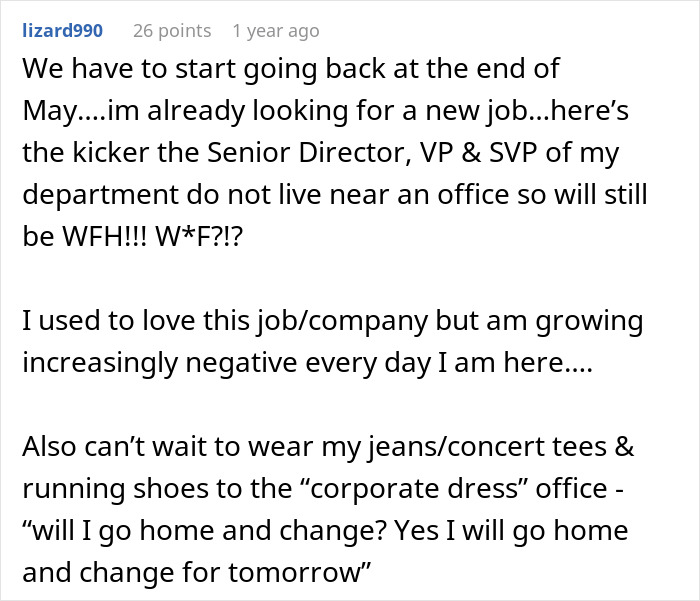
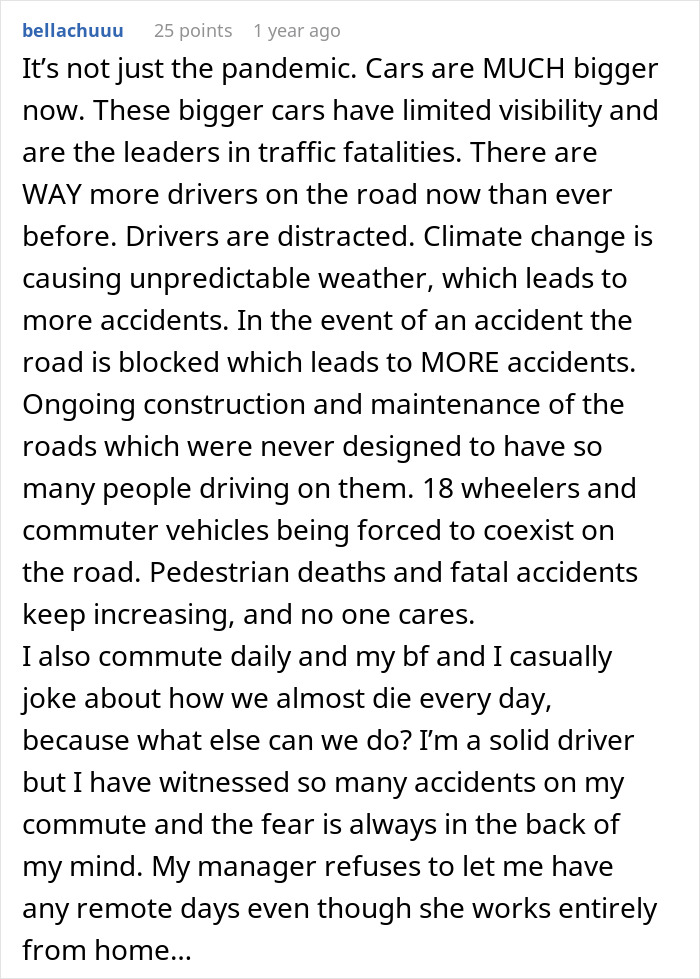
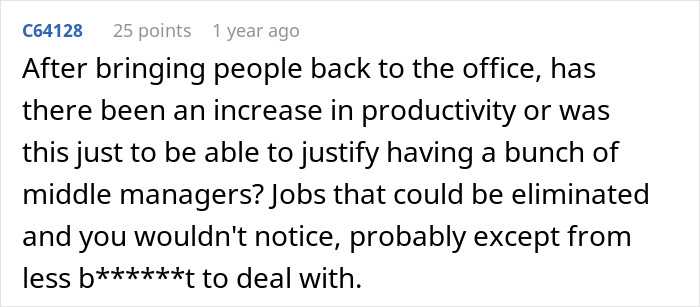
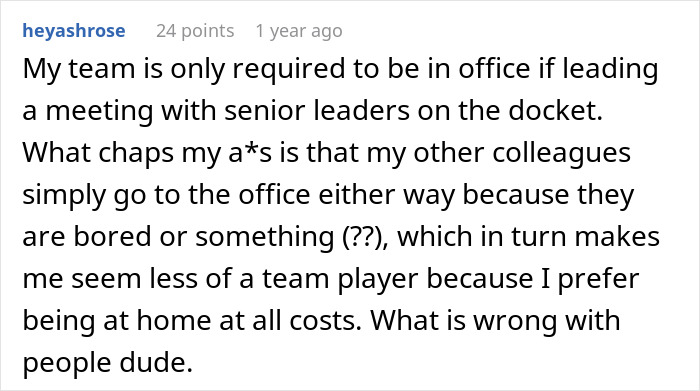
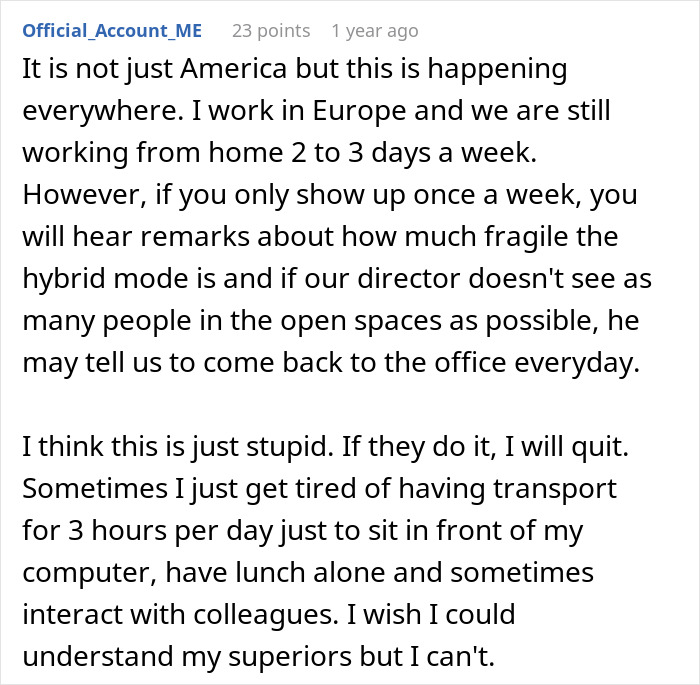
Many people online criticized the mandatory return-to-office model, agreeing with his concerns


 Follow Us