For many readers, the mention of AI-generated imagery still raises immediate doubts — about authenticity, effort, and artistic value. That reaction doesn’t come out of nowhere. A flood of quickly generated, visually repetitive content has made it easy to associate AI art with shortcuts rather than craft. Against that backdrop, CHAIPEAU’s work stands apart precisely because it resists that immediacy. It isn’t built on speed, but on structure, and on a surprisingly traditional idea: that compelling images require intention long before they exist.
Behind the name CHAIPEAU is a German artist Christian Hartmann based in Munich, whose career began more than two decades ago in user experience and interaction design. Over time, that path expanded into building digital agencies, advising global brands, and leading large-scale transformations across industries. But the CHAIPEAU project itself emerges as something more personal, a space where technical expertise meets a deep creative drive. What takes shape isn’t simply AI imagery, but what he describes as generative documentary photography, grounded in real photographic knowledge and shaped by a highly controlled visual language.
More info: chaipeau.com | Instagram | twitter.com
#1
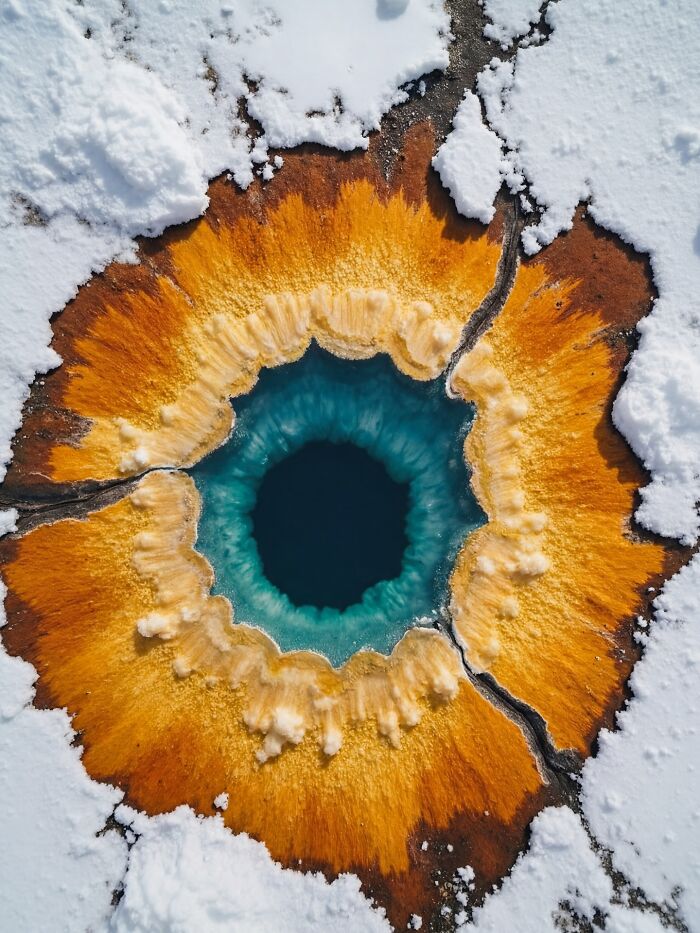
Image source: @chaipeau
CHAIPEAU didn’t arrive at this work through prompts or experimentation alone. His first contact with generative AI goes back to 2018, long before it became widely accessible, and by 2022 it became central to his practice. But the foundation comes from somewhere else entirely.
“I spent years shooting with Hasselblad and Nikon systems. That understanding of optics and color science is what makes the AI output feel genuinely photographic rather than artificial,” he shared in the interview with Bored Panda.
That experience shows. Where much of AI imagery focuses on surface realism, this work is built on underlying behavior — how light interacts with environments, how lenses shape space, how color shifts across distance. It doesn’t just look photographic. It behaves like it.

#2
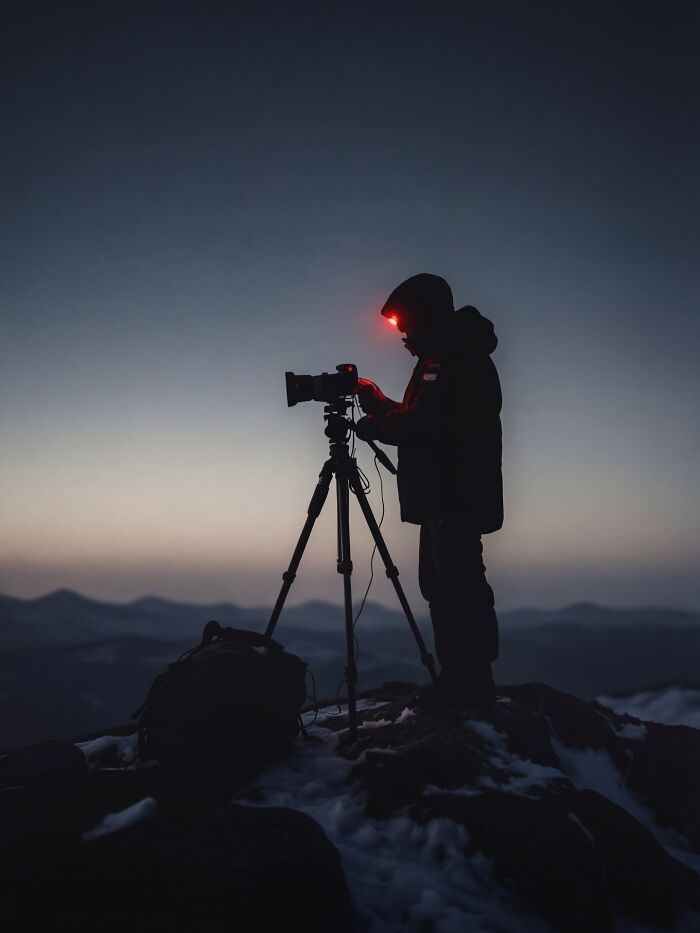
Image source: @chaipeau
#3
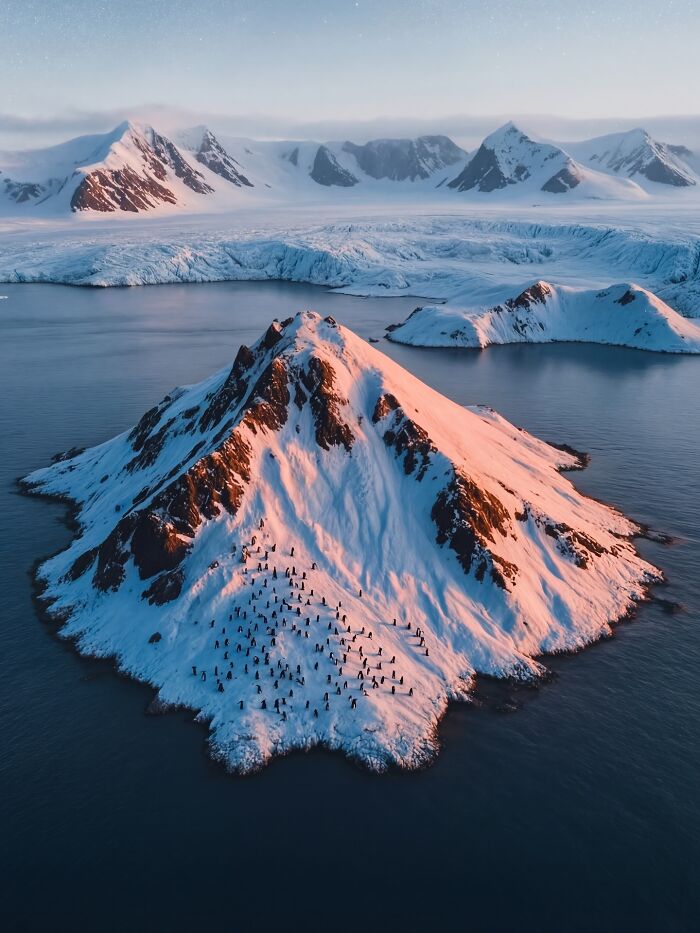
Image source: @chaipeau
The biggest difference in CHAIPEAU’s process is not how images are made, but when the work actually begins.
Every production starts with research — at least 15 verified sources, over 30 wildlife species, and more than 20 real locations tied to a specific environment. Only after that groundwork is in place does the system move into generation.
From there, around 120 structured prompts are created. Most of them don’t survive. They are reduced, refined, and cut down to just 20 final images.
“I build a system where nothing gets generated without preparation. Research comes first. Structure comes second. Only then does production begin,” he explained.
#4
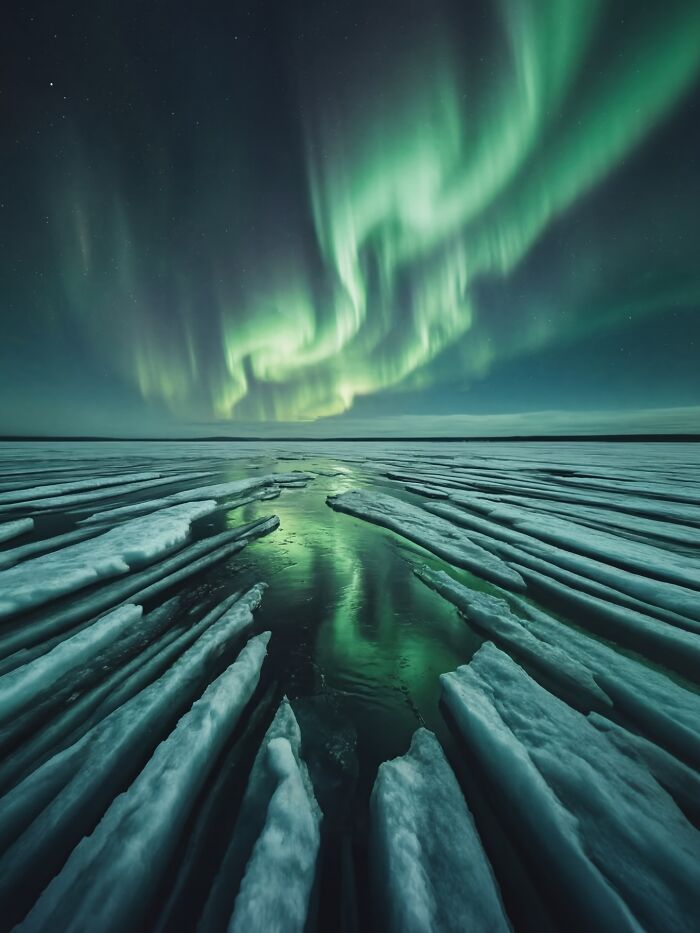
Image source: @chaipeau
#5
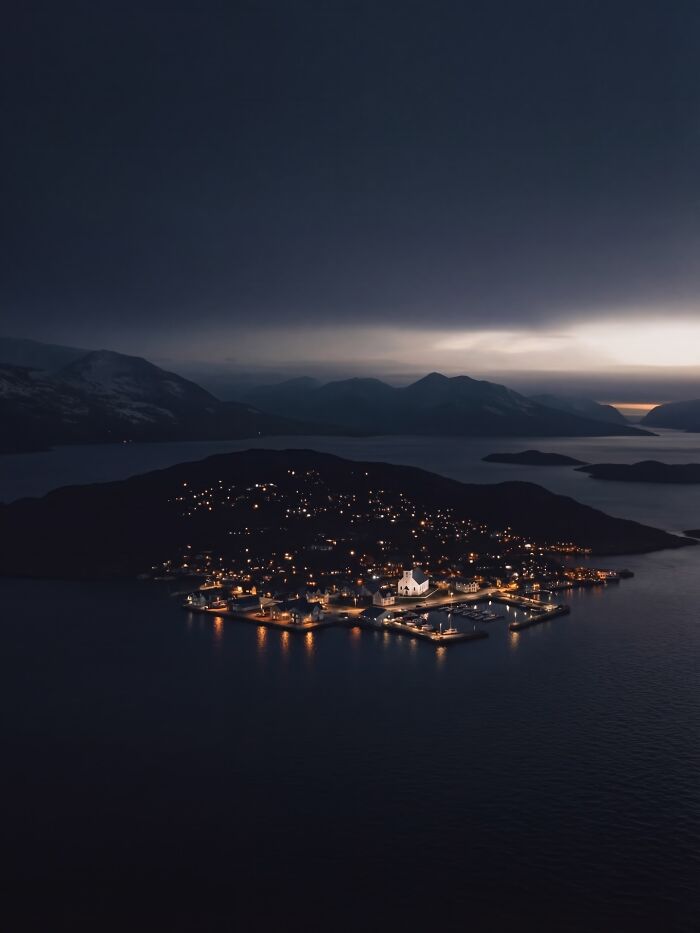
Image source: @chaipeau
The strength of the work isn’t in what is generated. It’s in what is selected. What emerges from that process is not a gallery of individual visuals, but a sequence.
Every production follows a six-phase narrative architecture — from Arrival to Departure — creating rhythm, progression, and coherence across the final set. The images don’t compete with each other. They build on each other.
That structure changes how the work is experienced. It feels less like scrolling through AI outputs and more like moving through something that was intentionally constructed to hold together.
#6
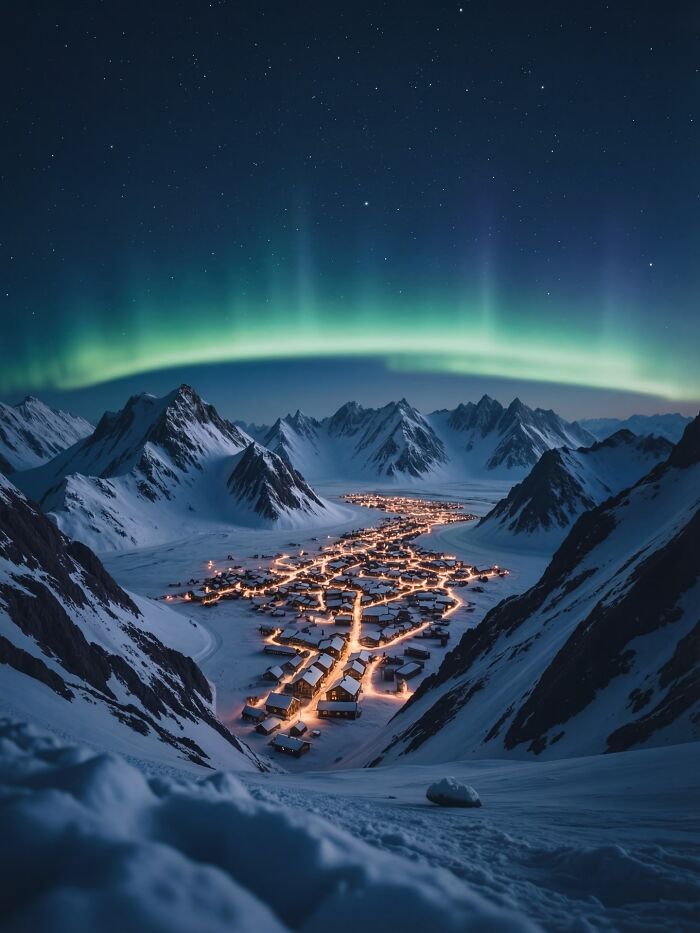
Image source: @chaipeau
#7
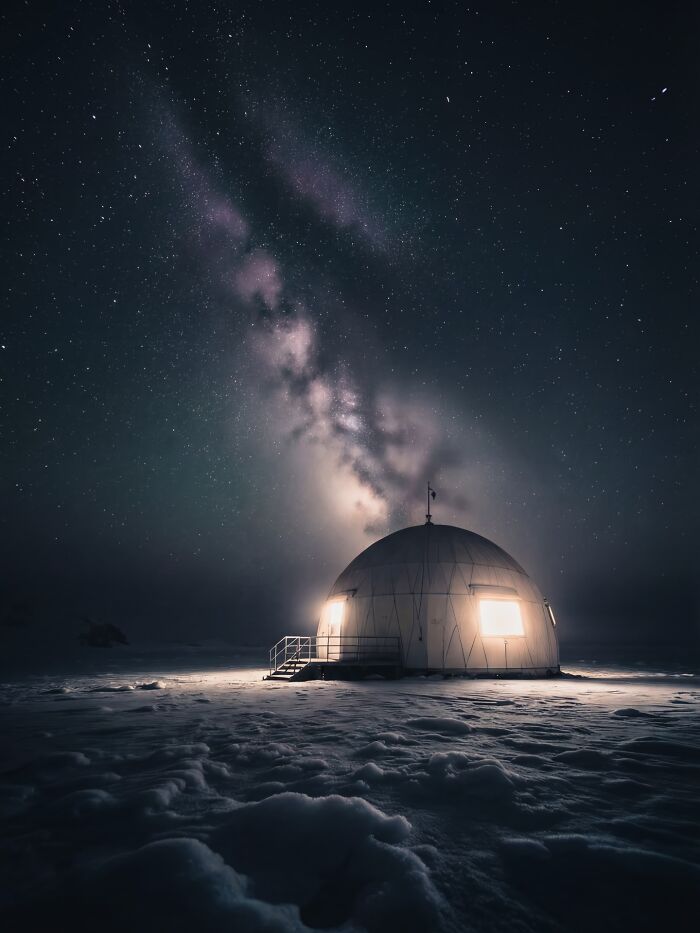
Image source: @chaipeau
One of the most distinctive aspects of CHAIPEAU’s work is its consistency. The images carry a recognizable tone — desaturated colors, deep teals, warm ambers, natural light, and subtle film grain.
“It reaches a point where people recognize the work before they see the name.”
That consistency is built into the system itself. At its center is a custom LoRA model trained on more than 1,000 curated reference images, encoding roughly 60–70% of the visual identity automatically.
Each image is also constructed with simulated professional camera systems — defined lenses, aperture values, ISO — reinforcing the physical logic behind every frame.
#8
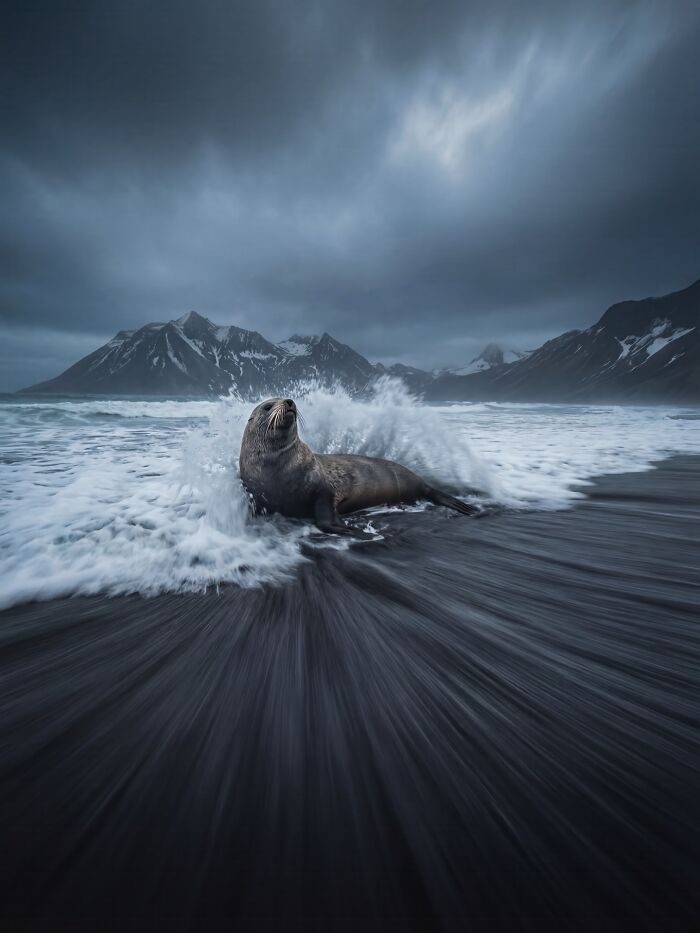
Image source: @chaipeau
#9
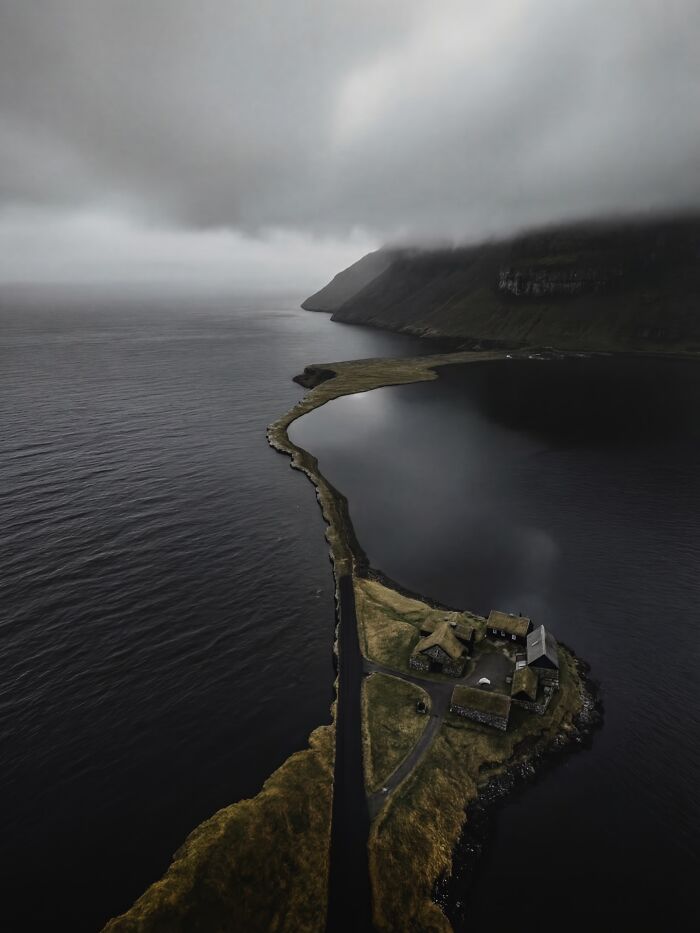
Image source: @chaipeau
The process is not static. It evolves constantly. The CHAIPEAU production framework is now in its eighth major version, built from more than 20 interconnected documents that define everything from narrative structure to color logic and validation rules.
“I’ve broken my own framework more times than I can count,” he said.
#10
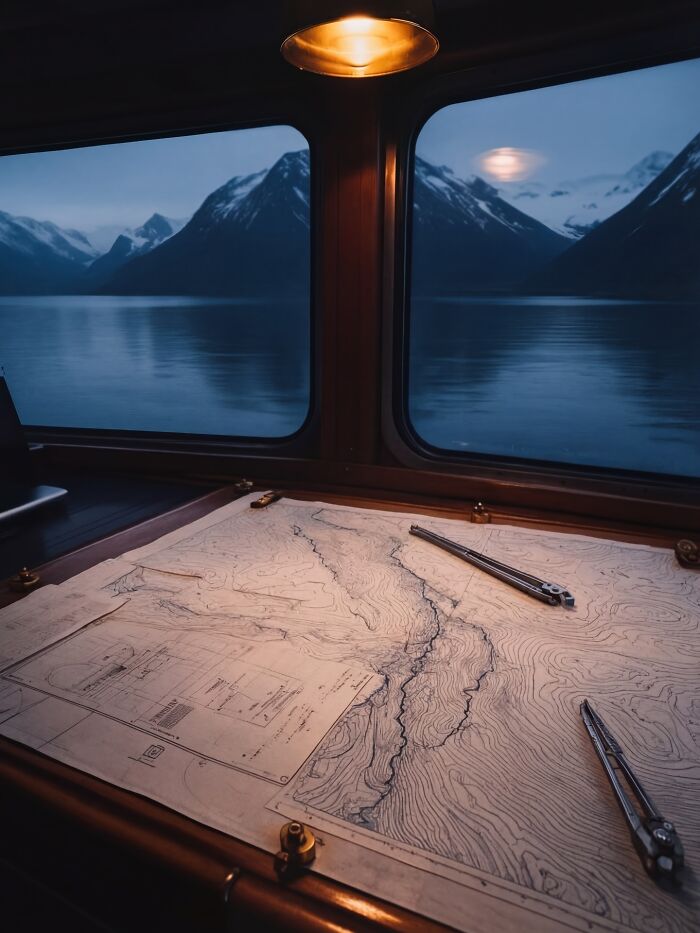
Image source: @chaipeau
#11
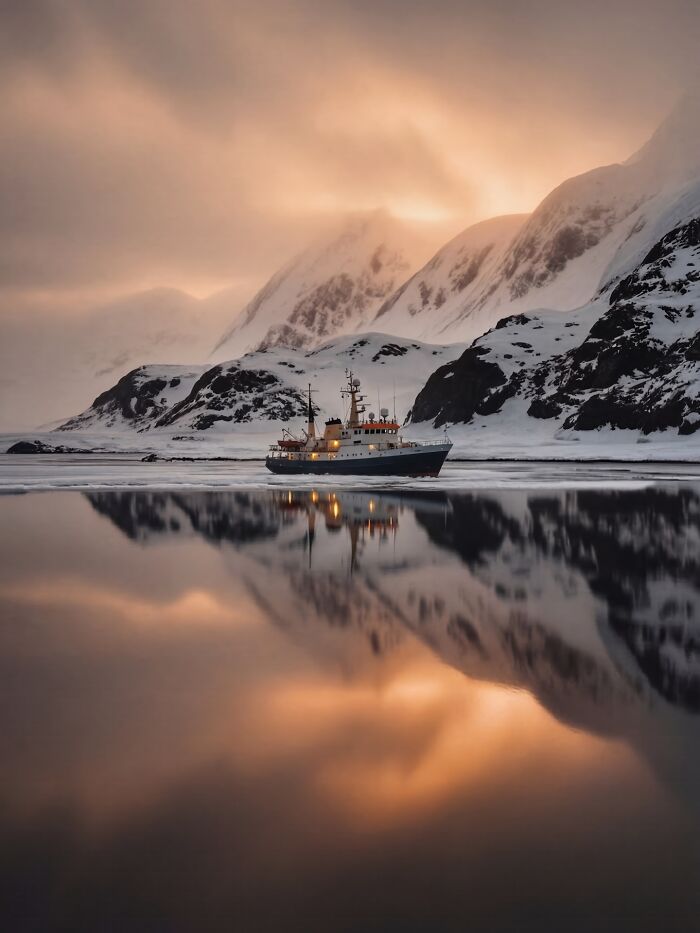
Image source: @chaipeau
Each version exists because the previous one exposed something that didn’t work — a pattern that became predictable, a rule that was too loose, a result that didn’t hold together. The system is rebuilt again and again, refining itself through failure.
So far, that process has produced 15 complete series, spanning locations from Svalbard in the Arctic to Namibia’s Skeleton Coast.
#12
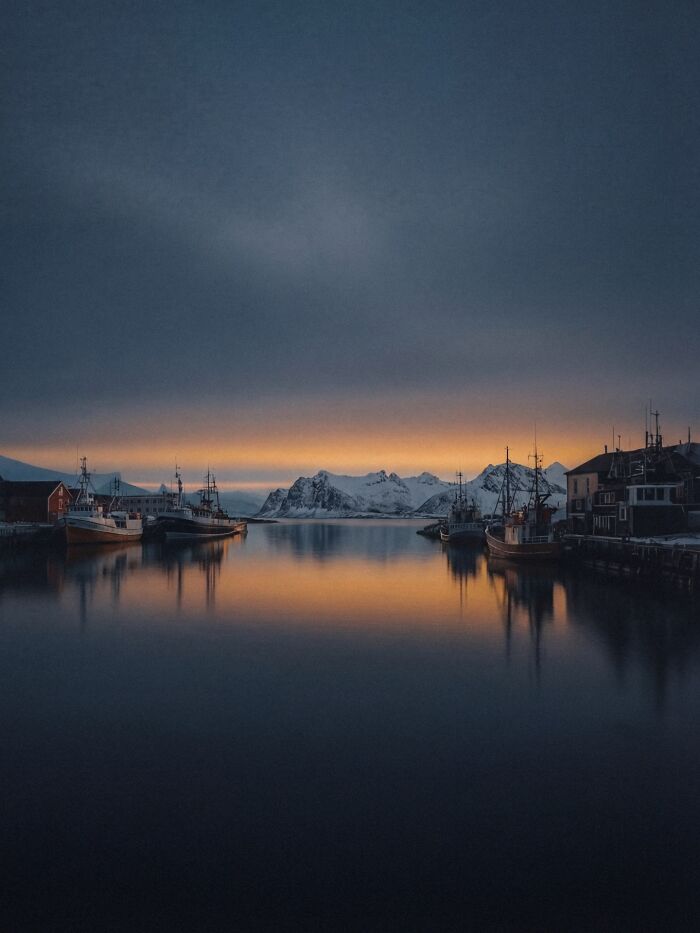
Image source: @chaipeau
#13
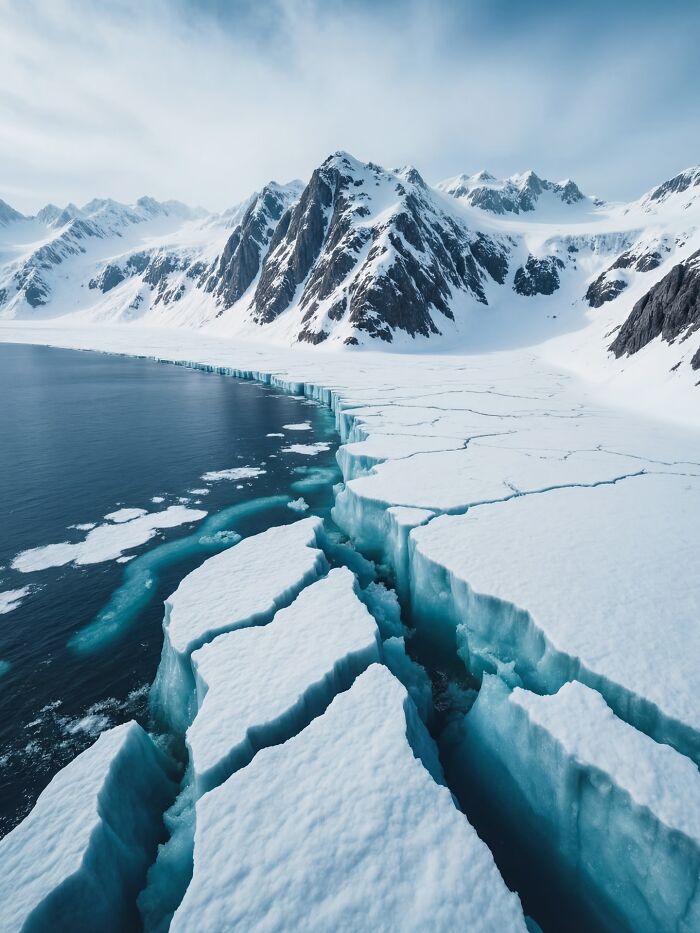
Image source: @chaipeau
Despite the technical depth behind the work, the starting point is rarely technical.
“Some of the best ideas come when I step away from the screen — walking at night, when everything becomes quiet,” the artist shared.
Solitude, movement, and music shape the direction of each production. Every location is studied in detail — geographically, visually, atmospherically — grounding the work in something real before it is ever generated.
#14
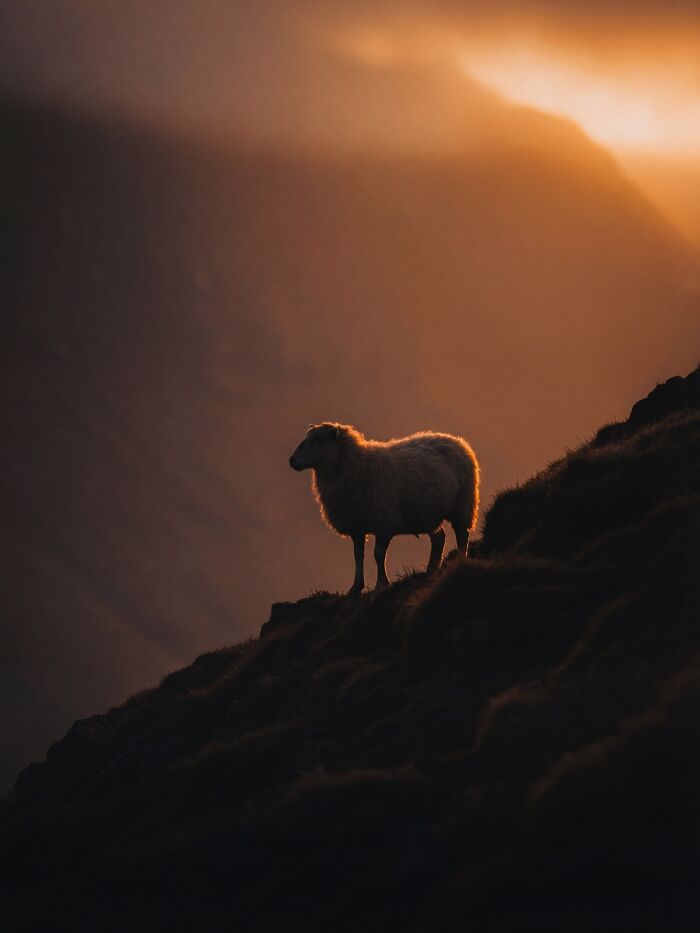
Image source: @chaipeau
#15
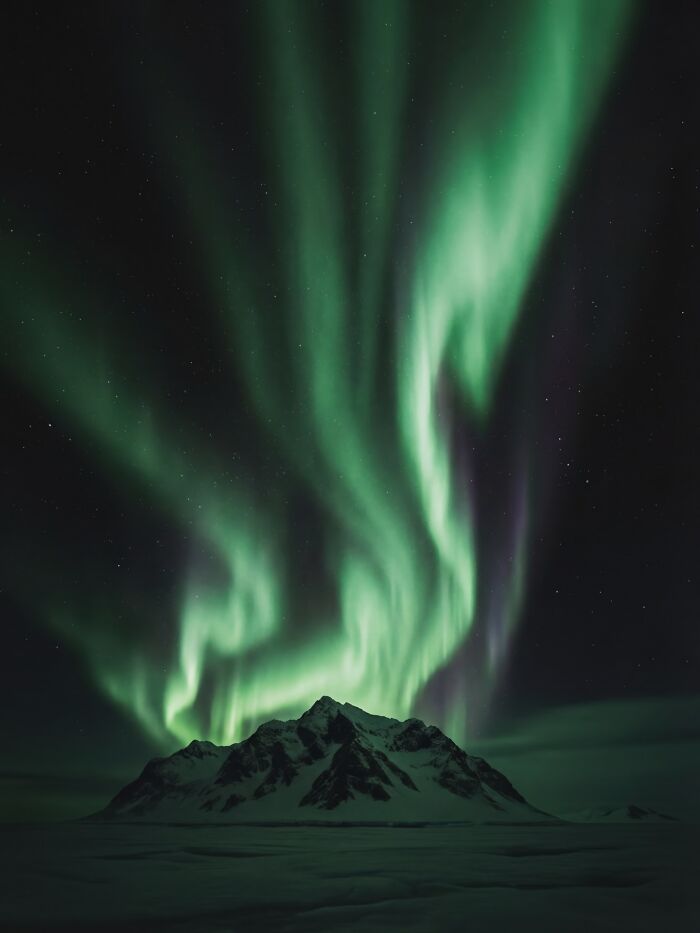
Image source: @chaipeau
For those entering AI art, CHAIPEAU’s advice is direct: “Start by forgetting the tool. The output reflects the person using it, not the software itself.”
The focus shifts away from prompts and toward fundamentals, understanding the craft, building systems, and developing the discipline to evaluate and discard work.
“Delete more than you keep. Be your own harshest critic. The barrier to entry is low — but the barrier to excellence is exactly as high as it has always been,” the artist added.
#16
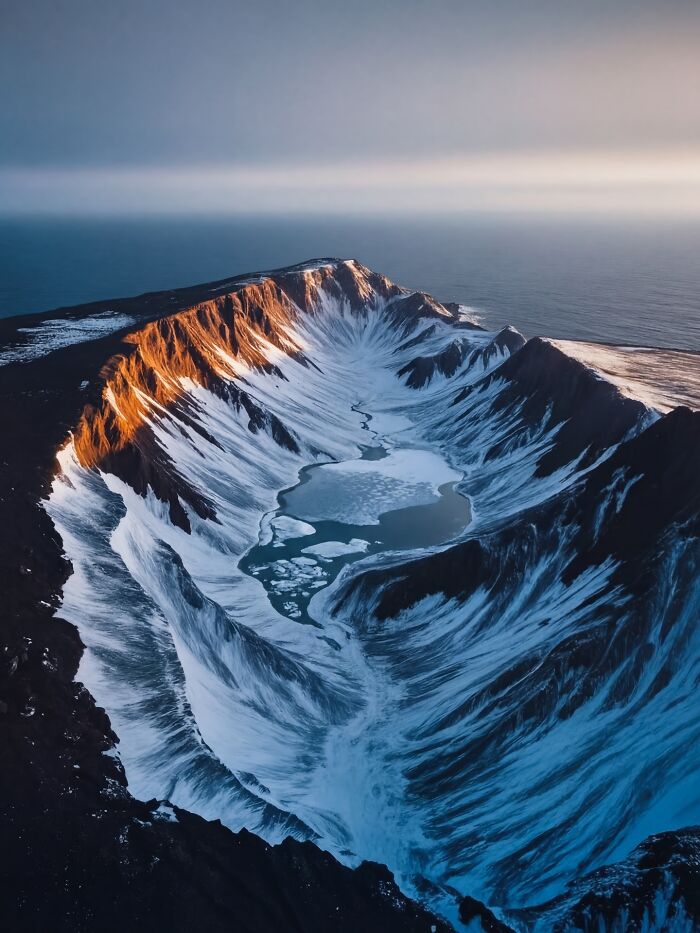
Image source: @chaipeau
#17
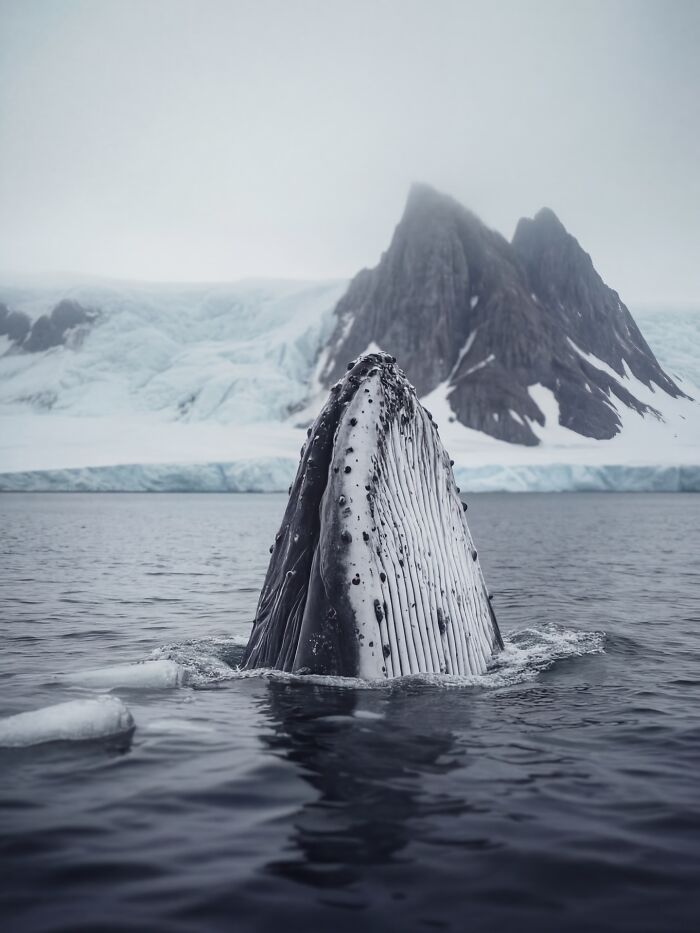
Image source: @chaipeau
For CHAIPEAU, the point isn’t the tool, but the approach behind it. He rejects the idea of AI as a shortcut and instead treats it as a medium that demands the same level of commitment as any other craft.
“I believe that true artistry doesn’t come from pressing a magic button. It comes from a commitment to the craft — using our brains to inject soul into every creation.”
That mindset shifts the focus away from producing individual images and toward building structured systems that can consistently deliver meaningful work.
“My mission is to shift the focus from pixels to process, moving from individual output to building scalable design machines.”
#18
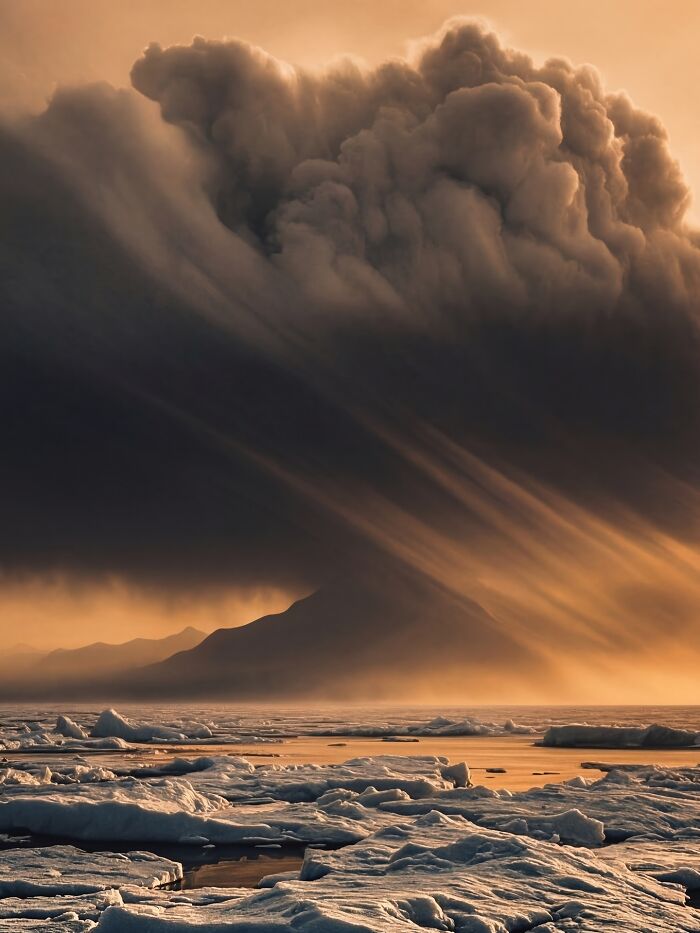
Image source: @chaipeau
#19
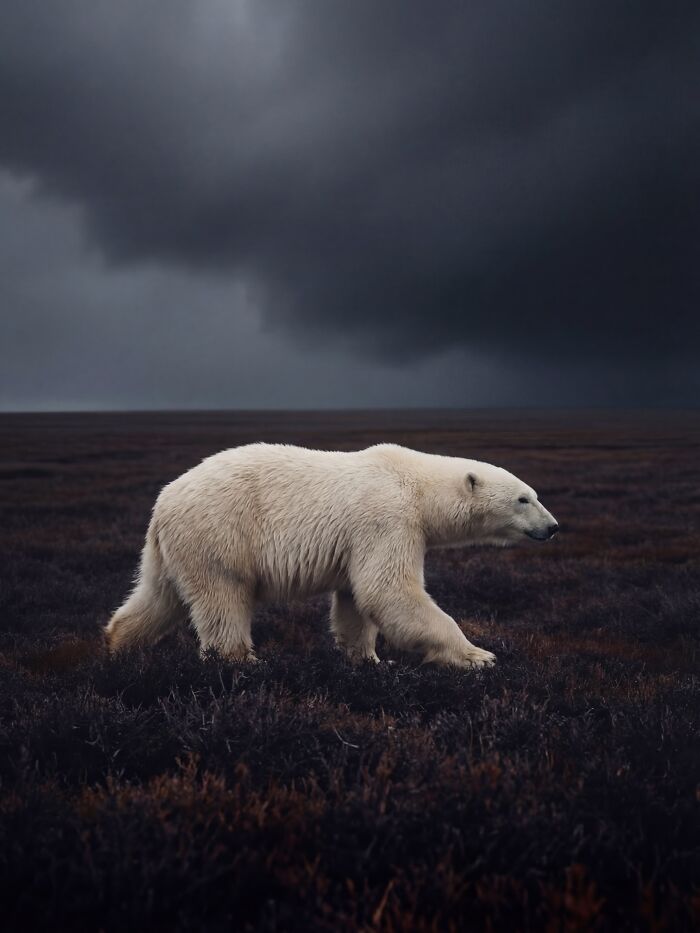
Image source: @chaipeau
At the core of it is a practical challenge: closing the gap between what you imagine and what you can actually produce. His approach is to bridge that gap by treating AI not as an automated solution, but as something that has to be shaped, controlled, and developed over time.
“I bridge the gap between creative ambition and technical reality by treating AI as a new medium to mold. We call this Artistic Intelligence.”
#20
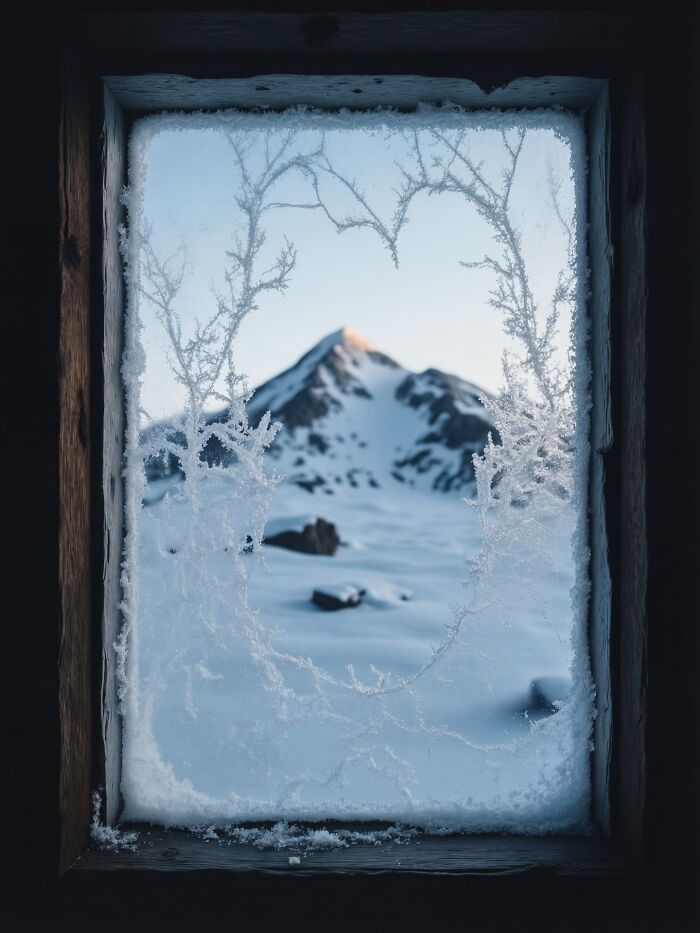
Image source: @chaipeau
#21
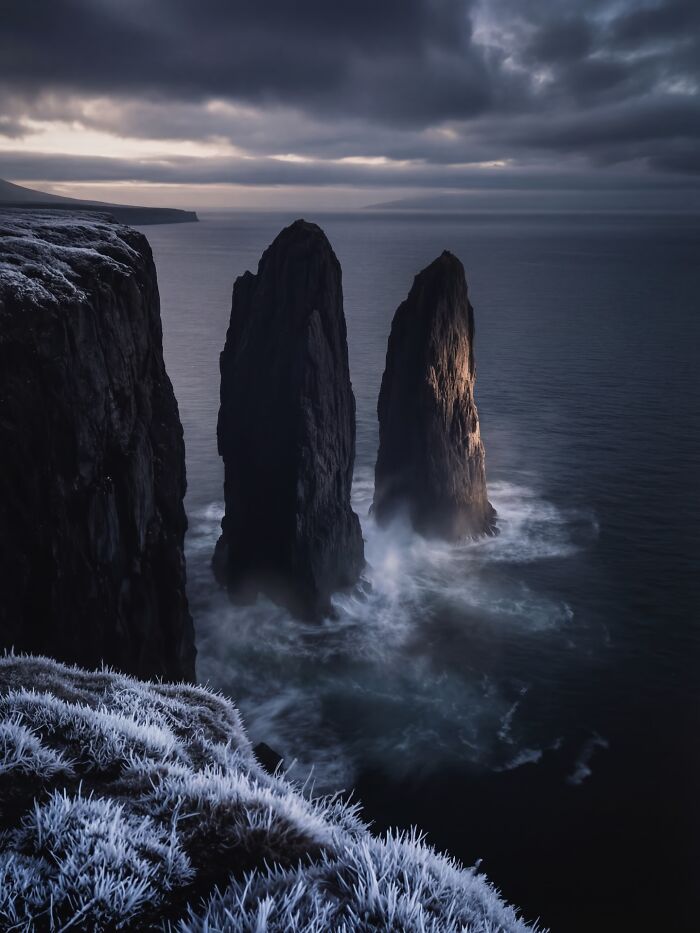
Image source: @chaipeau
#22
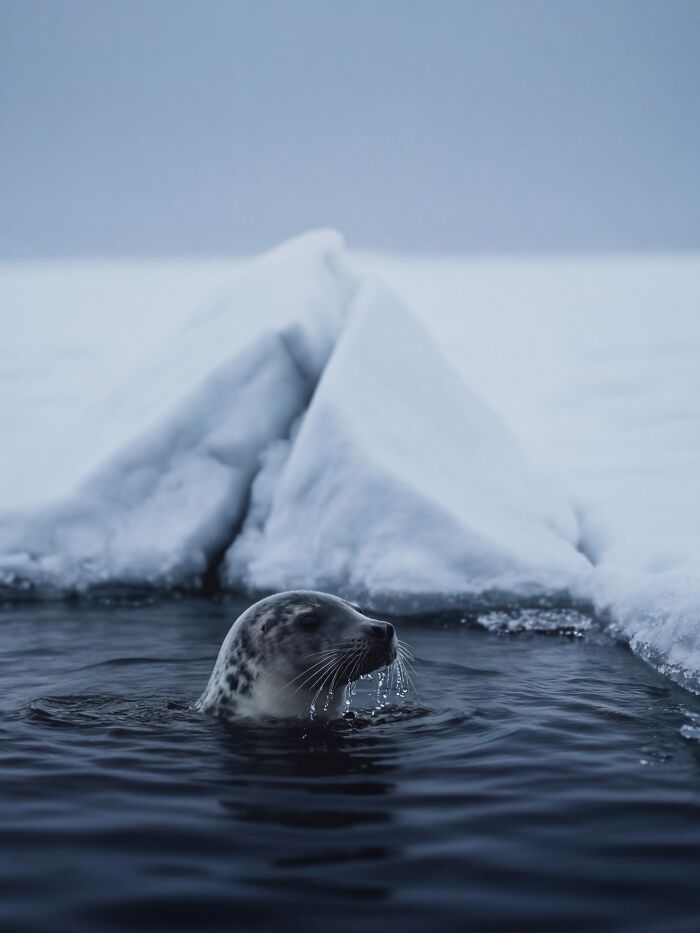
Image source: @chaipeau
#23
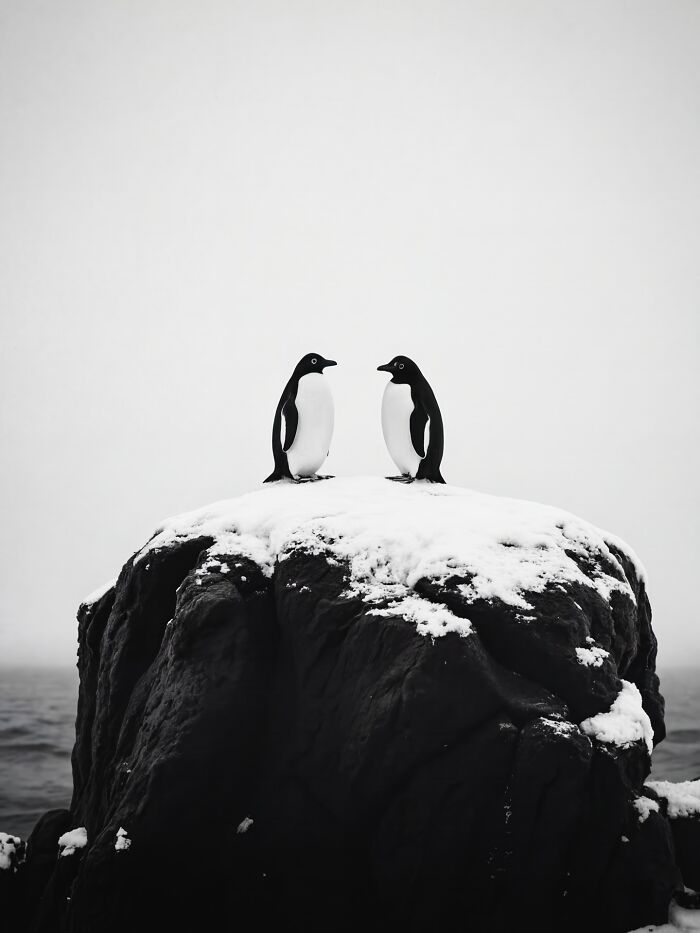
Image source: @chaipeau
#24
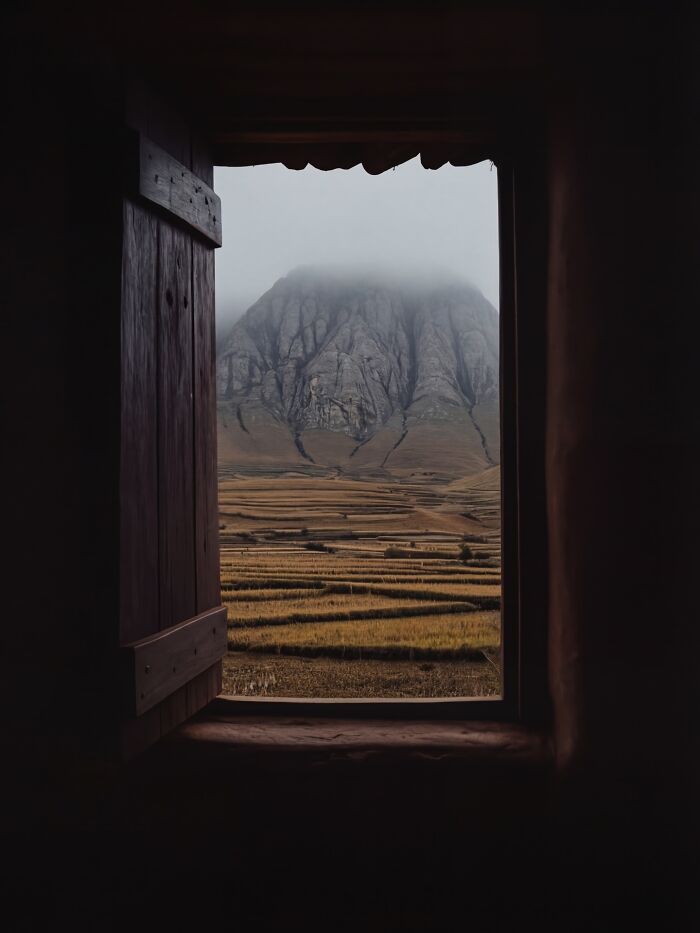
Image source: @chaipeau
#25
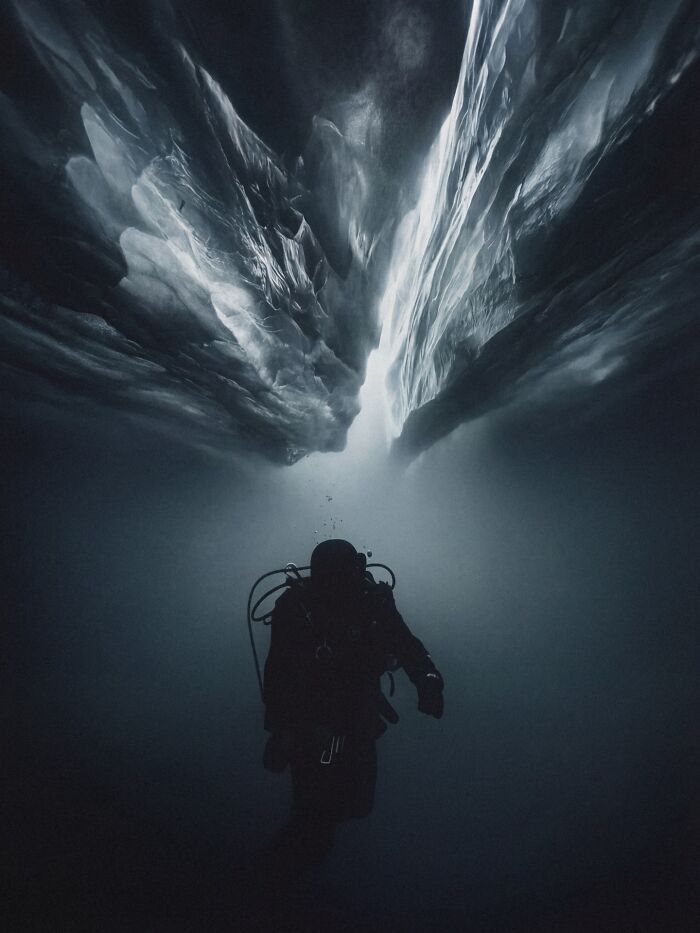
Image source: @chaipeau
#26
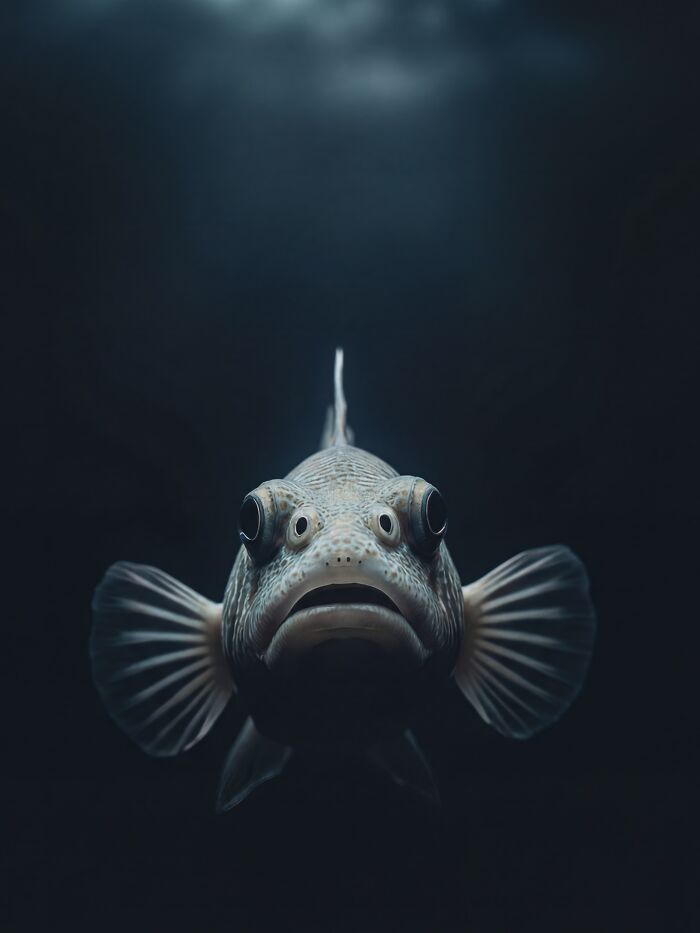
Image source: @chaipeau
#27
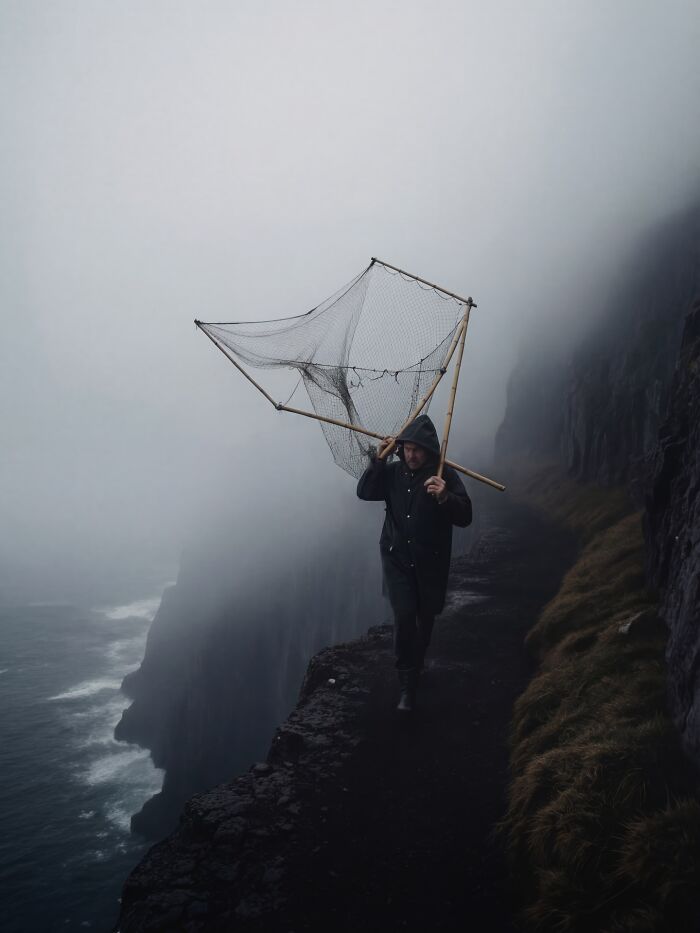
Image source: @chaipeau
#28
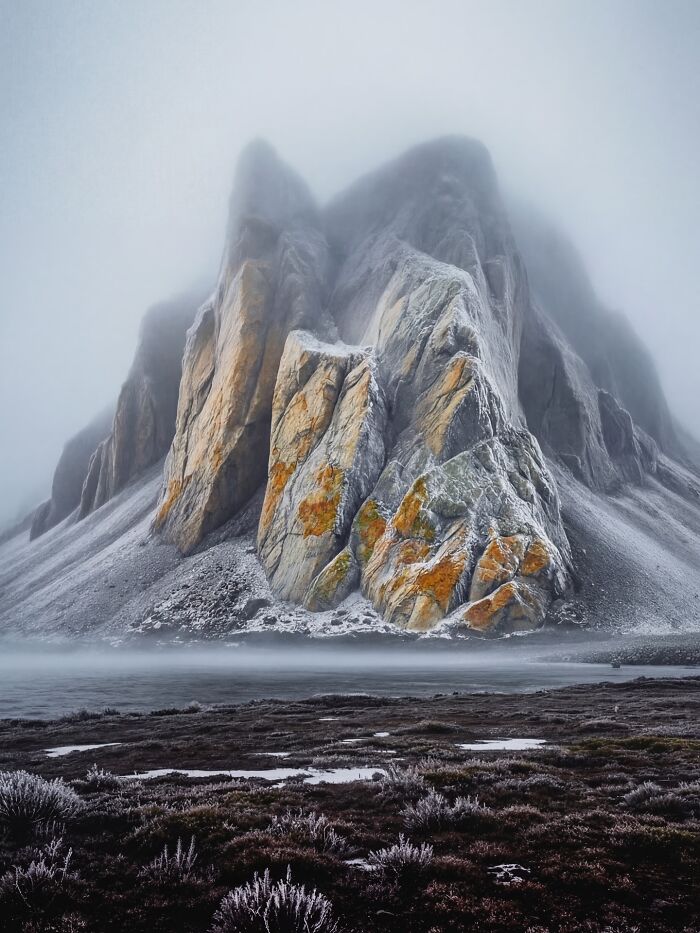
Image source: @chaipeau
#29
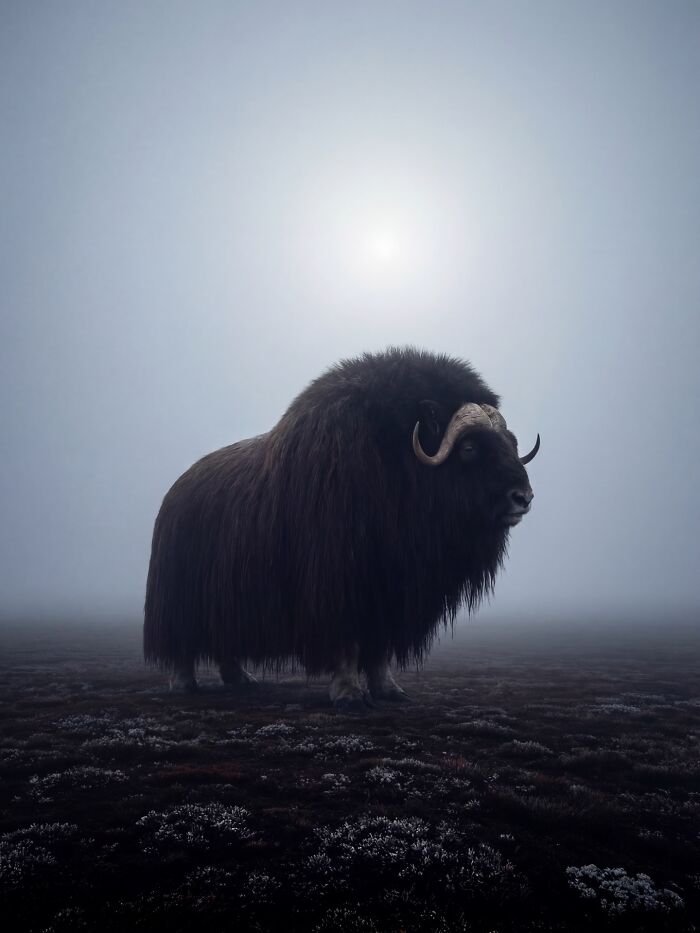
Image source: @chaipeau
#30
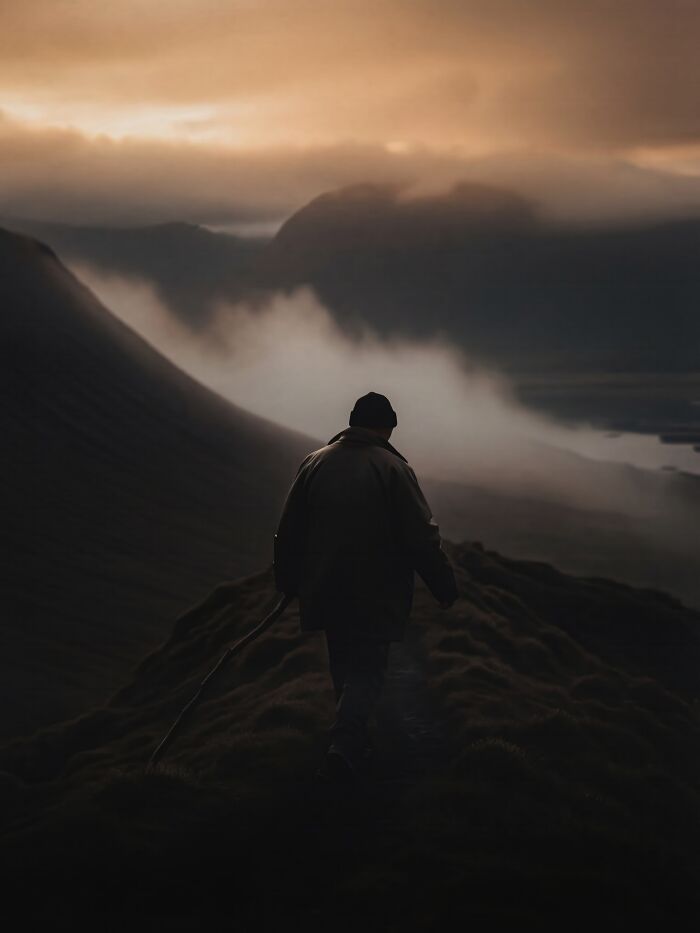
Image source: @chaipeau
#31
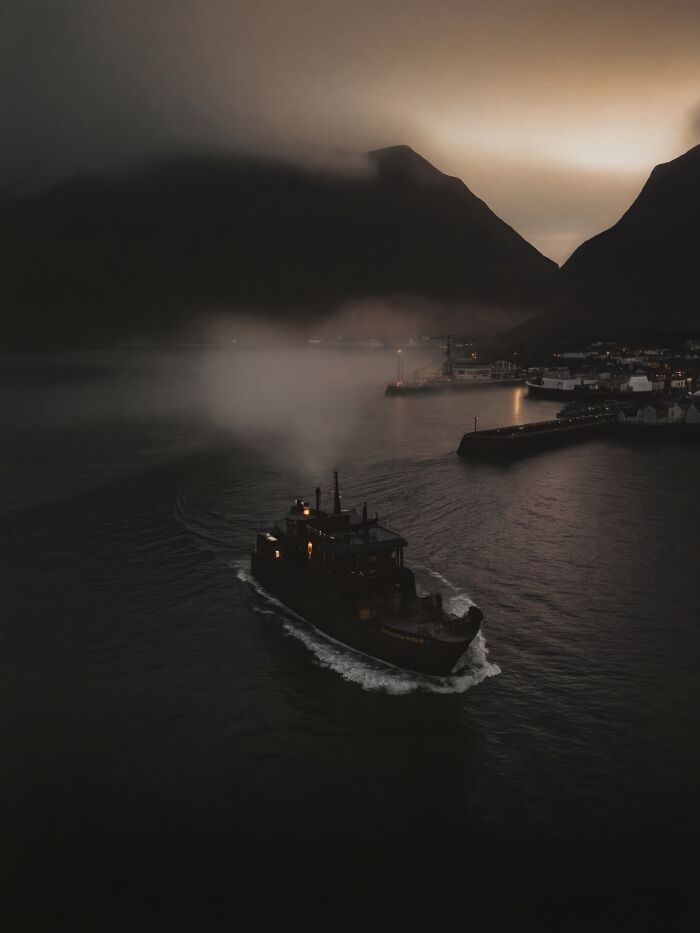
Image source: @chaipeau
#32
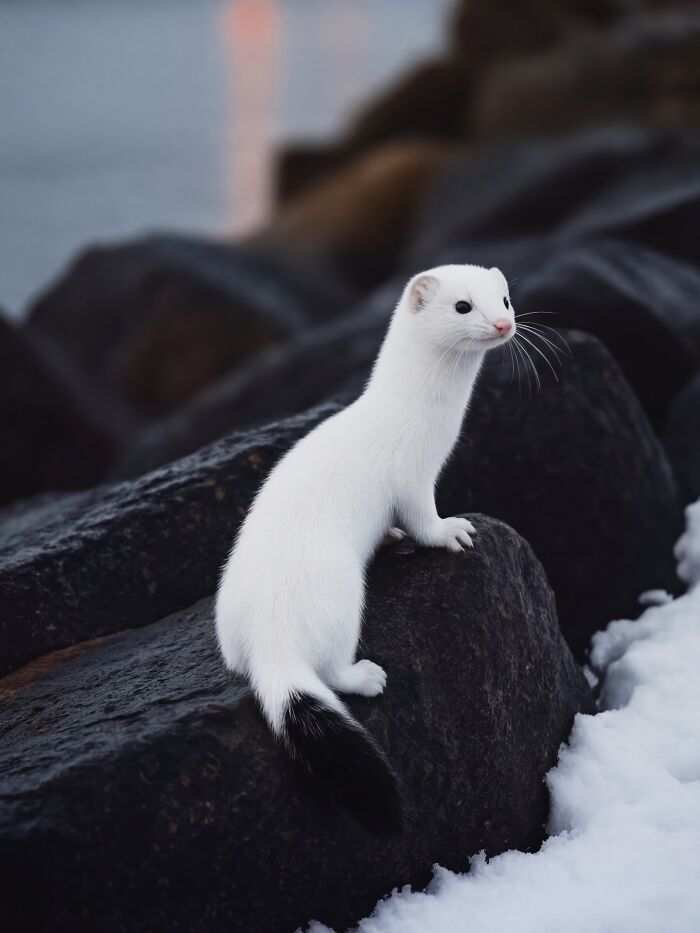
Image source: @chaipeau
#33
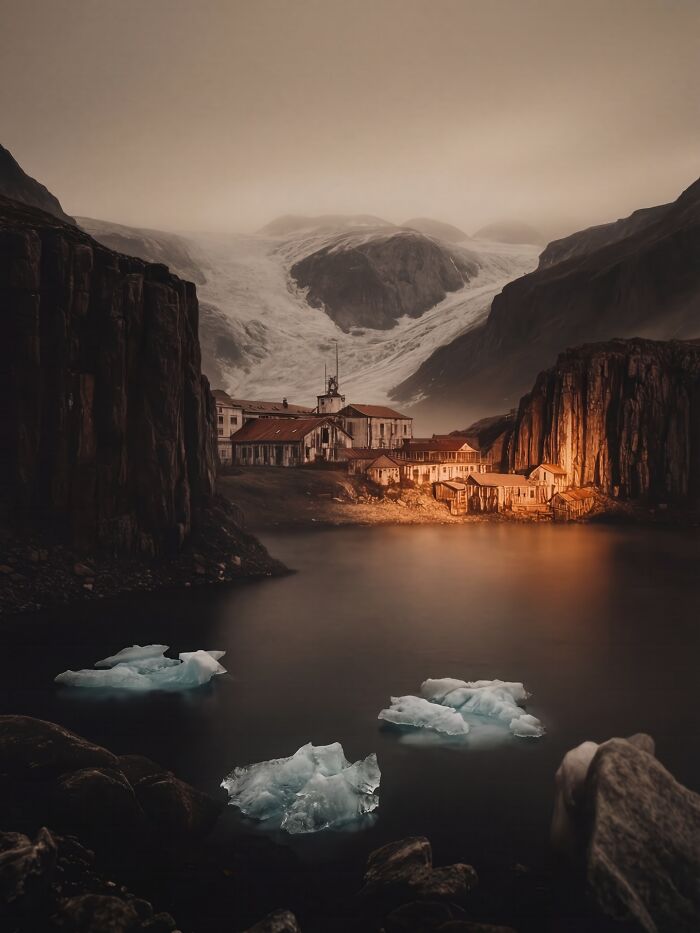
Image source: @chaipeau
#34
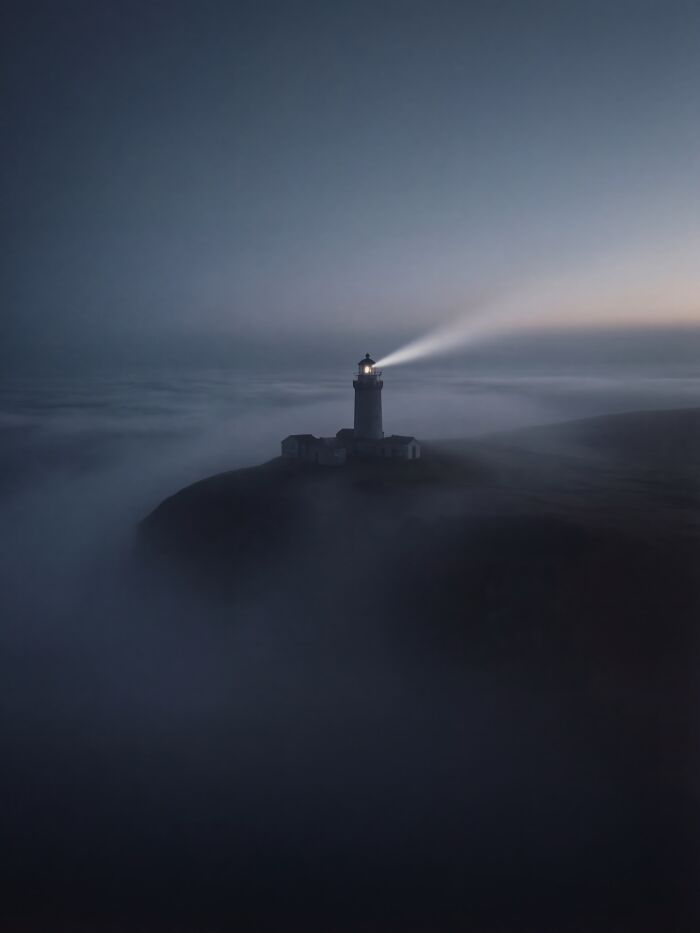
Image source: @chaipeau
#35
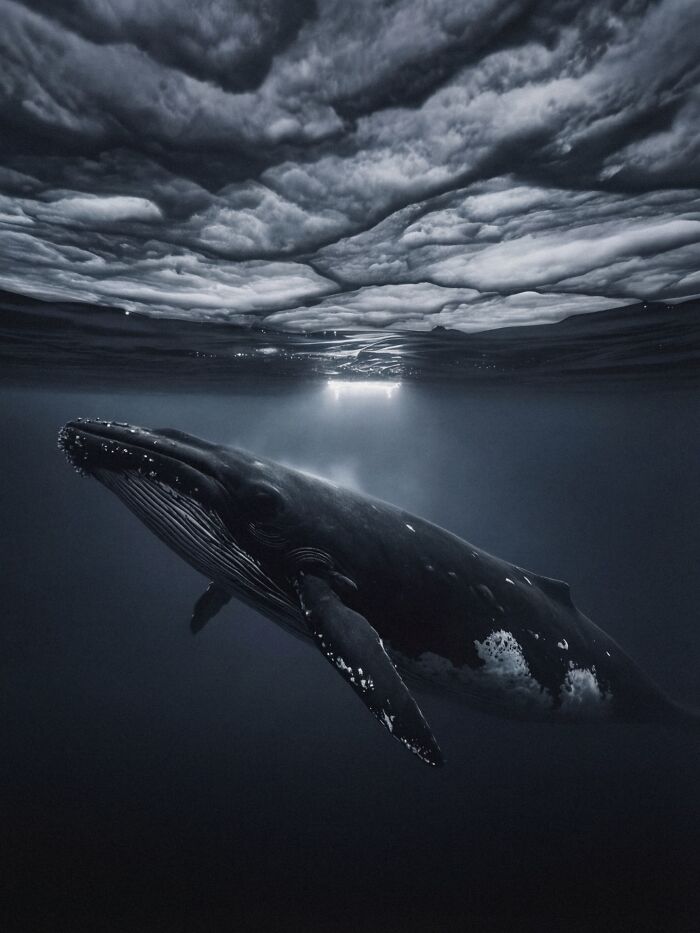
Image source: @chaipeau
#36
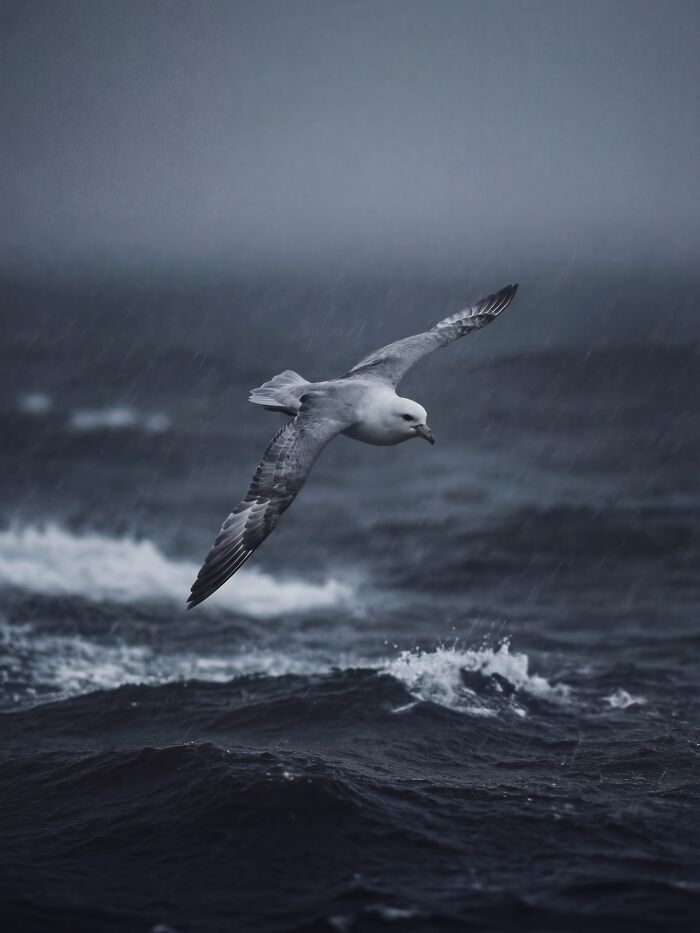
Image source: @chaipeau
#37
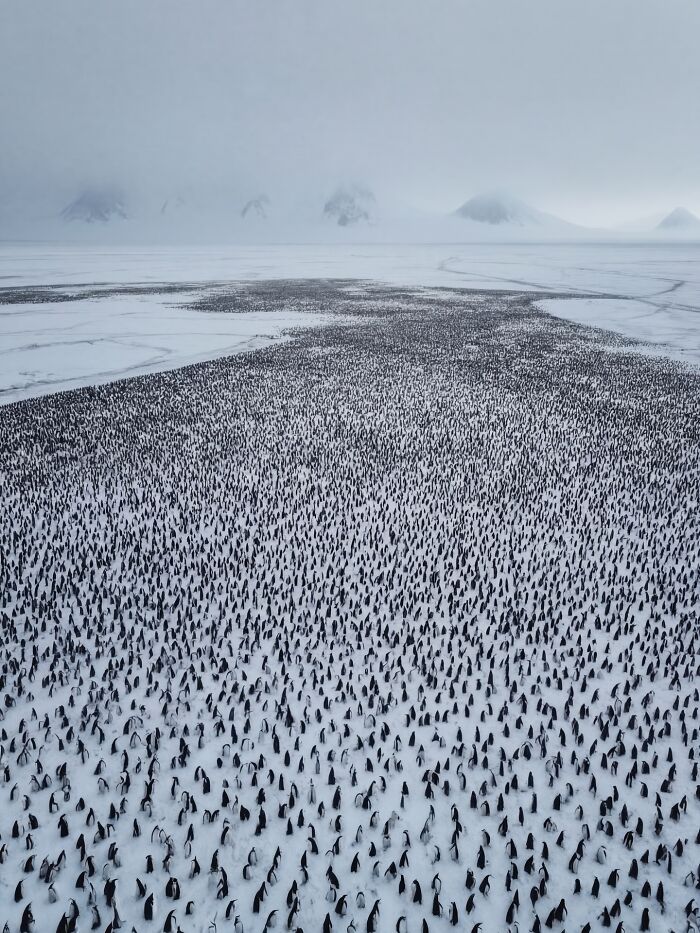
Image source: @chaipeau
#38
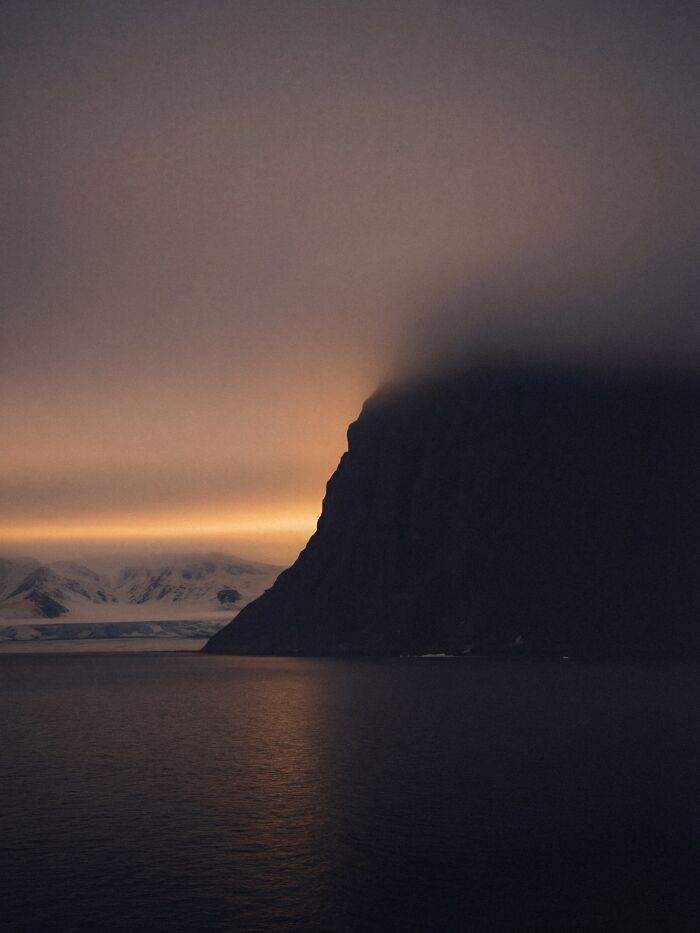
Image source: @chaipeau
#39
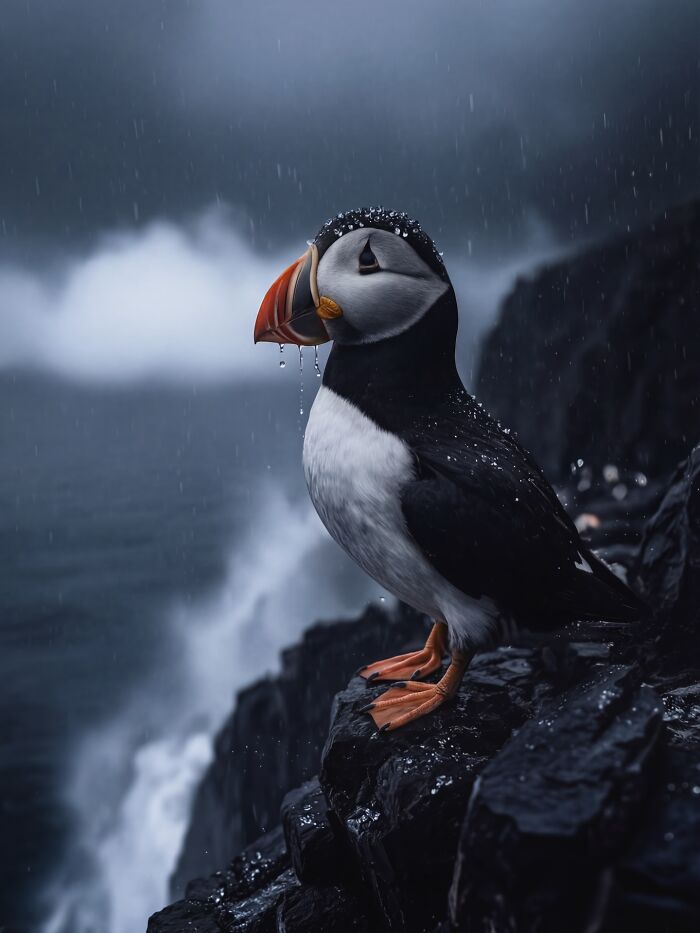
Image source: @chaipeau
#40
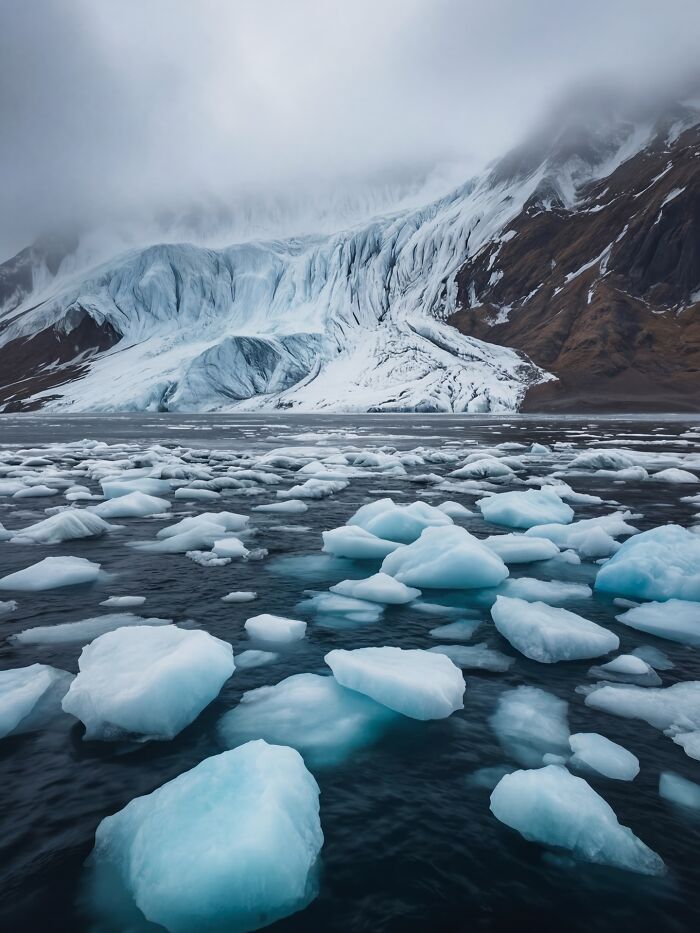
Image source: @chaipeau
 Follow Us