When you decide to have kids with someone, you can’t predict whether they will be a good parent or not. Research shows that parenting is one of the most common topics on which partners disagree. It’s all well and good when it’s about who changed more diapers and whose turn it is to feed the baby.
But when your partner is being straight-up neglectful, it’s time for action. This mom didn’t delay after a horrible episode of her husband neglecting their kids. After she came home one day, she found her kids unfed, screaming, and her husband sleeping soundly in the bedroom. So, like a true mama bear, she ripped him a new one and kicked him out of the house.
A woman came home one evening and found that her husband had neglected to take care of the kids

Image credits: vailery (not the actual image)

She found the baby screaming, the 8-year-old trying to feed her, and the husband fast asleep in the bedroom
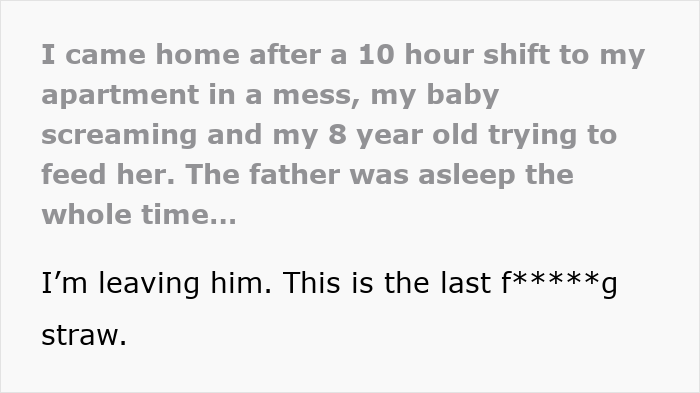
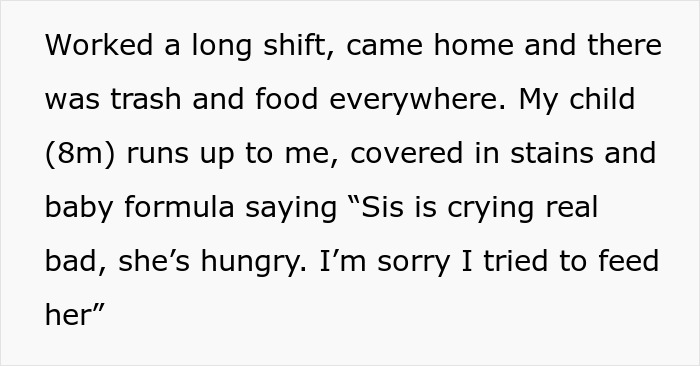

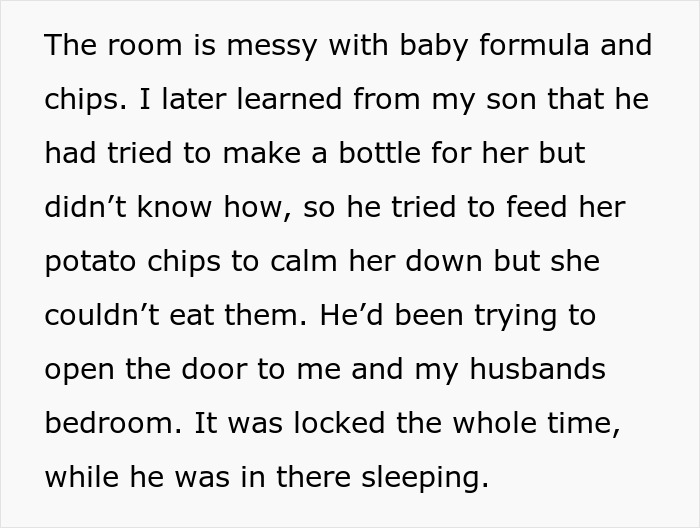
Image credits: syda_productions (not the actual image)

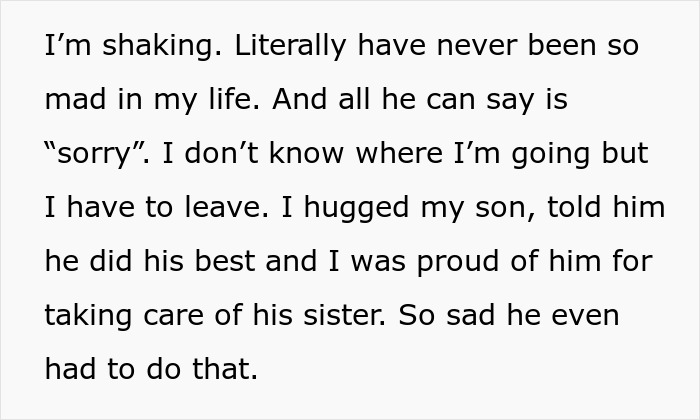
Image credits: rugger86 (not the actual image)
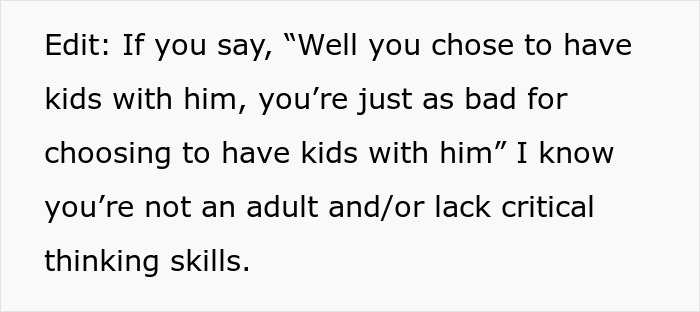
“This was the first and only time he neglected our children like this,” the mom clarified in an edit
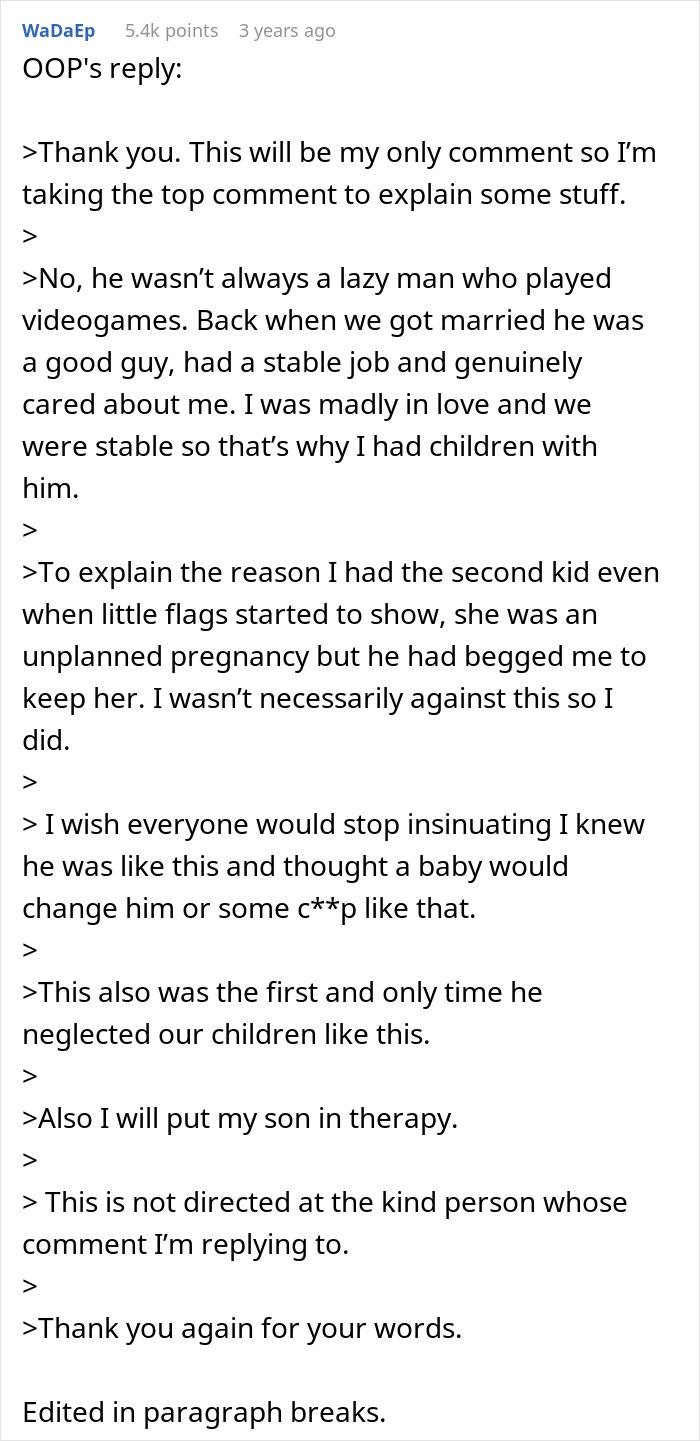
Later, she posted an update about confronting him


Image credits: freepik (not the actual image)


Image credits: daniel-007 (not the actual image)

Image credits: MiladyWillDo
The bar for how much parenting fathers should do still remains very low
It’s hard to gauge what exactly happened to the dad in this story. The wife insists that he never “neglected our children like this,” but has he done so in other ways? She wrote that he was a good husband prior to this episode, so, it had commenters speculating. Some even suggested that illegal substances may have been involved. Otherwise, how did he not hear a baby crying the entire day?
His reply about how he didn’t feed the kids because he “thought they ate before [the mom] went to work” signals that he doesn’t have much experience with looking after his children. Unfortunately, that might happen if the family adheres to traditional gender roles and the mom takes care of the children’s basic needs more often.
Research finds that mothers tend to tie their identity to being a mom more than fathers do to being a dad. According to a 2023 Pew survey, 88% of American mothers say that being a mother is one of the most important aspects of who they are, and 85% of fathers say the same. However, 35% of moms say it’s the most important, and only 24% of dads do.
Statistically, mothers are also the default caregivers for children. A study in 2015 found that dads spend 71 minutes per day on childcare, while moms spend 162. While the gender gap in parenting has decreased significantly since 1961 (it was 96 minutes for moms and only 18 minutes for dads per day), it’s still by no means equal.
Essentially, when mothers do parenting, it’s a duty. When a father does it, he’s “helping,” “babysitting,” or “contributing.” When that happens in 2026, it’s a worrying trend.
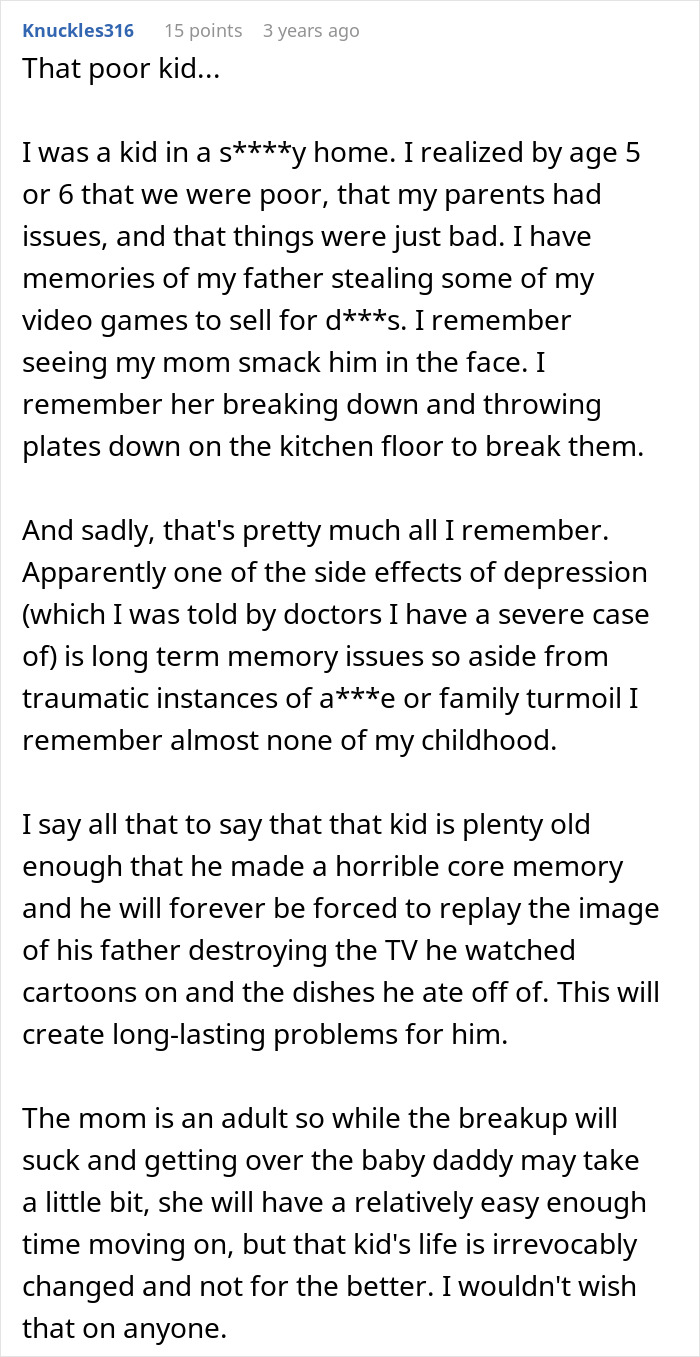
Both children experienced neglect here, but the eight-year-old might feel the psychological effects when he grows up
Another worrying thing that happened in this story is how the eight-year-old had to assume the role of the parent and try to take care of his little sister. Experts call this parentification, or the role reversal in which the child assumes the responsibilities of a parent. Providing care for siblings is one of the classic examples of parentification.
There are two types of parentification: instrumental and emotional. Instrumental parentification happens when a child has to be responsible for maintaining the household: money, meals, chores, and etc. Emotional parentification has a more significantly negative impact on parentified individuals when they grow up, and it includes the child becoming the confidante of a parent, being responsible for their siblings’ self-esteem, or trying to keep the peace among family members so they don’t fight.
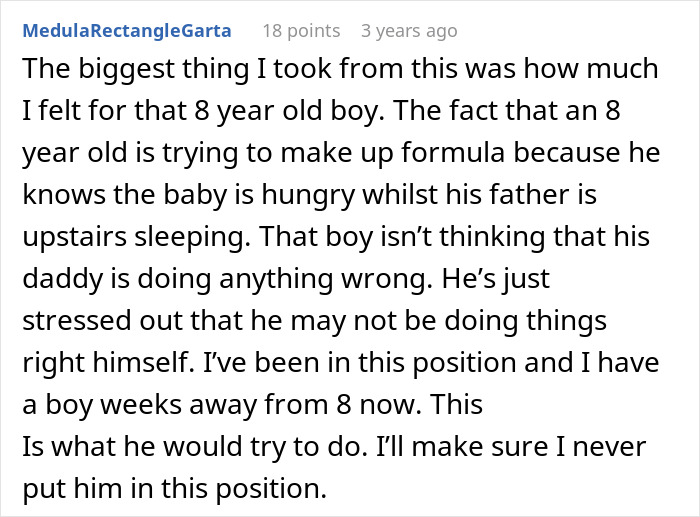
The mother mentions how seriously she is taking this neglect episode and the effect it may have on her boy. She plans to get him to start seeing a therapist who can help him see that he is not responsible in that situation and that his father, a person he looks up to, was in the wrong.
The damage and the danger for the baby were immediate. Experts say that six-month-olds should get some soft food two or three times a day, and formula or breast milk about six times a day. But for the eight-year-old, the emotional damage might be even more serious and have lasting psychological effects later in life.
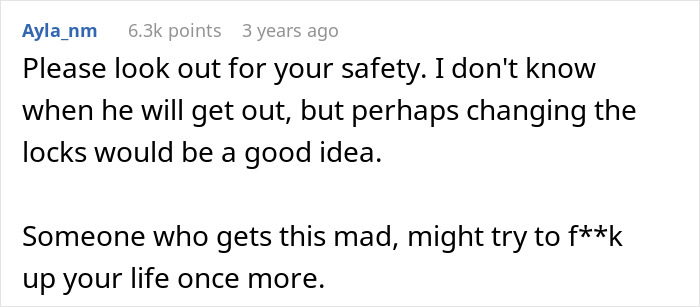
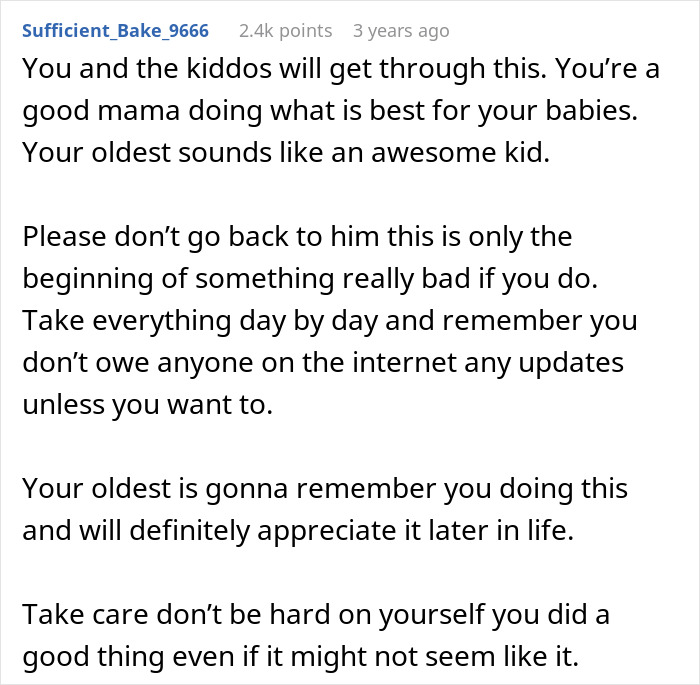
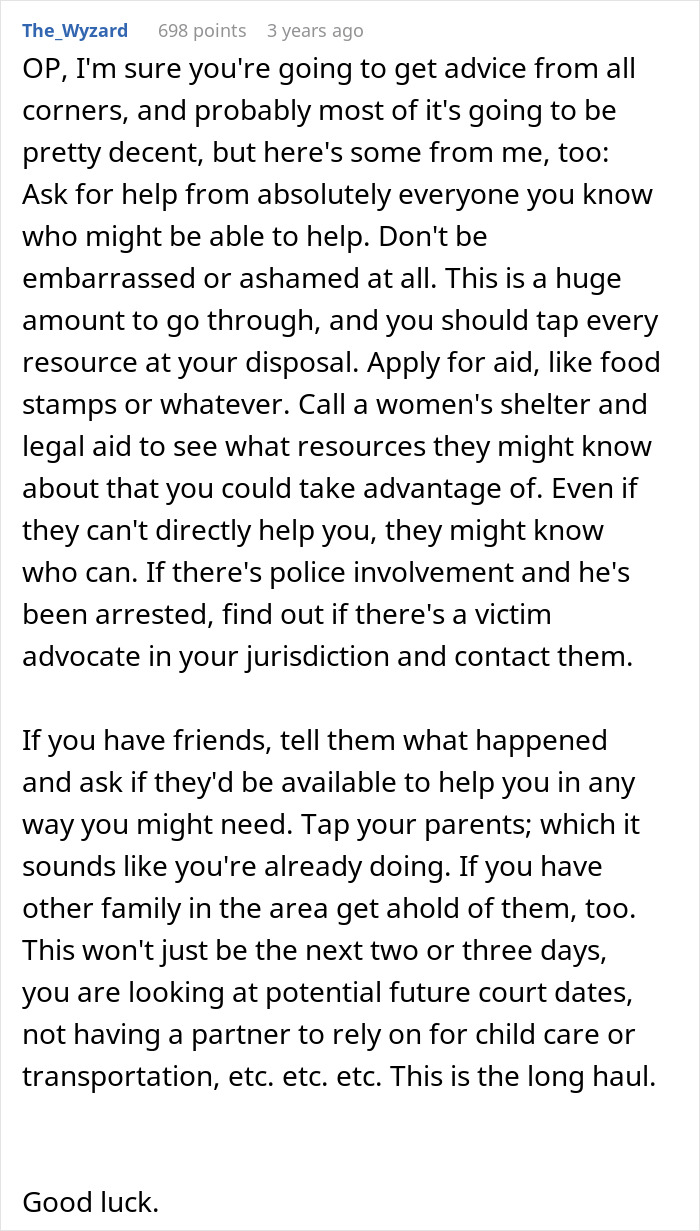
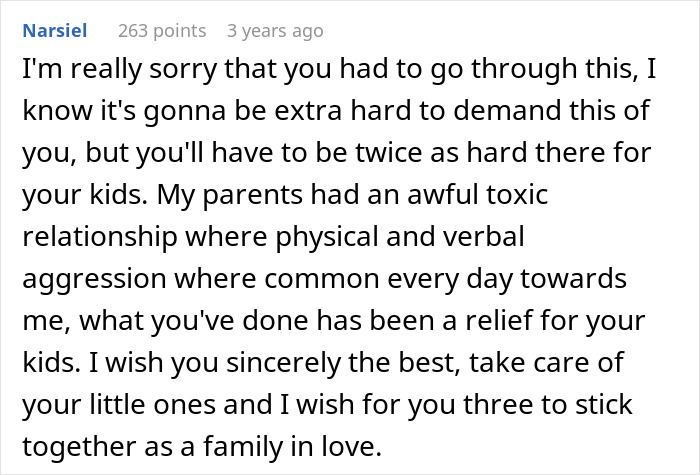
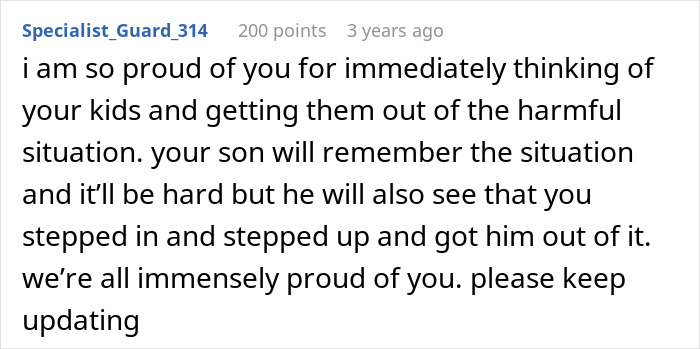
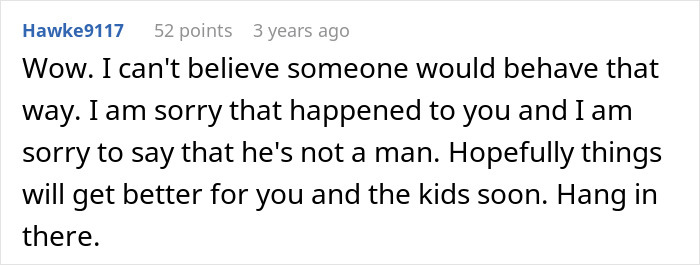
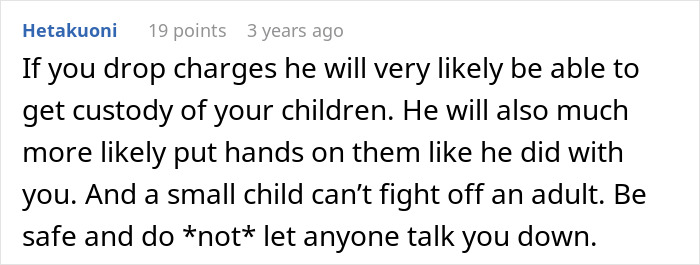
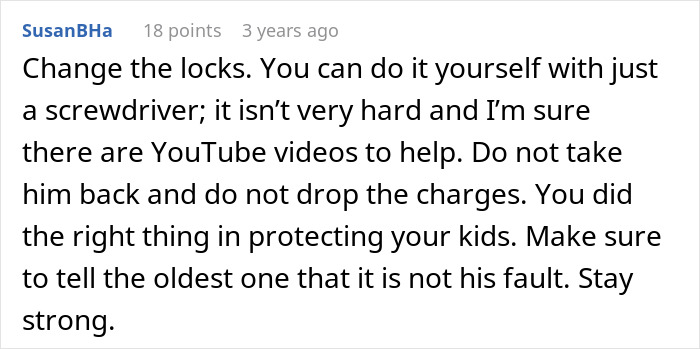
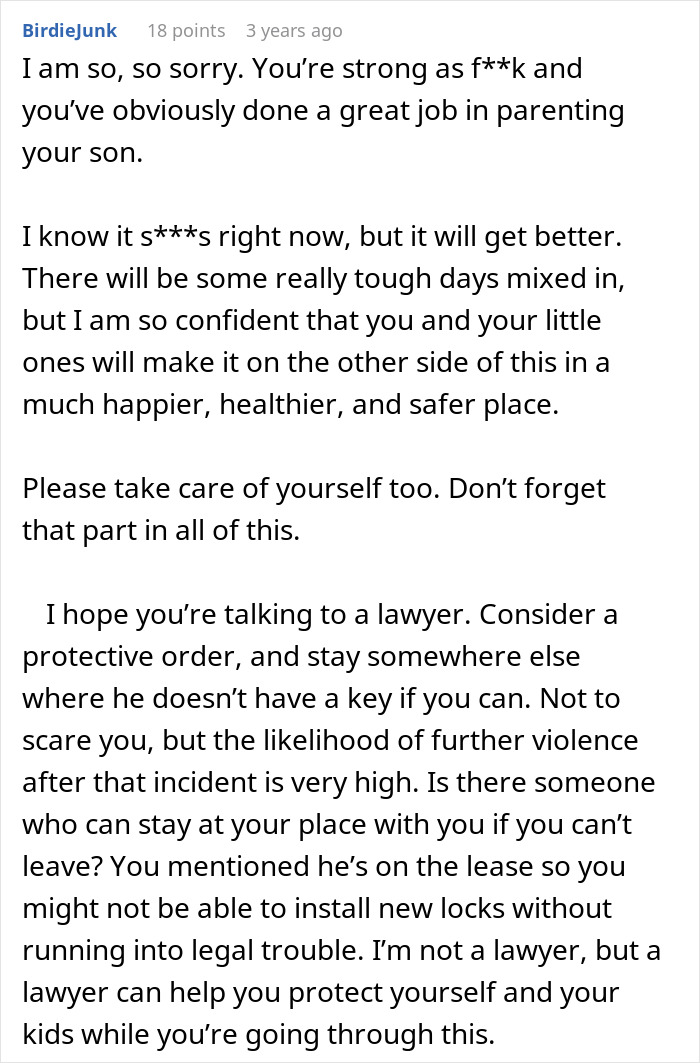
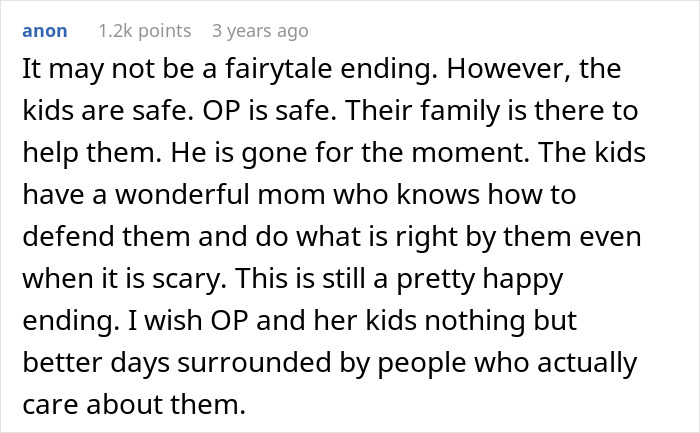
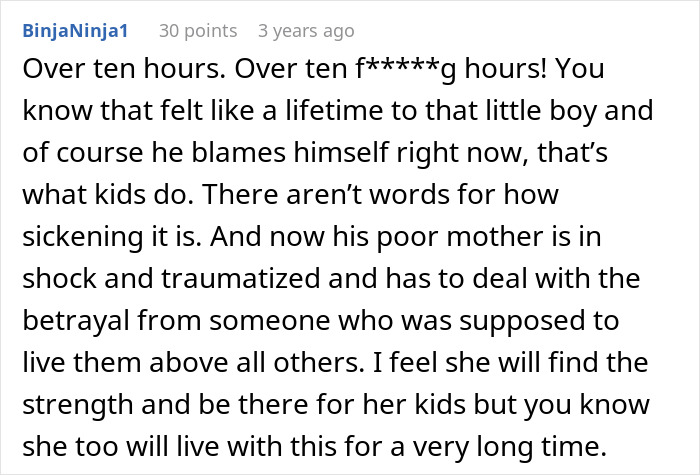
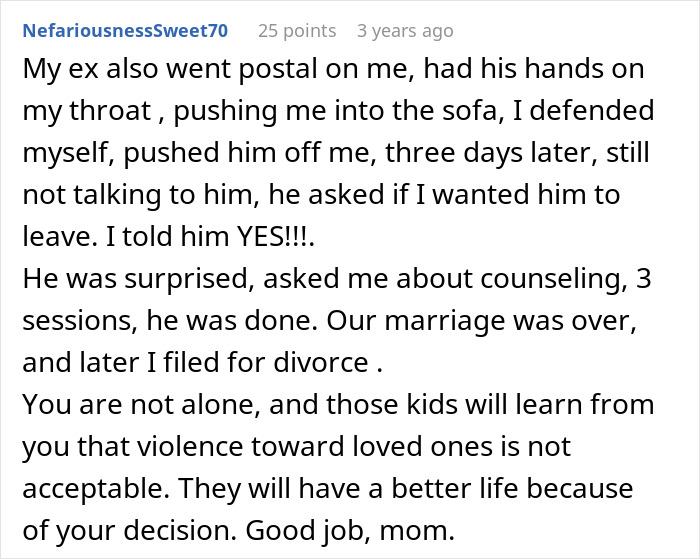
People advised the mom on how to stay safe and make sure her kids are not traumatized




































 Follow Us