Imagine lounging on a tropical beach in the Maldives or wandering through the iridescent blue ice caves of Alaska. For decades, these natural wonders have been the definitive highlights of global travel.
However, a lethal combination of accelerating climate change, record-breaking ocean temperatures, and industrial expansion means these landmarks now face an existential threat within the next half-century.
The devastating reality is that these once-glimmering areas of majestic beauty could soon be reduced to barren rock and salt flats. This list is less a travel guide and more a tribute to our planet’s fleeting beauty. It’s a wake-up call to appreciate these wonders before they vanish, becoming as much a figment of our imagination as the dinosaurs.
Many of these locations don’t carry a “Seven Wonders” title or UNESCO World Heritage Site status. They are here because science says they are running out of time.
From the Great Barrier Reef’s fading coral to the dramatic retreat of the Mendenhall Glacier, the threats are accelerating faster than conservation efforts can keep pace. We are currently witnessing a race against history – one where the finish line might be the complete disappearance of the world’s most iconic landscapes.
#1 The Great Barrier Reef, Australia
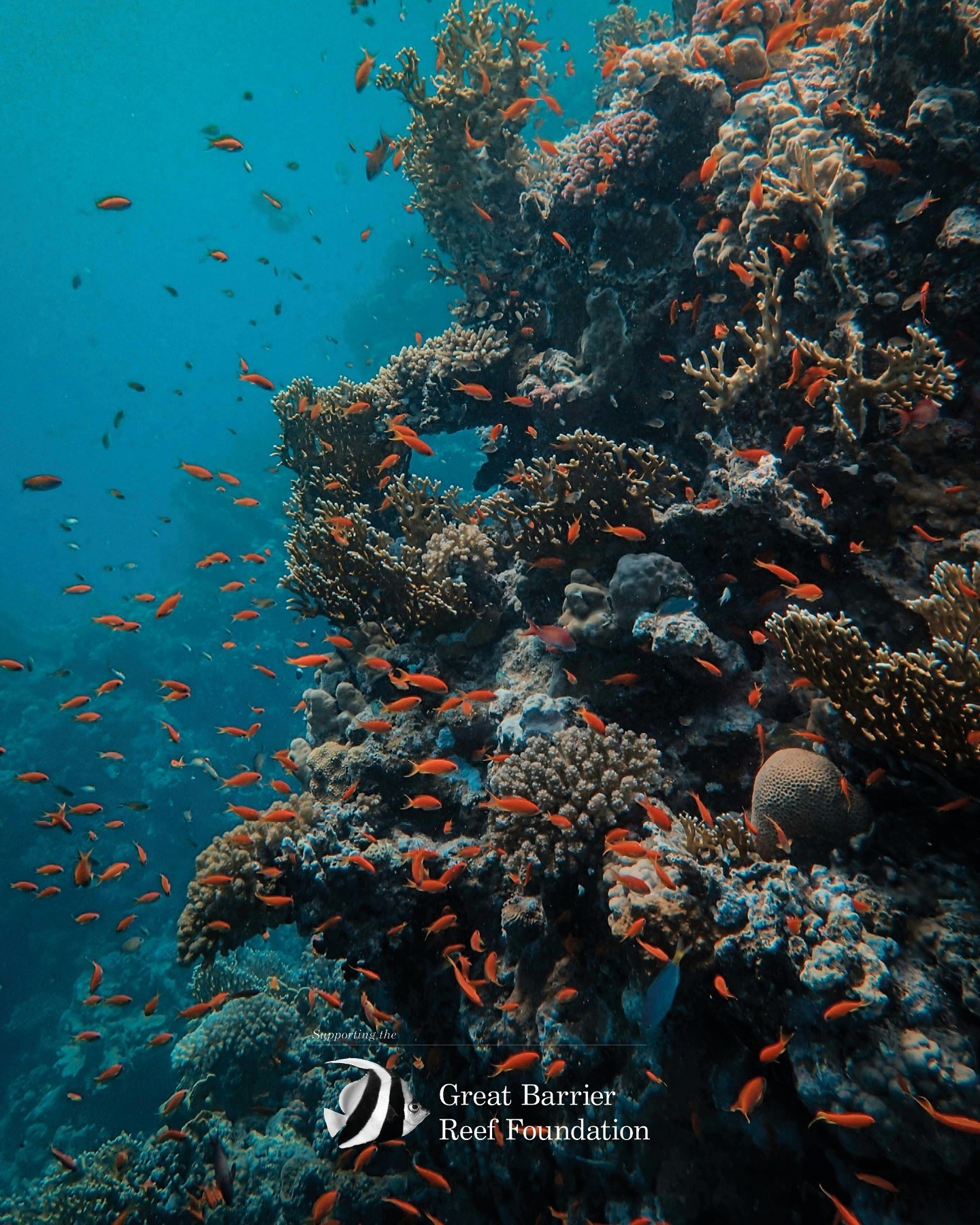
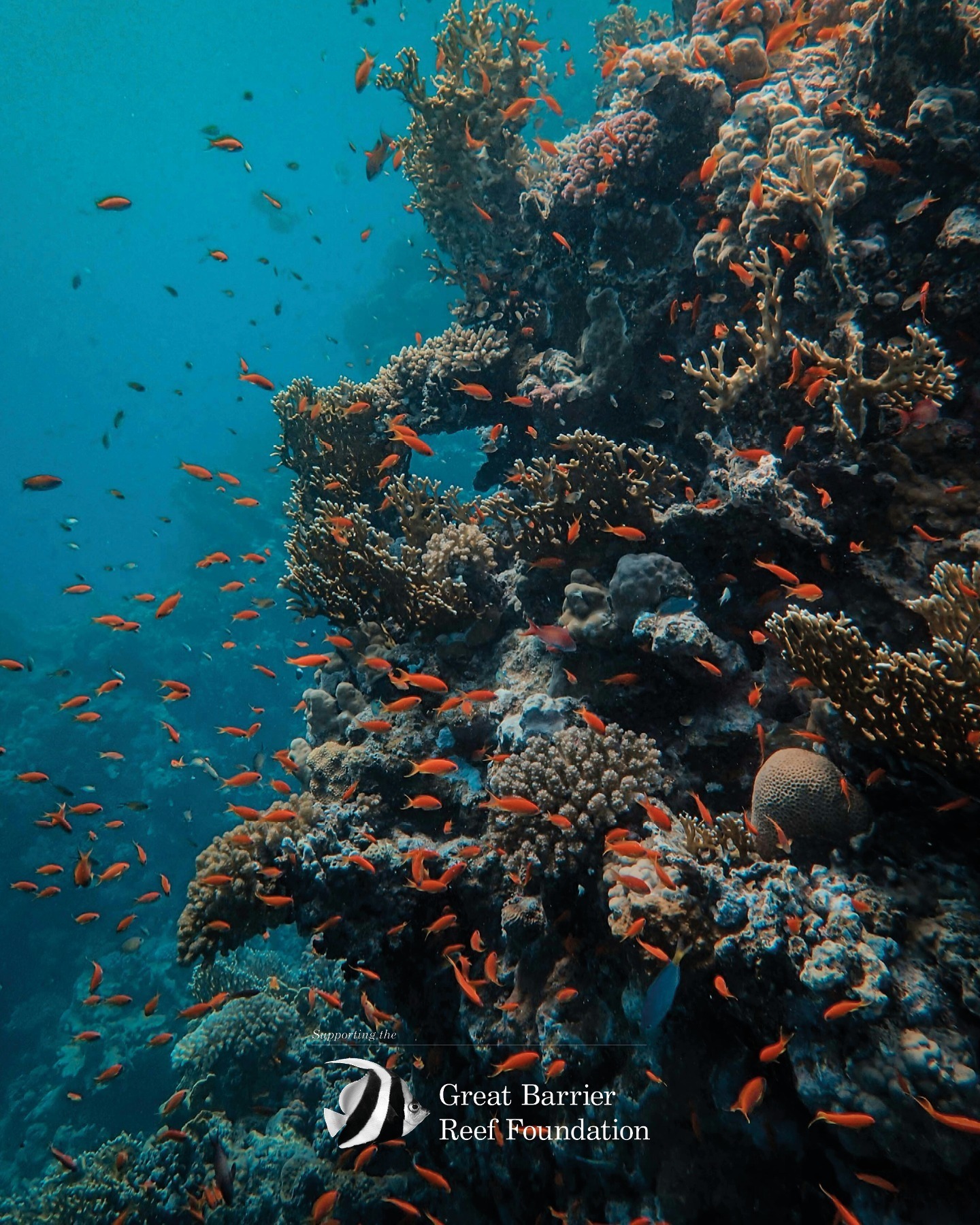
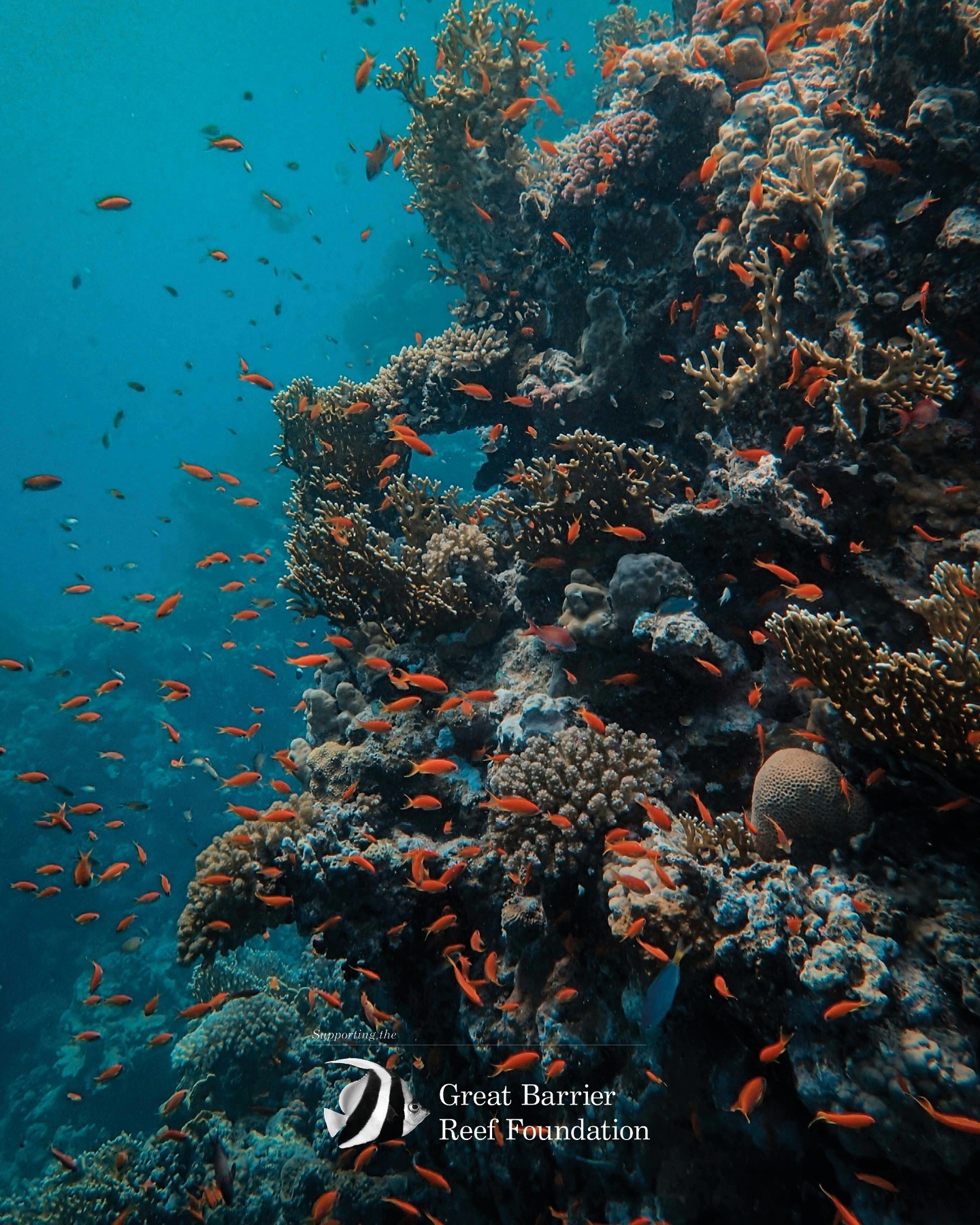
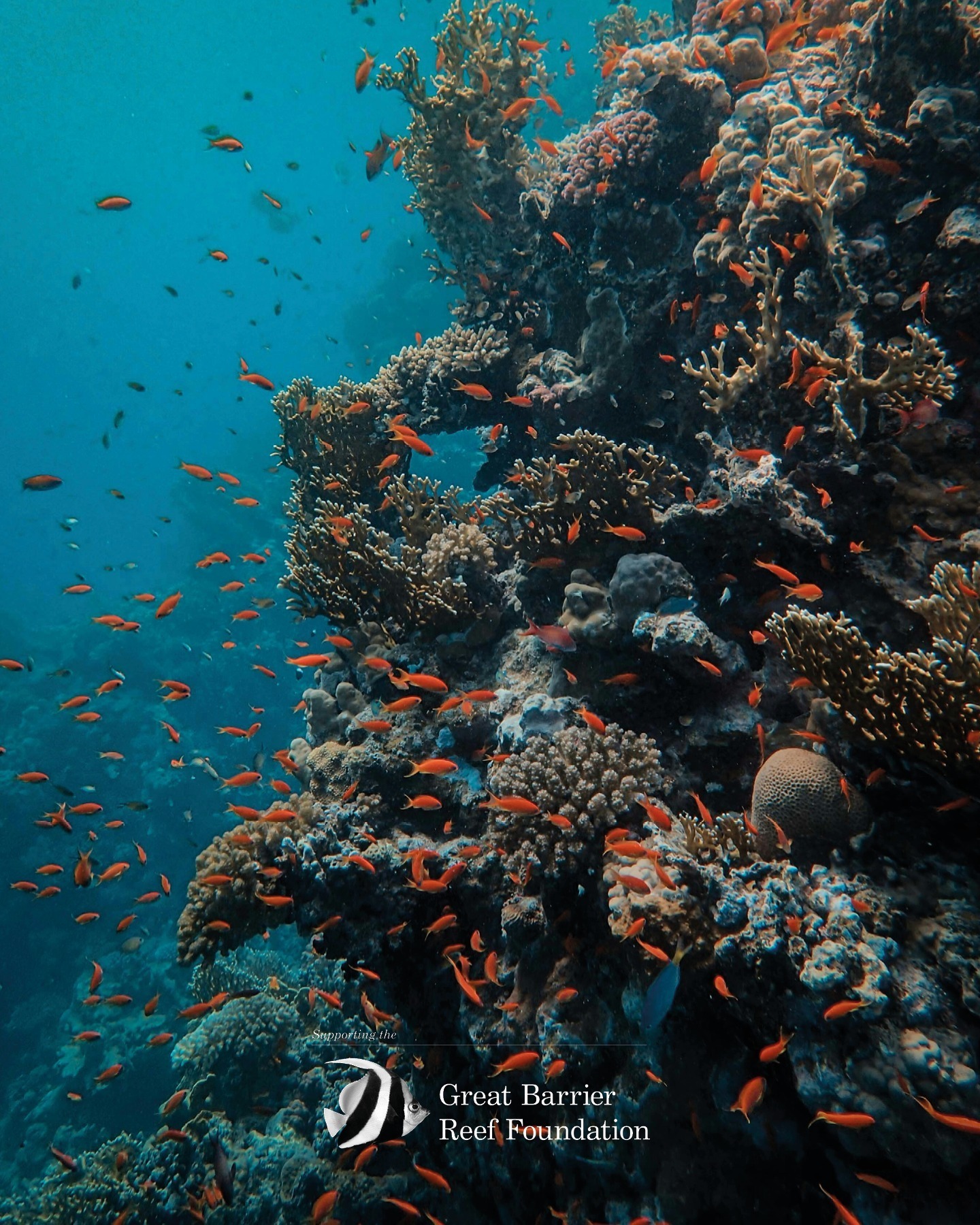
The Great Barrier Reef, one of Australia’s most prized natural wonders, is the only living structure visible from space. This ecosystem has recently suffered its largest annual decline in coral cover in nearly 40 years.
According to the Australian Institute of Marine Science (AIMS), the northern and southern branches of the reef have borne the brunt of widespread coral bleaching, a stress response where coral turns white due to rising water temperatures. Beyond heat stress, the reef is currently battling tropical cyclones and outbreaks of coral-eating crown-of-thorns starfish.
AIMS warns that the situation remains volatile as the ecosystem is no longer recovering as quickly as it did in the past. Since they house an estimated 25% of all marine species, corals are essential to maintaining global biodiversity.
However, driven by climate change and agricultural runoff, the largest coral reef system may fail to recover without swift action in the coming years (via BBC).

#2 Tropical Rainforest Heritage Of Sumatra, Indonesia
A UNESCO World Heritage Site, the Tropical Rainforest Heritage of Sumatra is the only place on Earth where tigers, rhinos, orangutans, and elephants still coexist.
This lavish natural wonder comprises three major national parks: Gunung Leuser, Kerinci Seblat, and Bukit Barisan Selatan.
Groups like Global Conservation are currently working to protect this majestic wonder from pressures such as poaching, logging, and illegal palm oil plantations, with the latter serving as the primary threat.
The Leuser ecosystem is incredibly endangered, having faced compounded threats since the end of the Acehnese civil war, when companies used legal and illegal deforestation to facilitate post-war stability.
The scale of destruction is historic: half of Sumatra’s forests were destroyed between 1985 and 2009, and Leuser alone lost one-fifth of its lowland forests to illegal commercial activities in just the past five years.
If significant steps are not taken immediately, these forests will likely be destroyed in the next two decades.
#3 The Okavango Delta, Botswana
As one of the world’s few major interior delta systems that never reaches the sea or ocean, the Okavango Delta in northwest Botswana is facing an immense threat from human activity.
This UNESCO-protected wilderness serves as a vital sanctuary for some of the planet’s most endangered species, including the African wild dog, southern ground-hornbill, black rhinoceros, and white rhinoceros.
Beyond its animal populations, the delta supports 100,000 people across five indigenous ethnic groups: the Bugakwe, Dxeriku, Hambukushu, Wayeyi, and Xanekwe, who rely on sustainable fishing and subsistence farming for survival. Their activities have little impact on the delta environment or its ecosystems.
However, this delicate balance is being shattered by water abstraction, poaching, and controversial oil drilling projects that have sparked global protests throughout 2024 and 2025.
While combating these issues requires complex cooperation between local and national governments, reports from National Geographic emphasize that all is not lost. This distinctive wilderness can still be preserved if immediate action is taken.
#4 Dragon’s Blood Forest, Socotra (Yemen)
Perched on a windswept plateau high above the Arabian Sea stands a species found nowhere else on Earth but the Yemeni island of Socotra: the dragon’s blood tree.
Now struggling to survive the intensifying effects of climate change, this iconic tree is renowned for its mushroom-shaped canopy and the dark red sap that ancient cultures used as medicine and dye.
While the trees once flourished, increasingly severe cyclones, grazing by invasive goats, and persistent turmoil in Yemen have pushed the species toward collapse, along with the unique ecosystem it supports.
More importantly, the umbrella-like canopies capture fog and rain, channeling moisture into the soil and enabling neighboring plants to thrive in the arid climate.
As Belgian conservation biologist Kay Van Damme warned, “When you lose the trees, you lose everything, the soil, the water, the entire ecosystem.”
Though Socotra still holds out hope, reports from early 2026 indicate that without appropriate intervention, these trees could disappear within a few centuries (via CNN).
#5 The Amazon, Brazil And Peru
The Amazon, often called the Lungs of the Planet and credited with producing 20% of the world’s oxygen, is nearing a critical ecological tipping point. If this threshold is crossed, the forest could lose its ability to generate rainfall.
Obviously, a forest without rain is nothing but an alarming recipe for disaster, transforming it into a dry, flammable savanna. According to a recent report by the Amazon Network of Georeferenced Socio-Environmental Information (RAISG), the next five years are crucial.
Projections suggest the Amazon could lose nearly half as much forest as it did over the last two decades, an area roughly the size of the United Kingdom. The destruction is driven by a combination of livestock farming, mining, and road expansion, while organized crime, including gold mining and trafficking, adds fuel to the fire (via Infoamazonia).
Despite July 2025 satellite data showing a temporary 15% dip in deforestation rates, the same month, the Madeira River plummeted to its lowest level in recorded history, leaving river communities stranded (via Monga Bay).
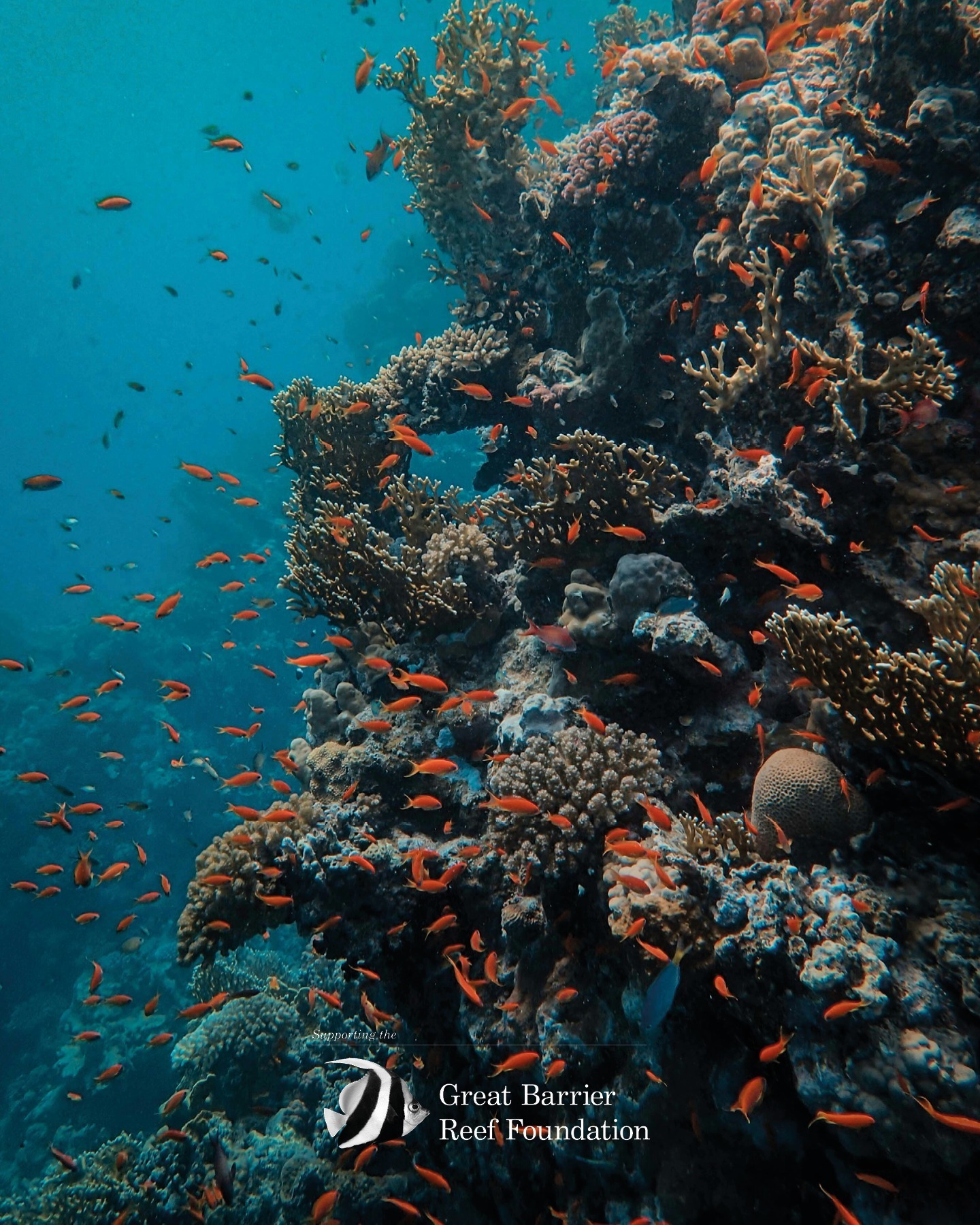
#6 Mendenhall Ice Caves, Alaska
Located inside the Mendenhall Glacier in Juneau, Alaska, these caves are an embodiment of a surreal world of translucent, glowing blue ice. However, this prized natural gem is rapidly melting due to climate change.
As temperatures rise, the ice thins and large sections fracture, causing the glacier to withdraw significantly from Mendenhall Lake. Researchers from the University of Alaska Southeast noted that the glacier, which flows from rugged terrain through the mountains, retreated the length of eight football fields between 2007 and 2021 (via Outlook Traveller).
With authorities from the Tongass National Forest warning of a future in which the glacier may become less visible, the instability reached a crisis point in August 2024, when a massive glacial outburst flood destroyed the most famous section of the caves.
While researchers believe the glacier itself won’t disappear entirely for another century, the temporary and fragile ice caves are in rapid decline (via The Conversation).
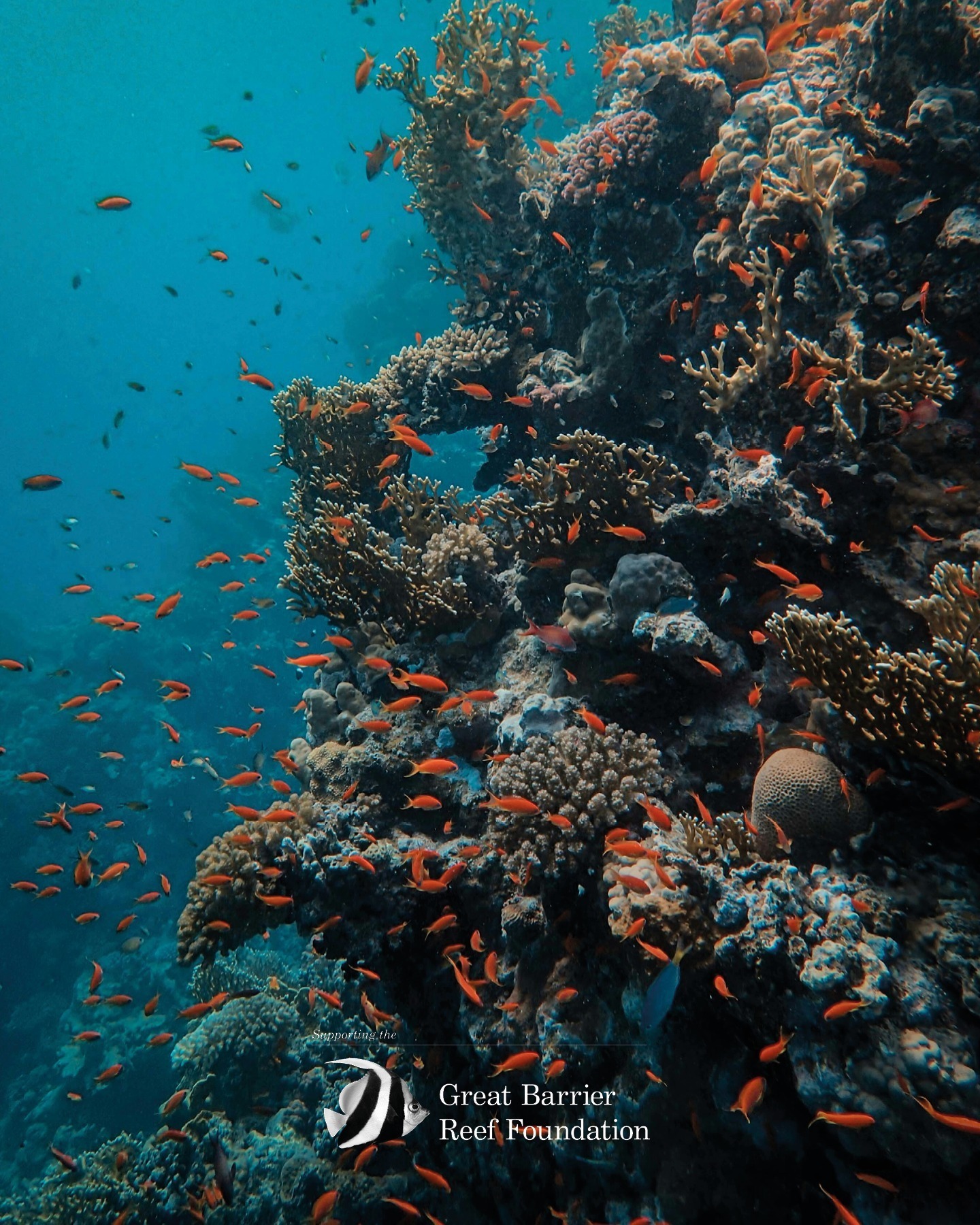
#7 Avenue Of The Baobabs, Madagascar
Often called the upside-down trees, Madagascar’s iconic baobabs are among the most recognizable flora on Earth. These giants can live for over 2,000 years and store thousands of gallons of water within their massive trunks.
As a keystone species in the island’s dry forests, they provide food, shelter, and water to diverse wildlife, from insects to lemurs. However, these once-resilient trees are struggling to regenerate with almost no young trees growing around them.
This decline is driven by shifting climates, habitat loss, and the disappearance of key seed dispersers like lemurs and fruit bats. Moreover, slash-and-burn agriculture is encroaching on protected conservation zones where farming is prohibited.
The situation worsened during the COVID-19 pandemic, when suspended on-site management led to a surge in illegal fires within reserves. However, the conservation is now being driven by local villagers. Community-based groups known as Vondron’olona Ifotony are organizing patrols, monitoring illegal clearing, and leading forest restoration efforts (via Matador Network).
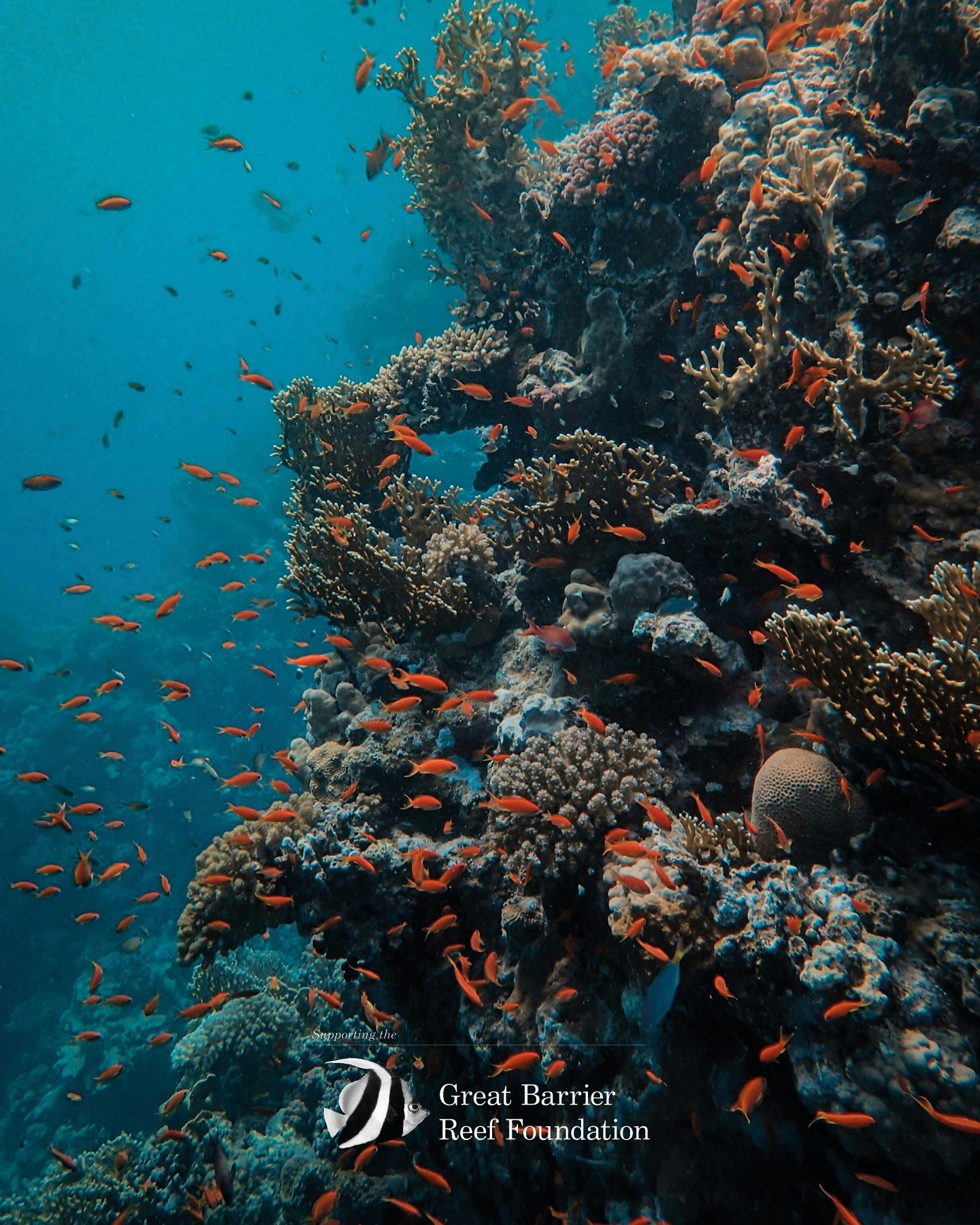
#8 The Maldives
This iconic tropical paradise, renowned for its vibrant coral reefs, crystal-clear lagoons, and white sand beaches, may become uninhabitable by 2050.
As the lowest-lying country in the world, with an average elevation of just 4 feet, the Maldives faces the dual risk of being swallowed by the ocean and running out of freshwater simultaneously due to rising sea levels.
Unpredictable weather patterns, irregular rainfall, and prolonged droughts have already rendered groundwater unfit for cooking, irrigation, or food production.
The nation’s food production industry in the Maldives has taken a severe hit, as it remains dependent on seasonal monsoons for agriculture, while warming oceans continue to bleach coral and destroy vital fish habitats.
According to climate activist Naff Asim, the government is desperately striving to raise global awareness of the urgent need to reduce carbon emissions from human activities, such as fossil fuel consumption and deforestation, before their homeland inevitably vanishes beneath the waves (via UNICEF).
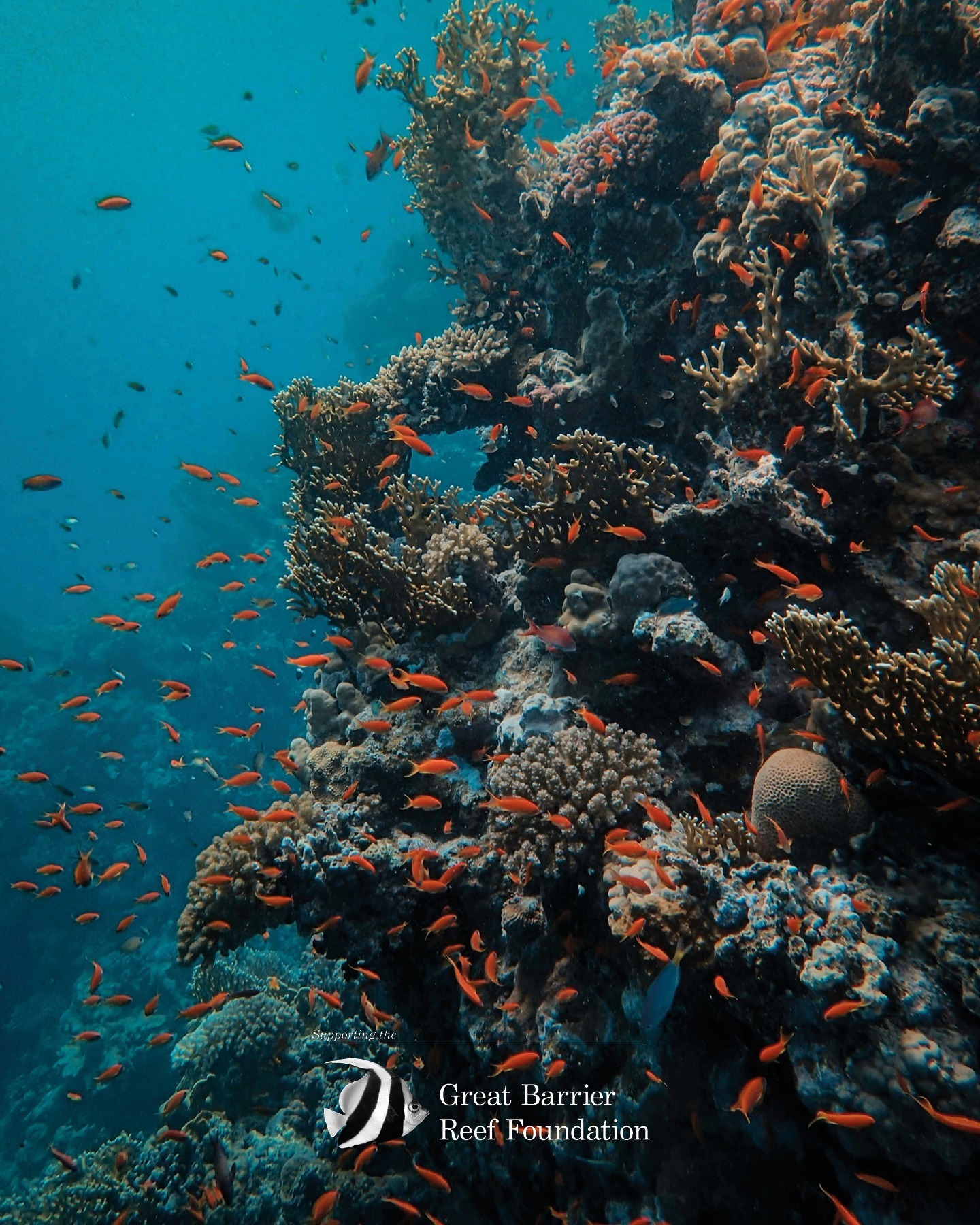
#9 Mount Kilimanjaro Ice Cap, Tanzania
Kilimanjaro, the Roof of Africa, is famous for its paradox: snow and glaciers sitting just three degrees south of the equator, yet feared to be on the verge of collapse. According to American Scientist, the region is already starved of snowfall and hit with scorching solar radiation.
Kilimanjaro is effectively dying as its glaciers have lost over 85% of their mass since 1912. The most alarming detail is that the ice isn’t just melting, but turning directly into gas due to the increasingly hot, dry air.
In 2021, the Nessa Foundation launched an initiative urging Tanzanians to help save Mount Kilimanjaro by planting one billion trees by 2050. However, a 2025 report by Africa Climate Insights revealed that by 2040, Kilimanjaro’s glaciers could be entirely gone, despite these reforestation efforts.
This disappearance would not just be a regional issue, but a global crisis with profound implications for water security, food production, and the livelihoods of millions.
Much like Mount Everest’s retreating glaciers in the Himalayas, where Nepal and neighboring countries face severe water shortages, the loss of Kilimanjaro’s ice signals a planetary emergency for high-altitude ecosystems worldwide.
#10 The Sundarbans, India And Bangladesh
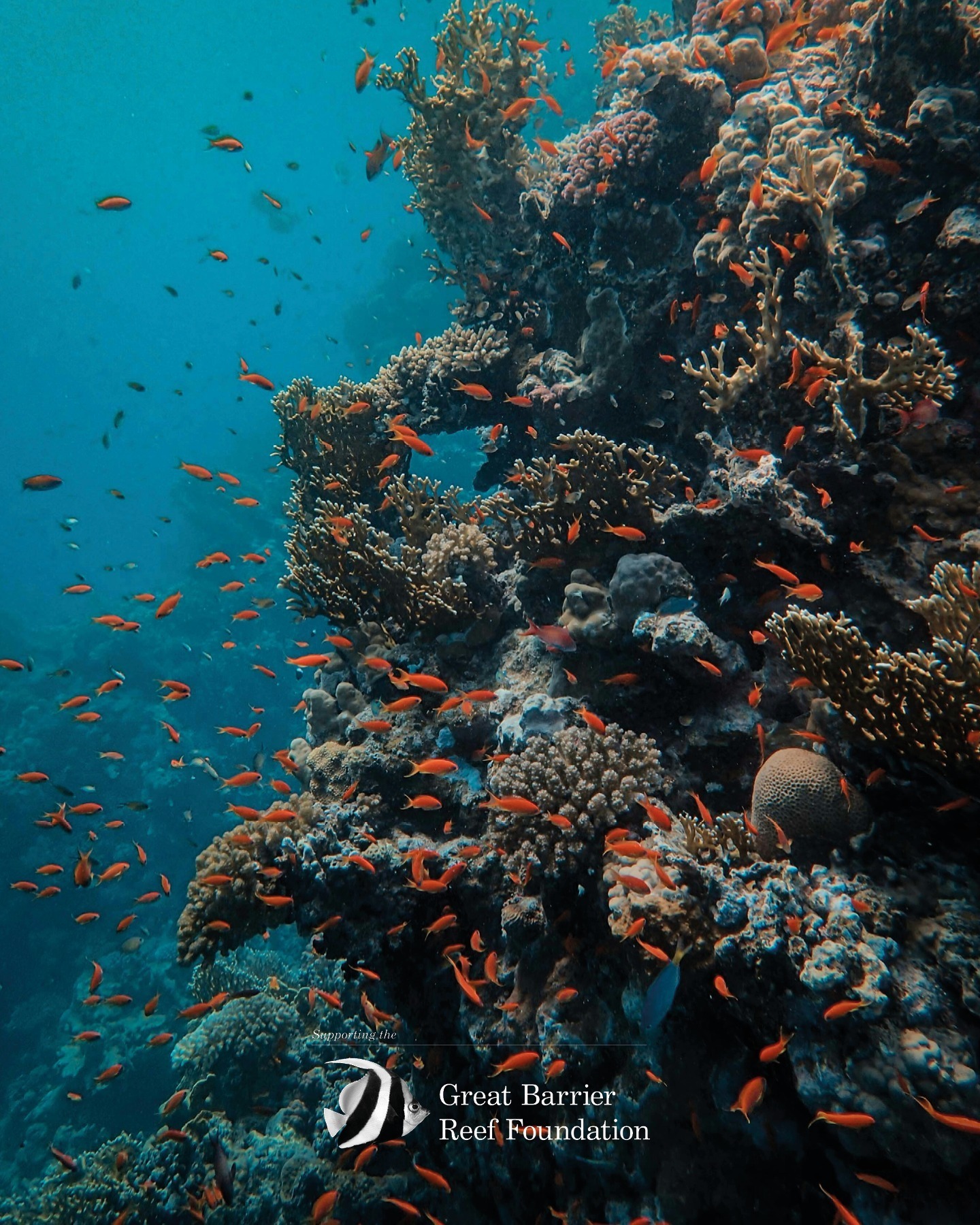
Beyond being home to the majestic Bengal tiger, the world’s largest mangrove forest is a labyrinth of tidal waterways that serves as a vital shield against cyclones for millions of people. While the Sundarbans is celebrated as a refuge for endangered species, it is currently sitting on shaky ground owing to the climate crisis.
Sea levels are rising at almost double the global average, and frequent cyclones and increasing salinity have transformed the once-lush farmland into a barren wasteland.
Worsening the crisis are weak governance, limited budgets, and cross-border hurdles between India and Bangladesh, which drastically undermine disaster response as conflicts within and between communities escalate (via Vision of Humanity).
Since these forests have sequestered and stored greenhouse gases for centuries while significantly contributing to oxygen production, restoring the mangroves to their former glory has become a race against time to prevent a total ecological and humanitarian collapse (via The Nature Conservancy).
#11 The Galápagos Islands, Ecuador
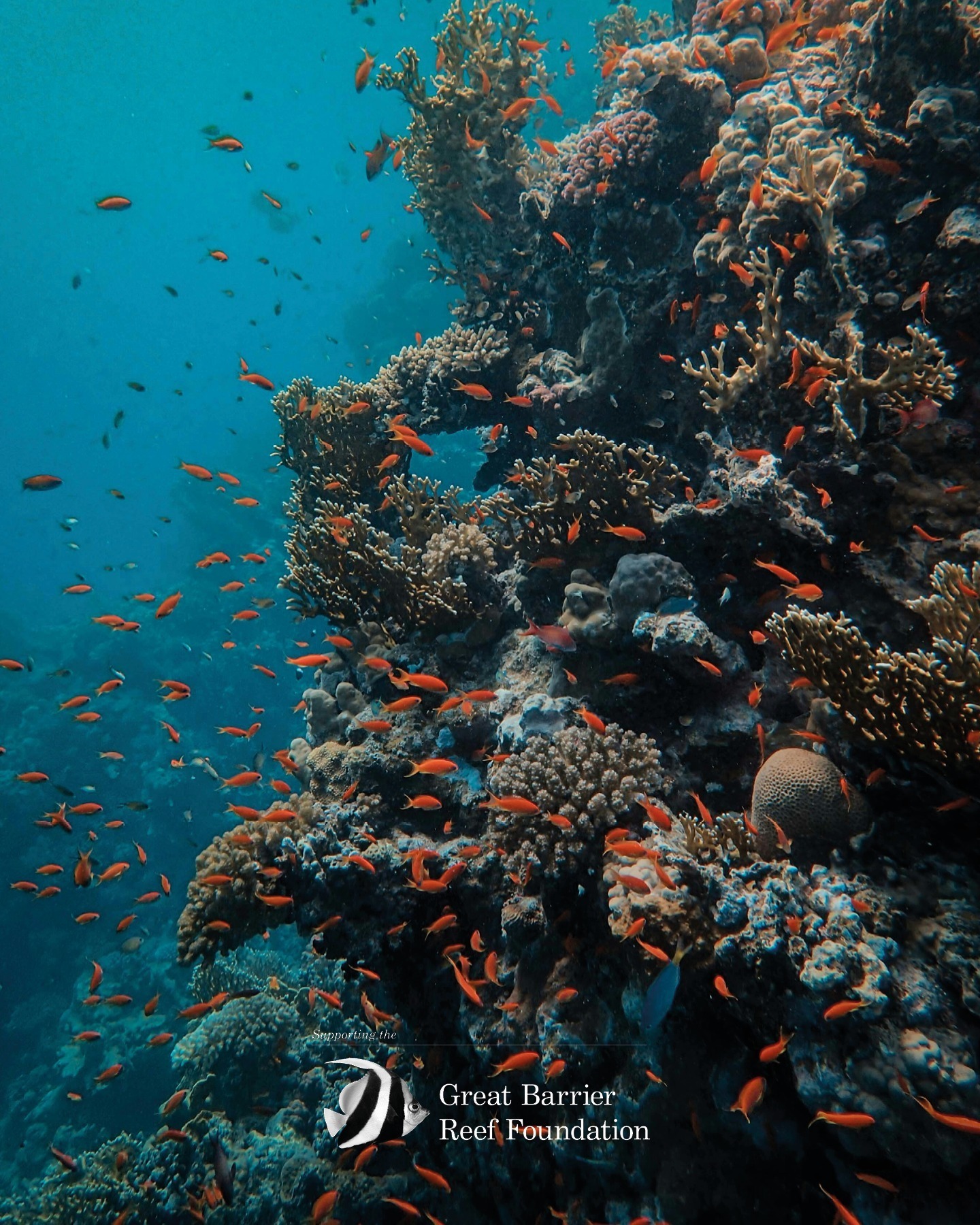
Six hundred miles off the coast of Ecuador lie the volcanic islands of the Galápagos, a region renowned for its abundance of unique plants and animals.
This archipelago is one of the few places on Earth where animals lack a natural fear of humans, allowing for organic encounters with giant tortoises and marine iguanas. The islands themselves are a testament to the raw power of the volcano, a force that both created this paradise and continues to shape it today.
However, this natural wonder is constantly at risk from illegal fishing, non-native species, and rising tourism, which threaten its delicate ecosystem. Moreover, increased waste generation and improper waste management have led to an influx of marine debris, choking the fragile marine environment.
The islands are also at the mercy of El Niño, a cycle that warms ocean currents and decimates the algae and cold-water fish that local species depend on for survival. To combat these threats, organizations like the WWF are working to implement sustainable ecotourism as a primary effort toward long-term conservation.
#12 Joshua Tree National Park, USA
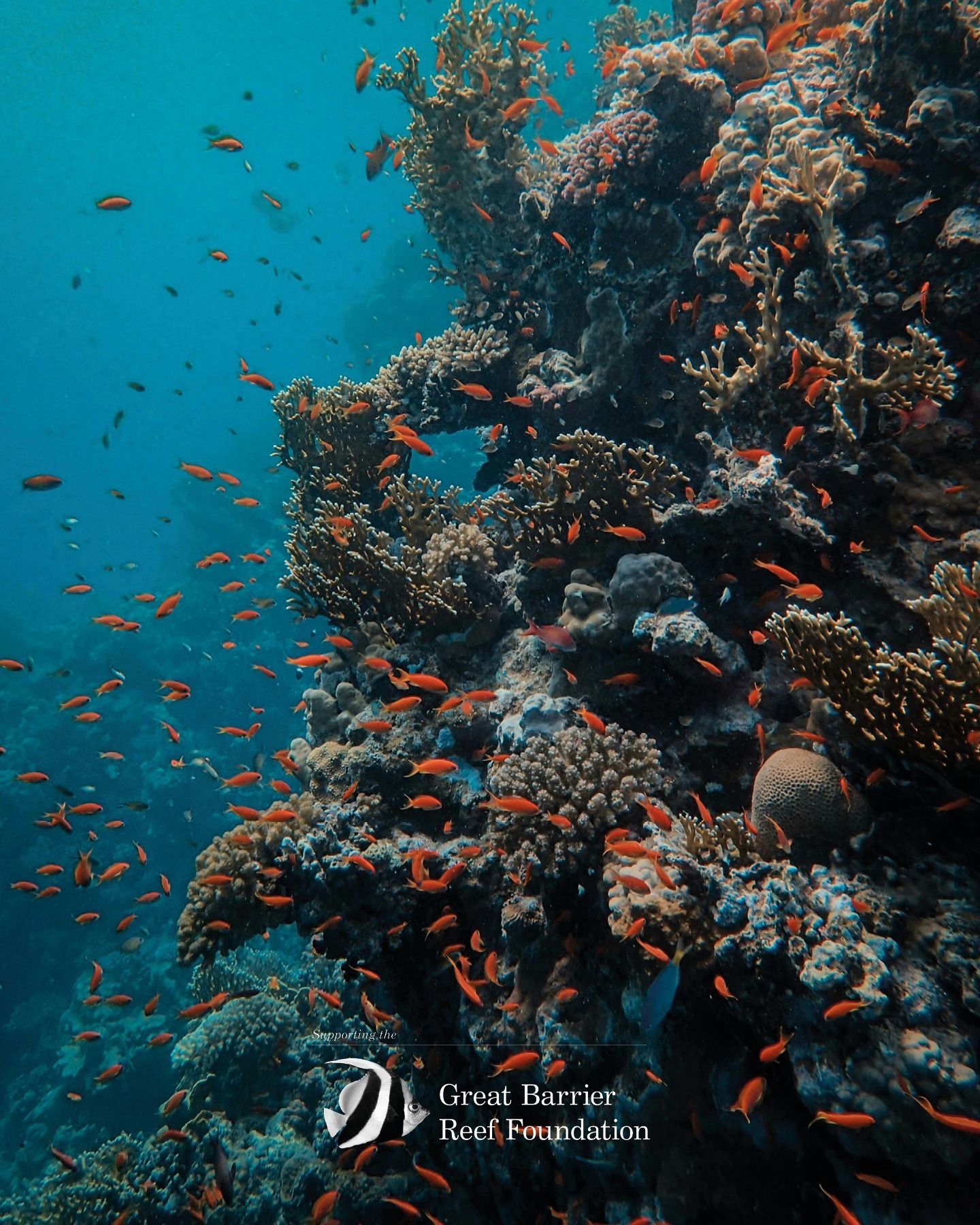
The Mojave Desert’s Joshua trees are not trees at all, but giant succulents that can live for over 150 years. The silhouettes of their twisted, spiky limbs against a desert sunset are an American icon, as recognizable as the granite formations of Yosemite or the canyon walls of the Grand Canyon – yet they now face a catastrophic threat.
The 2023 York Fire was a devastating turning point, scorching tens of thousands of acres across California and southern Nevada and incinerating over 1.3 million Joshua trees.
Recent 2025 and early 2026 assessments have confirmed a grim reality: virtually none of the burned trees have shown signs of regrowth (via CNN).
Scientists now believe that, in the next 50 years, the park could contain almost none of its namesake species. The Mojave National Preserve has also seen an increase in the frequency of invasive grass spread, which provides fuel in a landscape that was once naturally fire-resistant.
Since Joshua trees grow nowhere else on Earth and have no natural defense against intense blazes, their survival now depends on desperate intervention.
#13 Lake Urmia, Iran
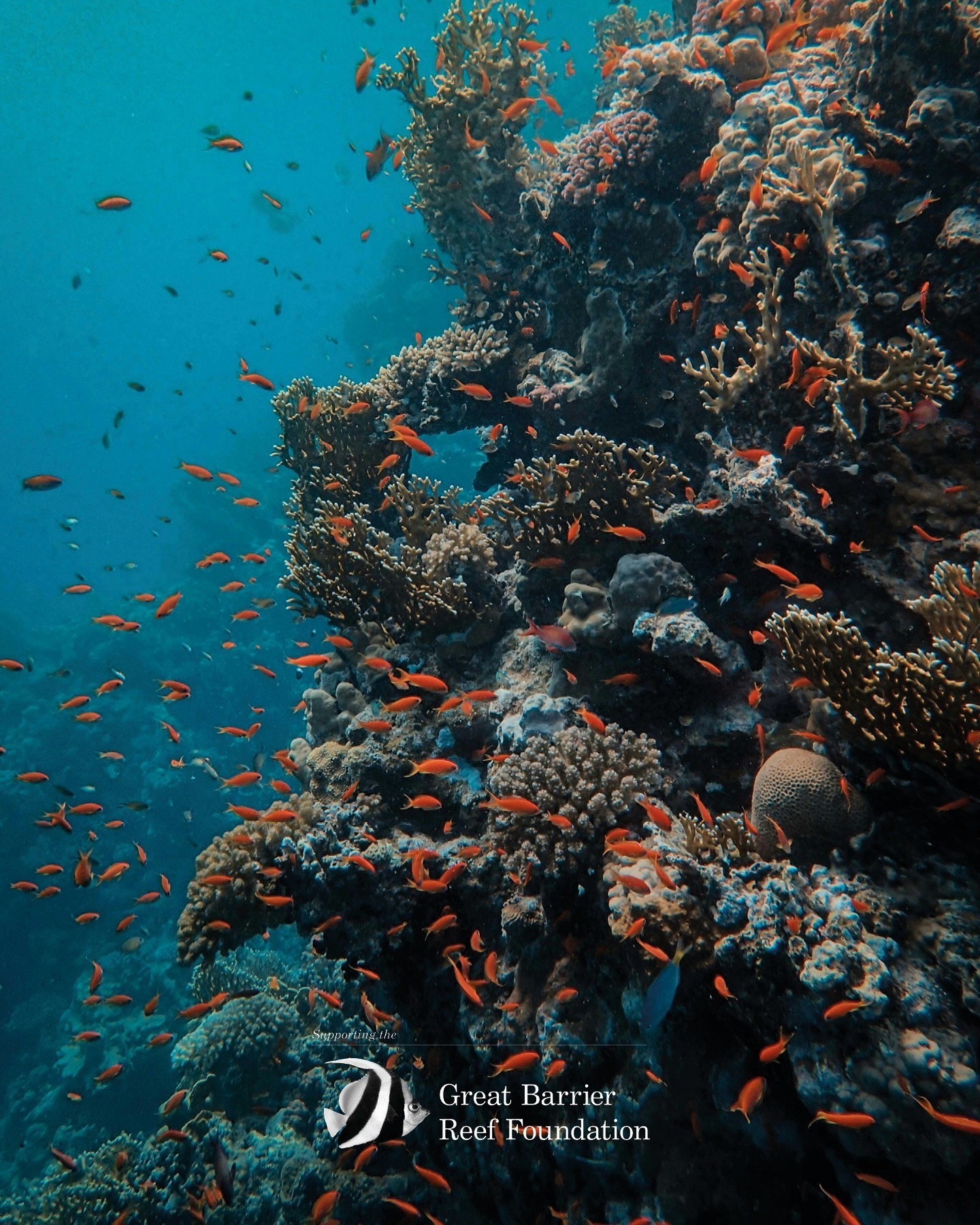
Once the largest saltwater lake in the Middle East, Lake Urmia is a thriving hub for flamingos, famous for its vibrant blood-red color changes caused by salt-loving bacteria. However, by late 2025, NASA satellite imagery confirmed that this natural wonder had “effectively vanished.”
What remains are only tiny patches of water, haunting symbols of the combined consequences of climate change and long-term water mismanagement. The situation has worsened, as the exposed lake bed has become a source of toxic salt storms that carry corrosive particles into nearby cities like Tabriz.
This ecological collapse has also devastated the agricultural sector, destroying the primary source of livelihood for residents in adjacent areas and leaving behind a barren, salt-crusted wasteland (via Caspian Post).
#14 The Pantanal Wetlands, South America
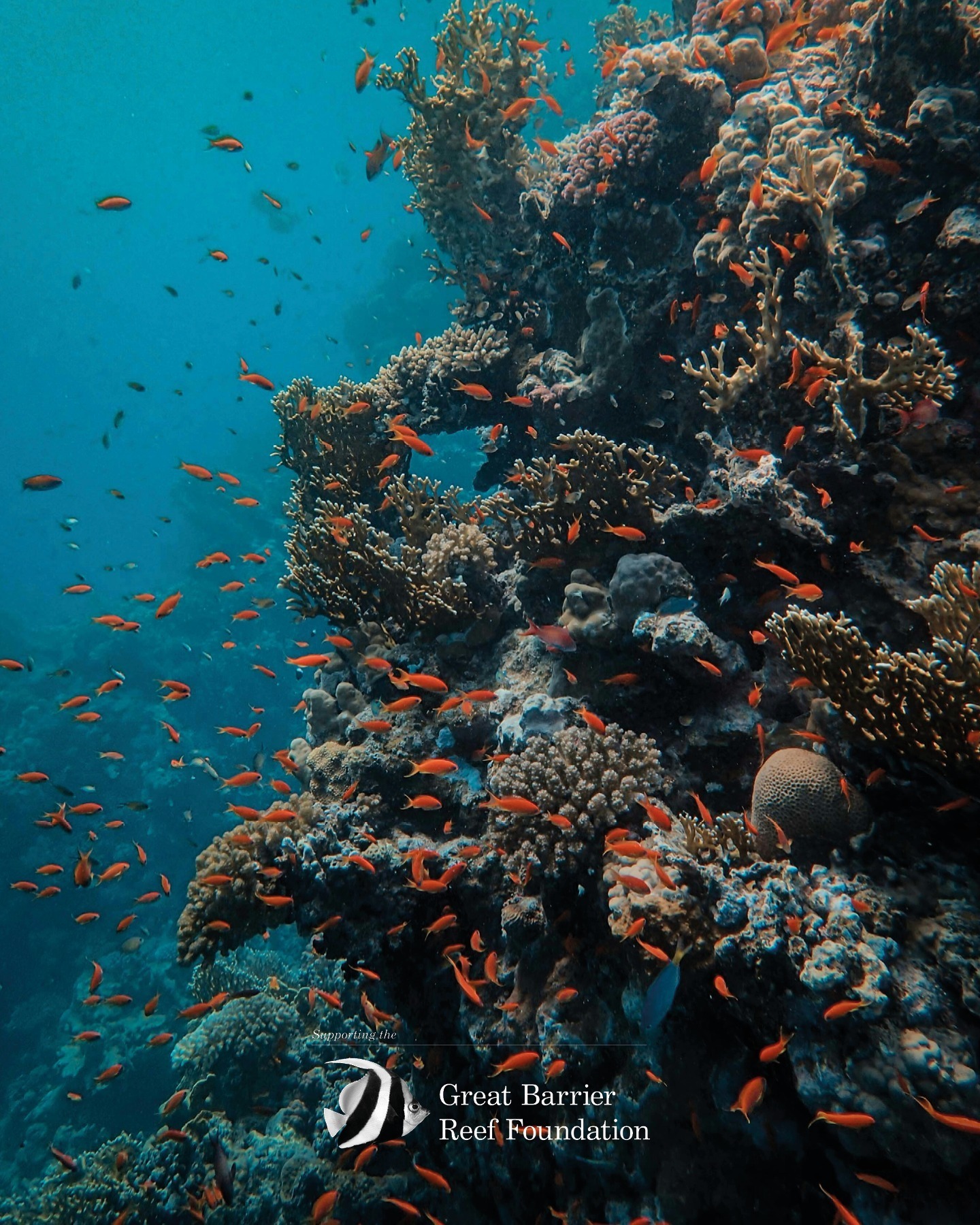
Spanning Brazil, Bolivia, and Paraguay, the Pantanal is the world’s largest tropical wetland, described by Green Peace as the “most beautiful place you’ve never heard of.”
This aquatic wilderness is famous for hosting a spectacular density of wildlife, including jaguars, giant otters, and hundreds of endangered species, while supporting approximately 1.5 million people across three borders. However, the ecosystem is currently reeling from an unprecedented cycle of destruction.
Following a 2020 season where nearly a quarter of the Pantanal was incinerated, a 2024 analysis by World Weather Attribution (WWA) confirmed that climate change made these extreme fires 40% more likely. Investigations reveal the fire originated on cattle ranches, where land grabbers set illegal fires to clear forest for grazing or animal feed.
While the threat remains severe, there remains a glimmer of hope. As of December 2025, the Save the Pantanal project, led by Rainforest Trust, has successfully protected over 92,000 acres toward its 326,000-acre goal, gradually improving the region’s biodiversity.
#15 The Great Basin Bristlecone Pines, USA
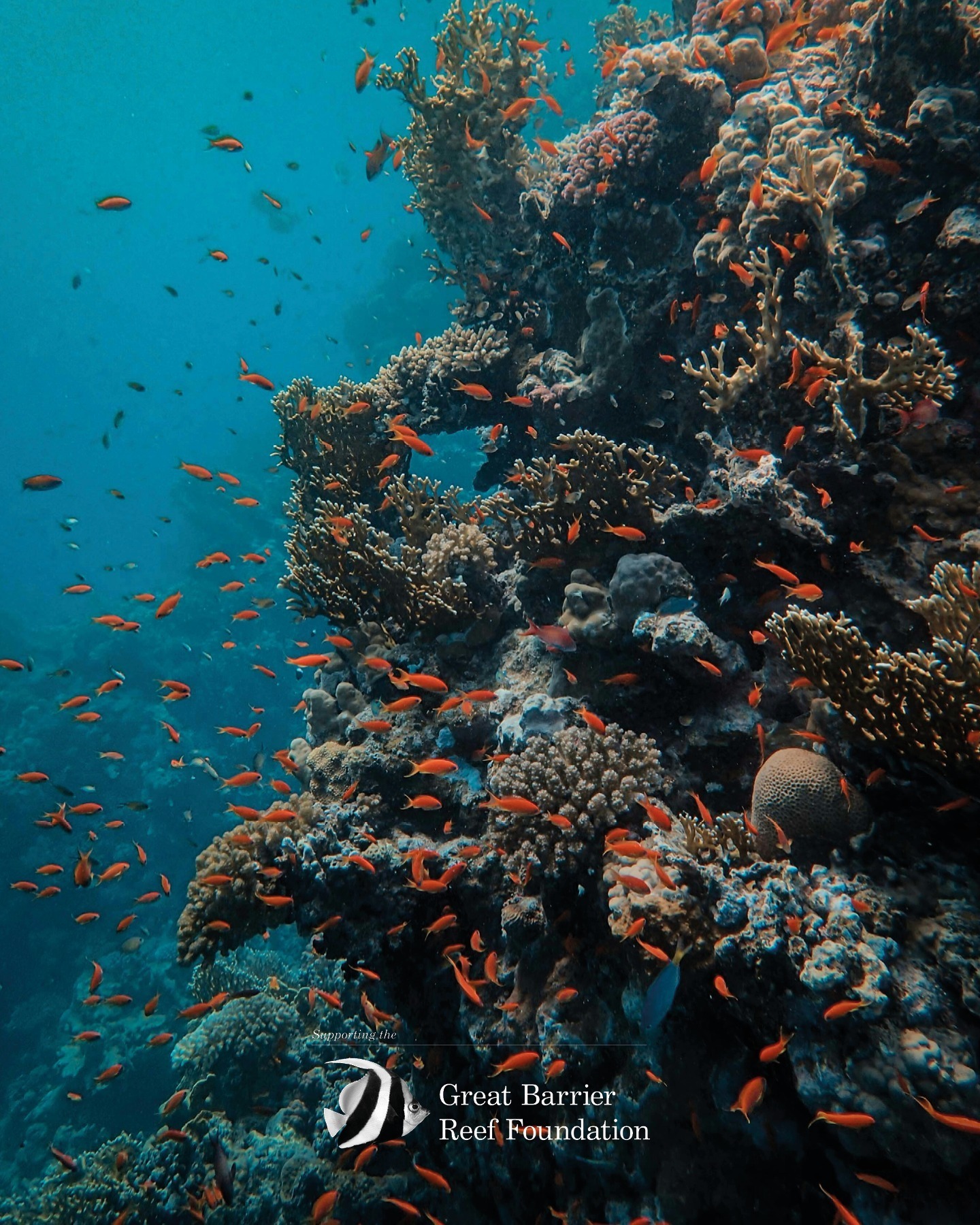
High in the White Mountains of California and across the high-altitude ridges of Nevada live the oldest individual trees on Earth. Often mistakenly called longleaf pines, these Great Basin Bristlecone Pines grow on the rocky slopes of Wheeler Peak and the White Mountains at elevations exceeding 10,000 feet (via World Atlas).
The most famous among them, Methuselah, is nearly 5,000 years old and faced imminent danger during the Silver Fire in late March and early April 2025. This blaze scorched around 1,600 acres in Inyo County, threatening the secret grove where this ancient flora resides.
The remarkable longevity of these trees is credited to the harsh, windswept conditions and nutrient-poor dolomite soil, which slows their growth to a crawl and creates incredibly dense, resinous wood. However, as the climate warms, these natural wonders are becoming vulnerable to high-altitude wildfires and invasive pests (via AA).
#16 Daisetsu Mountains Permafrost, Japan
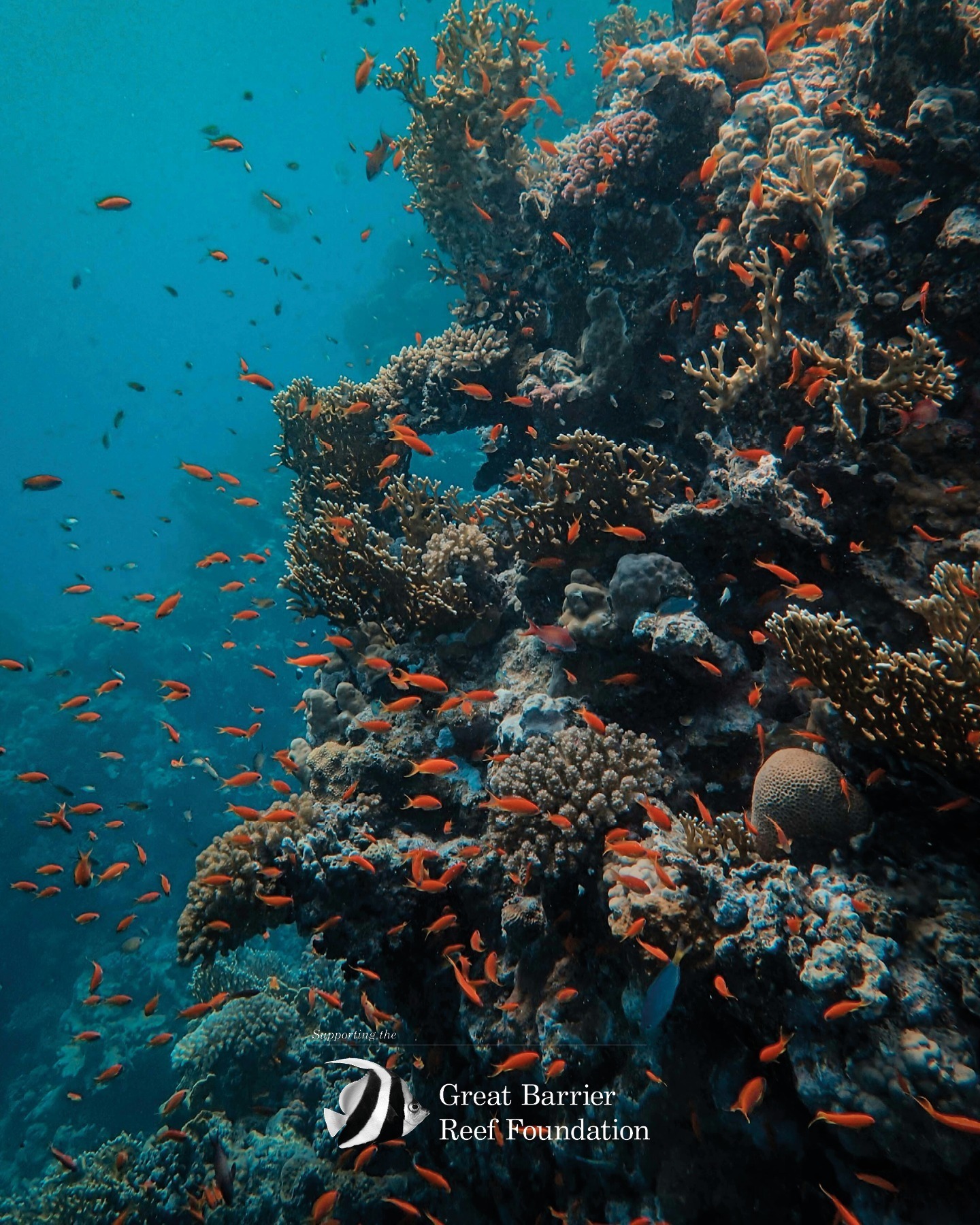
Referred to as the “playground of the gods” by the indigenous Ainu people, Japan’s Daisetsu Mountains in Hokkaido represent the southernmost limit of mountain permafrost in the world.
This frozen ground supports rare species such as the Japanese pika and helps stabilize volcanic slopes.
However, a 2025 NASA-supported research report confirms that this permafrost is rapidly melting. The area suitable for sustaining permafrost has plummeted from 150 square km in 2010 to only a fraction of that today, with estimates indicating it could effectively disappear by 2070.
The melting has already increased the risk of large-scale landslides and rockfalls along trekking trails, threatening the biodiversity of this natural wonder.
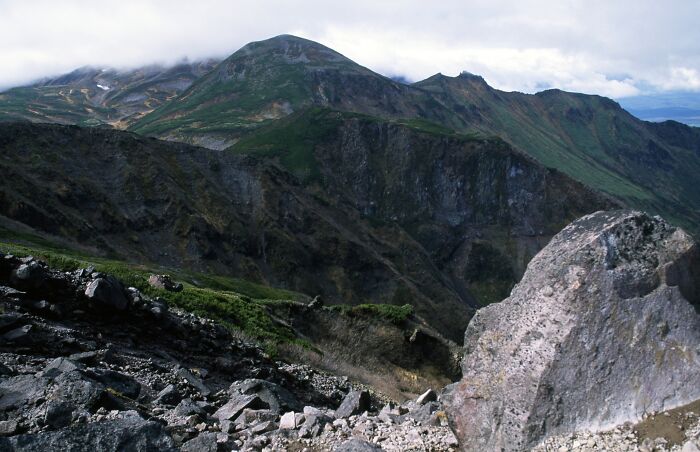
Image source: DEA / W. BUSS / Getty Image
#17 The Giant Kelp Forests, USA (California)
The majestic Pacific kelp, which can grow up to two feet a day to create a golden-brown canopy, serves as a vital habitat for hundreds of marine species.
However, over the past few years, kelp has seen a massive decline, largely driven by a lethal combination of rising ocean temperatures, pollution, overfishing, and an explosion of hungry sea urchins.
These factors triggered an 80% decline along the Southern California coast and an even more staggering 95% loss in Northern California, leaving only isolated patches of bull kelp behind.
In a desperate bid for regrowth, 2025 saw scientists mount a large-scale restoration project, recruiting an army of hammer-wielding divers to manually smash and remove millions of urchins from the seafloor (via The Guardian).
While some areas like Palos Verdes have seen a remarkable 80-acre rebound, a September 2025 report by Mongabay warns that the crisis is far from over.
The aftermath of the 2013 marine heatwave, aka the Blob, created such persistent environmental shifts that many kelp forests have failed to regrow naturally, even after the urchins were cleared.
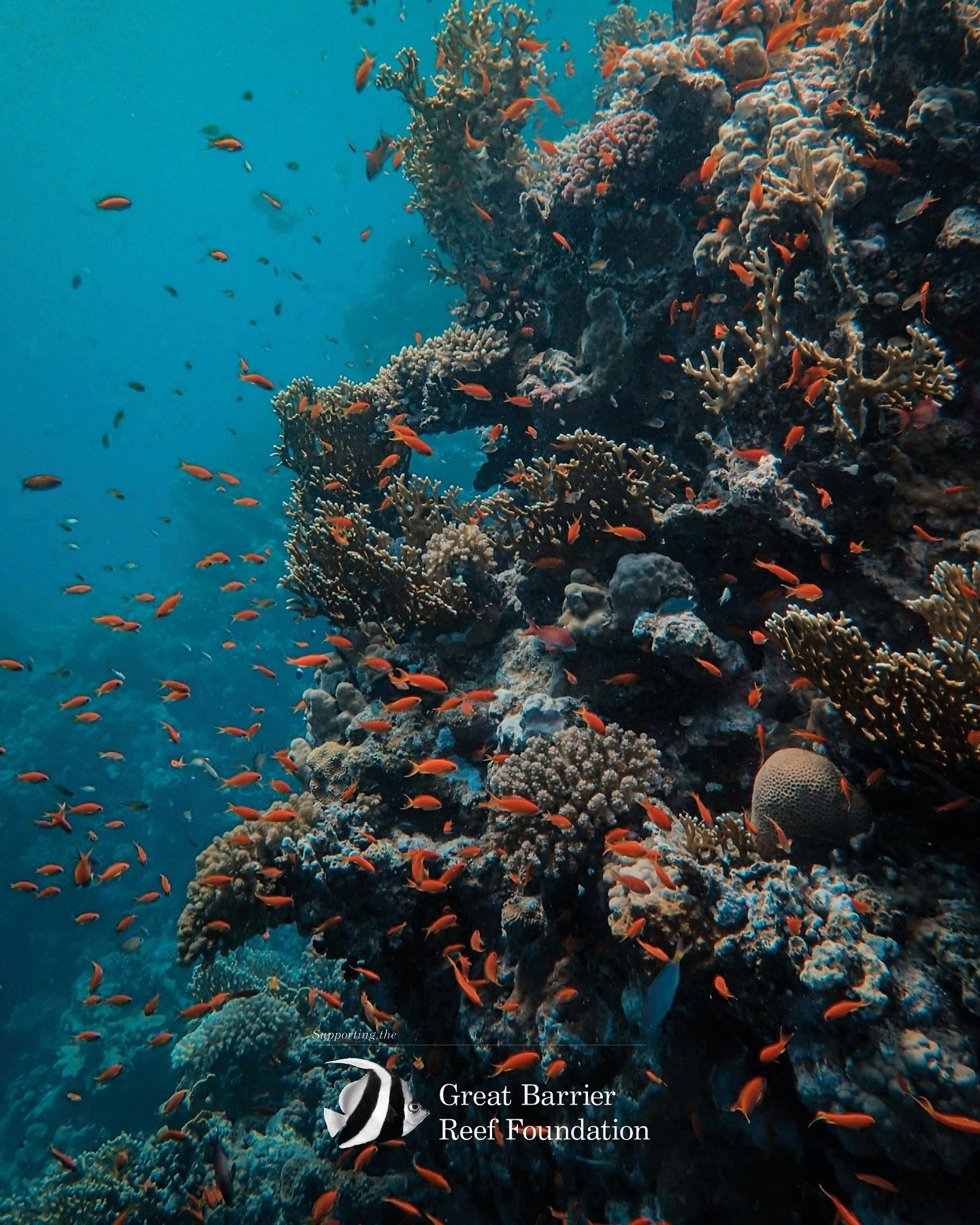
#18 The Monarch Butterfly Biosphere Reserve, Mexico
Regarded as one of nature’s most impressive feats, the annual migration of the Eastern monarch butterfly is nothing short of a majestic wonder.
Every year, thousands of monarchs fly over 3,000 miles from the northern United States and southern Canada all the way down to the Monarch Butterfly Biosphere Reserve in central Mexico.
When winter ends, these butterflies fly another 600 miles north to the US, where they lay eggs and begin a unique multi-generational life cycle. The monarch butterfly population has plummeted by 80% to 95% since the 1990s, due to overheating caused by deforestation in central Mexico (via Mongabay).
To protect this threatened species, the WWF and conservationists urge a massive, collective effort to restore millions of acres of milkweed and nectar corridors, to ensure this spectacular migration doesn’t become a story of the past.
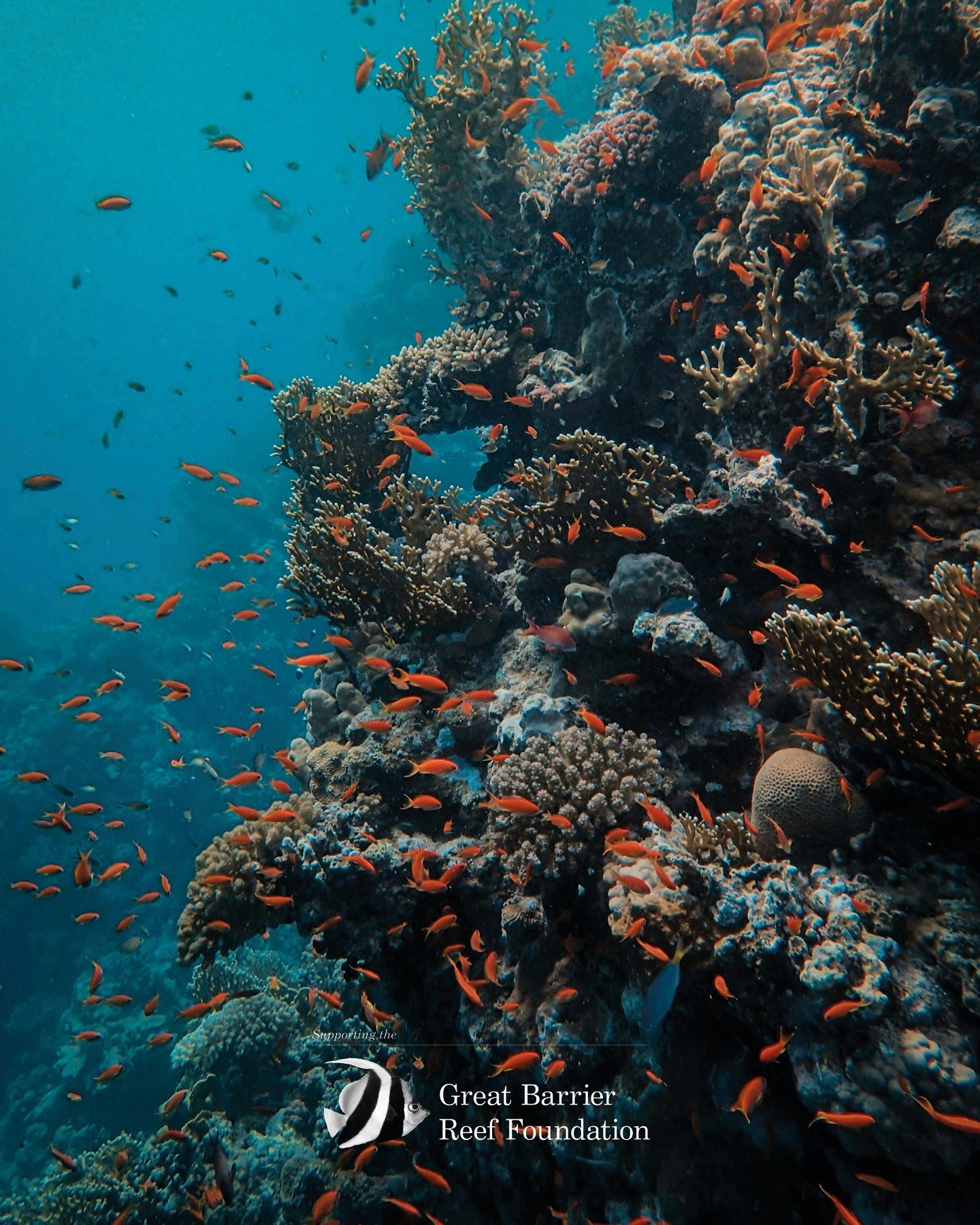
#19 Lake Baikal, Russia
Commonly referred to as the Sacred Sea, Baikal is the oldest and deepest freshwater lake on Earth, containing 20% of the world’s unfrozen surface freshwater. However, this UNESCO-protected site has recently been caught in the crossfire of a political and environmental storm.
In late 2025, a long-contested bill was finalized and signed into law by President Vladimir Putin, fundamentally weakening the environmental protections that have guarded the lake for decades. The legislation, which comes into effect on March 1, 2026, allows for sanitary logging and the clear-cutting of forests in the lake’s Central Ecological Zone, a practice previously banned since 1999.
In September 2025, 90 scientists, including 29 senior members of the Russian Academy of Sciences, issued a desperate letter to block the bill, warning it would prioritize industrial expansion over conservation. They argued that the move would encourage the deliberate arson of healthy forests for profit, destabilize the soil, and lead to massive nutrient runoff.
As the forest buffer is stripped away, experts issued warnings of raging salt and dust storms and a permanent shift in the lake’s water chemistry, threatening the thousands of endemic species, like the Baikal seal, that dwell in it (via Moscow Times).
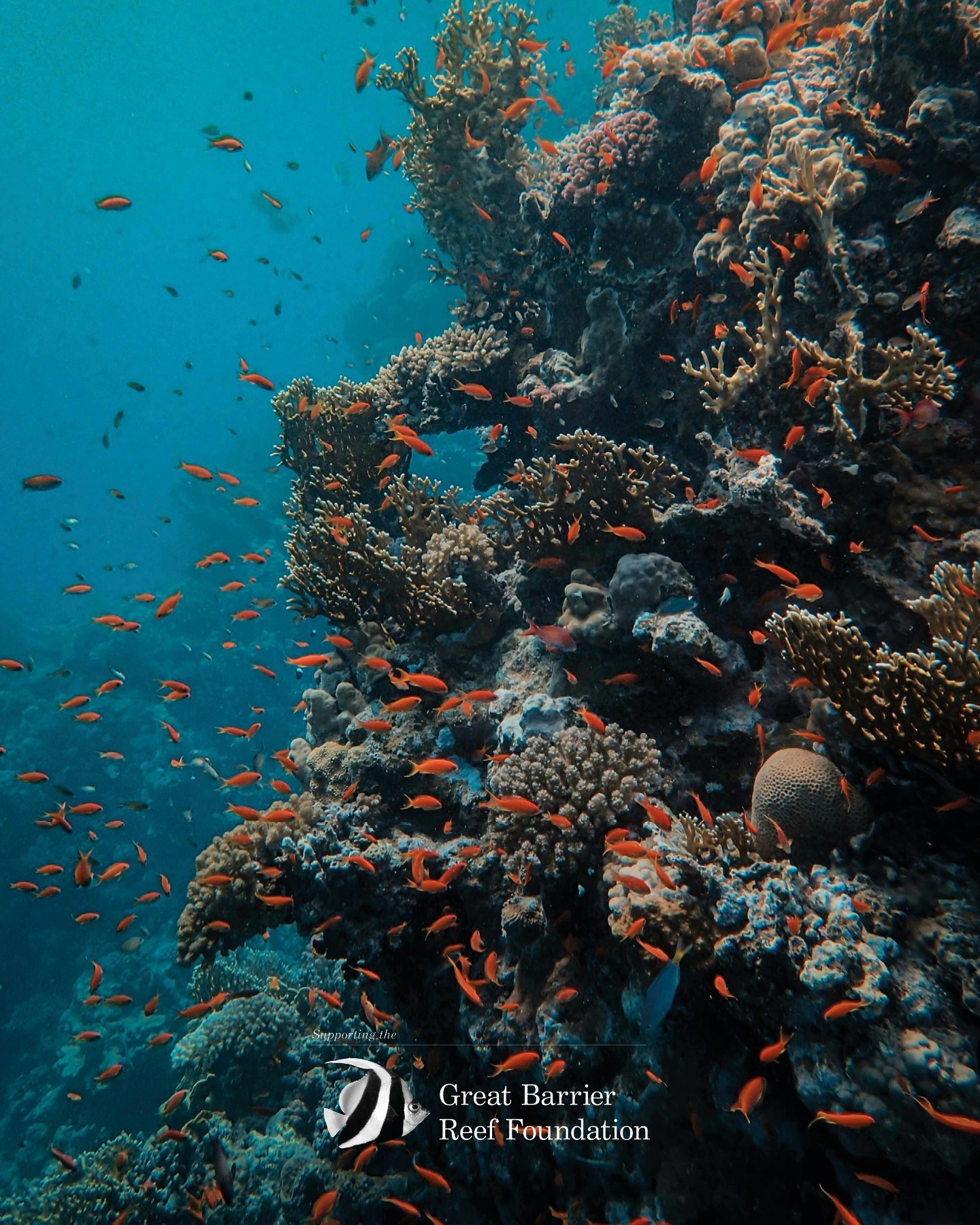
#20 The Dead Sea, Jordan And Israel
Known as the lowest point on Earth, the Dead Sea is so hypersaline that you can float effortlessly on its surface.
However, this iconic wonder is dying, with water levels dropping by nearly 4 feet every year. The sea has lost a full third of its surface area since the 1960s, and as the water recedes, over 7,000 sinkholes have pockmarked the shoreline, swallowing roads and plantations.
Researchers have declared this a man-made disaster. The Jordan River, which once brought 1.3 billion cubic meters of freshwater to the sea annually, has been reduced to a trickle as neighboring countries divert water for drinking and irrigation.
Combined with industrial mineral harvesting, the Dead Sea is becoming a shadow of its former self – a stark reminder of how quickly our planet’s most unique landscapes can vanish.
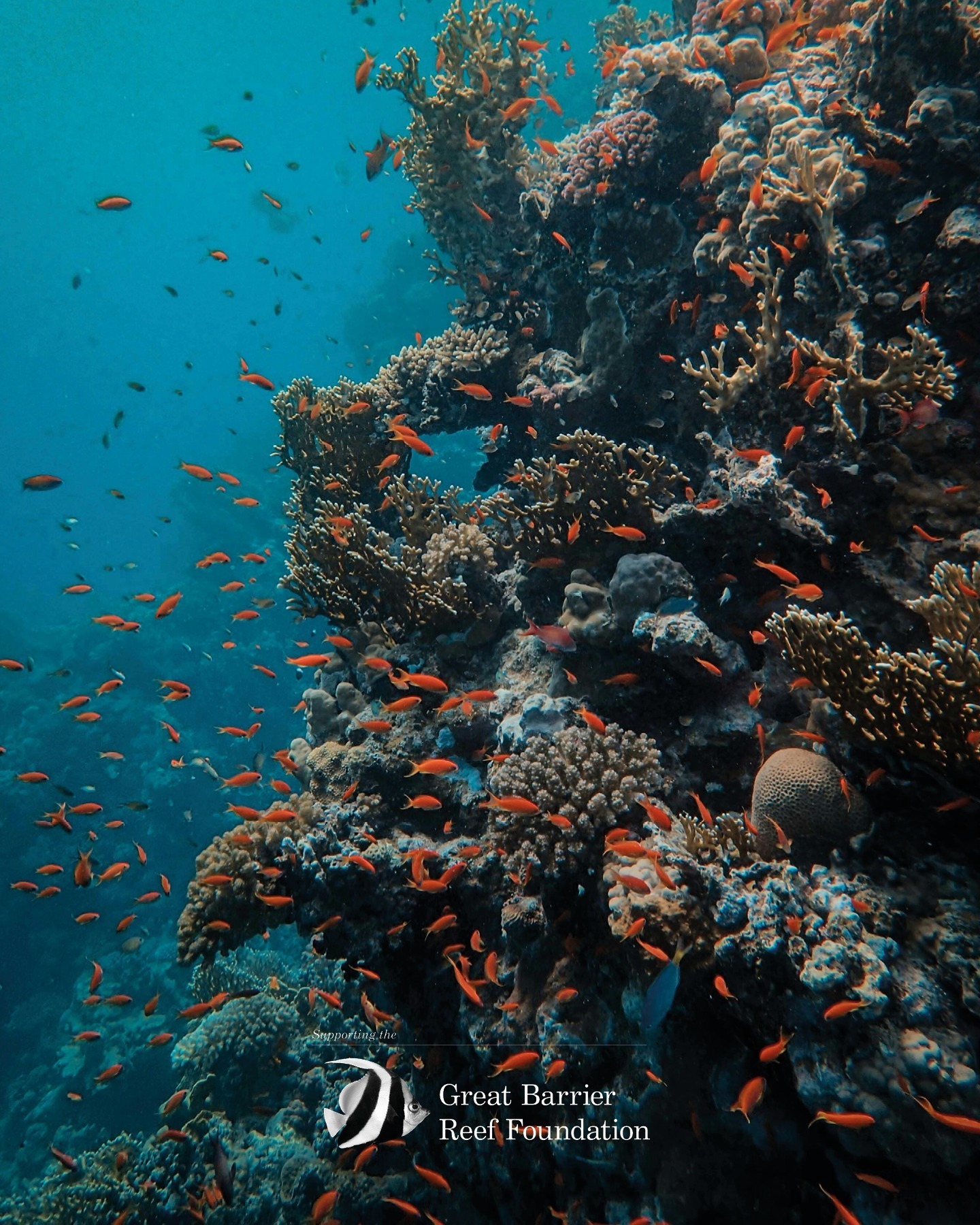
The Global Wake-Up Call
The crisis facing the Dead Sea is not an isolated event; it is a symptom of a global emergency. From the receding flow of Victoria Falls on the Zambezi River to the pollution choking Rio de Janeiro’s Guanabara Bay, our planet’s landmarks are reaching a breaking point.
These 20 wonders serve as a final gallery of a world in transition. While some changes are already irreversible, others can still be mitigated through aggressive conservation and global cooperation.
The question is no longer just about where we want to travel next, but what kind of world we want to leave behind for the generations who will only know these wonders through the stories we tell today.
 Follow Us