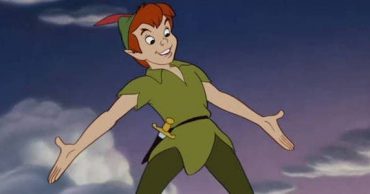
Maps distort reality because the Earth is a three-dimensional sphere, and any attempt to represent it on a flat surface requires compromise.
It’s like trying to make a rectangle out of an orange peel. You have to stretch it, squash it, and tear it to do so.
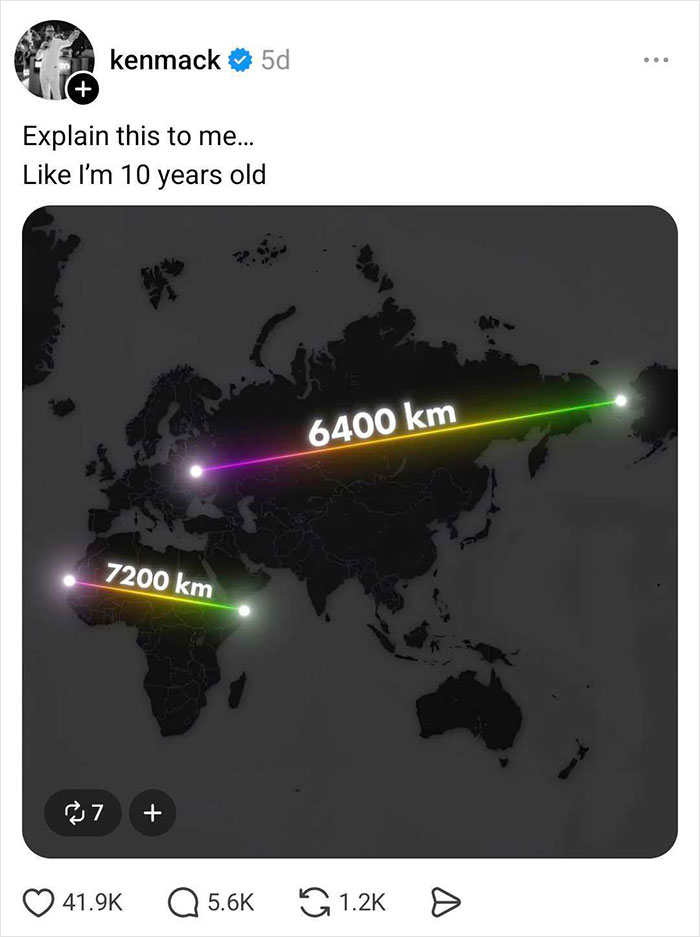
To fully understand the concept, Threads user Ken Mack asked everyone on the platform to explain it in a way that even a ten-year-old would comprehend. And people delivered!
Here are some of the funniest and most creative replies he received.
#1

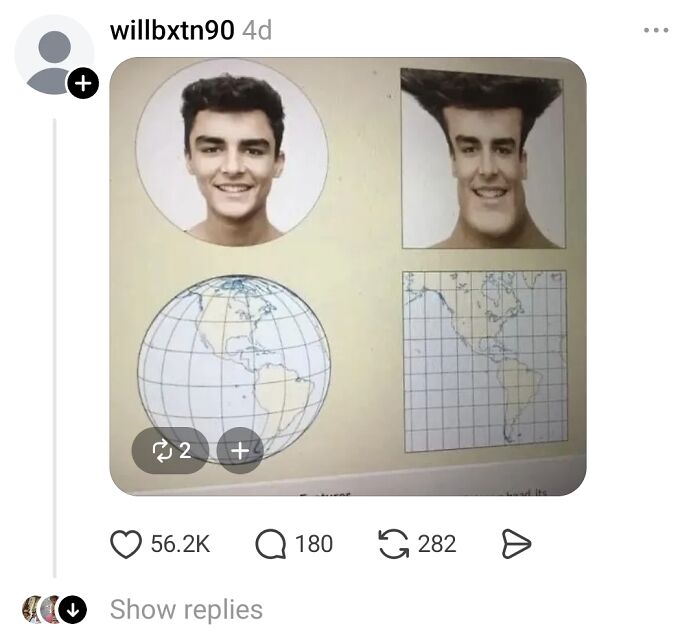
Image source: kenmack
#2
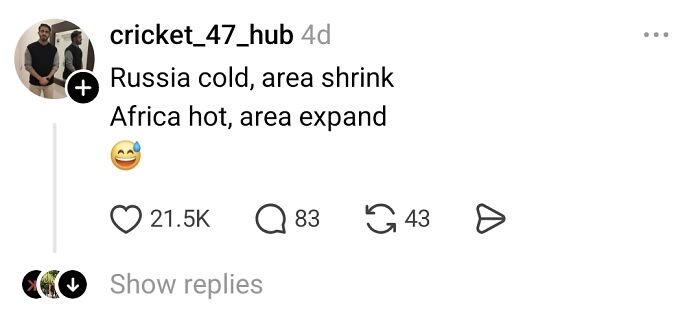
Image source: kenmack
Different formulas for cutting and stretching the 3D surface of the globe exist, each with its own advantages and drawbacks. These formulas are called projections, because they “project” a 3D surface onto a 2D surface.
The most common today is, without a doubt, the Mercator projection. It was invented in the 16th century by Flemish cartographer Gerardus Mercator, and it was used heavily in shipping navigation. The main advantage of the Mercator projection is that you can follow straight lines on the map by following a constant direction on a compass.
#3
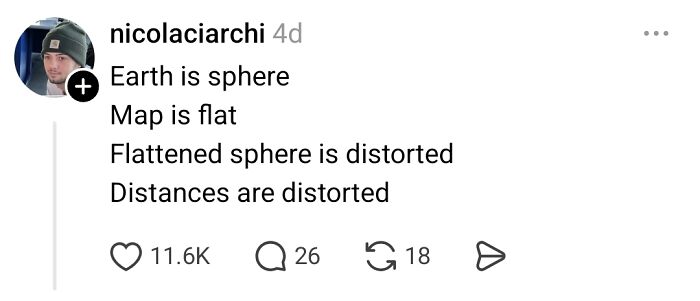
Image source: kenmack
#4
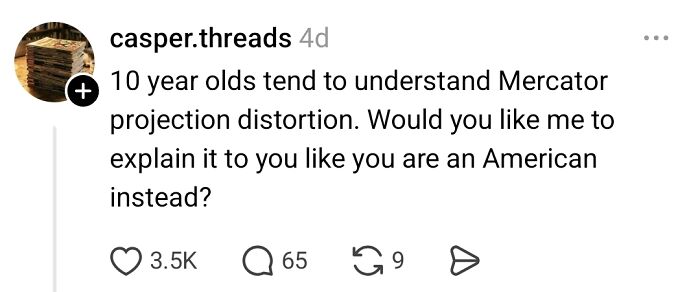
Image source: kenmack
#5
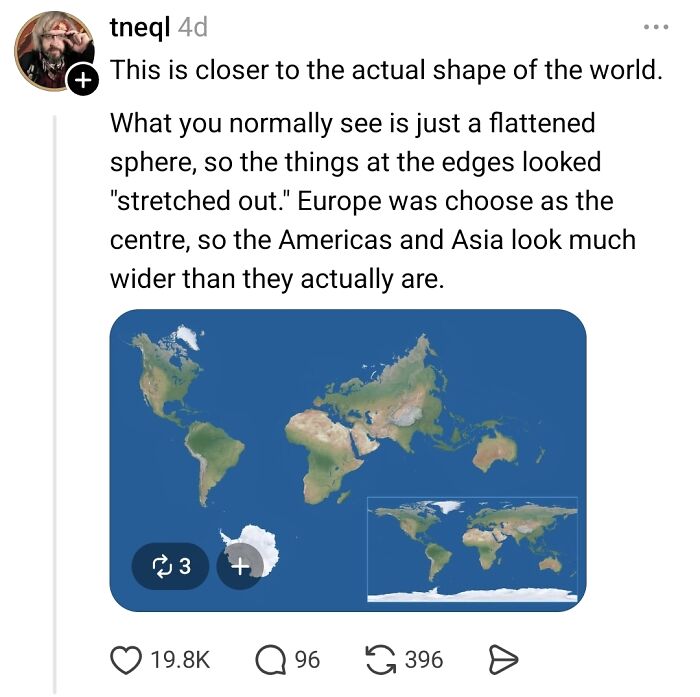
Image source: kenmack
With the proliferation of the internet, the Mercator projection made a very strong comeback. Its properties proved to fit the way interactive maps work really well, and so it was adopted by Google Maps and other similar services, becoming the go-to choice online.
But as we see from Ken’s image, the Mercator projection has some serious drawbacks, with the biggest one being that it introduces big deformations in the north and south.
#6
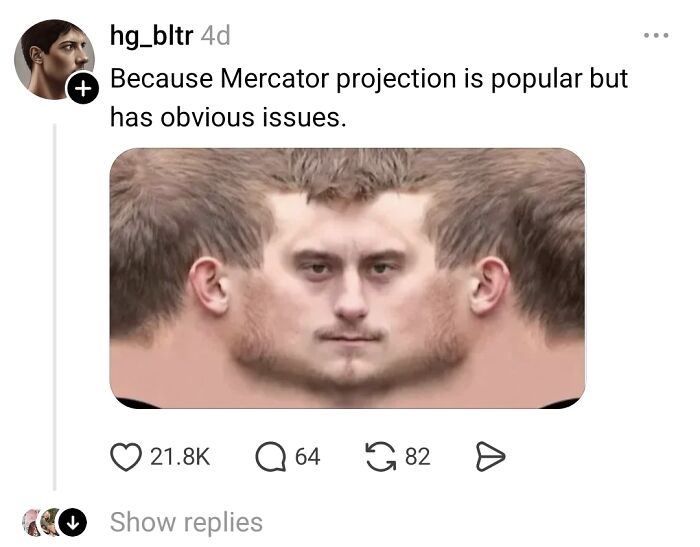
Image source: kenmack
#7
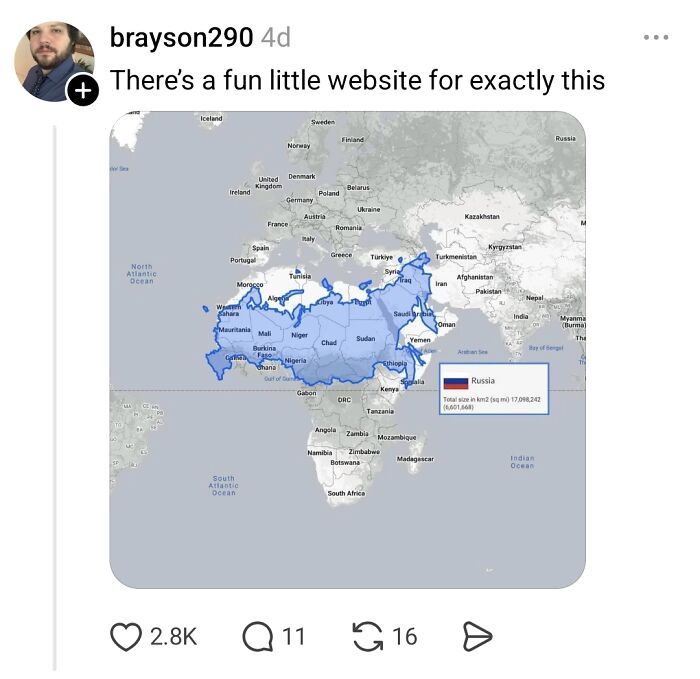
Image source: kenmack
#8
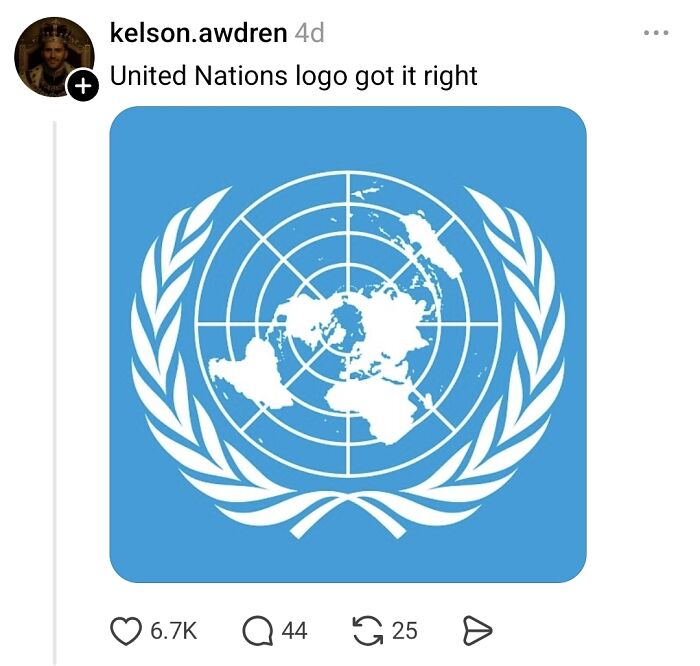
Image source: kenmack
#9
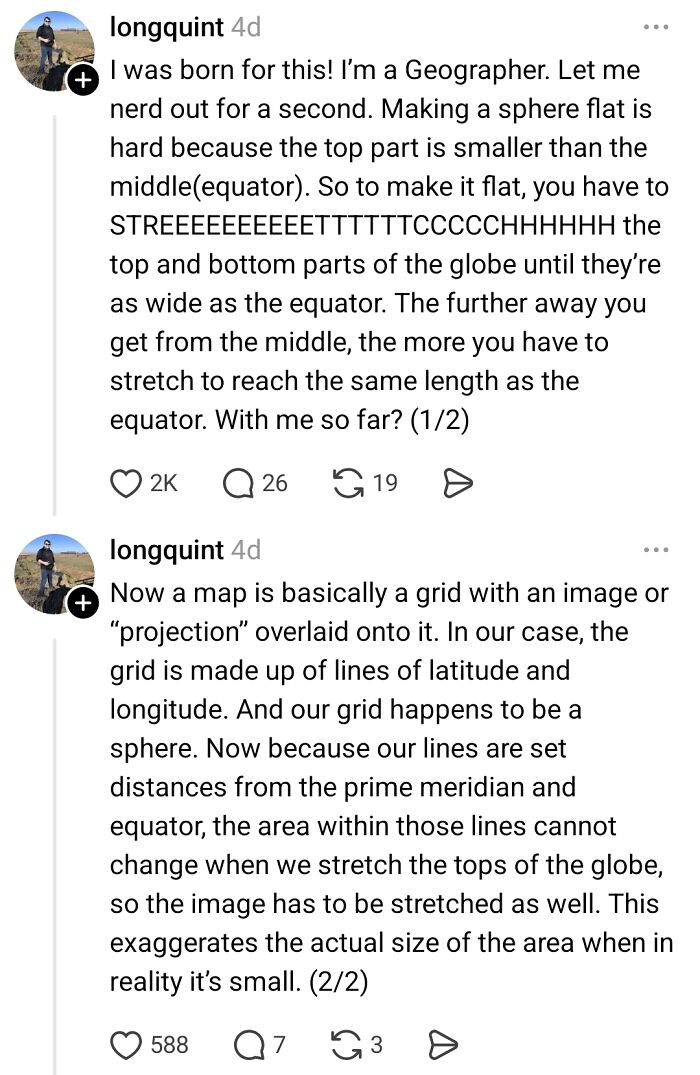
Image source: kenmack
Unfamiliar with the Mercator projection’s characteristics, one might think Greenland is roughly the same size as the African continent. But that is far from the truth.
If you superimpose Greenland on Africa, it shrinks to roughly the size of the Democratic Republic of the Congo. In reality, Africa can hold Greenland 14 times: Greenland has a surface area of 2.17 million square kilometres (836,000 square miles), while Africa covers 30.4 million square kilometres (11.7 million square miles), and the DRC is 2.35 million square kilometres (907,000 square miles).
You can play with this yourself on thetruesize.com, where you can “drag and drop” countries and continents on top of each other to see how they compare.
#10

Image source: kenmack
#11
Image source: kenmack
#12

Image source: lohstii
#13
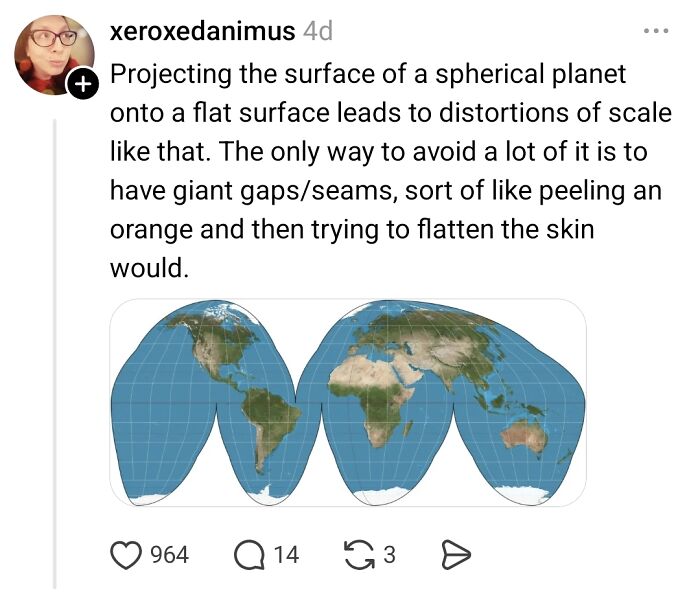
Image source: kenmack
#14
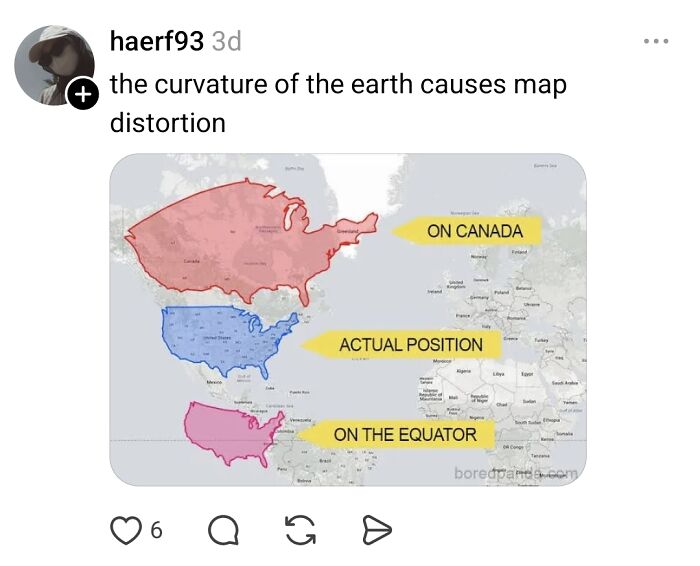
Image source: kenmack
#15
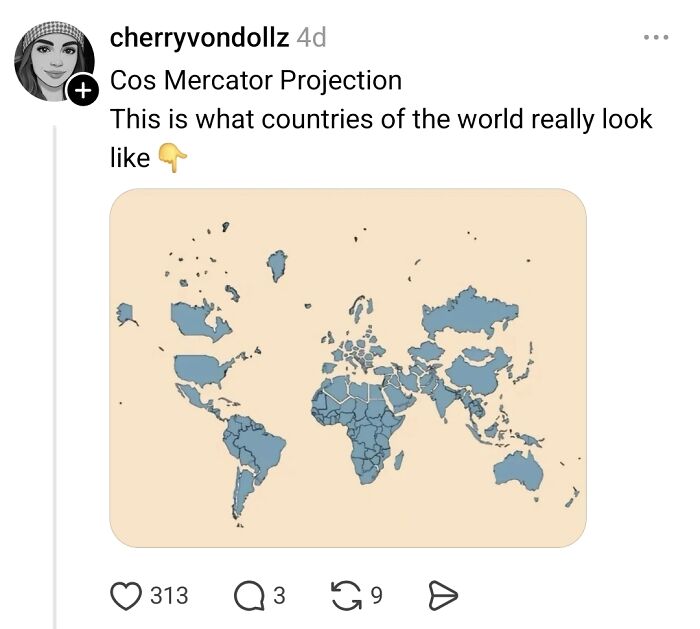
Image source: kenmack
#16
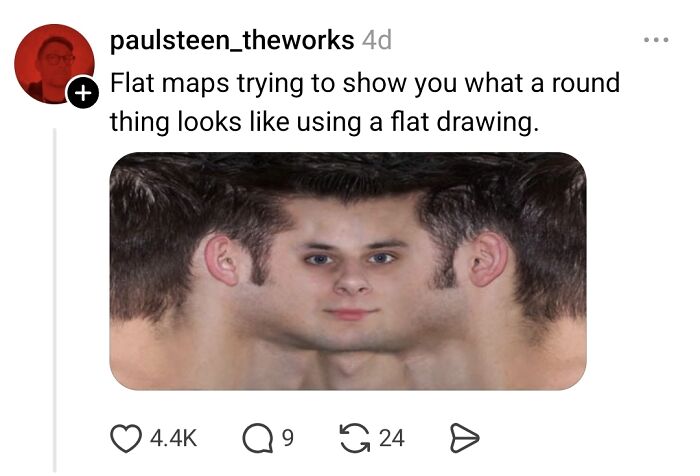
Image source: kenmack
#17
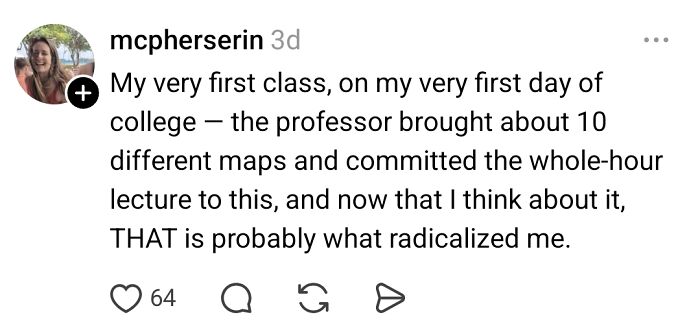
Image source: kenmack
#18
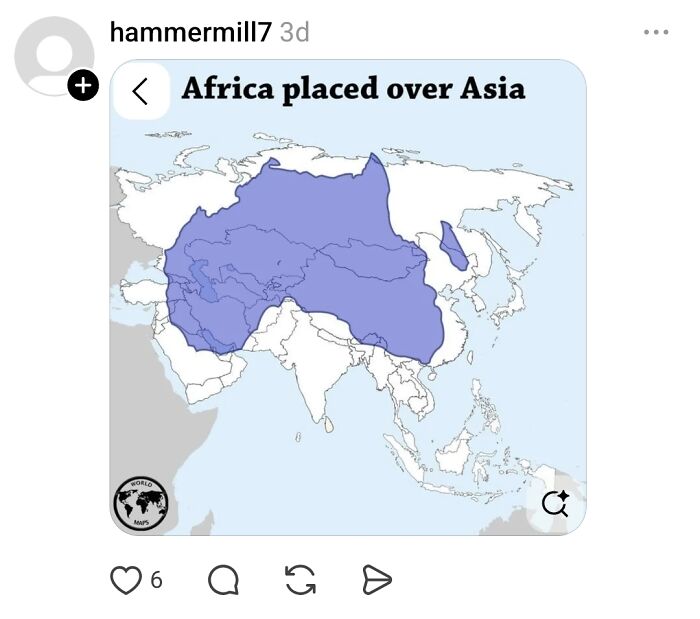
Image source: kenmack
#19
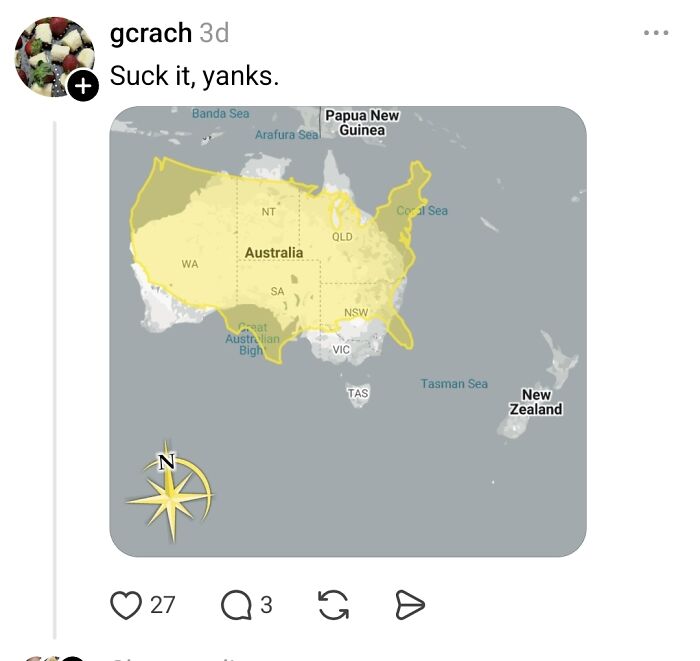
Image source: kenmack
#20
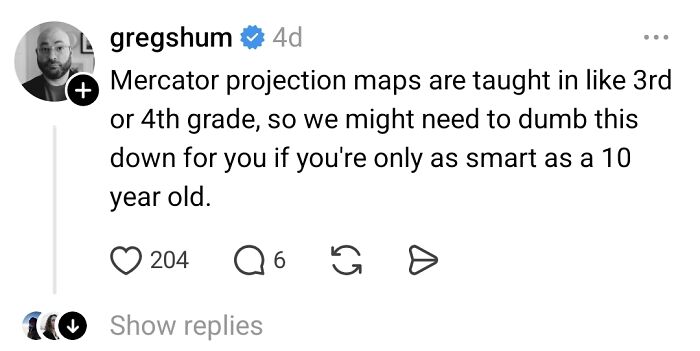
Image source: kenmack
#21
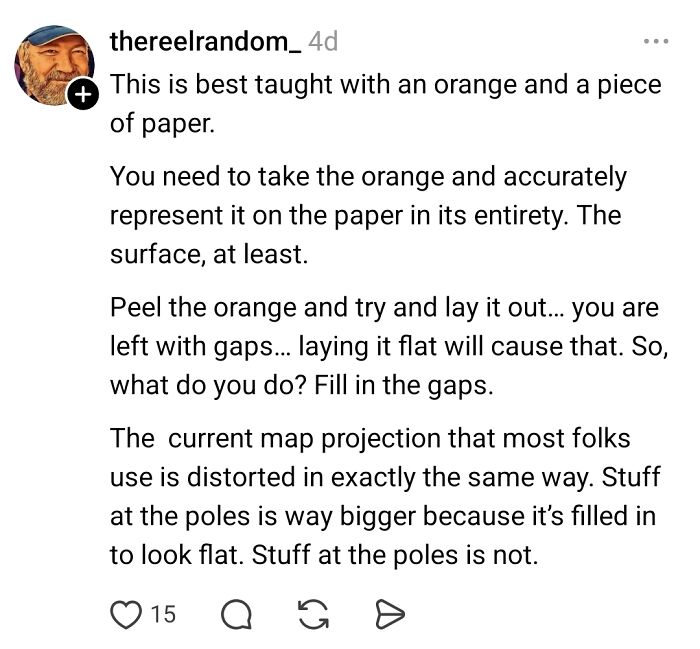
Image source: kenmack
#22
Image source: kenmack
#23
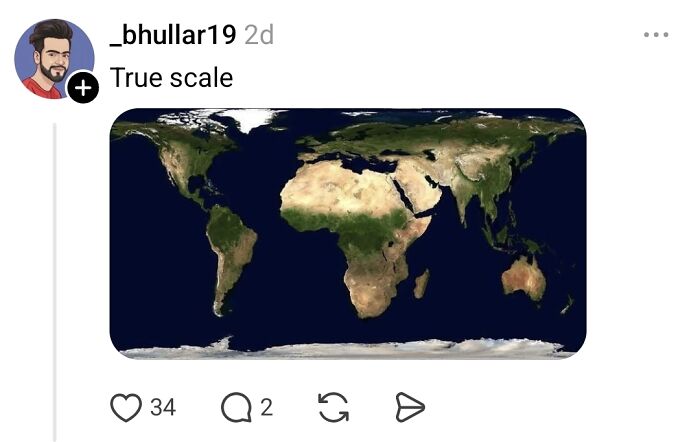
Image source: kenmack
#24
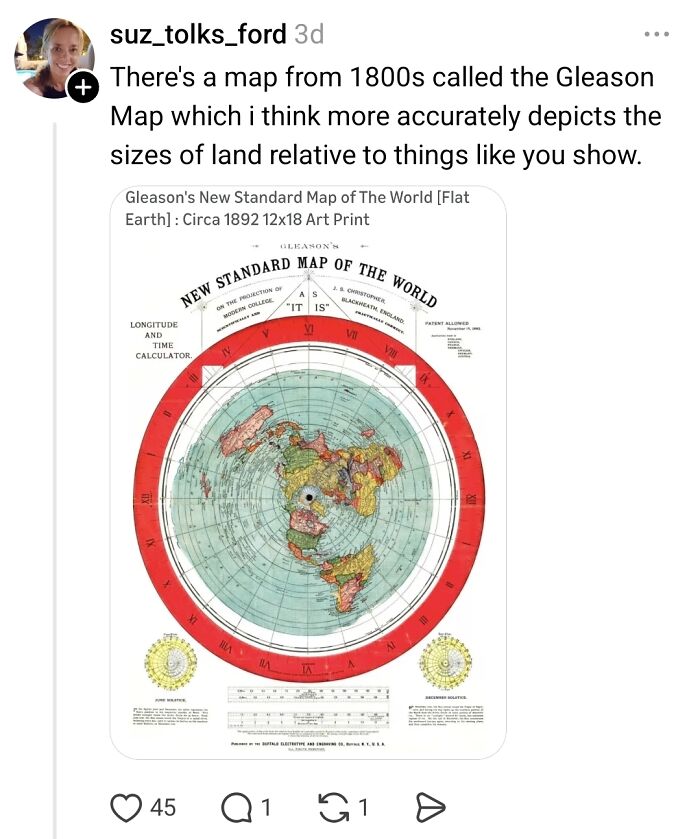
Image source: kenmack
#25
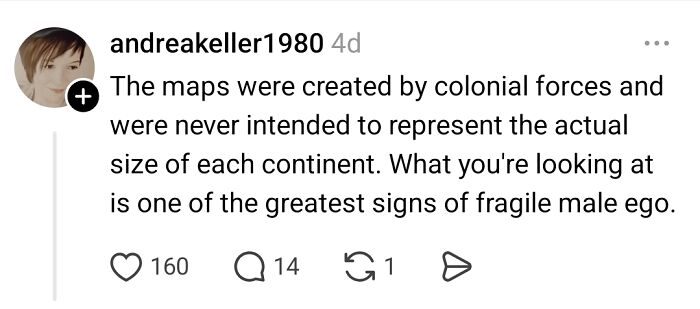
Image source: kenmack
#26

Image source: kenmack
#27
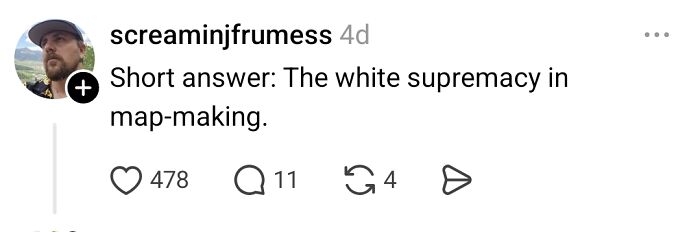
Image source: kenmack
#28
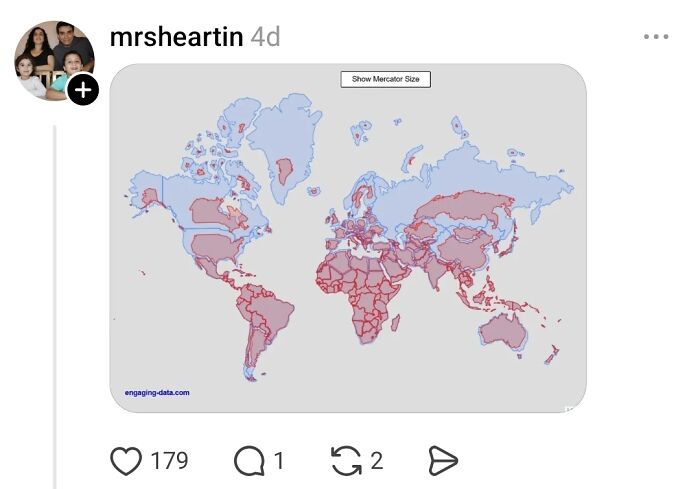
Image source: kenmack
#29
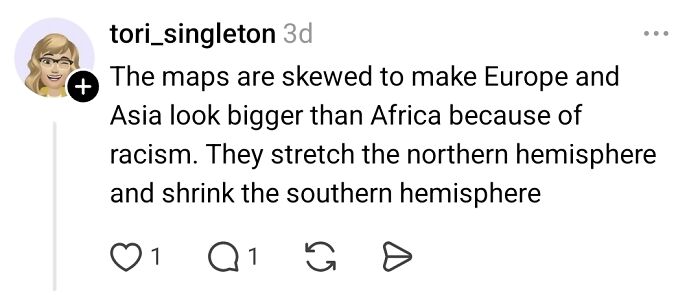
Image source: kenmack
#30
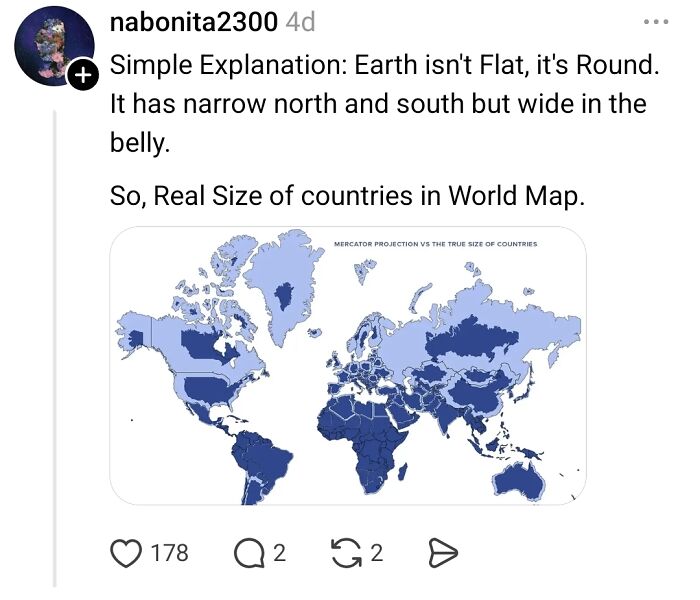
Image source: kenmack
#31
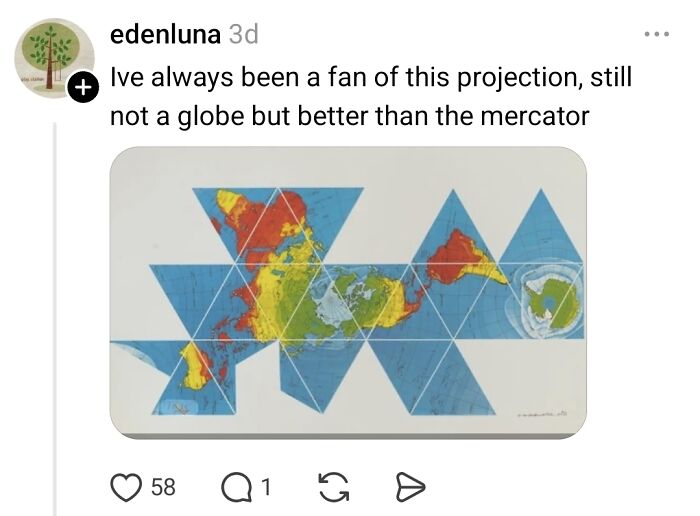
Image source: kenmack
#32
Image source: kenmack
#33
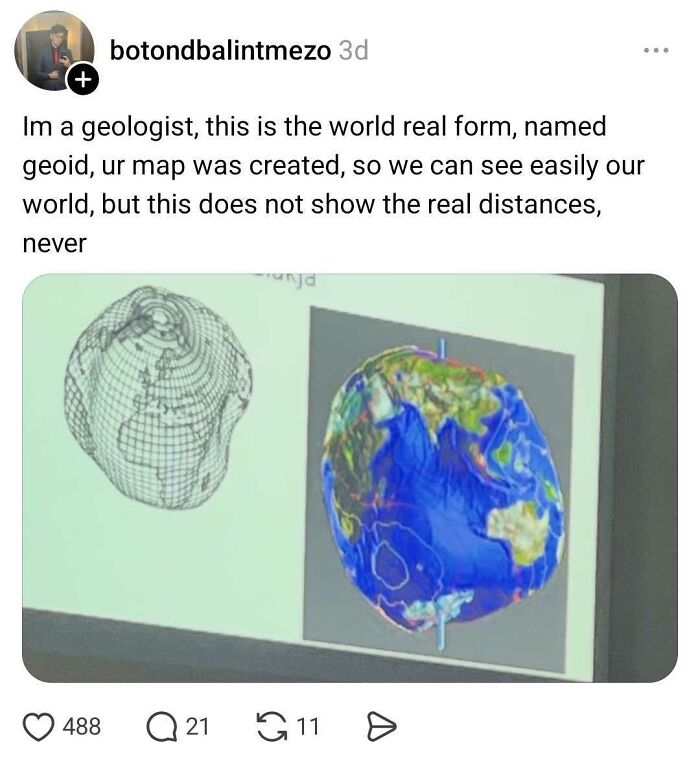
Image source: botondbalintmezo
#34
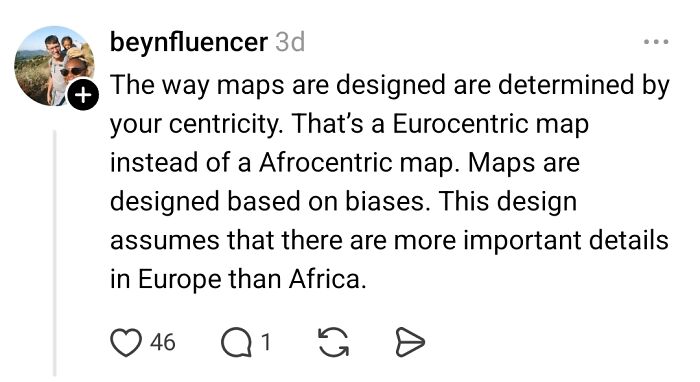
Image source: kenmack
#35
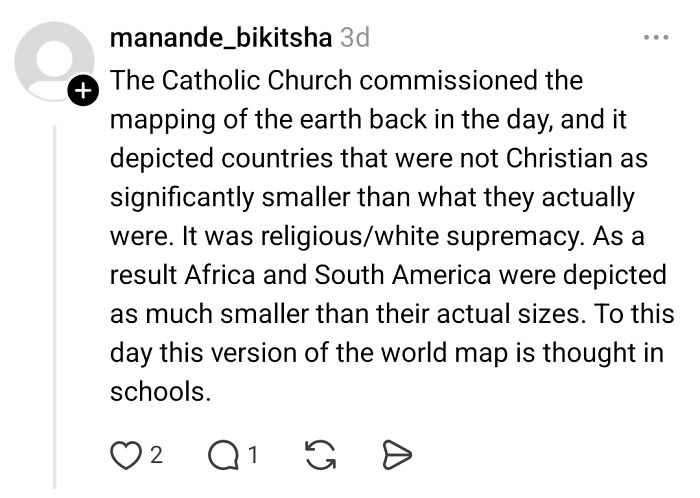
Image source: kenmack
 Follow Us