How the Time Loop Works and Why It Feels Like a Trap
The surface story is simple: Sam wakes up, it’s Tuesday, and the day keeps repeating. The same song kicks in, the same beats hit, and the same “something is off” tension keeps building. The episode plays the loop like a comedy at first because it’s engineered like one—predictable setup, familiar cue, then a new twist on the same gag. It’s basically the show doing its own version of a time-loop movie with monster-hunting energy.
But the loop isn’t neutral. It isn’t “time behaving weird.” It’s a constructed experience designed to manipulate Sam emotionally, which is why it feels less like a puzzle and more like a trap once the stakes become clear. The repeated day is a controlled environment where a specific lesson is being forced, and every “reset” exists to break down resistance until Sam reacts the way the person controlling the loop wants him to react.
The most important detail is that the loop is not about saving the day. It’s about controlling the outcome of grief. If Sam can be made to accept the idea that death is unavoidable and that he should stop fighting it, then the loop has done its job. That’s why it keeps repeating long after it stops being funny. The episode isn’t interested in novelty—it’s interested in wearing Sam down.

Why Dean Keeps Dying and Why the Comedy Turns Dark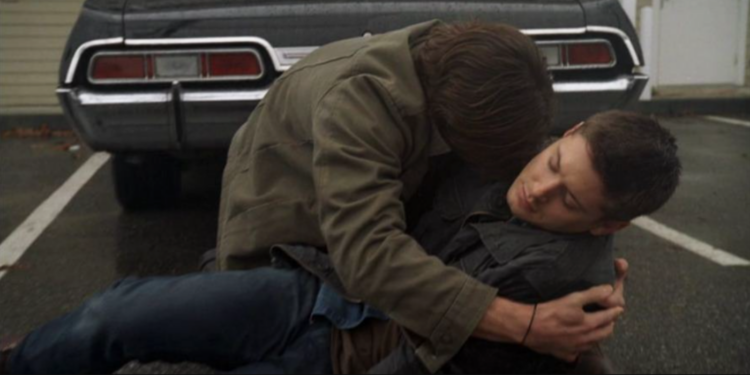
At first, Dean’s deaths are played like escalating slapstick: ridiculous accidents, sudden impacts, random bad luck. The humor comes from contrast—Dean is a capable hunter, but the universe keeps swatting him like a fly in increasingly absurd ways. It’s shocking, it’s fast, and it’s written to make you laugh because it’s so unexpected.
Then the episode quietly changes the rules. The deaths stop being “funny accidents” and start becoming a cumulative psychological assault. Sam’s reaction shifts from frantic problem-solving to exhausted dread because the loop forces him to watch the same loss again and again without resolution. The joke becomes: Sam can’t protect Dean no matter what he does. The horror becomes: Sam can’t even grieve properly because he never gets the dignity of an ending.
That tonal shift is the genius of the episode. It’s not just that Dean dies a lot—it’s that Sam is being trained, through repetition, to associate hope with futility. Every time Sam thinks he’s figured it out, the loop proves that “figuring it out” is not the point. The point is emotional conditioning. On rewatch, even the funniest deaths feel darker because you know the comedy is part of the trap.
Who’s Behind the Loop and What He’s Really Testing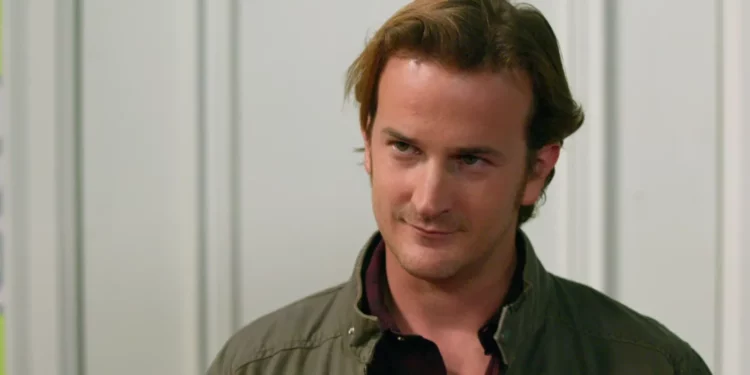
The reveal that Gabriel is behind the loop reframes everything. The time loop isn’t random—it’s a lesson plan. Gabriel isn’t doing it because he’s bored. He’s doing it because he wants Sam to stop trying to change fate. In the broader story of the series, that idea is enormous: Sam is a person who refuses to accept “no” from the universe, and Gabriel is essentially forcing him into a scenario where “no” happens every single time.
That’s why the loop is built around Dean. Dean is the emotional lever. If the loop were built around a stranger dying, it would be sad but not transformative. Built around Dean, it becomes a pressure chamber that tests Sam’s deepest fear: losing his brother and being powerless to stop it. Gabriel wants Sam to reach the conclusion that the fight is pointless—because Gabriel himself is tired of fighting a cosmic plan that feels inevitable.
This is also why Gabriel’s tone is so effective. He’s sarcastic, theatrical, and seemingly playful—until you realize the “joke” is a philosophical argument delivered through psychological pain. He isn’t just punishing Sam. He’s trying to convince Sam that resisting destiny only produces suffering, and that surrender is the only way to stop the cycle. The episode becomes less about a monster hunt and more about two stubborn worldviews colliding.
Why Mystery Spot Is the Ultimate Rewatch Episode
On a rewatch, you see how carefully the episode is built. The early comedy isn’t filler—it’s misdirection. The repeated beats aren’t just gags—they’re structure. The song cue isn’t just a funny loop marker—it becomes emotional dread, because you start associating it with “this is happening again.” The episode trains the viewer the same way it trains Sam: repetition turns novelty into inevitability.
It also deepens the Sam-and-Dean dynamic in a way that sticks. Dean’s death isn’t treated as a one-time tragedy that the plot moves past. It’s treated as something Sam would endure endlessly if it meant one more chance to fix it. That’s a brutal insight into who Sam is and how he loves. And because the episode goes far enough into the loop to show Sam’s exhaustion and breaking point, it doesn’t feel like a clever concept anymore—it feels like a character study.
Finally, the episode holds up because it mirrors how fans actually rewatch shows. Rewatching is repetition. You know what’s coming. You watch anyway. Supernatural turns that viewing habit into the story itself: repeating the same day, repeating the same pain, repeating the same hope—until the repetition reveals what the characters can’t admit out loud. That’s why Mystery Spot isn’t just a fan-favorite. It’s one of the rare episodes that gets better the more you know, because knowing makes the comedy sharper and the tragedy heavier.
 Follow Us