Money can be a sensitive topic in any family, especially when adult children are still living at home, and for many young people trying to balance school, work, and rising living costs, every dollar saved represents stability and future security.
That’s the situation today’s Original Poster (OP) found herself in after her mother unexpectedly discovered her $4,000 savings. What she saw as a carefully built emergency fund, her mom saw as money that should be shared with the household, and that didn’t sit well with her.
More info: Reddit
Entitled parents are a topic that provokes strong opinions because it touches on family, money, and boundaries all at once

Image credits: Freepik / Freepik (not the actual photo)

The author, who has been saving responsibly since age 16, has accumulated around $4,000 for emergencies and future independence
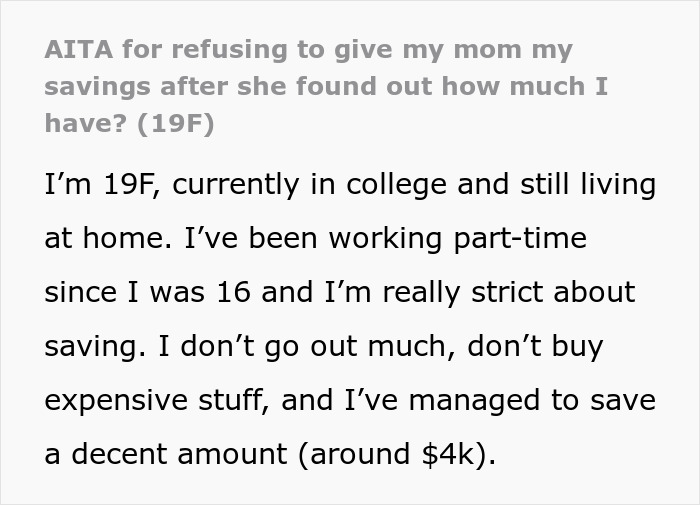
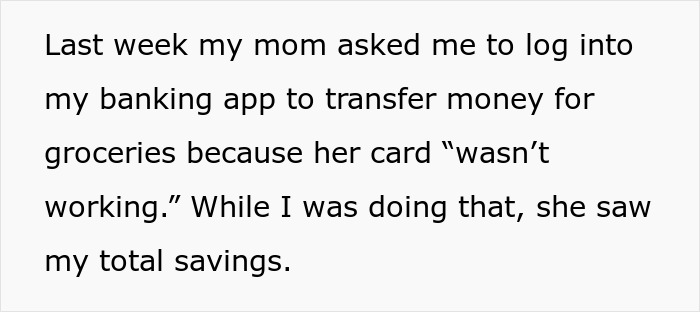

Image credits: rawpixel.com / Freepik (not the actual photo)
Her mother asked her to log into her banking app to transfer money for groceries, and during the process, she noticed her savings
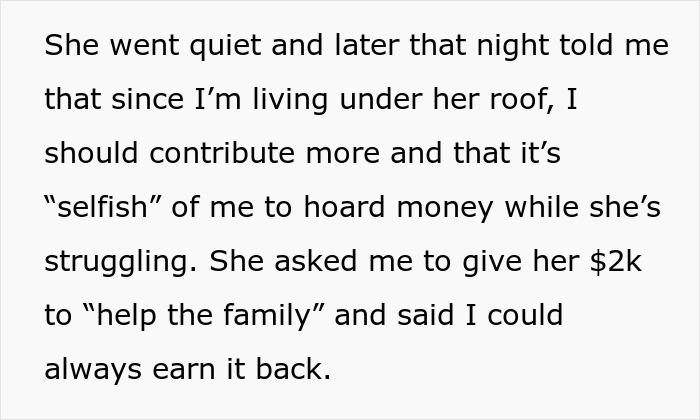
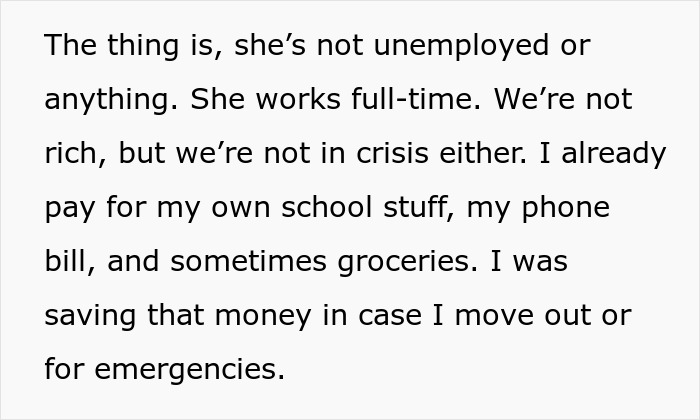

Image credits: pvproductions / Freepik (not the actual photo)
That night, her mother demanded $2,000 from the savings to help the family, calling her selfish and saying she could earn it back
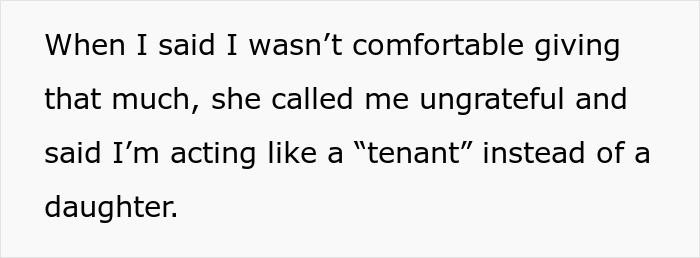
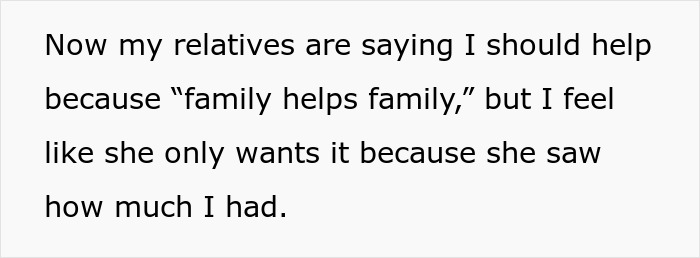

Image credits: Grand-Reveal-9055
She refused, explaining she already contributes to school, bills, and some groceries, sparking tension with her mom and relatives who urged her to give the money
At just 19, the OP had already been working part-time since she was 16, and over three years, she managed to save around $4,000. Her plan was to build a cushion for emergencies or for the day she moves out. However, one day, her mom asked her to log into her banking app to transfer money for groceries because her own card wasn’t working.
During the process, her mom noticed the total savings balance and later that evening, she confronted her, pointing out that since she lives at home, she should be contributing more. She then added that it was “selfish” for the OP to be hoarding money while the family was allegedly struggling.
In fact, she went further to ask directly for $2,000 since the OP could always earn it back. Now, the OP noted that her mom isn’t unemployed. She works full-time, and while they weren’t wealthy, they were not in financial crisis either. Besides, the OP was already covering her own school expenses, phone bill, and occasionally helped with groceries.
When she refused to hand over half her savings, her mom accused her of being “ungrateful”, and added that she was acting like a tenant instead of a daughter. Soon, extended relatives heard about it and insisted the OP helps because of course, “family helps family”, and this left the OP feeling like the bad guy because she still didn’t want to give half of her savings.

Image credits: dikushin / Freepik (not the actual photo)
In situations like the OP’s, where a young adult’s savings become a flashpoint, financial experts emphasize the importance of having a safety net. According to Enrich Partners, building an emergency fund that covers three to six months of living expenses is a practical way to protect against life’s unexpected setbacks, such as job loss, medical emergencies, or car repairs.
At the same time, Pew Research Center highlights that many young adults living at home do contribute financially through structured arrangements, like rent or shared bills, with 65–72% covering groceries, utilities, or other household expenses. The key difference arises when parents discover their child’s savings and issue sudden financial demands, shifting from agreed-upon contributions to entitlement-driven requests.
Writer Holly Scherer frames this scenario as an example of financial enmeshment, where blurred boundaries between parents and adult children allow guilt or emotional pressure to override mutual agreements. In such situations, young adults may feel obligated to give money even when it jeopardizes their independence, fostering dependency and anxiety instead of autonomy.
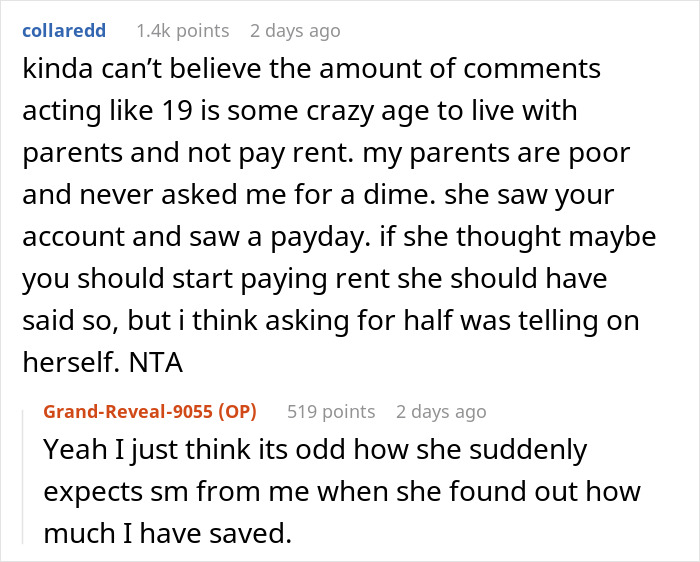
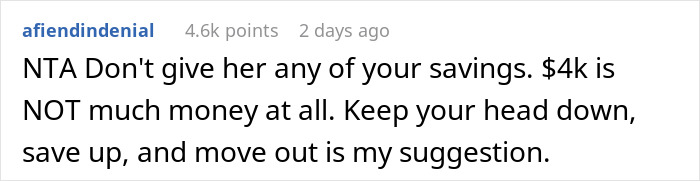
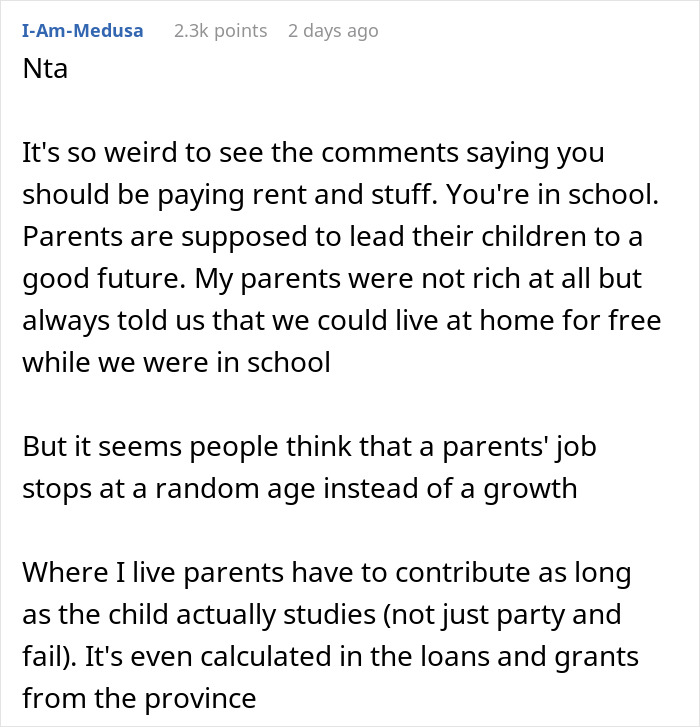
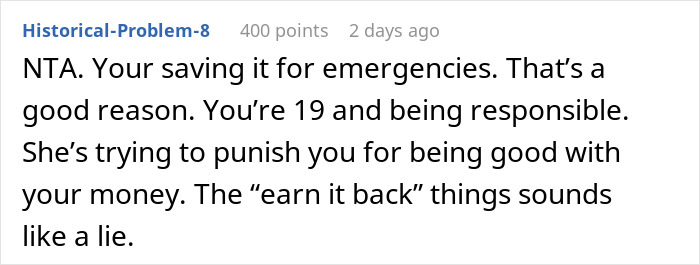
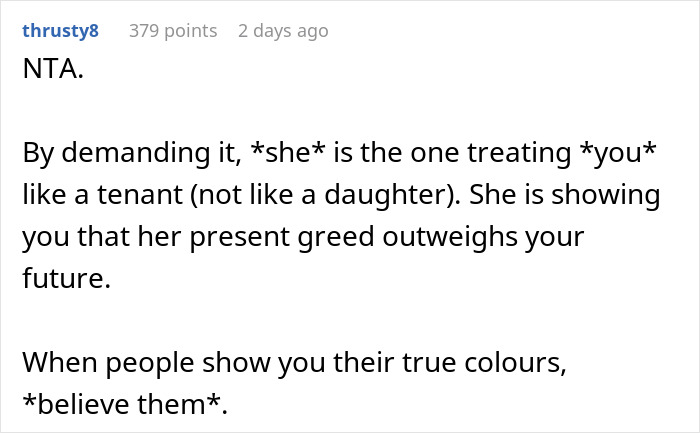
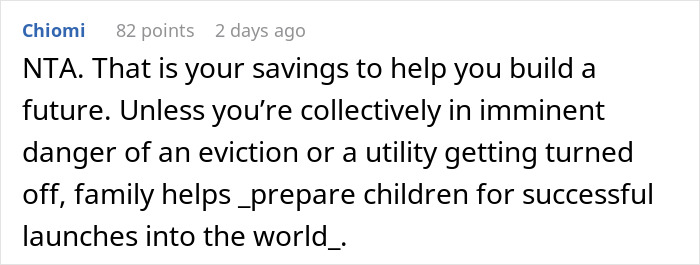
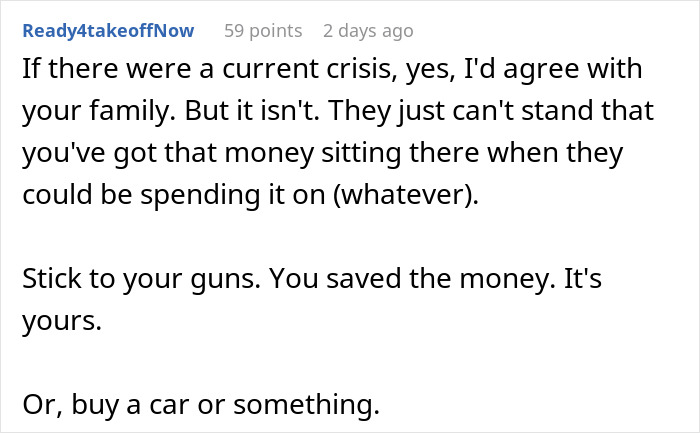
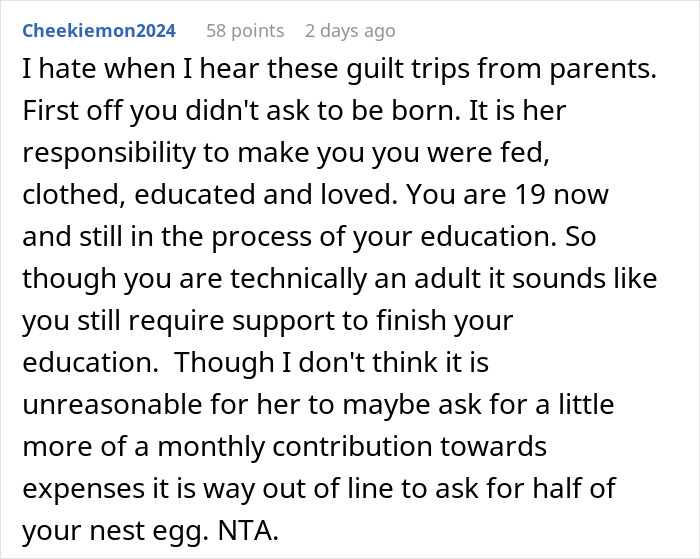
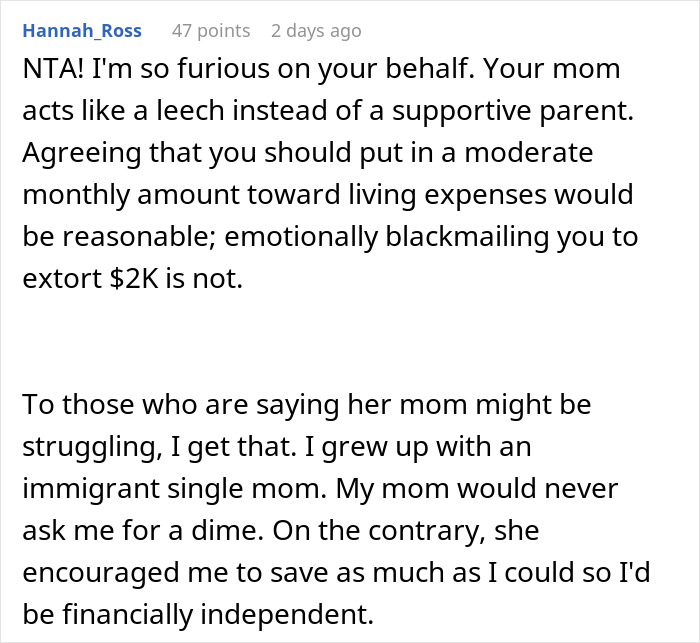
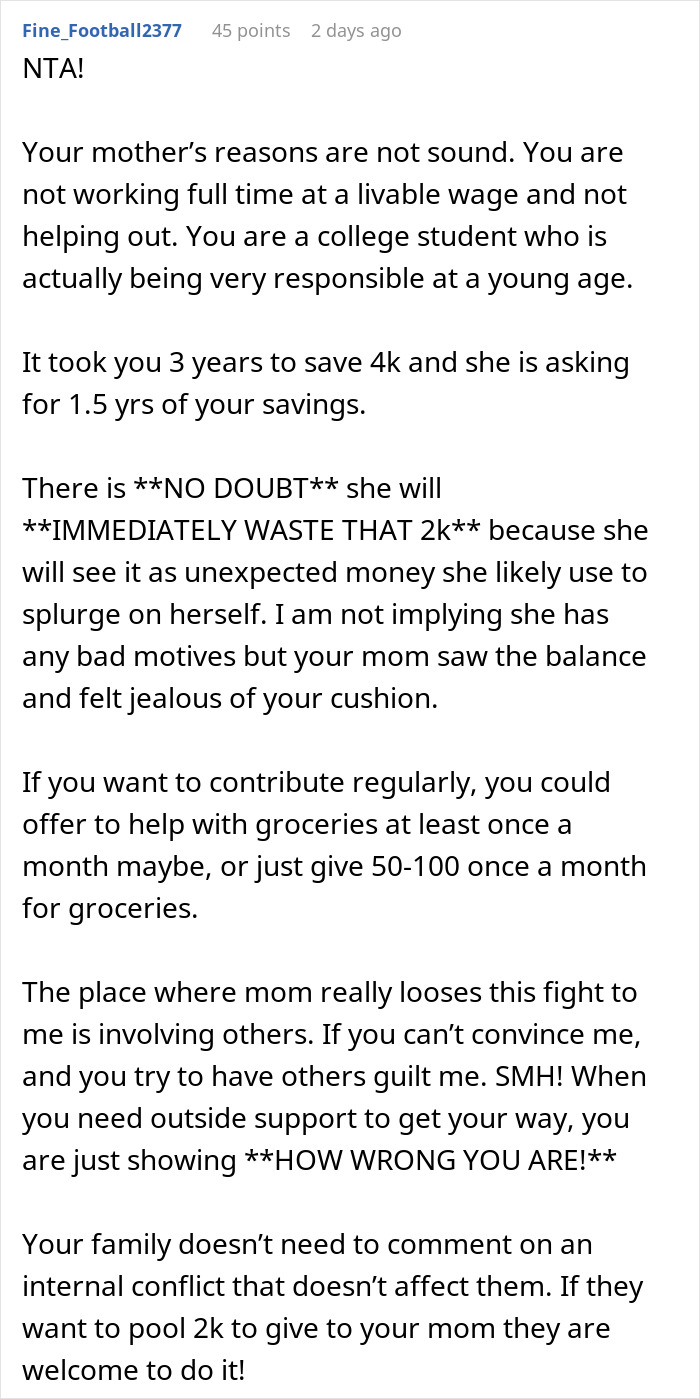
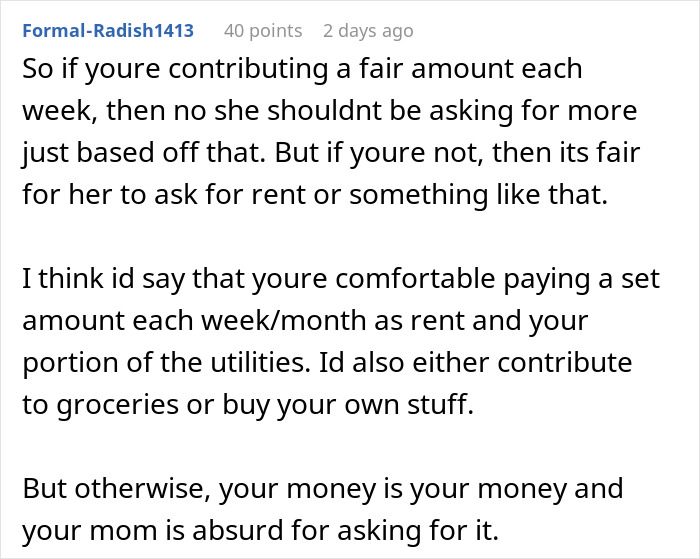
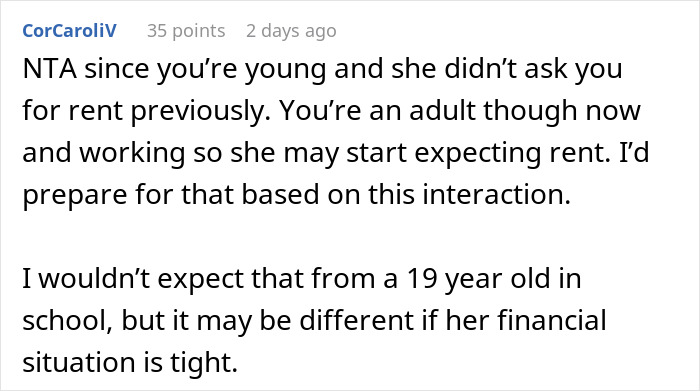
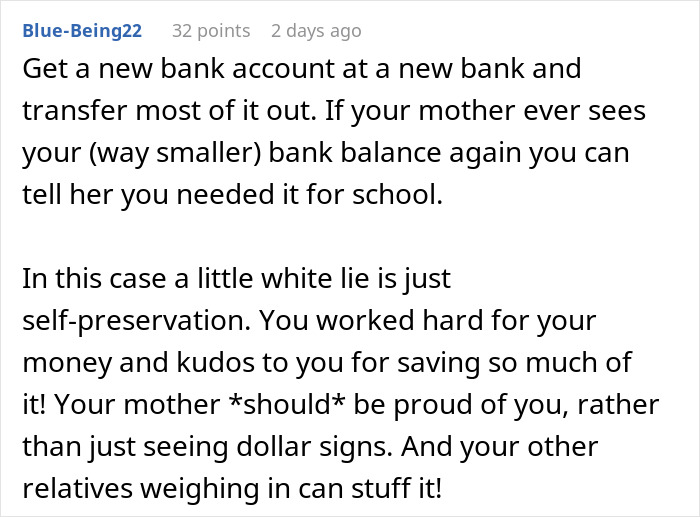
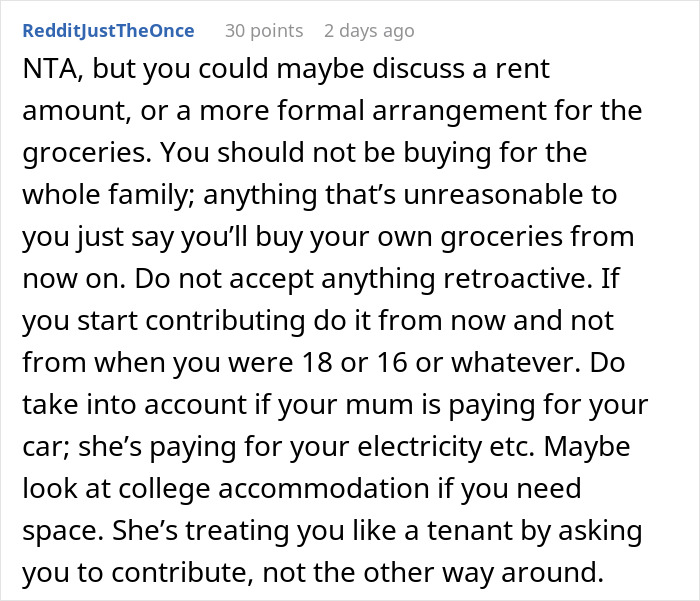
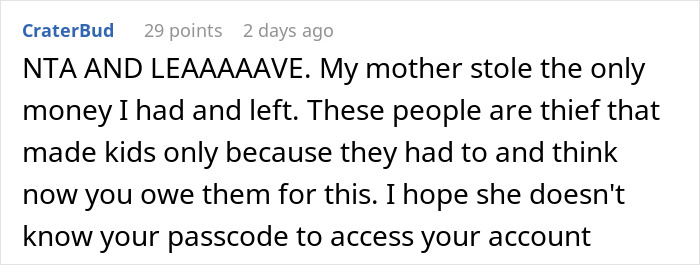
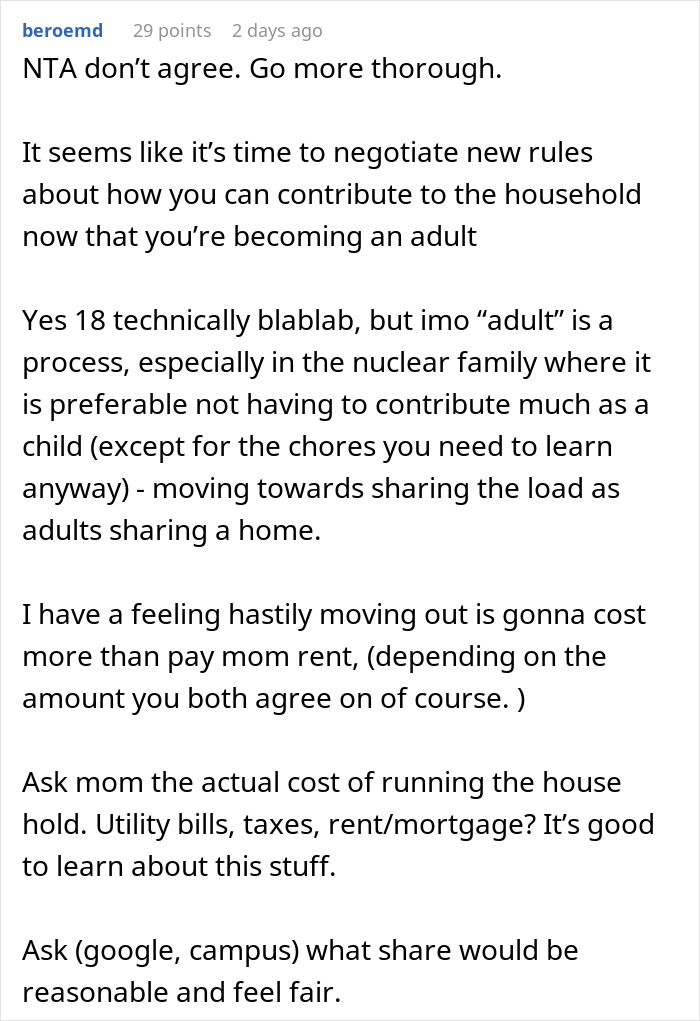
Netizens sided with the OP, urging her not to hand over any of her savings. They also criticized the mother’s approach, suggesting the demand felt entitled and manipulative rather than supportive. What do you think about this situation? Do you think the mom is being practical, or is this a case of guilt-driven pressure? We would love to know your thoughts!
Netizens urged the author to protect her savings, consider moving out, and not let guilt override financial independence











 Follow Us