The passing of actor Eric Dane at 53 has reignited a difficult but necessary conversation about amyotrophic lateral sclerosis (ALS).
The actor, best known for his roles in Grey’s Anatomy and Euphoria, lost his life less than a year after revealing his ALS diagnosis to the world.
He had spent the last few months of his life raising awareness for the rare degenerative disease, also known as Lou Gehrig’s disease.
The passing of actor Eric Dane at 53 has reignited a difficult but necessary conversation about amyotrophic lateral sclerosis (ALS)
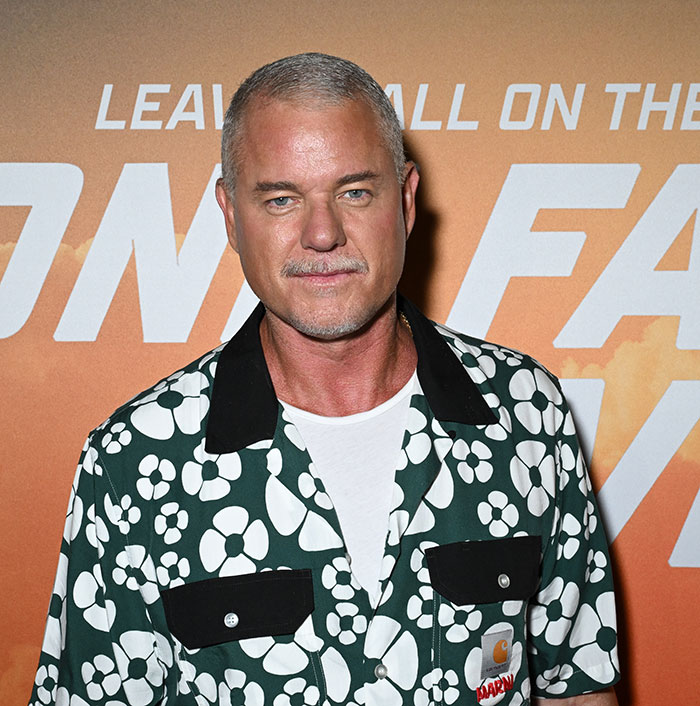
Image credits: Gilbert Flores/Getty Images
Last April, Eric Dane publicly revealed that he was diagnosed with ALS.
The actor lost function of his right arm within a few months of his announcement and was worried about what was in store for him as the degenerative neurological disorder progressed.
“I feel like maybe a couple, few more months, and I won’t have my left hand [functioning] either,” he told Good Morning America in June and also expressed concern about his legs, too.

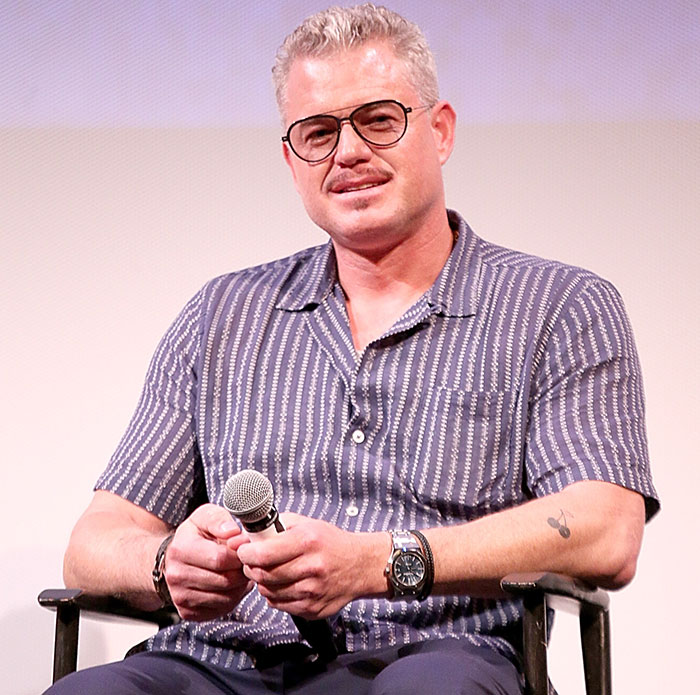
Image credits: Gary Miller/Getty Images
Dane said he first noticed weakness in his right hand. But like most people, the actor who played Dr. Mark Sloan for six seasons of Grey’s Anatomy dismissed the early signs.
“I thought maybe I’d been texting too much or my hand was fatigued,” he recalled. “But a few weeks later, I noticed it had gotten a little worse, so I went and saw a hand specialist, who sent me to another hand specialist.”
After meeting two different neurologists, he received his diagnosis of ALS, the three letters he said he’d “never forget.”
The actor spoke about his diagnosis and said ALS was three letters he would “never forget”

Image credits: realericdane
Dane, who shared two daughters with wife and fellow actress Rebecca Gayheart, recalled a heartbreaking incident that forced him to see the stark reality of his condition.
During a boating trip, he jumped into the water with his then-13-year-old daughter, as he had done many times before.
But the once-competitive swimmer and water polo star quickly realized that he didn’t have the strength to swim in the ocean.
“[My daughter] dragged me back to the boat,” he said, admitting that he broke down on the boat. “I was just, I was, like, heartbroken.”
The Valentine’s Day actor said his ALS diagnosis made him “angry” because he was worried about his daughters Billie and Georgia. He knew what it felt like to lose a parent at a young age, having lost his own father to s**cide when he was just seven.
“I’m angry because, you know, my father was taken from me when I was young,” he told the outlet. “And now, you know, there’s a very good chance I’m going to be taken from my girls while they’re very young.”
The Grey’s Anatomy star said he was “angry” after his diagnosis and knew he could be “taken from [his] girls while they’re very young”
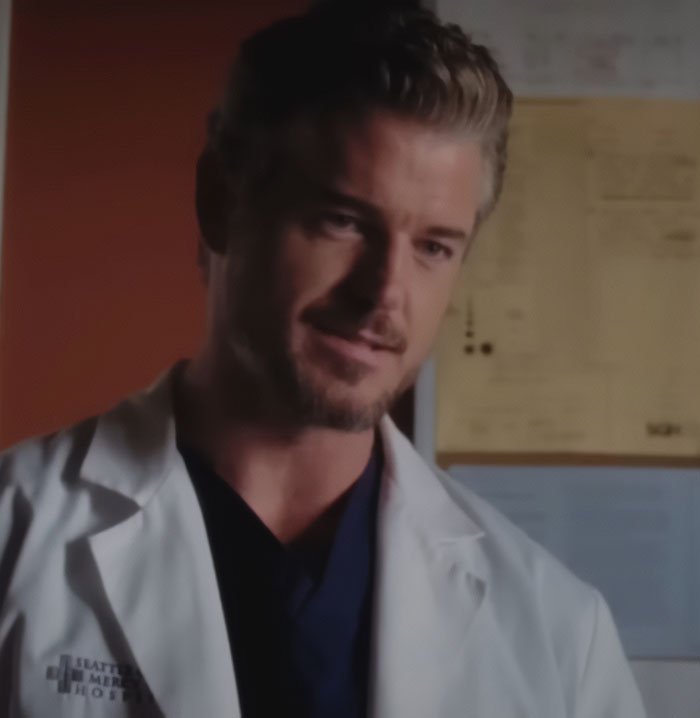
Image credits: ABC

When news broke that Dane had passed away on Thursday, tributes poured in celebrating him and his career. But alongside the grief came questions about ALS and how the symptoms are often subtle and easy to ignore.
ALS affects the nerve cells in the brain and spinal cord, making it hard for the individual to control their muscle movement.
As time passes, the condition leads to muscle weakness, loss of mobility, difficulty speaking and swallowing, and eventually impacts breathing.

Image credits: Rodin Eckenroth/Getty Images
ALS is also known as Lou Gehrig’s disease after the famous Yankees baseball player, who was diagnosed in the 1930s and lost his life at the age of 36.
“ALS may be considered a rare disease, but it’s actually more common than people think, affecting 1 in 300 Americans,” Brian Frederick, Chief Marketing and Communications Officer for the ALS Association, previously told CBS News. “It can strike anyone at anytime and is always fatal.”
Patients start to lose muscle strength and muscle mass as the condition progresses with time
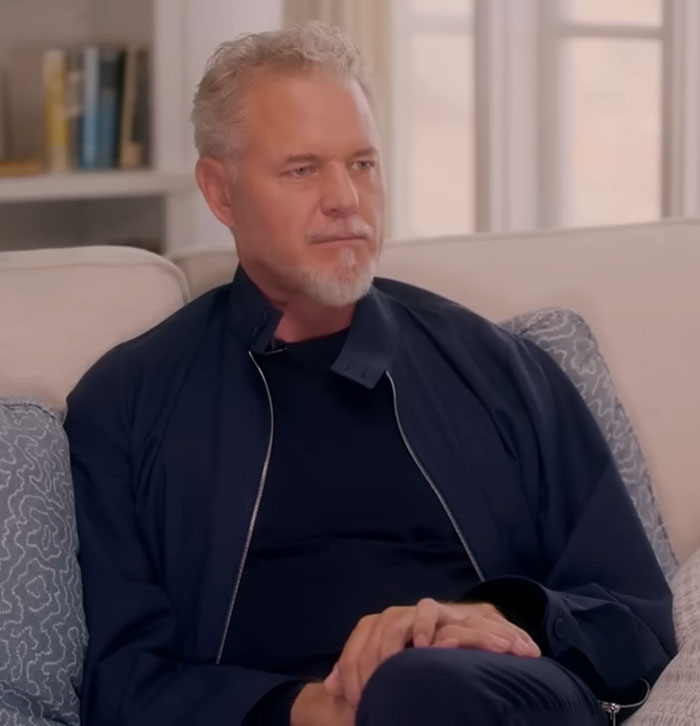
Image credits: Good Morning America
According to the ALS Association, someone is diagnosed with the condition every 90 minutes, and someone passes away from it in the same duration.
There are around 6,400 people in the US diagnosed with ALS every year, reports said.
“ALS is a devastating illness,” Dr. Sandeep Rana, the Director of the ALS Center and Program Director of the Neurology Residency Program with the Allegheny Health Network (AHN) Neuroscience Institute, told CBS News Pittsburgh.
“It’s a neurological disease where patients start to get weak. They lose muscle strength,” he added. “They lose muscle mass.”
ALS can begin with symptoms so subtle they’re easy to ignore.
By the time many patients seek answers, it is possible that the disease has been progressing for months.
What is important to note is that the symptoms typically don’t start with a dramatic collapse or obvious paralysis. Sometimes, it begins with something as small as struggling to button a shirt.
Muscle weakness, frequent tripping, dropping objects, or difficulty swallowing or chewing are some of the early signs

Image credits: gballgiggs/stock.adobe.com
“The first manifestation is something that has to do with weakness of certain muscles,” Dr. Geoffrey Sheean from the School of Medicine, UC San Diego, said.
“So that could be something simple, a hand muscle or some weakness in the legs or leg. But it could also affect speech as well, and speech might start to get a little slurred or a little slow,” he continued.
This could include difficulty forming “certain words rather than others,” Dr. Sheean said. He also noted that individuals may even face difficulty in swallowing if “those muscles in the head and neck are first to be affected.”
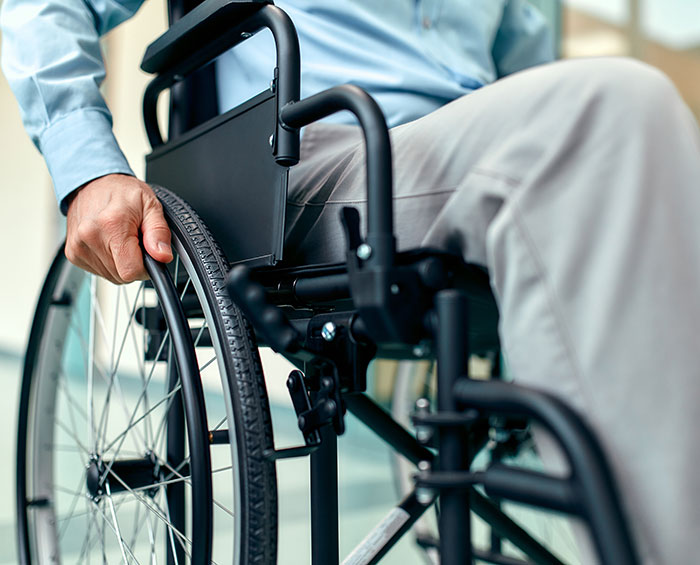
Image credits: Valerii Apetroaiei/stock.adobe.com
“It would be typically one of those types of presentations,” he said. “Difficulty chewing, swallowing, speaking, fatigue of the voice, getting tired, maybe weakness in an arm or leg, but it could also present with a sort of stiffness as well. It might present with just walking stiffly in one leg or one leg getting tired…”
ALS can strike at any period in life, but it usually appears between the ages of 55 and 75, and is seen among men more than women.
About 95% of all diagnoses are considered sporadic, which means the condition appears randomly, according to UC Health. About 5% to 10% of ALS cases are familial, meaning they are inherited from a parent.
Most people diagnosed with the condition live between two and five years after their symptoms begin
There is currently no cure for ALS, and most people diagnosed with the condition live between 2 and 5 years after their symptoms begin.
“When we say there is no cure for ALS, it doesn’t mean there is no care,” Dr. Meera Sinha, neurologist and private practitioner, told India Today.
“Treatment focuses on slowing progression where possible, relieving symptoms, preserving independence, and ensuring patients live with dignity and comfort for as long as they can,” she added.
If you or someone you know is struggling with self-harm or s**cidal ideation, help is available: International Hotlines
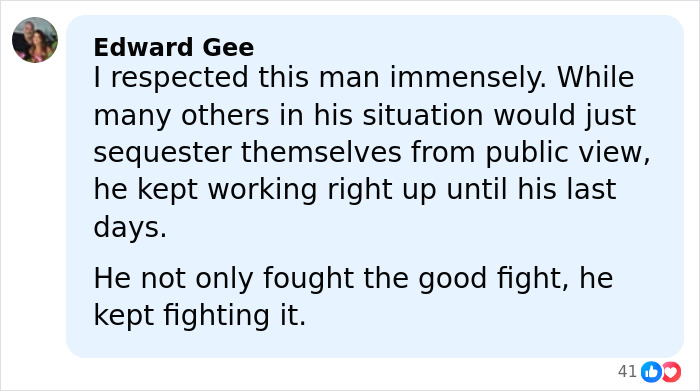
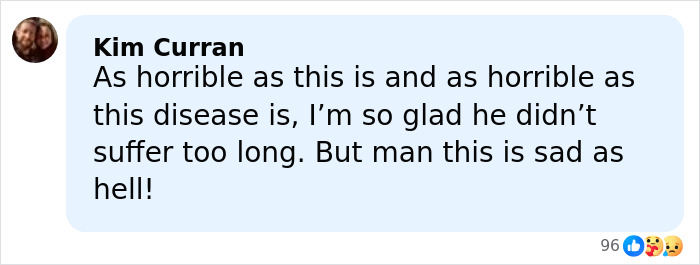
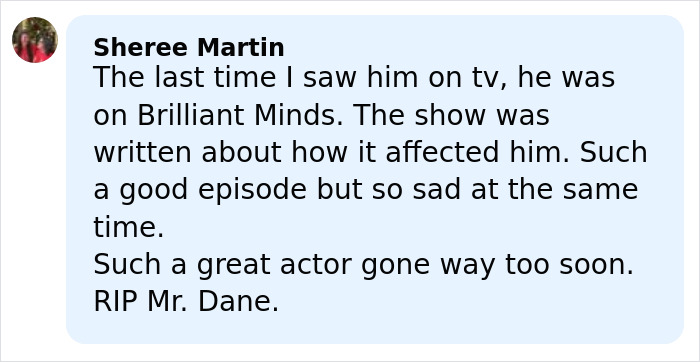
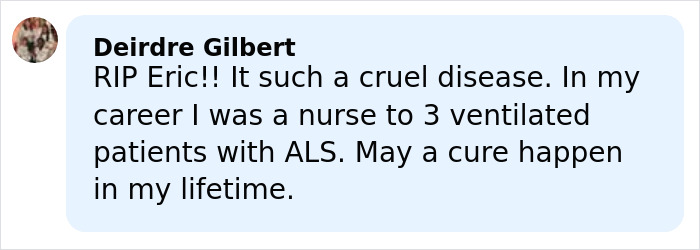
“I’m so glad he didn’t suffer too long,” one netizen commented online










 Follow Us