If you’ve ever been online for more than 10 minutes, you probably know that the internet is crawling with know-it-alls. People try to one-up each other in all kinds of fields: pop culture, politics, and even simple everyday physics. If anything, the internet is the birthplace of the “Um, actually,” catchphrase.
But netizens also love humbling those who trust their intellectual capacities too much. The second incarnation of the ill-fated Facebook group of the same name, “People Incorrectly Correcting Other People 2.0”, is the place where folks post people embarrassing themselves by acting like they know better. General rule: if you’re correcting someone, better check with Google first to see if you’re not mistaken.
More info: Facebook
#1

Image source: Treacy Gephart-Seeley

#2

Image source: Tony Andreas
#3

Image source: Tony Andreas
Correcting others’ bad grammar online is probably the most common offense of the internet’s know-it-alls. Maybe even you, Pandas, have pointed out someone’s faulty spelling in a comment section somewhere? If you had, you’re in good company: many Americans admit to doing the same.
In fact, according to a 2014 YouGov poll, 21% of Americans consider themselves to be part of the online grammar police. Younger Americans, specifically those under 30, said they were more likely to habitually correct the grammar of others.
#4

Image source: Jon Lowell Mahr
#5

Image source: Laura McDaniel
#6

Image source: anon
Ironically, grammar correctors make mistakes too, as you’ll see from the many examples in this list. The same YouGov poll also showed that only 60% of the respondents were able to identify the incorrect use of “it’s” and “its” in the sentence “My oak tree loses its leaves in autumn.”
Interestingly, younger respondents were, again, more successful. 70% of the under-30s made the right correction, while only 56% of over-65s did the same. Other common spelling mistakes people make involve the words “who” vs. “whom,” “which” vs. “that,” and “affect” vs. “effect.”
#7
Image source: Xenos Montalalou
#8

Image source: Lee Mills
#9

Image source: Brittnee Prideaux
Those who belong to the online grammar police also have some common personality traits. In 2016, researchers analyzed the habitual grammar correctors and found that they tend to be more judgmental of other people.
According to the researchers, extroverts were more likely to overlook grammar mistakes in an email responding to an online ad looking for a roommate. Introverts, on the other hand, were more likely to judge the author of the ad.
#10
Image source: Angie Stuchbery
#11
Image source: Treacy Gephart-Seeley
#12
Image source: Adam Powarzyński
Those sensitive to grammar mistakes were also found to be more disagreeable. “Less agreeable participants showed more sensitivity to grammar than participants high in agreeability, perhaps because less agreeable people are less tolerant of deviations from convention.”
#13

Image source: Mélanie Morrissey
#14

Image source: Jason Boulton
#15

Image source: James Curtis
There is also a difference between correcting a person with the intent of teaching them and just asserting dominance through such corrections. A 2022 study analyzed this in the context of Twitter. The researchers found that the majority of corrections have no goodwill behind them and simply seek to humiliate.
In 61% of the analyzed tweets, the grammar police “used verbal bullying only to attack the face of authors of the posts.” In the case of the remaining 39%, the users were correcting others constructively, “with intentions to correct grammatical errors.”
#16

Image source: Char Shady
#17

Image source: Johanna JoJo Acosta
#18
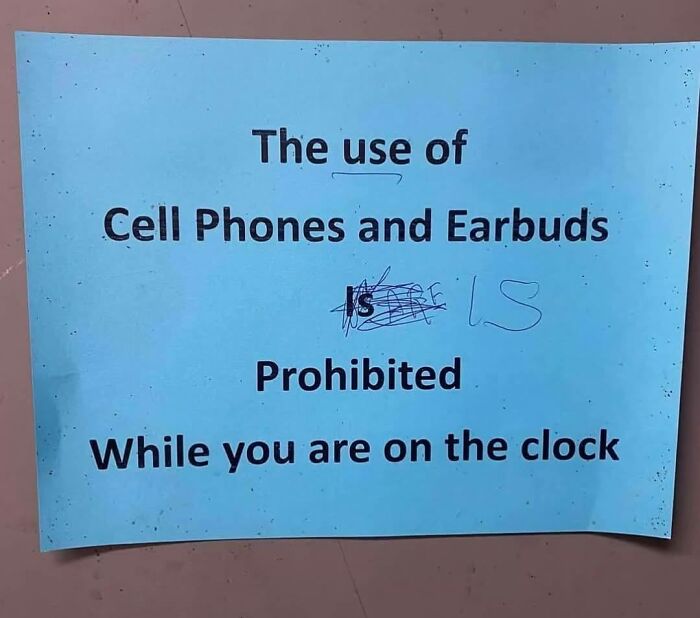
Image source: Dimitris Graikopoulos
It’s safe to say, then, that correcting someone’s grammar and spelling errors is just a way for some people to feel superior. Professor of Psychology at Stanford University, Benoît Monin, explained to Slate that correcting someone in public makes us feel good about ourselves, and that’s why we do it.
#19

Image source: Nikla Pelisme
#20
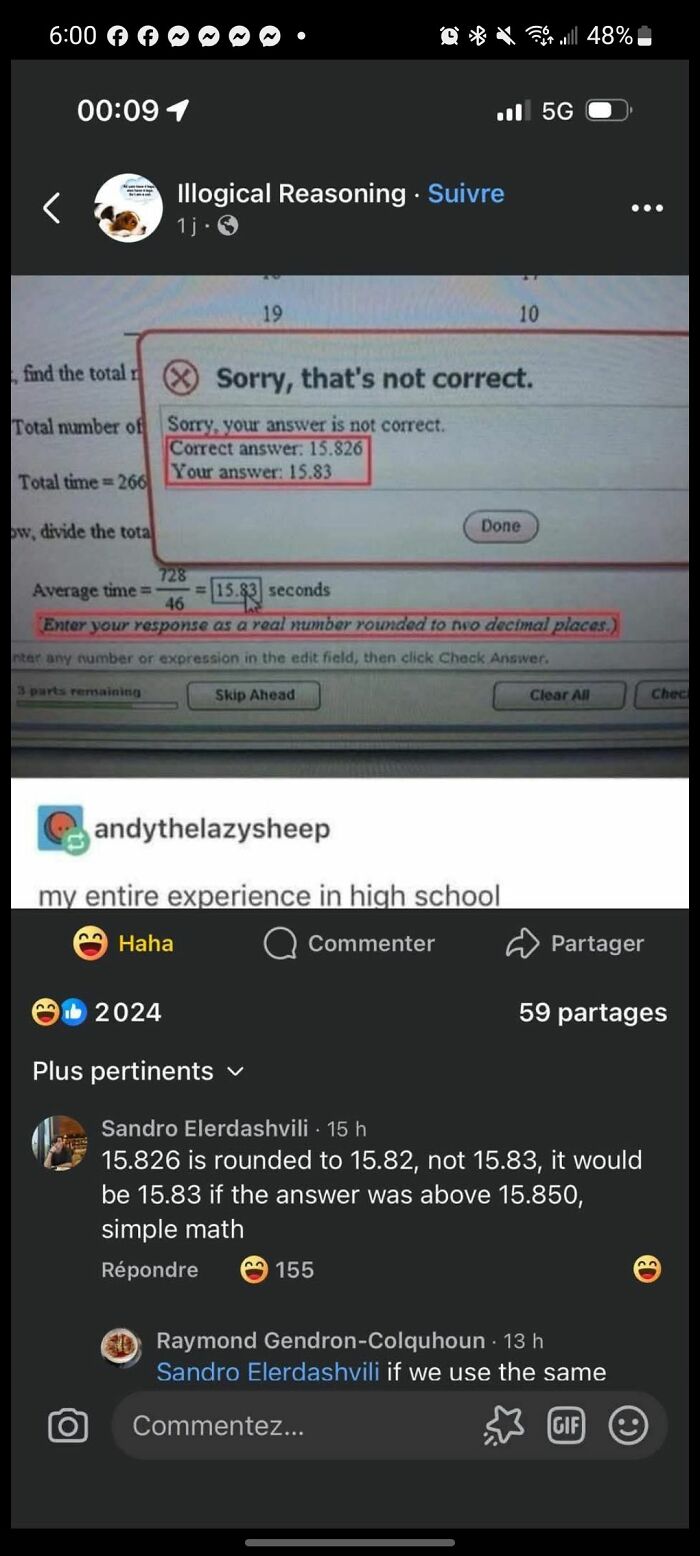
Image source: Clayton Ferguson
#21

Image source: Jay Cassidy
“The way we evaluate our competence is relative to other people,” Monin told Slate. “If I need to feel good about my language skills, one way that I could do that would be to give myself evidence that my language skills are awesome. Another is to give myself evidence that other people’s language skills [are bad]. So by putting down other people, I can feel better about myself.”
#22
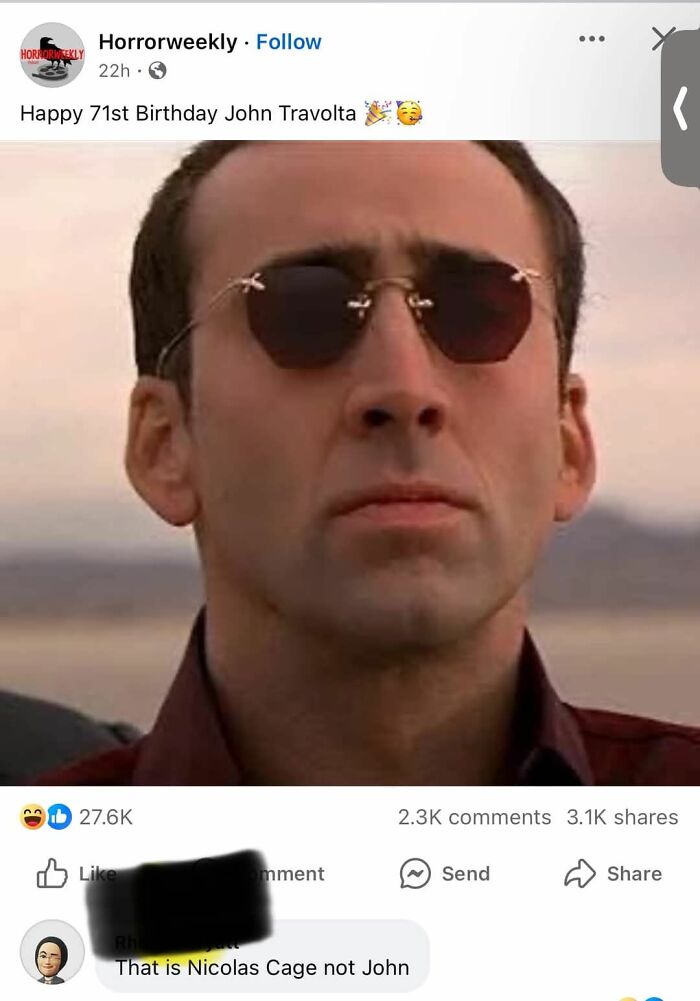
Image source: Aries Toteles
#23

Image source: Jasper Tirard
#24

Image source: Rohmot Ali
The main question then is why we love putting other people down. Most cases of correction in this list are people in some way or another making fun of others. Some do it more politely; others do it much harsher. Still, for the corrector, it’s often about superiority and control. Even spectators or those who read and “like” the correcting comments engage in a form of ridicule.
#25

Image source: Aries Toteles
#26

Image source: Rohmot Ali
#27
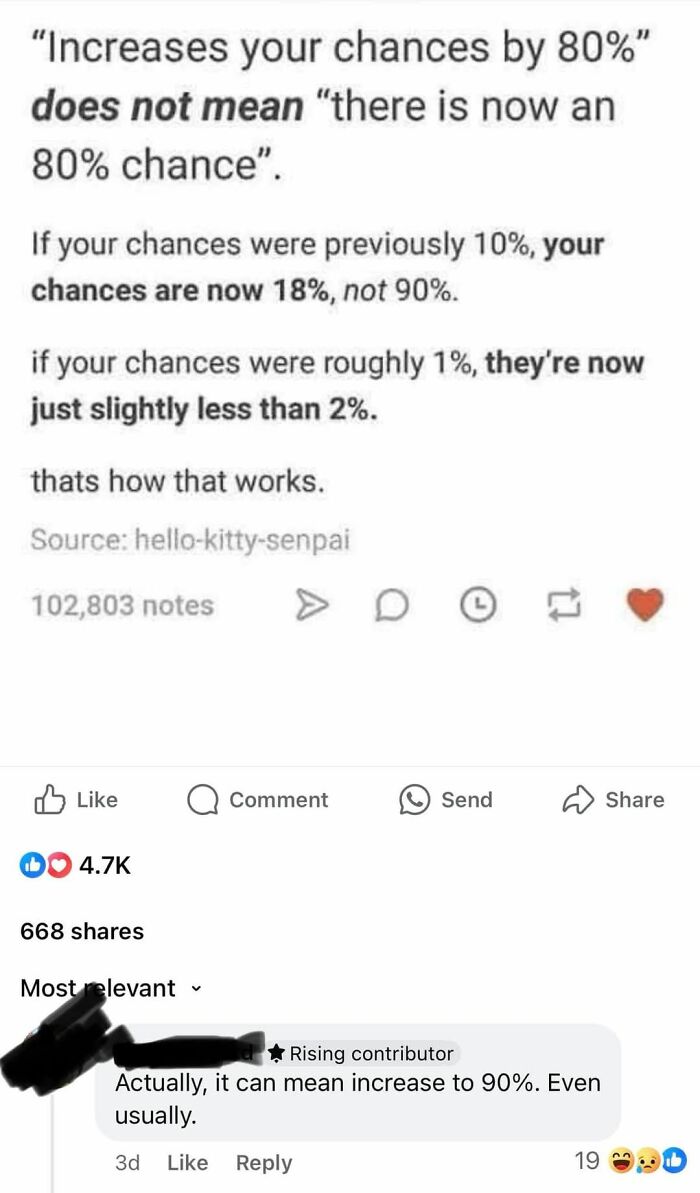
Image source: Rohmot Ali
In 2021, Macedonian researchers found that those who like to put others down and use disparaging humor usually project their own feelings. Essentially, it’s how they adapt to the world that might ridicule them. So, to avoid being the victims, they ridicule first and boost their self-esteem. The researchers theorize that they were likely bullied as children, and developed this as a defense mechanism.
#28
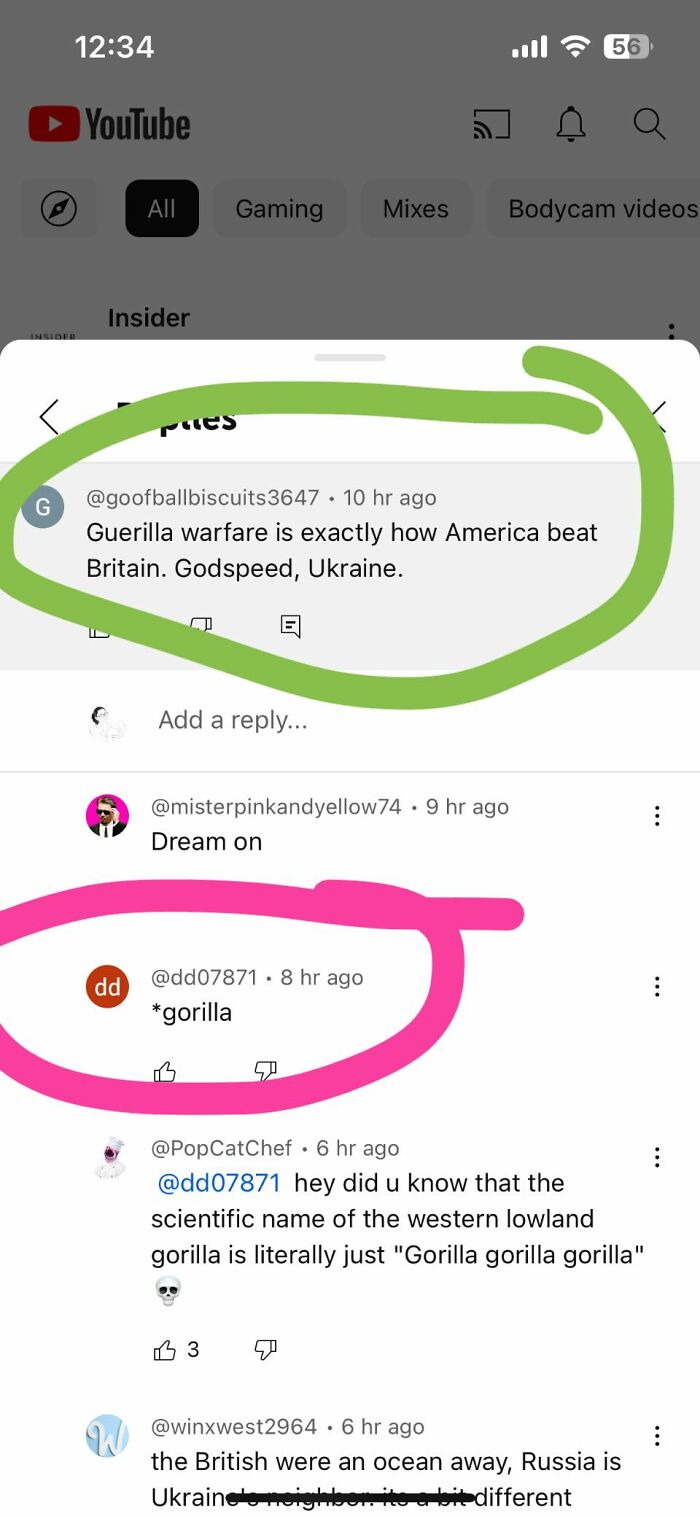
Image source: Juliet Salter
#29
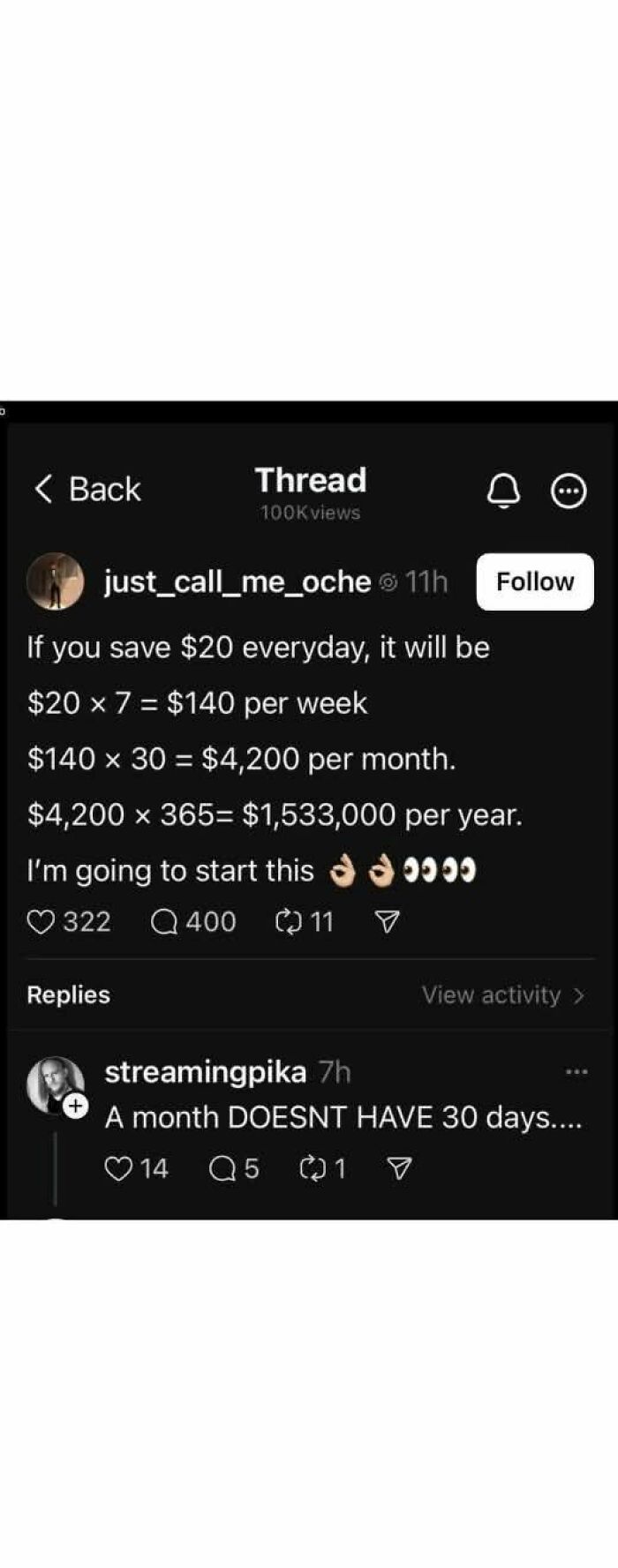
Image source: Reajul Islam Robin
#30

Image source: Michael Gibson
Do you like to correct people, Pandas, especially online? Would you consider yourself to be part of the Internet’s grammar police? Let us know in the comments! And if you’re in the mood for more fails, check out our previous publication about people who had one job but couldn’t even do that one thing right.
#31

Image source: Paciphaée Rancourt
#32
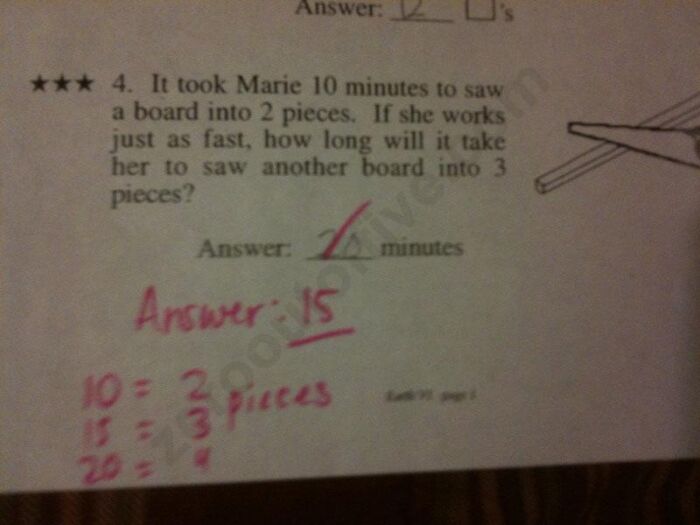
Image source: Dimitris Graikopoulos
#33

Image source: Steff Baker
#34

Image source: Liz V Bathory
#35
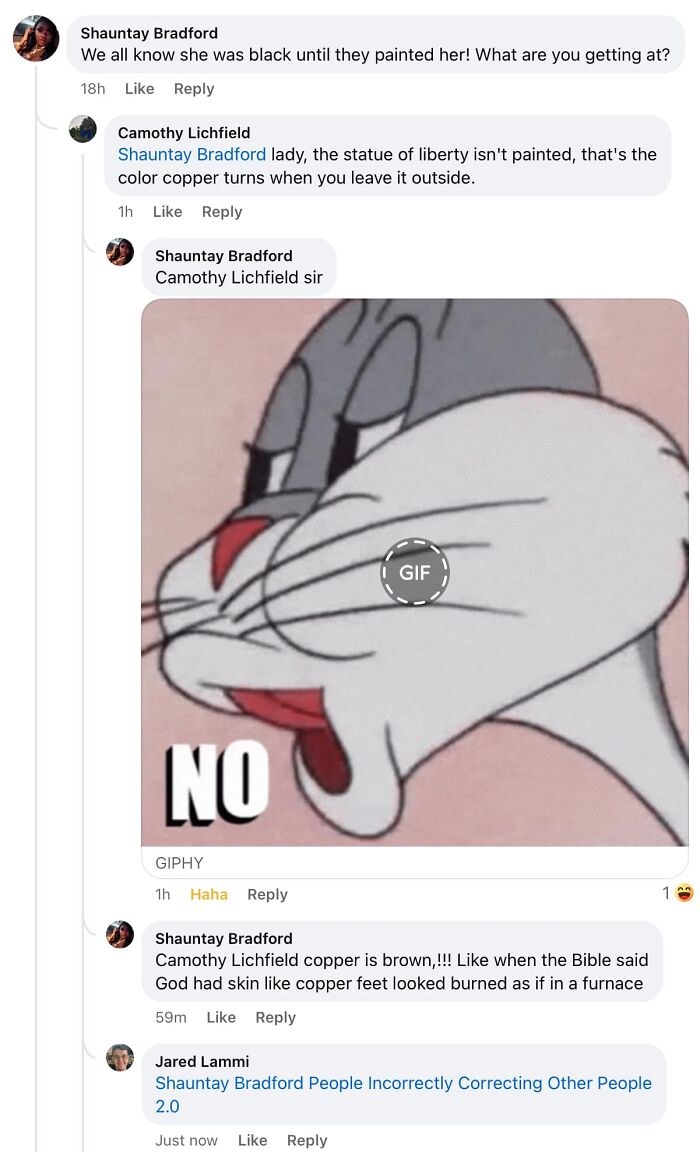
Image source: Jared Lammi
#36

Image source: Garry Morgan
#37
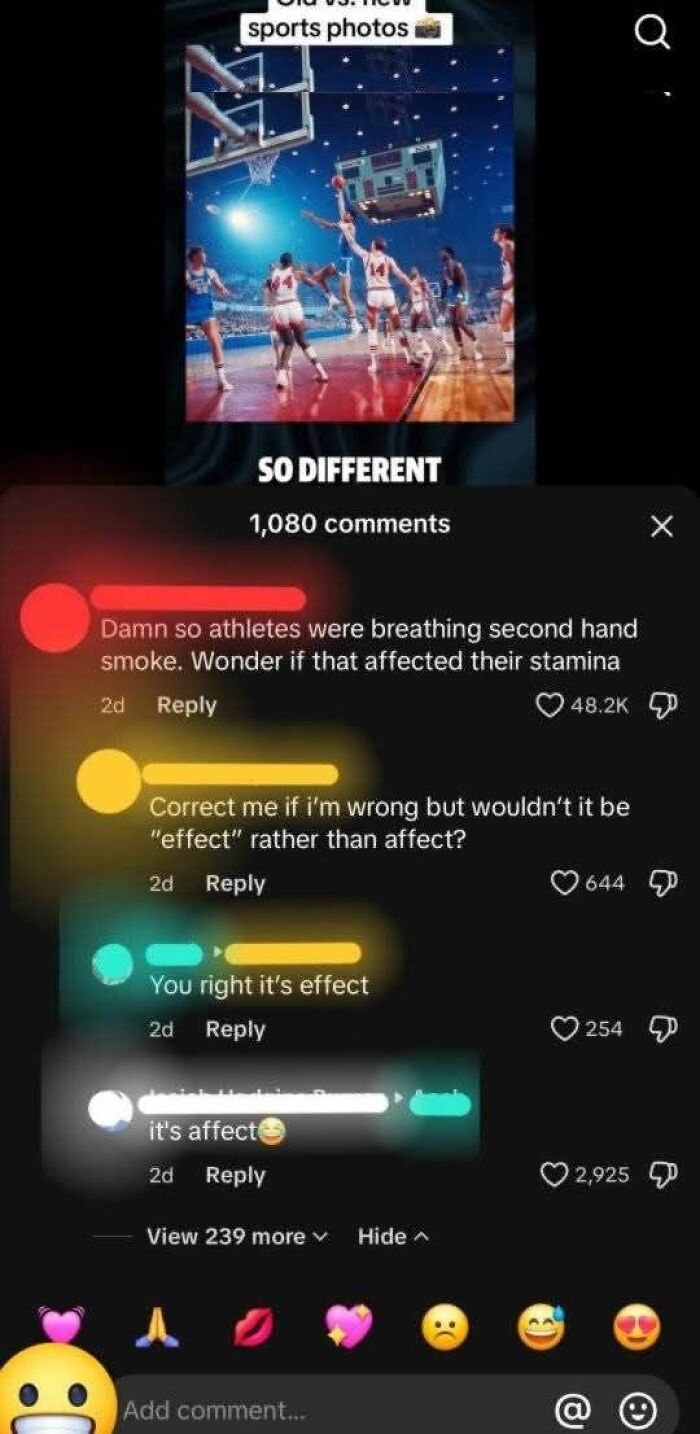
Image source: Rohmot Ali
#38

Image source: Angel Landreth
#39
Image source: Jonathan Robbins
#40

Image source: Johan Stapelberg
 Follow Us