Some sort of change at work is often inevitable. But when the alterations result in numerous employees complaining, it might make sense to listen to what they have to say and reevaluate.
Redditor u/Reyim6 told the ‘Malicious compliance’ community about their bosses refusing to budge when the employees said the newly implemented rules were harming the workflow. Soon after the changes, chaos in the workplace ensued; and that’s when the management turned to the employees asking what they could do to fix the mess they made.
Certain changes in the workplace might not be beneficial for the company, nor for the employees

Image credits: Ono Kosuki (not the actual photo)

This person’s employer banned phone use at a certain time, this way disturbing the typical workflow
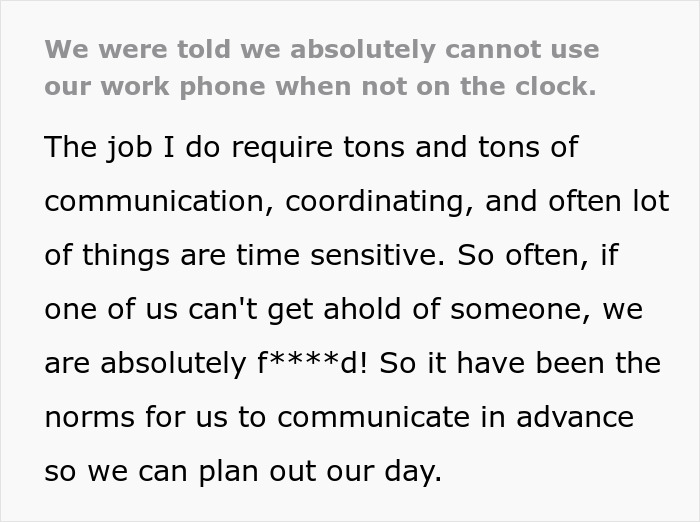
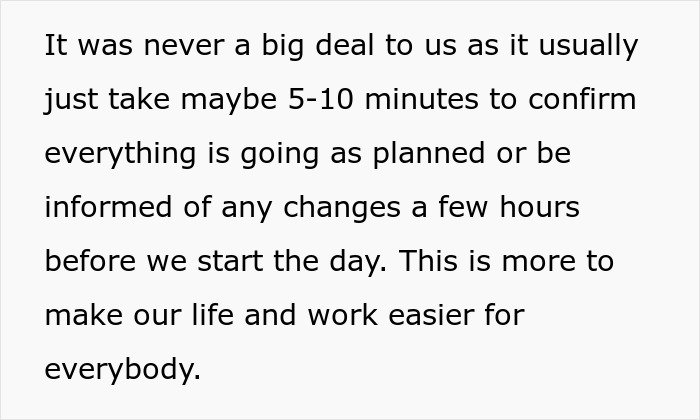
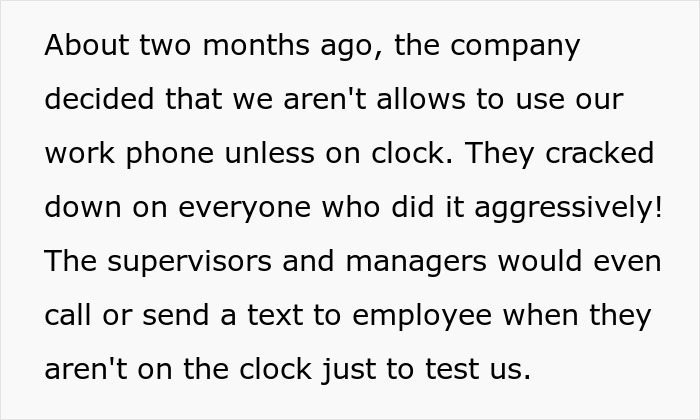
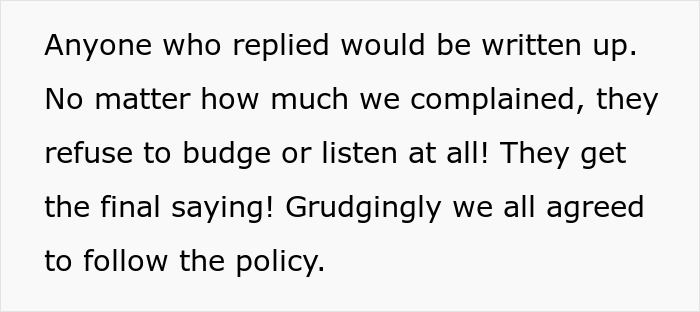
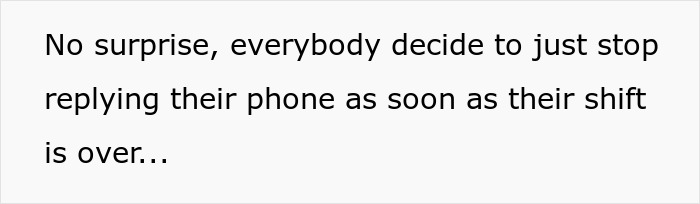
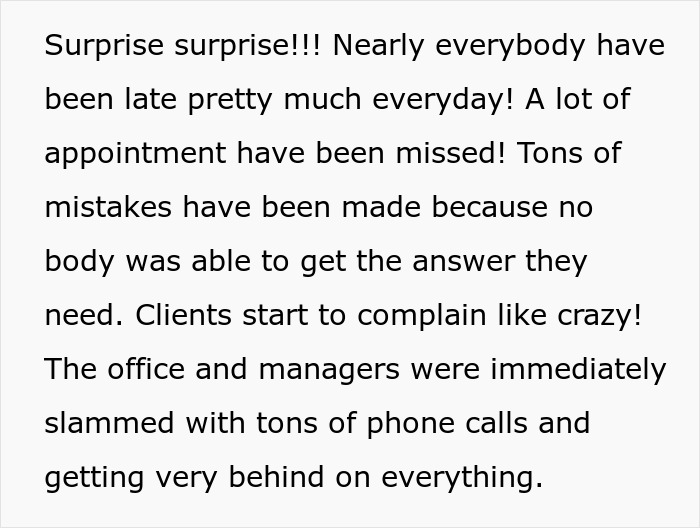
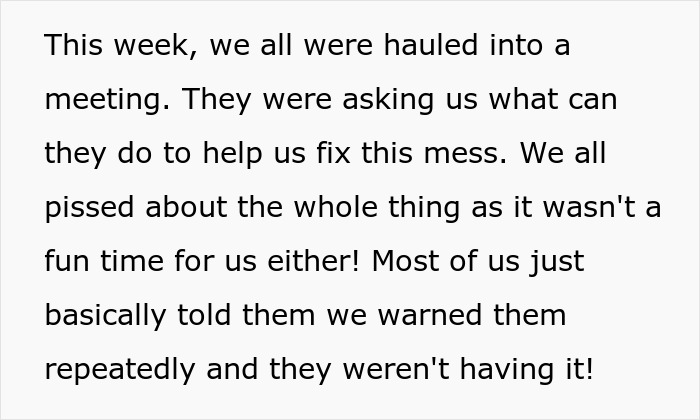
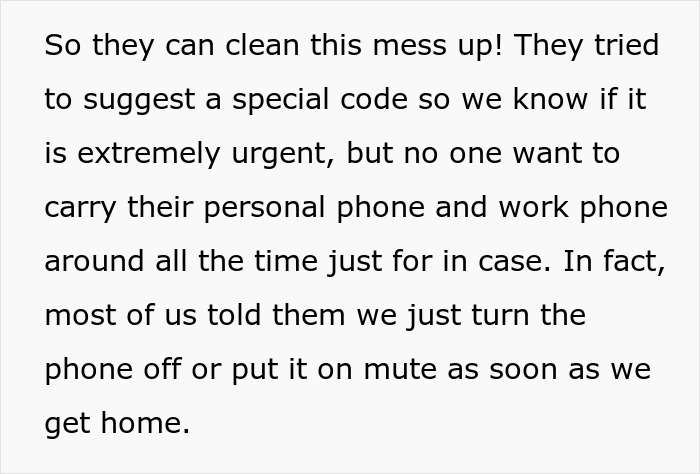
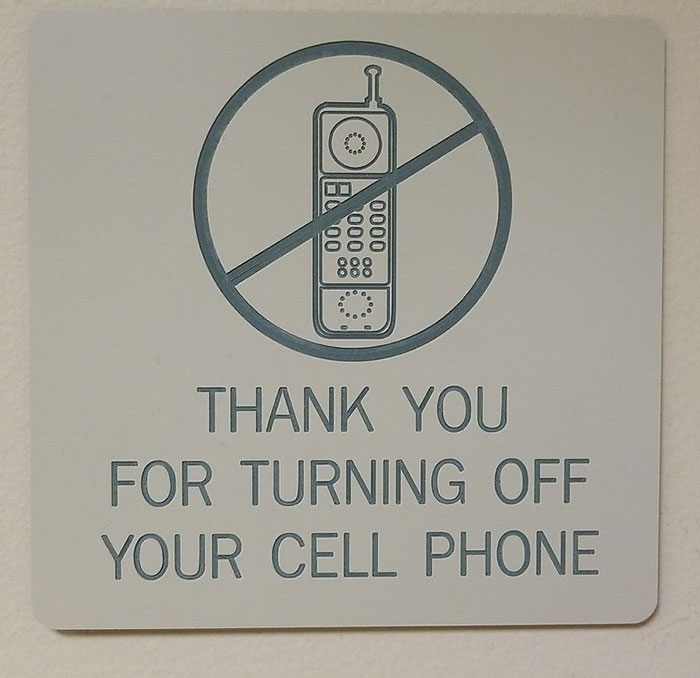
Image credits: Bryan Alexander (not the actual photo)
Image source: Reyim6
Employees feeling heard can benefit both the worker and the company likewise

Image credits: Yan Krukau (not the actual photo)
Taking employees’ comments into consideration might be the sensible thing to do, considering that they’re the ones taking care of the daily operations. However, some employed people—19% of them, to be exact—don’t feel heard by their employer. The number was revealed by a 2021 survey of 4000 employees in 11 countries, conducted by The Workforce Institute at UKG and Workplace Intelligence, which also pointed out that the majority of workers (86%) don’t think everyone’s heard fairly or equally in their workplace.
The survey showed that even people who feel heard at work might not think their opinion is taken into account, especially when it comes to benefits, safety, and time off; 70% of them believe so. Moreover, 40% say they don’t think their feedback leads to any tangible change in the company’s processes.
According to the survey, feeling heard correlates to higher employee engagement. It disclosed that 92% of highly engaged workers feel heard compared to 30% of highly disengaged ones. Zippia pointed out that a disengaged employee can cost the company roughly 34% of their annual income, meaning $3,400 for every $10,000 it makes might go down the drain.
The problem with work-related phone use is typically a reversed one

Image credits: Karolina Grabowska (not the actual photo)
Employees in the OP’s company tried expressing dissatisfaction to their managers, as they saw the negative effect the change had on their day-to-day at work. The hurdles they now had to overcome were a likely motivator for them to express their opinion. Statistics show that employees are typically more than willing to provide their insight in general; PRNewswire pointed out that based on Explorance’s 2021 survey, nearly 80% of employees are eager to fill company surveys and provide feedback.
The thing the employees were discontent about was the new restrictions related to phone use outside of working hours. Though, the problem with work-related phone use is often a reversed one—people are required and not willing to check their device after work.
According to Skynova, roughly 26% of employed people in the US receive calls from their boss after work at least several times a week, and nearly 64% believe it should be illegal. (Even though the same percentage—64%—answer such calls nevertheless.) As a matter of fact, in some countries, such as Belgium and Portugal, for instance, certain policies that limit such communication are already implemented.
Be that as it may, the OP and his colleagues didn’t mind spending 10 minutes of their personal time for work-related communication. They had a certain way of doing things that seemed to be working for those involved, which is why they weren’t rooting for the new arrangement. But the management didn’t seem to hear what they had to say.
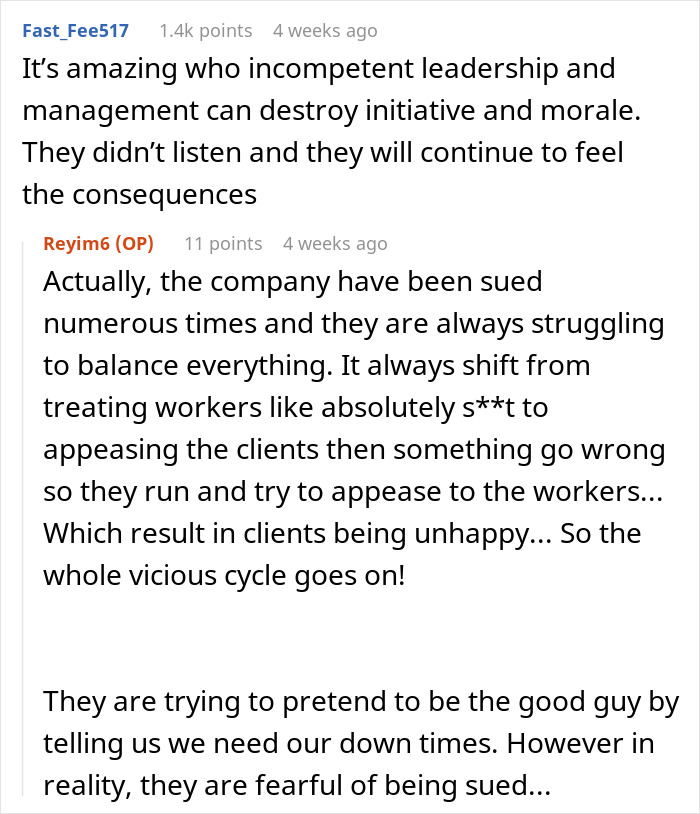
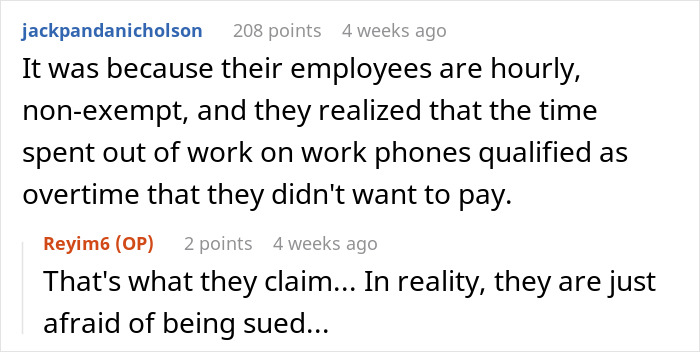
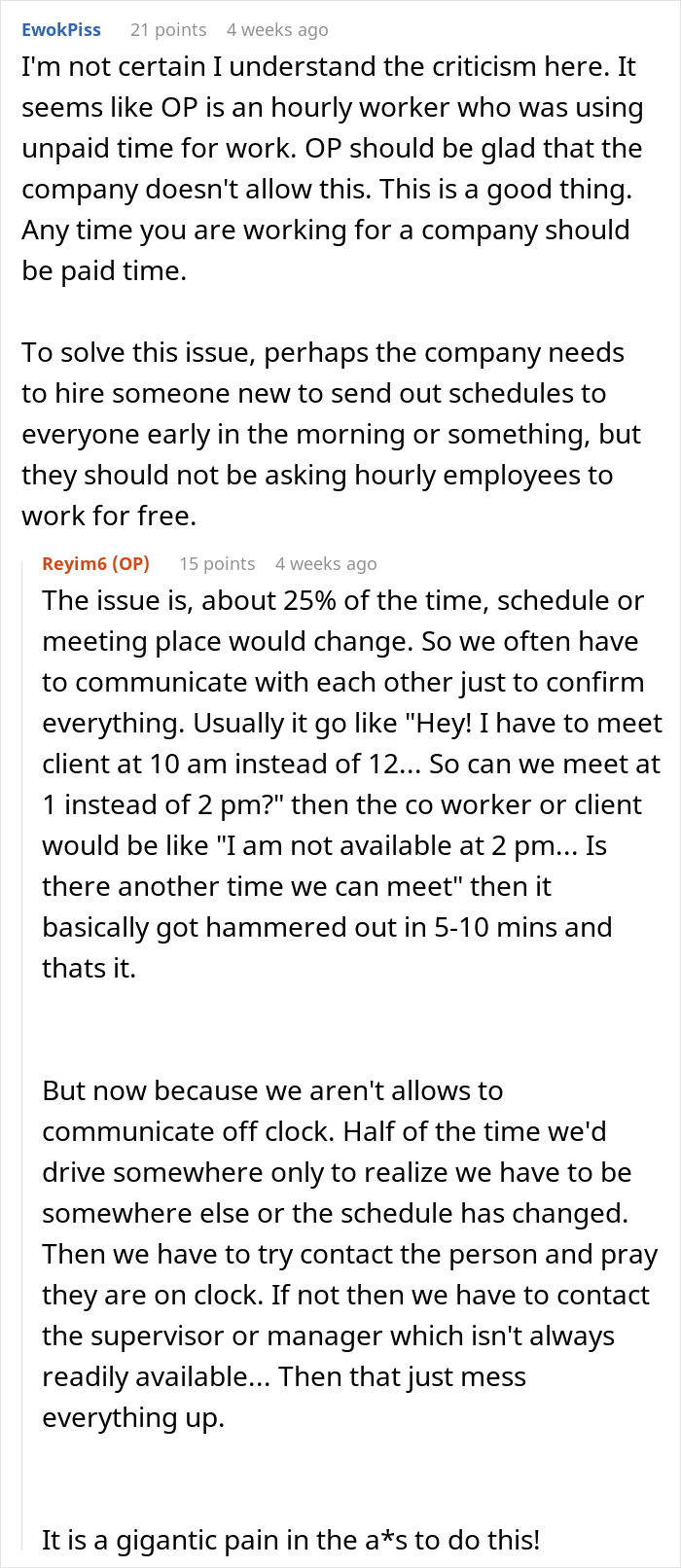
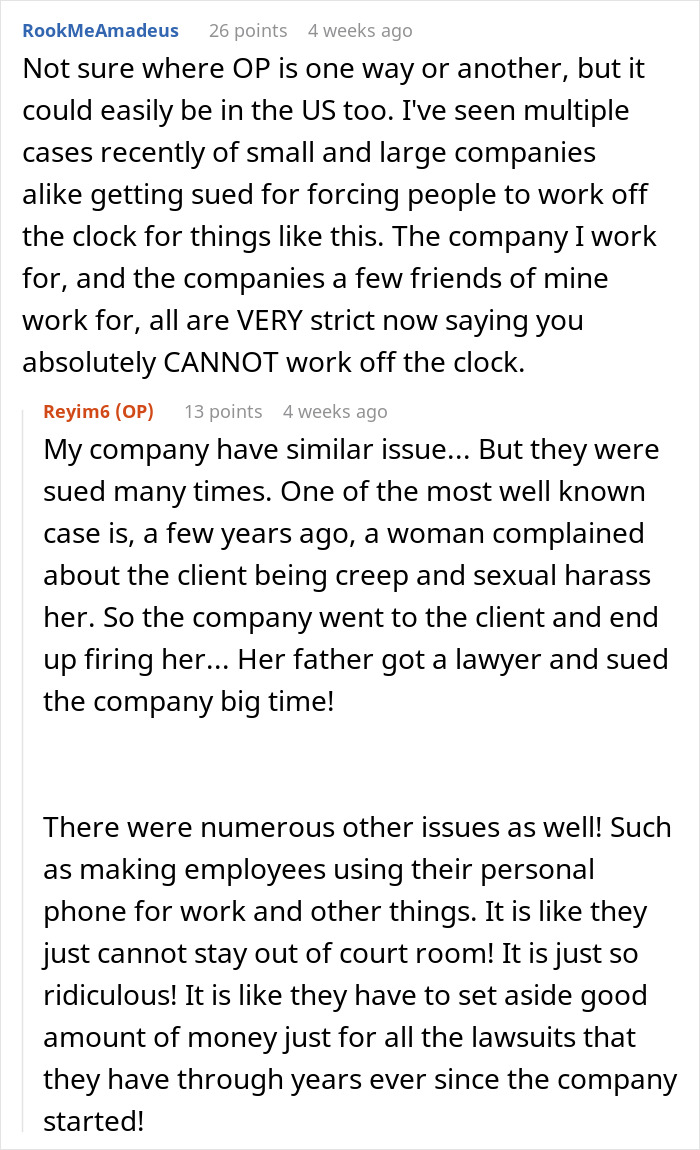
The OP revealed more details about the company in the comments
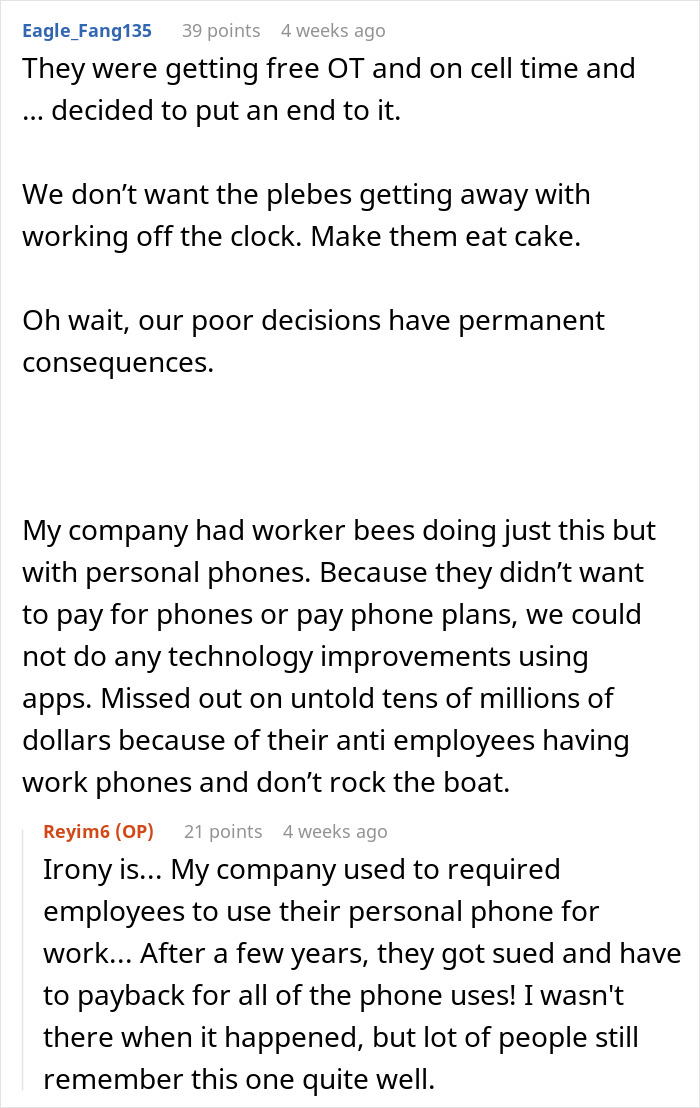
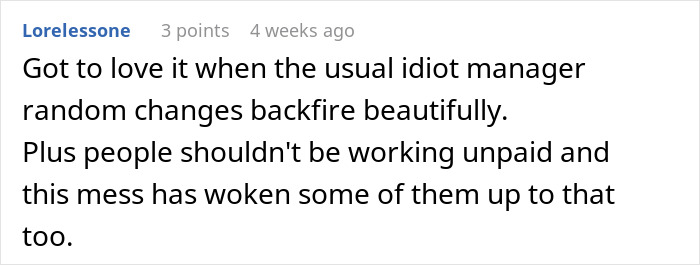
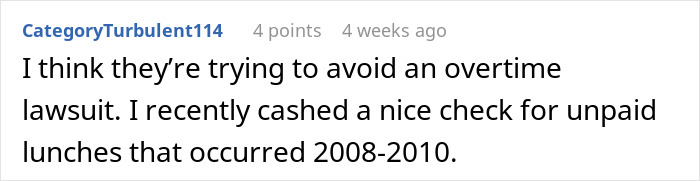
Redditors used the comments section to share their opinions

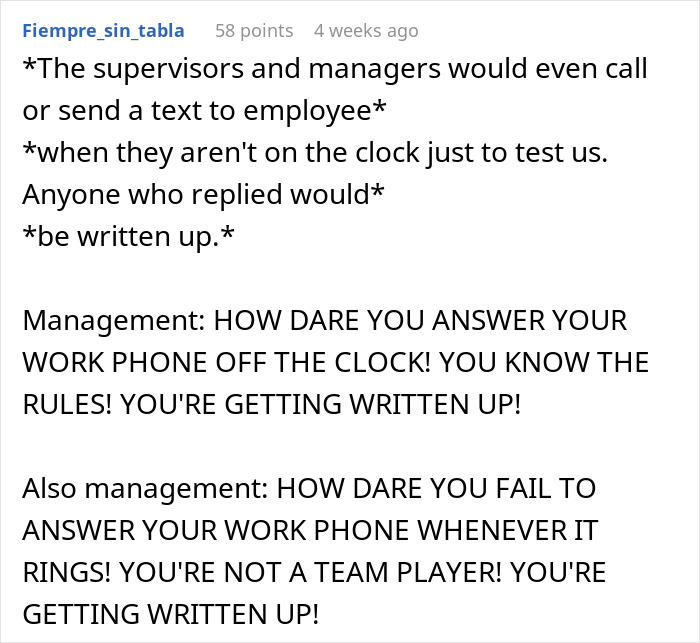

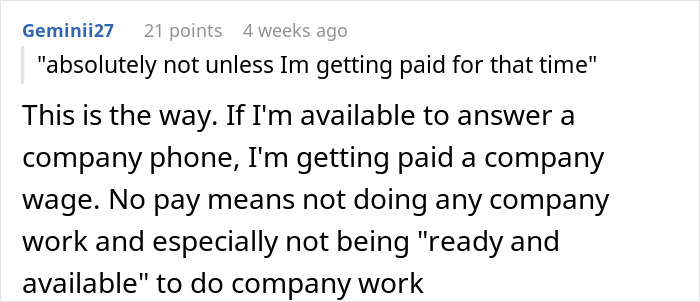



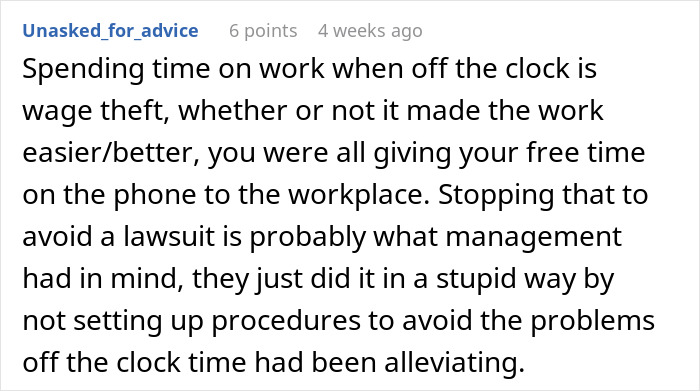
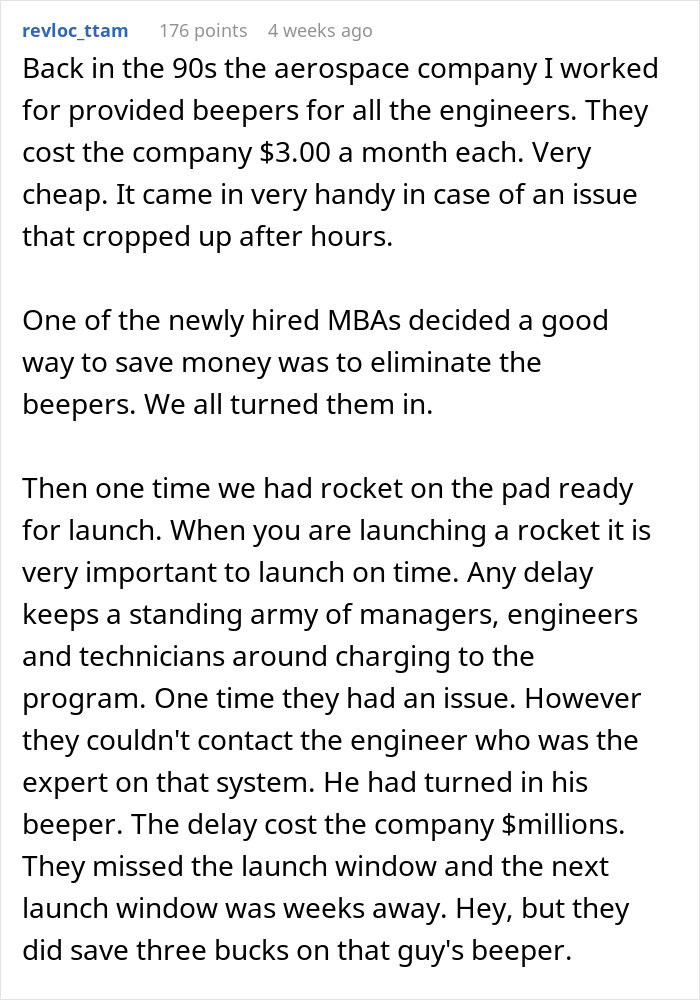
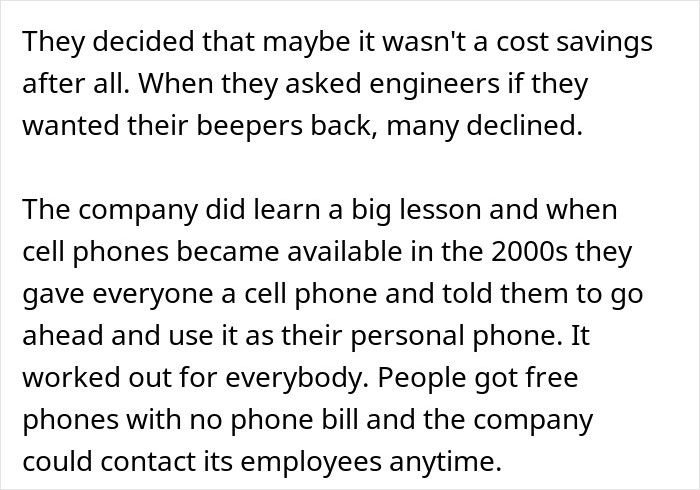
Some people discussed similar personal stories
 Follow Us