A single episode of Hell’s Kitchen or MasterChef is enough to realize how much guts it takes to become a chef. Working under so much pressure, your blood boiling like it was on the menu is the norm in a restaurant kitchen. And being shouted at is a polite way to confirm you’re still in. On the other side of the cooking industry, crashing hopes and dreams are washed ashore on moldy food containers as seen on Kitchen Nightmares. Whether you’re doing good or not, it never gets easier.
So this time, we are looking at the culinary school grads who have likely been to hell and back to see what cooking tips they have to share. Thanks to one Redditor who posed the question “What are some golden tips to cooking you didn’t learn in culinary school?” on r/Cooking, we can now learn their useful tricks without selling our sanity to the kitchen.
It turns out, learning stuff the “normal way,” aka tuning in to a “how to make an omelet” video on YouTube, may just as well do the job.
#1
Not a food tip but a cooking tip…. a falling knife has no handle. If you drop a knife, get the hell out of the way and let it hit the floor. Washing it is easy enough. Try to catch it and you could be visiting the emergency room.
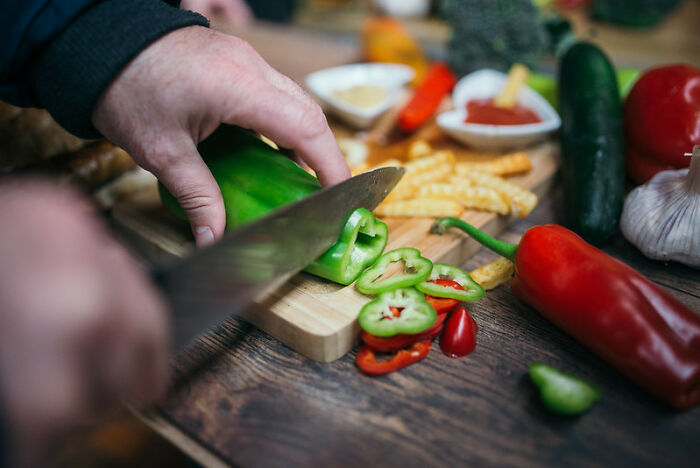
Image source: TwoForSlashing, Nenad Stojkovic

#2
If you’re a home cook always clean up after your self while you’re cooking. You’ll thank yourself after you’ve eaten and you’re full and you don’t have a sink full of dishes and stuff to put away everywhere.
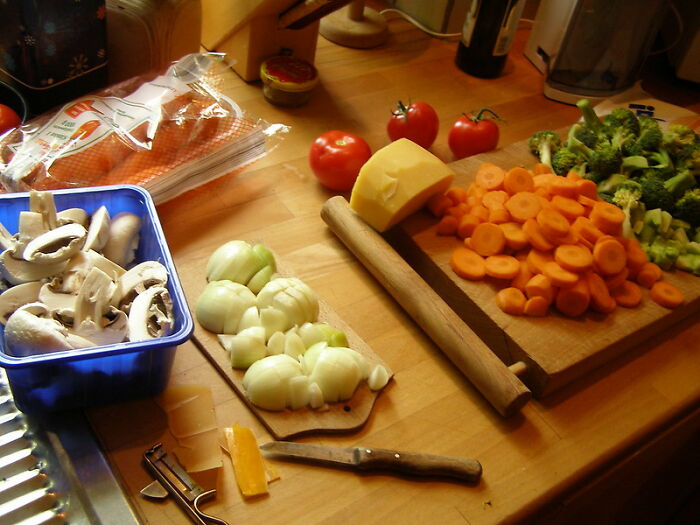
Image source: DarlingDrak3, Erich Ferdinand
#3
Recipes are a road map. You don’t have to follow them exactly, its ok to deviate. Unless you are baking, in which case, follow the recipe exactly.
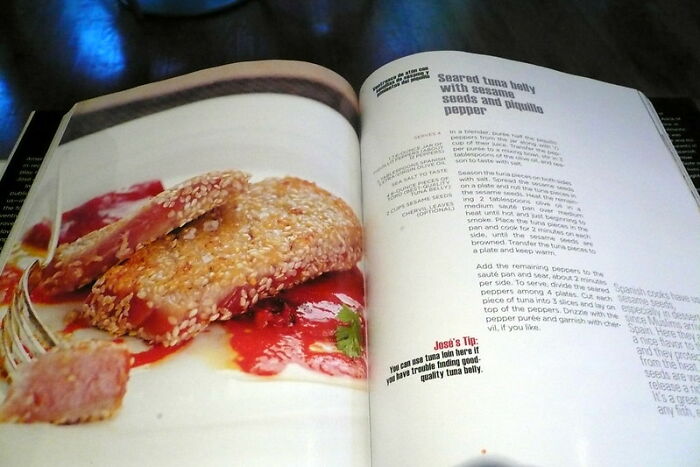
Image source: CrowEyedWolf, AVID Vines
#4
You can use the stem of broccoli. Just peel, slice and fry it in the pan, it’s delicious.
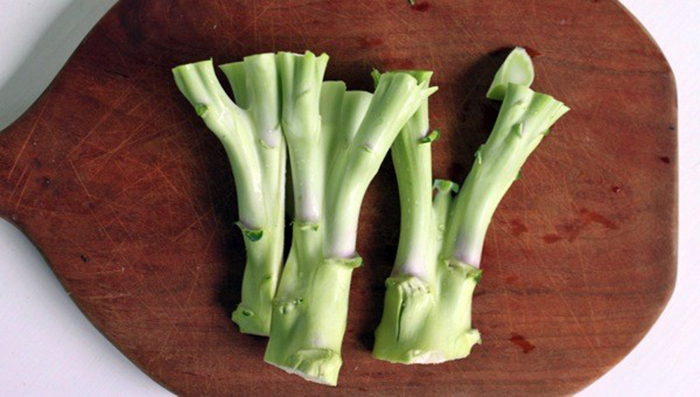
Image source: Buddingastronomer, accordingtoelle.com
#5
Professional chef here. Hot pans make a world of difference. Never start anything in a cold pan.
Image source: Illogical_Arguments
#6
Learn cooking techniques instead of recipes.
Don’t approach recipes like they’re magic spells in the Harry Potter universe. If you wiggle your nose wrong or put in a spec to much of some seasoning you’re not going to end up with a completely different dish.
Alton Brown does an incredible job of teaching a cooking technique and then showing you a recipe that applies that technique. If you learn a process instead of a rote recipe you will know how to cook dozens of dishes, and it’s really the only way to develop skills in the kitchen.

Image source: gkevinkramer, epicurious.com
#7
Take a small hand towel and either loop it through a belt loop or between your waist and your belt so it hangs over your leg. As you move around, then, you always have something to wipe your hands/your instruments on and you don’t need to go out of your way to do it!
Image source: -Pianoteeth
#8
The only recipe that should have only one clove of garlic in it is a recipe for one clove of garlic. Two MINIMUM people.
Image source: Bigolekern
#9
When making a sauce for your pasta, you should add some of the water you used to boil the pasta into the sauce. This will help the sauce bind better to the pasta and make it taste better.
Image source: captain_curryman
#10
ALWAYS use real butter, not margarine.
Image source: Earthicus
#11
Pay attention to all your senses. Sauteing things like onions sound different at different stages. More of a hiss at the start as the steam escapes settling down to a crackle once all that’s left its vegetable and fat. Similarly everything you cook will have subtle changes to the way they smell as they cook. There have been many times when I have been multitasking and my nose has alerted me to check on whatever I have in the oven. I’m not talking about smelling burning but just the subtle changes as certain stages of cooking are reached. Eventually it becomes second nature.
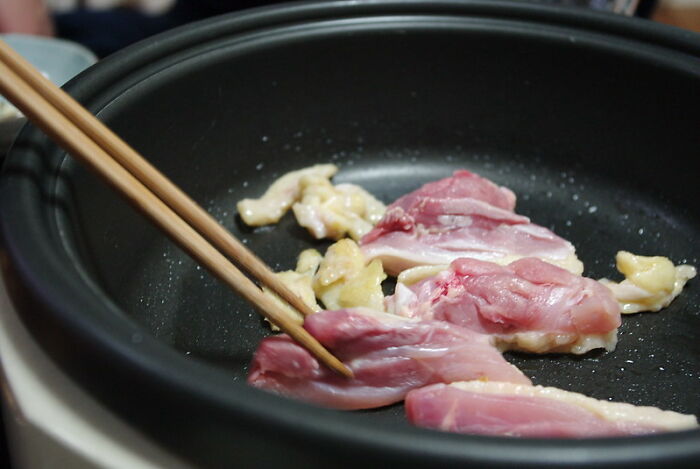
Image source: theoakking, Mokeneco
#12
Add about a half of a tablespoon of sugar to your chili or spaghetti sauce. It takes some of the acidity out.
Image source: Phnxfrhwk
#13
Extra Virgin Olive Oil is not for frying things! It has a very low smoke point and will break down. For higher (but still not very high) heat, you want regular Olive Oil, not Extra Virgin.
Image source: CA1900
#14
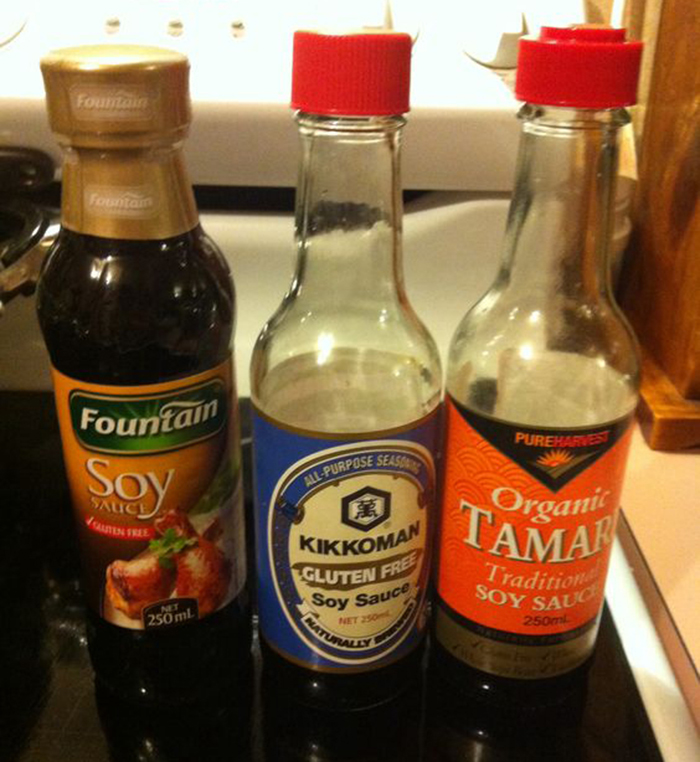
You can use soy sauce or fish sauce as a substitute for salt for a better umami taste. Also, because you’ll need less due to the concentrated flavour, it’ll naturally be less sodium.
#15
Salt in the hand, not in the pan. When adding salt to a dish, try not to hang a 5 pound box over it.

Image source: Importchef, Wild Foods
#16
Mise en place. Have all your stuff lined up and ready to go before you start. You don’t want something to burn because you’re busy looking for the tablespoon or opening a can of something.
Image source: Tacocatx2
#17
Always scrape the ingredients from the cutting board into a pot with the back of the knife, it will help the blade stay sharp longer
Image source: bookmole86
#18
Keep it simple. Something with 3-4 ingredients that go really well together is better than something with 12 ingredients that clash with each other.
Image source: daneoid
#19
Salt early, salt late. Adding salt at different points in cooking dramatically affects results.
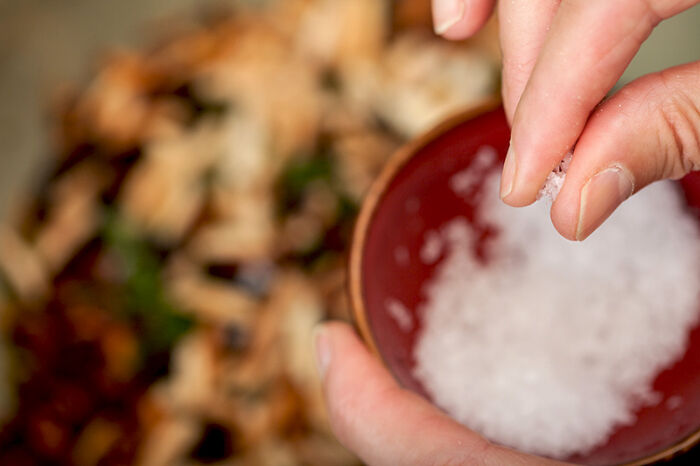
Image source: labretirementhome, Thomas Brueckner
#20
There’s literally no point, and even a health hazard, to “rinse” pre-cut chicken and salmon.

Image source: velvthamr, Jim Hammer
#21
Electric stoves are much hotter than gas. A high setting on gas will get you a nice sear, but the same on electric will burn. It’s not something to worry about in the kitchen, but definitely at home.
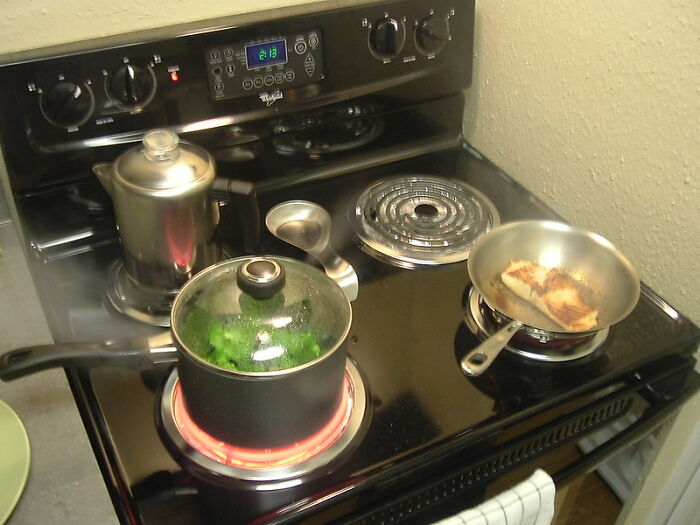
Image source: Azuenz, Tim Patterson
#22
A master chef told me this in culinary school: “you can always stop cooking.” Take it off the burner or out of the oven if you need to. Surprisingly helpful tip
Image source: rag3train
#23
Always use cold water to mix with flour or cornstarch to make your gravy. It won’t get lumpy.
Image source: AverageJoe5555
#24
Please don’t buy pre-marinated meats in butchers and grocery stores, they’re usually older cuts of meat being ‘rescued’ with a marinade to cover the unfreshness and smell.

Image source: seeeyyaa, Gonzalo Vega González-Capitel
#25
Timers. I always forget I have something going on the stove while I’m cutting something across the kitchen. Timers save lives.
Image source: squirreldstar
#26
Make your own stock.
Save the parts of veggies you didn’t use like ends of onions, inners of peppers, and chicken bones in a ziplock in the freezer. Just make sure you don’t put anything bitter like cabbage or brocolli in. Also never put lemon rind in, it will make it super bitter and inedible. Sweet things like carrots or squash are a must, even pieces of apples are delicious. And I always make sure to put in some celery. Put it all straight from freezer bag to pot, cover with water, throw in a few bay leaves and salt and pepper and simmer for like two hours.
I always try to have chicken stock on hand… so much better than store bought broth, and you control the sodium. Your soups will never be the same. Also delicious to use to cook rice
Image source: ______yikes
#27
A few drops of a hot sauce like Crystal or a fish sauce can be unrecognizable in a vinaigrette, dip or sauce but it can take it to otherworldly levels. A touch of heat, umami, sugar or acid can turn a flat dish into something people crave. Little drops, add more. Stop when you taste it and start salivating.
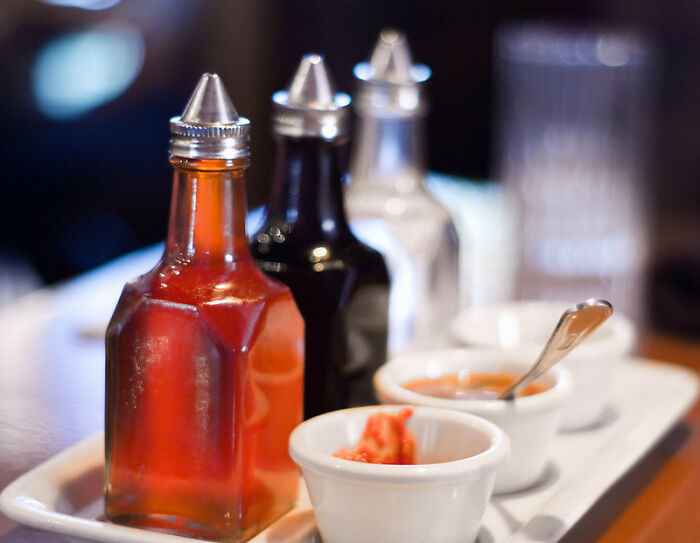
Image source: OviliskTwo, Joel Olives
#28
Using scissors to cut things. Cherry tomatoes, dough, pizza, some cuts of meat, veggies…. So much faster, less to clean up and way cleaner cuts.
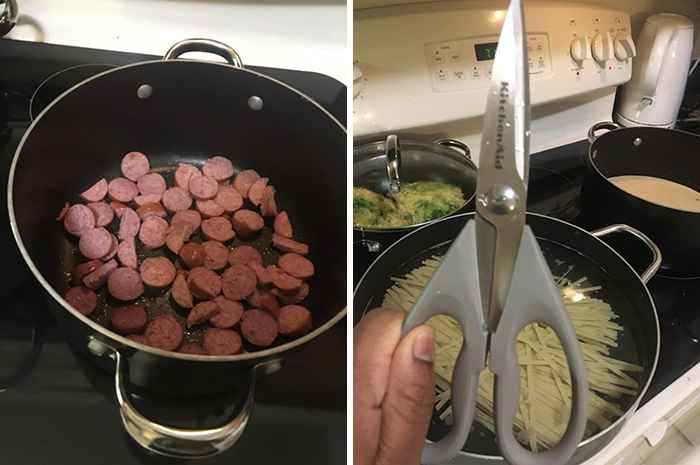
Image source: Aszshana, amazon.com
#29
You’ll move faster if you maintain the saying of ‘Everything has a home, and if it’s not in my hand, it’s in its home.’ This way, you can rely on everything being exactly in its place.
Also, stay clean. Not just by wiping up crumbs after you use a cutting board (keep a sanitized towel nearby for a quick wipe and it’ll become second nature), but by always keeping ‘landing spaces’ clear. You go faster when your space is flexible, and that only happens if you stay clean.
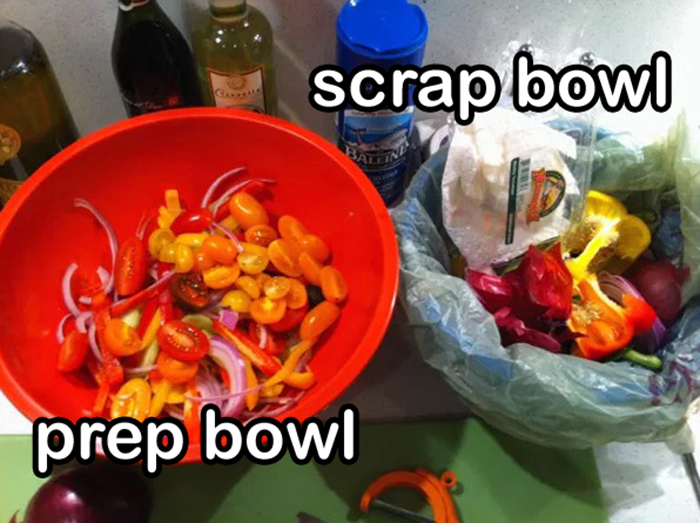
Image source: indigoHatter, amateurgourmet.com
#30
Work like an assembly line. Cut all the ends off, then peel everything, then split everything, then slice. Having 500 veggies to chop will take so long if you do each, from beginning to end, individually. When you change jobs or motions or tools, you slow down to recalibrate. The less you change actions, the faster you can get.
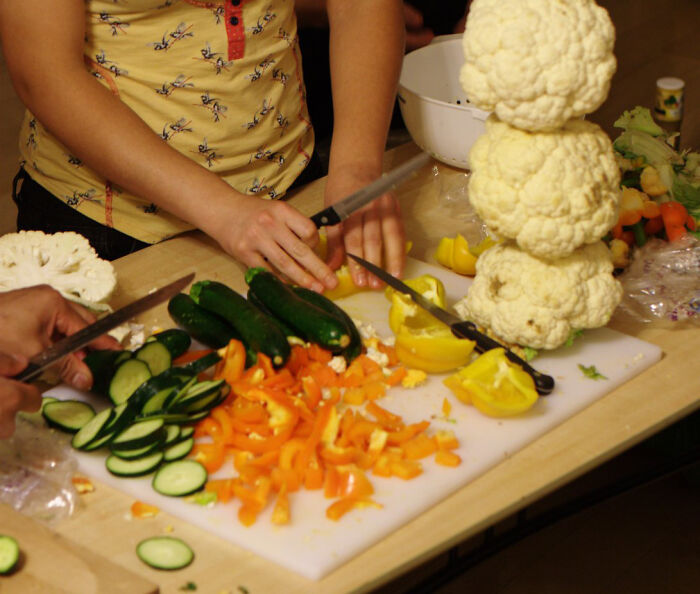
Image source: tropexuitoo, Marc Kjerland
 Follow Us