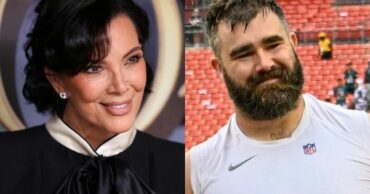
Reality TV has produced countless hit series over the years, but not every success began with a groundbreaking idea. Many shows are often built on familiar formulas, whether it’s a talent contest, a dating experiment, a cooking competition, or a race around the world. What often separates an average reality series from one that dominates conversations is usually the person guiding audiences through every twist, elimination, and emotional moment. The best hosts don’t simply introduce contestants or announce results, but shape the identity of the show itself.
Some hosts become so closely associated with their shows that it’s difficult to imagine anyone else filling the role. Their humor, empathy, authority, or quick wit transforms predictable formats into compelling television that audiences eagerly return to season after season. These reality TV hosts proved that even the most conventional concepts can become must-watch entertainment when the right personality is leading the way.
Jeff Probst in Survivor

Although survival competitions have become commonplace, Jeff Probst demonstrated how much influence a host can have on a reality show’s success. His questioning during Tribal Council often uncovers hidden tensions, forcing contestants to reveal strategies and emotions that might otherwise remain unseen. Probst balances authority with curiosity, allowing dramatic moments to develop naturally instead of forcing them. Over more than two decades, his ability to shape conversations and heighten suspense has made him just as essential to Survivor as the game itself. His success over the years has proven that the right host can elevate even a familiar competition format into unforgettable television.

Julie Chen Moonves in Big Brother
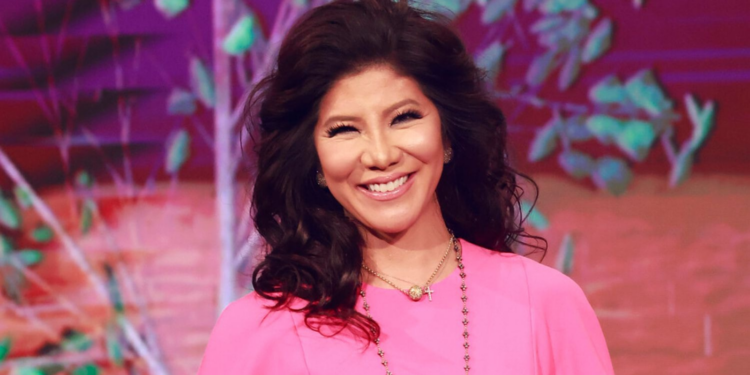
The social experiment at the heart of Big Brother has remained remarkably consistent for decades. Contestants live together, form alliances, and vote each other out until only one remains. Julie Chen Moonves became the show’s steady anchor, delivering updates and eviction interviews with professionalism and composure. Her consistent presence gave the series a sense of continuity, making each season feel connected to the franchise’s larger legacy.
Phil Keoghan in The Amazing Race
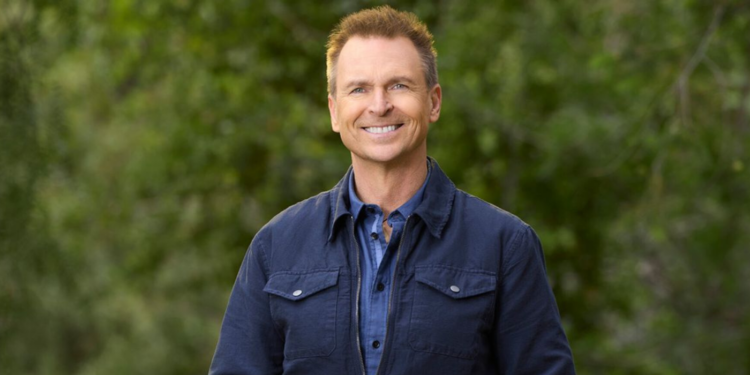
At its core, The Amazing Race is a straightforward contest in which teams travel the world while completing challenges. Phil Keoghan transformed that simple premise into an emotional adventure by treating every finish line as more than just another checkpoint. His encouragement, empathy, and genuine excitement for contestants’ accomplishments added heart to the competition. Rather than serving as a distant presenter, Keoghan became an integral part of the experience that viewers looked forward to seeing every episode.
Chris Harrison in The Bachelor
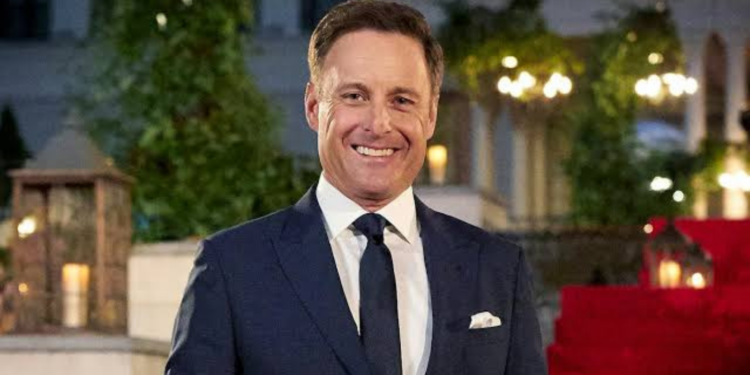
Dating shows have existed on television for generations, and The Bachelor largely follows a predictable cycle of dates, ceremonies, and eliminations. However, Chris Harrison‘s calm, reassuring presence helped make that familiar formula feel like an event. He guided contestants through emotional moments without overshadowing them, becoming an unmistakable part of the franchise’s identity. His appearances often signalled that a dramatic twist or important decision was about to unfold, adding weight to the show’s biggest moments.
Ryan Seacrest in American Idol
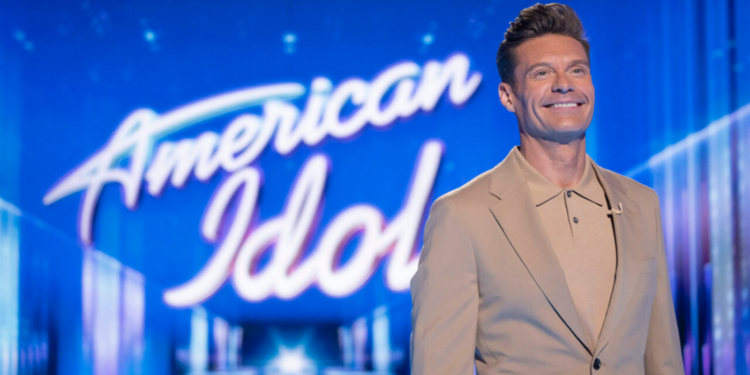
Talent competitions have existed for decades, but Ryan Seacrest made American Idol feel like live television at its best. His polished hosting style kept episodes moving smoothly while allowing contestants and judges to remain the stars. Whether announcing life-changing results or handling unpredictable live broadcasts, Seacrest projected confidence that reassured both participants and audiences. His consistency became one of the reasons audiences returned week after week during the show’s peak years.
Heidi Klum in Project Runway
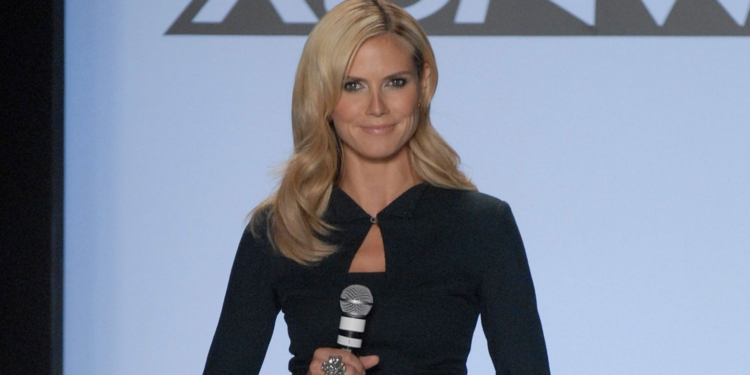
Heidi Klum turned “unconventional materials challenge” into a phrase every fashion-competition fan knows by heart. Her blend of genuine supermodel authority and dry humor gave Project Runway a credibility other design shows never quite matched. Her signature sign-off became as iconic as the show itself. With several Emmy nominations and a win for her hosting work, Klum has long cemented her position as one of the format’s most decorated frontwomen. Nearly twenty years later, designers still talk about getting Klum’s approval like it’s a career milestone.
Cat Deeley in So You Think You Can Dance
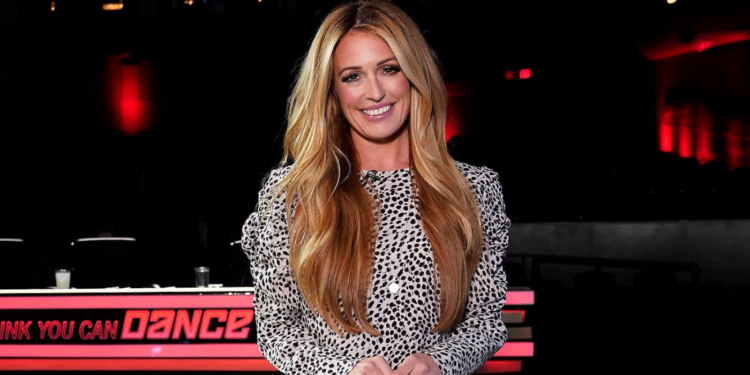
Dance competitions have long followed a familiar structure of auditions, live performances, judges’ critiques, and eliminations. On paper, So You Think You Can Dance didn’t reinvent the genre, but Cat Deeley gave it a welcoming personality that set it apart. Her effortless charm and genuine interest in the contestants helped audiences invest in their journeys beyond the routines. Whether calming nervous dancers or celebrating breakthrough performances, Deeley made the competition feel personal without taking attention away from the talent.
Padma Lakshmi in Top Chef
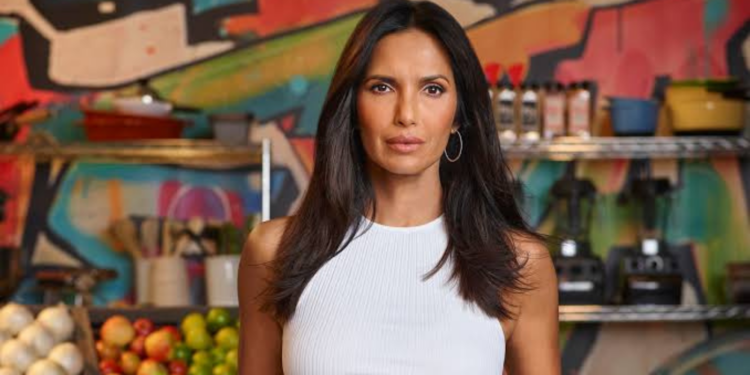
Cooking competitions became increasingly common after the success of early culinary reality shows. Padma Lakshmi distinguished Top Chef by bringing sophistication, intelligence, and credibility to every challenge. She interacted naturally with contestants while maintaining an authoritative presence that suited the high standards of professional cooking. Her measured delivery and thoughtful critiques helped elevate the programme beyond a standard elimination contest into one of television’s most respected food competitions. Interestingly, Lakshmi wasn’t the show’s first host. Katie Lee hosted its first season, with Lakshmi taking over until season 20.
RuPaul in RuPaul’s Drag Race
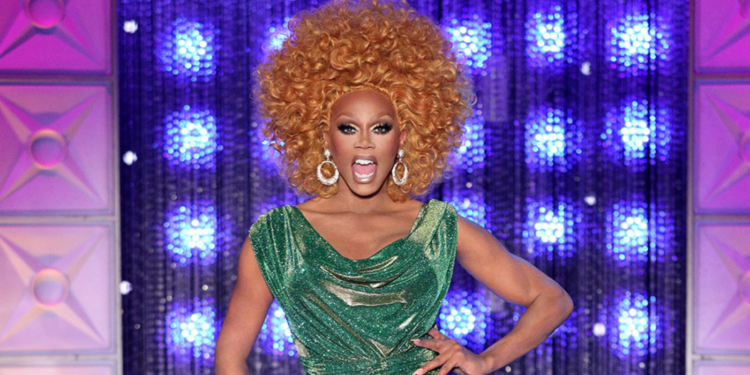
Competition shows centred on performance are nothing new, but RuPaul infused RuPaul’s Drag Race with a distinctive personality that transcended the format. Through humour, mentorship, and unforgettable catchphrases, RuPaul created an atmosphere that celebrated creativity while demanding excellence. Contestants competed for the crown, but audiences also tuned in for RuPaul’s guidance and larger-than-life presence. The result was a series that grew from a niche production into a worldwide cultural phenomenon.
Nick Cannon in The Masked Singer
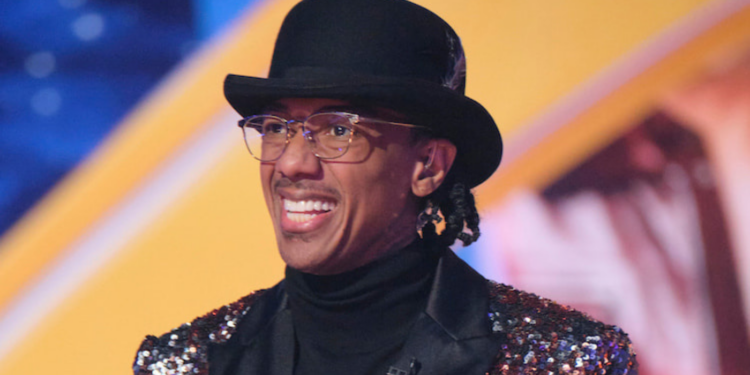
Watching celebrities perform in elaborate costumes could easily have felt like a novelty that wore off after a few episodes. Nick Cannon embraced the show’s playful absurdity instead of trying to make it seem more serious than it was. His enthusiasm kept the energy high, while his rapport with the judges and contestants helped maintain the fun atmosphere. Cannon’s confidence made one of television’s strangest concepts surprisingly accessible to mainstream audiences.
 Follow Us