There is nothing worse than grinding through late nights to save a massive project, only to watch your coworker take every ounce of credit and get promoted.
A woman faced a similar corporate nightmare after helping a struggling teammate. To make matters worse, the guy had the absolute nerve to come right back to her desk asking for help with his next big assignment.
Naturally, she refused, and that’s when all hell broke loose.
To work her way out of this drama, she turned to the internet and received some game-changing advice.
Read on, because this story might just be a masterclass on how to handle office snakes and set boundaries.
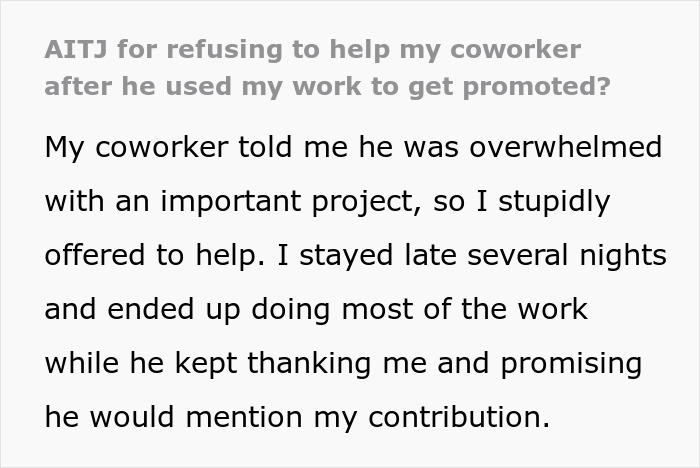
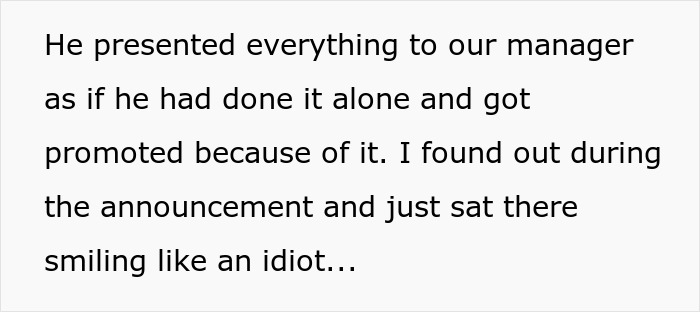
A woman helped a colleague with an important project, but he stole all the credit and got promoted

krakenimages.com/Magnific (not the actual photo)

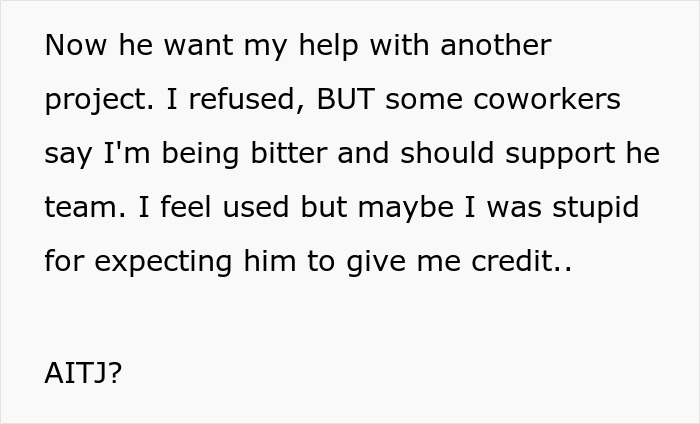
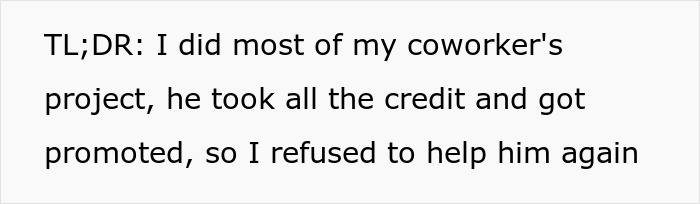
When he came back to her for help on his next project, she flat-out refused

The Yuri Arcurs Collection/Magnific (not the actual photo)
Credit hogs who stifle careers and ruin workplace culture
Working with a credit-stealing colleague can be infuriating, especially when it actively stalls your career while someone else climbs the corporate ladder.
Experts call this behavior “knowledge theft” or “idea appropriation,” and research shows it is far from an isolated incident.
A study published in the Journal of Knowledge Management revealed that 91% of surveyed workers have either experienced, committed, or witnessed credit-stealing at work.
The findings also highlight that having your work hijacked destroys psychological safety. This triggers a domino effect: victims become protective, isolated, and far less likely to collaborate in the future.
Study lead David Zweig says that knowledge theft creates a deeply toxic environment for everyone involved. “If we get burned, or we’re not getting credit from our leaders or colleagues when our ideas are stolen, we’re not going to be so open with sharing them in the future.”
So why do some colleagues hijack other people’s hard work in the first place? As it turns out, credit hogs aren’t always being selfish on purpose.
A 2020 UC Berkeley study found that the real issue is perspective. You know every single late night and stressful minute you put into a project, but you only see a fraction of what your teammates are doing. So, your brain inflates your own contribution.
Here’s the catch: stealing the spotlight backfires. The researchers found that people who claim more than their fair share end up looking both fake and incompetent to everyone else. Overclaiming actually ruins your own reputation — you just don’t realize it until the damage is already done.
It is one thing when a coworker steals your work on purpose, but sometimes they do it without even realizing they are stepping on your toes.
A study published in the Journal of Business Ethics points to a phenomenon called “moral fading.” Basically, when office pressure builds up, the ethical side of a situation just shuts off in people’s brains. Someone gets so focused on hitting a deadline or pleasing the boss that forgetting to present your idea doesn’t look like outright theft.
Of course, intent doesn’t change the outcome. At the end of the day, your manager heard someone else’s voice pitching your strategy, and you are left doing damage control.
Simple steps to claim back credit for your work
Organizations can resolve these situations by taking proactive steps to ensure original creators get the recognition they deserve. Research led by Zweig shows that when a leader or colleague steps in to restore ownership of an idea, it significantly reduces feelings of loss and anger. It also ultimately creates a much healthier work environment. To make real progress, managers and peers have to call out idea hijacking whenever they spot it — because letting it slide normalizes a culture of theft.
“If you see something, say something. You need to call out knowledge theft. Leaders need to do that. They need to be very cognizant that this happens. It can’t be normalized,” says Zweig.
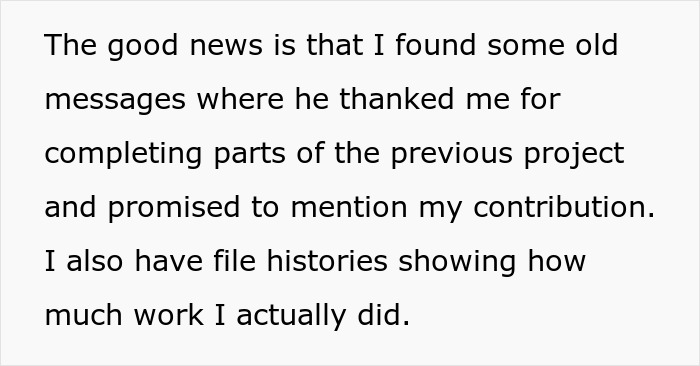
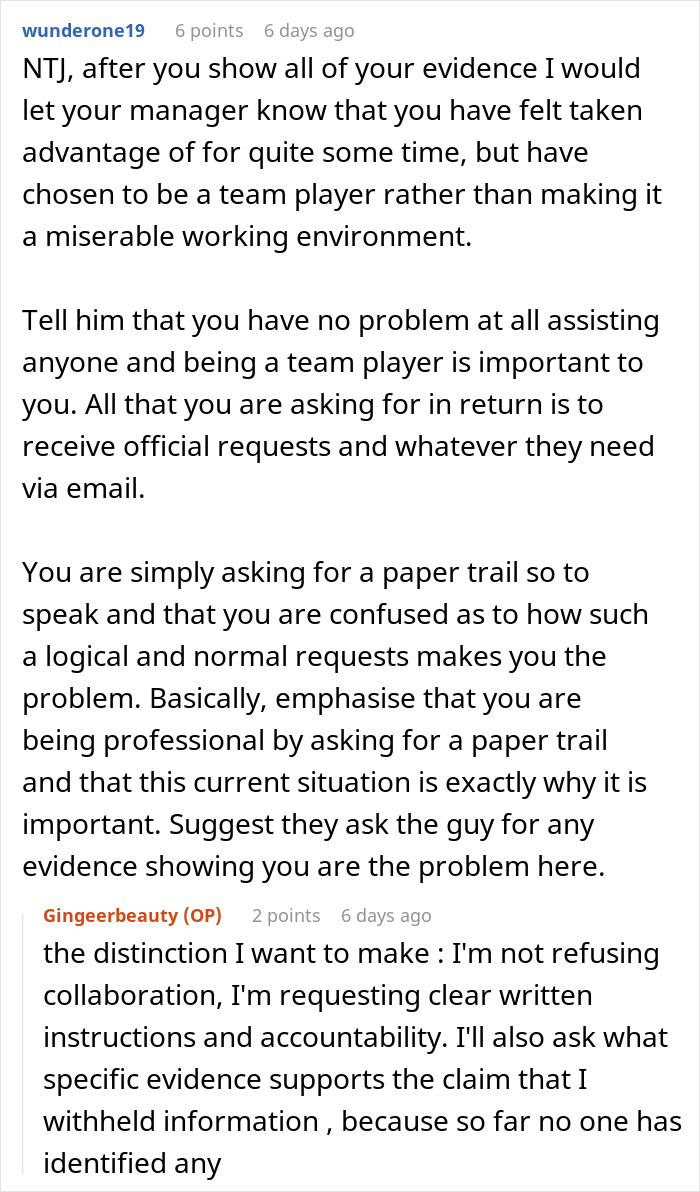
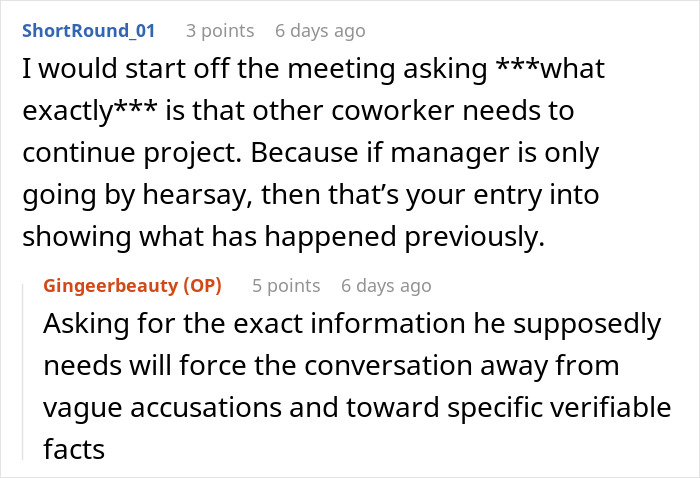
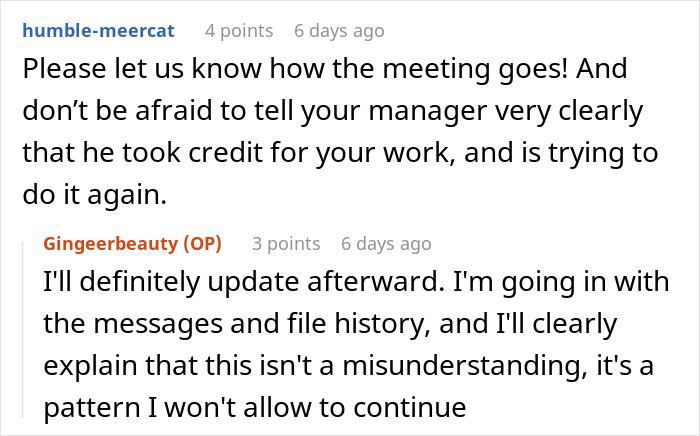
If you find yourself in the crosshairs of a credit stealer, you do not have to sit back and watch them profit off your effort. Start by building a solid paper trail. Gather your early draft documents, timestamped files, email threads, or commit logs that clearly prove you laid the groundwork for the project. Having cold, hard evidence on your side removes any guesswork or unnecessary arguments, experts recommend.
Research from Harvard’s Project on Negotiation shows that treating a conflict as a problem to solve together — instead of flinging accusations — makes you 60% more likely to reach a peaceful resolution.
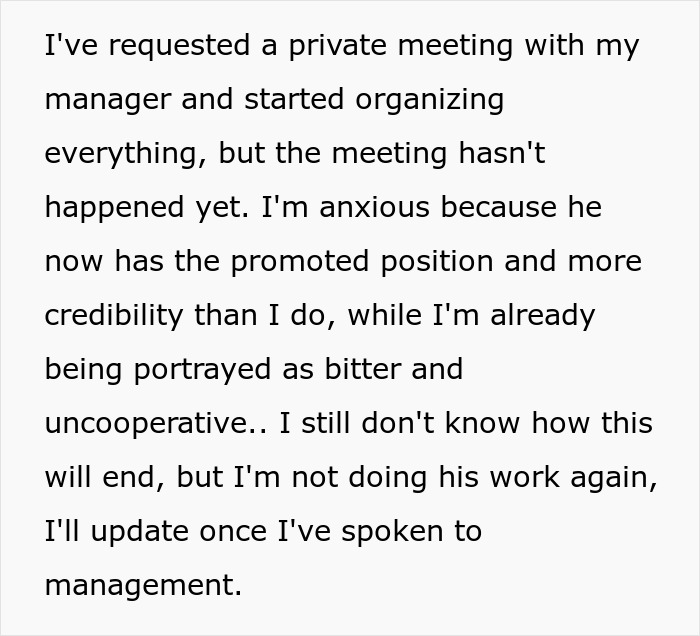
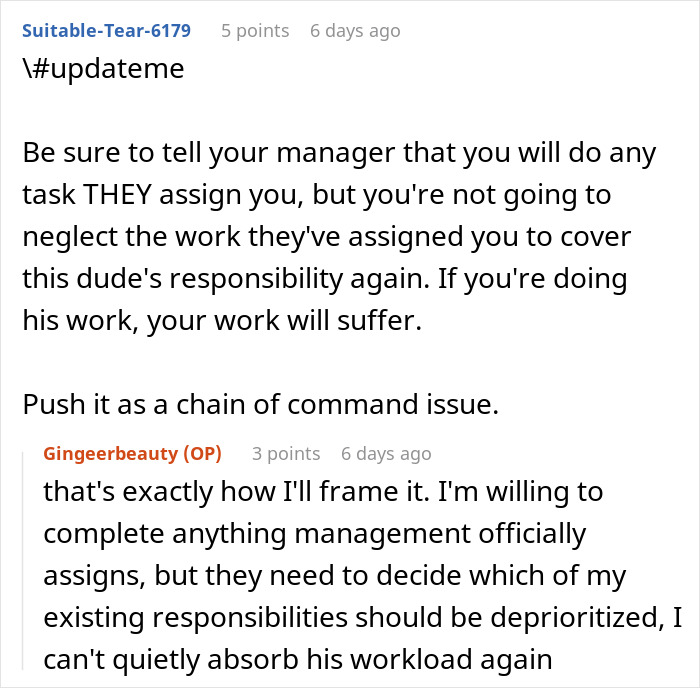
This means scheduling a private conversation with management, outlining specific technical contributions, and establishing transparent tracking for the future.
At the end of the day, your ideas are your currency in the workplace, so make sure your name stays attached to them.
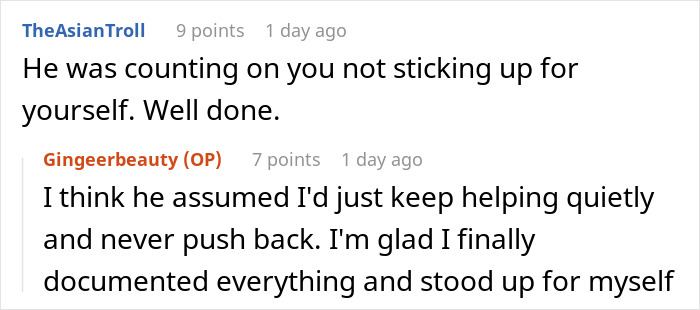
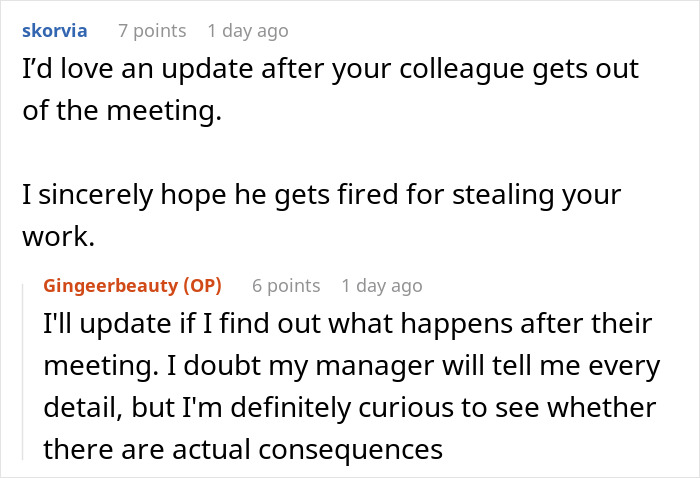
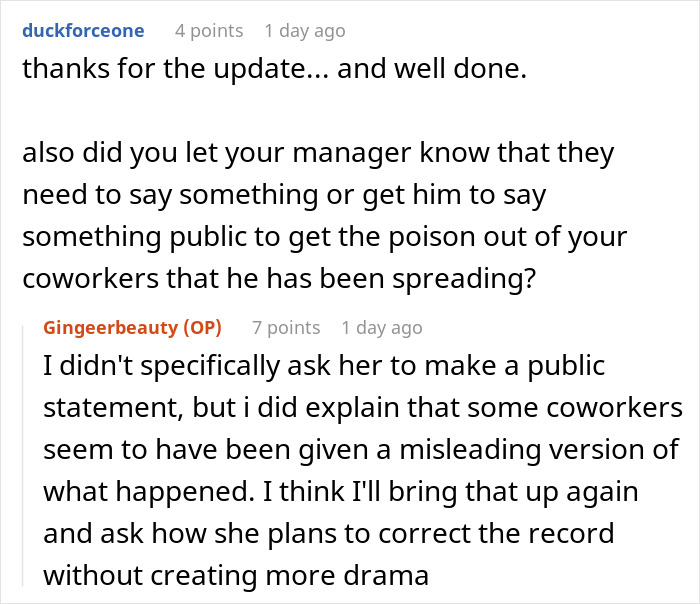
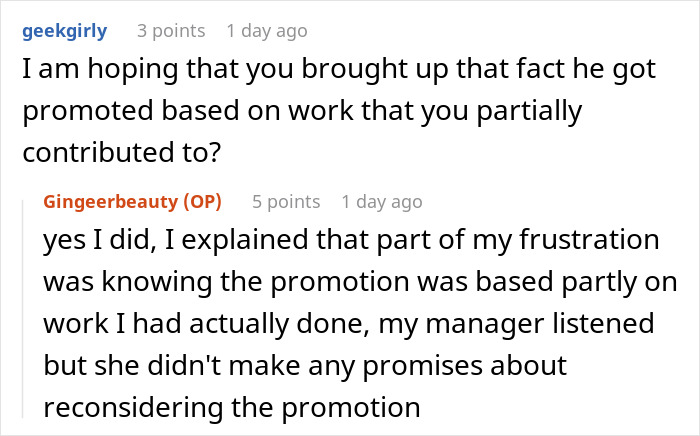
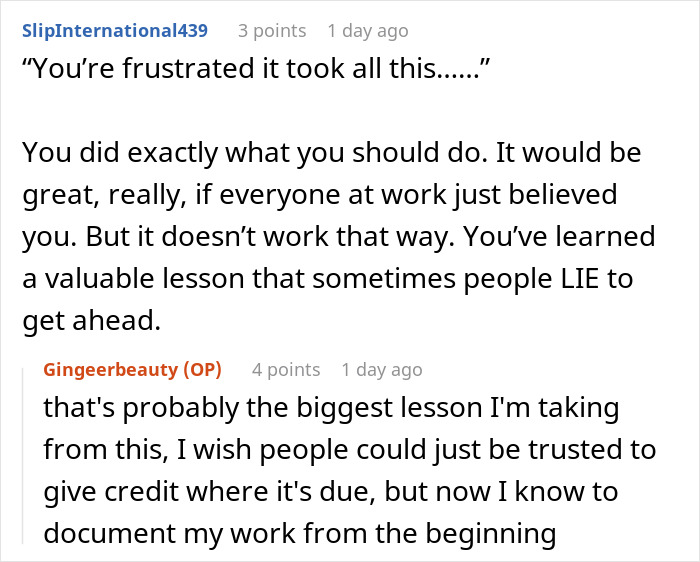
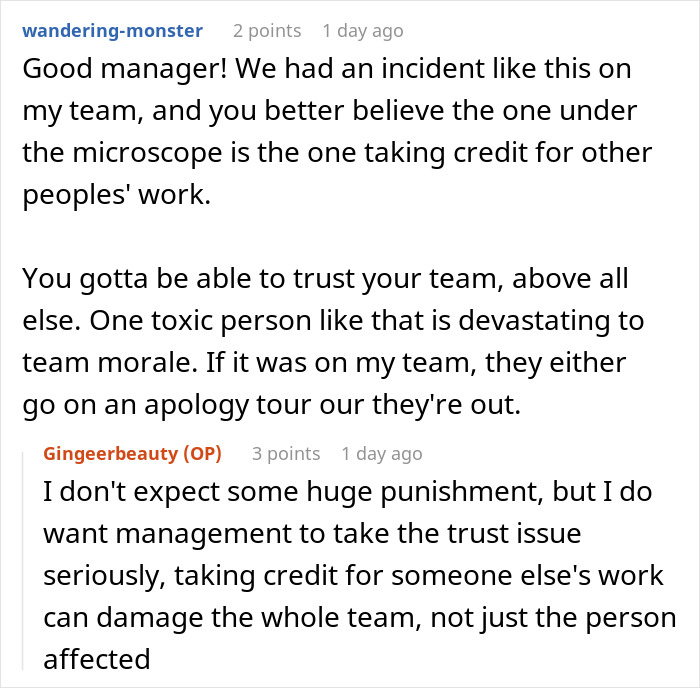
The woman gave some more info in response to the comments
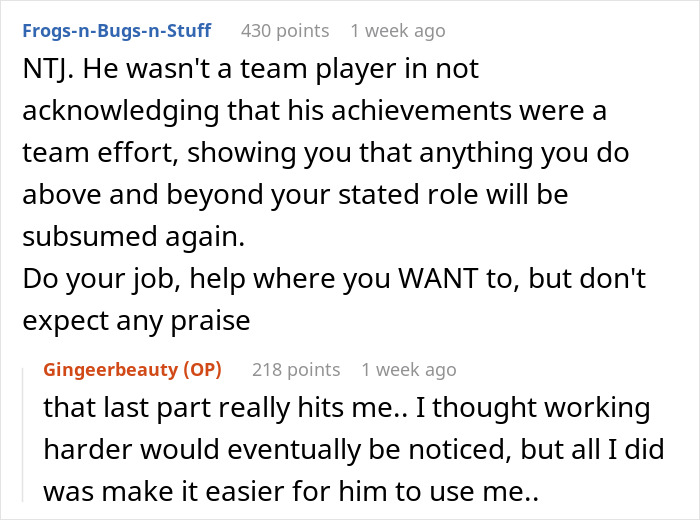
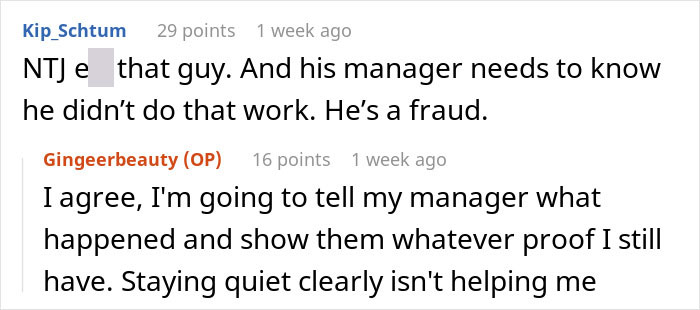
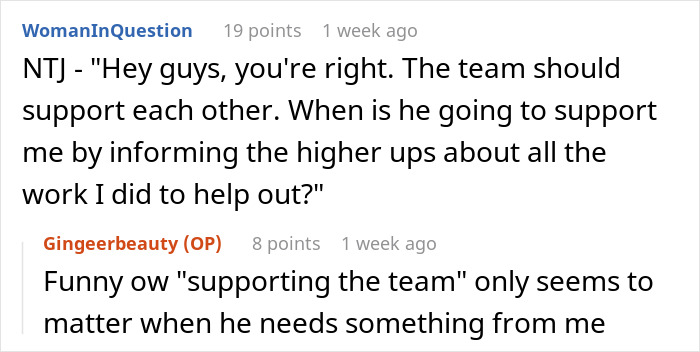
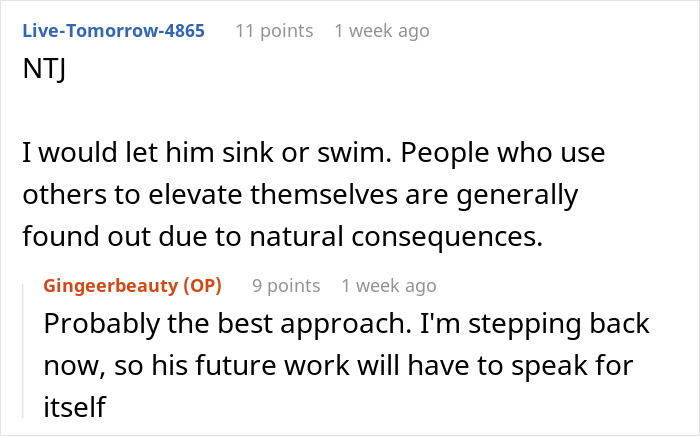
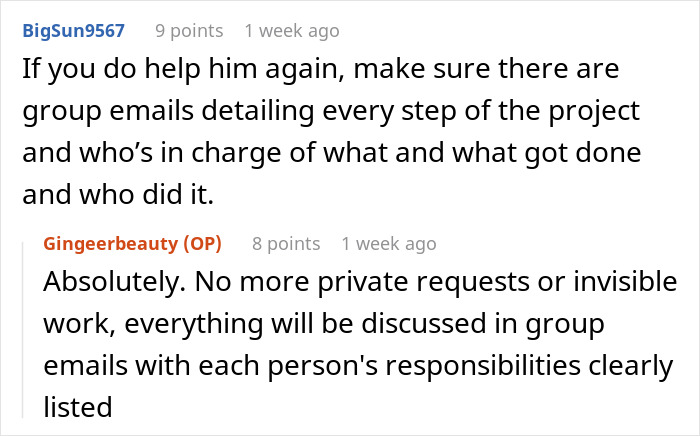
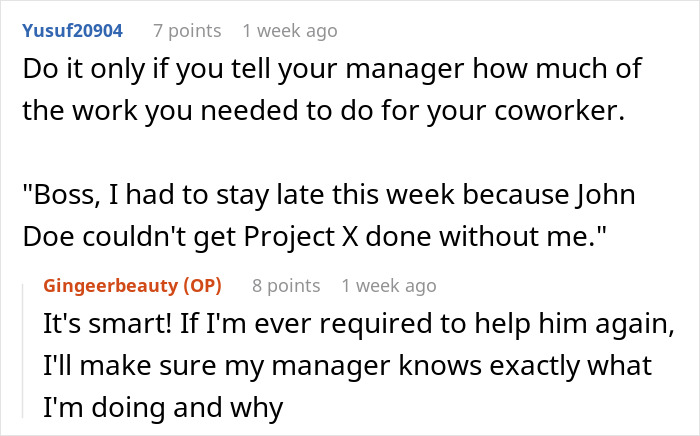
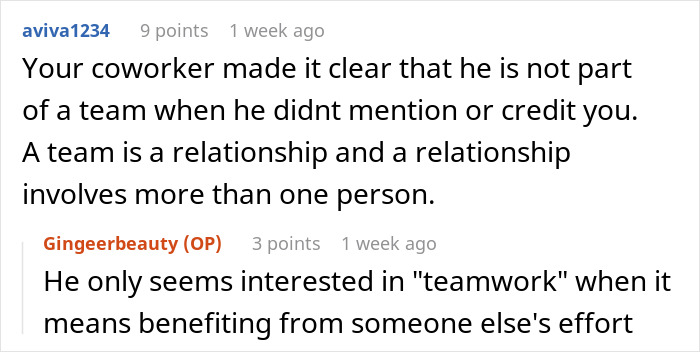
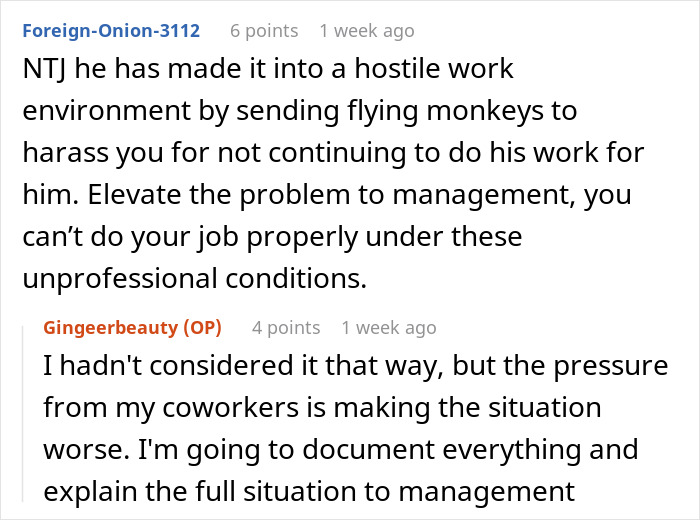
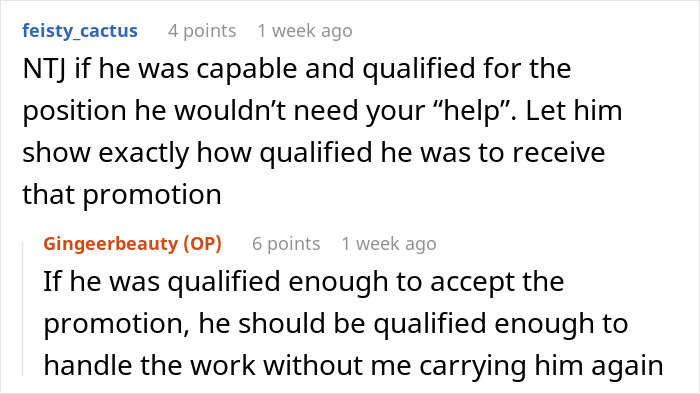
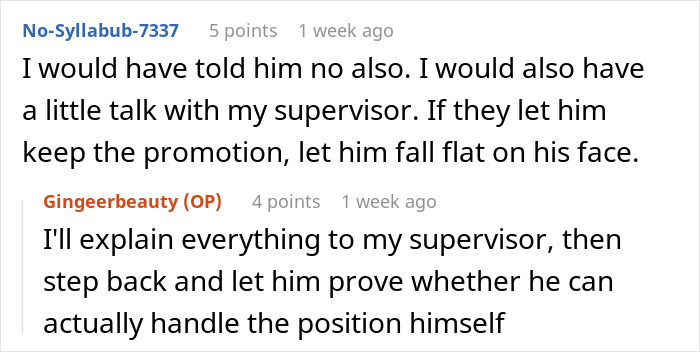
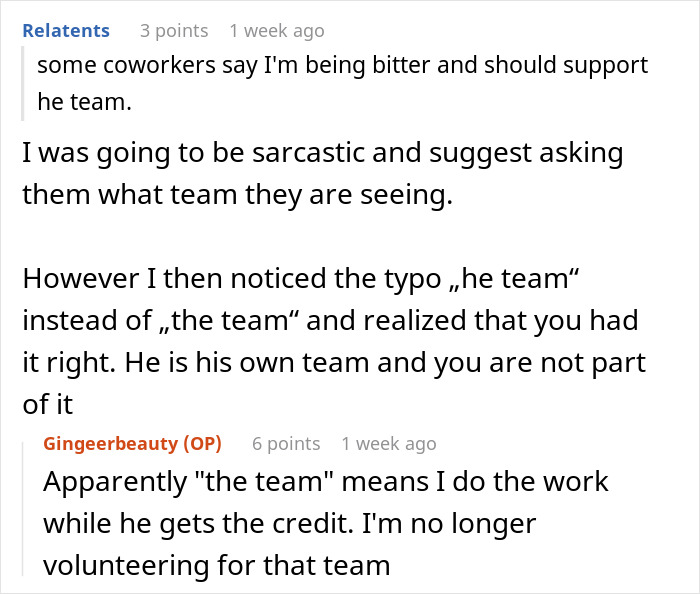
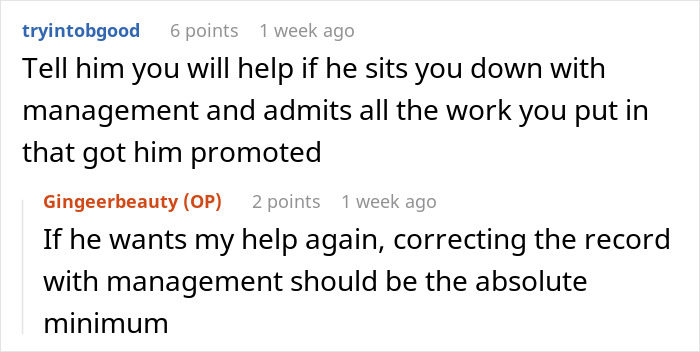
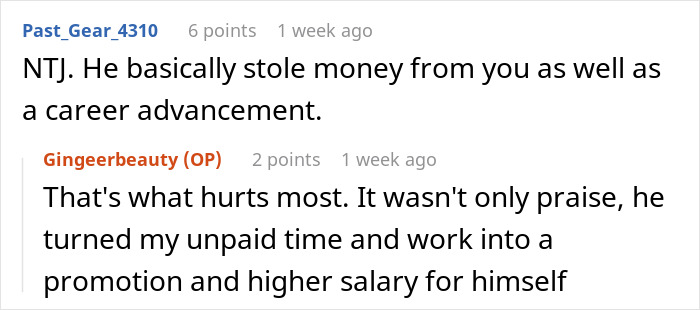
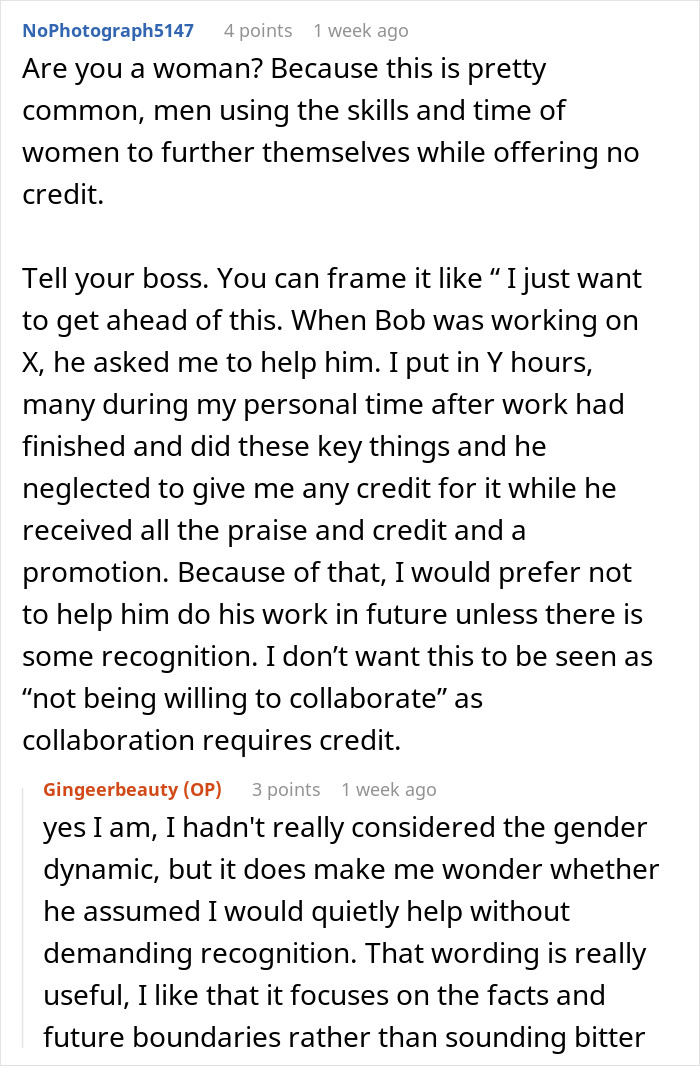
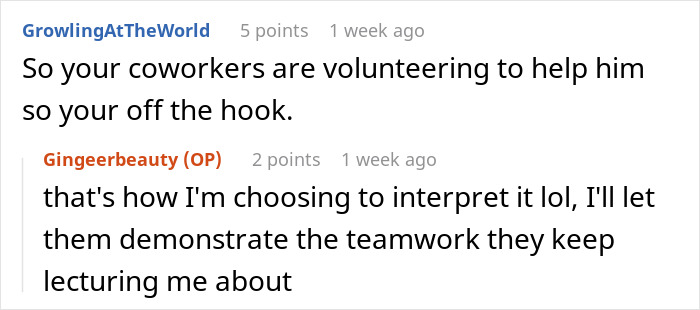

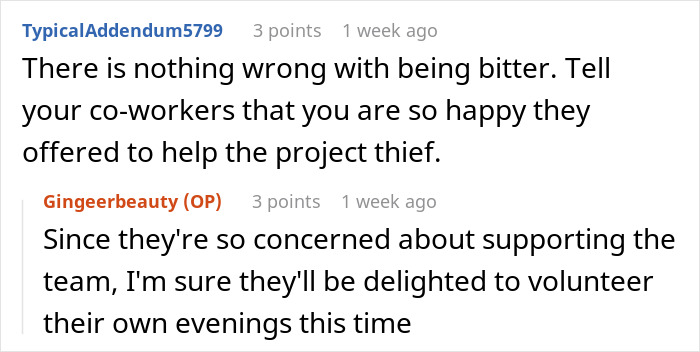
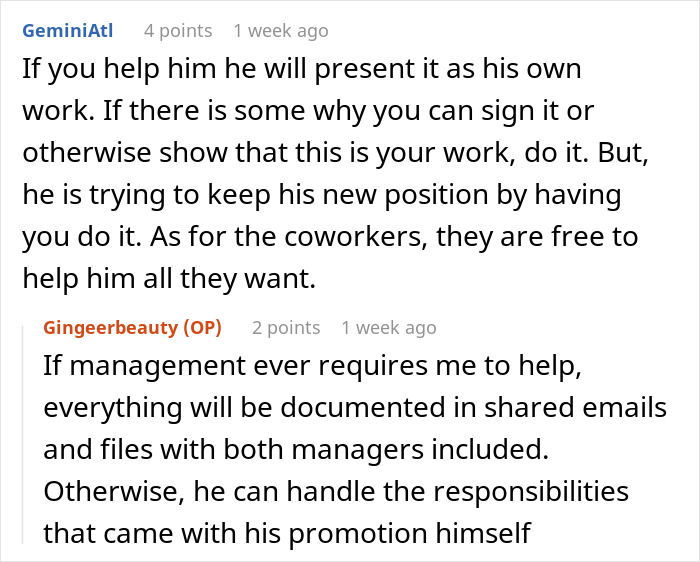
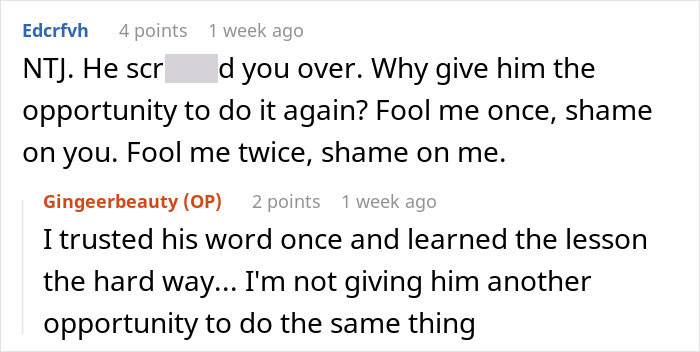
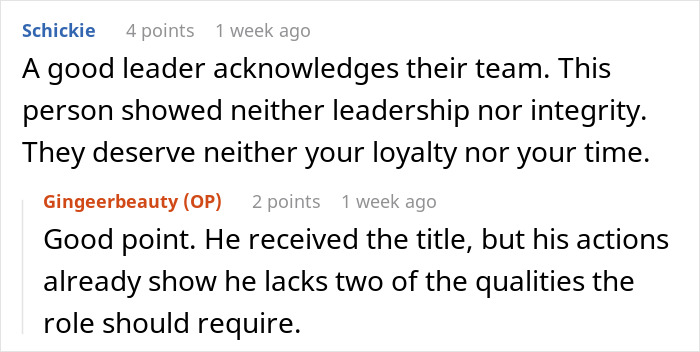
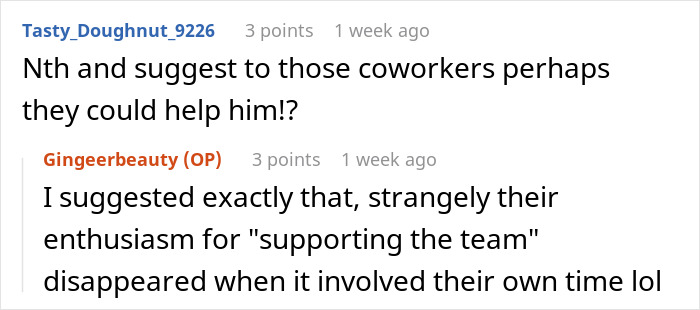
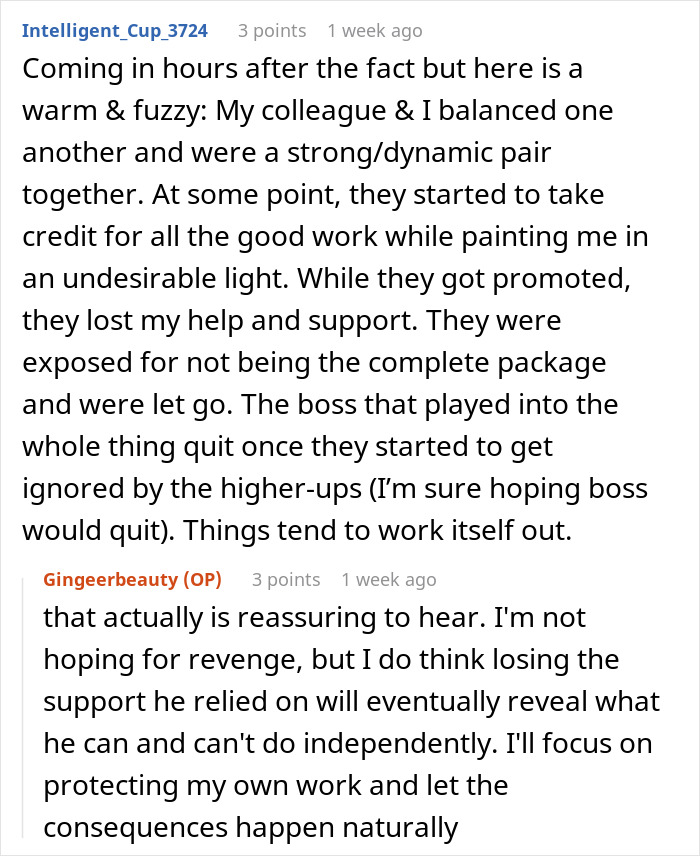
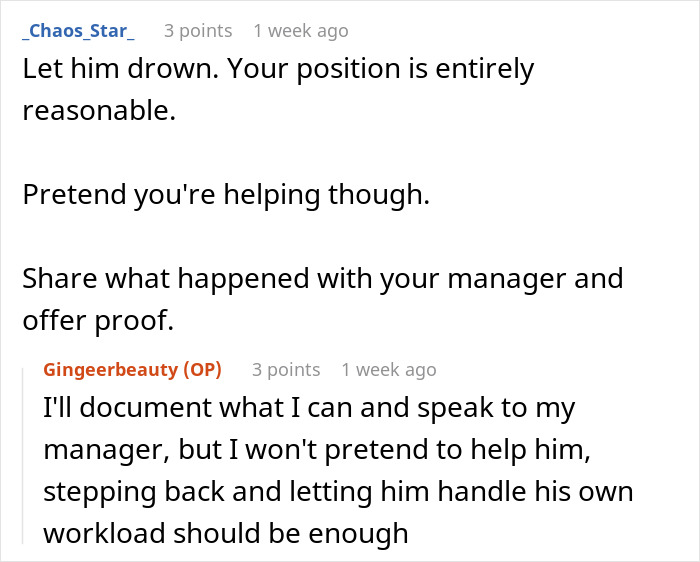
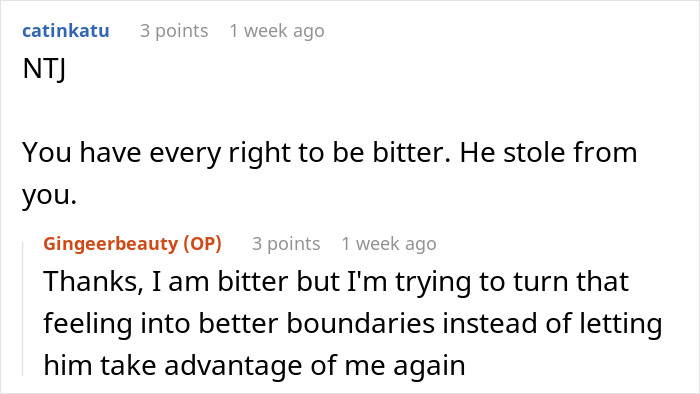
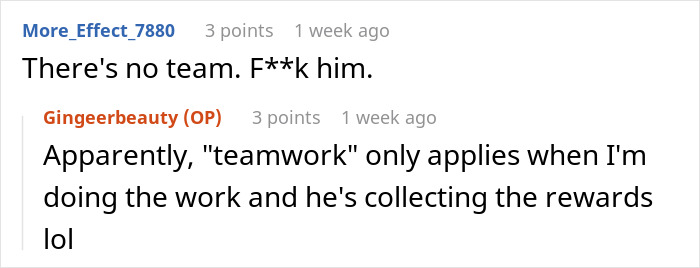
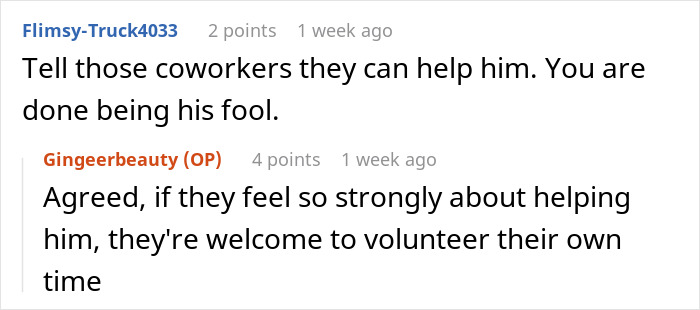
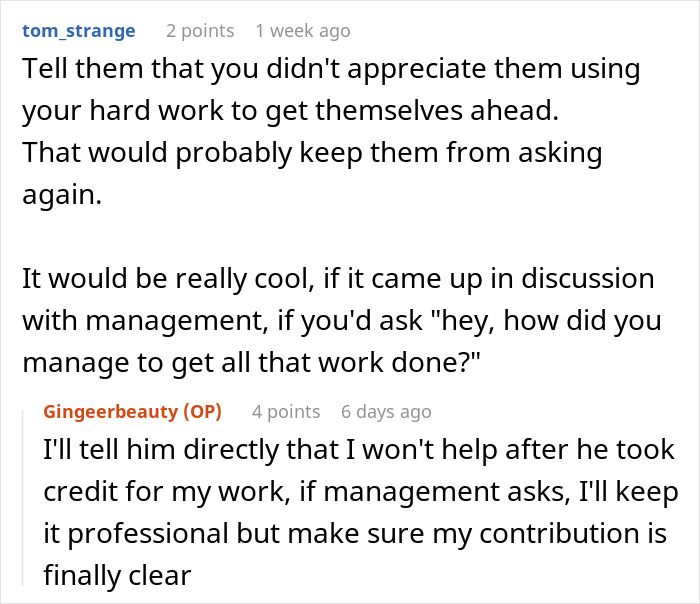

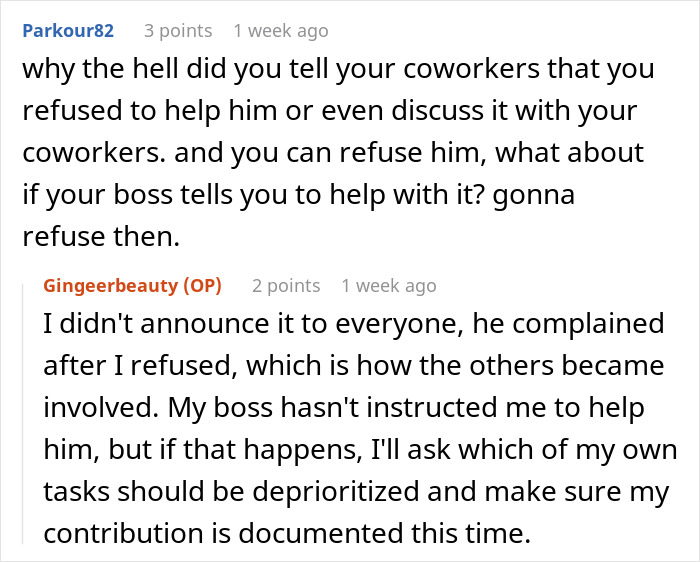
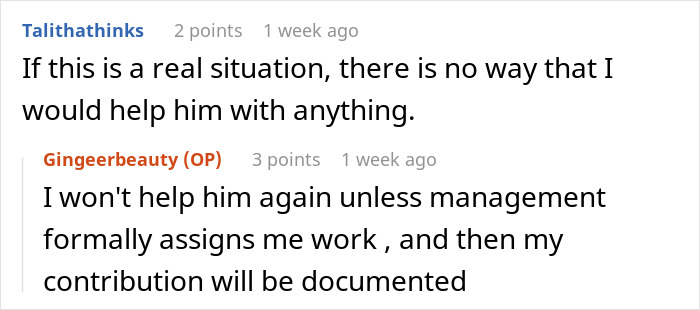
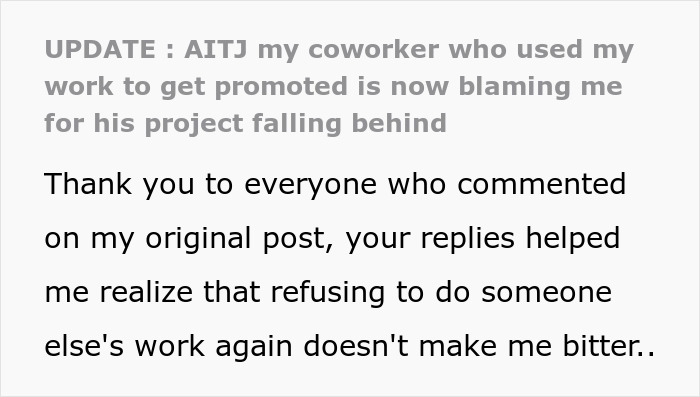
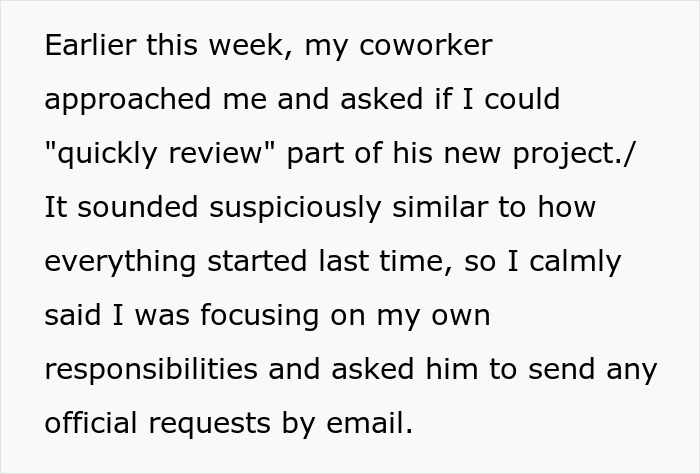
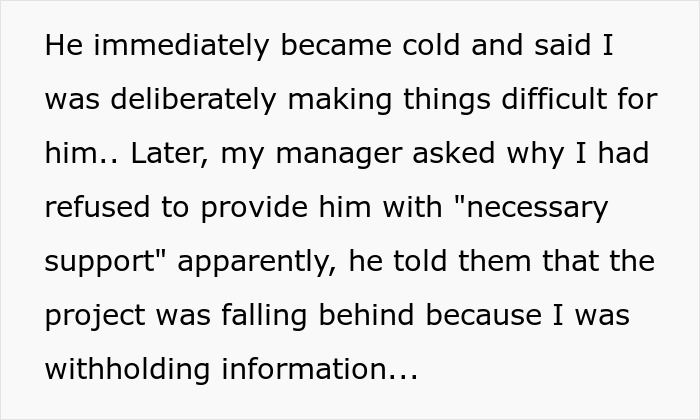
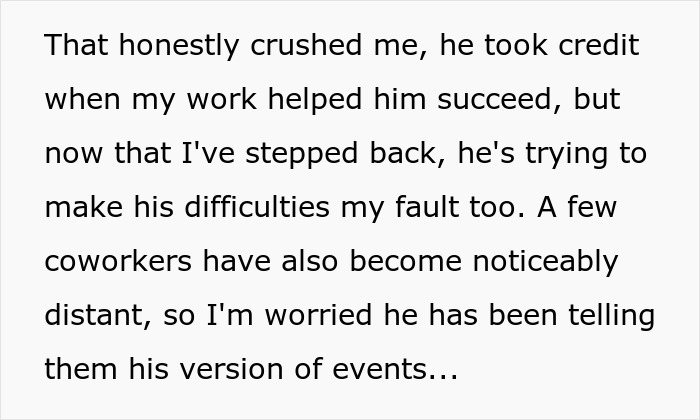
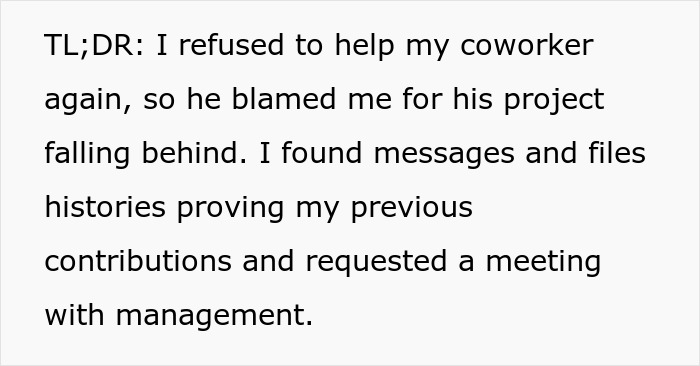
She took readers’ advice and came back with an update

stockking/Magnific (not the actual photo)
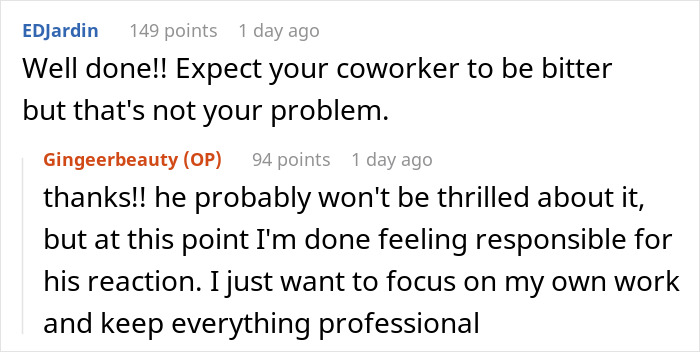
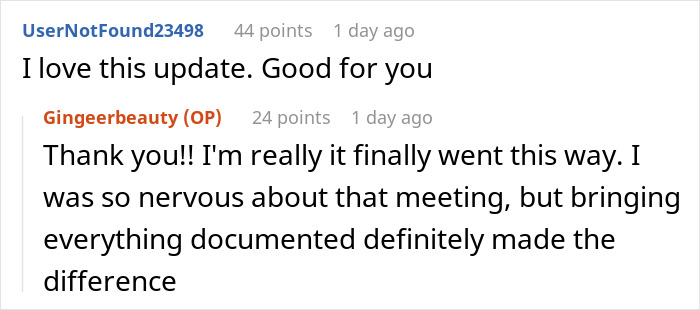
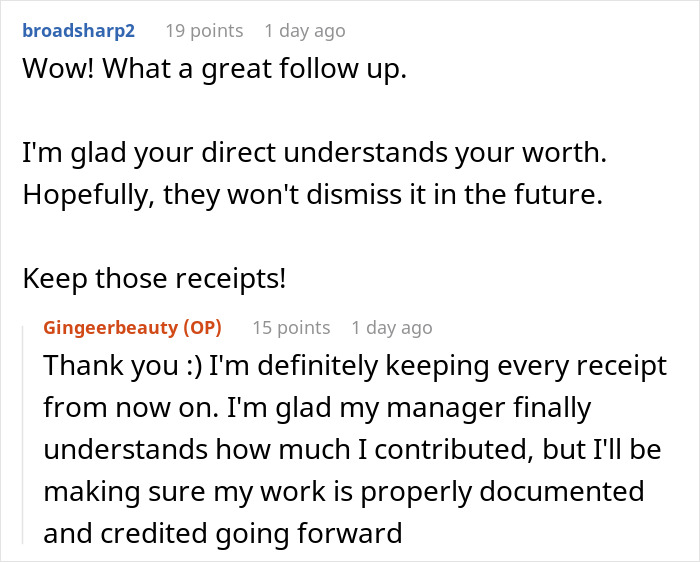
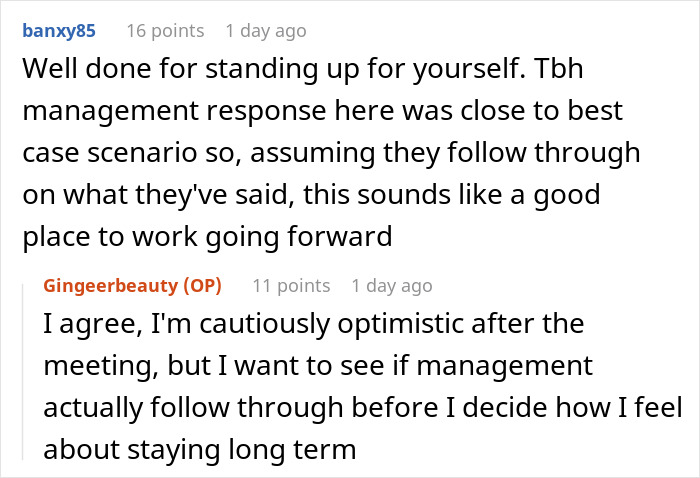
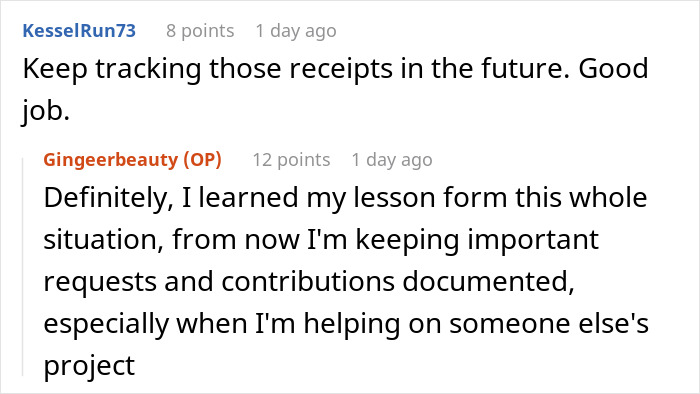
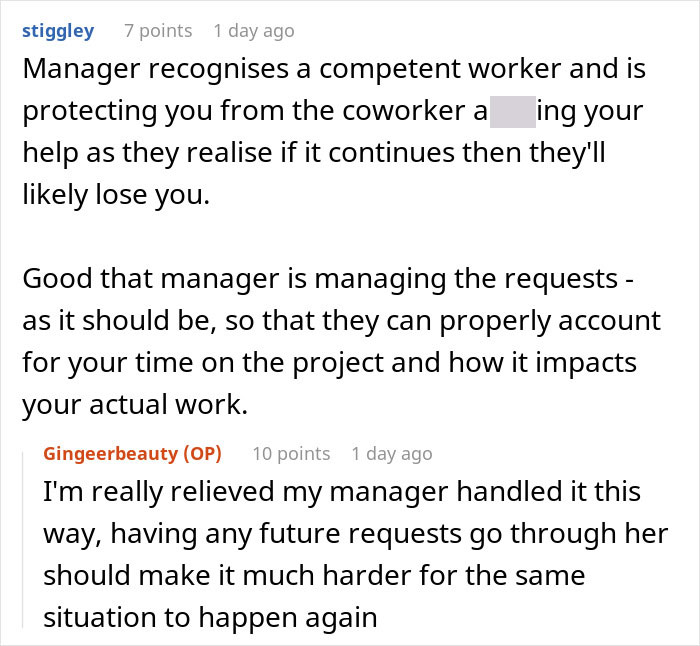
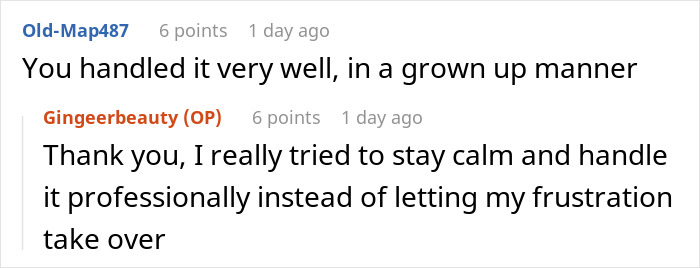
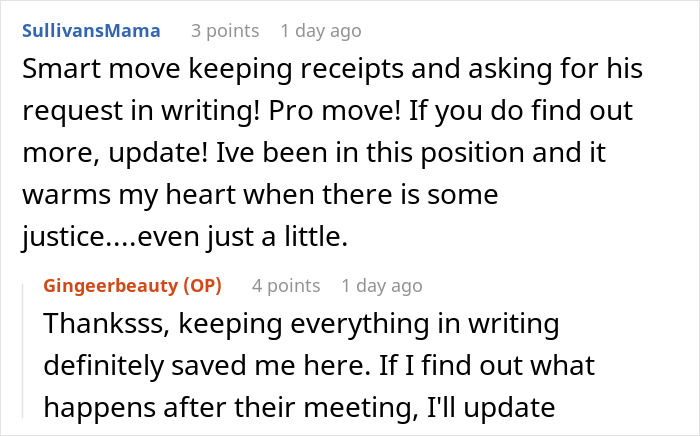
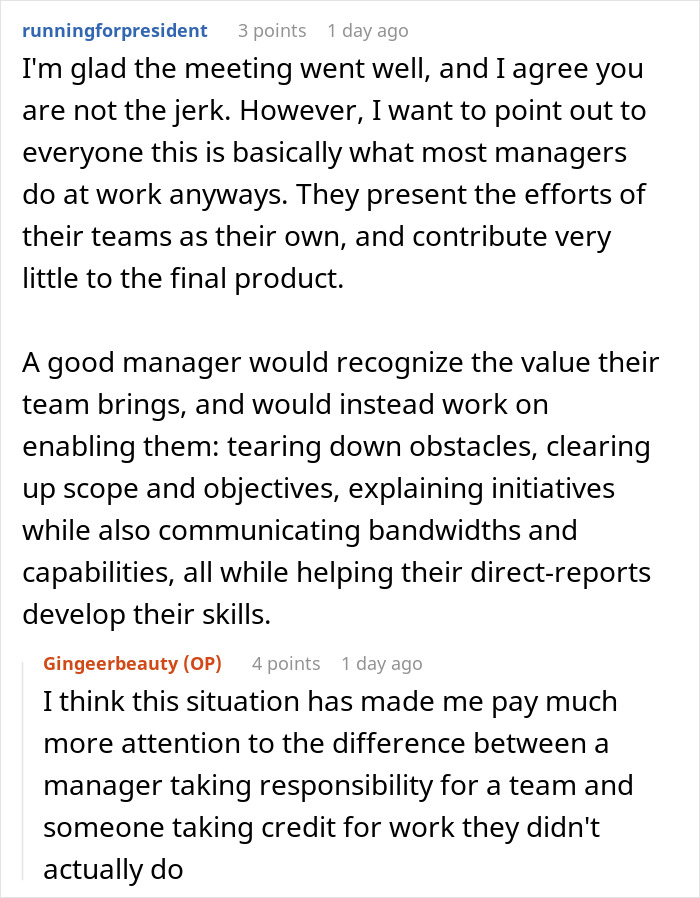
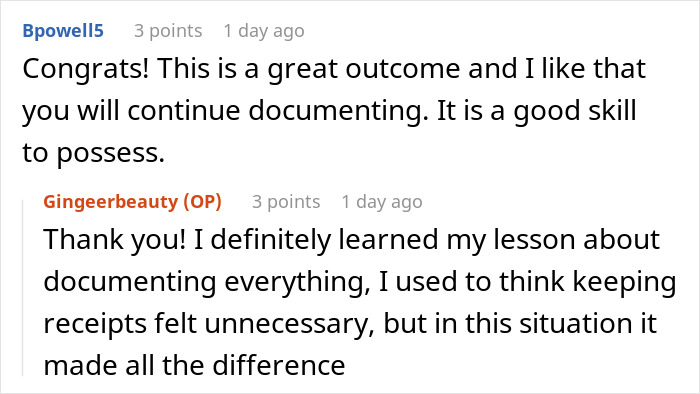
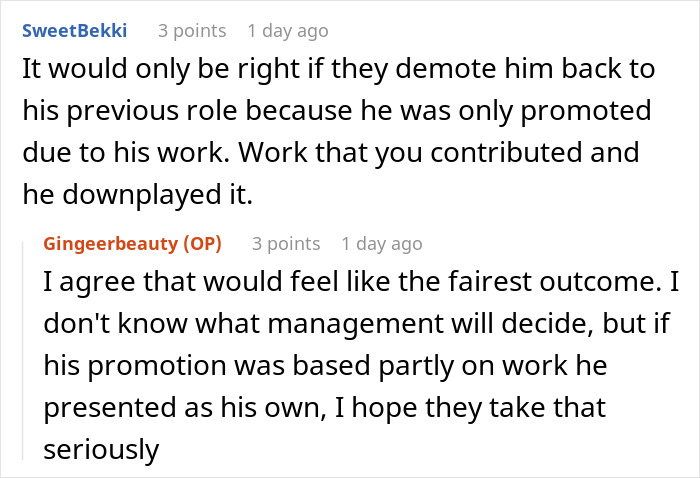
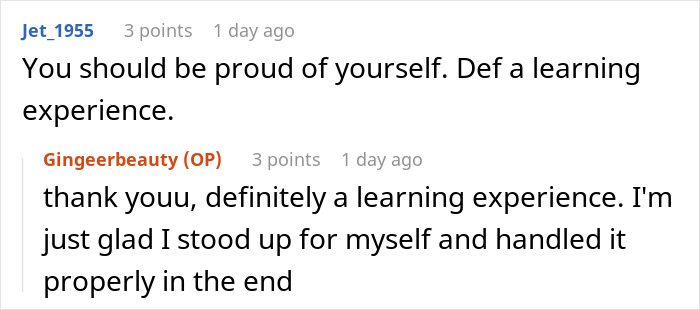
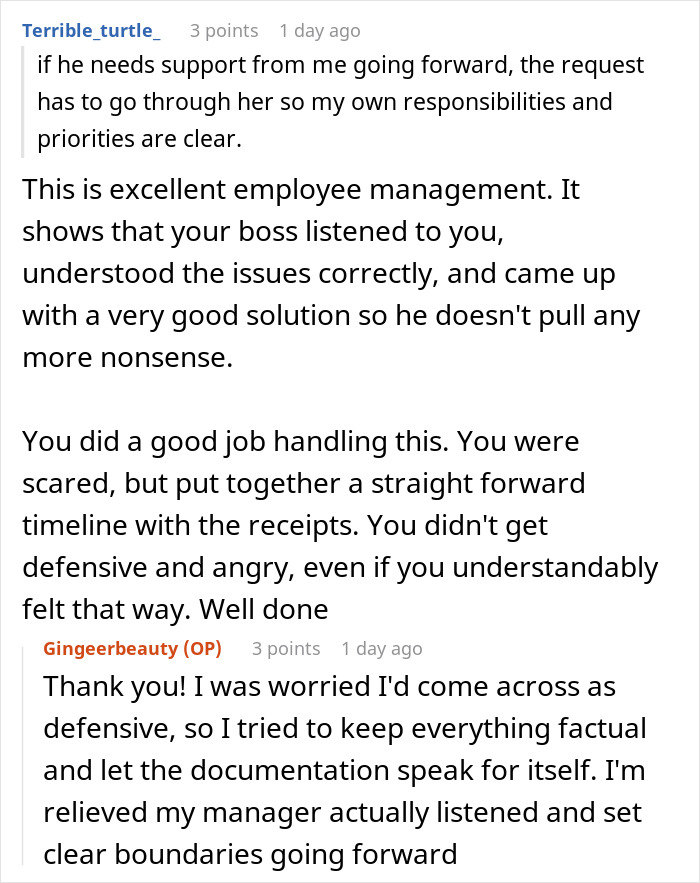
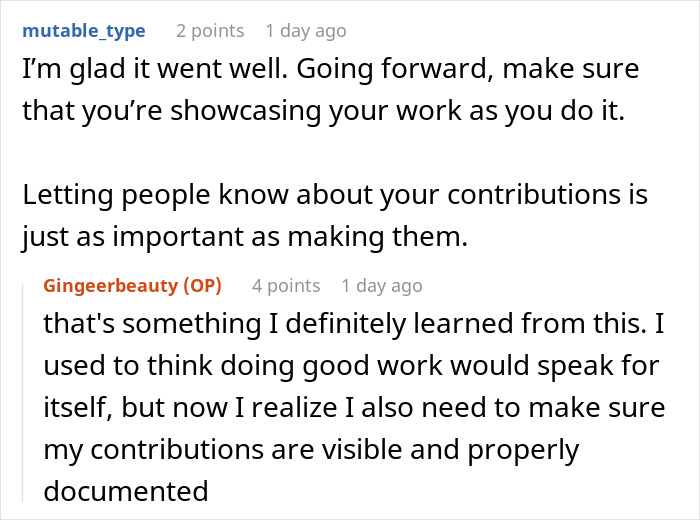
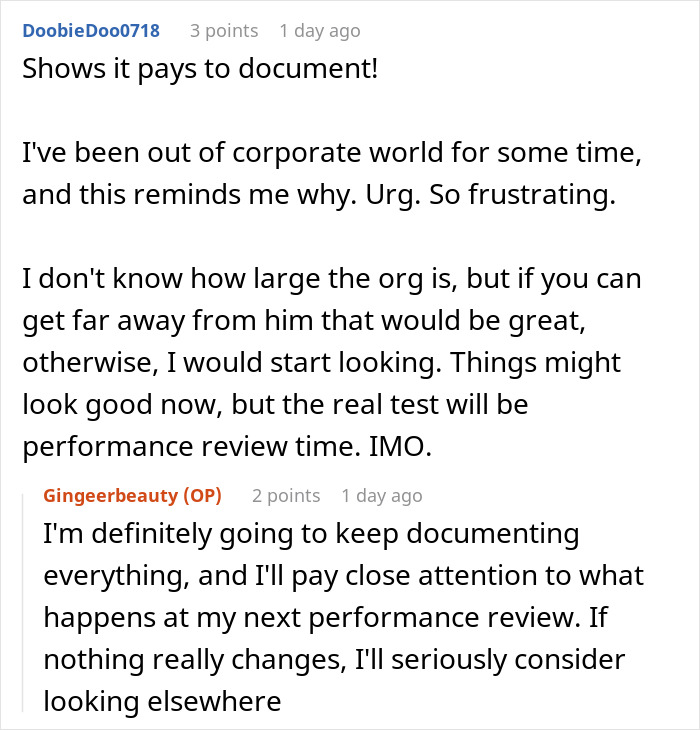
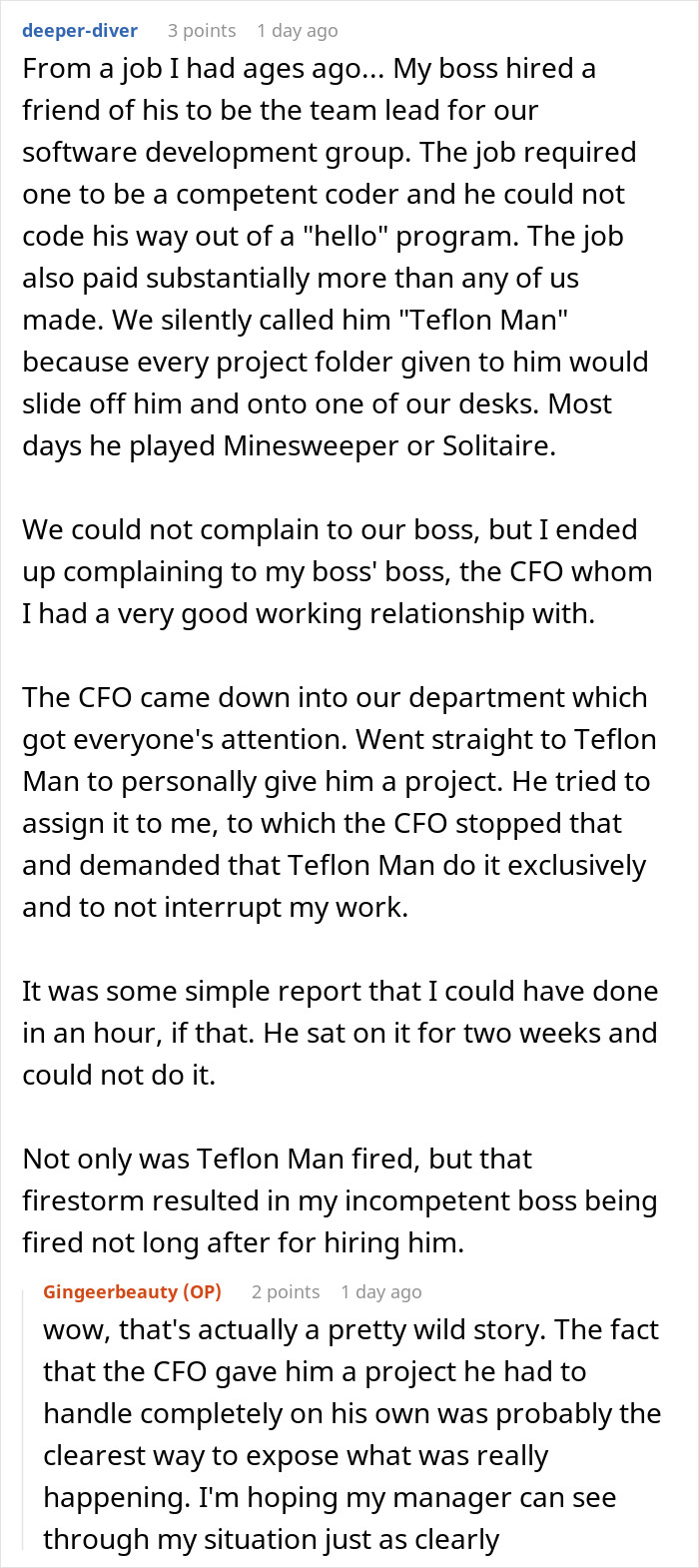
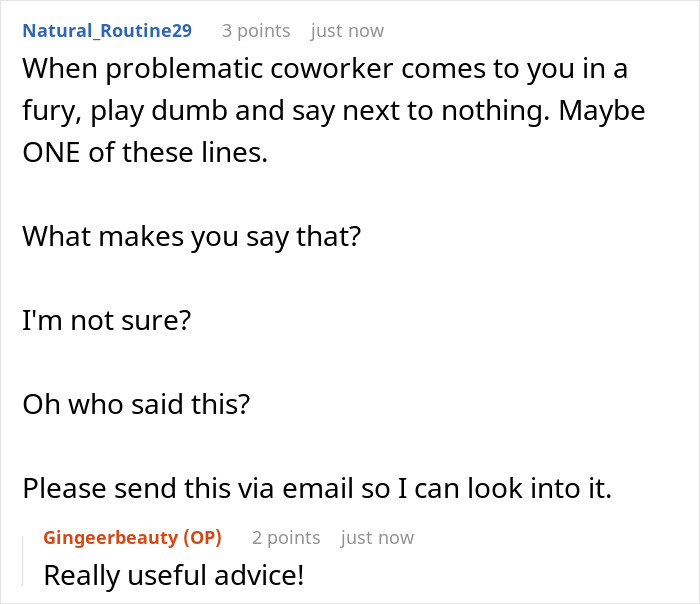
People in the comments offered support and some more advice
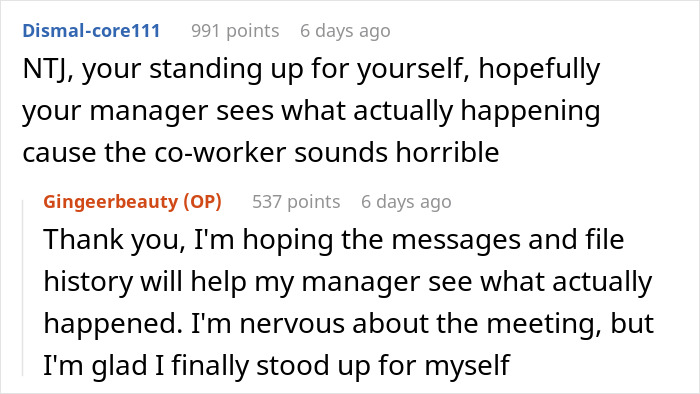
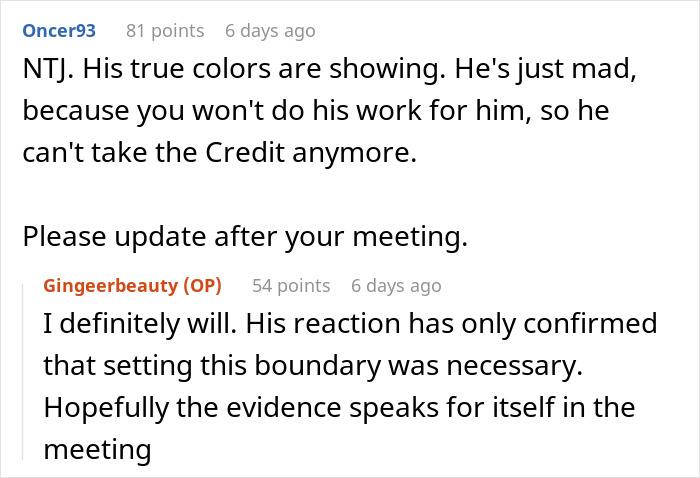
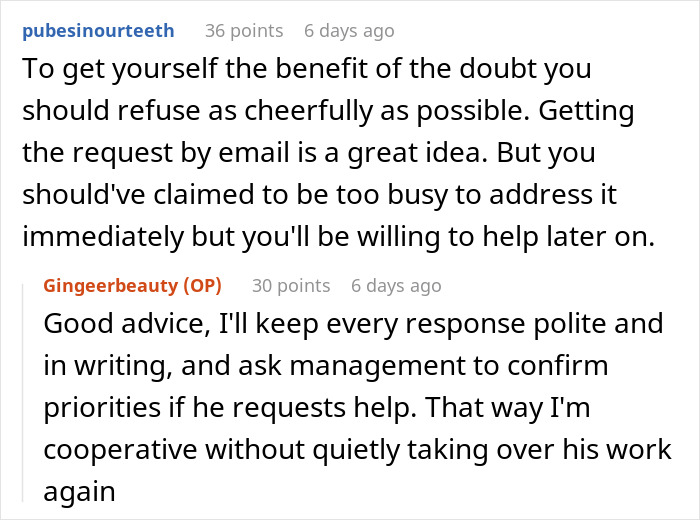

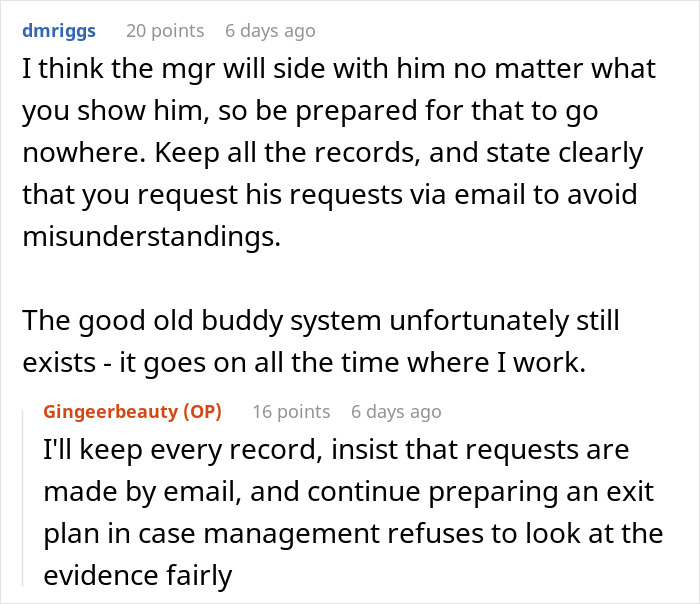
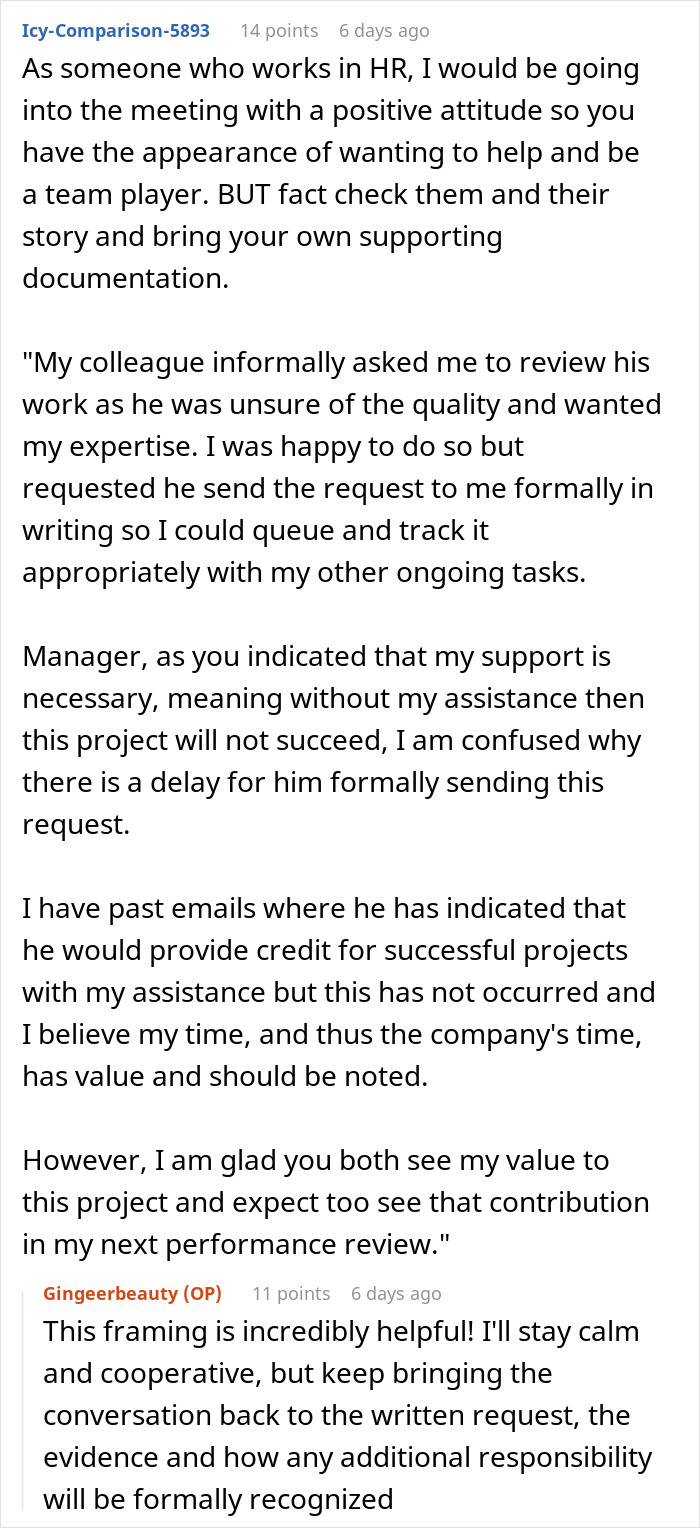
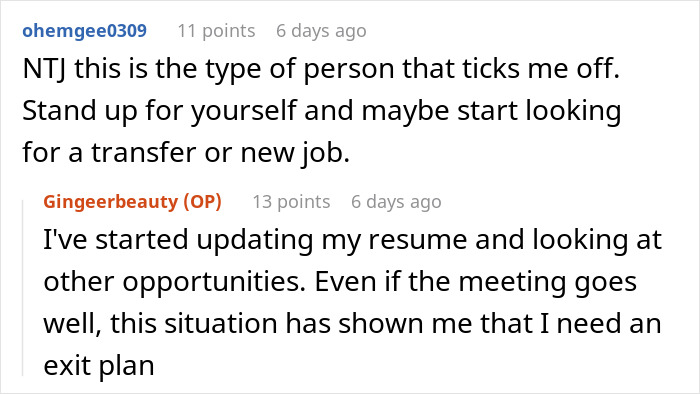
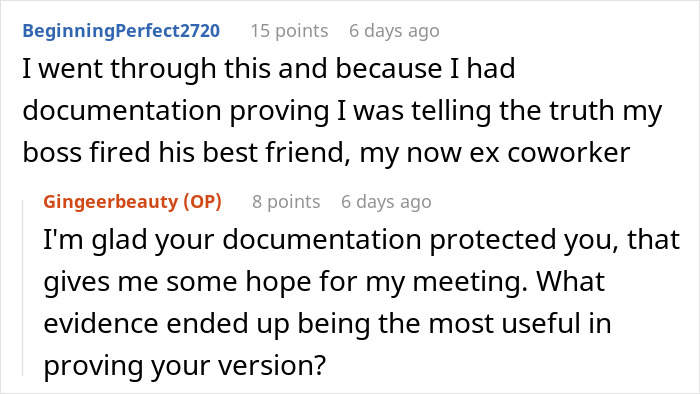
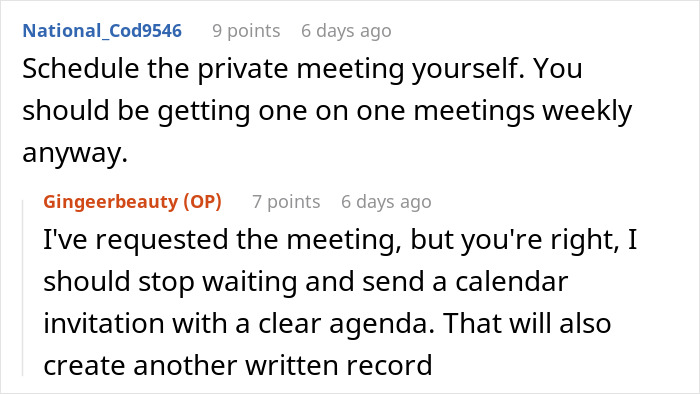
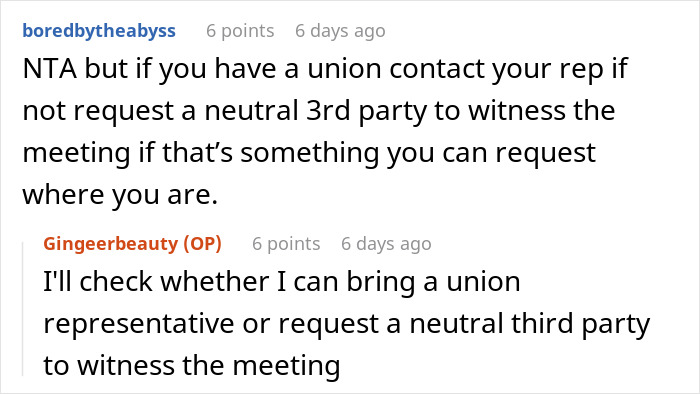
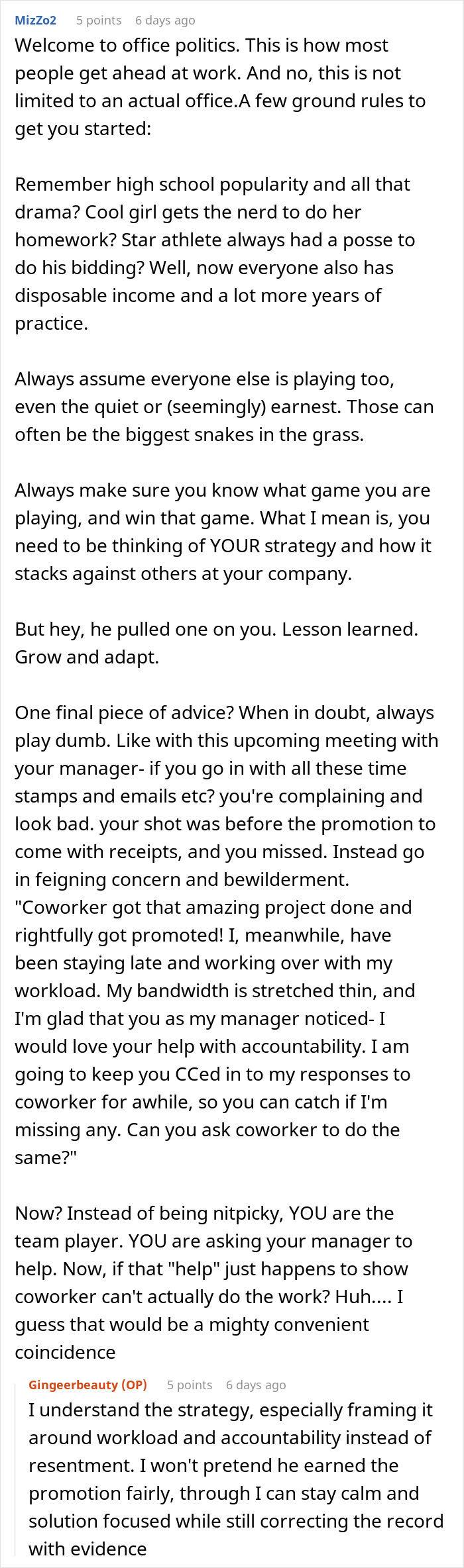
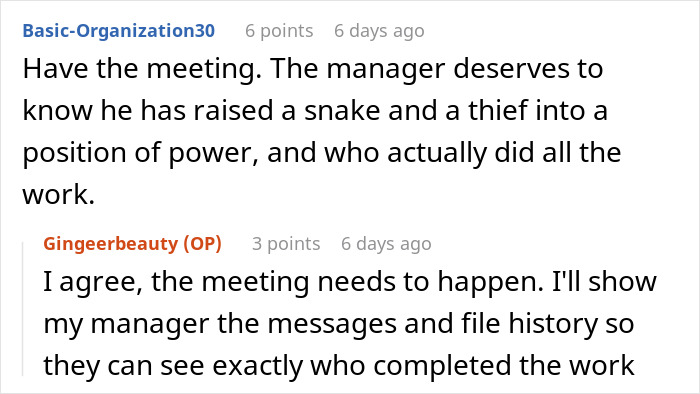
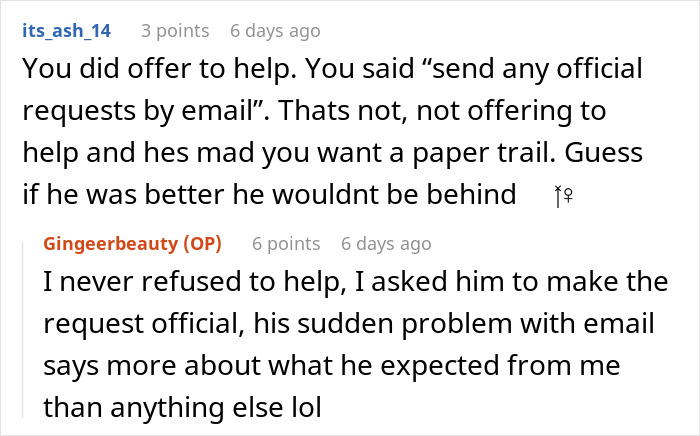
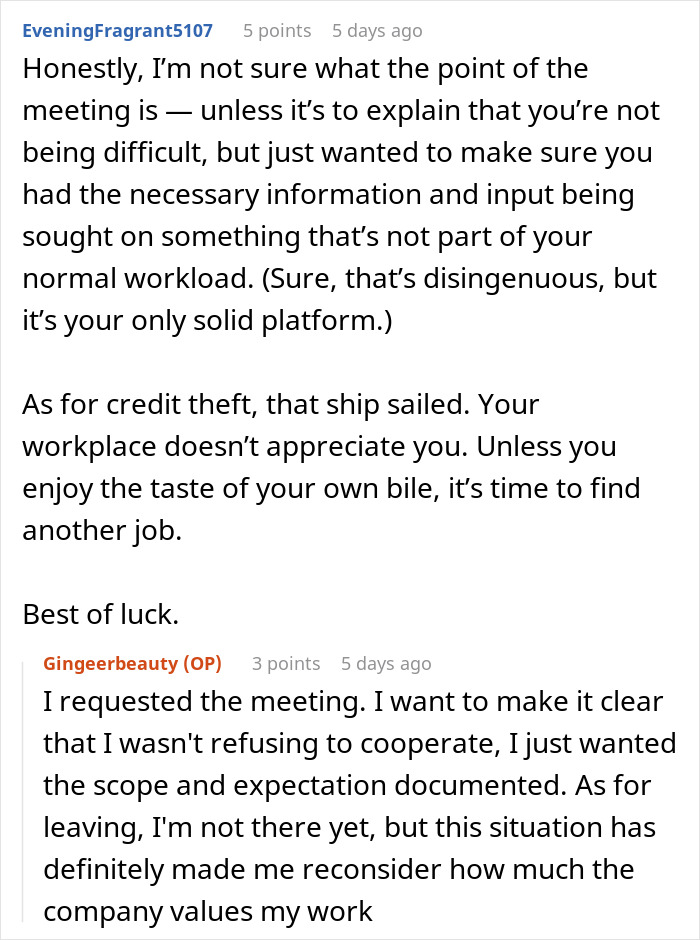

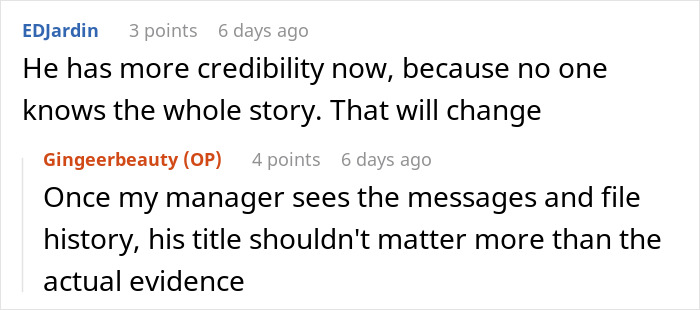
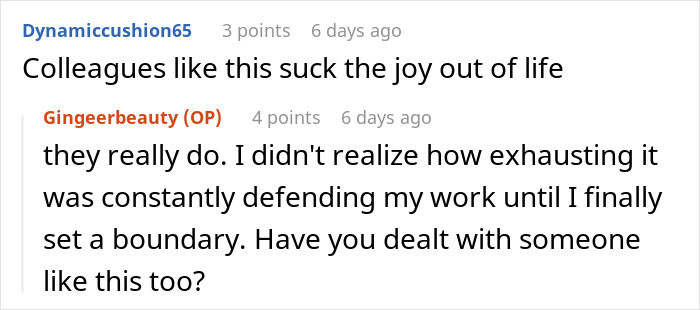
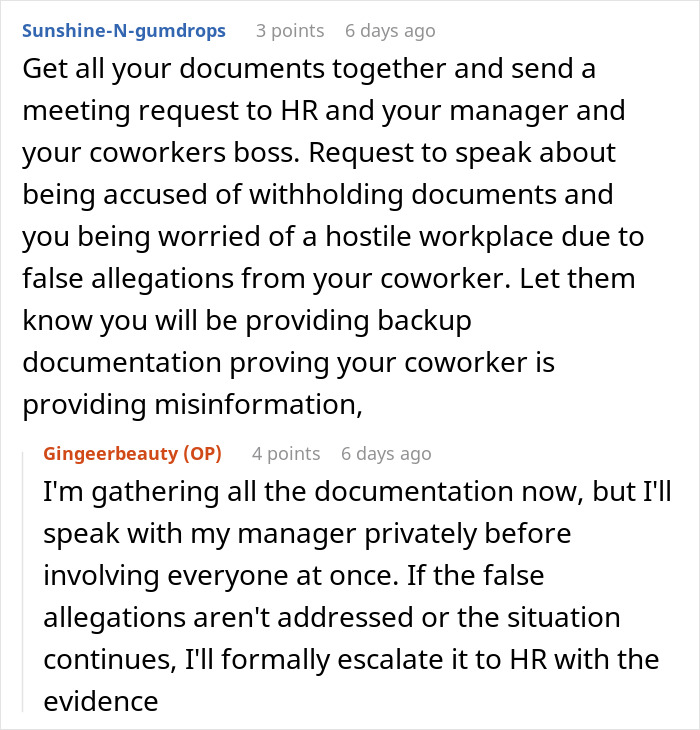
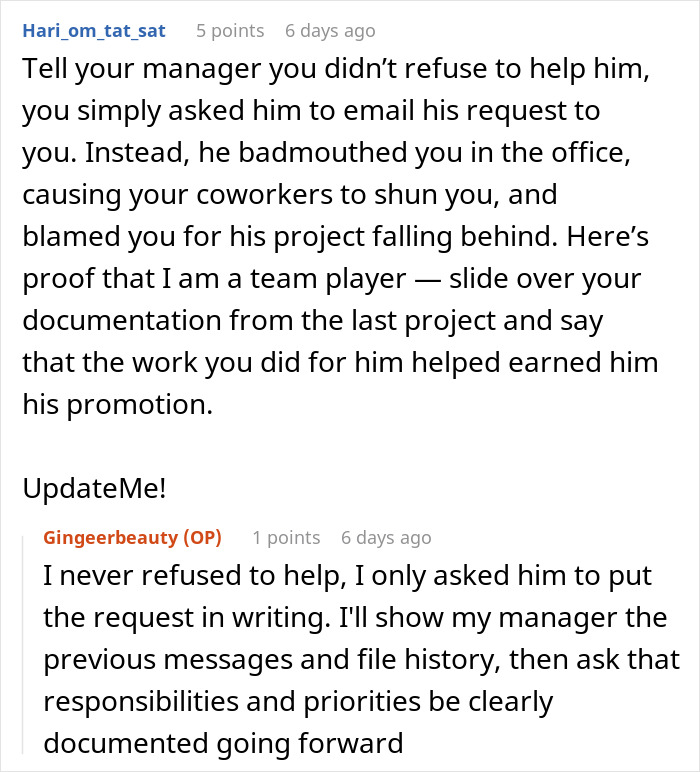
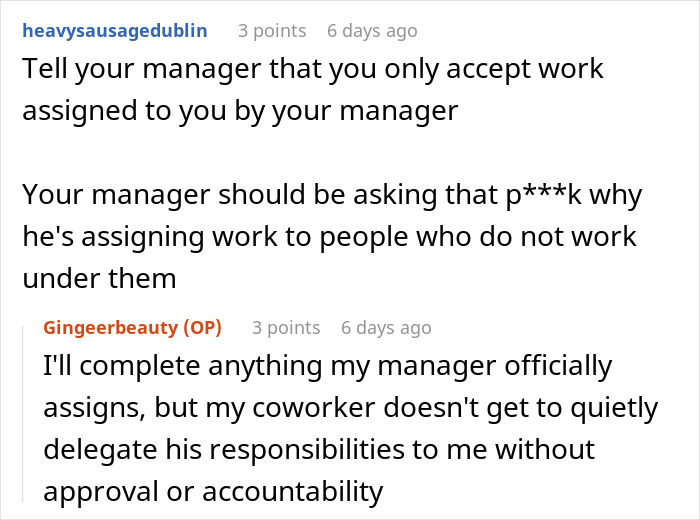
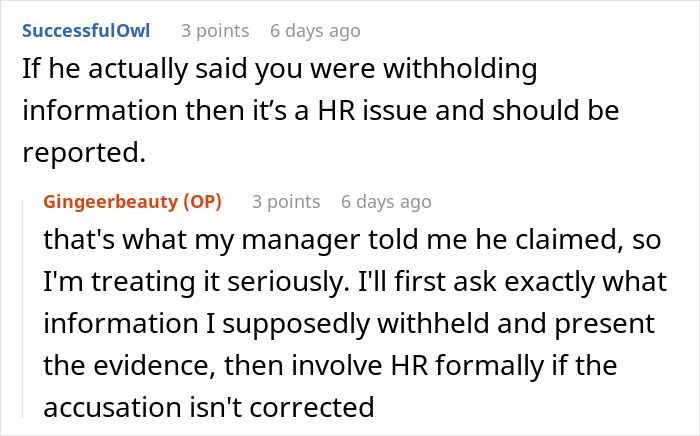
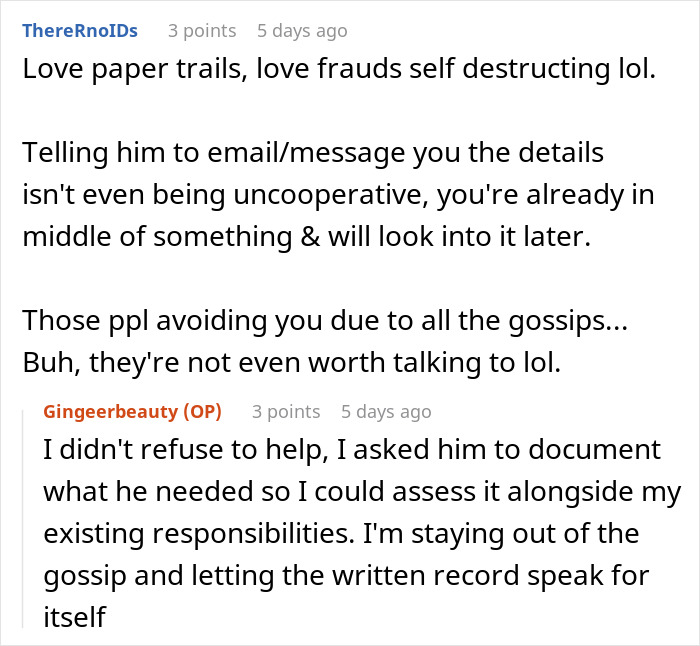
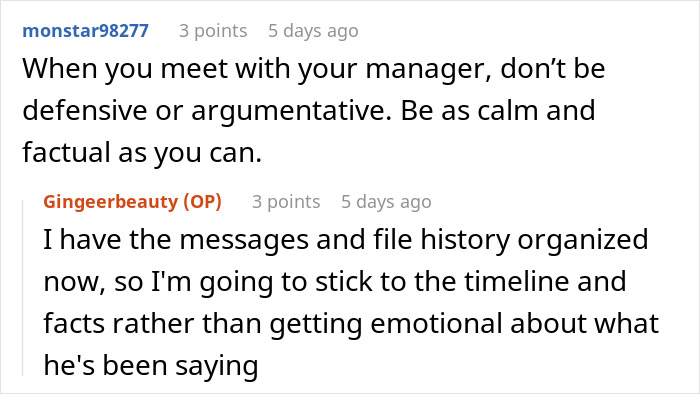
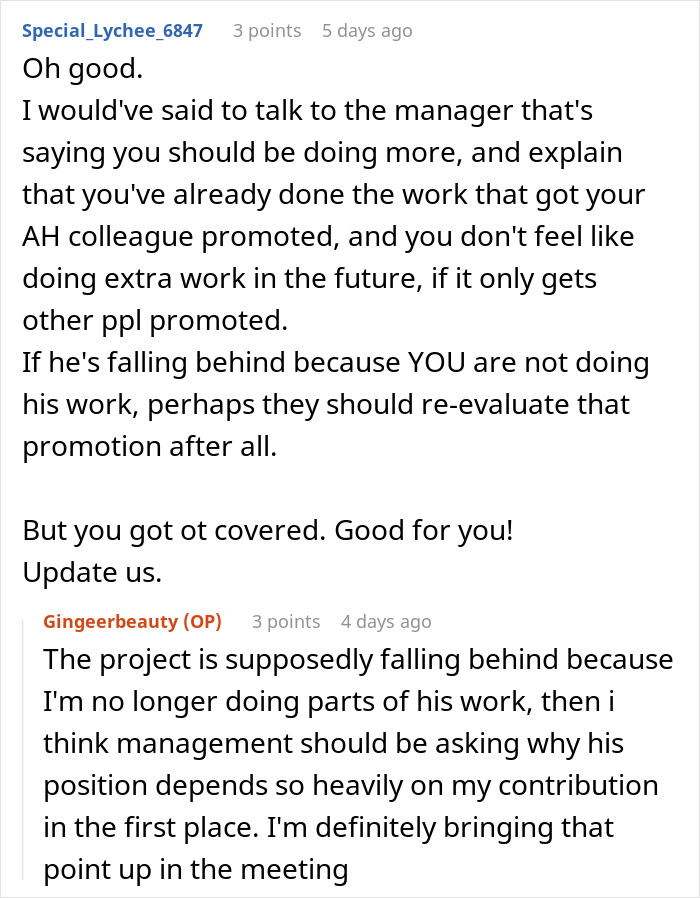
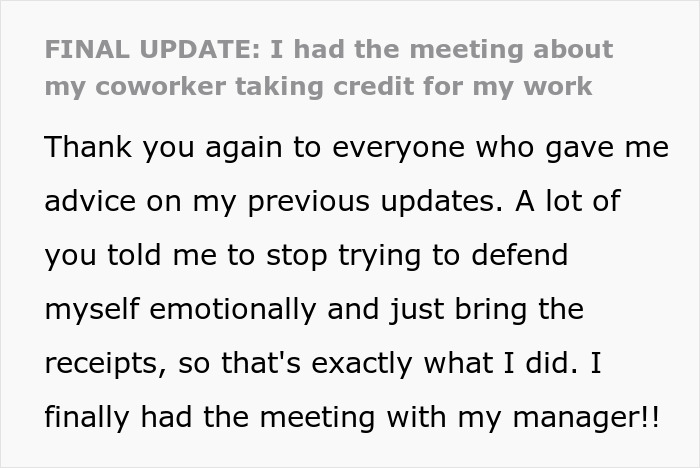
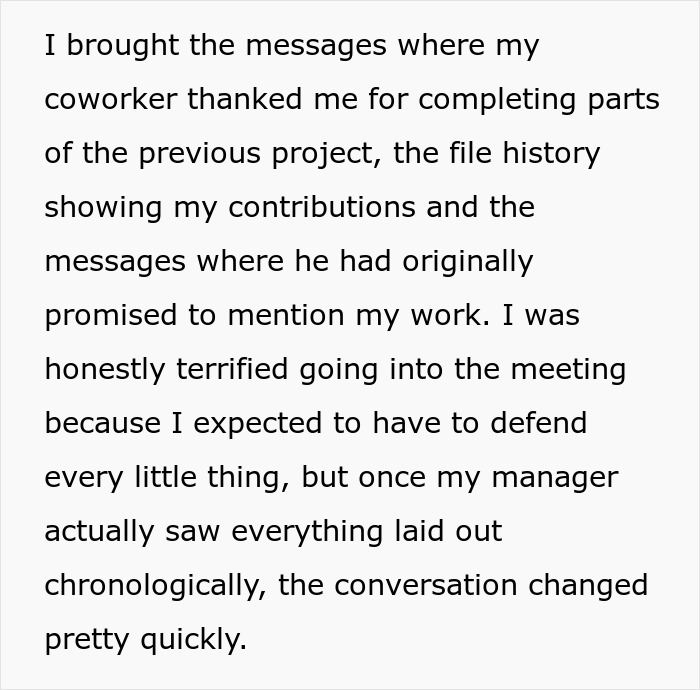
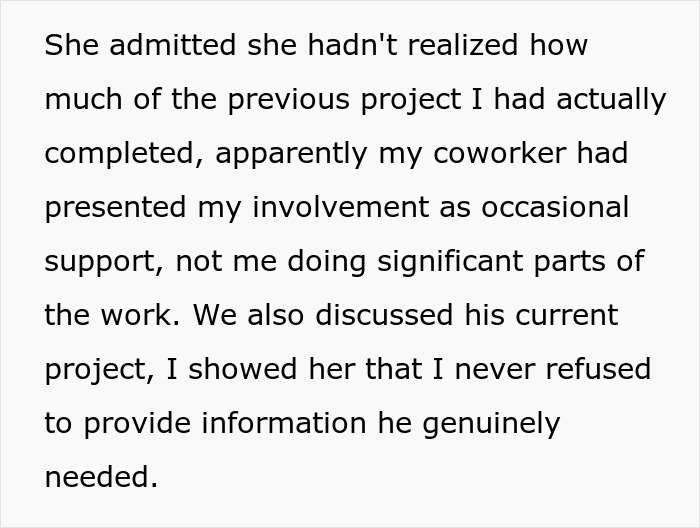
The woman finally had a meeting with her manager where she showed all the receipts

katemangostar/Magnific (not the actual photo)
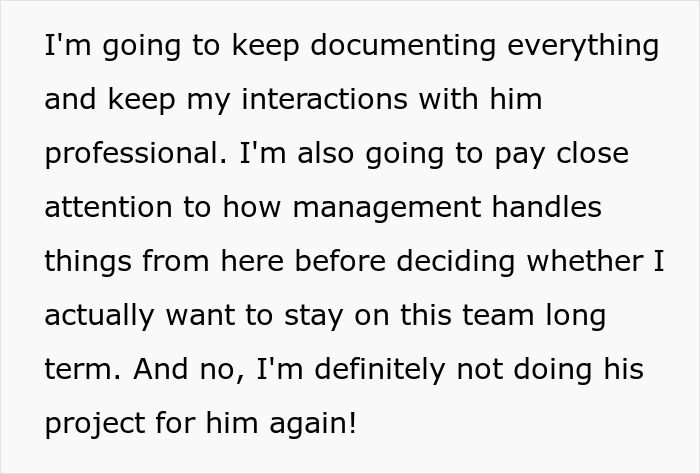
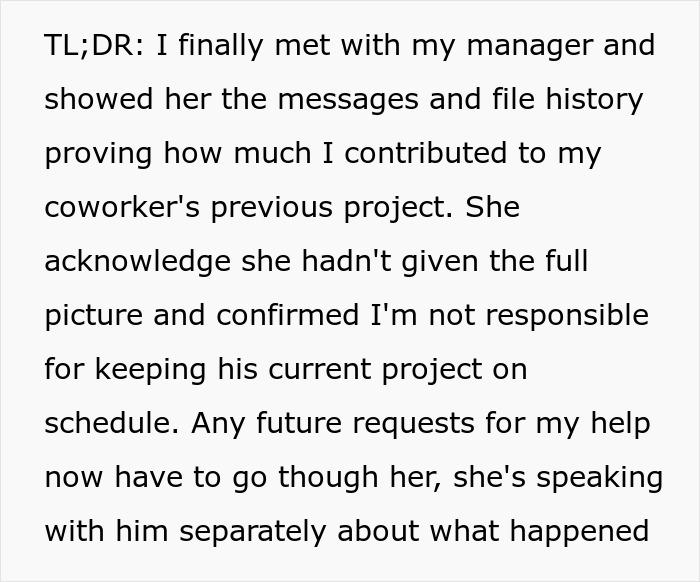
She jumped into the comments section to provide more context and clear up a few doubts





 Follow Us