In 2025, Florida reported 33 cases of infection and five fatalities linked to a scary “flesh-eating” bacteria that is primarily found in warm, coastal region waters.
One of the survivors was Genevieve Gallagher, 50, of Pensacola, Florida, who nearly lost her life to the infection after a boating trip with her family.
The mother of three recently revisited her experience, sharing a dire warning to fellow residents as the bacteria, scientifically known as Vibrio, continued to claim multiple lives in Florida and other states.
“This is the most traumatic thing that has ever happened, not only to me, but also to my family,” Genevieve had previously said.
A Florida mom nearly lost her life to Vibrio after a cut got infected on a boating trip
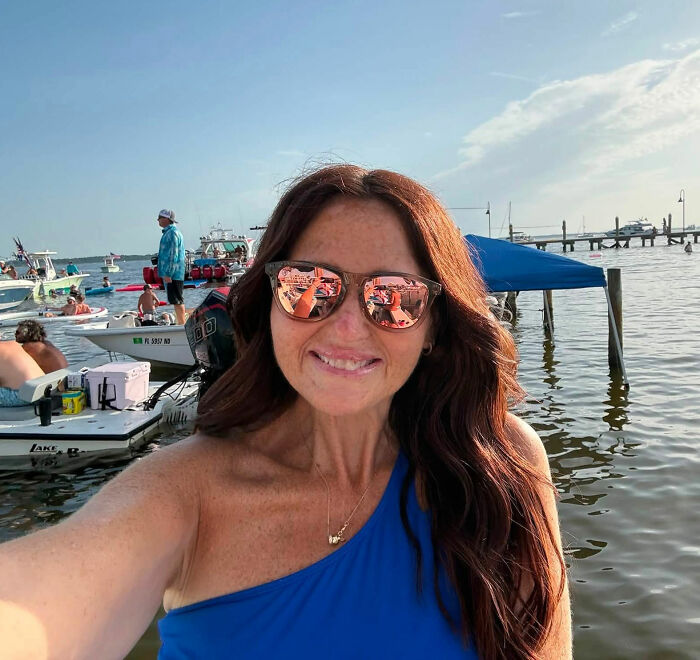
On July 27, 2025, Genevieve and her husband, Dana, took their 7-year-old daughter, Mila, boating in Pensacola Bay, something they had done before.
At the time, she had a small cut on her left leg, but had placed a waterproof bandage over it and rinsed it with fresh water afterward. Everything was fine for a couple of days, but on the third, “all hell broke loose,” she told ABC News at the time.

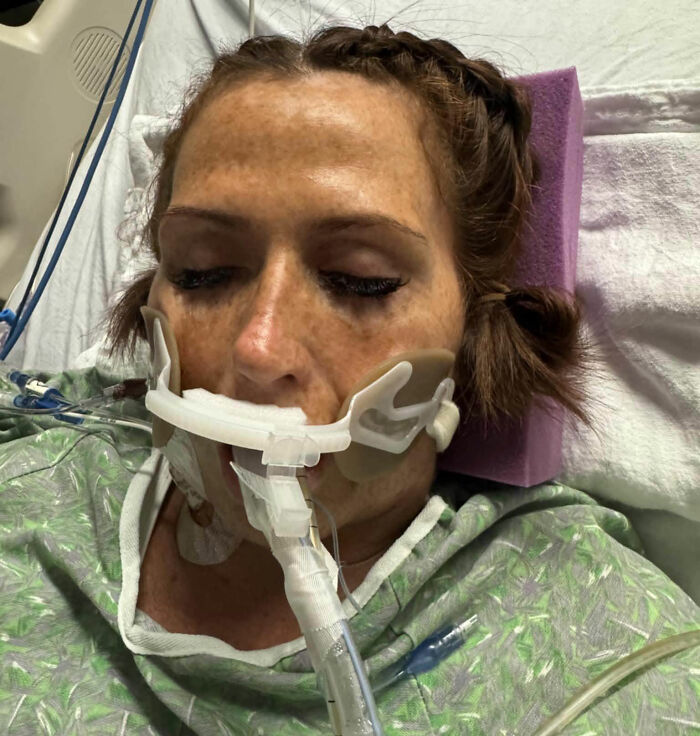
Genevieve was at work as a coordinator of physician practice at a hospital when she noticed her left leg felt hot and was swelling.
“I ran to the bathroom, and I had an ankle bracelet on. The ankle bracelet was actually embedded in my leg, like I couldn’t even see it,” she recounted.
She used a pair of doctor’s shears to break open the anklet and realized that her leg had turned black, with “bubbles of liquid” starting to form all over.
She immediately went to the emergency room, where she was diagnosed with a Vibrio bacterial infection, or vibriosis, in the small cut on her leg.
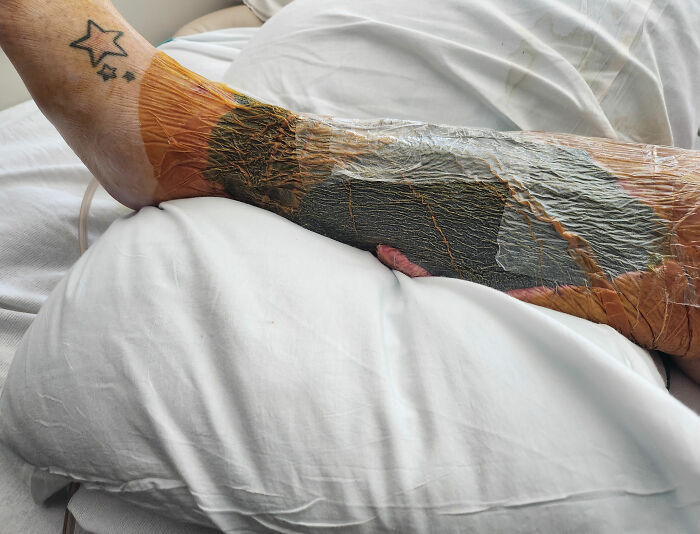
Vibrio can be contracted through an open wound in salty or brackish water, especially during the warmer months of May-October, or by consuming contaminated seafood.
There are three variants of the bacteria, and certain vibriosis infections lead to necrotizing fasciitis: a severe infection in which the flesh around an open wound perishes, earning it the moniker of “flesh-eating bacteria.”
Genevieve Gallagher spoke from experience about what absolutely not to do on a beach visit
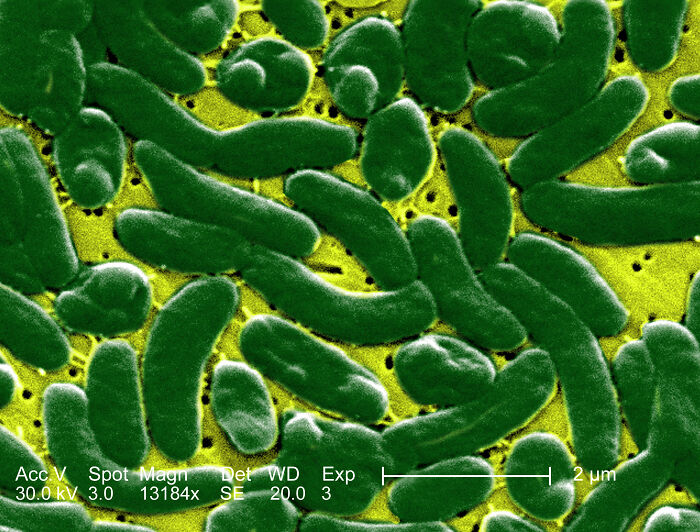
Speaking with Fox 35 in August 2026, Genevieve shared the harrowing details of her time at the hospital.
“I was taken back for immediate surgery, where my body began to shut down. Every organ in my body began to fail,” she said.
“I went septic. I was intubated for six days and almost lost my life.”


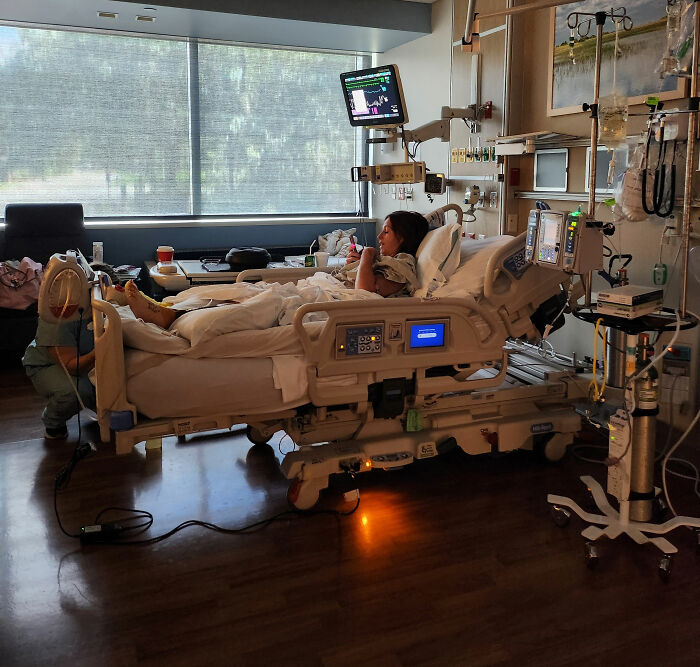
Kaboompics/Pexels (not the actual photo)
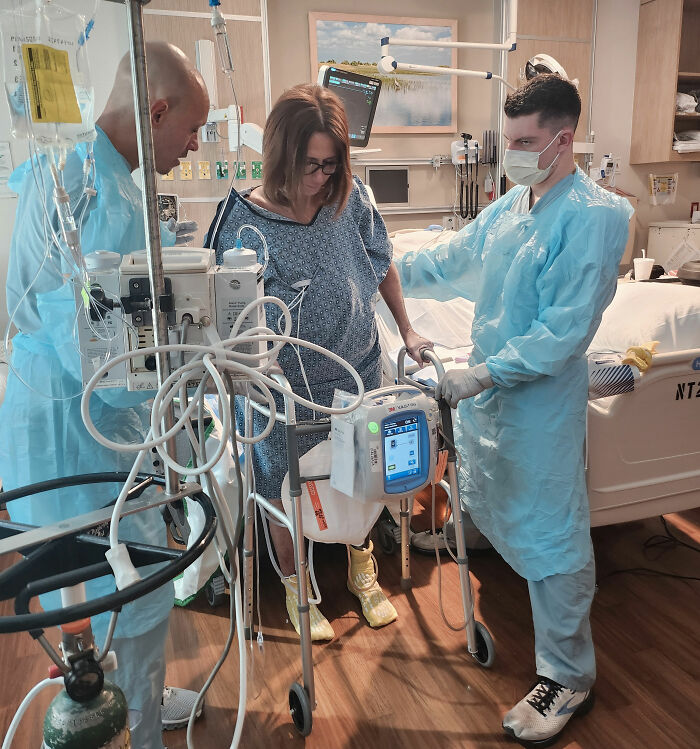
Genevieve had previously told ABC News that at this point, she was transferred to a second hospital for more advanced surgery and treatment.
The sight she saw upon opening her eyes was horrifying: “I woke up, and a lot of my leg was missing at the bottom.”
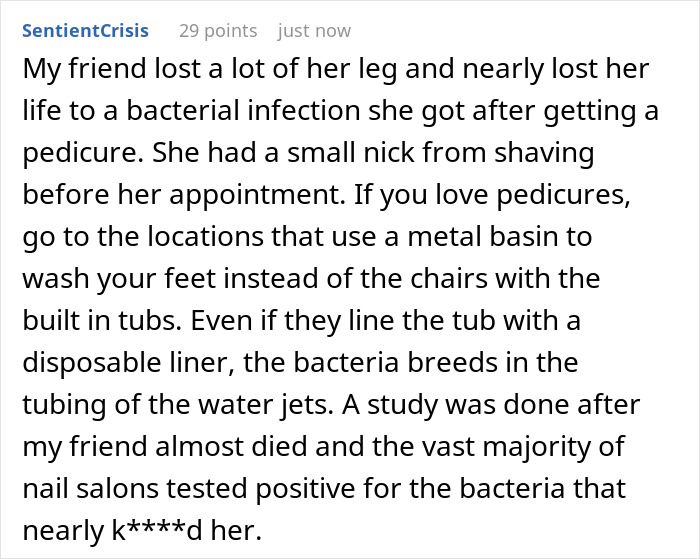
“If you have any open cuts at all, mosquito bites that you have scratched, do not shave the night before you get into the water,” Genevieve warned the viewers on Fox 35.

“Just anything. It’s so serious, and you can get it. You can get it. So do not take that chance [with] your life.”
Despite the excruciating ordeal, Genevieve said she wasn’t going to give up on going to the beach. Instead, she hoped her story could help prevent others from going through the same thing.
Vibriosis has taken at least 8 lives and infected over 30 in the Gulf Coast states
Genevieve Gallagher’s warning comes as an elderly resident of Marion County, Florida, lost their life to the same infection in August 2026.
It reportedly marked the eighth demise from vibriosis this year in the United States.
Florida Department of Health has reported 17 cases of Vibrio infection and three fatalities as of today’s date (August 26) in 2026.

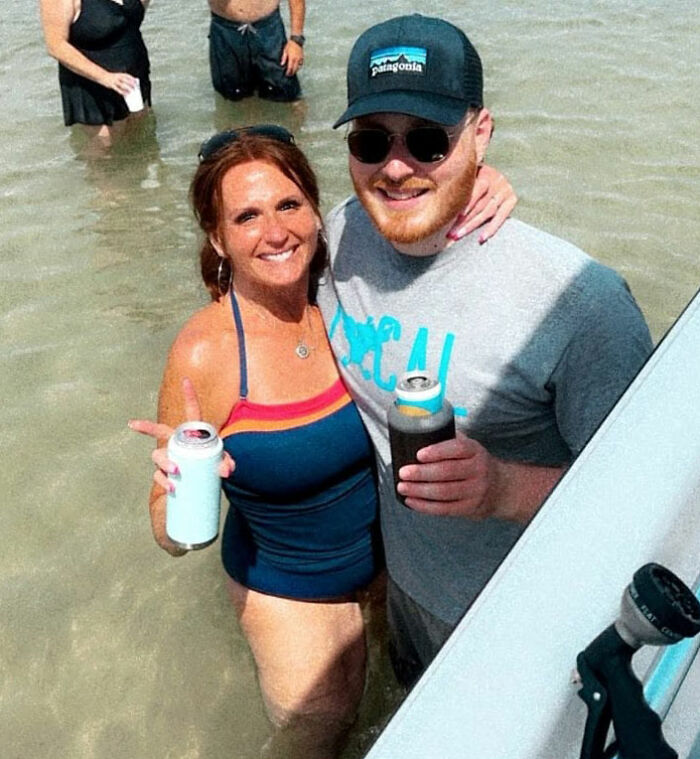
The other five fatalities occurred in Louisiana. In total, nearly 30 cases have reportedly been confirmed across the Gulf Coast states.
According to the Centers for Disease Control and Prevention, about 80,000 cases of vibriosis happen each year in the United States, 52,000 of which stem from ingestion of contaminated food.
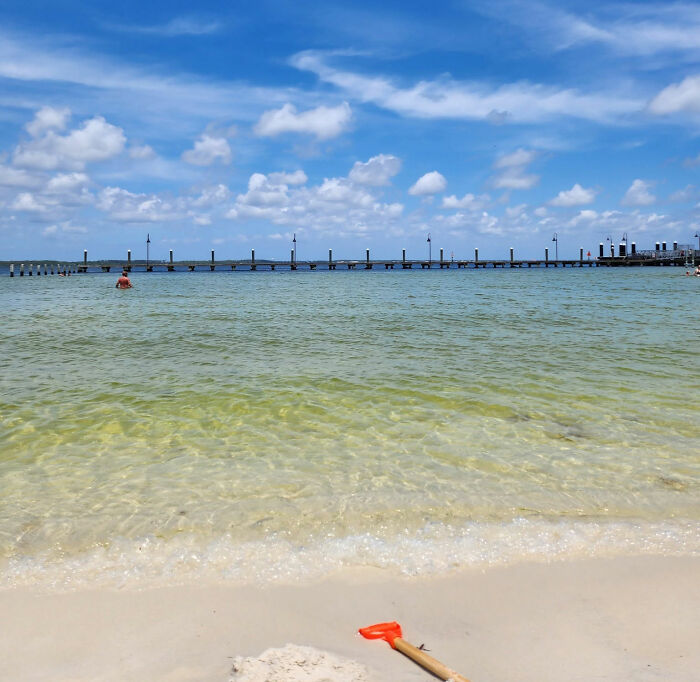
Sofia Sukharnikova/Pexels (not the actual photo)
“Signs of a bloodstream vibriosis infection include fever, chills, dangerously low blood pressure, and blistering skin lesions,” the Louisiana Department of Health says.
Individuals who are immunocompromised, for example, with chronic liver disease, kidney disease, or a weakened immune system, should wear proper foot protection to prevent cuts and injury caused by rocks and shells on the beach,” the Florida Department of Health advises.
Antar Jutla, a professor at the University of Florida, told Fox 35 that technology will soon be able to use NASA satellite sensing systems to track and predict the movement of these pathogens across seasons and U.S. coastal waters so visitors can safely avoid risky areas.
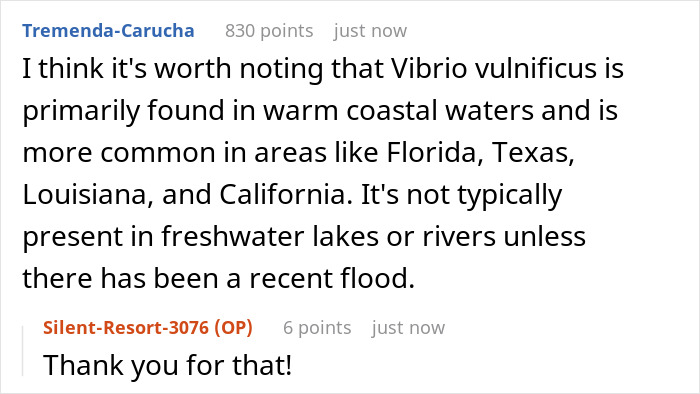
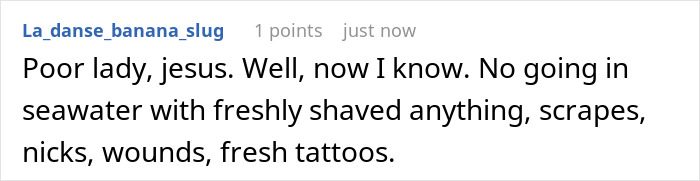
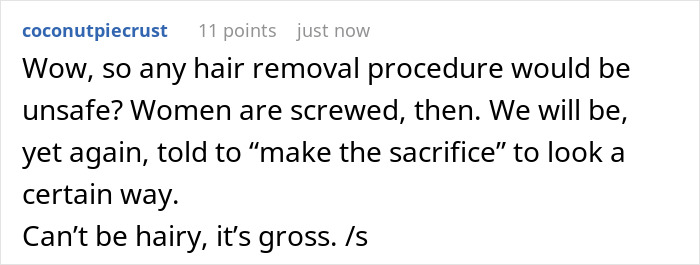
“This is why I don’t shave.” Netizens were alarmed to learn about Genevieve Gallagher’s horrifying vibriosis ordeal





 Follow Us