Between broken ceasefires, toxic manosphere takes, and a world obsessed with dividing us by how we look or where we’re born, finding the bright side feels a bit difficult right now.
But trust us, the light hasn’t completely gone out. This online page with over 255k followers is doing an incredible job by serving up the ultimate digital safe space. It’s packed with heartwarming updates from around the world guaranteed to instantly cure your doomscrolling.
We’ve rounded up their absolute best posts so you can skip the internet sludge and go straight to the good vibes. Because, all of us truly deserve a break.
#1

Image source: wholesomemeettheinternet

#2
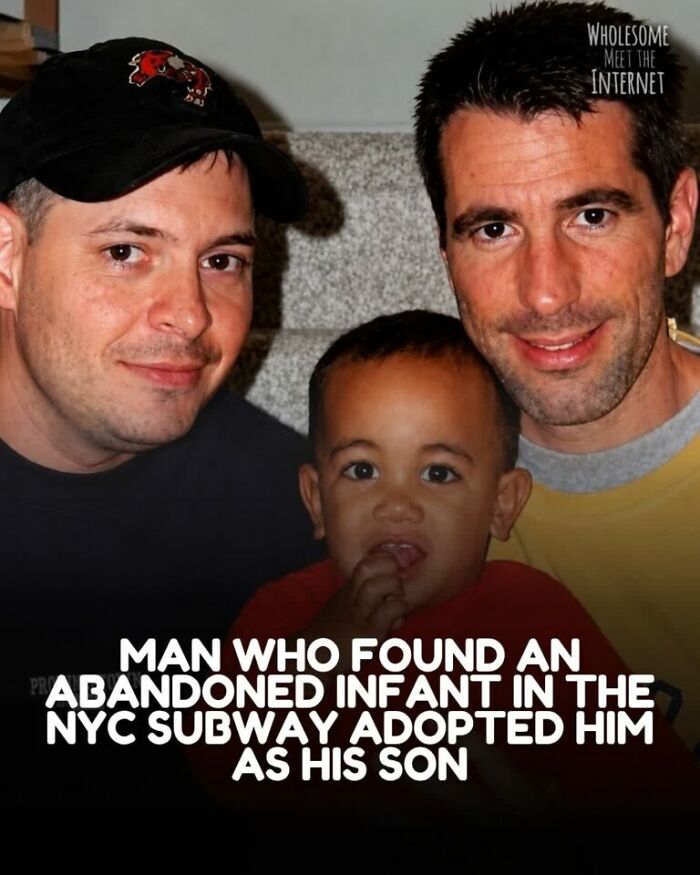
Image source: wholesomemeettheinternet
Constant exposure to brutal news cycles literally damages the body’s stress response, and there’s ample evidence which proves this.
Humans are naturally wired to focus on threats. Thousands of years ago, being hyper-aware of danger kept our ancestors from getting eaten by bears and saber-toothed tigers. Today, this same survival instinct is what hooks us onto doomscrolling and alarming headlines.
In her research, Dr. Roxane Cohen Silver at the University of California, Irvine, discovered that consuming hours of graphic media coverage causes worse long-term psychological distress and physical ailments than actually experiencing the trauma.
“I’m not encouraging people to put their heads in the sand. I’m not encouraging any kind of censorship. What I am strongly encouraging is that people monitor the amount of media to which they’re exposed… to not get so caught up in this doomscrolling that one loses sense of time, caught up in tragedy after tragedy after tragedy,” Dr. Silver says.
#3

Image source: wholesomemeettheinternet
#4

Image source: wholesomemeettheinternet
#5

Image source: wholesomemeettheinternet
Research shows that when we spot a threat, even if it’s just on our screens, our amygdala goes into panic mode. It floods our system with cortisol and adrenaline, throwing us into fight-or-flight mode.
When the threat’s gone, the body returns to its baseline. But constant and repeated exposure keeps this system switched on — you may know this as doomscrolling. And the problem with the internet is that it never stops.
“It’s almost like a cycle one can’t break from,” Dr. Silver notes.
This constant red alert impacts our nervous system and gives a major boost to our anxiety.
#6
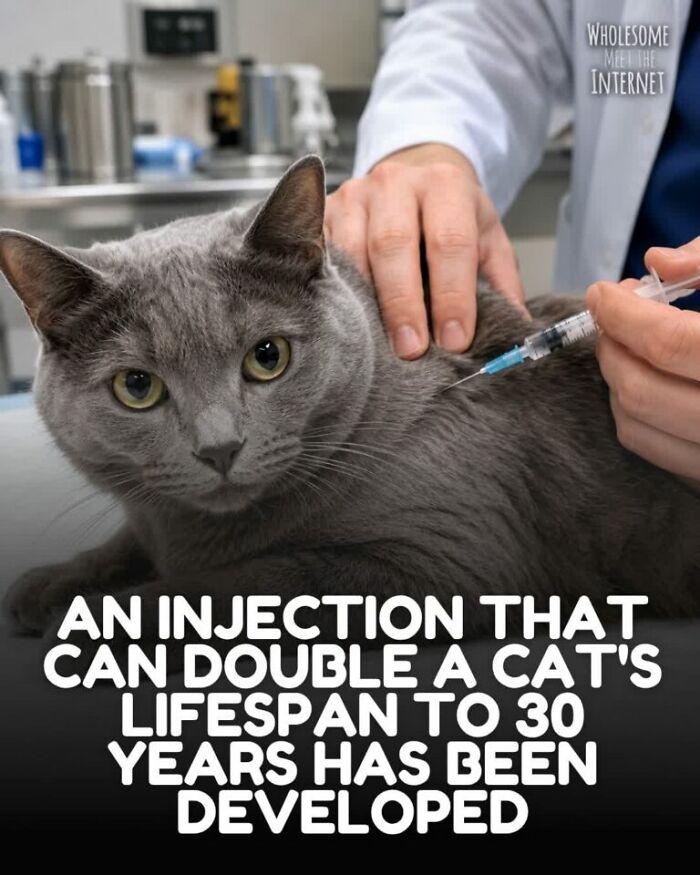
Image source: wholesomemeettheinternet
#7

Image source: wholesomemeettheinternet
#8
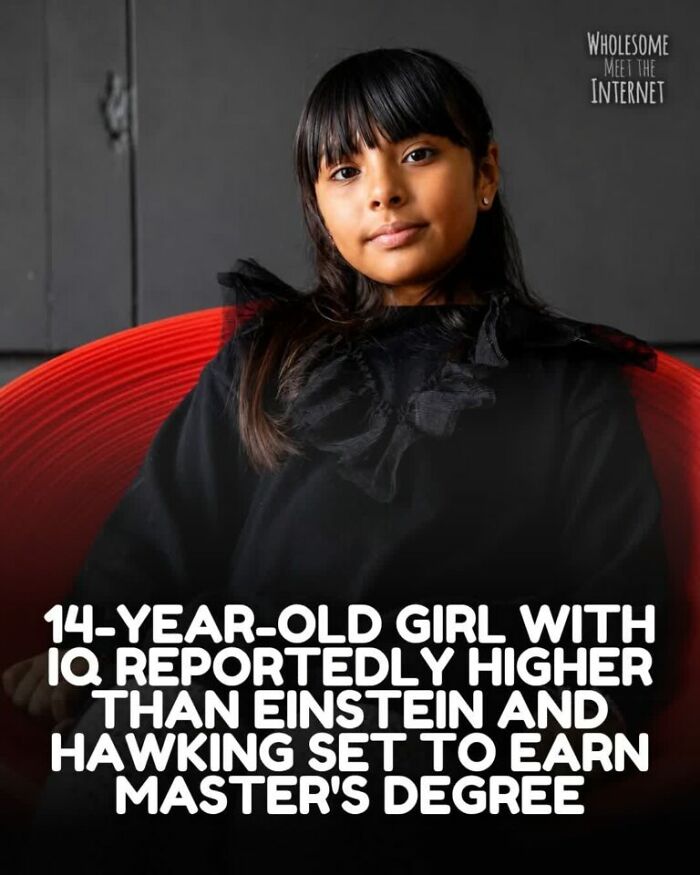
Image source: wholesomemeettheinternet
There is a fine line between staying informed and falling into a harmful doomscrolling spiral. It comes down to your intention, emotional state, and who is actually in control.
Experts believe that staying informed means checking the news with a specific purpose. You read the morning headlines or look for updates on a particular topic for a set amount of time, and then move on with your day. This approach leaves you feeling knowledgeable but not overwhelmed.
“Doomscrolling is characterized by a compulsive, almost mindless consumption of news, often without a real goal. It can happen when we scroll endlessly through feeds even after we’ve absorbed the key updates. A hallmark of doomscrolling is that it leaves you feeling more anxious, sad or angry,” says Susan Tapert, Ph.D., a professor in the Department of Psychiatry at UC San Diego School of Medicine.
#9

Image source: wholesomemeettheinternet
#10

Image source: wholesomemeettheinternet
#11
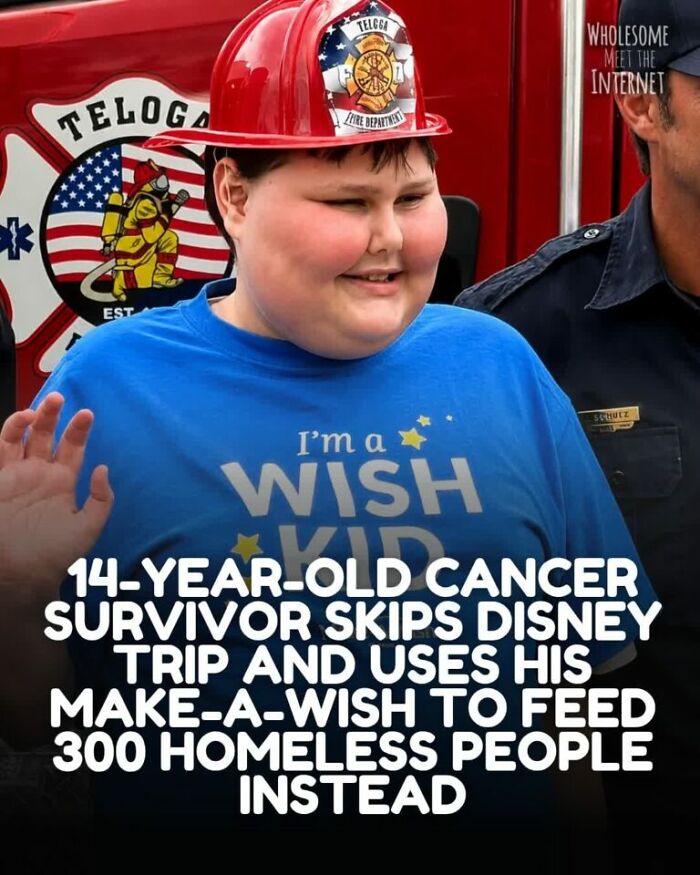
Image source: wholesomemeettheinternet
A 2023 study published in Nature Human Behavior shows that our brains are deeply biased toward negativity. The researchers found that for every single negative word added to a headline, the click-through rate jumped by 2.3%.
In contrast, words with positive emotions decreased the click rates. People also tend to share more content if it makes them angry.
So basically, since you’re already reading this article, you have not only outsmarted the algorithm but have also gone against your evolutionary instincts.
#12
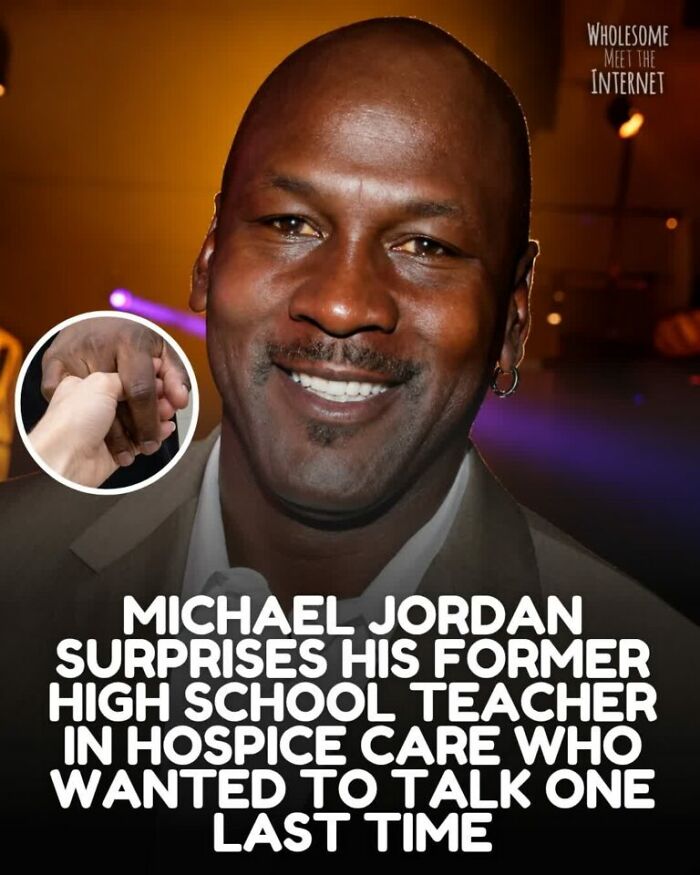
Image source: wholesomemeettheinternet
#13
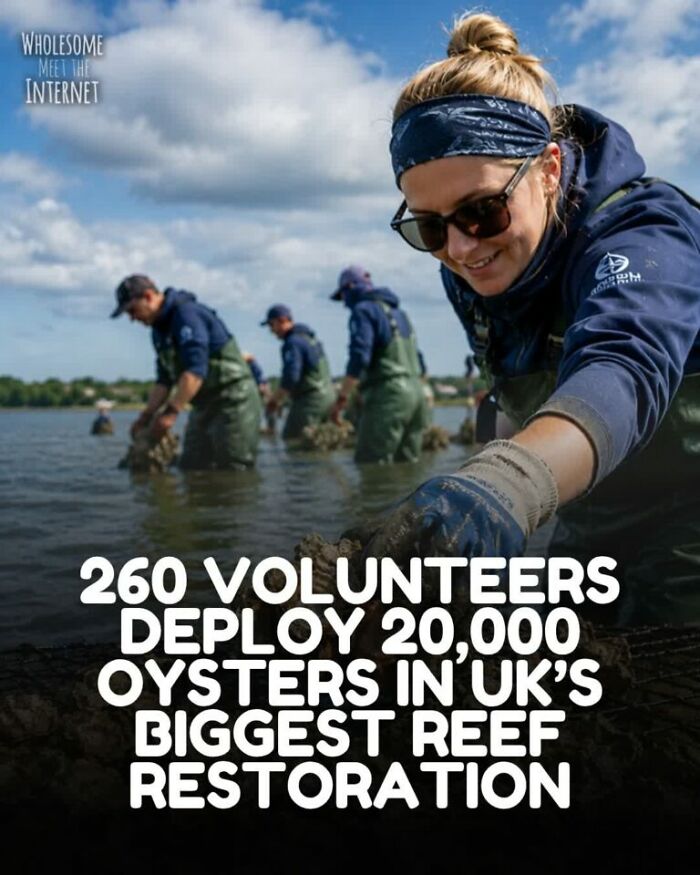
Image source: wholesomemeettheinternet
#14

Image source: wholesomemeettheinternet
It is safe to assume this listicle gave you some much-needed good vibes. But spending just a few minutes looking at these wholesome posts might actually make you a better person in real life.
And no, we aren’t just telling you this so you stay on our website longer. Science actually backs it up.
Media packed with positive images and kind messages triggers a psychological state called elevation. It’s the warm, uplifting feeling you get when you see someone do something genuinely good, like showing deep gratitude, generosity, or loyalty.
Research by Mary Beth Oliver of Penn State University found that these feelings of elevation were associated with greater motivation to become a better person and do good things for others.
#15

Image source: wholesomemeettheinternet
#16
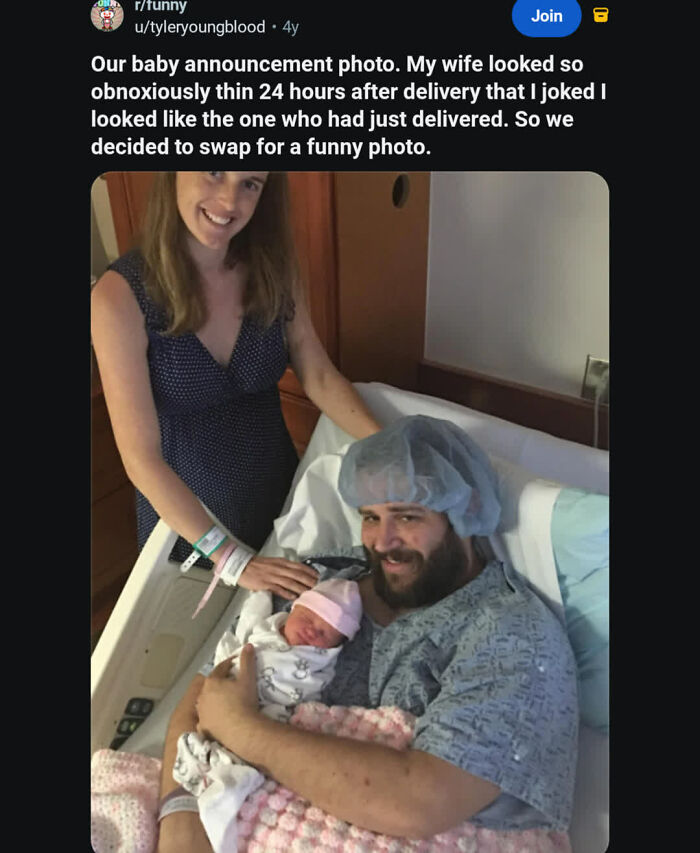
Image source: wholesomemeettheinternet
#17

Image source: wholesomemeettheinternet
A study at the University of British Columbia found that reading about uncommon goodness completely changes how we view society.
The more elevation people felt, the more they viewed the world as a safe space full of generosity and kindness.
It acts as an antidote to “mean-world syndrome” — a phenomenon where heavy news consumption tricks us into thinking the world is purely dangerous and hostile.
#18

Image source: wholesomemeettheinternet
#19

Image source: wholesomemeettheinternet
#20

Image source: wholesomemeettheinternet
There is a massive health benefit to making this pivot towards wholesome content.
Studies show that focusing on humanity’s positive potential can literally improve both mental and physical health.
“Of course, making these positive changes stick is not something that happens overnight. Nor is it enough to see portrayals of moral beauty, kindness, and generosity only every once in a while,” writes Sophie H. Janicke, Ph.D., a positive media psychologist working as an associate professor at Chapman University.
“For positive media to have strong, lasting effects on us individually or collectively, I believe we need to consume it consistently, over time, just as eating right only once a week does not make us healthier.”
#21

Image source: wholesomemeettheinternet
#22
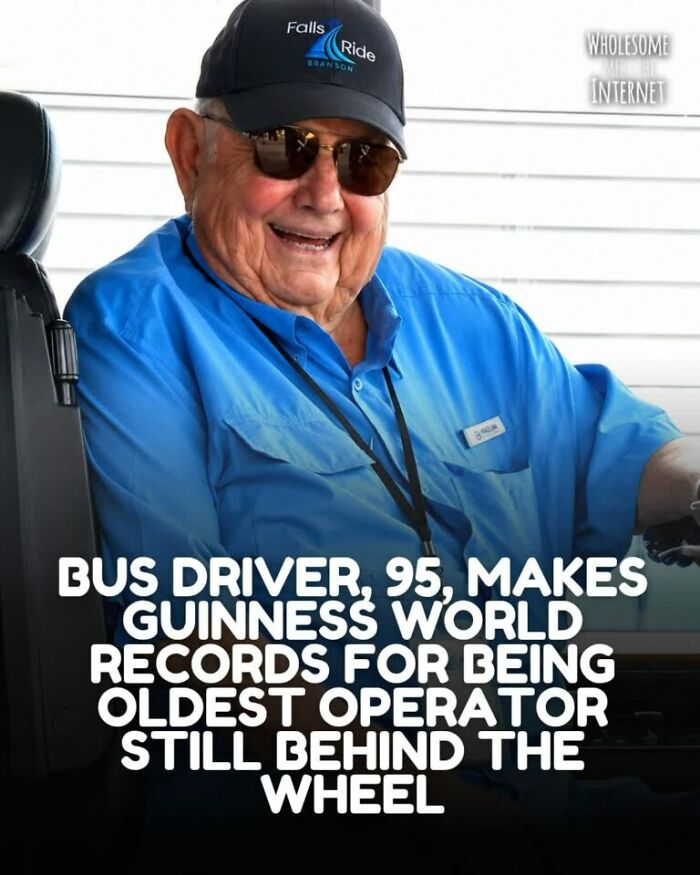
Image source: wholesomemeettheinternet
If we want a better world, we have to start by acknowledging that one is already being built right under our noses.
The internet can have you believing that society is entirely fractured. But our communities are actually run on quiet and unnoticed cooperation, and every small, positive story can make a huge impact.
But don’t just stop at reading about it. Go out and add to it. Buy a stranger a coffee, check on a neighbor, or simply choose patience the next time you’re stuck in a line.
#23

Image source: wholesomemeettheinternet
#24
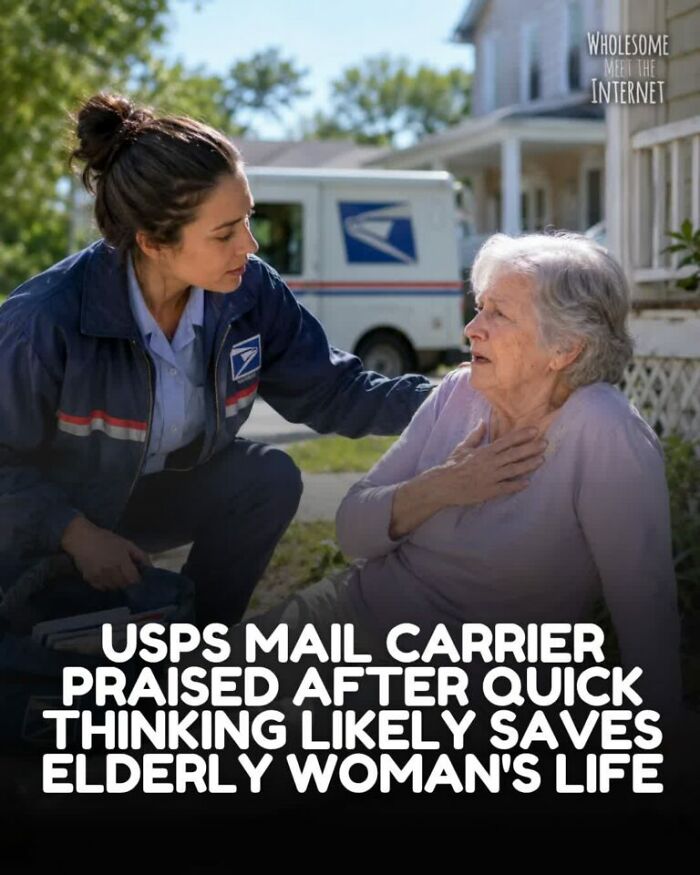
Image source: wholesomemeettheinternet
#25

Image source: wholesomemeettheinternet
#26

Image source: wholesomemeettheinternet
#27

Image source: wholesomemeettheinternet
#28

Image source: wholesomemeettheinternet
#29

Image source: wholesomemeettheinternet
#30

Image source: wholesomemeettheinternet
#31

Image source: wholesomemeettheinternet
#32

Image source: wholesomemeettheinternet
#33
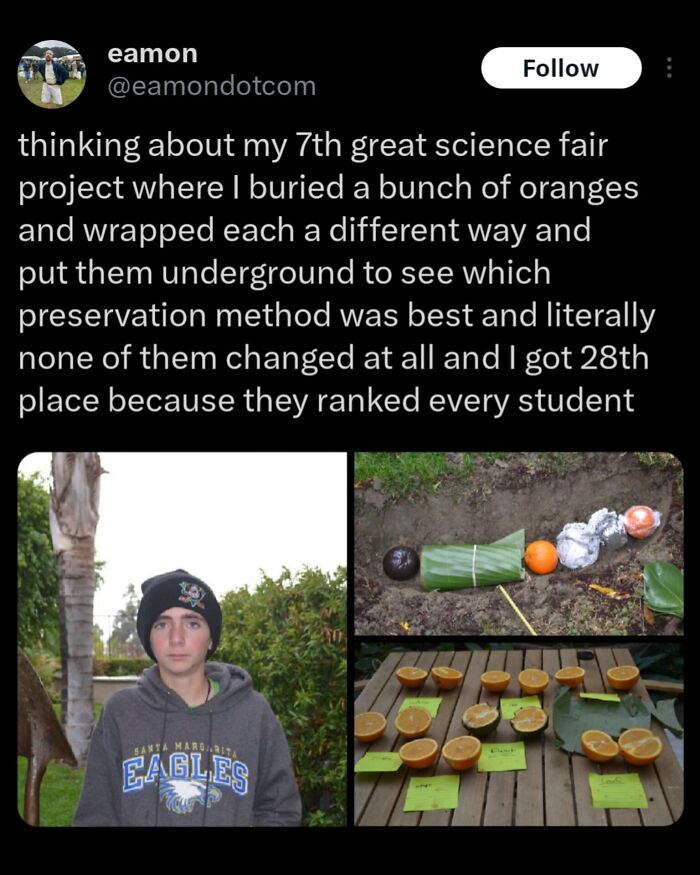
Image source: wholesomemeettheinternet
#34
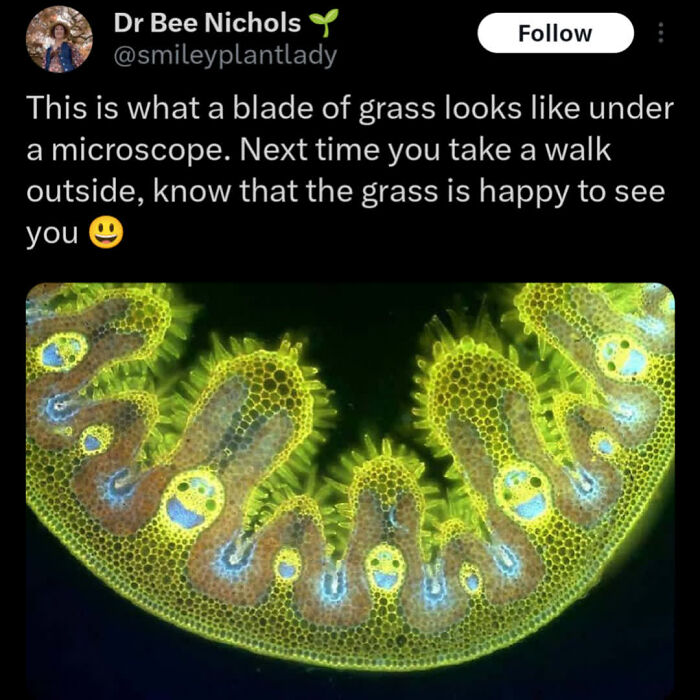
Image source: wholesomemeettheinternet
#35

Image source: wholesomemeettheinternet
#36
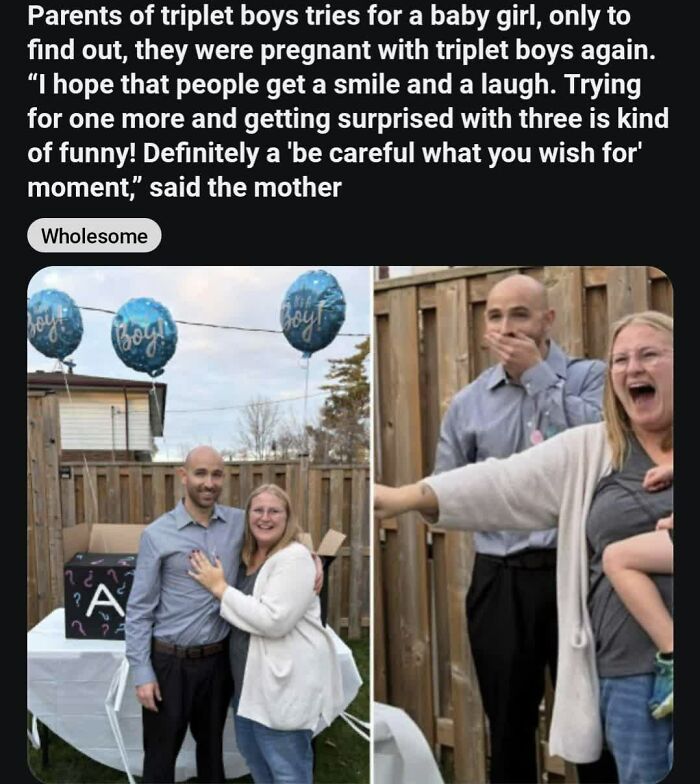
Image source: wholesomemeettheinternet
#37

Image source: wholesomemeettheinternet
#38

Image source: wholesomemeettheinternet
#39

Image source: wholesomemeettheinternet
#40

Image source: wholesomemeettheinternet
#41

Image source: wholesomemeettheinternet
#42
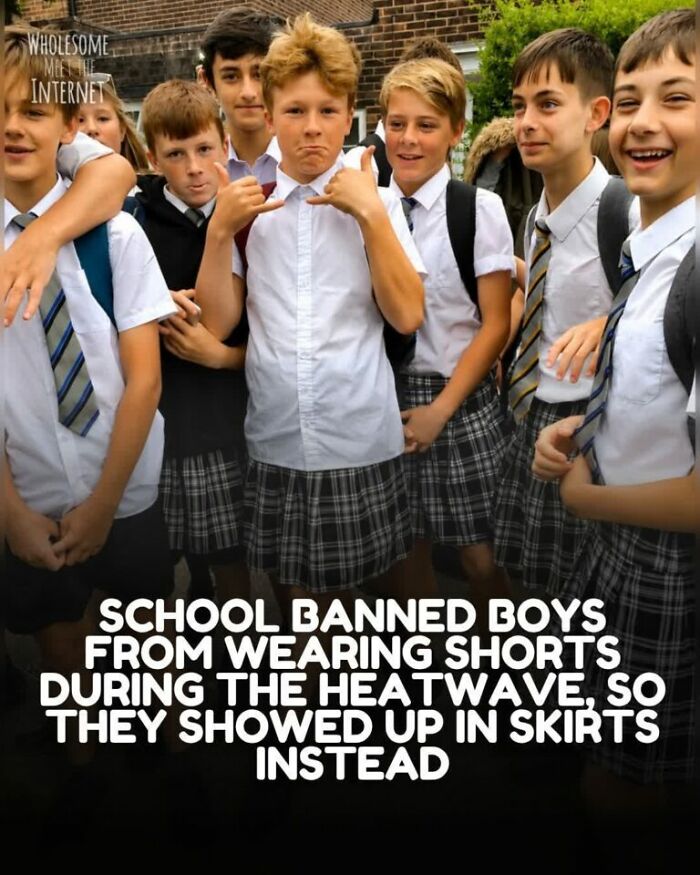
Image source: wholesomemeettheinternet
#43

Image source: wholesomemeettheinternet
#44
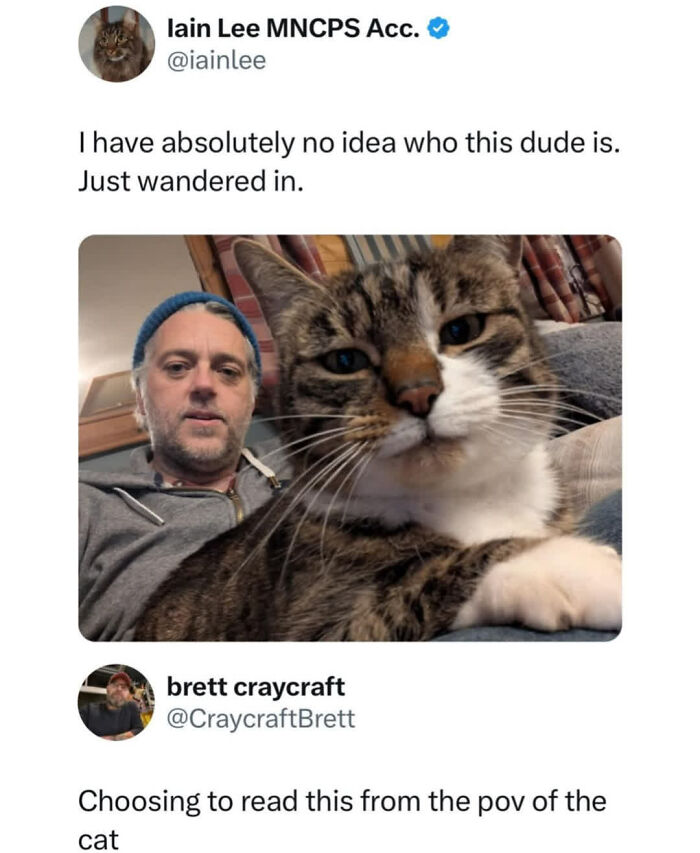
Image source: wholesomemeettheinternet
#45

Image source: wholesomemeettheinternet
#46

Image source: wholesomemeettheinternet
#47

Image source: wholesomemeettheinternet
#48

Image source: wholesomemeettheinternet
#49

Image source: wholesomemeettheinternet
#50

Image source: wholesomemeettheinternet
#51

Image source: wholesomemeettheinternet
#52

Image source: wholesomemeettheinternet
#53

Image source: wholesomemeettheinternet
#54

Image source: wholesomemeettheinternet
#55
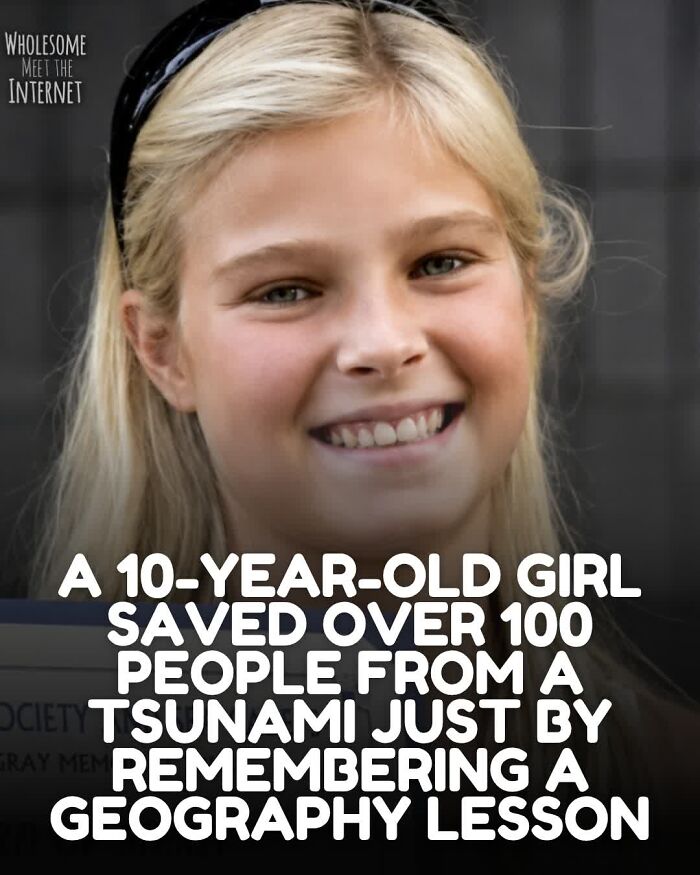
Image source: wholesomemeettheinternet
#56

Image source: wholesomemeettheinternet
#57

Image source: wholesomemeettheinternet
#58

Image source: wholesomemeettheinternet
#59

Image source: wholesomemeettheinternet
#60

Image source: wholesomemeettheinternet
#61

Image source: wholesomemeettheinternet
#62

Image source: wholesomemeettheinternet
#63

Image source: wholesomemeettheinternet
#64

Image source: wholesomemeettheinternet
#65

Image source: wholesomemeettheinternet
#66

Image source: wholesomemeettheinternet
#67

Image source: wholesomemeettheinternet
 Follow Us