It’s 1982, and the streets, railway stations, and footpaths of London are no longer safe for women walking alone.
John Duffy and David Mulcahy had known each other since school, where two isolated boys forged a friendship around resentment, secrecy, and cruelty. The outcasts learned to use the innocent at outlets for their anger, first against animals before moving onto bigger prey.
For more than four years, the pair hunted women across London and the southeast, using railway routes and gaps in public space to isolate their victims. At least 18 women were later linked to their attacks.
Detectives believe the true number of offenses was far higher.
They became known as the Railway R*pists.
Two outcasts forged a twisted friendship that led to at least 18 women being ambushed
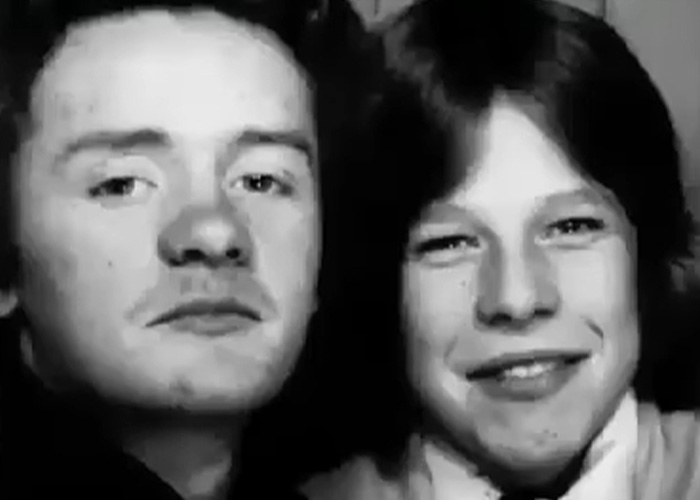
Image credits: True Crime UK/YouTube
The story began in north London in the early 1970s, inside the corridors of Haverstock Secondary School in Chalk Farm.
John Duffy was still a boy then, long before his name became tied to one of Britain’s most notorious crime sprees. He was introverted, withdrawn, and painfully easy for other students to single out.
Later accounts described him as a small teenager with acne who moved through school in a duffel coat with the hood pulled up, trying to disappear before the bigger boys noticed him.
Bruised and ostracized, he started hating himself and his life.

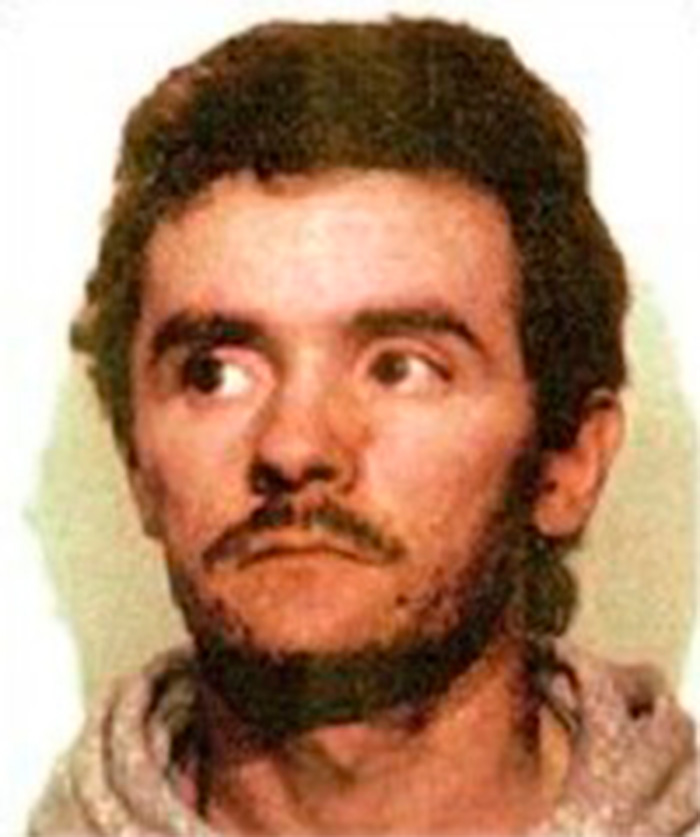
Image credits: M*rderpedia
Duffy’s anger first turned inward, then outward. Before women near Britain’s railway stations became his targets, there were innocent animals. The boy learned young that hurting creatures that could not fight back made his resentment go away, if only for a moment.
But he was still, at the end of the day, alone.
Then he met David Mulcahy.


Mulcahy gave Duffy something more dangerous than companionship. He gave him permission. Here was another boy who seemed to understand loneliness like he did; he also understood cruelty, secrecy, and the feeling of power that came with frightening others.
He became his only friend.
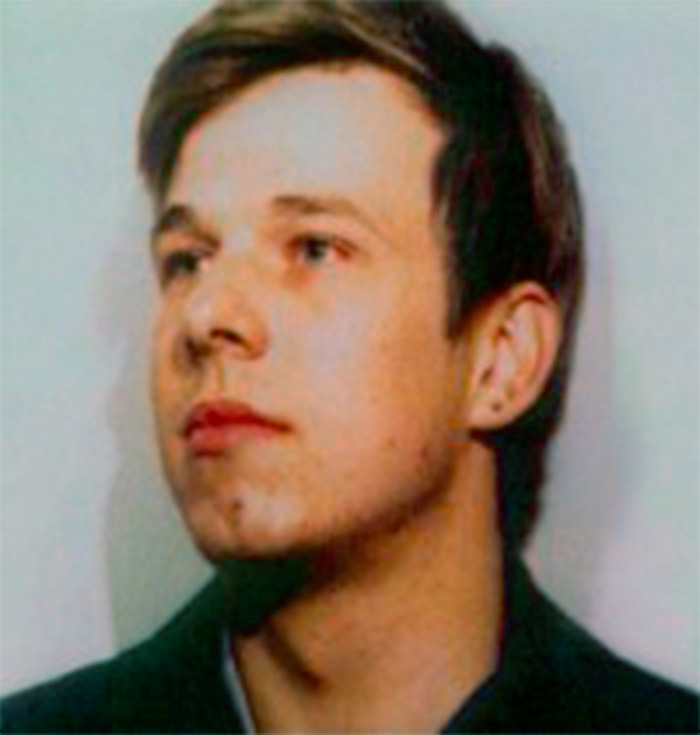
Image credits: M*rderpedia
Mulcahy was as violent as Duffy. Later accounts described how, as a young teenager, he found a hedgehog and used the animal like a cricket ball, battering it so brutally that it died.
Together, the two boys became worse than either might have been alone. Their friendship hardened around a shared belief that other living things existed for them to dominate.
It was only a matter of time before animals were no longer enough.
Duffy claimed his first victim when he was a teenager in school
Image credits: M*rderpedia
As a teenager, Duffy had taken an interest in one of the girls at school.
By then, he had already lost the ability to approach the world like a normal boy. When he became fixated on the girl, he did not know how to speak to her. He did not understand how to handle rejection or desire. So he reached for what had become familiar.
Violence.
Later accounts said Duffy chased and cornered the girl in the playground. The exact details of what happened remain blurred by time, but reports confirm he had taken advantage of his classmate.
In that playground, Duffy claimed his first known victim.

Duffy was expelled from school, but his bond with Mulcahy remained intact. They promised they would protect each other no matter what, and would never “grass” on one another. Years later, that promise would help keep one of them free while the other sat in prison.
As teenagers, Duffy and Mulcahy began frightening people on Hampstead Heath, jumping out at courting couples and strangers late at night for the pleasure of terrifying them. Duffy also developed an interest in the army and martial arts, including kidnapping techniques and methods for holding people hostage.
He shared those interests with Mulcahy.
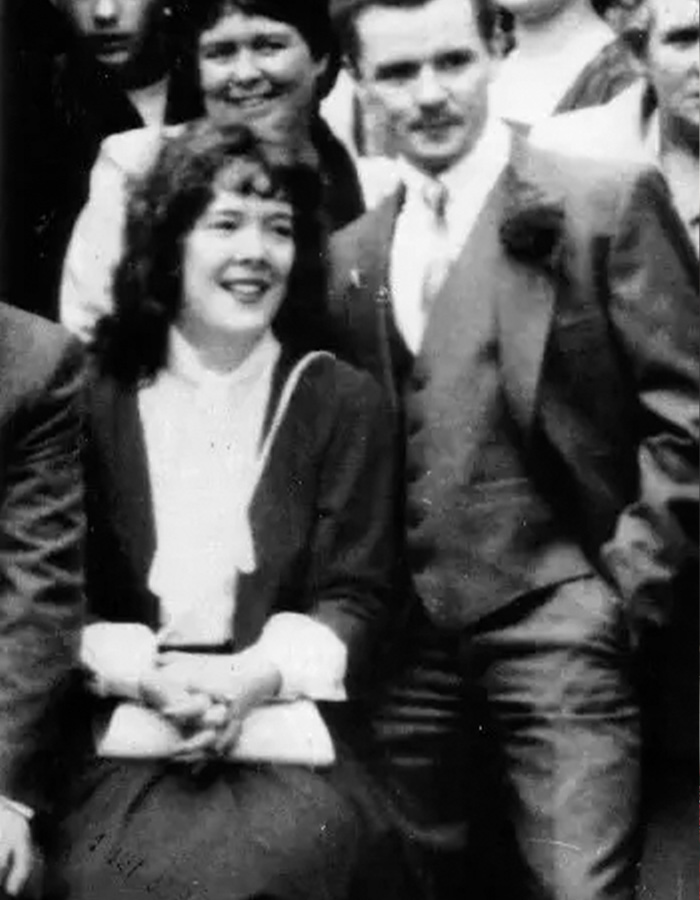
Image credits: M*rderpedia
By adulthood, against all odds, both men managed to build the appearance of ordinary lives. Duffy married Margaret Byrne in 1977, when he was about 19. A year later, Mulcahy married Sandra Carr, when he was still barely out of his teens. Mulcahy would go on to become a father of four, while Duffy had one child of his own.
Mulcahy trained as a plasterer. Duffy became a carpenter and worked for several employers, including British Rail.
From the outside, things seemed normal. The violent schoolboys had grown into working men.
The pair tried, and failed, to keep their instincts in check while living normal lives
Image credits: Mike Maude/Pexels (Not the actual image)
Behind closed doors, however, things hadn’t changed.
Duffy’s wife, Margaret, had unknowingly married into a life of pain. She became a target for her husband’s dark impulses, experiencing domestic and intimate violence on a regular basis.
Years later, Margaret would tell investigators that Duffy tied her up and forced himself on her. She also said he once came home and told her, “I r*ped a girl tonight and it was all your fault.”
Just as it was when they were children, it was Mulcahy who would redirect Duffy’s disturbing behavior into planned action.


According to later accounts, the decisive conversations began while Duffy’s wife was away for a weekend. Mulcahy seized the opportunity to present Duffy with a plan: finding a woman, disorienting her, and holding her hostage.
Duffy couldn’t resist, his work around British Rail gave him knowledge of stations, routes, isolated paths, and the edges of public spaces where a woman could be seen one moment and unreachable the next.
By 1982, the pair had moved from fantasy and into organized violence.
It was the start of a four-year campaign of terror.
Duffy and Mulcahy developed in-depth knowledge of the city’s railways
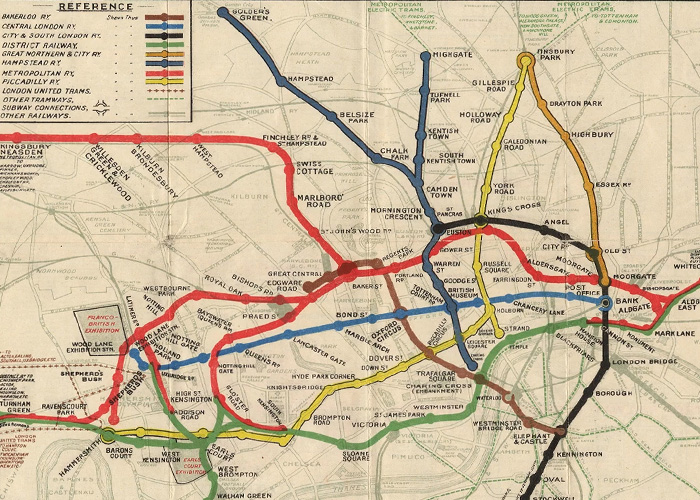
Image credits: London Transport Museum/YouTube
The first known attack came in 1982, when Duffy and Mulcahy targeted a 22-year-old woman walking home late at night from a party in Kilburn, north London.
She had been carrying a teddy bear when the two men abducted her, dragged her to a shed, stripped and blindfolded her, then r*ped her.
From there, the crimes began forming a map around railway stations, quiet footpaths, and isolated routes across London and the southeast. Duffy’s knowledge of railway spaces gave them a practical advantage.
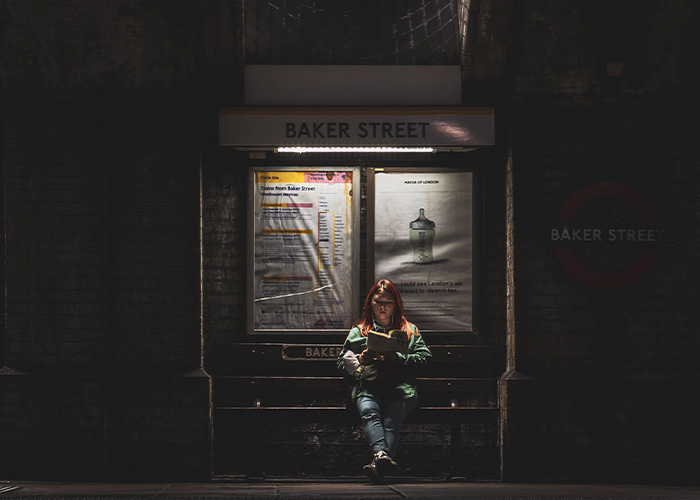
Image credits: TheOtherKev/Pixabay (Not the actual image)
Stations created movement, anonymity, and gaps between public visibility and isolation. A woman could leave a platform, turn down the wrong path, and suddenly be outside the reach of help.
They looked for women walking alone, then moved quickly. One watched the surroundings while the other attacked. They took turns, going as far as to reportedly toss a coin to decide who would “initiate” the encounter first.

The attacks appeared to stop briefly in 1983, a pause later believed to coincide with Duffy’s separation from his wife. In 1984, the attacks resumed, and by then the pair had become more confident in their methods.
Up to 18 known victims have been identified, however, detectives believed the number of offenses could have been higher, possibly reaching 40.
By 1985, police could no longer treat the attacks as disconnected crimes. Three women were attacked on the same night in the Hampstead and Hendon areas of north London, turning the crimes into a major public safety crisis.
By late 1985, British press coverage had given the attacker a name: the “Railway R*pist”
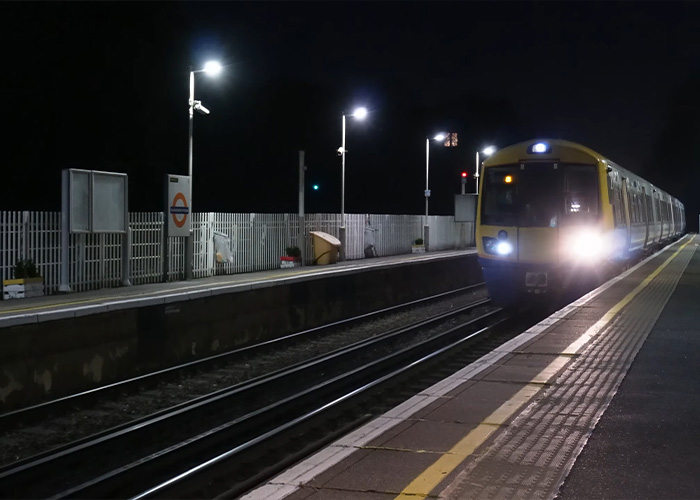
Image credits: Joe Dan Hirst/YouTube (Not the actual image)
The label captured the fear spreading around stations and commuter routes, even as investigators were still trying to determine whether they were looking for one offender or two.
Duffy’s name was already inside the system. Because of previous violence involving his wife, he appeared among 1,800 offenders compiled as potential suspects. Detectives had reason to look at him, but they still needed proof strong enough to hold him.
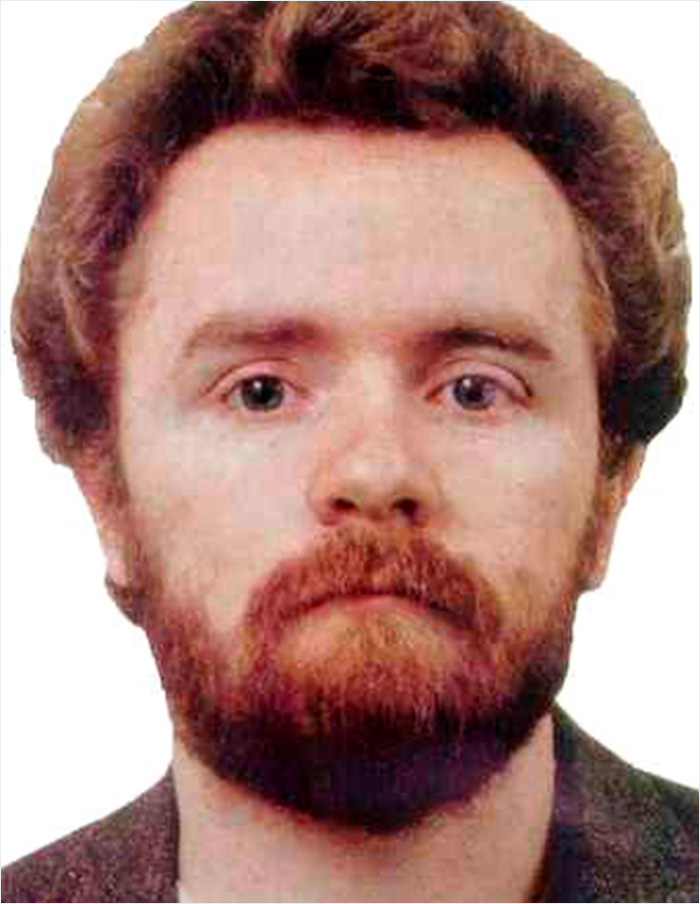
Image credits: M*rderpedia
Identification parades offered little help. Some victims were too frightened to attend. Others could not identify him with enough certainty.
One detail stayed with several women: his stare.
Later accounts described Duffy as having “laser eyes,” an intense, disturbing look that some victims remembered long after the attacks. For women already traumatized, facing that stare again became almost unbearable.


Prison psychologist Dr Jenny Cutler later said the teamwork became part of the thrill.
“They both found offending very exciting,” she said. “R*pe took that to another level. The hunt, the working as a team, having contingencies for how they were going to operate and the outwitting of the police, all contributed to the excitement.”
Duffy and Mulcahy’s attacks became homicides once they realized they could get away with it

Image credits: M*rderpedia
On December 29, 1985, the violence reached a new point.
Nineteen-year-old Alison Day was on her way to meet her boyfriend in north London. Her route took her near Hackney Wick station, close to a desolate trading estate. After leaving the station, she stopped at a telephone box. She is believed to have taken a wrong turn toward the canal.
Duffy and Mulcahy were there.
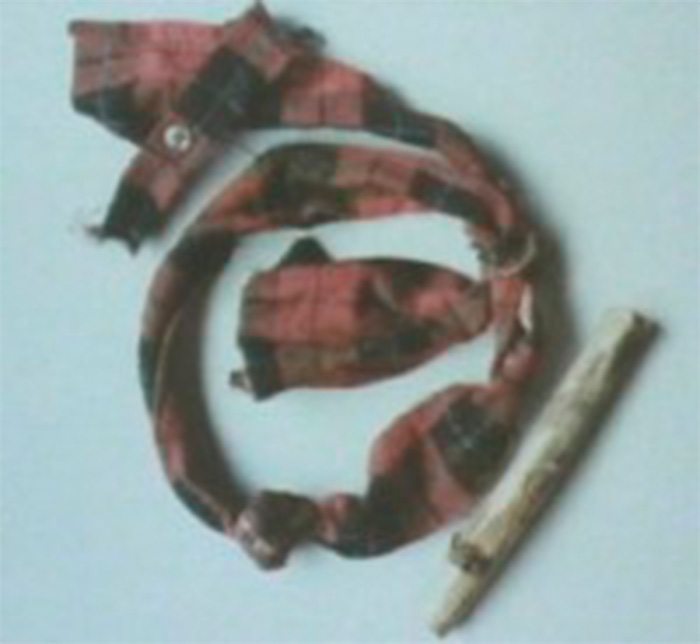
Image credits: M*rderpedia
The attack began the way so many of their earlier crimes had. Duffy and Mulcahy abducted her, violated her, and kept control of the scene as they had done before.
Then Mulcahy made a fatal mistake.
During the attack, he called out Duffy’s name.

If Alison survived, she could tell police that name. The slip created a new risk, and according to Dr. Cutler, it gave Mulcahy the excuse to push the violence further.
“It gave Mulcahy permission to take it to that next step,” she said, “and for Duffy to prove himself to Mulcahy that he didn’t have a conscience.”
Alison was strangled with a tourniquet. Her body was dumped in the River Lea, with granite cobbles placed inside the pockets of her coat in an attempt to keep her submerged.
With her passing, the railway attacks entered a darker phase. Duffy and Mulcahy had gone from stalking women to silencing them permanently.
The homicides continued as the pair became obsessed with the thrill of the hunt
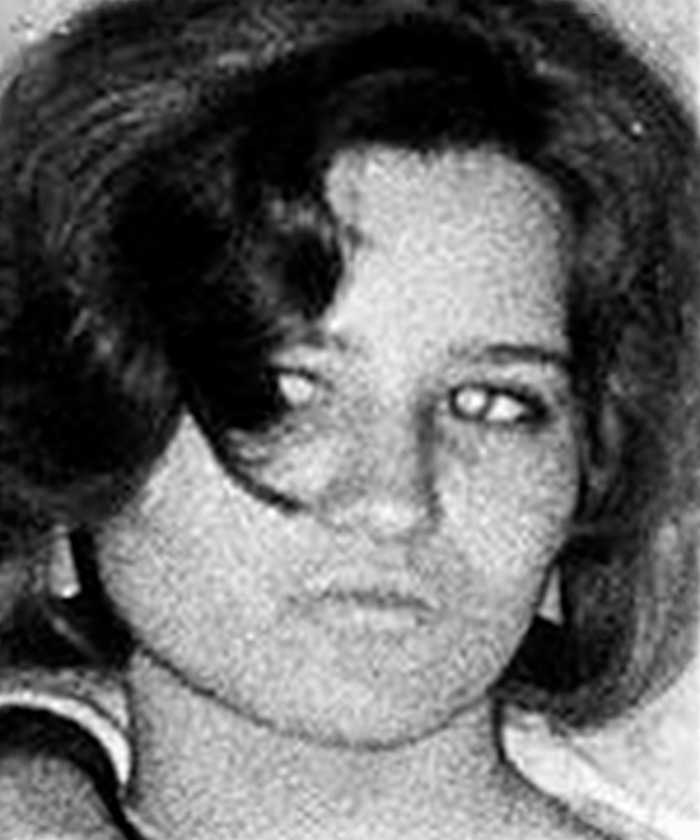
Image credits: M*rderpedia
On April 17, 1986, Maartje Tamboezer left her home in Horsley, Surrey, on her bicycle to buy sweets.
Duffy and Mulcahy had laid a trap.
They fastened a piece of string across a lane and waited. Maartje was subjected to the same horrors as the victims before her, but this time, they took her life. Not because any of them had made a mistake, but because they wanted to.
Then the pair tried to burn her body.
The attempt to destroy evidence left its own trail. Police recovered discarded matches and the string used to bind Maartje. The string was later identified as somyarn, a type Duffy carried with him and also kept at his parents’ house.
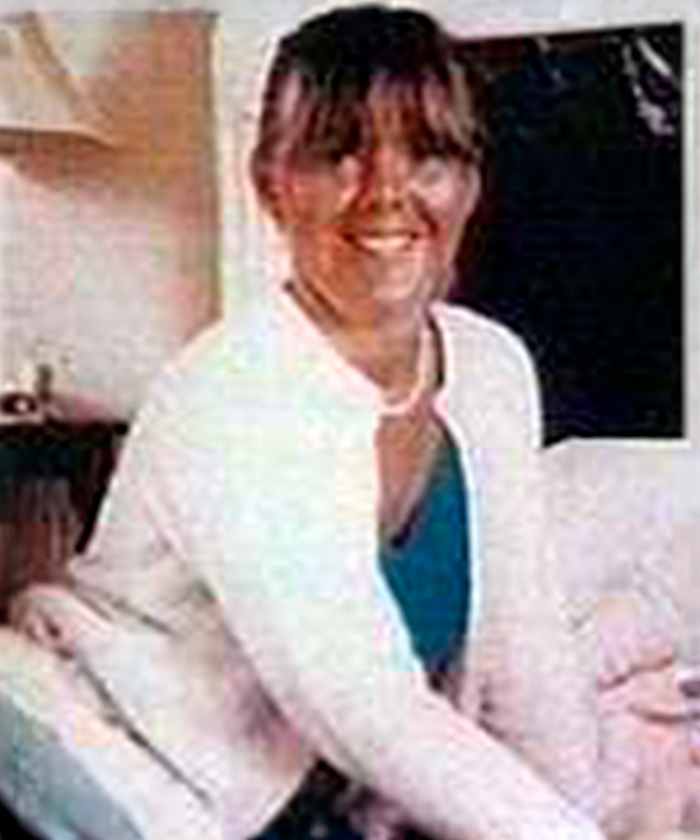
Image credits: M*rderpedia
One month later, on May 18, 1986, Duffy and Mulcahy struck again.
Anne Lock, a 29-year-old secretary for London Weekend Television, had just arrived at Brookmans Park station in Hertfordshire. She was recently married. Earlier, the two men had noticed a parked bicycle at the station and suspected it belonged to a woman.
They waited for its owner.
Anne collected her bike and began to leave. Duffy and Mulcahy followed her. Her body was found six weeks later in a field.
Anne’s homicide led to Operation Trinity, the first multi-force inquiry of its kind since the Yorkshire Ripper investigation.
By then, pressure around Duffy was tightening.
The testimony of Duffy’s wife, Margaret, was crucial to his downfall
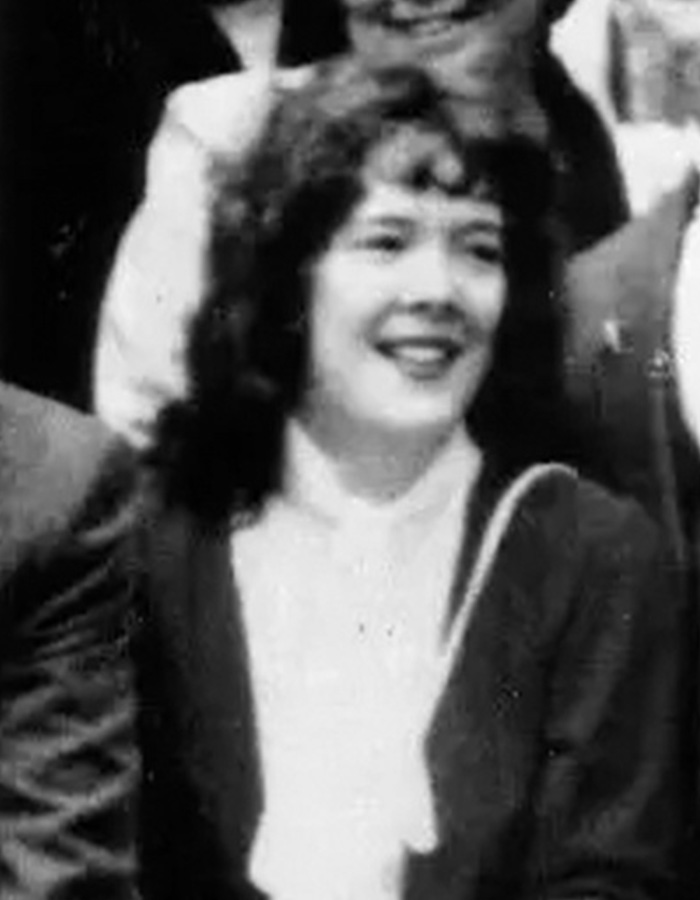
Image credits: M*rderpedia
Police had already questioned him, and he claimed he could not remember his movements because he had been mugged and was suffering from amnesia. He went to hospital to support the story, then tried to turn the lie into something visible by pressuring a colleague to fake an attack on him.
“He even wanted me to slash him with a razor,” the colleague later admitted. “He kept on at me to help him. He was so insistent he scared me.”
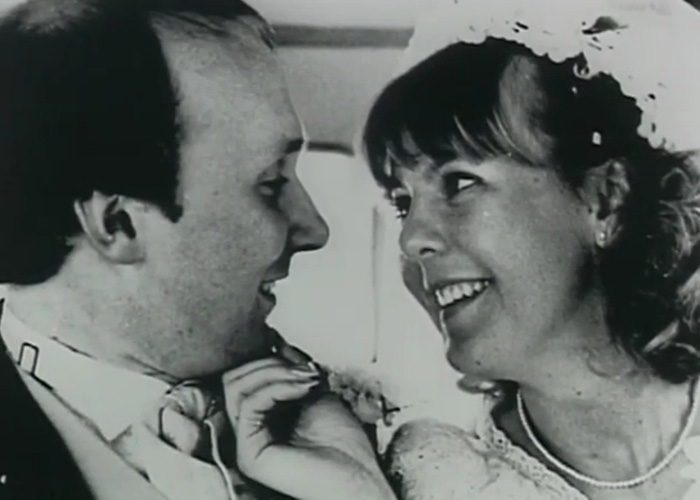
Image credits: Calamine Waffles/YouTube
Detectives placed Duffy under surveillance. Once he suspected plainclothes officers were following him, he began playing cat and mouse with them, running whenever he saw a chance.
Mulcahy had stopped joining him by then, but Duffy continued stalking women alone.
In November 1986, he was arrested after being caught following a woman in a quiet park. Police now had 36 hours to collect enough evidence to keep him in custody.
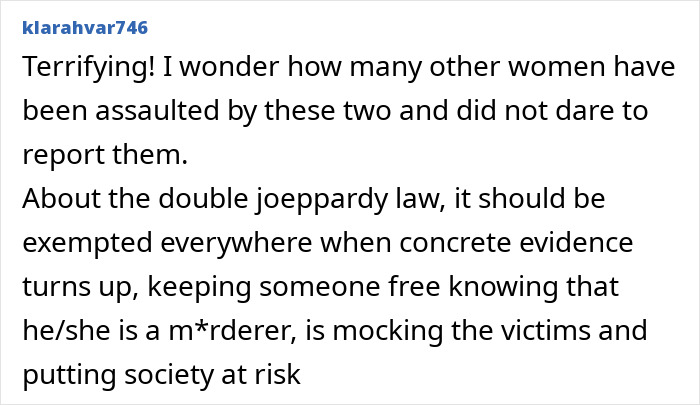
Margaret, his wife, became one of the key people who helped expose the life he had hidden.
She told investigators that Duffy watched violent martial arts videos and that his deviant behavior involved tying her up and forcing himself on her. She also said he had once come home and told her, “I r*ped a girl tonight and it was all your fault.”
Duffy kept his promise for almost a decade, going to jail without “ratting out” his friend
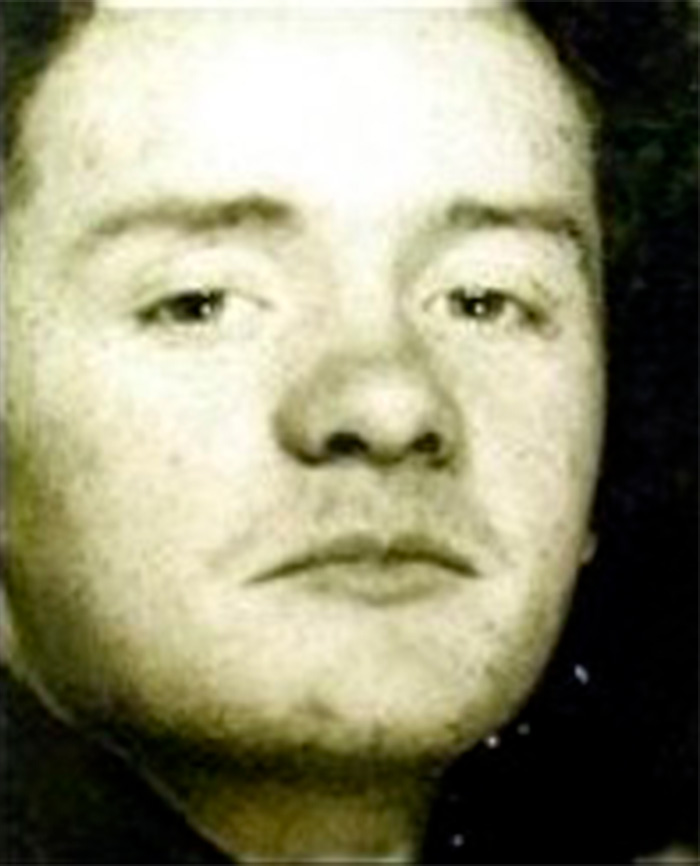
Image credits: M*rderpedia
At Duffy’s home, investigators found knives, abduction-related material, and reading material including The Anarchist’s Cookbook. At his parents’ house, they found the ball of somyarn string linked to Maartje Tamboezer.
The forensic case continued to build. Alison Day’s body had been submerged in water, making evidence recovery difficult, but investigators sent dozens of items of Duffy’s clothing for analysis. Fibers from his clothes were linked to fibers found on Alison.
Further testing produced 13 separate positive fiber identifications.
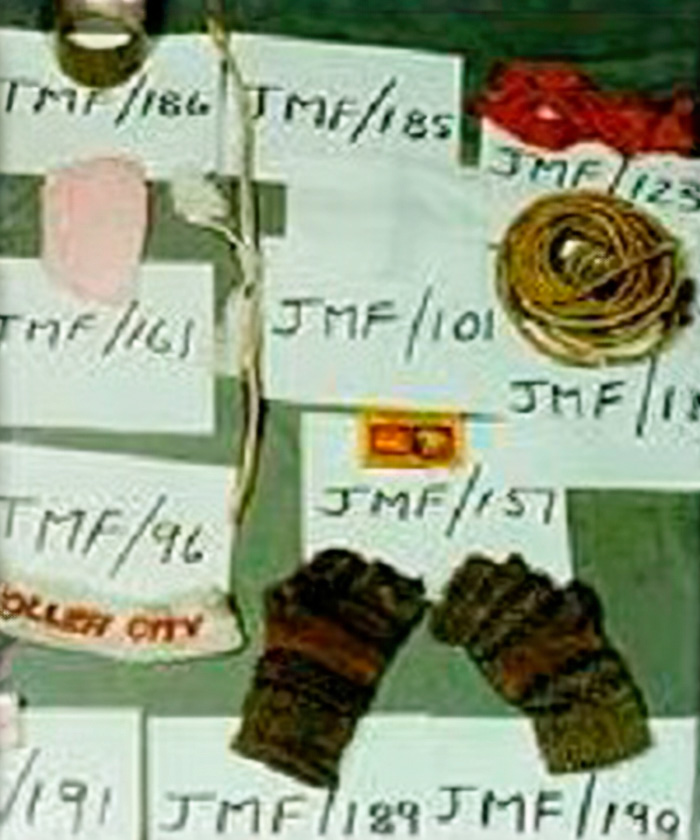
Image credits: M*rderpedia
In February 1988, John Duffy was convicted of four r*pes and the homicides of Alison Day and Maartje Tamboezer. He was not convicted of Anne Lock’s homicide at that trial. The judge recommended that he serve at least 30 years.
Duffy accepted prison without exposing Mulcahy.
The schoolboy pact still held.


For nearly 10 years, Mulcahy remained free. He returned to the appearance of ordinary family life, while investigators continued to believe the railway crimes had involved two men.
The truth began to surface in 1997, when Duffy was speaking with Dr. Cutler in prison about recurring nightmares. During one conversation, he let slip that he had not carried out the attacks alone.
Dr Cutler asked which prison the accomplice was being held in.
Duffy then revealed the truth.
The promise made years earlier at school had finally broken
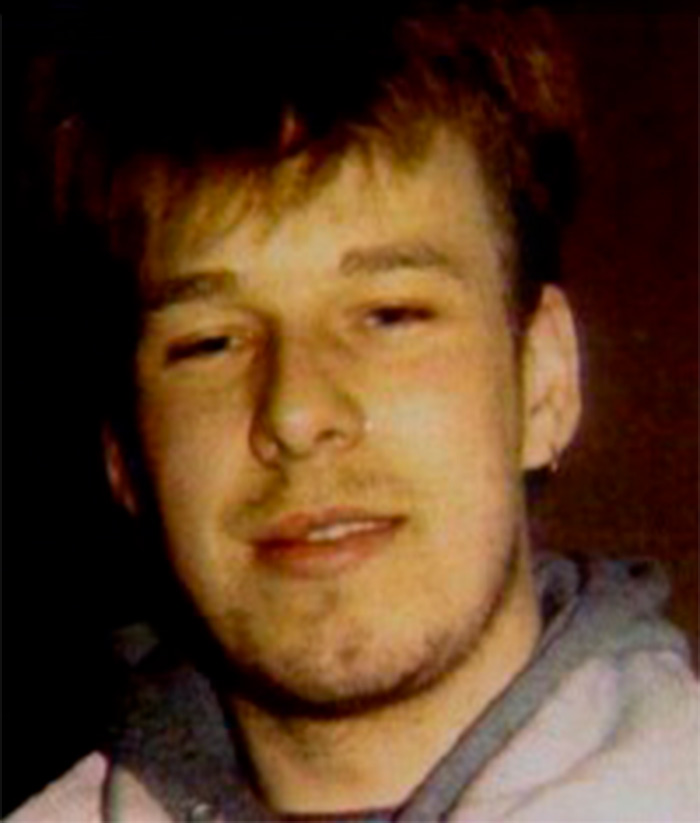
Image credits: M*rderpedia
Improved forensic science and DNA technology allowed police to re-examine evidence from the earlier crimes. Mulcahy, who maintained his innocence and claimed Duffy had framed him, was brought to trial.
On February 2, 2001, David Mulcahy was convicted at the Old Bailey of five r*pes, five conspiracies to r*pe, and the homicides of Alison Day, Maartje Tamboezer, and Anne Lock.
He received three life sentences while Duffy got an additional 12 years because of the new evidence.
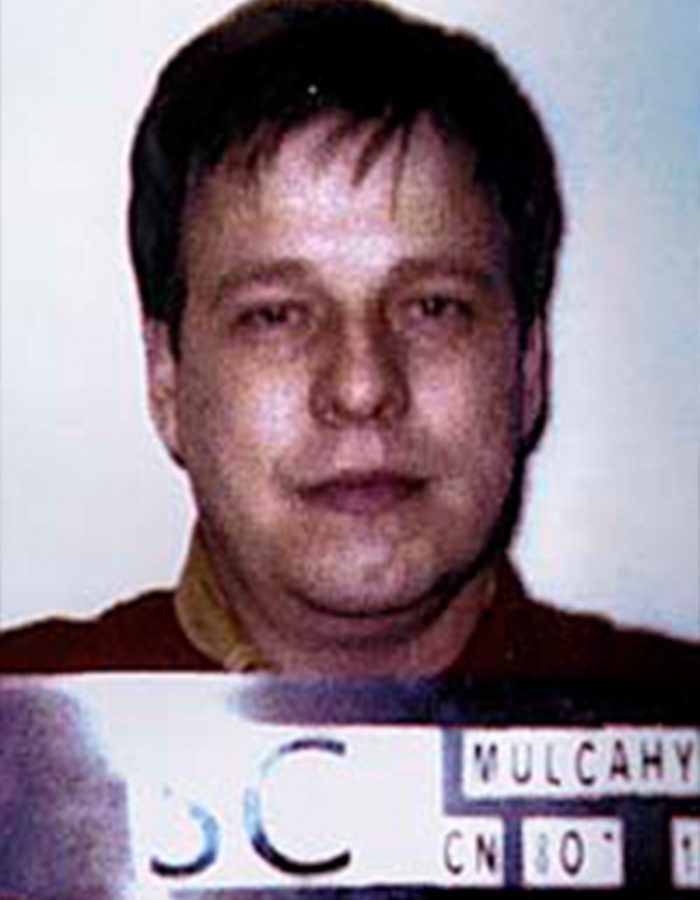
Image credits: M*rderpedia
Dr. Cutler later said Duffy appeared to want the secret exposed.
“He seemed to want to get it off his conscience and also to make sure that Mulcahy couldn’t commit future k**lings,” she said. “He got in touch with a more empathetic side to him.”
As of 2026, both men remain in prison with no realistic prospect of release.
“Duffy got jealous.” Netizens reflected on the criminal duo’s disturbing friendship












 Follow Us