Serial criminals often hide behind ordinary lives, leaving behind crimes that shock communities for years.
While some notorious criminals remain widely remembered, others have committed horrifying acts that deserve closer attention.
From a criminal who targeted young boys in Houston to a hospital worker who preyed on vulnerable patients, these cases reveal how violence can go unnoticed for years.
This list explores seven serial k**lers whose disturbing crimes, shocking methods, and chilling histories are not discussed as often as they should be.
#1 Dean Corll
Dean Arnold Corll was an American serial k*ller responsible for the slayings of at least 28 boys and young men in the Houston, Texas, area between 1970 and 1973.
His crimes, later known as the Houston Mass m**ders, came to light on August 8, 1973, when his teenage accomplice, Elmer Wayne Henley, slayed him and led police to the victims’ remains.
Corll was born on December 24, 1939, in Fort Wayne, Indiana.
His family eventually settled in Houston and operated a candy business, which earned him the nickname “Candy Man.”
Despite his involvement in a series of m**ders, Corll maintained an outwardly ordinary presence in his community.
Most of his known victims were teenage boys, aged between 13 and 20. Many lived in Houston Heights or nearby neighborhoods.
Corll often relied on two teenagers, David Owen Brooks and Henley, to help him approach potential victims. They sometimes offered boys rides, invited them to social gatherings, or used existing friendships to gain their trust.
Brooks first met Corll when he was around 12 years old. Corll gave him money and gifts, gradually drawing him into his activities.
By 1970, Brooks was helping him lure other boys. Henley became involved around October 1971 after meeting Corll through Brooks. According to Henley, Corll offered him money for each boy he brought to him.
Henley also claimed that Corll had told him about a supposed operation in Dallas that involved buying and selling boys.
However, investigators never conclusively established that Corll’s m**ders were connected to a larger trafficking network.
Corll and his accomplices s**ually a**sed and m**dered victims, then concealed their remains at several locations. These included a rented boat shed on Silver Bell Street in southwest Houston, beaches near High Island, and woodland near Lake Sam Rayburn in East Texas.
One of the most troubling aspects of the case was the way authorities handled reports of missing teenagers. Families later said officers had too readily classified their sons as runaways instead of investigating whether the disappearances were connected.
The mother of Gregory Malley Winkle, one of the missing teenagers believed to have fallen victim to Corll, challenged that assumption. According to reporting about the case, she said, “You don’t run away (from home) with nothing but a bathing suit and 80 cents.”
Winkle had reportedly left to go swimming and never returned.
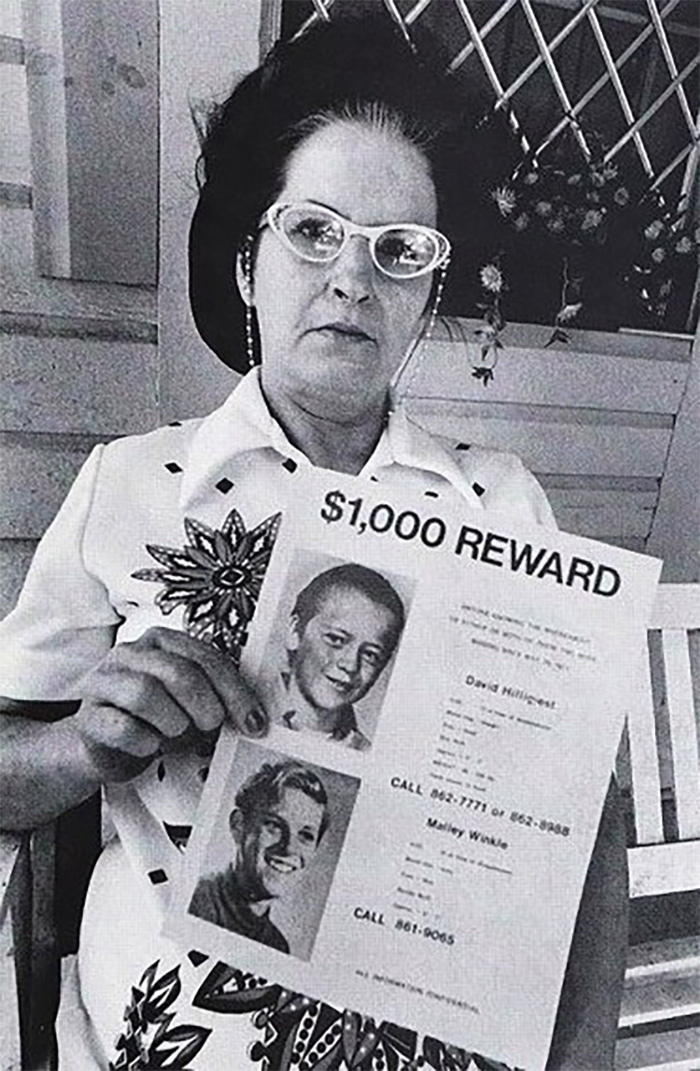
Everett Waldrop, whose sons Donald and Jerry also disappeared, described another troubling encounter with the authorities.
After reporting information that an acquaintance had allegedly seen Corll burying what appeared to be bod*es near his boat shed, Waldrop said police carried out only a limited search before dismissing the report.
On another occasion, he recalled the police chief asking him, “Why are you down here? You know your boys are runaways,” according to Lodi News-Sentinel.
These claims later became part of the criticism directed at the Houston Police Department. Families believed the growing pattern of missing boys should have led to a more thorough investigation much earlier.
Then, on August 8, 1973, the case finally broke open. The previous evening, Henley had brought 15-year-old Rhonda Williams and 20-year-old Timothy Kerley to Corll’s home in Pasadena, Texas. A confrontation followed, and Corll restrained the three teenagers.
Henley eventually obtained a pistol and sh*t Corll.
Prosecutors later determined that Henley had acted in self-defense. Corll was 33 when he d*ed.
At approximately 8:24 a.m., Henley contacted the police and announced what had happened.
His call was reported as, “Y’all better come here right now! I just k**led a man!” per New York.
Officers initially responded to a homicide. They soon discovered that the sh**ting had exposed a much larger crime. Henley told investigators about Corll’s activities and offered to lead them to the places where victims had been buried.
On August 8, police began searching the rented boat shed on Silver Bell Street. Investigators found the remains of 17 victims there over the course of the search. Subsequent searches uncovered more victims near Lake Sam Rayburn and at High Island.
By the end of the investigation’s initial phase, authorities had linked at least 28 d*aths to Corll and his accomplices.

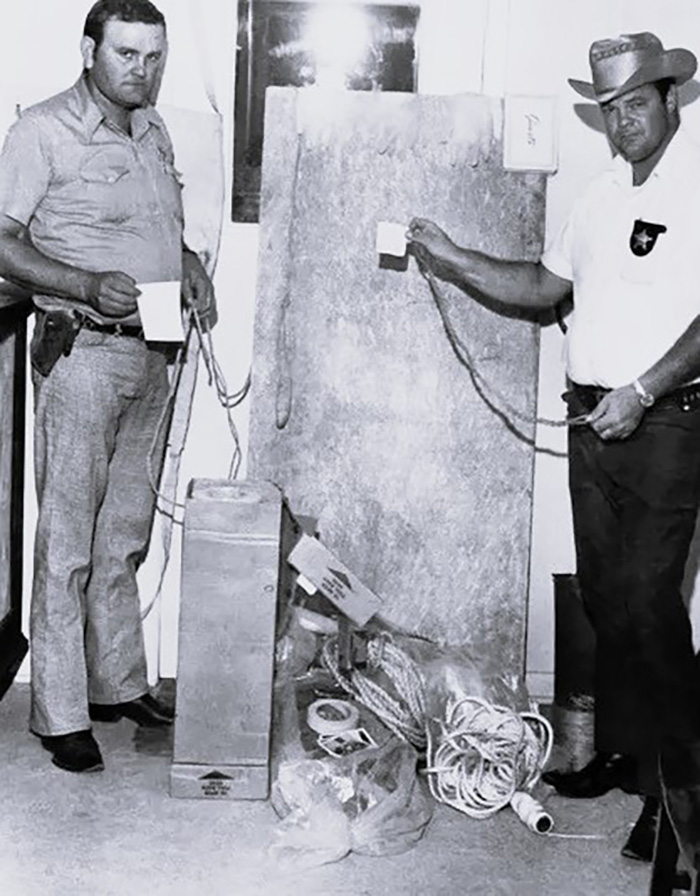
Wikipedia
David Brooks also came forward and provided information about his involvement. Both Henley and Brooks helped investigators understand how Corll had lured victims and concealed their remains. The discoveries shocked Houston and attracted national attention.
The case was widely described as one of the worst serial m**der cases in American history at the time. The number of victims, the ages of many of the boys, and the fact that the crimes had continued for years made the investigation particularly disturbing.
Corll passed away before he could be arrested or tried. Henley and Brooks, however, faced prosecution for their roles in the m**ders.
Henley was convicted in 1974 of six m**ders and initially received six consecutive 99-year sentences. His convictions were later overturned, and in 1979 a jury again found him guilty of six m**ders. The sentences ultimately ran concurrently, but he remained in prison.
Henley is still incarcerated in Texas. On November 7, 2025, the Texas Board of Pardons and Paroles denied his latest parole request, leaving him ineligible to apply again until November 2035. He was 17 when the crimes were exposed and has spent decades in prison for his role in them.
In reporting on the 2025 parole decision, KPRC 2 cited Crime Stoppers of Houston representative Andy Kahan on the impact of the crimes on the victims’ families.
He said, “Henley deprived over 20 boys of their lives, and all we can do in return is deprive him of his liberty, and that was accomplished today.”
The statement reflected the continued opposition to Henley’s release among people who have supported the victims’ families through repeated parole hearings. Although Henley helped police uncover the m**ders after k**ling Corll, that cooperation did not absolve him of his own involvement.
click2houston
Brooks was convicted in 1975 of m**dering 15-year-old William Ray Lawrence and received a life sentence. He remained imprisoned until his passing on May 28, 2020, from complications related to COVID-19.
The investigations did not end with the initial discoveries. Over the following decades, forensic work helped identify several victims whose remains had gone unidentified for years.
DNA testing and renewed efforts by investigators gave some families answers long after their sons disappeared.
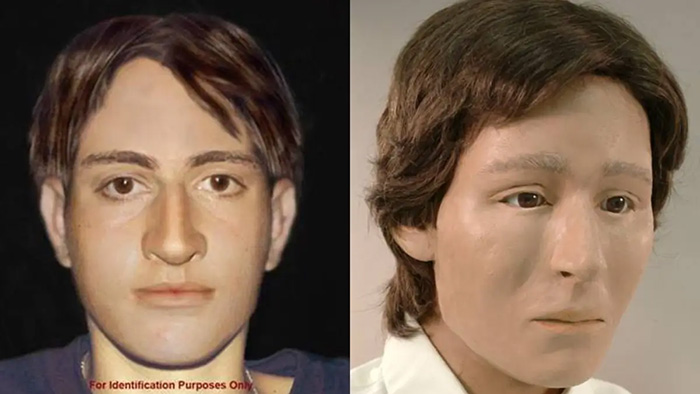
However, one victim remains unidentified.
Often referred to as “Swimsuit Boy” or “John Houston Doe,” he is believed to have been a teenager when he passed away.
In 2023, the National Center for Missing & Exploited Children released an updated facial reconstruction in an effort to establish his identity.
The total number of victims also remains uncertain.
Investigators have considered whether Corll may have k**led additional boys whose remains have never been found or conclusively linked to the case.
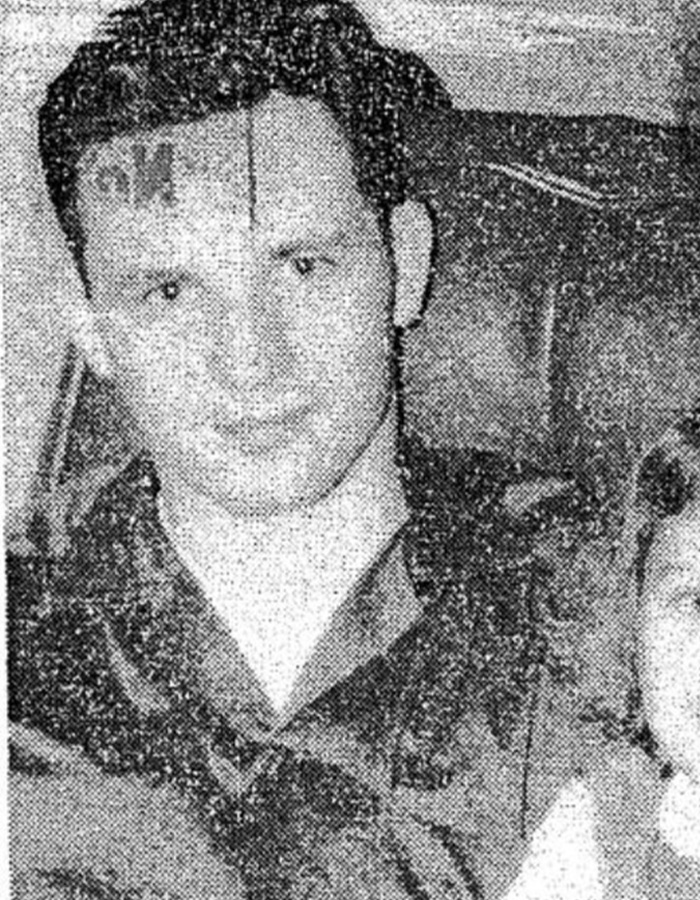
Image source: Wikipedia
#2 Donald Harvey
Harvey was an American serial k*ller who used his position as a hospital orderly to slay patients over a period of 17 years.
Between 1970 and 1987, he slayed at least 37 people, although he claimed responsibility for many more.
His victims included hospital patients as well as people he knew outside work. Because he worked in healthcare settings where patients were already seriously ill, many of his crimes initially went unnoticed.
Harvey was born on April 15, 1952, in Hamilton, Ohio, and grew up in Booneville, Kentucky.
He was the oldest of three children born to Ray and Gold*e Harvey, who worked as tobacco farmers. His family attended a local Baptist church, and he spent much of his childhood in a small Appalachian community.
In his early life, Harvey experienced s**ual a**se by an uncle and a neighbor between the ages of five and 18. He later told his sister about the a**se. He left school in the ninth grade but earned a GED through correspondence courses in 1968.
In March 1971, Harvey was arrested for burglary.
He later enlisted in the United States Air Force but left after approximately nine months following two s**cide attempts. His military discharge was attributed to what officials described as nervous breakdowns.
None of these experiences excused the crimes he later committed. By the time he entered the healthcare profession, Harvey had begun a k**ling spree that would continue across multiple hospitals.
In 1970, Harvey began working as an orderly at Marymount Hospital in London, Kentucky.
His first known victim was Logan Evans, an 88-year-old stroke patient. On May 30, 1970, Harvey slayed Evans after becoming angry when the older man soiled him.
Harvey later claimed that he initially slayed patients to ease their suffering.
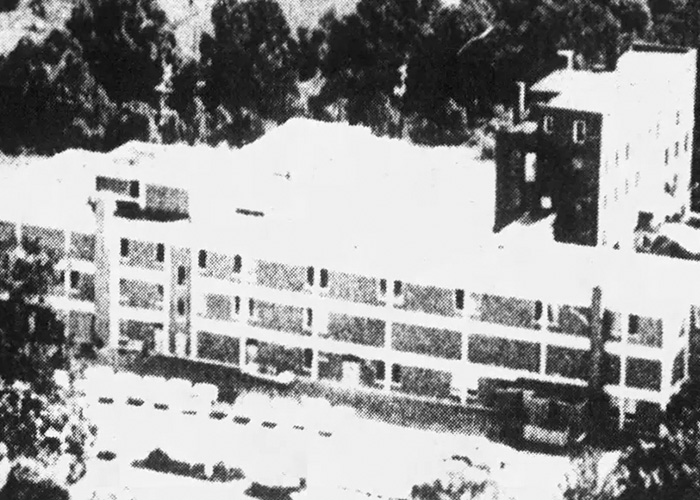
Kentucky Historic Institutions
He described his actions as a way of ending the pain of people who were seriously ill.
He later said he had slayed at least a dozen patients during his approximately 10 months at Marymount. His victims included men and women, most of whom were cardiac patients or older adults receiving medical care.
Harvey did not rely on one consistent method. He used different means to k*ll patients, including p*isoning and interfering with their medical care. His access to hospital supplies and his understanding of patients’ conditions helped him conceal what he was doing.
His colleagues eventually gave him the nickname “Angel of d*ath.”
The phrase became a disturbing reference to the slayings that occurred during his shifts, but it did not lead to an immediate investigation.
Marymount was only the beginning.
Harvey left the hospital in March 1971 and spent the following years moving between jobs and locations.
He continued slaying after moving to Cincinnati.
In 1975, Harvey joined the Veterans Administration Medical Center in Cincinnati, Ohio. He worked there for about a decade, continuing to target patients already vulnerable because of their medical conditions.
He also worked at Drake Memorial Hospital in Cincinnati, where investigators later linked him to numerous d*aths. At different points in his career, he worked as an orderly and an autopsy assistant.
Harvey’s crimes were not limited to hospitals.
He also targeted people in his personal life. When he suspected his partner and roommate, Carl Hoeweler, of being unfaithful, Harvey poisoned his food to make him ill.
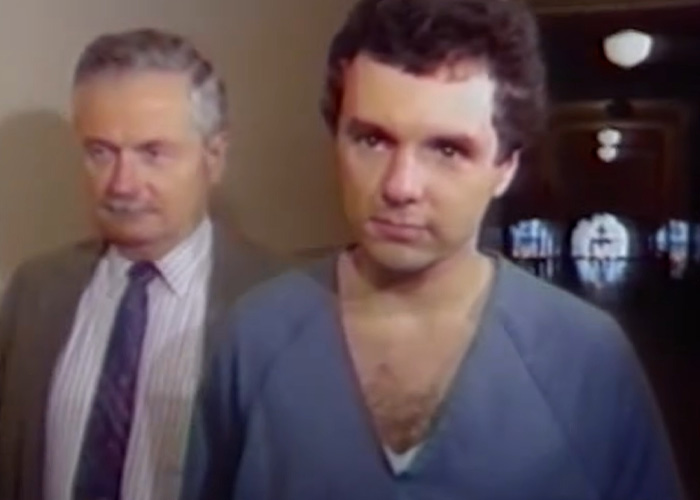
Crime Daily/YouTube
He also slayed Hoeweler’s father, Henry, and a neighbor, Helen Metzger. These m**ders challenged Harvey’s later claim that he acted only out of sympathy for suffering patients.
One particularly troubling incident involved Metzger, whom Harvey k**led after a disagreement. He also poisoned other acquaintances, demonstrating that his violence extended beyond the hospital environment.
Meanwhile, warning signs had emerged at the institutions where he worked. Nurses noticed unusual patterns of d*aths and raised concerns with hospital administrators. However, their suspicions did not lead to a full investigation at the time.
A search of Harvey at the Cincinnati VA Medical Center on July 18, 1985, also raised concerns.
Officials reportedly found a loaded revolver, medical equipment, a specimen of liver tissue, and books about occult subjects. However, the VA did not pursue criminal charges and allowed him to resign.
Former VA security guard John Barter later criticized the way the institution handled the matter.
Speaking to the Cincinnati Enquirer in August 1987, he said, “They moved too fast and lost the chance to find out what was really going on with him. They just wanted to get rid of him,” as Bored Panda reported.
The incident represented another missed opportunity to investigate Harvey before more patients d*ed.
A suspicious autopsy in March 1987 finally exposed the pattern.
Harvey’s crimes began to unravel after the d*ath of John Powell, a 44-year-old patient who had spent months on life support following a motorcycle accident. Powell d*ed at Drake Memorial Hospital in March 1987.
An autopsy revealed cyanide in his system, raising suspicions that his d*ath was not natural.
Investigators began examining Harvey’s involvement, particularly after learning about his earlier departure from the VA medical center.
Harvey eventually admitted that he had k**led Powell. He claimed that he had ended the patient’s suffering, but the discovery led investigators to examine other suspicious d*aths.
Journalist Pat Minarcin, then an anchor at Cincinnati television station WCPO-TV, also played an important role in bringing the case to public attention.
He questioned whether Powell was an isolated victim and raised the possibility that other patients had d*ed under suspicious circumstances while Harvey worked at Drake.
His reporting encouraged nurses and former colleagues to contact the station. Some had previously raised concerns with hospital administrators but said they had been told to keep quiet.
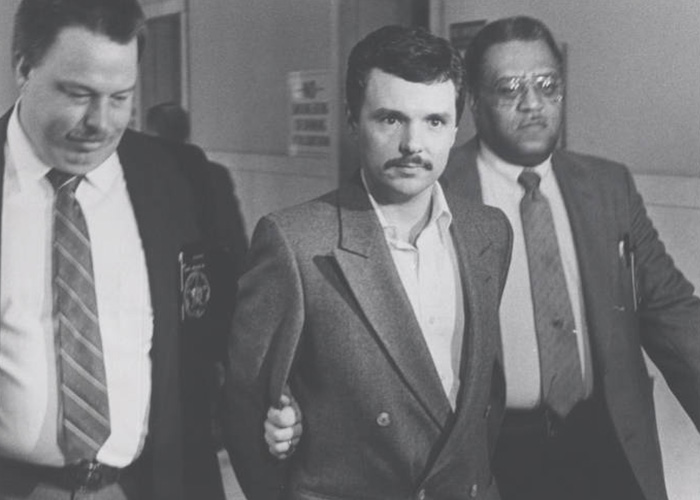
Cincinnati & Hamilton County Public Library
One nurse reportedly provided Minarcin with a list of 13 patients whose d*aths she believed required further investigation. Other hospital employees shared additional information.
Minarcin then compared the names with Harvey’s work history and the dates of the d*aths.
His investigation eventually led to a half-hour television report that connected Harvey to at least 24 suspicious d*aths over four years.
Harvey’s own lawyer discovered that the number of victims could be much higher.
As investigators gathered evidence, Harvey’s court-appointed lawyer, Bill Whalen, asked him whether he had k**led anyone else.
Harvey reportedly answered with a figure that shocked his lawyer, “Seventy.”
Whalen understood that prosecutors could seek the d*ath penalty if they connected Harvey to multiple m**ders. He therefore negotiated a plea agreement.
Harvey would confess to his crimes and accept life imprisonment if prosecutors agreed not to pursue e**cution.
During a lengthy session with investigators and prosecutors, Harvey admitted to numerous k**lings.
He initially confessed to 24 m**ders in Ohio, and further admissions followed as investigators examined his activities in other locations.
In August 1987, Harvey pleaded guilty to 24 counts of first-degree m**der in Ohio.
He received three life sentences to run concurrently. In November 1987, he also pleaded guilty in Kentucky to eight m**ders and one manslaughter charge connected to his time at Marymount Hospital.
He received an additional sentence that ran concurrently with his Ohio sentence.
Authorities ultimately confirmed 37 m**ders.
Harvey, however, claimed to have k**led as many as 70 or more people. Authorities never established the higher figures as confirmed victim totals.
The case also raised questions about why so many d*aths had gone unnoticed.
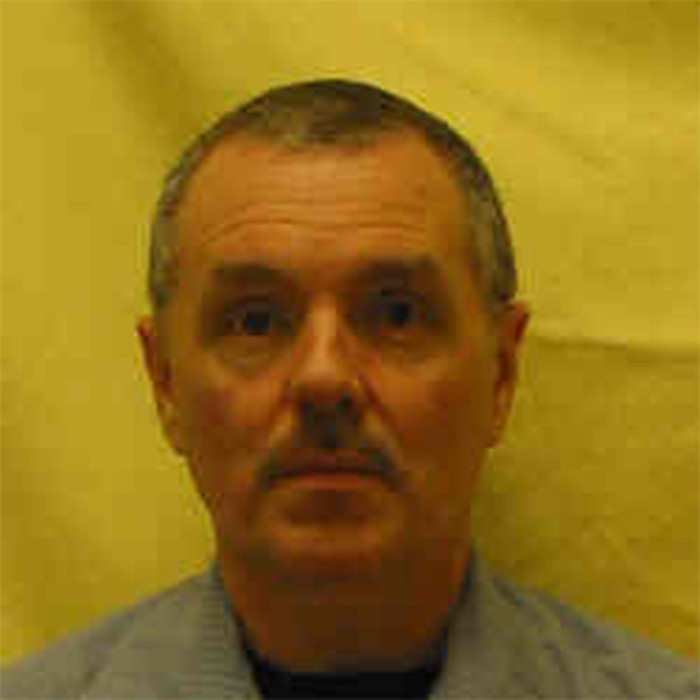
Wikipedia/Ohio Department of Corrections
Harvey had worked in medical facilities where patients were seriously ill, and their d*aths could easily be attributed to existing health conditions. His access to patients and the trust associated with his job allowed him to continue for years.
During the investigation, a spokesperson for the Cincinnati prosecutor’s office described Harvey in stark terms. “This man is sane, competent, but is a compulsive k*ller.”
Assistant prosecutor Joe Deters also rejected Harvey’s claim that he had acted out of mercy. Referring to the “Angel of d*ath” label, he called it “total b**lshit” and said, “He just liked to k*ll people.”
Harvey spent the rest of his life behind bars.
He was serving his sentence at the Toledo Correctional Institution in Ohio when another inmate, James Elliott, attacked him on March 28, 2017. Harvey suffered severe injuries and d*ed two days later, on March 30, at the age of 64.
Elliott later claimed that he had attacked Harvey as an act of vigilante justice.
He said he had grown up in Kentucky near relatives of some of Harvey’s victims and wanted to give their families a sense of closure. However, he did not know the victims personally.
In September 2019, Elliott pleaded guilty to k**ling Harvey and received a sentence of 25 years to life.
During the sentencing, Judge Myron Duhart made it clear that Elliott could not justify taking another person’s life, regardless of Harvey’s crimes.
“No matter how bad a person is, that does not give you the right to be the judge, jury, and executioner,” the judge said, per The Blade.
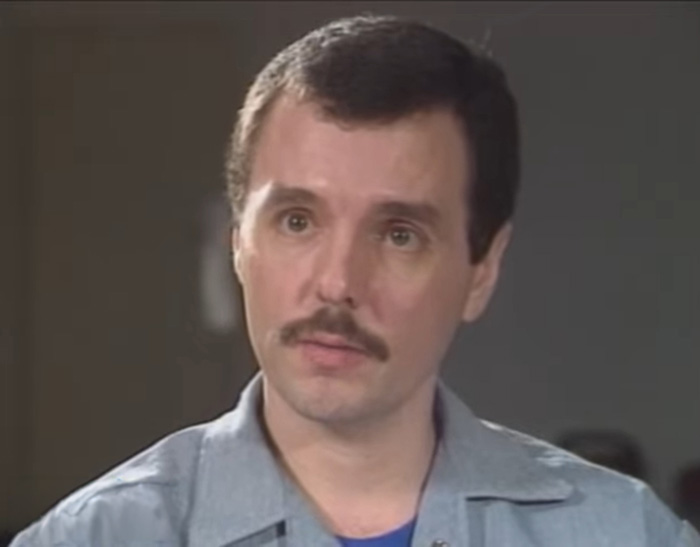
Image source: Geraldo Rivera/YouTube
#3 Marie Alexandrine becker
Becker, born Marie Petitjean on July 14, 1879, was a Belgian serial k*ller known as the “Black Widow.”
Between 1933 and 1936, she poisoned 11 people and attempted to p**son five others. Many of her victims were women who trusted her, borrowed money from her, or invited her into their homes.
Becker often gained their confidence before taking their money, jewelry, or other belongings.
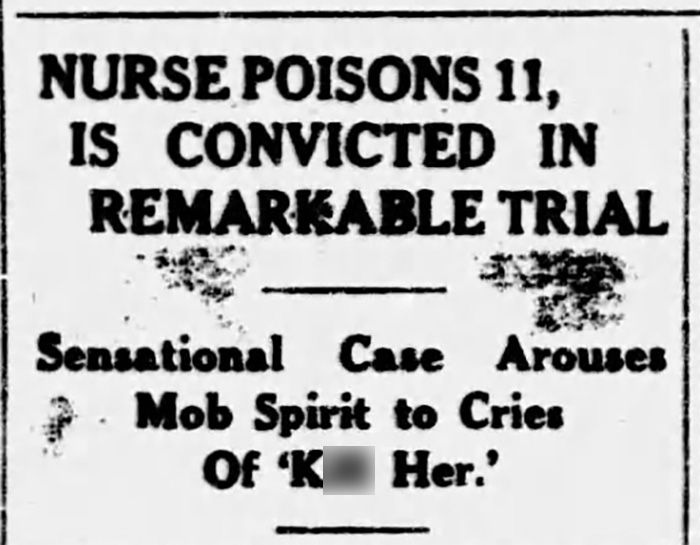
Her crimes eventually led to one of Belgium’s most closely followed m**der trials of the 1930s. On July 8, 1938, a jury found her guilty of 11 m**ders, five attempted m**ders, theft, and forgery.
Although the court sentenced her to d*ath, Belgium’s long-standing suspension of executions meant that her sentence was commuted to life imprisonment.
Becker was born in Waasmont, a village in the municipality of Landen, Belgium. She had little formal schooling because she helped her parents work in the fields. However, she wanted to learn and reportedly asked the local priest to teach her to read, write, and do arithmetic.
At 16, she left her family home and moved to Liège to live with an aunt who ran a rope shop on Saint-Pholien Street. She soon became familiar with the customers who visited the establishment and developed a reputation as a lively, sociable young woman.
In her book The First Serial k*ller, Elisabeth Lange described Becker’s social approach. “She offered us something to drink, and if we wanted to go further, she never said no. And for no money!”
Becker later entered the fashion industry.
In 1900, she began working at a sewing shop and developed a strong interest in dressmaking. Her career progressed, and she eventually managed fittings at a large fashion store on Pot d’Or Street in Liège.
She also began advising wealthy women on clothing and fashion, giving her access to a more affluent social circle.
She met Charles Becker Sr. at the 1905 Universal Exhibition in Liège.
They married in 1906 and moved into a home connected to the family sawmill.
However, Becker struggled to get along with her husband’s family, particularly her daughter-in-law, Léontine. Family disagreements and financial difficulties gradually affected the household.
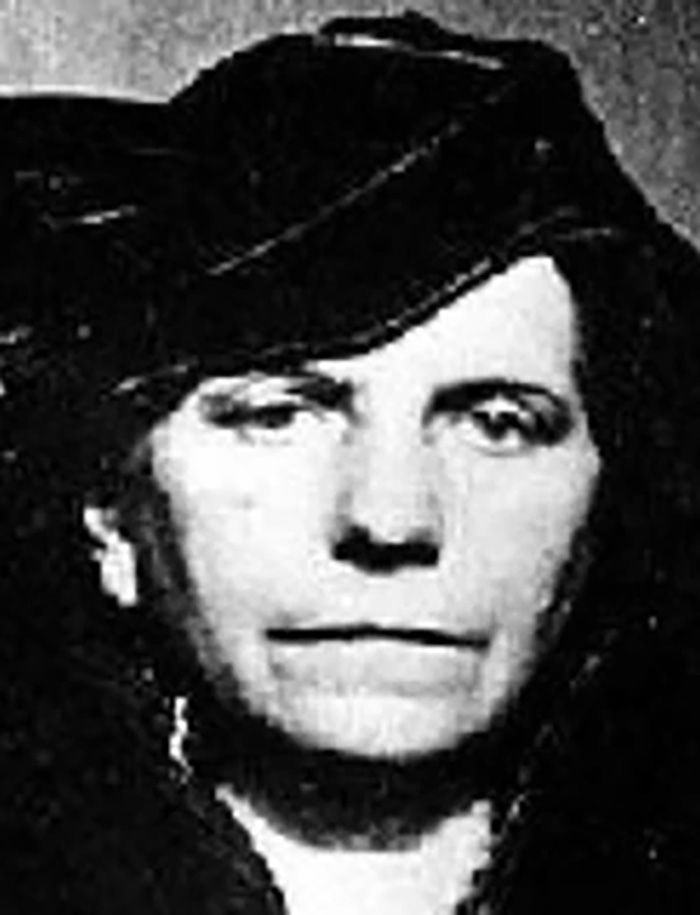
Charles Sr. d*ed in 1912, after which Charles Jr. took over the family business.
Becker opened a sewing workshop at home and continued building her customer base. She later established her own fashion business on Saint-Léonard Street in 1920, employing four workers.
Her business initially prospered, but the 1929 stock market crash and her growing financial problems eventually took their toll. In 1934, the business was declared bankrupt.
In 1928, Becker met Maximilien Houdy, a man 20 years her junior. She became deeply attached to him and reportedly spent considerable money maintaining the relationship.
After her stepson Charles Jr. d*ed from cancer in October 1932, Becker used some of the money she acquired to settle debts and support Houdy. In 1933, she returned to dressmaking and began working with wealthy clients again.
She also built relationships with affluent women, some of whom trusted her enough to lend her money or let her help manage their personal affairs.
Investigators later found that Becker had exploited several of these relationships. Some victims had lent her money, while others had possessions that disappeared after spending time with her.
Her crimes were not limited to financial deception.
Becker used p**son, particularly digitalis, to k*ll people.
She often gained access to victims through social relationships or by acting as a companion and caretaker. The investigation later connected her to 11 d*aths and five attempted poisonings.
Becker’s crimes continued for several years before authorities finally connected the suspicious d*aths.
On October 16, 1936, police arrested her while she was preparing what investigators believed would have been her 17th p**soning. Her intended victim was a woman identified as Mrs. Lamy.
The arrest triggered a wider investigation into the d*aths of people who had recently spent time with Becker.
Police examined her relationships, financial dealings, and the belongings found in her possession. They uncovered evidence linking her to multiple poisonings, thefts, and attempts to obtain money from her victims.
A contemporary TIME magazine report described the allegations against Becker in considerable detail. It portrayed her as a widow who moved through Liège’s social circles, targeting people who trusted her.
The report recounted the d*ath of a woman identified as Madame Costadot after Becker allegedly served her tea.
It also described how Becker became close to Lambert Beyer, a wealthy man in poor health, and later inherited access to his money and possessions after his d*ath.
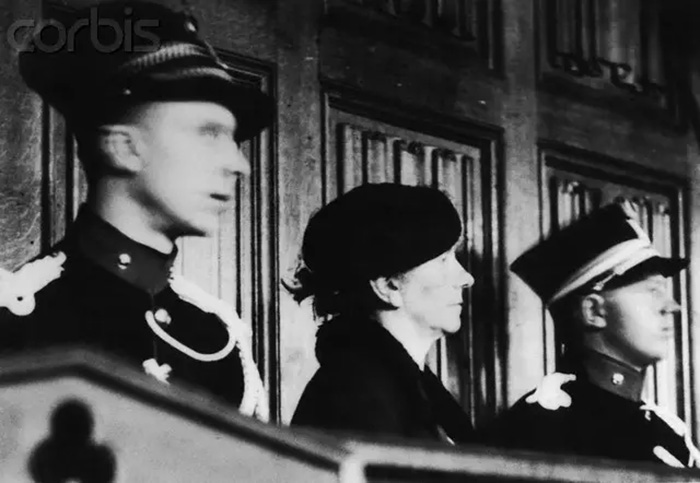
M*rderpedia
Other women reportedly d*ed after Becker had borrowed money from them or spent time in their homes.
One of the allegations involved Marie Ramache Lambert, who had reportedly made a will leaving 400,000 francs to Becker before her d*ath.
The investigation also uncovered evidence that Becker had taken possessions belonging to several victims. Investigators later found some of these items in her apartment.
Becker’s trial began in Liège on July 7, 1938. The proceedings attracted significant attention, with contemporary reports describing a packed courtroom and hundreds of witnesses expected to testify.
Throughout the proceedings, Becker maintained her innocence. She presented herself as a kind and romantic woman who had never deliberately harmed anyone.
On the first day of the trial, she protested, “I was too good. I never harmed anybody.”
The statement contrasted sharply with the prosecution’s allegations and the evidence presented against her. Prosecutors argued that Becker had deliberately poisoned people while exploiting their trust and taking advantage of their financial circumstances.
The courtroom atmosphere reportedly became particularly hostile when the verdict was announced.
Members of the public shouted “tue-la!”, meaning “k*ll her!” in French.
On July 8, 1938, the jury found Becker guilty of 11 m**ders, five attempted m**ders, theft, and forgery. The court sentenced her to d*ath.
However, Belgium had not executed anyone since 1863. As a result, her d*ath sentence was commuted to life imprisonment, and she was sent to prison.
Becker spent the remaining years of her life behind bars. She d*ed at Forest Prison in Belgium on June 11, 1942, aged 62, during the Second World War.
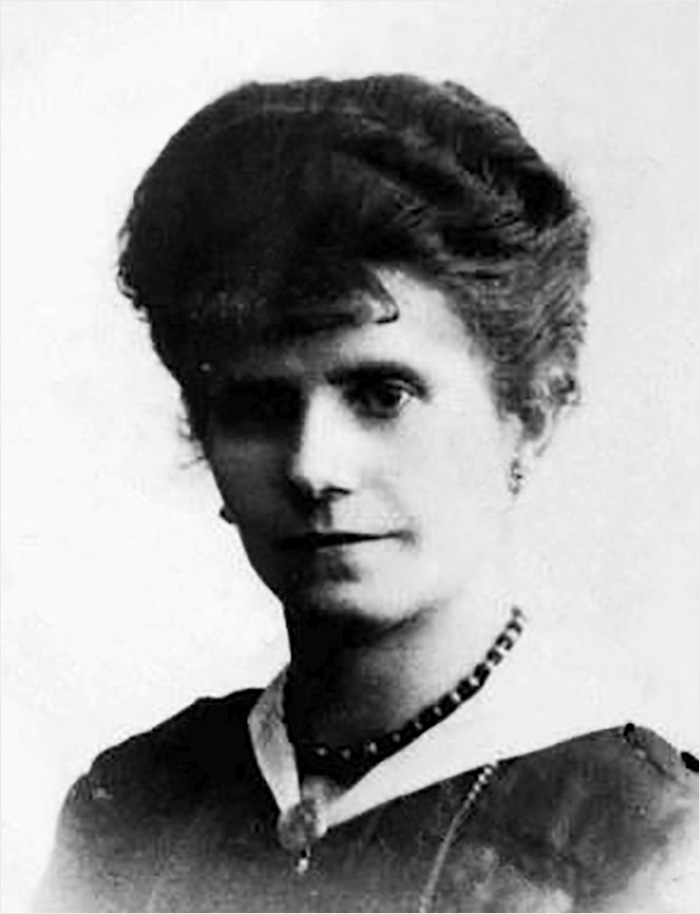
Image source: Wikipedia
#4 Paul John Knowles
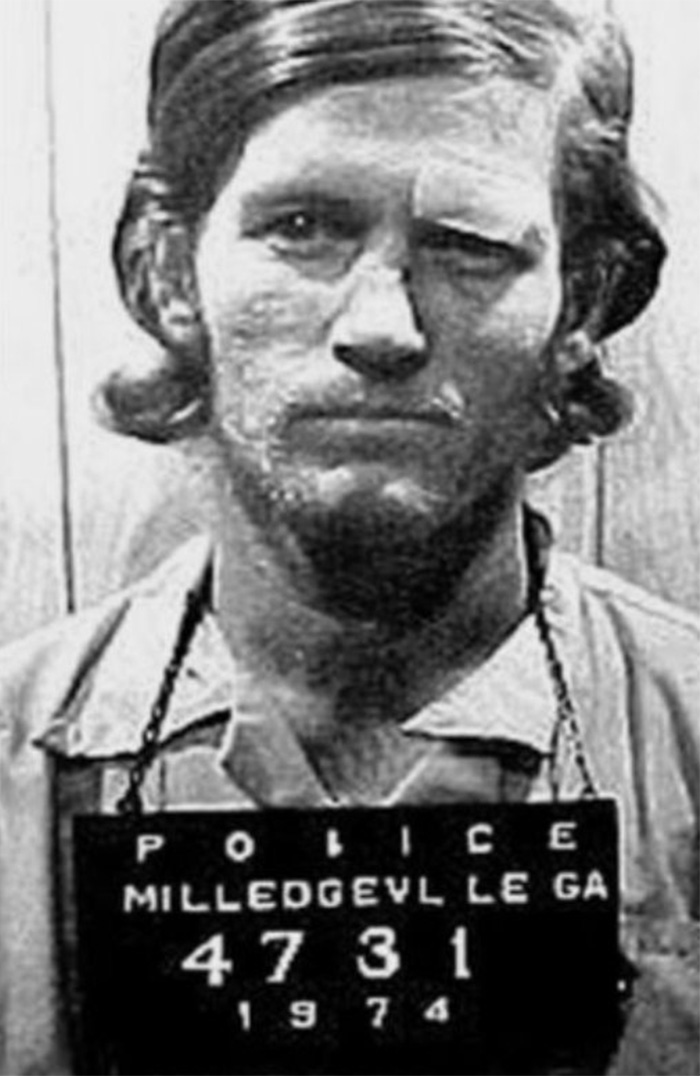
Knowles was an American spree k*ller who m**dered at least 18 people across five states during a four-month k**ling spree in 1974.
Nicknamed the “Casanova k*ller” because of his good looks and charming personality, he used his appearance and ability to gain people’s trust to conceal his violent intentions.
Investigators confirmed 18 victims, but Knowles claimed he had k**led as many as 30 to 35 people. He was eventually captured in Georgia and d*ed after attempting to escape from police custody.
Knowles was born in Florida and had already spent time in prison as a teenager. In 1974, after his release, he hoped to marry Angela Covic, a woman he had corresponded with while incarcerated.
However, Covic called off the wedding after a psychic reportedly warned her that she was dealing with a “very dangerous man.”
The rejection marked a setback for Knowles.
He returned to Florida, where police arrested him following a bar fight. He subsequently escaped from prison in July 1974, beginning a spree that would stretch across Florida, Georgia, Texas, Nevada, and Connecticut.
On July 26, 1974, Knowles k**led Alice Curtis, a 65-year-old Jacksonville resident. Her m**der marked the beginning of the series of k**lings later attributed to him.
Knowles traveled between states, stealing vehicles and credit cards while targeting people he encountered along the way.
His victims included men and women, and his crimes involved sh**tings, strangulation, and stabbings. He also committed robberies, a**aults, and kidnappings.
Despite the growing number of victims, Knowles continued to maintain relationships and connections with people who did not know about his crimes.
He frequently returned to Macon, Georgia, where he had a girlfriend named Jackie Knight. Knight and her children were not harmed.
Looking back on their relationship, Knight told 13WMAZ, “It was an embarrassment to me and my family that I could’ve been so naïve to have gotten involved in someone like this.”
On August 15, 1974, Knowles was linked to a home invasion in west Macon, Georgia.
A masked man armed with a .38-caliber pistol entered a woman’s home, demanded money, and attempted to a**ault her s**ually. During the confrontation, he threatened the woman and her niece before sh**ting the woman in the stomach.
Her 13-year-old son managed to call for help after the attacker left.
The case later became an important part of the investigation because of recordings Knowles made while in custody.
He had given audio tapes to his attorney, Sheldon Yavitz, describing his crimes.
Former Middle Georgia district attorney Fred Hasty later told The Telegraph in March 1975 that the recordings helped connect Knowles to the Macon home invasion.
The tapes also provided information about other suspected victims. However, they would eventually be lost, making some investigations considerably more difficult.
One of the cases eventually linked to Knowles involved Ima Jean Sanders, a 13-year-old girl whose remains were discovered in a wooded area off Georgia Highway 96 in Warner Robins in April 1976.
Investigators believed Sanders was the young hitchhiker Knowles had described picking up near Macon in his recordings. However, a flood destroyed the original tapes and transcripts in 1994.
The case remained unresolved for years. Investigators eventually recovered a letter summarising the crime, which helped the Georgia Bureau of Investigation connect the information to Sanders in 2011.
Milledgeville Police Department
GBI agent Gary Rothwell described the significance of the breakthrough to The Telegraph, “When I began my career with the GBI in 1981, the crimes of Paul John Knowles and the manner in which he d*ed were legendary within the agency. I never suspected I would be involved in resolving one of his unsolved m**ders so many years later.”
Knowles was also linked to several k**lings in Middle Georgia. Among them were the m**ders of 45-year-old Carswell Carr and his 15-year-old daughter, Mandy Carr, at their home in Milledgeville.
Retired Milledgeville police officer James Josey later recalled the scene and described the extent of the attack on Carswell. Speaking to 13WMAZ, he said, “Carswell Carr was stabbed, I would say, probably 25 times.”
Knowles was also suspected of k**ling Kathy Pierce, a 24-year-old Crawford County resident, as well as Edward Hilliard and Debbie Griffin. Griffin’s body was never recovered.
Josey later reflected on the uncertainty surrounding the total number of victims, “There’s no telling how many people he really k**led.”
Investigators believed Knowles’s recordings contained information about additional crimes, but they couldn’t independently verify every claim.
Some law enforcement officials thought he exaggerated his victim count to shock people and attract attention. Others believed he could have k**led more people than the 18 confirmed victims.
Retired GBI agent Ronnie Angel said he took the possibility very seriously. As quoted in a 1998 Telegraph article, Angel said, “If you told me he k**led a 100, I could believe that.”
One of the most remarkable accounts connected to Knowles came from Barbara Mabee Abel, a 31-year-old single mother from West Palm Beach, Florida.
On November 14, 1974, Knowles entered her home, where he encountered Abel, her six-year-old son Dale, and her twin sister Beverly, who had cerebral palsy.
He had already a**aulted Beverly and threatened the family. When Abel realized the danger, she pleaded with him not to take her young son. Instead, she offered to leave with Knowles.
Abel later described the decision in an interview with People magazine, saying, “Don’t take my son,” I told him. “Take me instead.”
She understood that resisting him could put her family in further danger. During the journey, she tried to keep him calm by complimenting his appearance and making him feel admired.
She later explained, “I knew I had to charm him or d*e.”
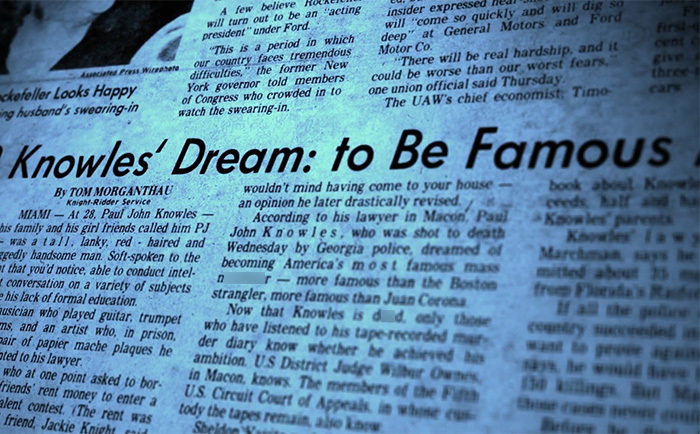
Knowles eventually took her to a motel in Fort Pierce, Florida. There, Abel realized that he wanted attention and hoped to become famous for his crimes.
When news broadcasts began showing their photographs and reporting the kidnapping, she noticed his excitement.
Abel, a radio copywriter, used that knowledge to her advantage.
She told him she could help him tell his story and write a book. The strategy helped keep him interested in talking to her rather than immediately harming her.
She later recalled that she pretended to be in love with him because she feared that speaking out could put other people in danger.
After another a**ault, Knowles tied her up and left the room to make a phone call.
When he returned around 1 a.m., he realized he had left the key inside and could not get back into the room. He told her through the door that he was leaving.
His final words to her were, “I love you.”
Abel managed to free herself and contact the motel manager. She later recalled telling him, “I was kidnapped by a serial k*ller.”
Police arrived, and she was reunited with her son. Her account later appeared in People magazine, and she also shared her experience in her book, One Survivor.
After leaving Abel at the motel, Knowles continued towards Georgia in her stolen car.
A Florida state trooper spotted the vehicle and attempted to stop him.
Knowles ambushed the officer, took him hostage, and then used the trooper’s vehicle to stop a businessman named James Meyer.
He held both men captive before taking them to a remote area in Pulaski County, Georgia, where he sh*t and k**led them. Troopers identified the trooper as Charles Eugene Campbell.
The m**ders prompted an intensified search.
On November 17, 1974, Knowles encountered a police roadblock near McDonough, Georgia. He crashed his vehicle and fled into nearby woods before being apprehended.
Authorities planned to return him to Florida to face charges. However, Knowles did not survive the journey through the criminal justice system.
On December 18, 1974, law enforcement officers escorted Knowles to retrieve a weapon he had discarded.
Serial killer Paul John Knowles, also known as “The Casanova Killer” for his good looks, who has murdered between 18 and 35 people in a five-month crime spree, dies in a shootout with police in Henry County, Georgia. He was 28. https://t.co/d0BYSEMQ4K
— 1976 Live (@50YearsAgoLive) December 18, 2024
According to the official account, he managed to free himself from his handcuffs using a paper clip and attempted to grab an officer’s g*n. GBI agent Ronnie Angel fatally sh*t him during the reported escape attempt.
Knowles was 28 years old.
His d*ath meant that he never stood trial for the full extent of his crimes, and investigators lost the opportunity to question him further about the victims he had described in his recordings.
His d*ath also generated controversy.
Some people questioned the circumstances surrounding the sh**ting.
Former Macon Telegraph reporter Randall Savage later recalled that Knowles’s lawyers and others disputed the official account, with some believing he had been deliberately k**led rather than sh*t during an escape attempt.
Nevertheless, the official explanation remained that Knowles had attempted to seize an officer’s weapon.
The case did not end with his d*ath.
Investigators continued reviewing old disappearances and unsolved m**ders, using the surviving information from his recordings and other evidence to identify possible victims.
Although authorities confirmed 18 m**ders, investigators believed that additional cases could still be connected to him.
The “Casanova k*ller” had wanted fame, a book, and even a film about his crimes.
Instead, his recordings became evidence in investigations that continued decades after his d*ath.
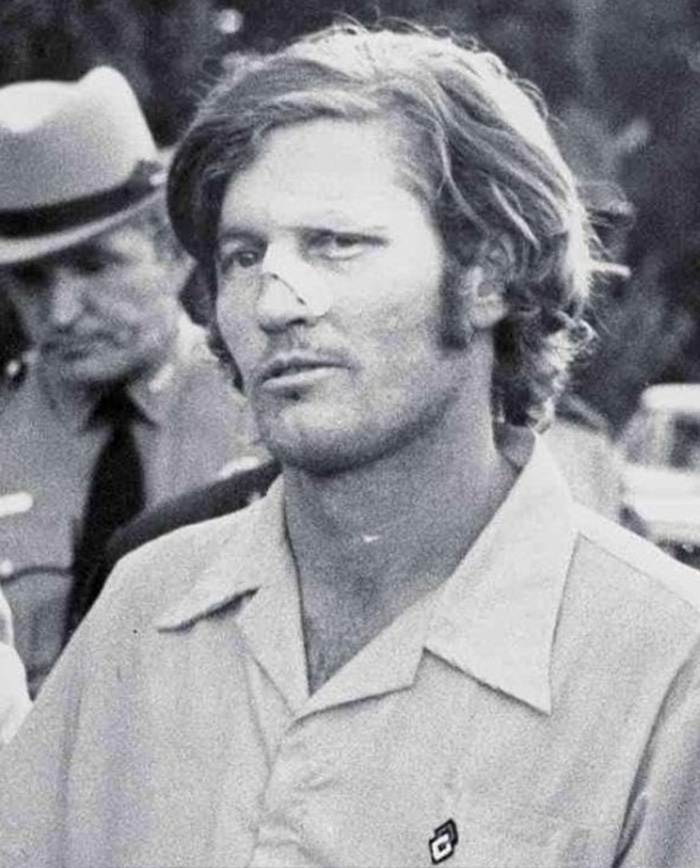
Image source: IMDB
#5 Herb Baumeister
Baumeister was an Indiana businessman suspected of m**dering more than a dozen men during the 1980s and 1990s.
He led a seemingly ordinary family life, running a successful thrift-store business with his wife, Juliana “Julie” Baumeister, and raising their three children.
Behind that public image, however, investigators believe he targeted young men at gay bars in Indianapolis, brought them to his property, and k**led them.
The investigation eventually uncovered thousands of human bone fragments at his 18-acre estate, Fox Hollow Farm, in Westfield, Indiana.
Baumeister was never tried for the m**ders.
He d*ed by s**cide in Canada on July 3, 1996, shortly after investigators discovered human remains on his property.
Authorities have since linked him to multiple victims, while forensic teams continue working to identify the remains recovered from the estate.
Baumeister was born in Indianapolis on April 7, 1947, the oldest of four children born to Herbert Eugene Baumeister, an anesthesiologist, and Elizabeth Schmidt.
He attended Indiana University briefly in 1965 before returning in 1967. He also spent a semester at Butler University in 1972.
His behavior reportedly became increasingly unusual during adolescence.
Friends later recalled incidents involving d*ad animals and inappropriate behavior at school. His father became concerned enough to arrange psychiatric examinations.
Baumeister also received diagnoses of paranoid schizophrenia and antisocial personality disorder, although he did not continue with psychiatric treatment.
In November 1971, Baumeister married Juliana “Julie” Saiter in a Methodist ceremony.
They eventually had three children together. Their marriage appeared stable from the outside, but Julie later described it as deeply strained.
She told investigators that they had been s**ually intimate only six times in more than 25 years of marriage and that she had never seen her husband undr**sed.
Baumeister worked several jobs before becoming a businessman.
In 1988, he founded the Sav-A-Lot thrift-store chain in Indianapolis. The business initially did well, helping him maintain the image of a successful entrepreneur and family man.
In 1988, he purchased Fox Hollow Farm, an 18-acre property in Westfield.
The estate included a large family home and wooded grounds. Investigators would later discover that the property concealed evidence of multiple m**ders.
During the 1980s and early 1990s, several young men disappeared after visiting gay bars and other establishments in Indianapolis.
Some of their remains were later discovered near Interstate 70 in Indiana and Ohio.
The unidentified k*ller became known as the “I-70 Strangler.”
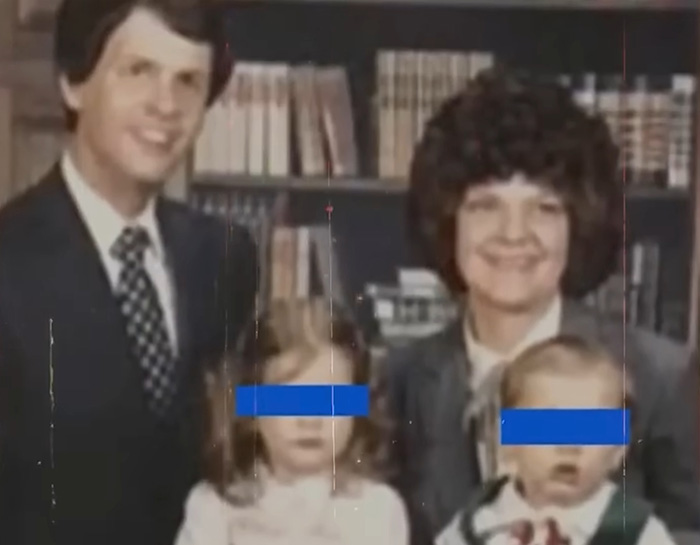
Investigators connected a series of m**ders involving young men and teenage boys who had been found in remote locations. Many had been strangled, and their bod*es had been left near roads, streams, and ditches.
The earliest case included in the series involved 15-year-old Michael Sean Petree, whose body was discovered in Hamilton County, Indiana, on June 16, 1980.
Other victims included 14-year-old Delvoyd Lee Baker and 22-year-old Michael Andrew Riley.
The similarities between several disappearances and discoveries eventually led investigators to examine whether one person was responsible.
In April 1998, law enforcement publicly named Baumeister as a prime suspect in the I-70 m**ders.
However, the case remains officially unsolved, and his responsibility for those k**lings has not been established in court.
Investigators later noticed that bod*es connected to the I-70 cases stopped appearing around 1991, after Baumeister acquired Fox Hollow Farm.
They considered whether he had changed his disposal location after purchasing the property.
The first major discovery at Fox Hollow Farm occurred in 1994. Baumeister’s son was playing in the wooded backyard when he found a partially buried human skeleton.
When Julie questioned her husband, Baumeister claimed that the remains came from a medical-school skeleton belonging to his late father, who had worked as an anesthesiologist. He reportedly had the remains placed in the garage before burying them again.
At the time, Julie accepted his explanation. However, the discovery would become significant when investigators later searched the property.
By 1996, the Baumeisters’ marriage had deteriorated further. Julie filed for divorce, and she eventually shared her concerns with investigators. She also told them about the human skull her son had discovered two years earlier.
Police had already been investigating the disappearances of several young men.
They identified Baumeister as a person of interest and asked to search Fox Hollow Farm. After Julie consented, investigators began examining the property while her husband was away.
On June 24, 1996, investigators began recovering human bone fragments from the wooded areas of Fox Hollow Farm.

The search uncovered remains belonging to at least 11 people, with additional discoveries made as the investigation progressed.
The remains were scattered across different parts of the property. Some fragments had been burned or crushed, making identification particularly difficult.
Investigators also recovered objects including handcuffs and sh*tgun shells.
The discoveries raised serious questions about what had happened at the property and how many people had been k**led there.
Authorities eventually estimated that approximately 10,000 bone fragments had been recovered.
The remains were believed to belong to numerous male victims, many of whom had disappeared after visiting Indianapolis-area bars.
The scale of the discovery shocked investigators. It also left families facing the possibility that relatives who had disappeared years earlier might have been among the unidentified victims.
Julie had lived with Baumeister for more than two decades and raised three children with him. The investigation forced her to reconsider the life she believed they had shared.
In a 1996 interview with People, she expressed the difficulty of reconciling her memories of her husband with the allegations against him.
“Our biggest question now is how he could have loved us and done this,” she said. “Happiness as we knew it is never going to return.”
She also recalled her first conversation with detectives, who informed her that they were investigating her husband in connection with the disappearances of gay men.
“The police came to me and said, ‘We are investigating your husband in relation to homos**ual homicide,’” Julie said. “I remember saying to them, ‘Can you tell me what homos**ual homicide is?’”
As investigators continued examining Fox Hollow Farm, Baumeister realized the police were closing in. Police issued a warrant for his arrest, but he left the United States and traveled to Ontario, Canada.
On July 3, 1996, authorities found him d*ad at Pinery Provincial Park near Lake Huron. He had d*ed from a self-inflicted gunsh*t wound at the age of 49.
Baumeister left a three-page s**cide note. In it, he expressed regret about his failed marriage and struggling business. He also apologized for disturbing the park’s scenery.
However, he did not mention the human remains discovered at Fox Hollow Farm or confess to the m**ders.
His d*ath meant that investigators never had the opportunity to question him in court or obtain a complete account of the crimes.
Although Baumeister d*ed in 1996, the investigation into the identities of his suspected victims has continued.
For years, many of the recovered remains remained unidentified. In November 2022, Hamilton County Coroner Jeff Jellison announced a renewed effort to use modern forensic technology to identify the people whose remains had been recovered from the property.
He criticized the fact that the remains had spent decades without being properly identified.
“For the past 26 years these people have been placed on a shelf at the University of Indianapolis, and that is not acceptable,” Jellison said. “We need to make every effort possible to identify these people and return them to their loved ones.”
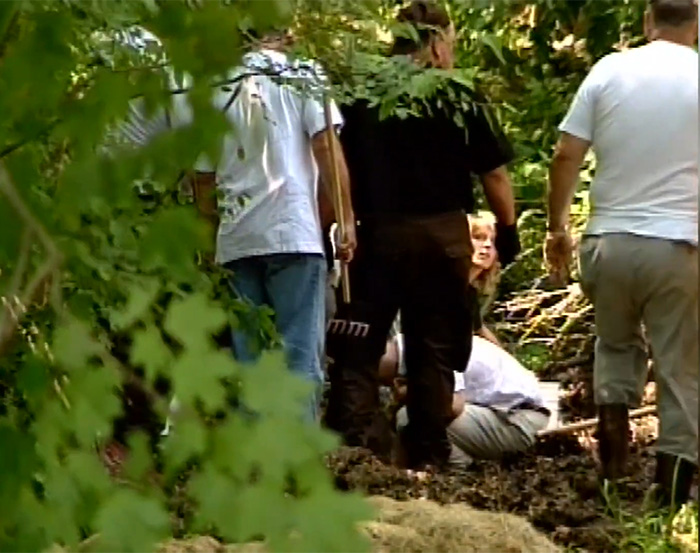
A renewed search of the property on December 4, 2022, uncovered another bone and identified approximately 20 additional locations that could contain buried remains.
DNA testing subsequently helped investigators identify several victims.
Allen Wayne Livingston, who disappeared in August 1993, was identified in October 2023.
Investigators identified Manuel Resendez in January 2024 and Jeffrey Allen Jones in May 2024. In 2025, forensic genetic genealogy also helped identify Daniel Thomas Halloran.
The identification work has given some families long-awaited answers. However, thousands of bone fragments still require examination, and investigators believe that at least 25 people may have been buried at Fox Hollow Farm.
Jellison described the importance of identifying the remains in an interview with the Associated Press, “We identified a person who had been missing for 30 years. That person is likely a m**der victim.”
He added that investigators quickly had to confront the reality behind the discovery, adding, “We’ve got another m**der victim.”
The coroner’s office has continued appealing to families of men who disappeared in Indiana and neighboring states during the 1980s and 1990s to provide DNA samples.
The investigation has also attracted renewed public attention through the 2025 Hulu docuseries, The Fox Hollow m**ders: Playground of a Serial k*ller. The program explored the m**ders, the identification efforts, and questions about whether Baumeister may have had an accomplice.
Authorities had received hundreds of tips following the documentary’s release. The renewed attention also brought forward people who believed they had encountered Baumeister but survived an attack.
The case remains open, and investigators continue examining the recovered remains.
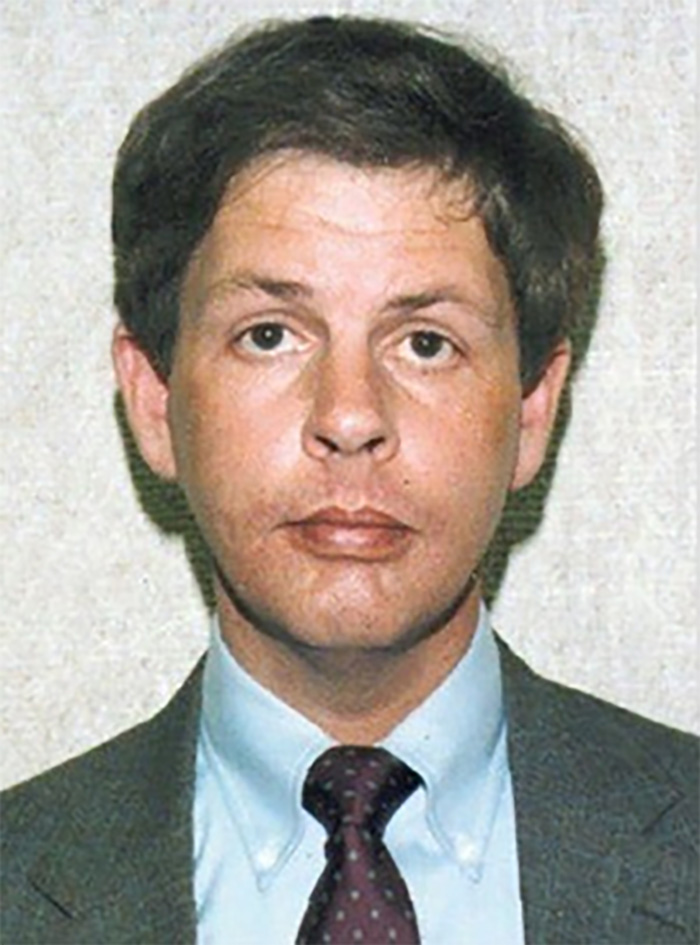
Image source: Wikipedia
#6 Charles Albright
Albright became known as the “Eyeball k*ller” after a series of m**ders in the Dallas area drew attention to a disturbing detail- the victims’ eyes had been removed with unusual precision.
Between 1988 and 1991, investigators linked four women to the case. However, Albright was convicted of only one m**der, and he remained a suspect in the other case.
Born on August 10, 1922, in Amarillo, Texas, Albright was adopted by Fred and Delle Albright.
His adoptive mother was reportedly strict and overprotective, and she took an active role in his upbringing.
She also taught him taxidermy. One particularly unsettling anecdote claimed that she refused to buy glass eyes for the animals he stuffed and instead sewed buttons onto them.
Albright showed signs of criminal behavior early in life.
At 13, he faced an aggravated a**ault charge. By 16, police had caught him with stolen money and several firearms. He subsequently spent time in prison for theft and receiving stolen property.
His record of deception continued into adulthood.
Albright attended Arkansas State Teachers College but was expelled after stealing college property.
He later forged academic records and gave himself fictitious bachelor’s and master’s degrees. He even used the false qualifications to secure teaching work.
In 1981, he also pleaded guilty to s**ually m*lesting a teenage girl and received probation.
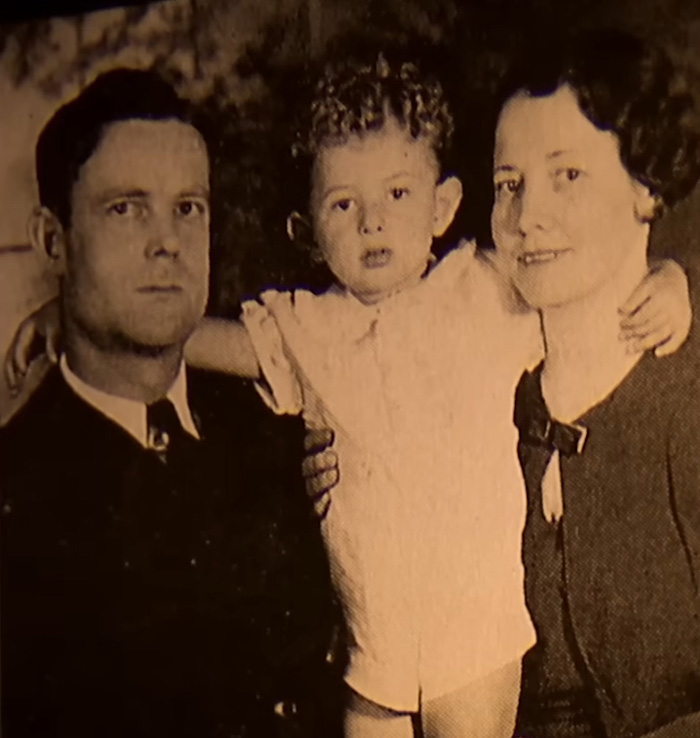
Despite this history, Albright maintained a friendly image among some neighbors.
People reportedly considered him helpful and pleasant, and he occasionally gave gifts or offered assistance around their homes. That reputation made the investigation particularly challenging.
The Dallas m**ders began attracting attention in October 1988, when investigators found 30-year-old Rhonda Bowie d*ad in Oak Cliff.
She had suffered multiple stab wounds, but her eyes had not been removed. In December 1990, 33-year-old Mary Lou Pratt was found d*ad in southern Dallas County.
The medical examiner discovered that someone had removed both her eyes.
Two more women, Susan Beth Peterson, 27, and Shirley Williams, were found d*ad in February and March 1991.
Both had also lost their eyes. Investigators began to suspect that the m**ders were connected and that they were looking for a repeat offender.
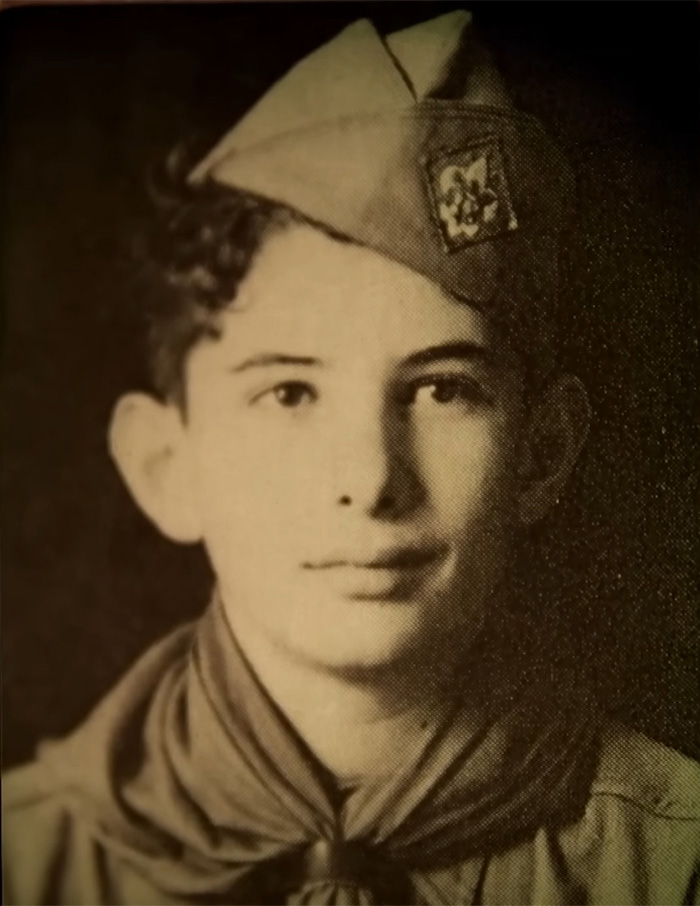
True Lives/YouTube
The unusual nature of the crimes drew the attention of FBI agent Judson M. Ray.
During the investigation, he described the removal of the victims’ eyes as highly unusual.
At trial, he testified, saying, “In my professional opinion, it’s doubtful that you would have more than one person that deranged living in this city.”
Rookie Dallas police officer Regina Smith played an important role in bringing Albright under scrutiny.
Police arrested him on March 22, 1991, and later charged him in connection with the four m**ders. Investigators relied heavily on circumstantial evidence, including hair and fiber comparisons.
However, the case against him faced serious challenges.
During the trial, defense forensic expert Samuel J. Palenik questioned whether the hair samples presented by prosecutors actually belonged to Albright or the victims.
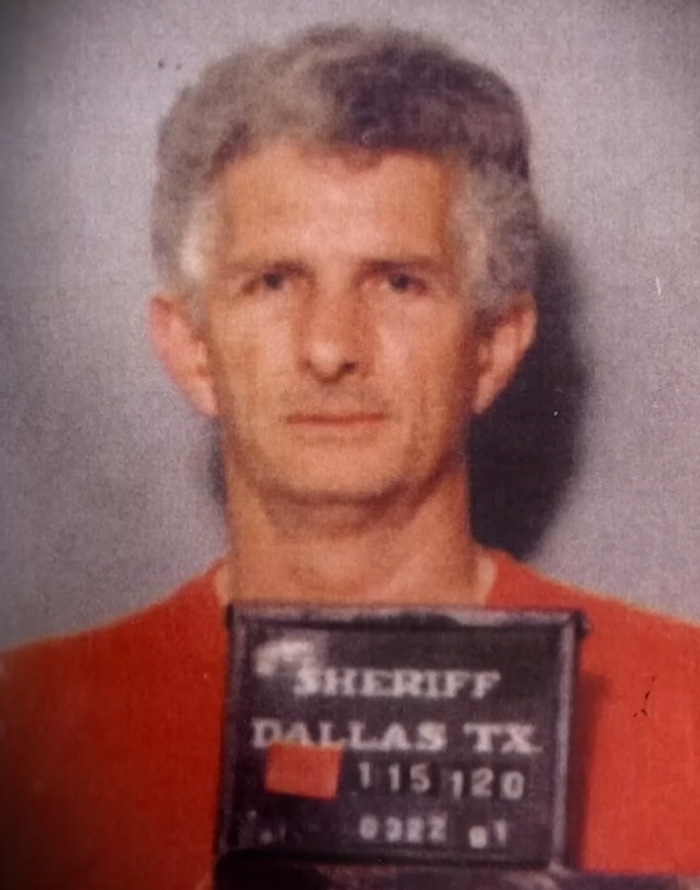
His girlfriend, Dixie Austin, also testified in his defense, maintaining that he could not have committed the m**ders and that he had been with her during at least one of the k**lings.
On December 18, 1991, the jury found Albright guilty of m**dering Shirley Williams.
He received a life sentence, but prosecutors did not secure convictions for the other m**ders.
Later DNA testing also indicated that hairs used as evidence against him had come from a dog, raising further questions about the forensic evidence presented at trial.
Albright continued to deny responsibility for the crimes, and the other cases remained unresolved.
He spent the rest of his life in custody at the John Montford Psychiatric Unit in Lubbock, Texas, and d*ed on August 22, 2020, aged 87.
Albright was convicted of one m**der, while his suspected connection to the other d*aths was never established in court.
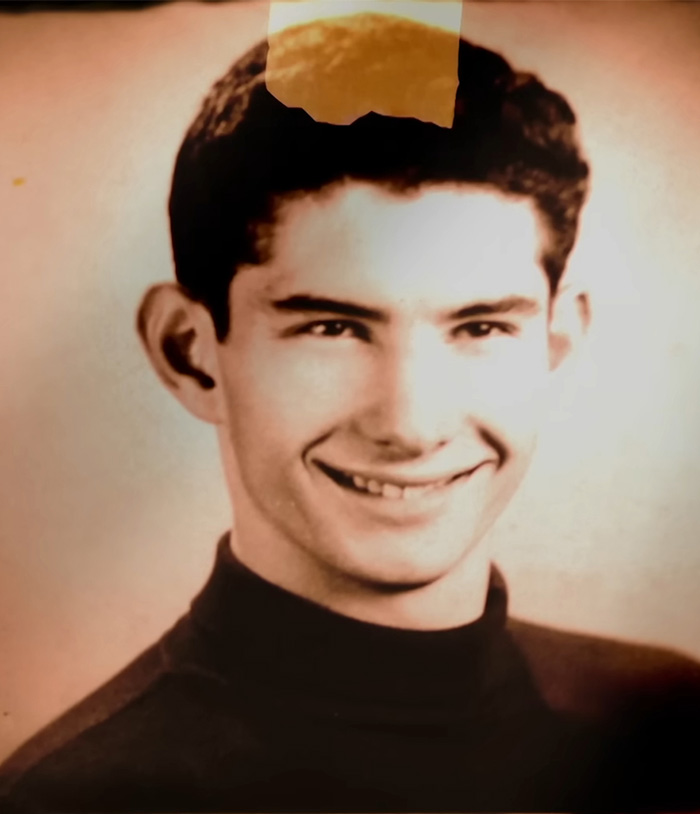
Image source: True Lives/YouTube
#7 Joanna Dennehy
Dennehy became one of Britain’s most notorious female serial k**lers after m**dering three men and attempting to k*ll two others during a 10-day spree in 2013.
Her crimes began in Peterborough, Cambridgeshire, before she traveled to Hereford and attacked two strangers walking their dogs.
In February 2014, she became the first woman in England and Wales to receive a whole-life sentence directly from a judge.
Born in August 1982 in St Albans, Hertfordshire, Dennehy grew up in Harpenden.
Her family described her childhood as relatively stable, and her sister Maria told the BBC that their parents had worked hard to provide a good home.
She recalled, “My parents gave her a good education. [Joanne] was very academic and used to read books and liked to learn a lot of stuff.”
However, Dennehy’s behavior reportedly changed during her teenage years.
She began running away from home, stealing and eventually struggling with al**hol and d**g use. By 2013, she was living in Peterborough and had little regular contact with her two children.
Her k**ling spree began in March 2013.
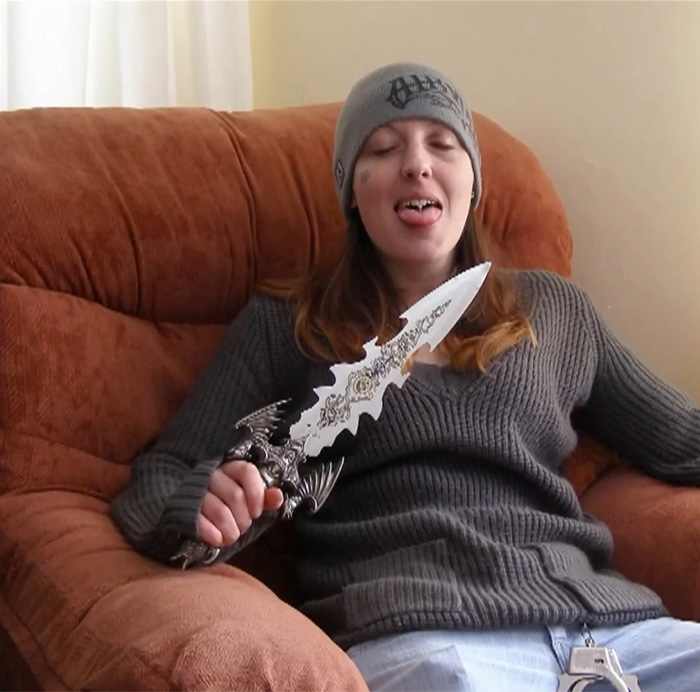
Her first victim was Lukasz Slaboszewski, a 31-year-old Polish national whom she had met shortly before his d*ath. Dennehy allegedly sent him suggestive messages that led him to believe they were romantically involved.
He reportedly told a friend, “Life is beautiful,” after meeting her. However, when he arrived at the property expecting to see her, Dennehy stabbed him to d*ath and placed his body in a wheelie bin.
The next two m**ders happened on March 29.
Dennehy k**led her housemate John Chapman, 56, before m**dering her 48-year-old landlord and former lover, Kevin Lee.
She had reportedly lured Lee to meet her by promising s**ual favors. His body was later discovered in a ditch near Newborough, dressed in a black sequinned dress and deliberately posed.
After k**ling Chapman, Dennehy contacted her accomplice Gary Stretch and reportedly told him, “Oops, I’ve done it again,” per The Guardian.
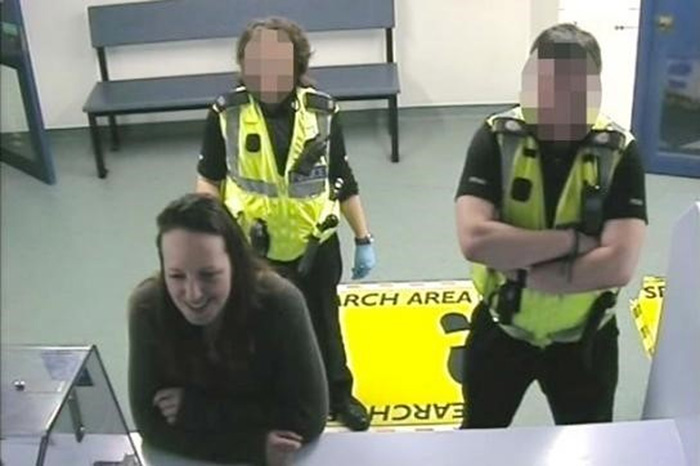
She later told a psychiatrist why she had continued k**ling, explaining, “I k**led to see if I was as cold as I thought I was. Then it got moreish, and I got a taste for it.”
The m**ders did not end in Peterborough.
Dennehy traveled to Hereford with accomplices and began looking for strangers to attack.
On April 2, she stabbed 64-year-old retired firefighter Robin Bereza, while he was walking his dog. Nine minutes later, she attacked 56-year-old John Rogers, who was also out walking his dog. Both men survived, although they suffered serious injuries. Dennehy also took Rogers’ dog.
The attacks triggered a nationwide police investigation.
CCTV footage, forensic evidence and public appeals helped investigators track her movements.
Police eventually arrested Dennehy and her associates after the Hereford attacks. During the investigation, authorities established that the same knife had been used in all five a**aults.
Dennehy pleaded guilty to all three m**ders and both attempted m**ders in November 2013.
Her accomplices also faced charges for their roles in the crimes.
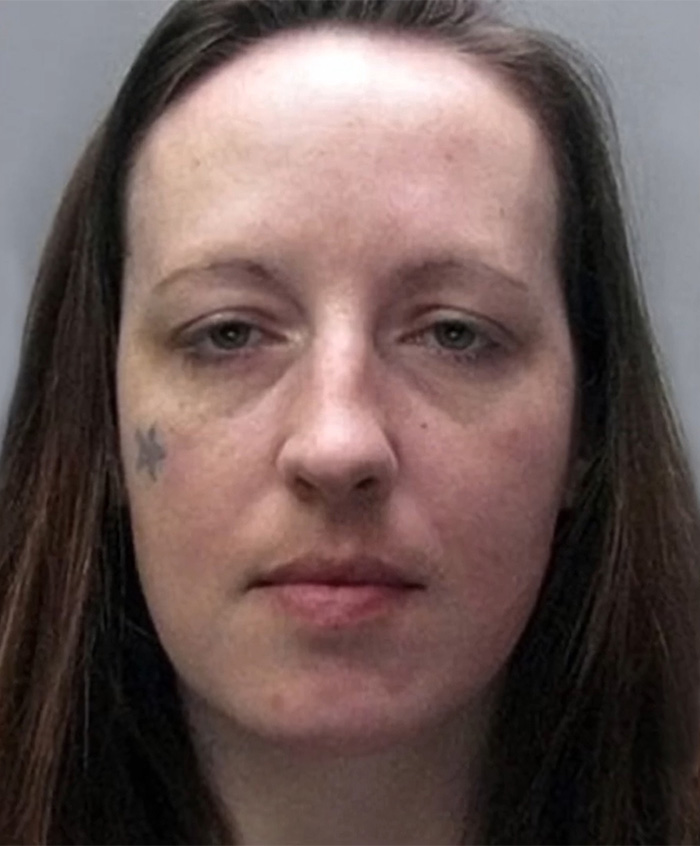
Gary Stretch received a life sentence with a minimum term of 19 years, while Leslie Layton received 14 years. Robert Moore, who admitted assisting an offender, was sentenced to three years.
During the sentencing hearing at the Old Bailey on February 28, 2014, Mr Justice Spencer described Dennehy as “a cruel, calculating, selfish and manipulative serial k*ller.”
The judge also referred to her lack of remorse and the premeditated nature of the m**ders. He concluded that her crimes were so serious that she should never be released.
The whole-life order made Dennehy the third woman in British criminal history to receive such a sentence, following Myra Hindley and Rosemary West.
She was later transferred to HMP Low Newton in County Durham, where she remains incarcerated.

Image source: Deadly True Crime/YouTube
 Follow Us