It is very easy to dismiss a prophet. Nostradamus wrote in riddles vague enough to mean anything. Rasputin was, by most accounts, completely unhinged. The guy at the end of your street with the sandwich board has been predicting the end of the world every Saturday for eleven years. You learn to tune it out.
But Robert Peston is not that. He is ITV’s political editor, a man who warned about the 2008 banking collapse while politicians had their fingers in their ears. A man who looked at a mysterious new virus in Wuhan in late 2019 and told government officials it looked serious, and was right. So when he says he is anxious about what comes next, it is probably worth putting the sandwich board down and listening.
Future predictors always seem like a bunch of hogwash, but when they come with receipts, we should listen up
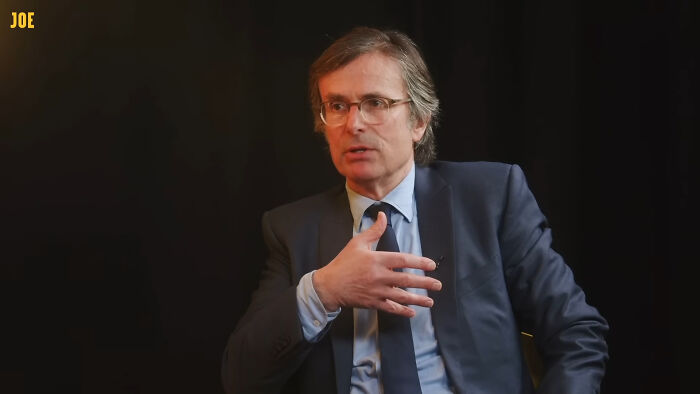
Image credits: PoliticsJOE / YouTube

Robert Peston is a respected journalist who warned us about the 2008 financial crash and COVID, and he now has a new prediction
Peston’s current anxiety centres on AI, specifically, the staggering amount of money being poured into it right now. Data centres, power plants, infrastructure, development; the investment is running into the hundreds of billions globally, fuelled by a level of market excitement that Peston describes as reminiscent of the late 1920s.
Which is not a comparison anyone should take lightly, given what happened immediately after the late 1920s. His concern is not that AI itself is worthless; he actually believes it will be as transformative as the Steam Age. His concern is that the returns being promised to investors are not going to materialise at the scale or speed required to justify what is being spent.

Image credits: Solen Feyissa / Unsplash (not the actual photo)
He foresees that there will be another financial crash akin to the one in 1920 when the AI bubble bursts
And when that reality lands, he believes businesses will collapse, investors will panic, and the world will face a significant financial shock. “I am genuinely anxious that we’re going to get a serious financial crash, globally, in the next year or two,” he told Radio Times. For a man with his track record, the word anxious lands differently than it might from anyone else.
And the consequences he is describing go well beyond a market correction. “There may not be conventional productive employment to replace those lost jobs,” he said. “So how are people going to live? And if vast numbers lose their jobs, nobody pays income tax, so the government can’t pay for public services, and society collapses.” Not slows down. Not struggles. Collapses.
Image credits: Igor Omilaev / Unsplash (not the actual photo)
He thinks that more money is being invested in AI than is financially viable and the returns will not be anywhere near what people expect, leading to a crash
But something makes Peston’s warnings different from the usual parade of doom merchants who pop up every few years to tell us civilisation is ending. He does not deal in vibes. He deals in patterns, and the pattern he is describing with AI is one he has seen before. In 2007, he was watching the banking sector and seeing numbers that did not add up.
Enormous amounts of money moving around, enormous amounts of confidence in returns that were never going to materialise, and a collective refusal to ask the obvious questions. Sound familiar? The AI investment bubble follows a remarkably similar shape.
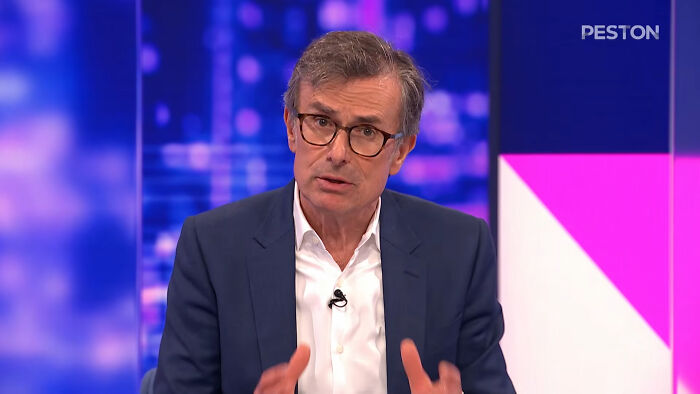
Image credits: Peston / YouTube
His timeline is also pretty grim, saying all of this will most likely happen in the next two years
We see vast sums going in with sky-high expectations of returns. And a market so giddy about the potential that it has stopped doing the basic maths. Peston is not saying AI will not work. He is saying the money going into it right now is running ahead of reality, and when reality catches up, the gap between the two is going to hurt. It hurt in 2008. He thinks it will hurt again.
“And I worry that the profits aren’t going to be delivered on a scale to justify all this, so businesses will go bust, investors will take fright, and we will have a significant market shock,” he explains. If these thoughts don’t make people’s ears perk up, we don’t know what will.
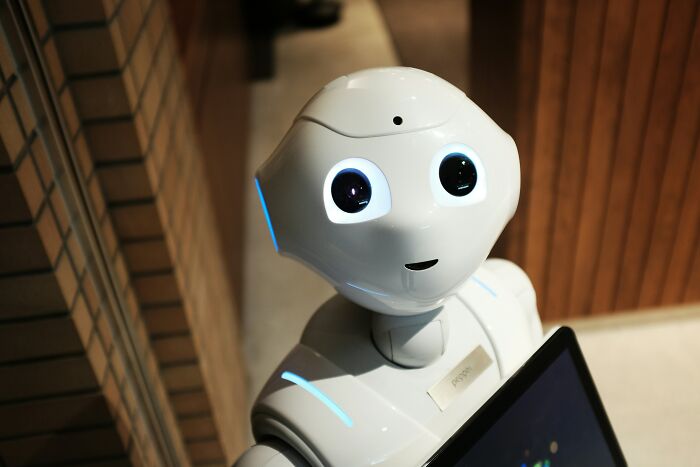
Image credits: Alex Knight/ Unsplash (not the actual photo)
Others also warn of similar outcomes as AI replaces the workforce, leading to less income tax for governments, essentially wiping out their major source of funds
He is not alone either. Former OpenAI researcher Daniel Kokotajlo has separately declared that AI will eventually become a “superintelligence,” one that is “better, faster and cheaper” than any human worker. Which, if Peston’s economic domino theory is correct, only deepens the problem. A financial crash triggered by an AI bubble, followed by a workforce displaced by the very technology that caused the crash.
It’s followed by a depletion of the tax base, so public services are no longer financially viable. It is a sequence of events that sounds like the plot of a thriller. Which is, perhaps not coincidentally, exactly what Peston has just written. His latest book explores a world of megalomaniac technocrats, malevolent AI superintelligence and cutting-edge brain implants. His publisher presumably thought it was fiction.
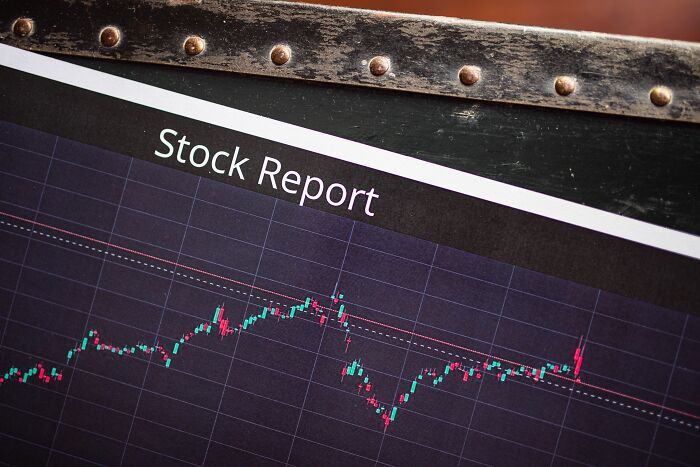
Image credits: RDNE Stock project / Pexels (not the actual photo)
It is worth remembering that market crashes, as catastrophic as they feel in the moment, are not always the end of the story. The dot-com bubble of the late 1990s is the most obvious comparison. It was a period of frenzied investment in internet technology that bore a striking resemblance to what is happening with AI right now.
When it burst, it wiped out an enormous amount of value almost overnight. Amazon, now one of the most valuable companies in human history, lost approximately 90% of its stock value during the crash. And yet it survived. And then it thrived.
The technology that underpinned the dot-com boom did not disappear when the bubble burst; it just took longer to deliver on its promise than investors wanted. Peston himself acknowledges that AI infrastructure will likely survive even a significant financial crash. The question is what the world looks like on the other side of it, and who bears the cost of getting there.
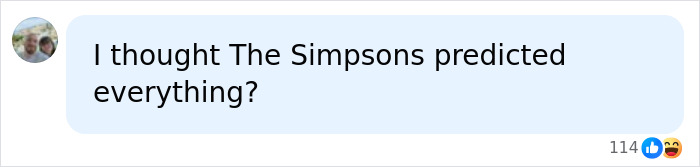
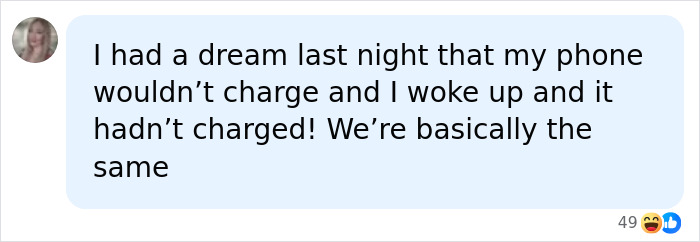
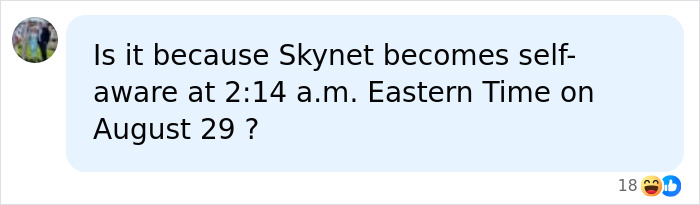
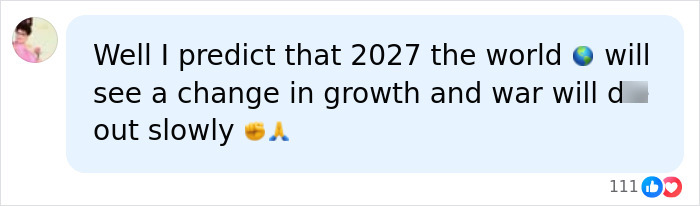
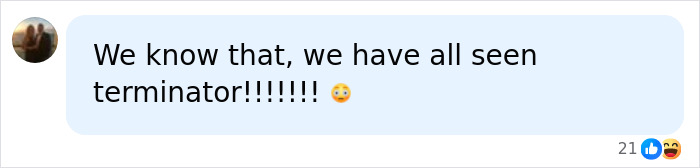
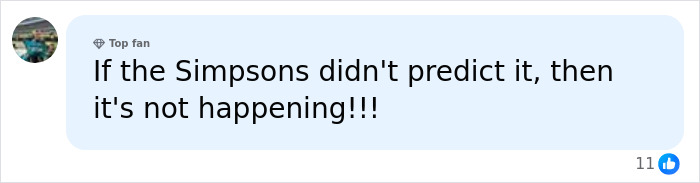
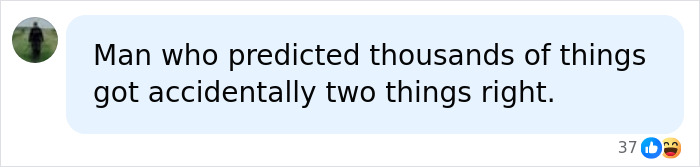
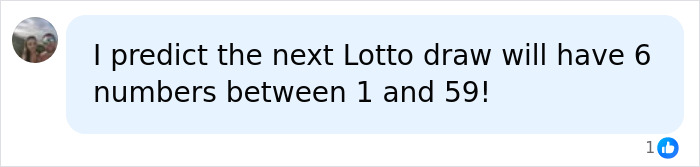
People in the comments were quick to give their own predictions, with many saying they only believe it if it happens on The Simpsons




 Follow Us