Family is often the first place people learn what love, responsibility, and support look like. However, there’s a difference between helping out at home and being treated like an extra parent. When one child is repeatedly expected to look after their younger siblings, their own needs can easily become an afterthought.
And things can get particularly complicated when that child grows up and finally decides they’ve had enough. For some parents, having an adult child move out doesn’t necessarily mean accepting that they’re now independent, and that was the situation this 20-year-old found himself in.
It’s expected of children to have silly hobbies, scraped knees, and a little mischief, but not a permanent unpaid parenting position

satura86 / Magnific (not the actual photo)

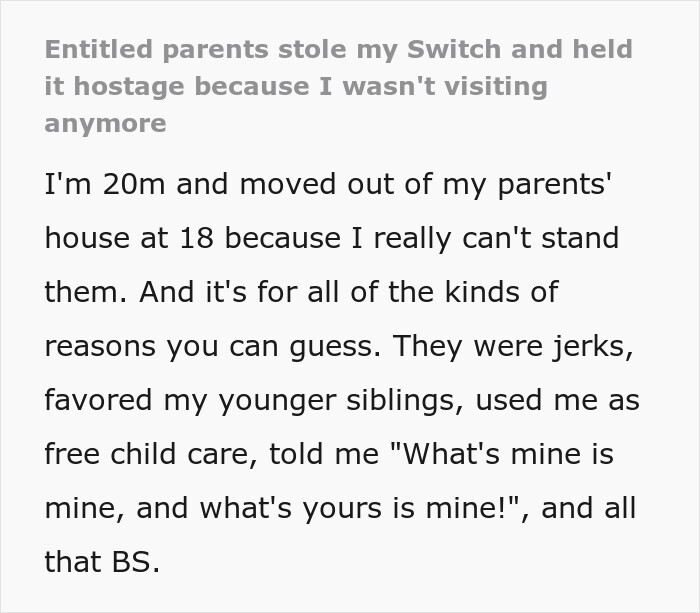
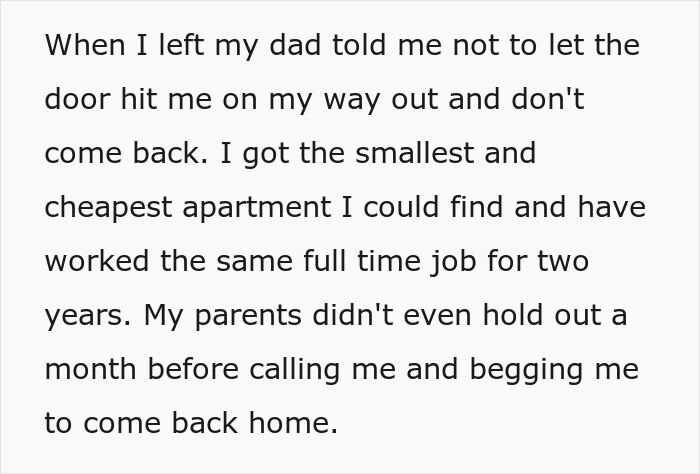
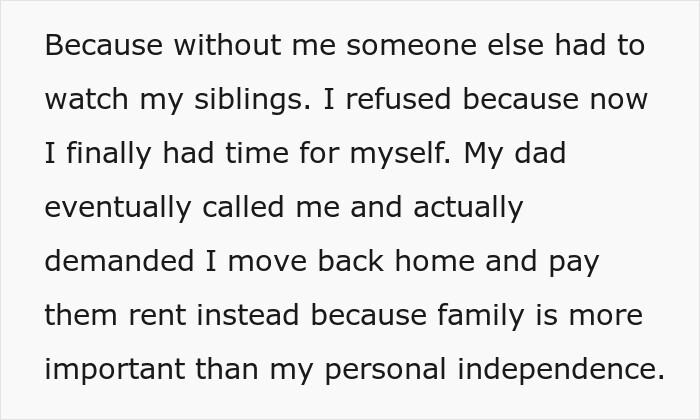
At 18, the man moved out after years of being treated as his parents’ unpaid babysitter and finally started living independently

MASTANGRAPHIC / Magnific (not the actual photo)

TrueTouchLifestyle / Envato (not the actual photo)
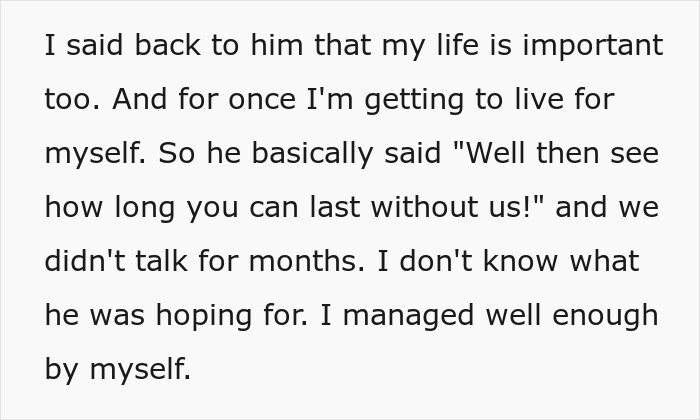
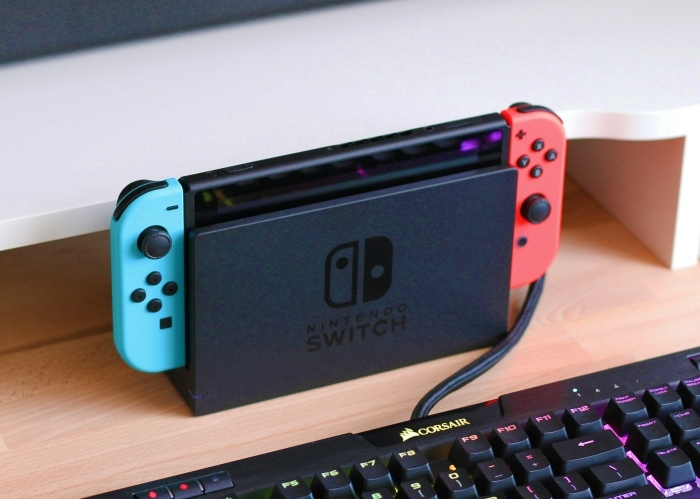
His mother later left his two youngest siblings at his apartment all day, and he discovered the next morning that one of them had taken his Nintendo Switch

msvyatkovska / Envato (not the actual photo)
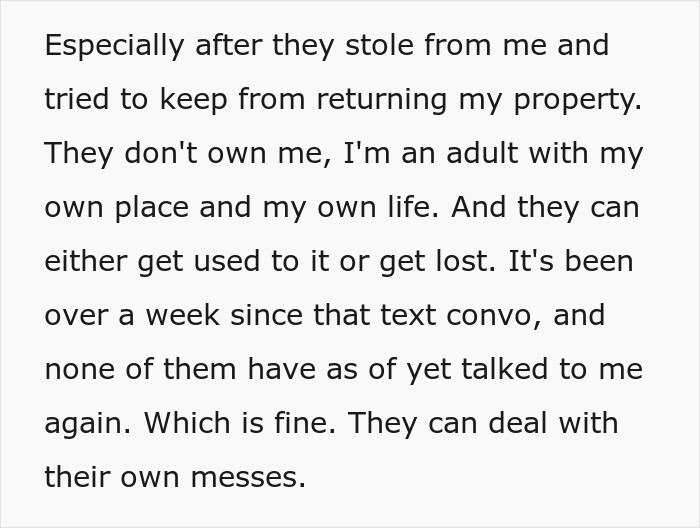

When his father refused to return the console unless he agreed to babysit more, he threatened to call the police, got his Switch back, and refused to provide free childcare anymore
One concept that helps explain the earlier years of this arrangement is parentification. The Cleveland Clinic describes it as a role reversal in which children take on responsibilities that would normally belong to their parents. This can include looking after younger siblings, cooking, cleaning, and even providing emotional support to adults.
Now, helping around the house is normal, but regularly being expected to take over parental duties is a different matter. The distinction is important because sibling care isn’t automatically harmful. Older children can enjoy helping their younger brothers and sisters, and occasional babysitting can be a reasonable family arrangement.
However, the NHS guidance on young carers points out that caring responsibilities shouldn’t take up so much of a young person’s time that they interfere with school or ordinary childhood activities. The same principle applies to having time for friends, hobbies, and personal interests. When childcare becomes an expectation rather than a choice, the older sibling can start feeling as though their own needs always come second.
This can also explain why leaving home doesn’t necessarily put an end to the problem. Family roles can become deeply established, and parents may continue expecting an adult child to behave according to the position they occupied growing up. In fact, Psychology Today discusses the importance of boundaries between parents and their adult children, noting that it can be difficult to challenge parental authority even after reaching adulthood.
Becoming financially independent doesn’t automatically change the emotional expectations within a family. Sometimes, the parent still sees the adult child as someone who should follow the old household rules, while the child is trying to establish an entirely different relationship.
Andrew M / Unsplash (not the actual photo)
Family loyalty can also make these disagreements even harder to resolve. People are often taught that relatives should always help one another, but that expectation can become unhealthy when only one person is expected to make sacrifices. Lifeline’s guide to setting boundaries with family explains that family relationships can involve strong expectations around responsibility, respect, and looking after one another.
It also highlights that people can want to remain close to their relatives while still needing privacy and control over their time. These things aren’t mutually exclusive. Being willing to help doesn’t mean someone has to be available whenever another family member demands it. Perhaps the transition into adulthood also involves renegotiating what parents and children expect from each other.
Besides, there is a difference between asking someone for help and using something they own to make them agree. In healthy family relationships, responsibilities should be discussed rather than imposed through threats or pressure.
The Conversation discusses how parents can support their adult children while respecting their growing independence. Essentially, it always works best when people are allowed to choose what they can reasonably give. What do you think? Is it ever acceptable for parents to use their children’s belongings as leverage to get what they want? Let us know your thoughts in the comments!
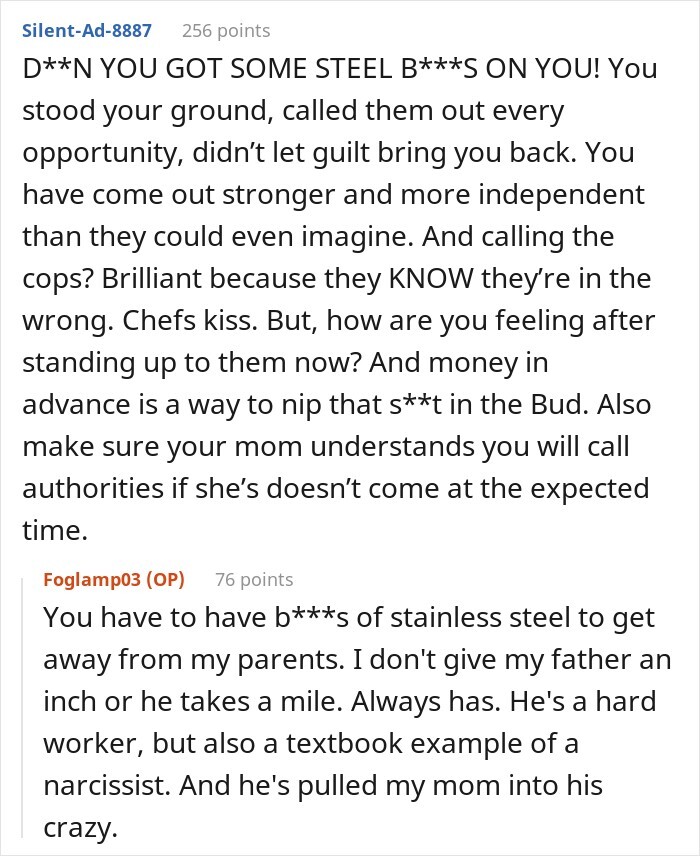
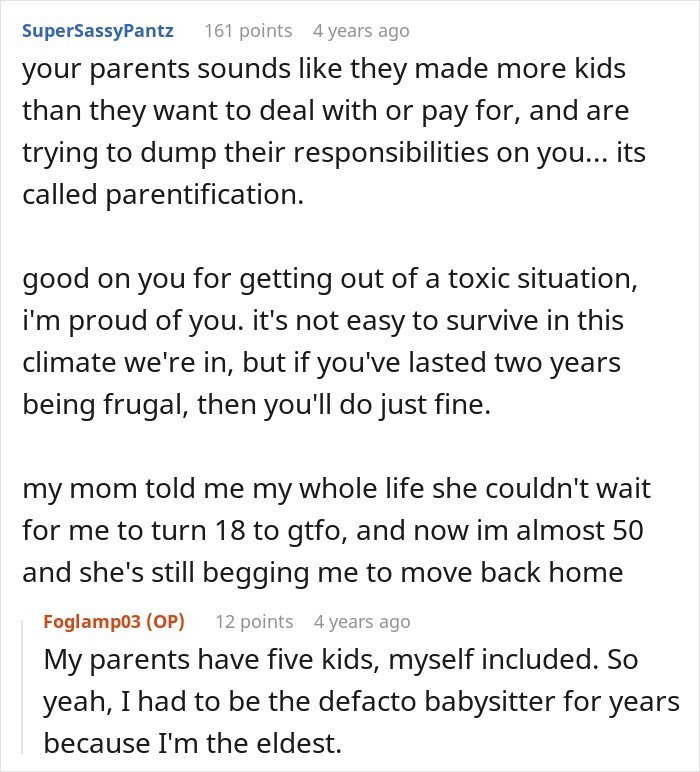
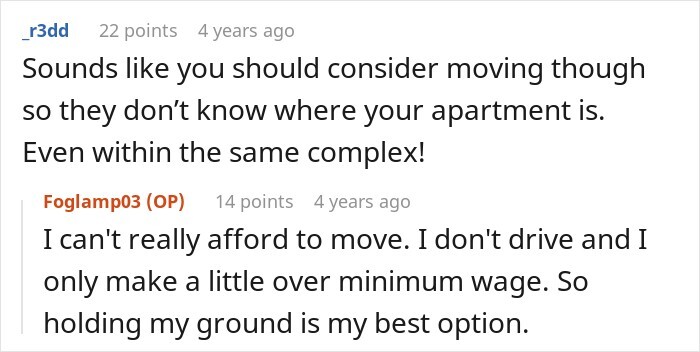
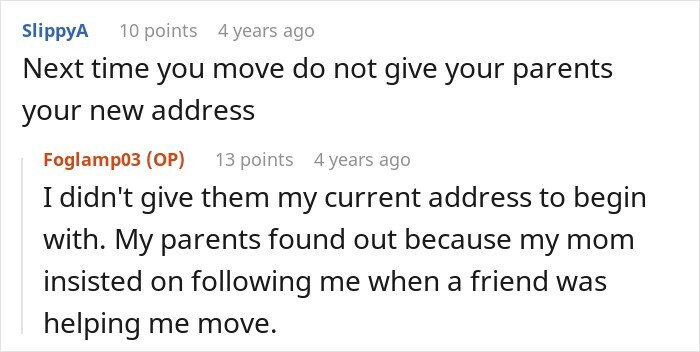
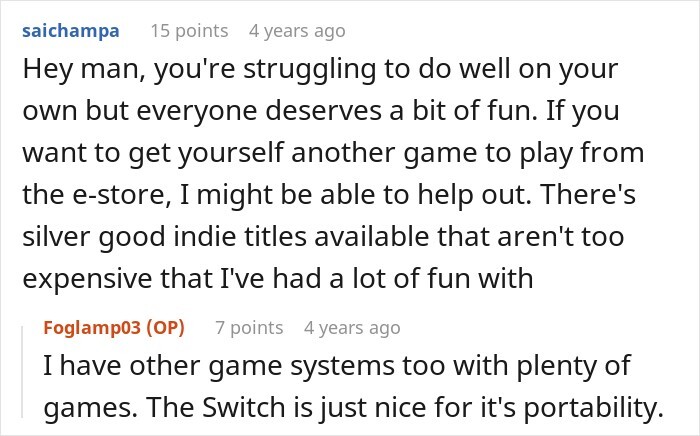
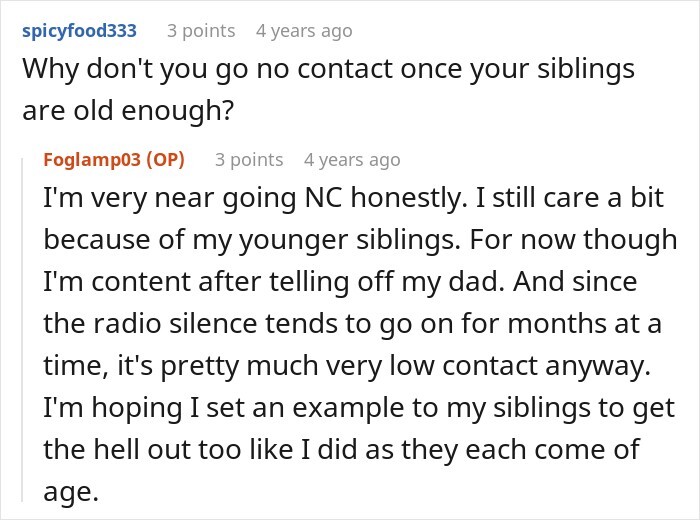
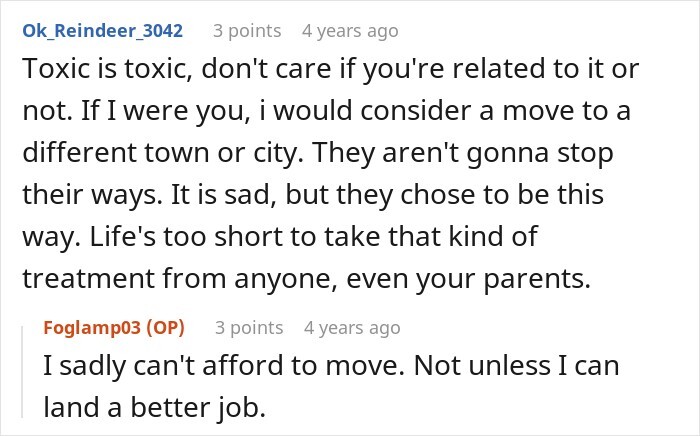
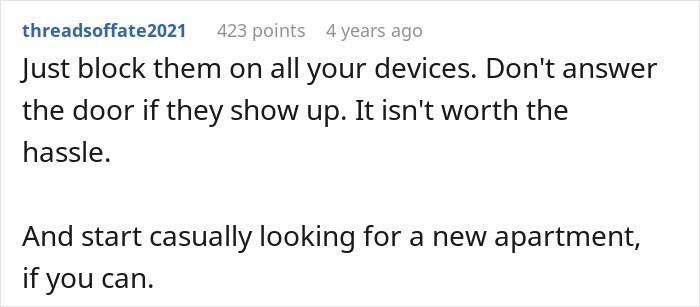
Netizens felt the parents’ behavior was wrong on so many levels and encouraged him to go no contact with his parents









 Follow Us