The heartbreaking case of a working mother from Ohio, whose newborn tragically passed away in her arms after her request to work from home was denied, has ignited debate around workplace flexibility and corporate responsibility.
The case gained widespread attention after what netizens deemed a “fair” ruling by an Ohio jury, which awarded the newborn’s estate a staggering $22.5 million in damages five years after the baby’s passing.
“Absolutely despicable. I don’t know how leadership at companies like this can sleep at night, I’d never be able to,” reacted one netizen to the details of the tragic case.
The newborn, Magnolia Walsh, passed away in 2021 after her mother’s request to work from home was initially denied

Image credits: Google Maps
An Ohio woman, Chelsea Walsh, was experiencing a high-risk pregnancy and even had to undergo an emergency cervical procedure in February 2021.
Shortly after the procedure, her doctors provided written orders for modified bed rest and requested that she be allowed to work from home to limit physical activity.
Chelsea, who worked at Total Quality Logistics (TQL), a Cincinnati-area logistics firm, submitted her work-from-home request on February 15, 2021, according to her lawsuit cited by NBC News.

Image credits: freepik (not an actual photo)
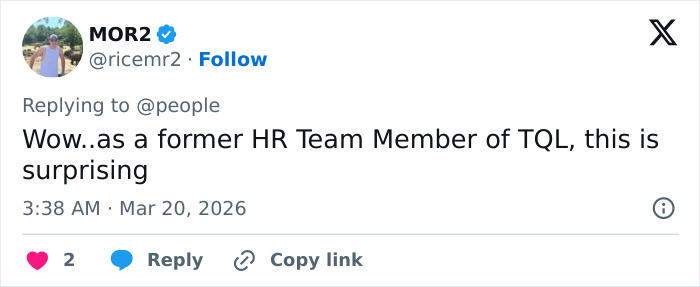
Image credits: ricemr2
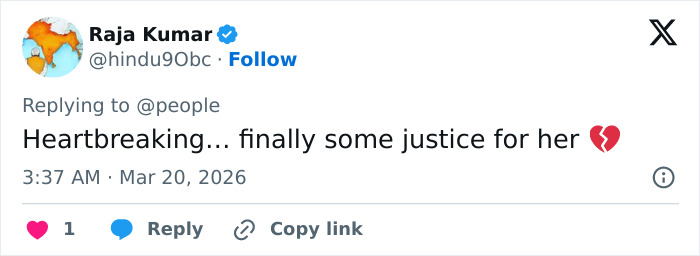
Image credits: hindu9Obc
TQL initially denied the remote work request, forcing Walsh to choose between returning to the office or taking unpaid leave, which would have resulted in the loss of her income and health insurance.
On February 22, 2021, Walsh returned to the office despite strict warnings from medical professionals.
While the company eventually reconsidered and granted the request on February 24, on the condition that a third party, unrelated to the company, intervened on her behalf, Walsh suffered complications that same day.
Image credits: DC Studio/freepik (not an actual photo)
She was urgently taken to the hospital, where she gave birth prematurely at 20 weeks and six days to her daughter, Magnolia Walsh.
According to the lawsuit, the newborn “had a heartbeat, was breathing, and exhibited fetal movement,” despite her premature birth.
Magnolia reportedly passed away in her mother’s arms 90 minutes after birth.
Netizens accused Chelsea Walsh’s employer, Total Quality Logistics, of “extortion” after the company hinted at appealing the final verdict

Image credits: hedgehog94/freepik (not an actual photo)

Over five years later, on Wednesday, March 18, the Hamilton County Common Pleas Court announced its final verdict following a trial that reportedly lasted seven days.
The jury initially considered $25 million in damages, but the final verdict resulted in a $22.5 million judgment.
Following the judgment, a spokesperson for TQL expressed condolences to the family but stated that the company disagrees with the verdict and is evaluating legal options.
Image credits: /freepik (not an actual photo)
Representative Julia Daugherty said in a public statement, “We extend our condolences to the Walsh family. We disagree with the verdict and the way the facts were characterized at trial. We are evaluating legal options and remain committed to supporting the health and well-being of our employees.”
Netizens flooded social media platforms with intense criticism of the company, while also expressing support for Chelsea.
“No money in the world will compensate what happened to this baby specially because it could’ve been prevented. I’m so sorry for their loss…. She deserved every penny!” wrote one user.
“Glad she won this case. This company treats workers like garbage and doesn’t care about employees well being,” fumed one user
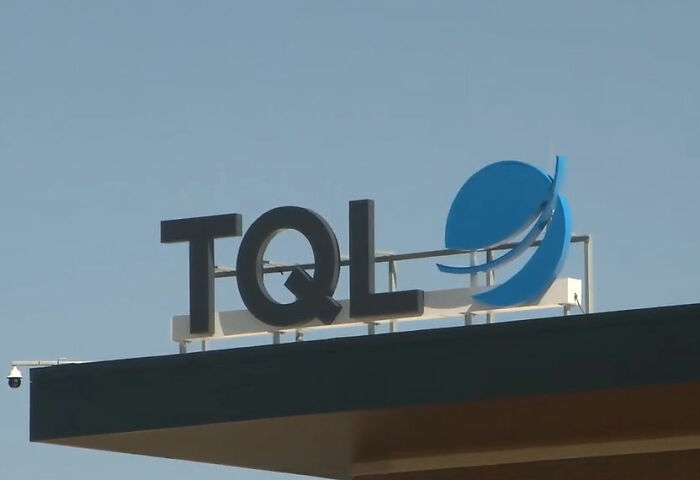
Image credits: fox19now
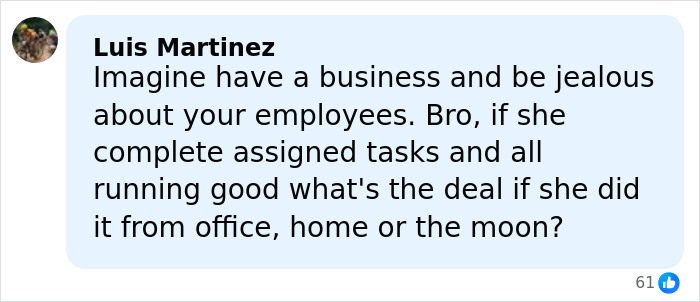
Another added, “Imagine have a business and be jealous about your employees. Bro, if she complete assigned tasks and all running good what’s the deal if she did it from office, home or the moon?”
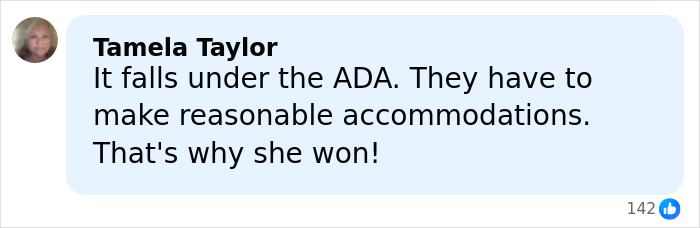
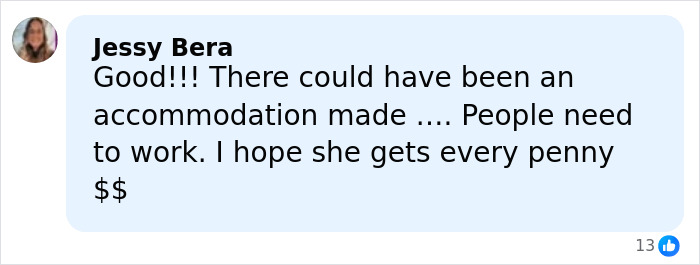
“This is such a sad story. Infuriating to see what this woman was forced to go through,” commented one person, while another wrote, “Good!!! There could have been an accommodation made …. People need to work. I hope she gets every penny!”
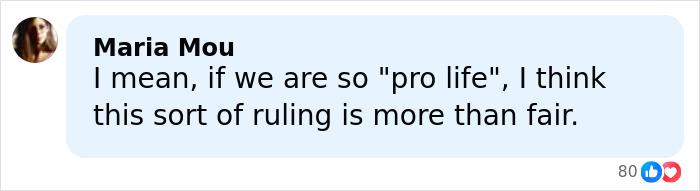
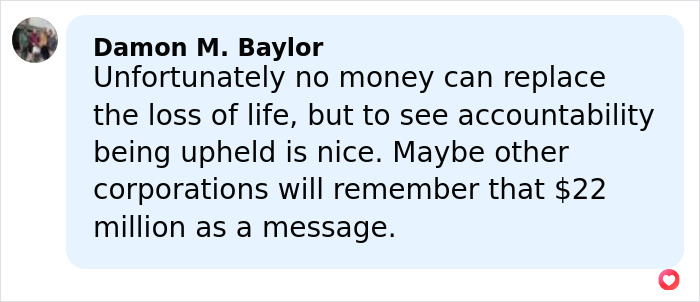
“Unfortunately no money can replace the loss of life, but to see accountability being upheld is nice. Maybe other corporations will remember that $22 million as a message,” read another comment.
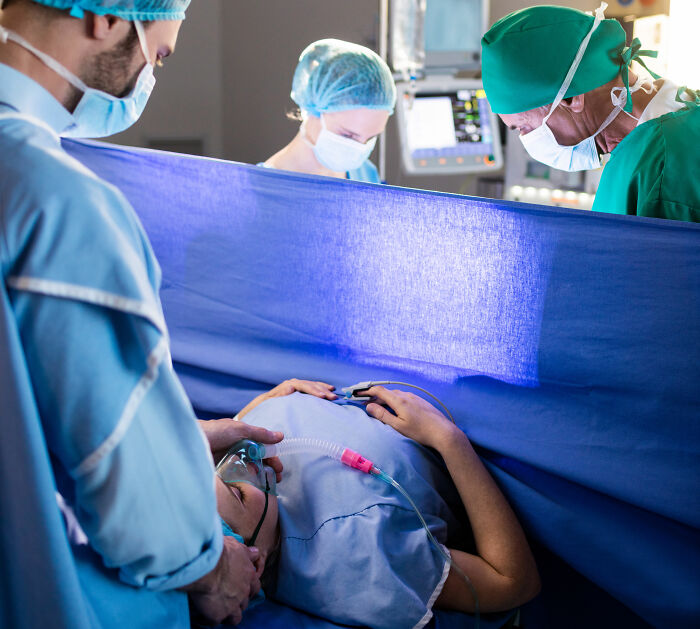
Image credits: wavebreakmedia_micro/freepik (not an actual photo)
Others expressed, “I guess I just don’t understand what the point is in denying her request to work at home, especially if she had a doctors note. What was the point in saying no?”
“This is truly heartbreaking. I really hope companies start recognizing that employees are human beings, not just numbers, and that her ability to work from home was critical for both her health and the well being of her unborn baby. Situations like this should be a wake up call for other organizations…”
Some online sleuths cast doubt on Chelsea’s lawsuit and the final verdict, questioning the high-risk circumstances
Image credits: Holiak/freepik (not an actual photo)
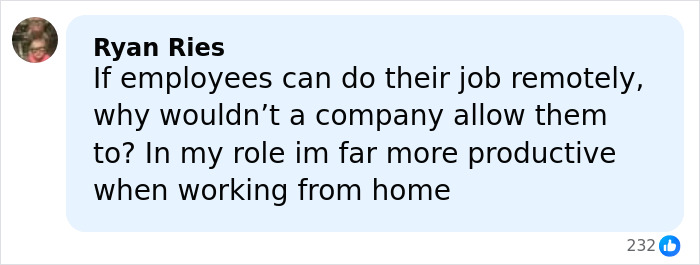
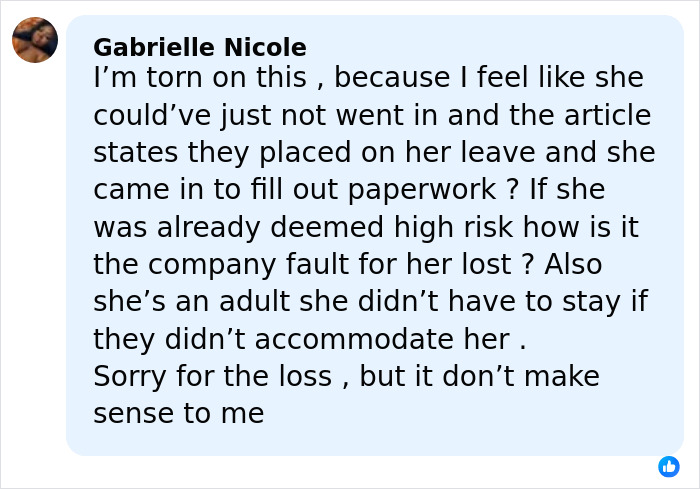
However, others challenged the credibility of the case, with one viewer arguing, “You can’t prove that WFH would have prevented anything I have zero idea how they took this to trial?”
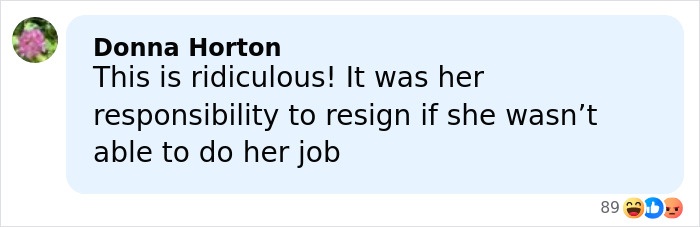
“She was high risk which was not an employer problem. Her WFH request was denied which the employer has a right to approve or deny… With all of that has happened how can anyone say that would have saved a pregnancy if she was approved for WFH. It’s sad and unfortunate…”
One of the Walsh family attorneys, Matthew C. Metzger, said, “This was a heartbreaking case for a young family. The evidence showed that Chelsea Walsh was following her doctors’ instructions for a high-risk pregnancy and simply asked to work from home.”
He concluded, “The jury found that TQL’s denial of that reasonable request led to the d**th of her daughter.”
Meanwhile, Brian Butler of The Butler Trial Firm, co-counsel for the Walsh family, upheld the final ruling, stating, “TQL gave them no choice. TQL had multiple opportunities to resolve this case for far, far less than the verdict,” as cited by local media outlet WLWT.
“I feel for her, it’s very sad but I don’t see how the company is at fault. There must be more to the story,” wrote one skeptical user

 Follow Us