Netflix has found itself at the center of an online firestorm after viewers noticed the streaming giant’s blunt description of one of Hollywood’s most celebrated films.
Instead of summarizing Gone with the Wind’s sweeping Civil War-era romance, Netflix’s description of the Oscar-winning classic did not sit well with many viewers, who accused the company of rewriting cinematic history and called for a boycott.
One critic wrote, “Netflix’s ‘synopsis’ for Gone with the Wind is pathetic corporate pandering. Reducing a landmark film… instead of describing the actual story its peak ideological brainrot.”
Gone with the Wind remains one of Hollywood’s most celebrated and most controversial films
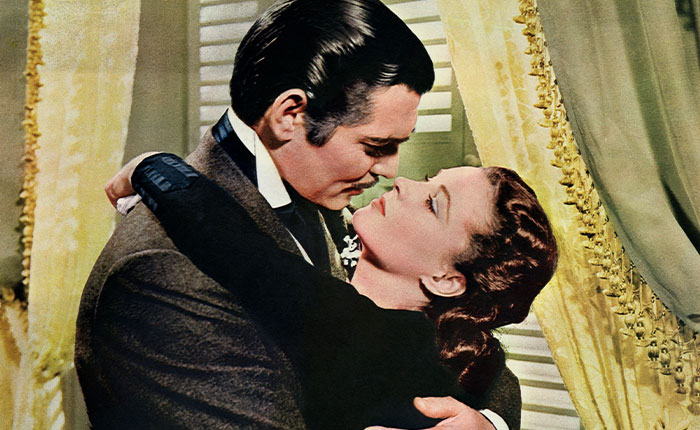
Image credits: Getty/Bettmann
Released in 1939, Gone with the Wind is widely regarded as one of the most influential films ever made.
Based on Margaret Mitchell’s bestselling novel, the nearly four-hour historical epic follows Scarlett O’Hara, a Southern belle whose privileged life is upended by the American Civil War and its aftermath.
The film became a cultural phenomenon, winning 10 Academy Awards and making history when Hattie McDaniel became the first Black performer to win an Oscar for her supporting role as Mammy.

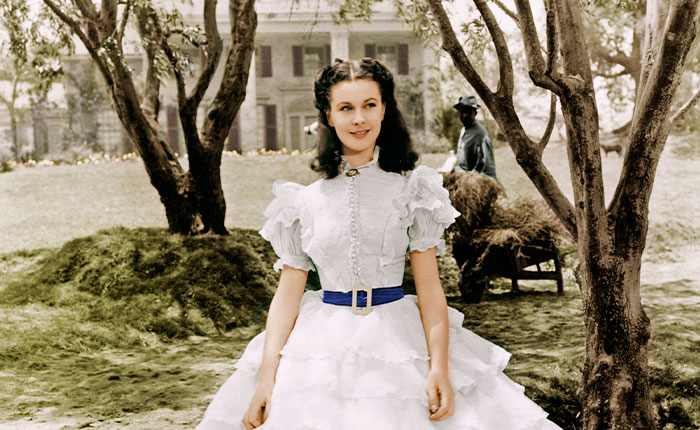
Image credits: Getty/Bettmann
Even decades later, the movie remains one of the highest-grossing films ever when adjusted for inflation and is frequently cited as a landmark achievement in filmmaking.
However, its legacy has long been complicated.
The latest controversy surrounding the classic erupted after users shared screenshots of Netflix’s landing page for the film on social media.
The description read, “A 1939 American Civil War epic known for its racism. To learn more about Black lives in America, search ‘Black Lives Matter.’”
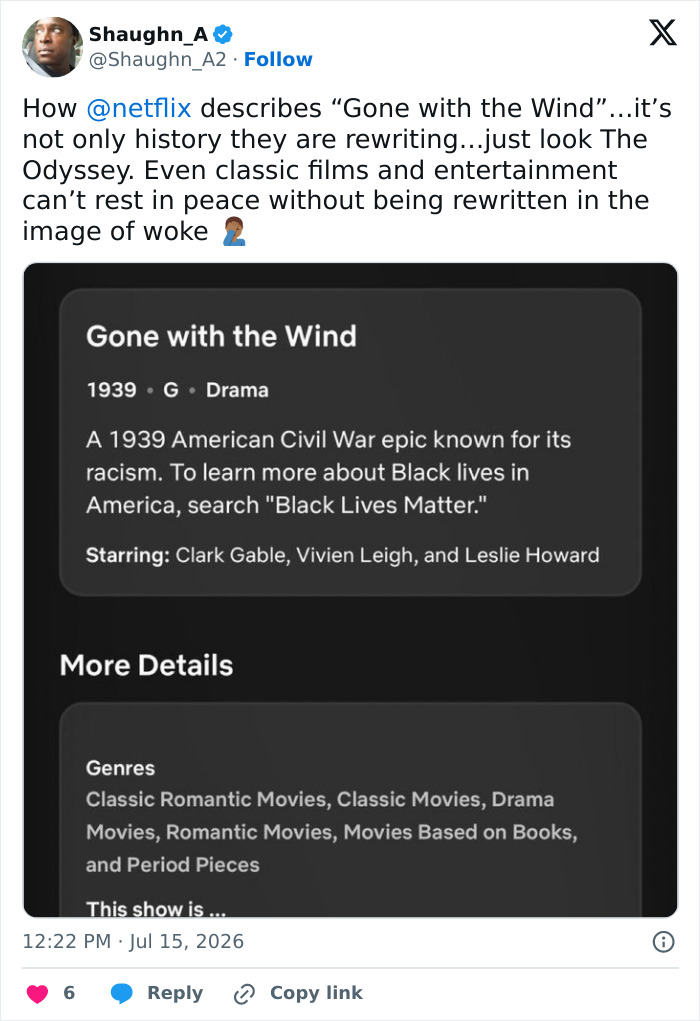
Image credits: Shaughn_A2
The wording immediately divided audiences.
Some argued the description provides important historical context for modern viewers, while others felt it unfairly reduced one of cinema’s defining achievements to a single controversial aspect.
Netflix’s latest description of the film reignited a years-old debate over how controversial classics should be presented
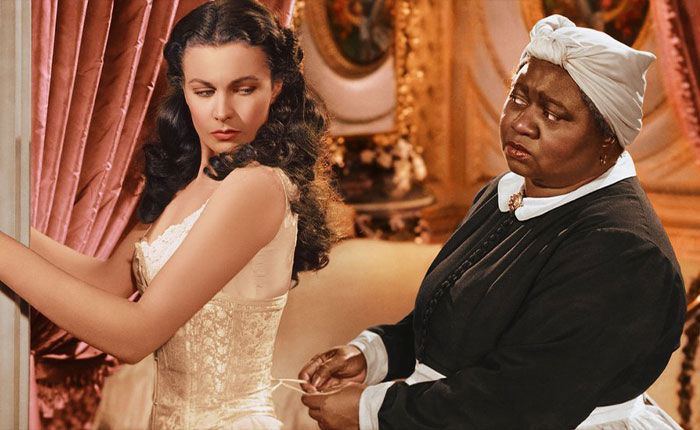
Image credits: Getty/Silver Screen Collection
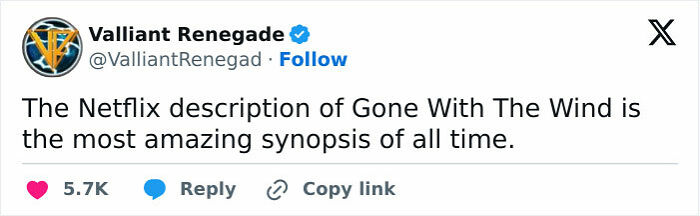
Image credits: ValliantRenegad
Adding to the confusion, the film is not available on Netflix globally.
The description appears on Netflix title pages in some markets, including the United States and Canada, where users can view the listing.
That prompted some users to speculate that the page functions as a placeholder rather than an actively streamable title.
One commenter wrote, “I just checked Netflix, and I don’t see that they carry this film. What region is this from? I can’t seem to independently verify this. Maybe it’s a placeholder page on Netflix.”
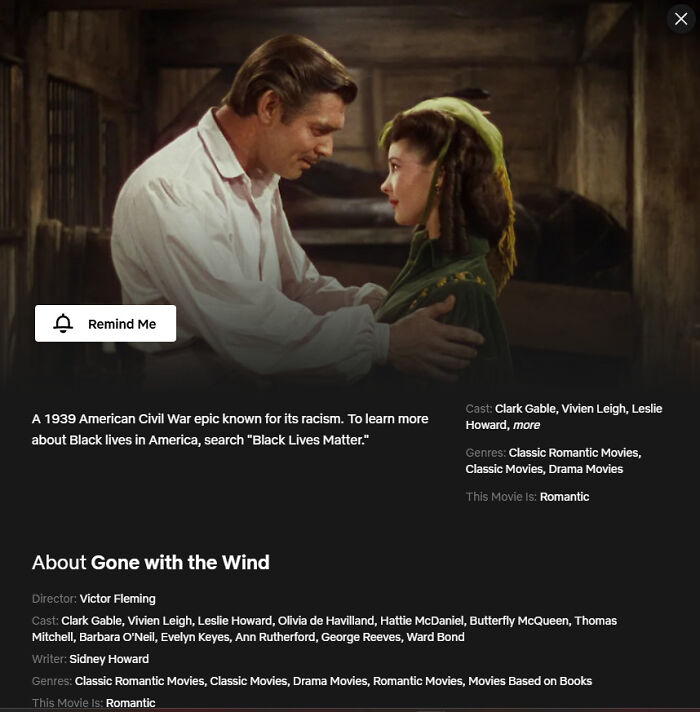
Image credits: Netflix
Others argued that if the film is unavailable in many regions, Netflix had little reason to rewrite its metadata in such a politically charged way.
Critics accused Netflix of pushing political messaging through its movie descriptions.
One person wrote, “If you subscribe to @netflix, please try to find a different service.”
Another added, “The ONLY way to make this stop is to boycott Netflix.”
A third user commented, “This makes me question why I’m sending them money every month.”
Angry social media users called for a boycott, while others defended Netflix’s approach
Image credits: Warner Bros. Entertainment
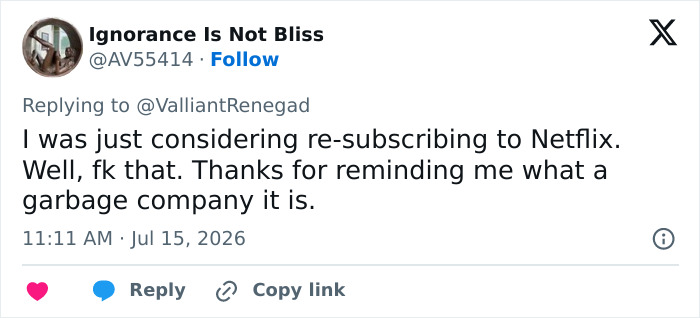
Image credits: AV55414
“So glad I cancelled my Netflix!!! It’s become trash,” one person wrote.
Another comment read, “Well that settles it! I have never, and now WILL never sign up for Netflix.”
Others expressed, “How Netflix describes Gone with the Wind… it’s not only history they are rewriting… Even classic films and entertainment can’t rest in peace without being rewritten in the image of woke.”
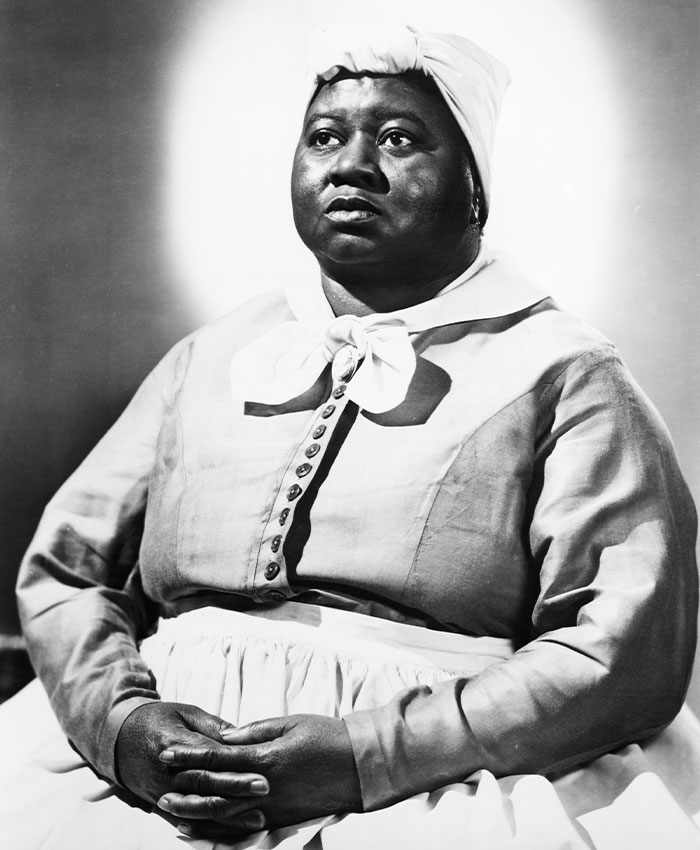
Image credits: Getty/Pictorial Parade
A similar controversy surrounded Gone with the Wind in June 2020 following the worldwide protests after George Floyd’s passing.
At the time, HBO Max temporarily removed the Oscar-winning classic from its library before later restoring it with an introductory video explaining its historical context and racial stereotypes.
In a public statement addressing the temporary removal, the platform said the movie was “a product of its time” and that leaving it available without acknowledging its racist depictions “would be irresponsible.”
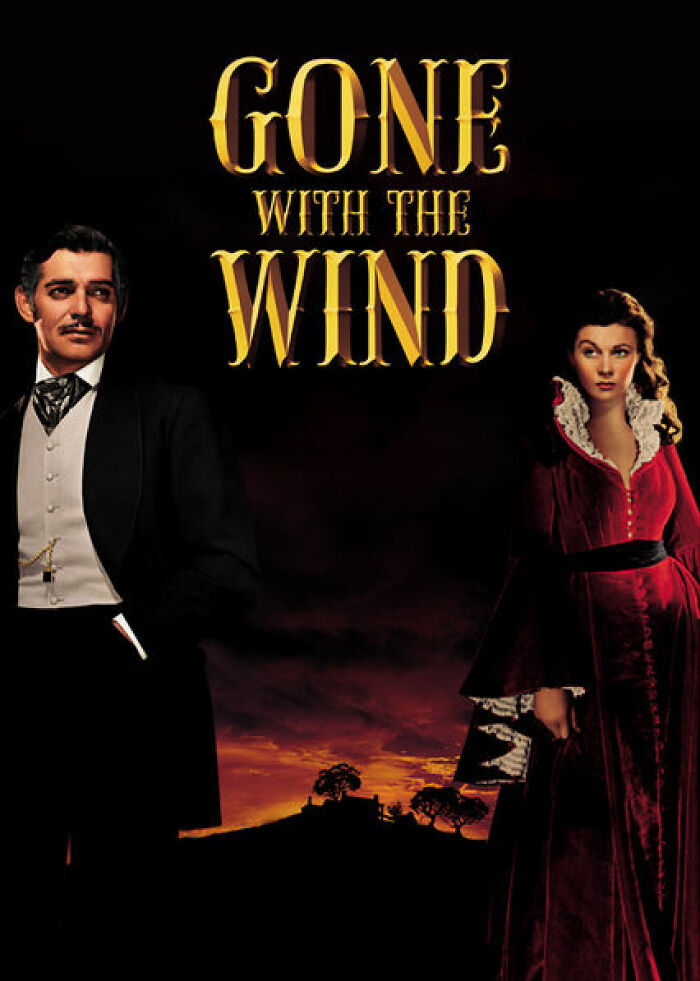
Image credits: Warner Bros. Entertainment
“These racist depictions were wrong then and are wrong today, and we felt that to keep this title up without an explanation and a denouncement of those depictions would be irresponsible.”
“Mmm, I would have them change that to ‘known for the Oscars and Hollywood racism,’” one netizen wrote
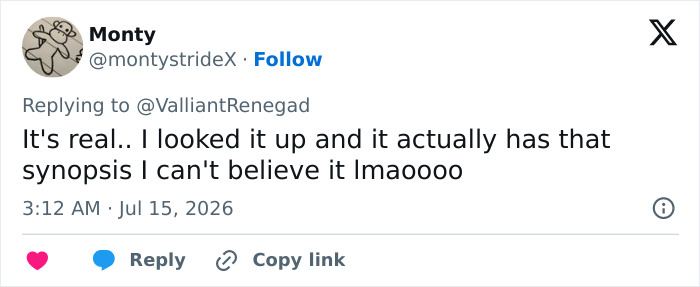
Image credits: montystrideX
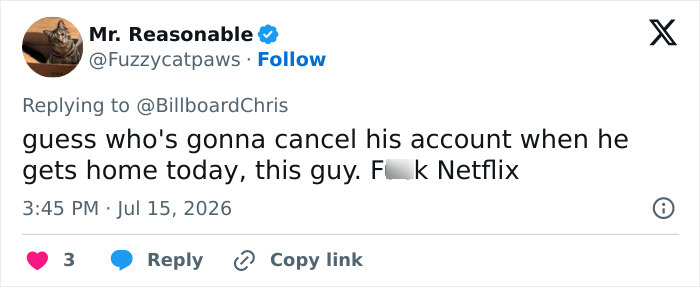
Image credits: Fuzzycatpaws
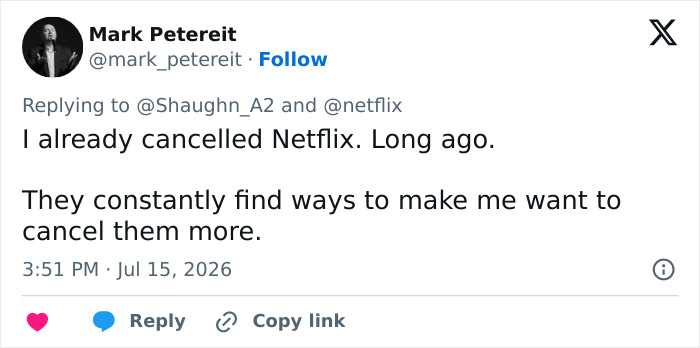
Image credits: mark_petereit
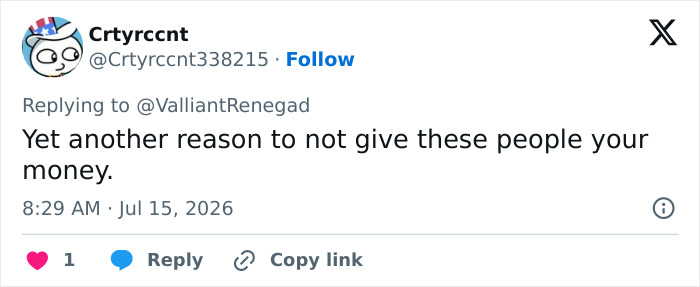
Image credits: Crtyrccnt338215
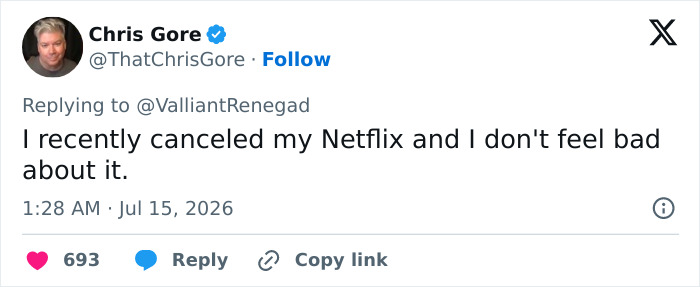
Image credits: ThatChrisGore
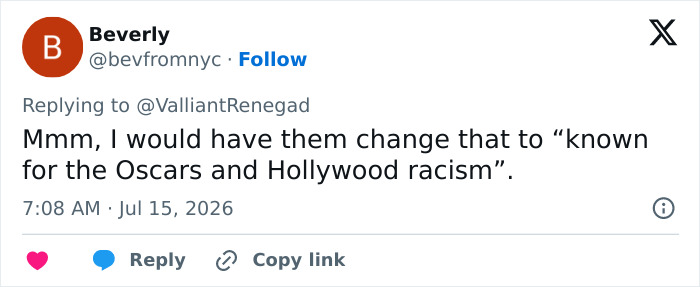
Image credits: bevfromnyc
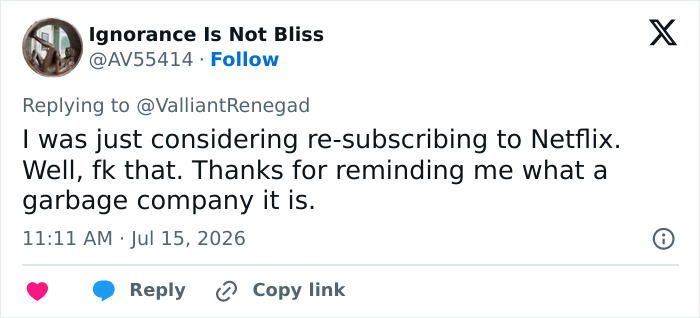
Image credits: AV55414
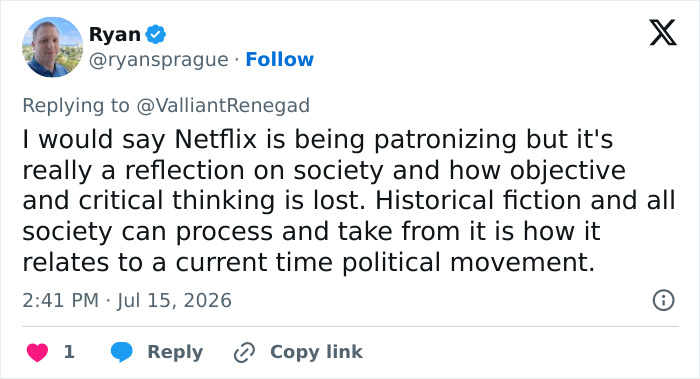
Image credits: ryansprague
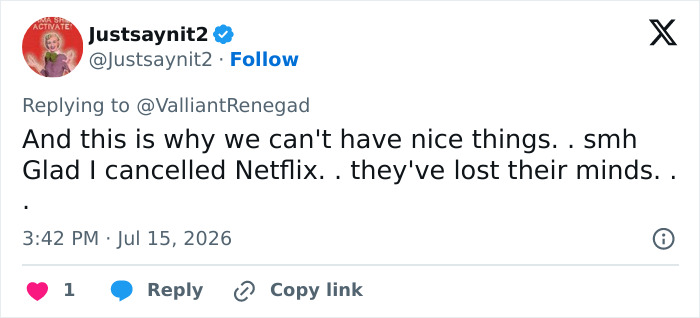
Image credits: Justsaynit2
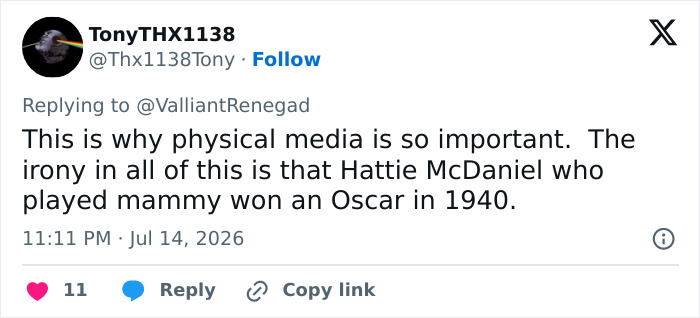
Image credits: Thx1138Tony
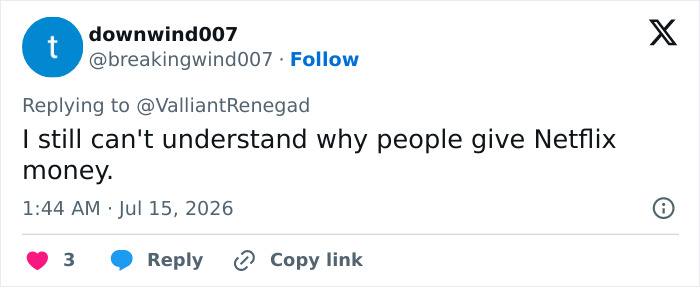
Image credits: breakingwind007
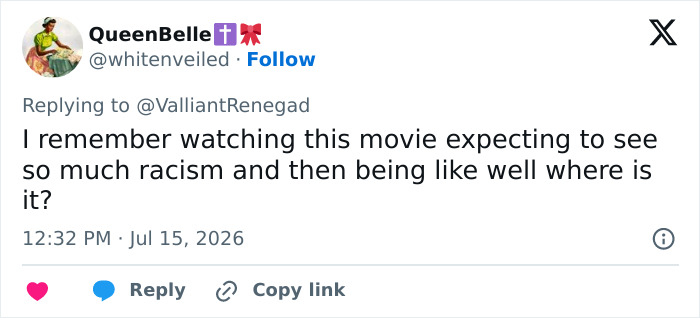
Image credits: whitenveiled
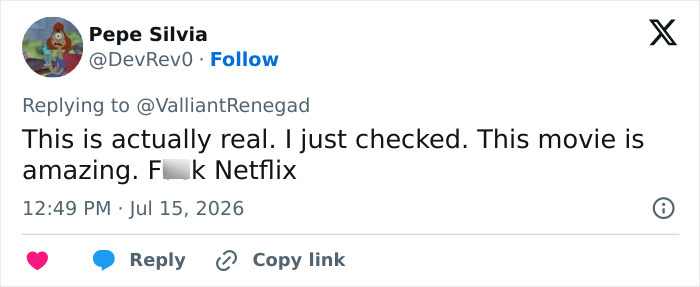
Image credits: DevRev0
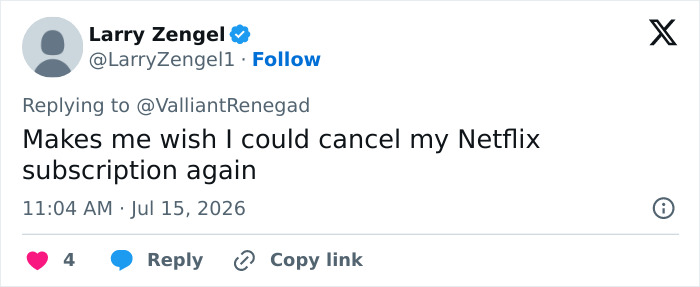
Image credits: LarryZengel1
 Follow Us