Many of us working a regular 9-to-5 have, at some point, fantasized about quitting on the spot. But then reality hits hard: rent is due, bills don’t pause, and responsibilities don’t disappear just because you’re fed up. So we swallow the frustration, show up again the next day, and keep going. Still, every once in a while, someone actually has the freedom and the nerve to walk away on their own terms.
That’s exactly what happened in the case of one tech contractor who exited his job with surprisingly little drama. After realizing his company didn’t value his work or even notice that his contract was about to expire, he quietly moved on and secured a new role elsewhere. The twist? His old company had no idea he was gone. Thanks to their own oversight, they later found themselves scrambling and paying a hefty fee just to get him back for a proper handover. Keep reading to see how it all unfolded.
It’s important for companies to have clear, well-structured contracts in place to avoid confusion or misunderstandings

Image credits: Getty Images / Unsplash (not the actual photo)

One person shared how he felt underappreciated, so when his contract ended, he didn’t inform anyone and simply moved on
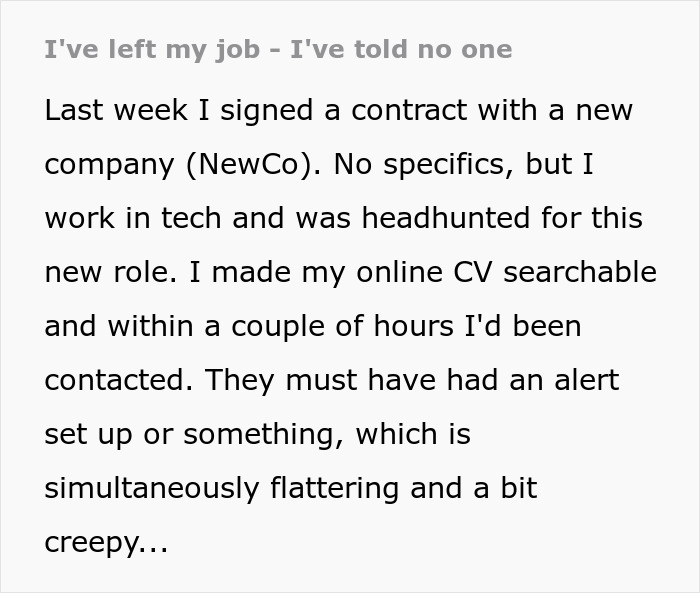
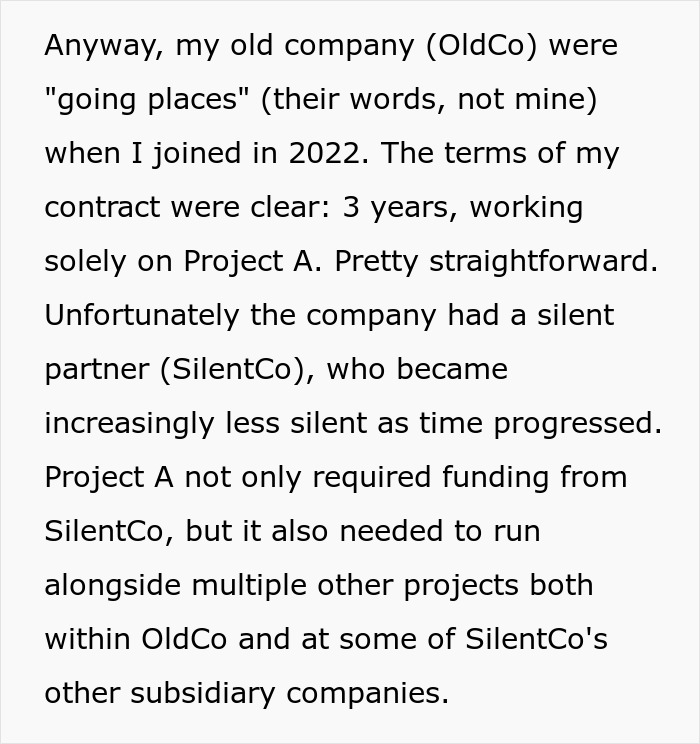
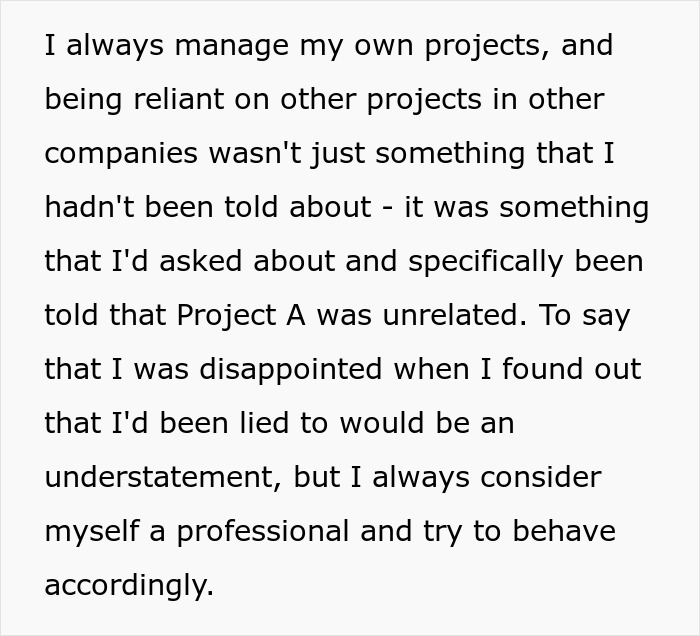
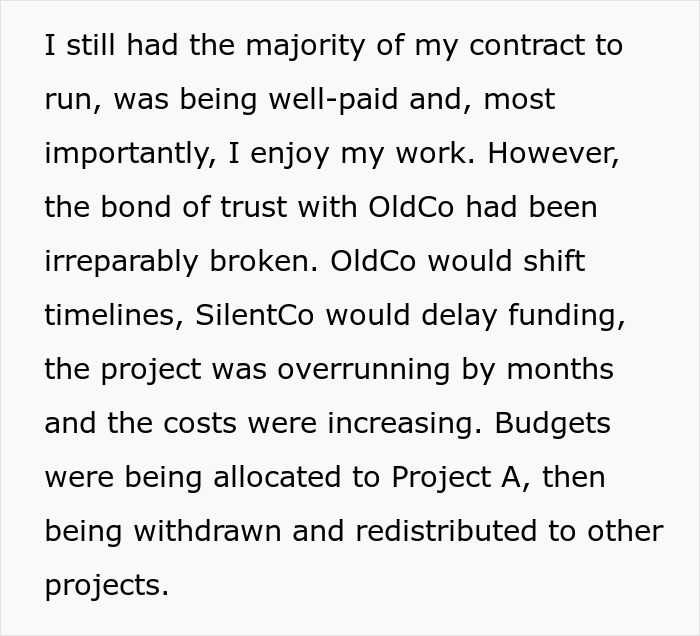

Image credits: Vitaly Gariev / Pexels (not the actual photo)
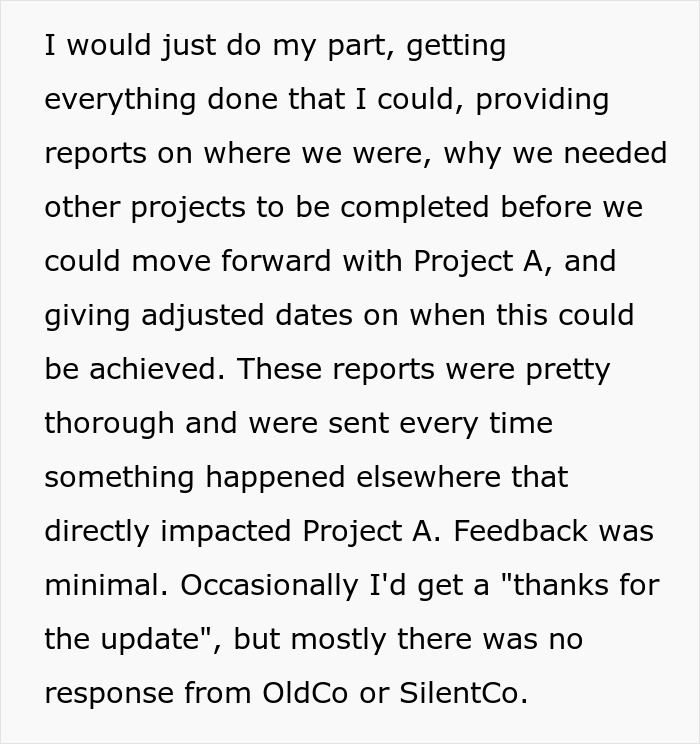
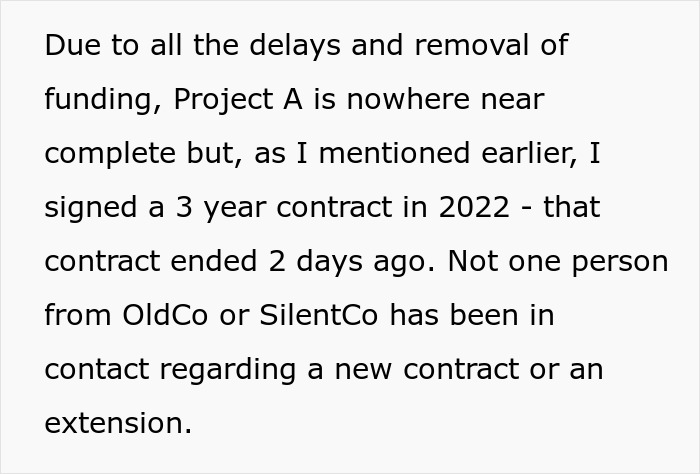
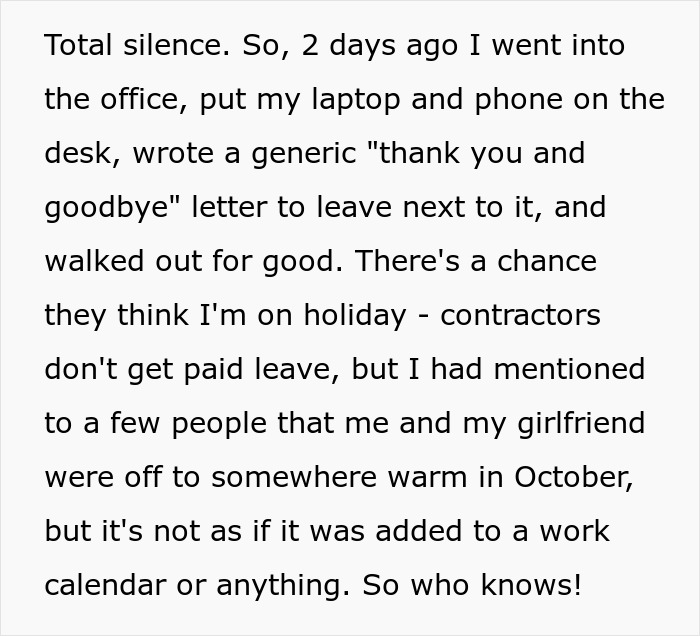

Image credits: Freepik (not the actual photo)
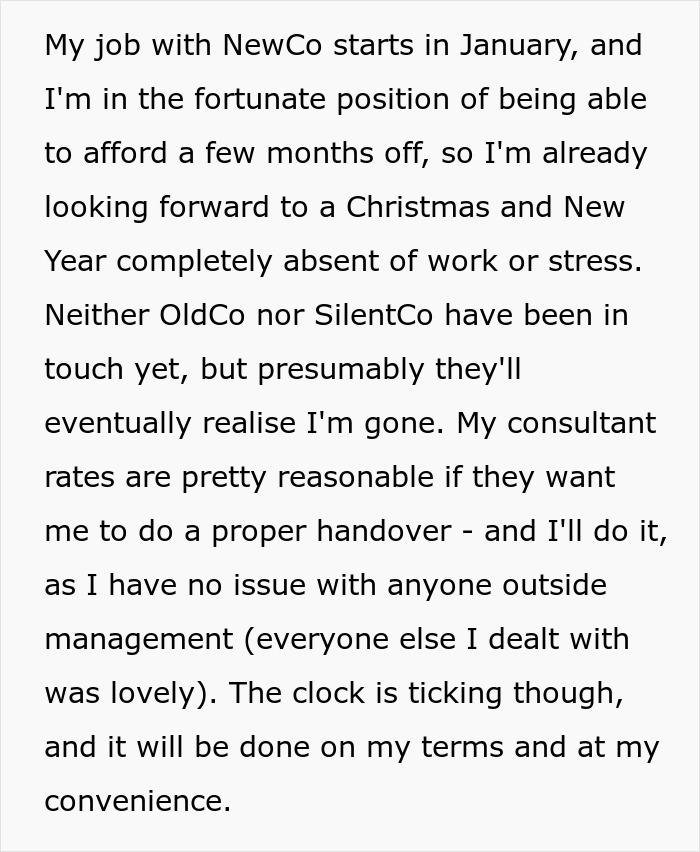
The author went on to provide more details about his contract and overall work situation
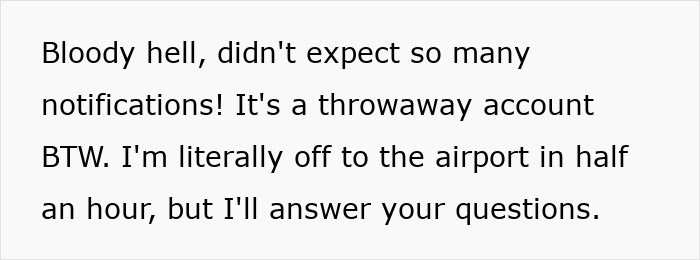
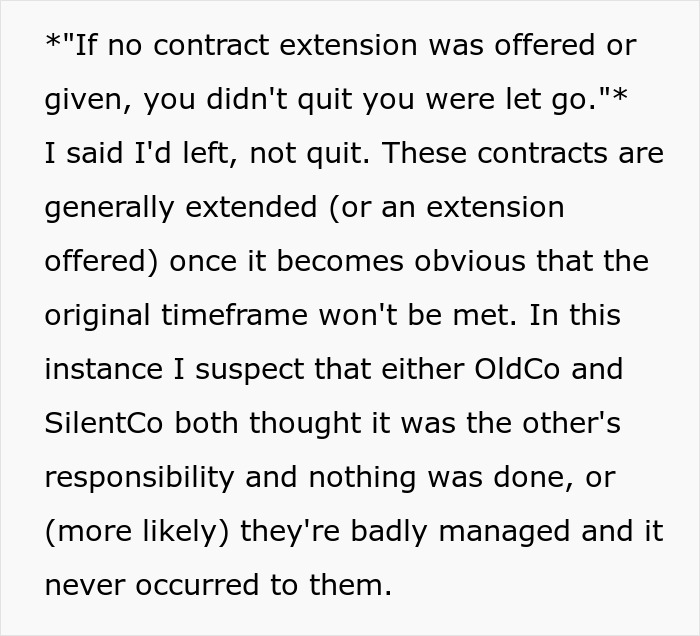
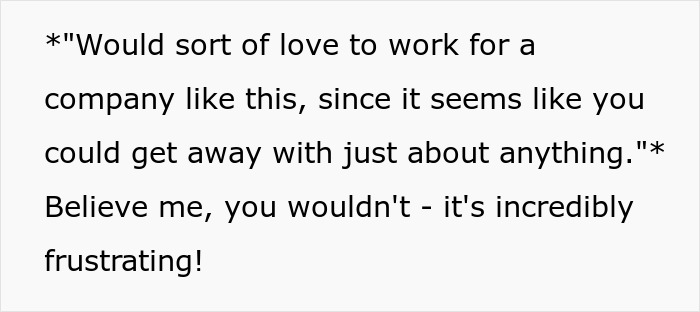

Image credits: Ron Lach / Pexels (not the actual photo)
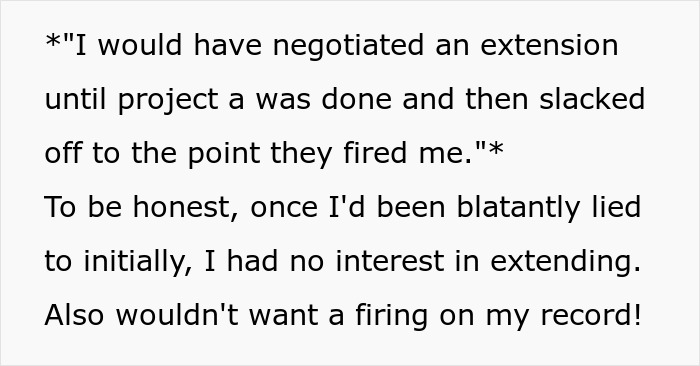
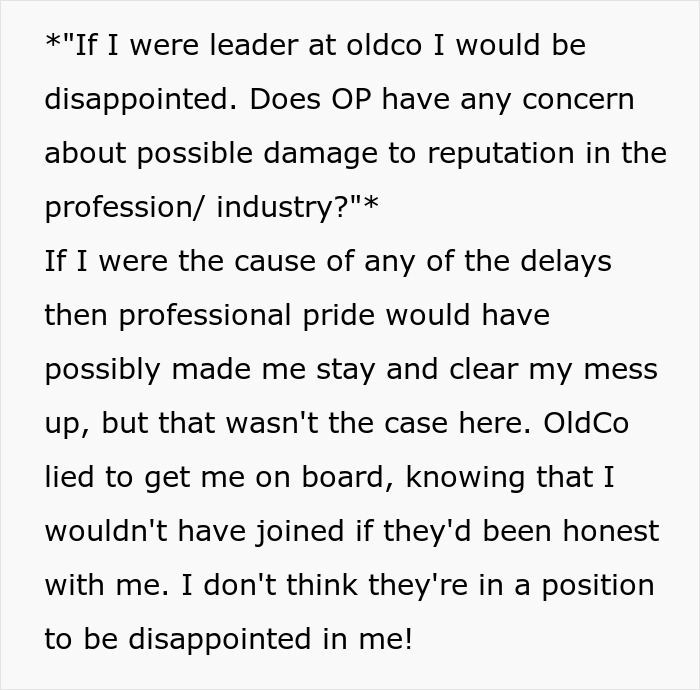
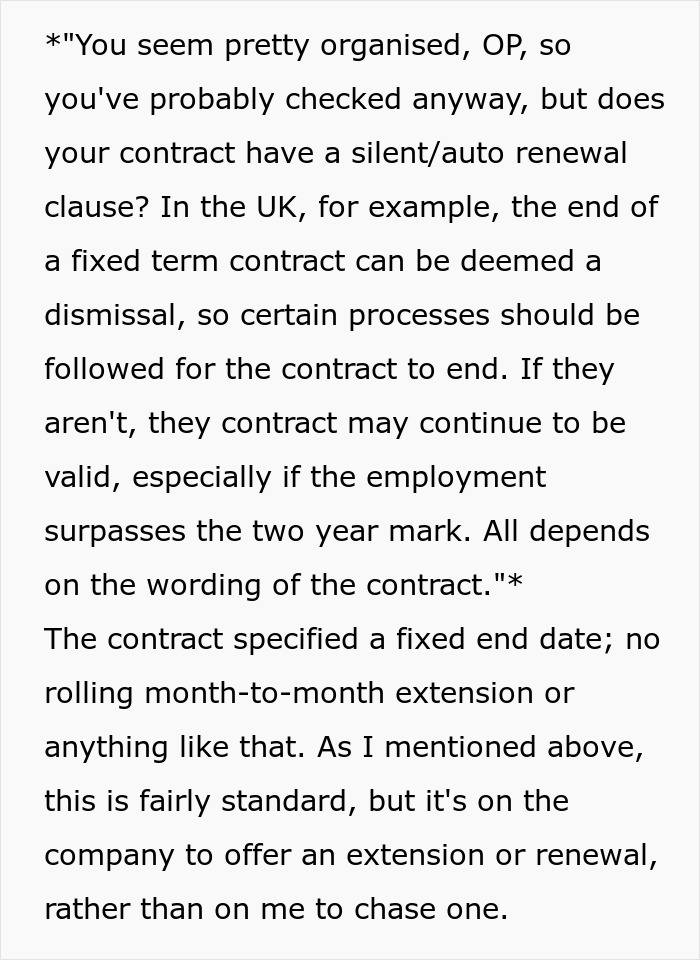
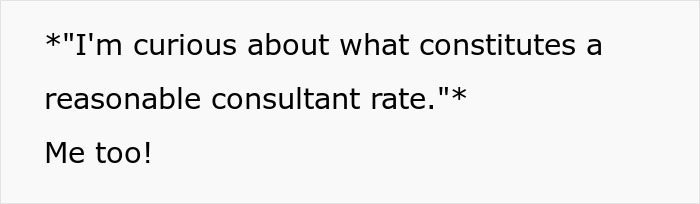
Image credits: Ornery_Contact1609
Limited growth or advancement opportunities are one of the leading reasons employees decide to leave a job
If you ask someone why they took a job in the first place, the answers are usually pretty straightforward. Money is the obvious one—we all need to pay rent, cover bills, and keep life running. Others take jobs because they’re genuinely passionate about the work or excited about the industry. Some people are drawn in by stability, good benefits, or the promise of growth. And for many, it’s a mix of all these reasons rather than just one. At the end of the day, a job is often about survival, purpose, and possibility rolled into one.
While it’s often easy to list why someone stays in a job, the reasons people leave are far more complex. Rarely is it just one thing that pushes someone out the door. More often, it’s a slow buildup of frustration, disappointment, or burnout over time. Small issues pile up, trust erodes, and motivation fades. Leaving a job is usually not impulsive; it’s the result of feeling unheard, undervalued, or stuck for too long.
According to survey data collected in February 2022 by Statista, low pay was the number one reason people quit their jobs in 2021. And honestly, that’s not surprising at all. Being paid fairly for your work isn’t a luxury; it’s a basic expectation. When employees feel underpaid, it sends a clear message that their time and effort aren’t truly valued. Over time, that feeling can turn into resentment. No amount of passion can make up for feeling financially stretched or taken for granted.
While pay matters, it’s no longer the only thing employees consider when deciding whether to stay or leave. One major reason people quit is the lack of growth or advancement opportunities. When someone feels like they’ve hit a ceiling with nowhere else to go, motivation can drop fast. Doing the same role year after year without learning or progressing can feel draining. People want to grow, develop new skills, and feel like their future is moving forward, not stuck on pause.
Then there’s work-life balance or the lack of it. Imagine spending nearly every waking hour working, missing family milestones, skipping important moments, or constantly postponing your own health. No gym time, no rest, no space to breathe. Over time, exhaustion becomes the norm and stress seeps into every part of life. It forces people to ask a tough question: what’s the cost of this job? If your health, relationships, and happiness are deteriorating, the trade-off no longer feels worth it.
Stress and lack of resources also play a huge role in why people walk away. Not having the right tools to do your job, or being overwhelmed with an unmanageable workload, can seriously affect emotional well-being. When employees feel like they’re set up to fail rather than succeed, it chips away at confidence and morale. Eventually, many start looking elsewhere—not because they want to, but because they have to protect their mental health.

Image credits: cottonbro studio / Pexels (not the actual photo)
When employees feel their contributions go unnoticed or unappreciated, it can lower morale, reduce motivation
Benefits and flexibility matter more than ever now. When employers offer zero flexibility and minimal benefits, it makes life unnecessarily harder for employees. No childcare support, no health perks, no understanding when life happens; it all adds up. People don’t expect perfection, but they do want compassion and support. Benefits signal that a company cares about its people beyond just productivity. When those are missing, employees often feel like they’re just another replaceable number.
Slow processes and endless red tape can also drive people away. When even the smallest task takes days of approval or constant back-and-forth, it becomes frustrating fast. Imagine having to wait two days just to make a simple edit or move a project forward. It kills creativity, momentum, and motivation. Employees want to feel trusted and empowered to do their work efficiently. When systems are outdated and rigid, it can feel like the company itself is holding you back.
And finally, there’s simple respect—or the lack of it. Being disrespectful of someone’s time, effort, or boundaries is one of the fastest ways to lose them. Constantly dismissing ideas, ignoring concerns, or expecting availability at all hours sends a clear message. People want to feel seen, heard, and valued as humans, not just workers. When respect disappears, loyalty usually follows right behind.
In this particular case, it really felt like the company failed to value the author or the work he was putting in. They didn’t even notice that their contract had ended, which says a lot about how closely they were paying attention. It’s no surprise the author felt overlooked and undervalued after that. Being treated like an afterthought can push even the most patient employee to walk away. What would you have done if you were in their place?
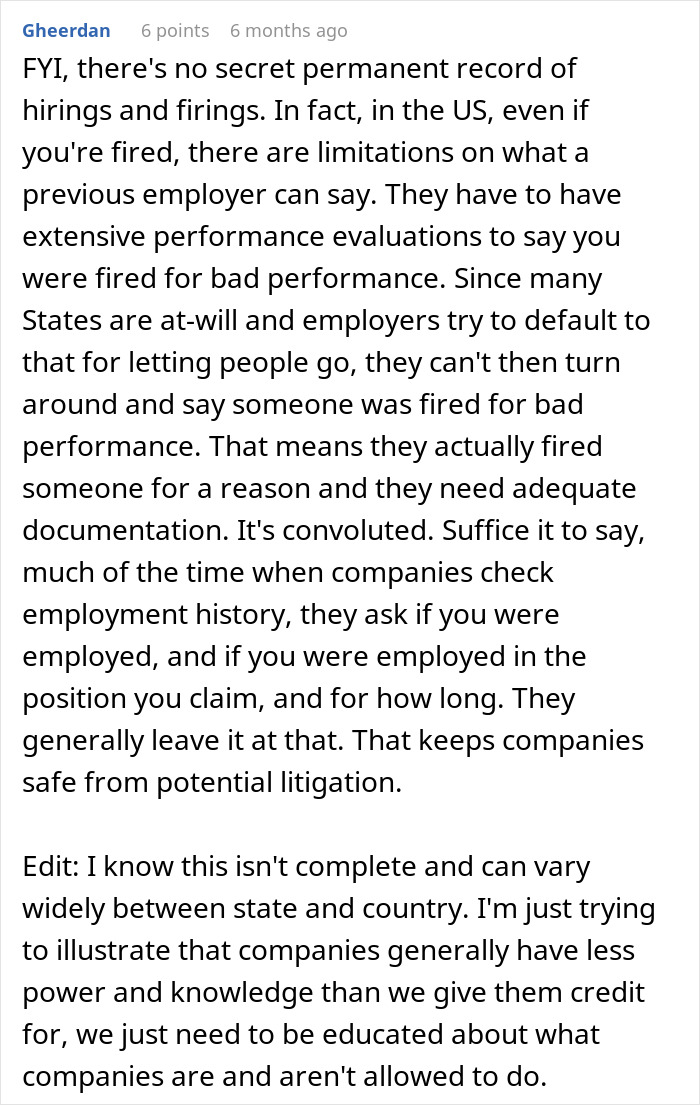
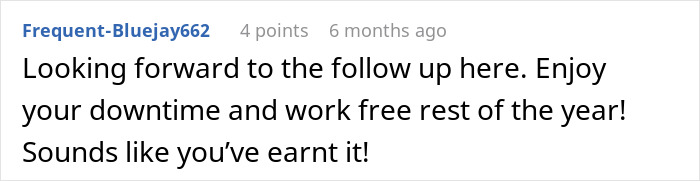
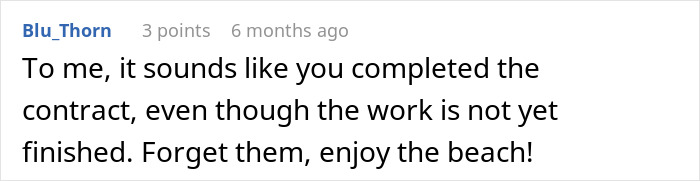
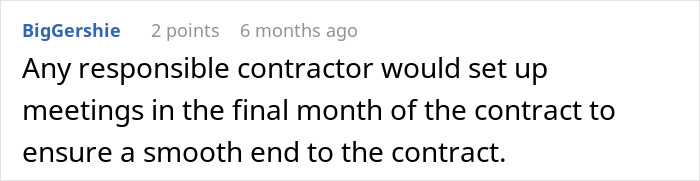
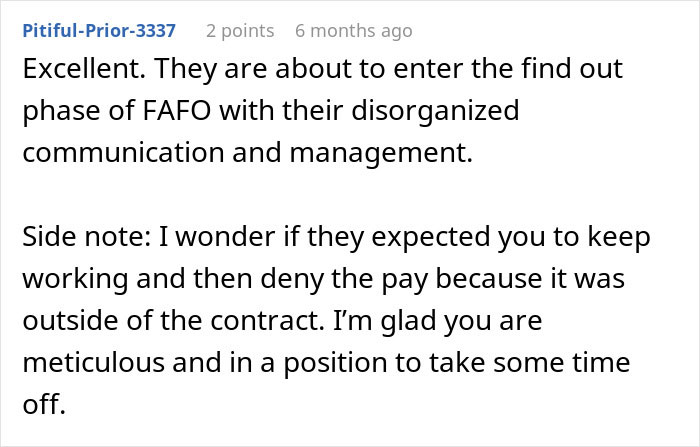
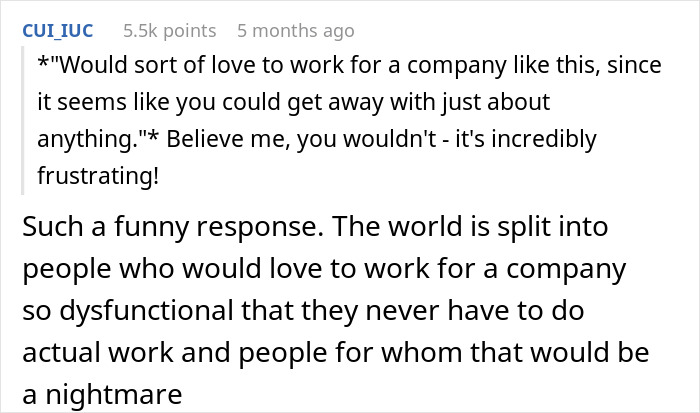
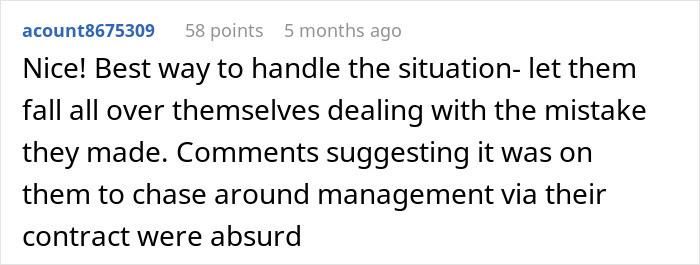
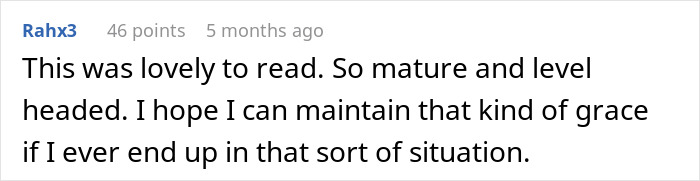
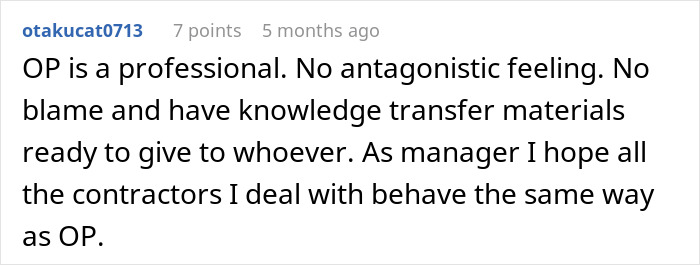
Readers appreciated the way the author handled the situation and stood his ground

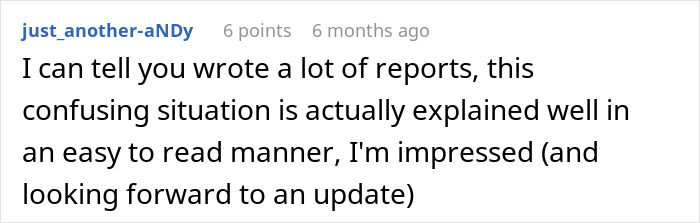





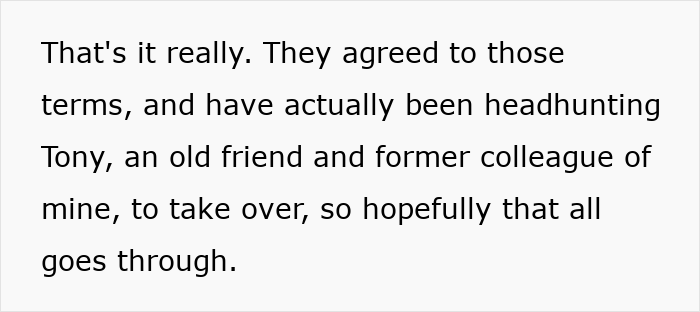
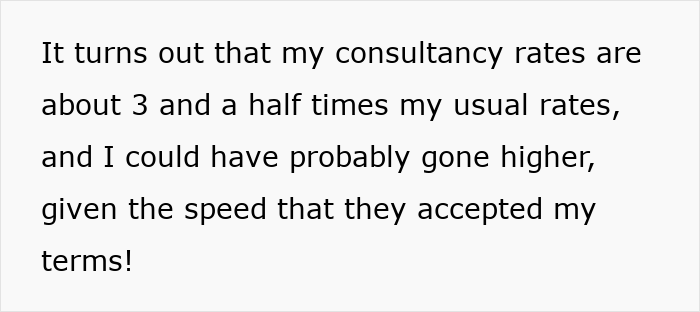
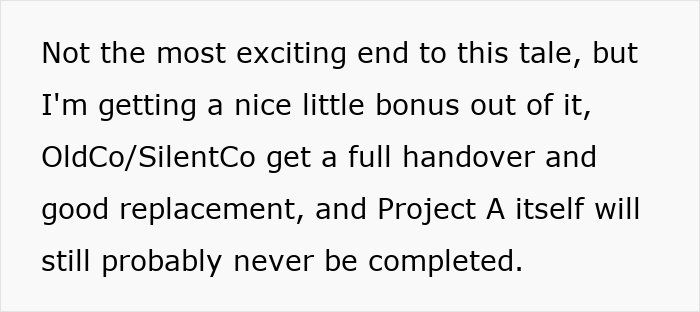
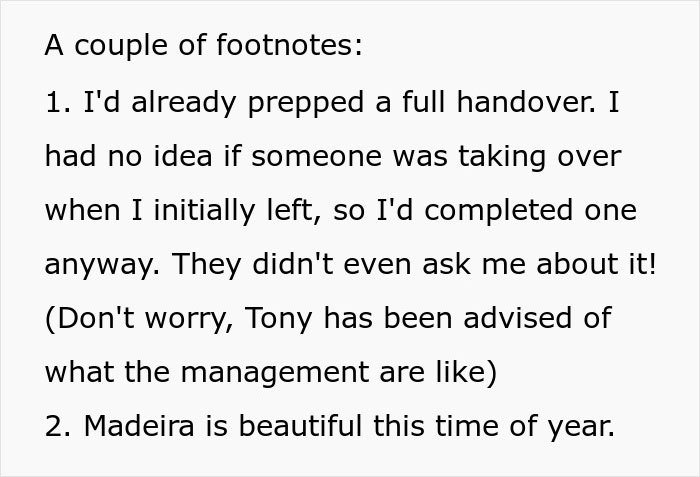
The author also shared what happened when he returned after his vacation
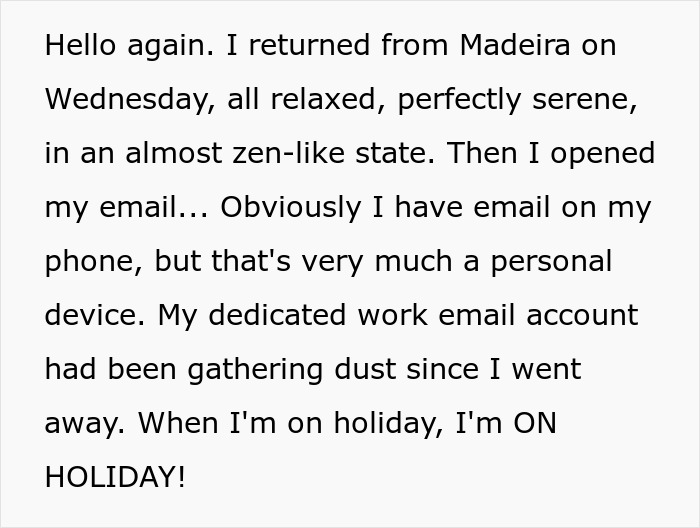
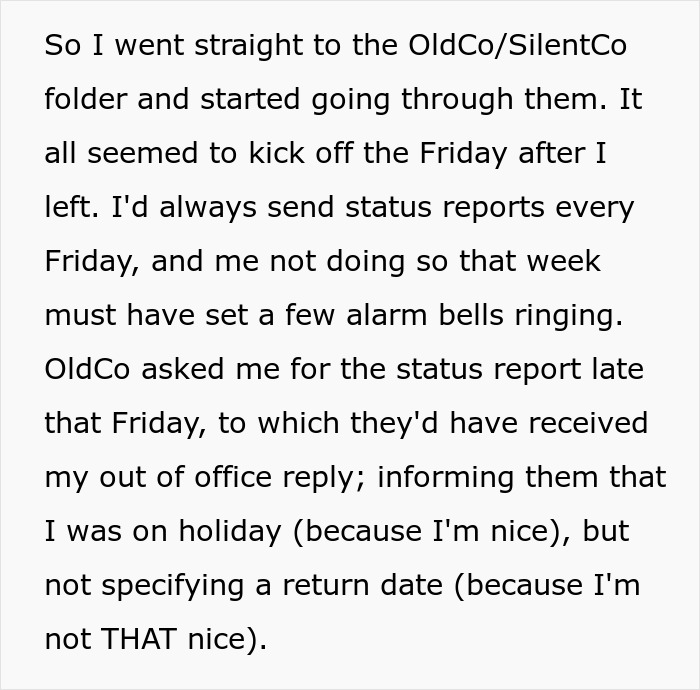
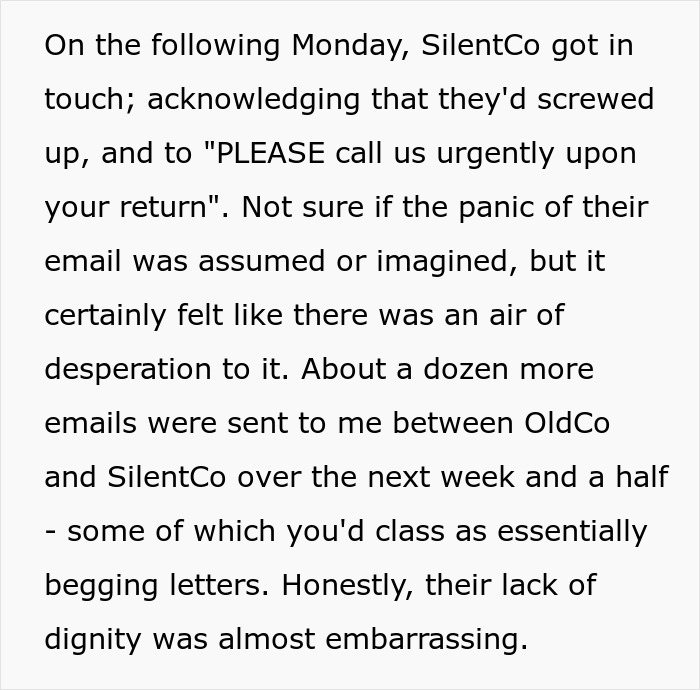

Image credits: Diva Plavalaguna / Pexels (not the actual photo)
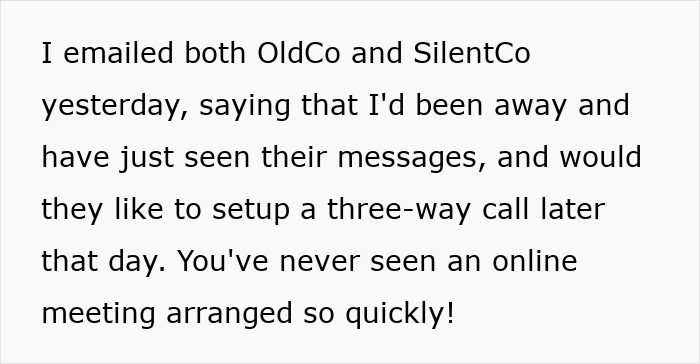
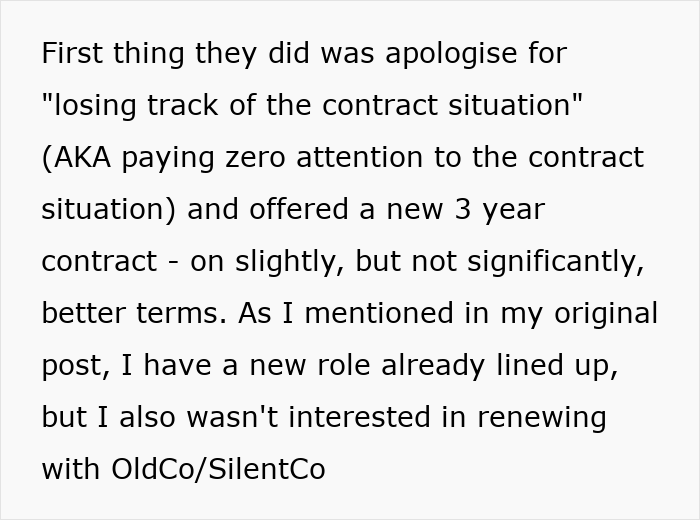

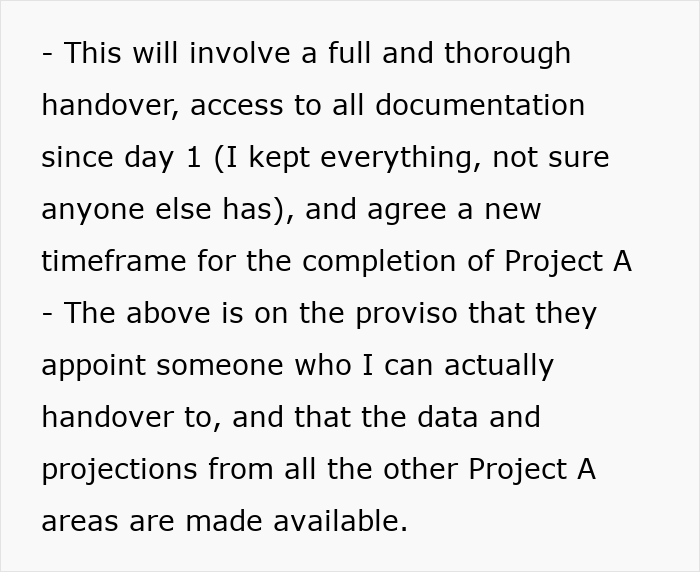

Image credits: Uiliam Nörnberg / Pexels (not the actual photo)
 Follow Us