Every piece of career advice promises the same thing: work hard, make yourself indispensable, and your company will love you forever. Anyone who has sat through a layoff meeting knows how that ends. Being indispensable turns out to work like a “low maintenance” label on a houseplant. It holds up right until somebody decides you cost too much water.
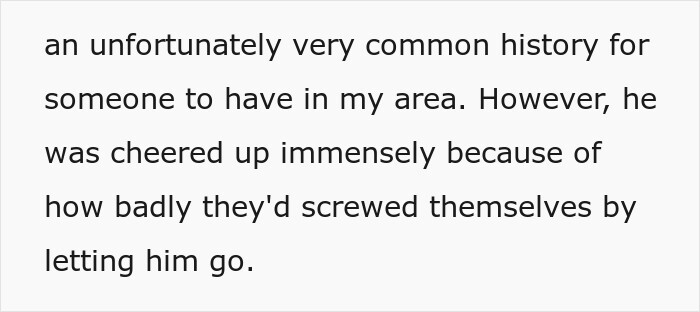
One engineer took that advice to heart and finished a huge project months ahead of schedule, and his employer thanked him with a pink slip. What he did on his way out of the building left his old team scrambling for answers, and he couldn’t help but smirk in response.
It is all good and well to be indispensable at work, untill noone bothered to tell management just how valuable you are

Samuel Bourke / Unsplash (not the actual photo)

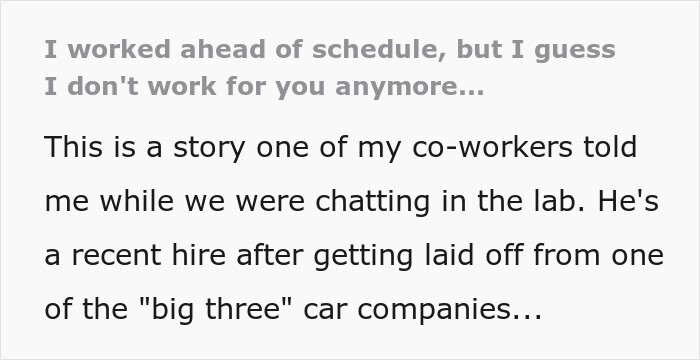
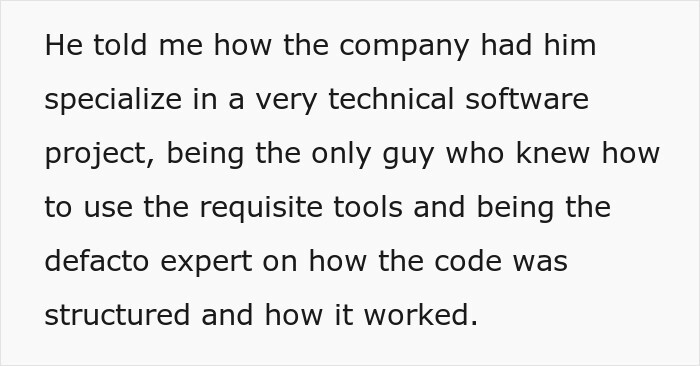
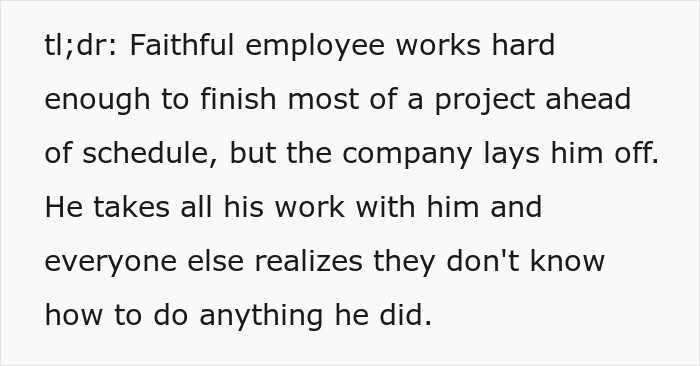
An engineer got laid off after being way ahead of his work schedule, but he was the only one at the company to caryy a specific vault of knowledge

Andrew / Unsplash (not the actual photo)
When he got laid off, he deleted all the work he had already finished but not handed in yet, effectively leaving the team in the dark

Vitaly Gariev / Unsplash (not the actual photo)
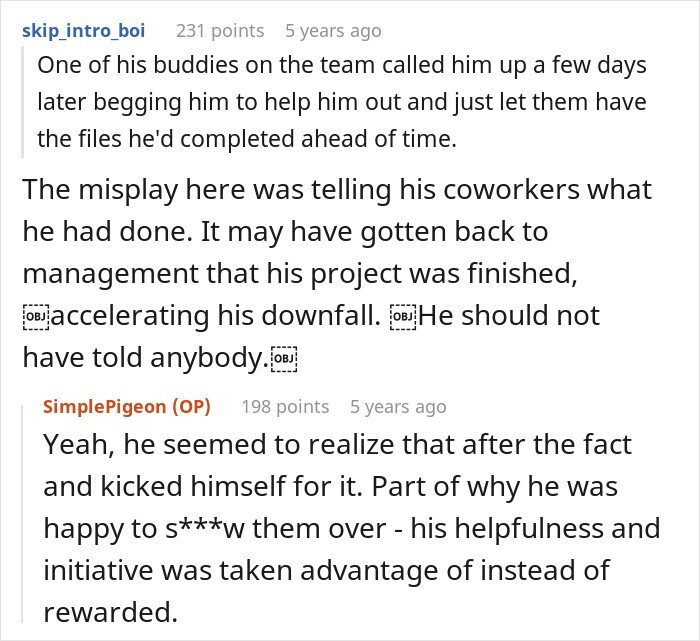
They frantically called soon after, begging for help, but he only had crumbs to give from memory

Sebastian Herrmann / Unsplash (not the actual photo)
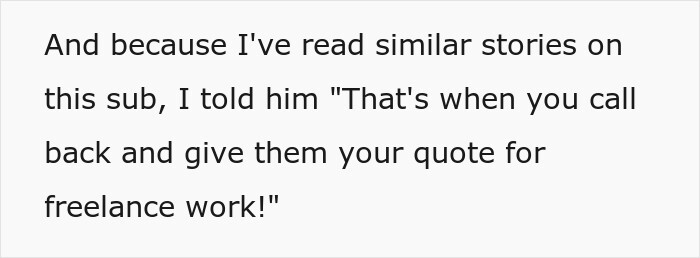
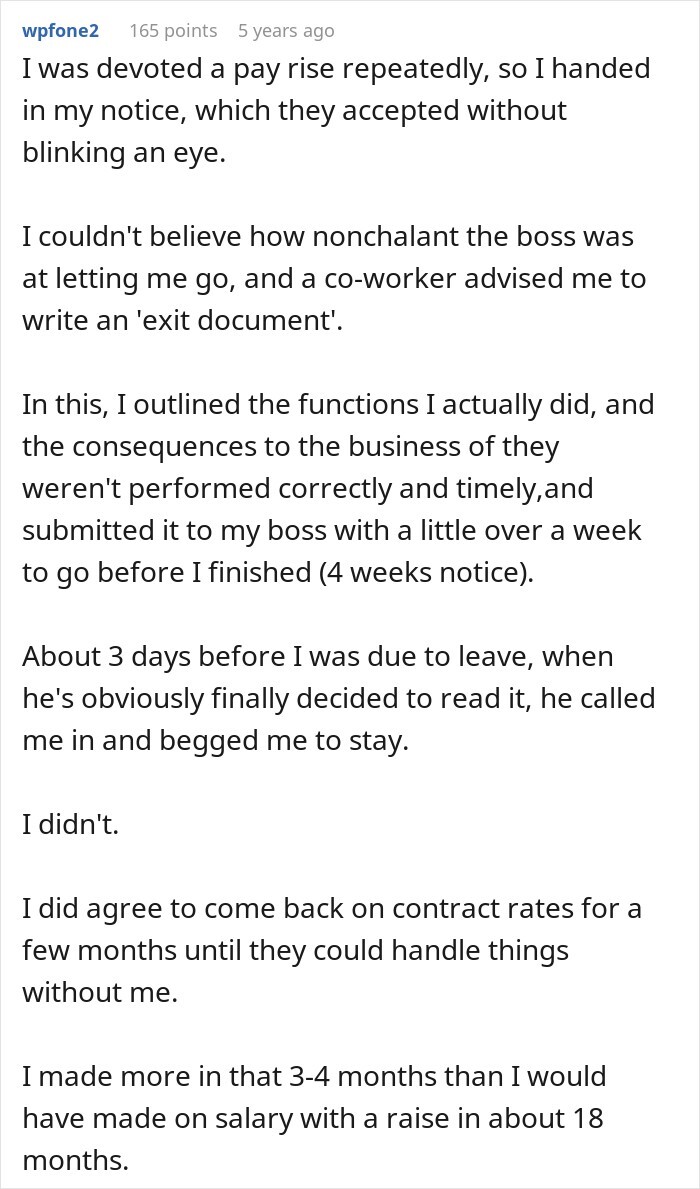
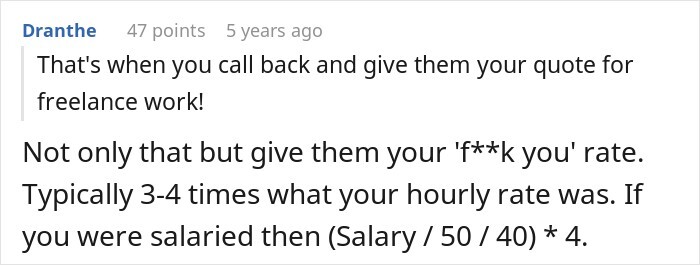
His new co-worker suggested he should call back and offer them freelance rates for his help
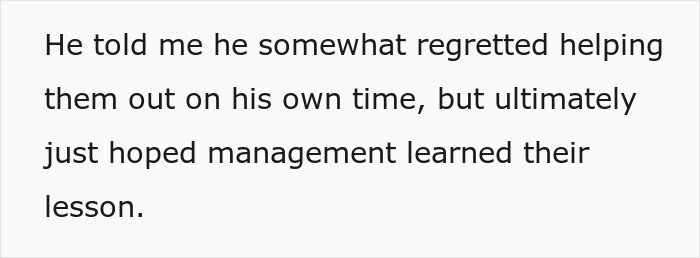
Experts explain that once a company breaks the “psychological contract,” all loyalty disappears very quickly from the employee
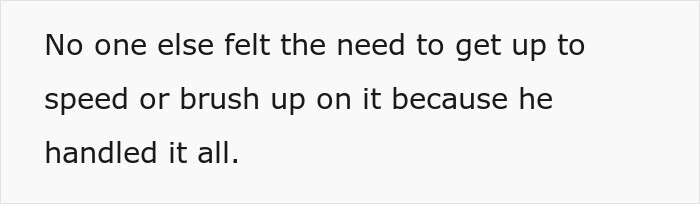
Software teams have a grim little measure called the bus factor: how many people would have to get hit by a bus before a project grinds to a halt. On this project, the answer was one. He alone knew the tools, how the code was structured, and what was finished.
The philosopher Michael Polanyi wrote in 1966 that “we can know more than we can tell.” And that rings true for experts like this who carry a huge amount in their heads that never makes it into a document, like why a function was built a certain way or which part of the system breaks when you touch the wrong thing. That is why a frantic handoff in someone’s last week rarely fixes the problem.
The auto industry also has a long reputation for cutting staff whenever sales dip, and the story’s setting is a region where getting laid off by a Detroit carmaker is a common career chapter. Organizational psychologist Denise Rousseau described an unwritten “psychological contract” in 1989, the unspoken deal where an employee gives effort and loyalty and expects fairness back. When the company ends the deal, the employee tends to stop acting like they’re still bound by it.
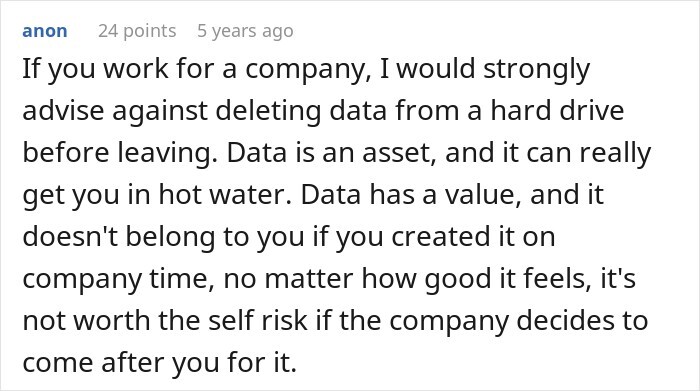
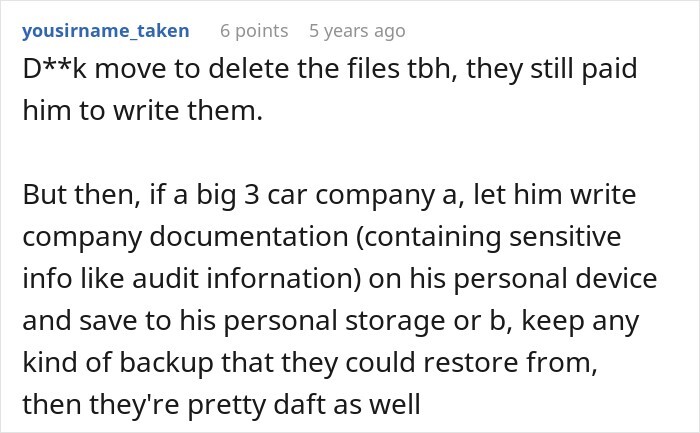
In the US, work an employee creates as part of the job is generally treated as “work made for hire,” meaning the employer owns it, even if it sits in a personal directory on the company network. So those finished deliverables were technically the company’s property, and wiping company data on the way out is exactly what employment lawyers tell people not to do.
Depending on the contract and the circumstances, it can bring legal trouble. It seems this engineer can count his lucky stars for getting off so lightly, considering how sue-happy people in the States can be!

Vitaly Gariev / Unsplash (not the actual photo)
Nobody can say the team wasn’t warned about its own exposure, though. He was the sole keeper of the knowledge, and no one asked him to share it while he was still on the payroll.
Gallup has estimated that replacing a single employee can cost anywhere from half to double that person’s annual salary, and specialized roles sit at the high end. That figure covers hiring and training, and it leaves out a team that has to reverse-engineer code from scratch while a status report is due. Months of work that had been finished and sitting in a folder now had to be rebuilt by people who had never seen how it worked.
The narrator’s suggestion to call back and quote them a freelance rate is actually brilliant. Contractors generally charge more per hour than an employee costs on payroll, because they cover their own benefits, taxes, and gaps between jobs. A company that has just discovered it needs one specific person tends to find the budget quickly.
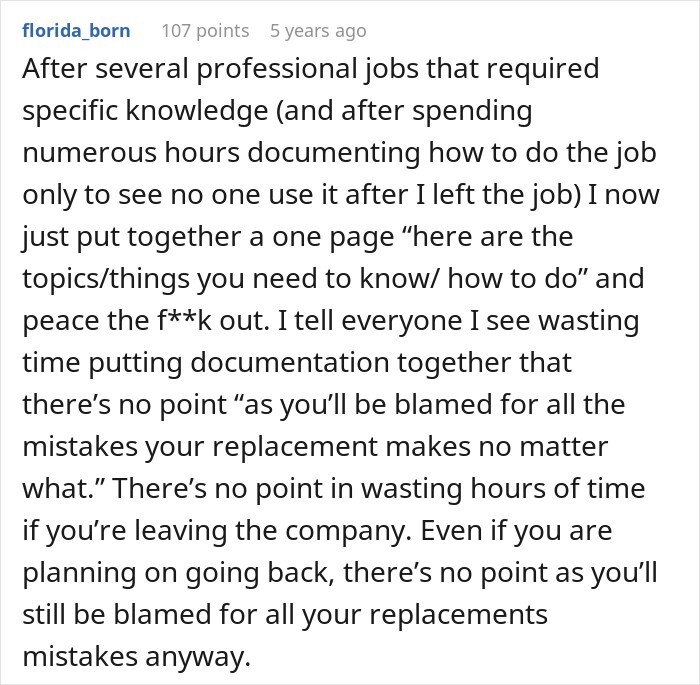
Cross-train people, write things down, and don’t treat the one employee who knows everything as a cost to cut. This guy also got a new job and a good story out of it, and his old employer got a very expensive lesson in why somebody should have asked a second person to learn the code.
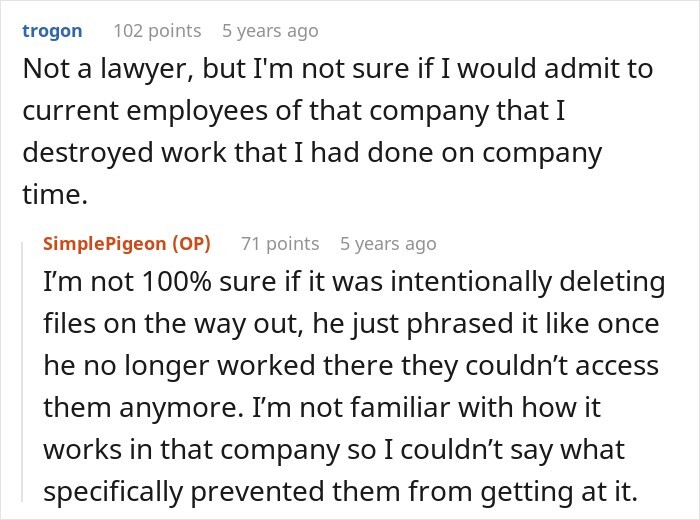
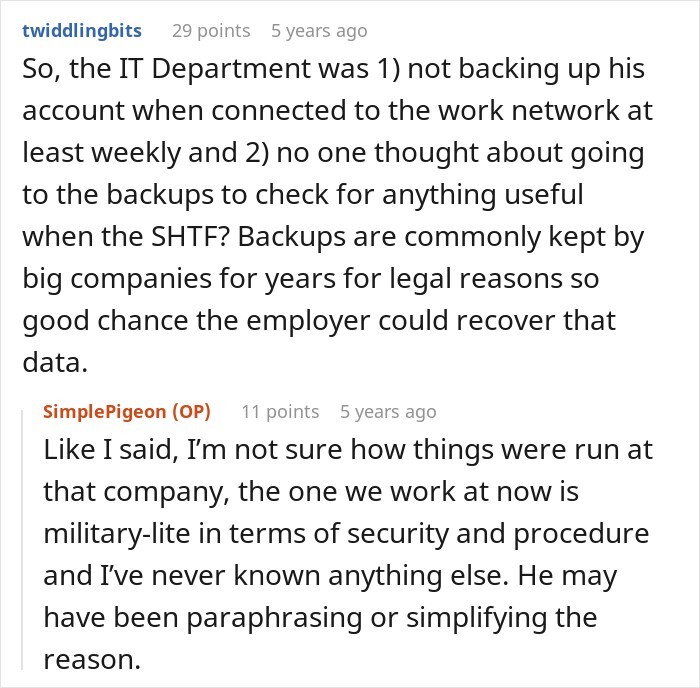
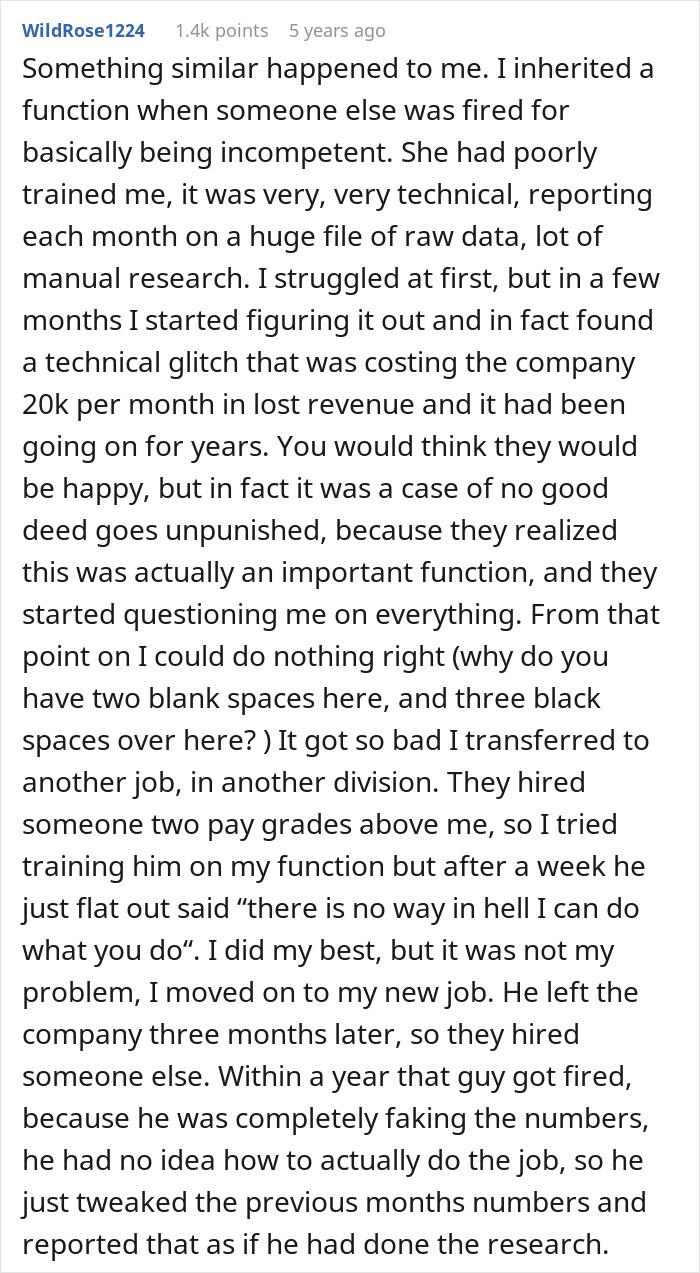
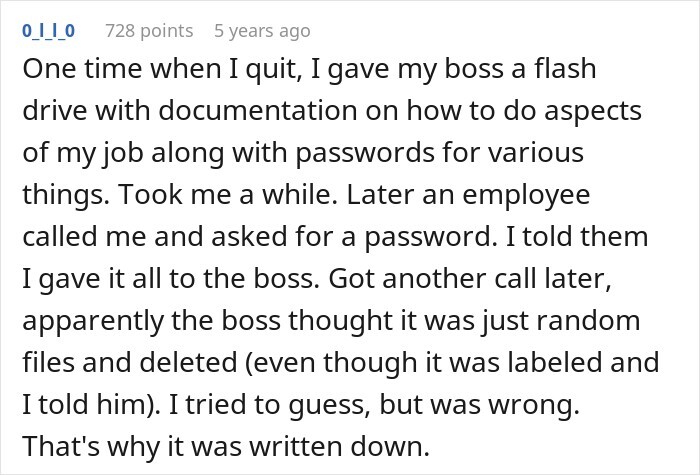
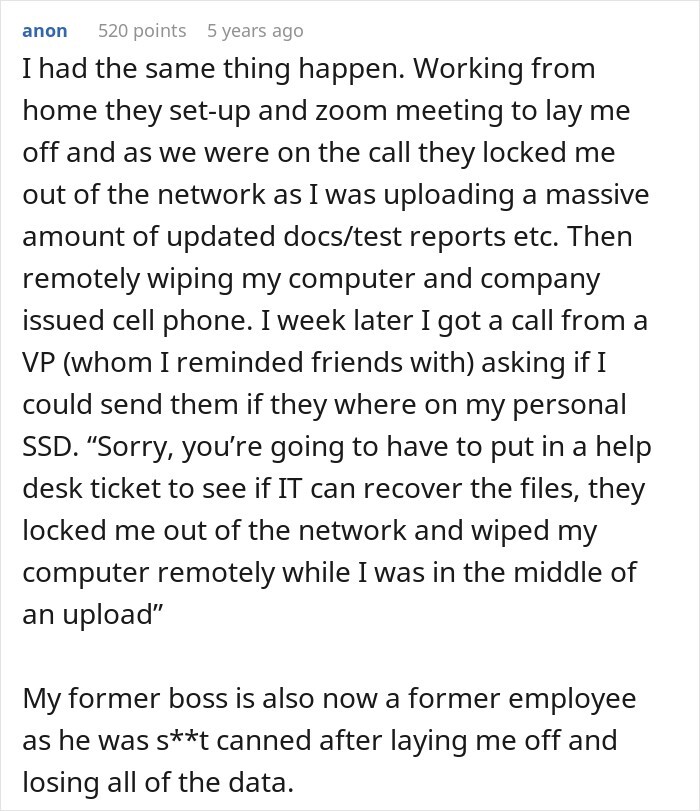
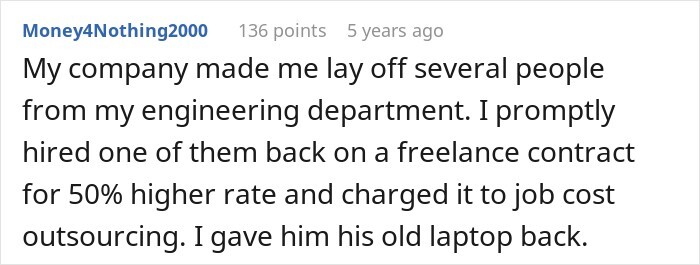
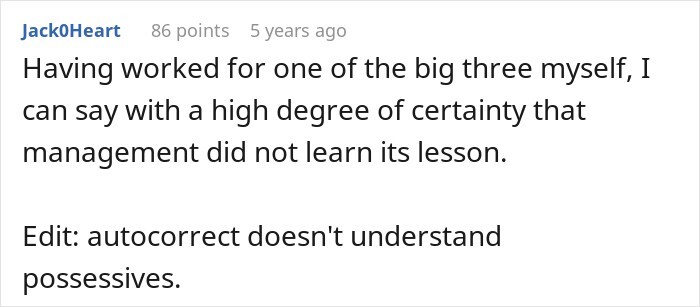
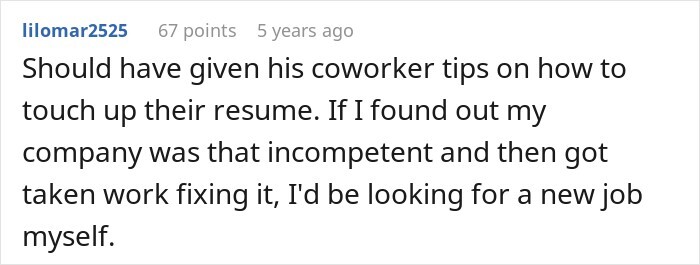
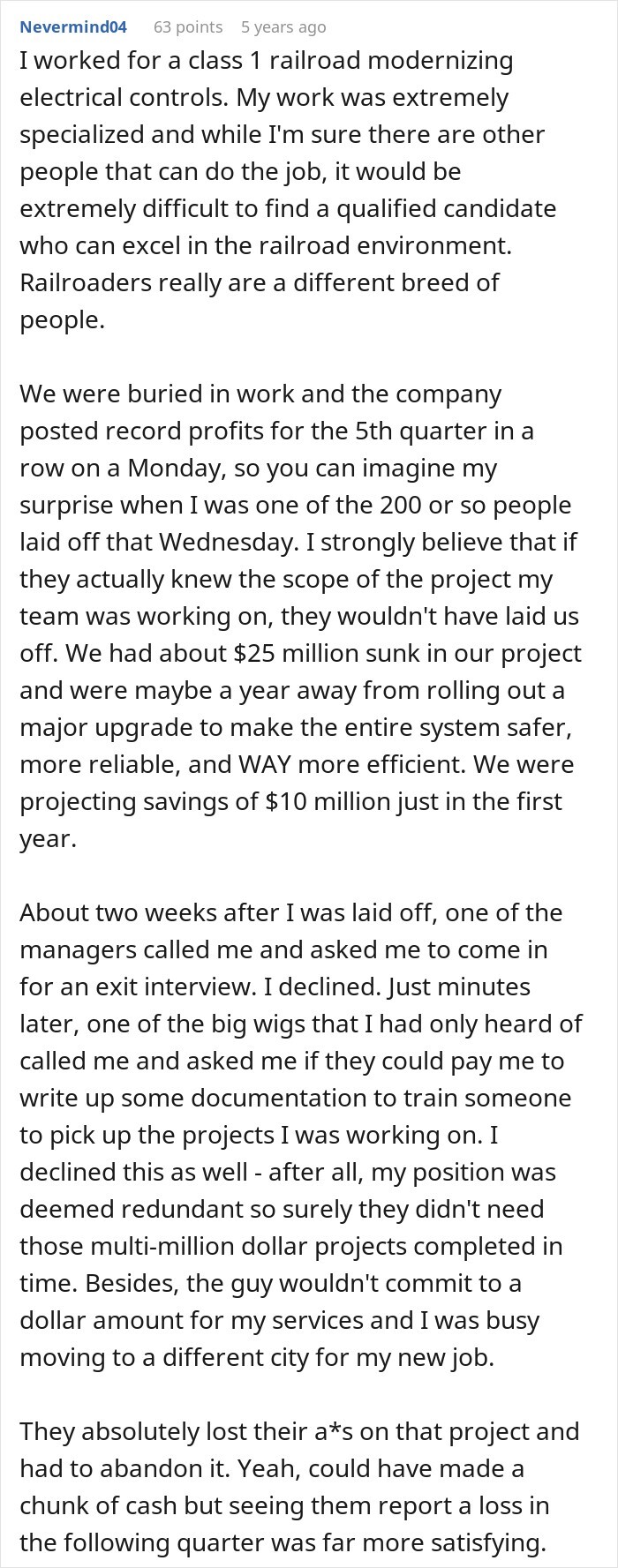
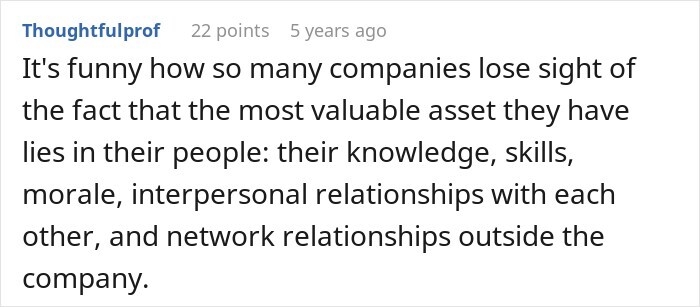
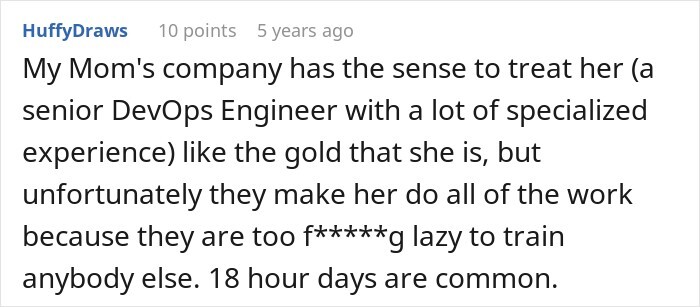
Commenters agreed he was lucky they didn’t take legal action, while others had similar stories to add



 Follow Us