Australian influencer Matilda Baxter has sparked controversy after revealing she underwent a cosmetic procedure to create a dramatically narrower waist.
The 23-year-old traveled to Bali for the “Barbie waist” procedure, which involves altering the lower ribs, and later bluntly revealed in an interview, “They literally break your ribs.”
Baxter has faced fierce backlash over the transformation, but she has remained unapologetic, arguing that even criticism keeps people talking about her.
But the viral cosmetic trend comes with significant medical risks, as a board-certified plastic surgeon explains the potential complications and what patients should know before considering the procedure.
Matilda Baxter’s dramatic transformation put the controversial “Barbie waist” procedure back in the spotlight
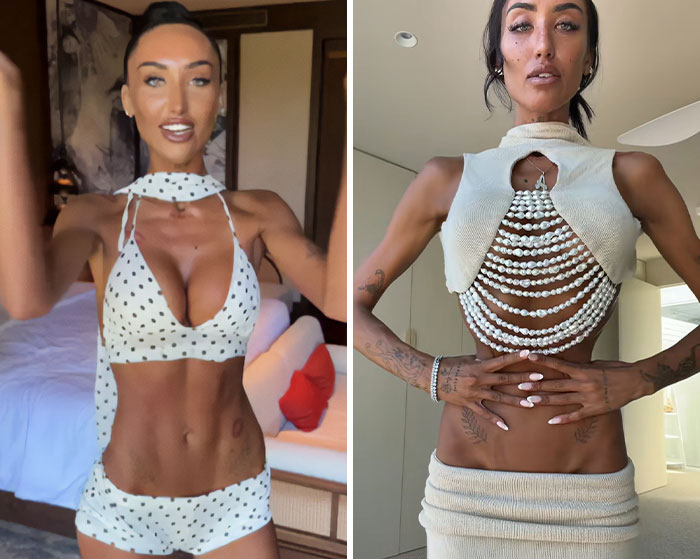
Matilda Baxter is no stranger to documenting cosmetic procedures online, but her latest transformation has taken the conversation to a different level.
The Adelaide-based influencer traveled to Indonesia for rib contouring, a procedure designed to alter the shape of the lower ribs and create a narrower-looking waist.
ABC News reported that she underwent the surgery as part of an influencer trip organized by Bali-based company Snatched Waist.
Baxter later showed off the results to her large social media following, where the dramatically cinched shape quickly became a talking point.

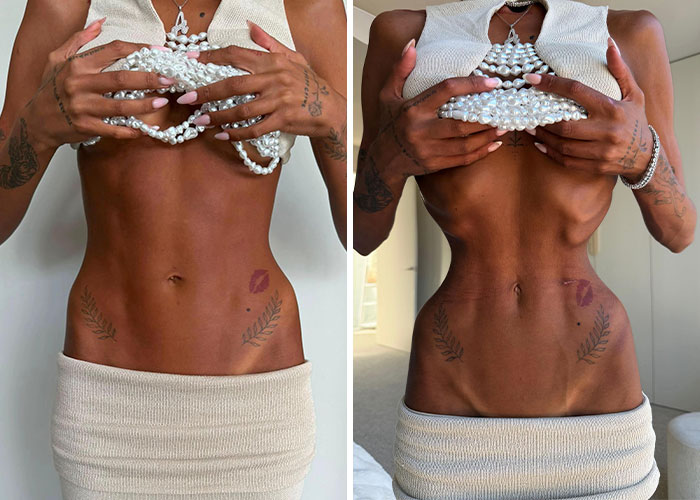


The procedure requires patients to wear a corset-style waist trainer for more than 10 weeks to help maintain the new shape while the ribs heal.
The influencer has been unusually open about what happened during the surgery.
In an interview with A Current Affair, she described the process in stark terms, saying, “They literally break your ribs.”
That admission only added fuel to the debate around the procedure, particularly as critics questioned whether such an invasive operation should be promoted as another way to achieve an extreme beauty ideal.
The procedure doesn’t simply involve “breaking the ribs,” as there are different surgical approaches to altering them for waist remodeling
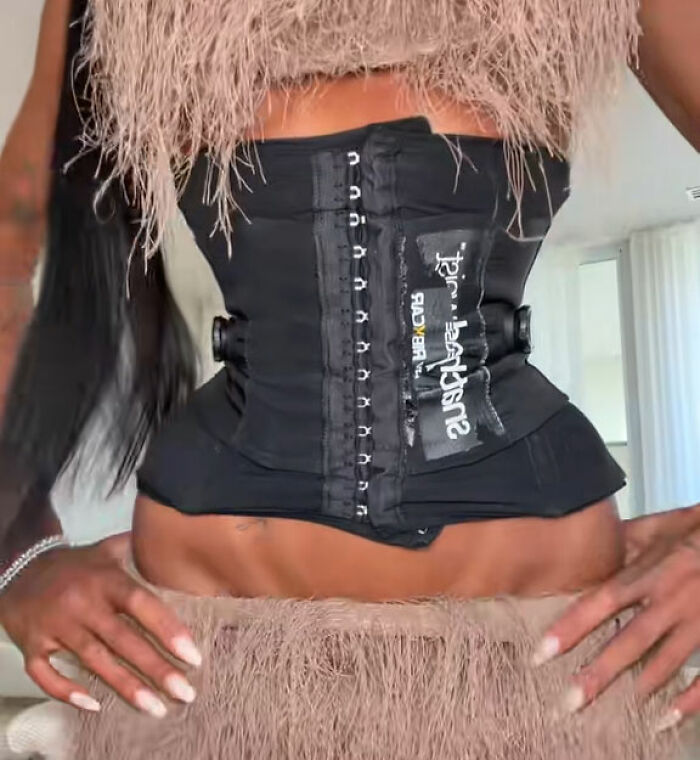

Board-certified plastic surgeon Dr. Candemir told Bored Panda that even the phrase “breaking the ribs” does not fully capture what can happen during rib remodeling.
“Although rib contouring is often discussed as a single procedure,” Dr. Candemir explains that there are different surgical approaches to altering the ribs for waist contouring.
In some techniques, surgeons deliberately “weaken the lower ribs with a controlled cut or partial fracture, then reposition them at a different angle to alter the waist shape. Other procedures may involve removing a portion of the lower ribs.”
The procedures also differ significantly from more familiar body-contouring operations.
“Liposuction and abdominoplasty primarily address fat, skin, and abdominal tissue; they do not alter the ribs. Rib remodeling, however, changes the underlying skeletal structure itself,” Dr. Candemir explains.
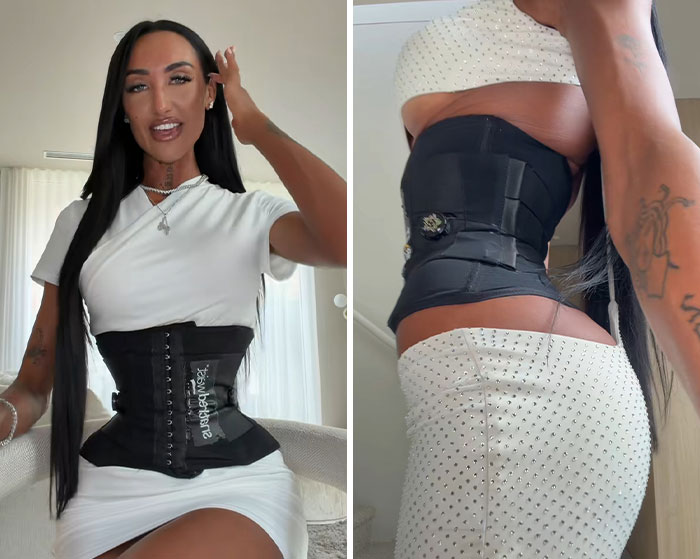
For that reason, he says anyone considering the surgery needs to understand exactly what technique is being proposed, rather than relying on viral videos or simplified descriptions online.
“Patients should take time to understand exactly what is being done, including the risks involved and what recovery may look like. These can vary depending on the technique used.”
The dramatic waistline may catch viewers’ attention, but the surgery takes place around structures far more important than appearance.
The ribs sit close to the lungs, nerves, and blood vessels, meaning altering them can create complications that go well beyond the final shape of the waist.
The unconventional procedure can expose patients to serious complications because of the ribs’ proximity to vital organs

Dr. Candemir warned that “complications can include bleeding, infection, significant pain, and changes in sensation if a nerve is irritated.”
Some of the most serious concerns involve the lungs.
If a lung is injured during the procedure, air can enter the chest cavity and cause a pneumothorax, commonly known as a collapsed lung.
Bleeding around the lung is another possible complication, and Dr. Candemir stresses that both problems can require urgent medical treatment.
The nerves around the ribs can also cause trouble.
Irritation or injury may cause changes in sensation or persistent pain, while problems with the way the altered bones heal can affect both comfort and the final appearance.


“Bone-healing problems can cause persistent pain or instability and may also affect the final contour,” Dr. Candemir says. “In some cases, further treatment may be required.”
That makes the procedure very different from simply removing a little fat to make the waist appear smaller.
Moreover, the risks do not necessarily end when the surgery is over.
“The ribs move every time we breathe, cough, laugh, twist or get out of bed, so pain in this area can interfere with very ordinary movements,” Dr. Candemir says. “There can also be tenderness and sensitivity around the treated ribs.”
One expert warned, “Ribs move every time we breathe, cough, laugh, twist or get out of bed,” making recovery especially painful


How long that discomfort lasts can vary considerably depending on the technique used and how extensive the procedure is.
While the early recovery period is expected to be the most uncomfortable, no single timeline applies to everyone.
The expert added, “How long it lasts will depend on the technique used and the extent of the procedure.”
According to Dr. Candemir, pain should generally “improve as healing progresses” rather than become increasingly severe.
“If it is getting worse, particularly with symptoms such as shortness of breath or fever, it should be medically assessed rather than assumed to be part of normal recovery,” he says.
Another question cannot be answered simply by looking at how someone feels in the weeks immediately after surgery: what happens years later?
“Aesthetic rib remodeling is relatively new in cosmetic surgery, so long-term evidence is still limited,” Dr. Candemir says.“This makes it difficult to predict how these changes may affect patients over time.”
“The ribs provide structure and help protect the organs in the chest, so the long-term impact is not only about appearance,” he continued.
“Remodeling a rib and removing part of it are also different interventions, and that distinction matters when considering their potential long-term effects.”
Social media may be making extreme waist proportions look more normal than they really are despite the significant risks

Beyond the surgical risks, the popularity of rib remodeling raises a broader question about how social media shapes expectations around the human body.
Dr. Candemir shared, “A short video may focus entirely on the final silhouette, without giving the same attention to the procedure, recovery, or medical considerations behind it. That can give people an incomplete picture of what is involved.”
The effect can become even more pronounced when the same body proportions appear repeatedly across social media feeds.
Filters, editing, and algorithms can make certain features seem far more common than they are in everyday life.

“Repeated exposure to very narrow waists can make those proportions appear more typical than they really are,” Dr. Candemir explains. “It can also change how someone views their own body.”
He also notes that being physically able to undergo an operation “does not automatically make it the right choice for every individual.”
Ultimately, the surgeon says anyone considering a procedure like rib remodeling should “ask themselves a very simple question: would I still want this operation if I had never seen it on social media?”
Because rib contouring is a relatively new cosmetic procedure, it is not yet mainstream or widely popular, but it has recently seen a massive surge in online attention.
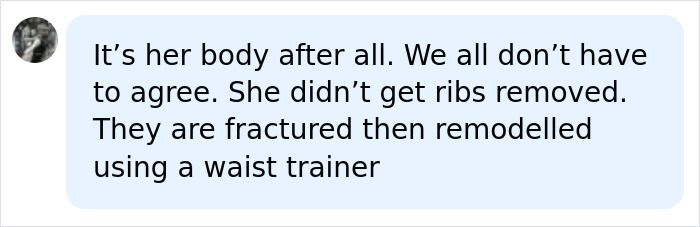
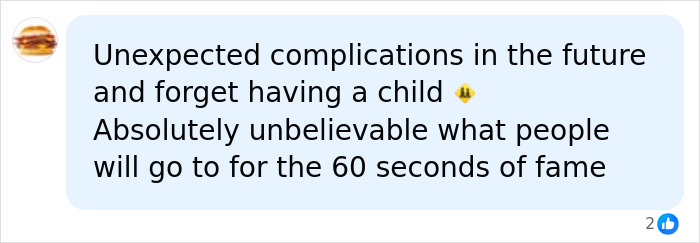
“What kind of doctor removes a patient’s RIBS for no reason except the patient wants it done?” one netizen fumed





 Follow Us