Bryan Kohberger’s former friend has opened up about a disturbing encounter that left him feeling deeply uneasy, more than a year before the slayings that shocked America.
Jack Baylis said he could not explain why he felt so anxious the last time they met, but the memory has stayed with him ever since.
In November 2022, Kohberger slayed four University of Idaho students, later admitting to the fatalities in a plea deal. Yet he never explained why.
“I got a bad, bad vibe,” Baylis said. “I was very anxious the entire day; I couldn’t stop shaking.”
Jack Baylis’ last interaction with Bryan Kohberger left him shaking and anxious
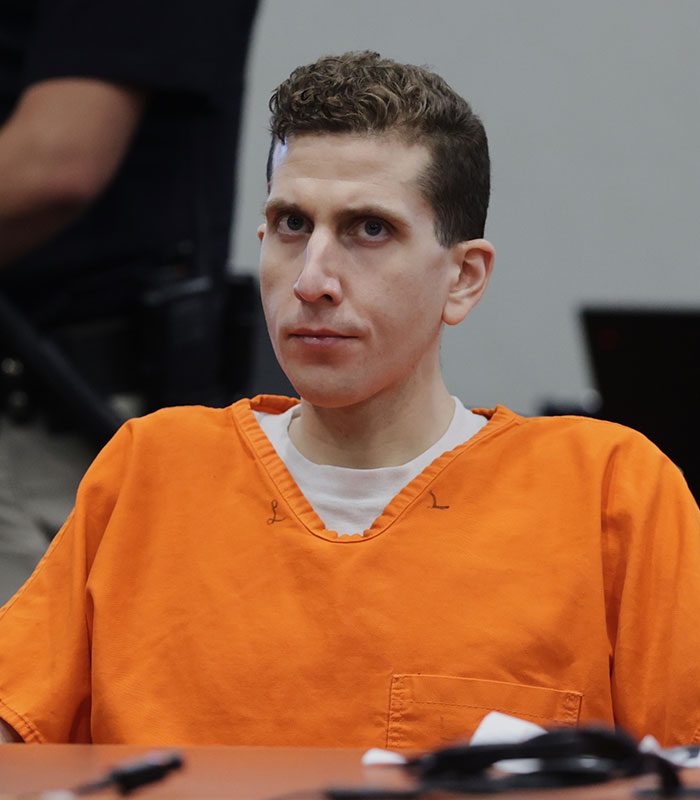
Baylis had known Kohberger since their early teens.
They met through Baylis’s cousin at family gatherings and spent time playing video games such as “Halo” and “Call of Duty.” They also played outdoor games and talked about typical teenage interests, including girls.
The pair eventually drifted apart, particularly as Kohberger struggled with substance use. They reconnected in the summer of 2021, when they spent a day sh*oting airsoft g*ns in the woods near Baylis’ father’s home in rural Pennsylvania.
Baylis told the Daily Mail that Kohberger appeared to be doing better. He had lost weight, seemed healthier, and appeared to have moved beyond some of his earlier struggles.

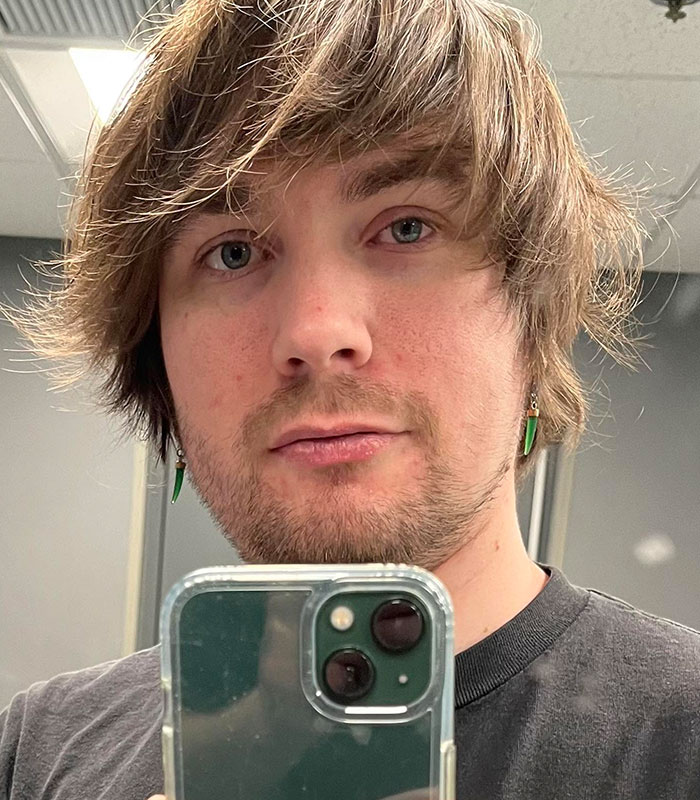
However, Baylis said something about that day left him feeling unsettled.
Baylis could not identify what had made him feel that way. At the time, he had no idea that his former friend would later be arrested for one of the most notorious crime cases in recent American history.
Looking back, he wondered whether his reaction meant something.
“In hindsight, maybe the reason I was feeling that way was that my brain knew something my conscious brain didn’t know,” he said.
Baylis revealed that their last discussion was about being rejected by women
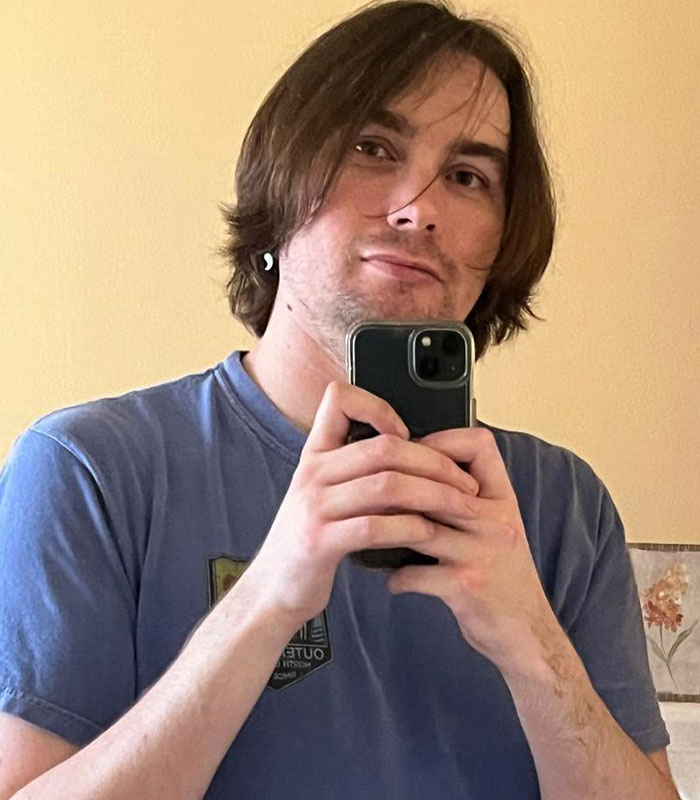
According to Baylis, both men had struggled to find relationships and had talked about being ignored by women.
“We just talked about trying to find a good girl, and how… all these girls would just… ghost us,” Baylis told the outlet.
“When we talk about girls, that was usually that. He was frustrated as well, because he also would get ghosted,” Baylis recalled.
At the time, the conversations did not seem unusual to him.
The two had discussed girls since their teenage years, and Baylis said nothing during their earlier friendship made him believe Kohberger was capable of the violence that followed.
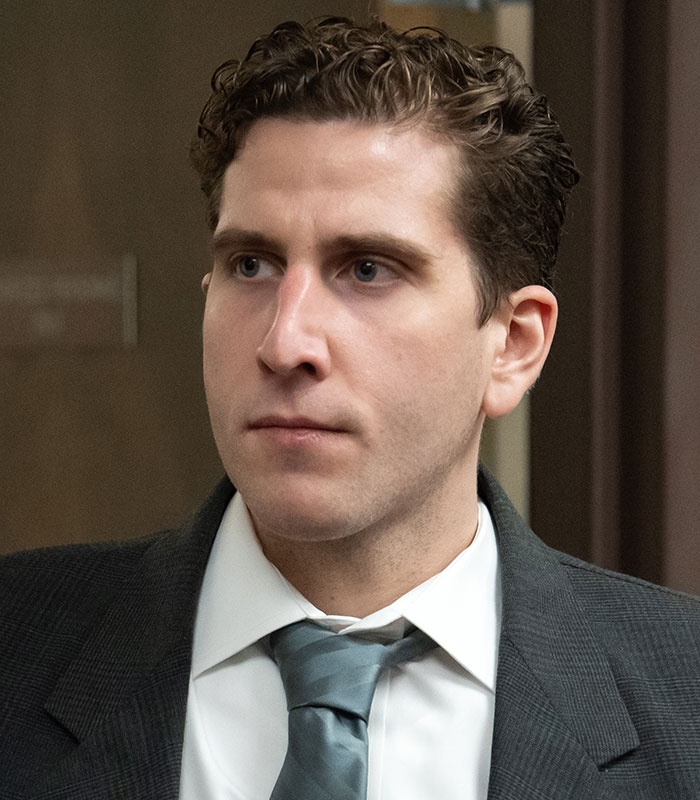
Ted S. Warren-Pool/Getty Images
However, Kohberger’s reported difficulties with women later became a major part of public speculation about why he slayed the four students.
In the months before the fatalities, staff at Washington State University reportedly made nine complaints about Kohberger’s “rude and belittling behavior toward women,” according to a police report obtained by the Associated Press.
One staff member also told police they believed Kohberger was stalking people. The report included an allegation involving a female student’s apartment and missing items.
Baylis and his friends had privately discussed whether Kohberger might have identified with the online incel subculture
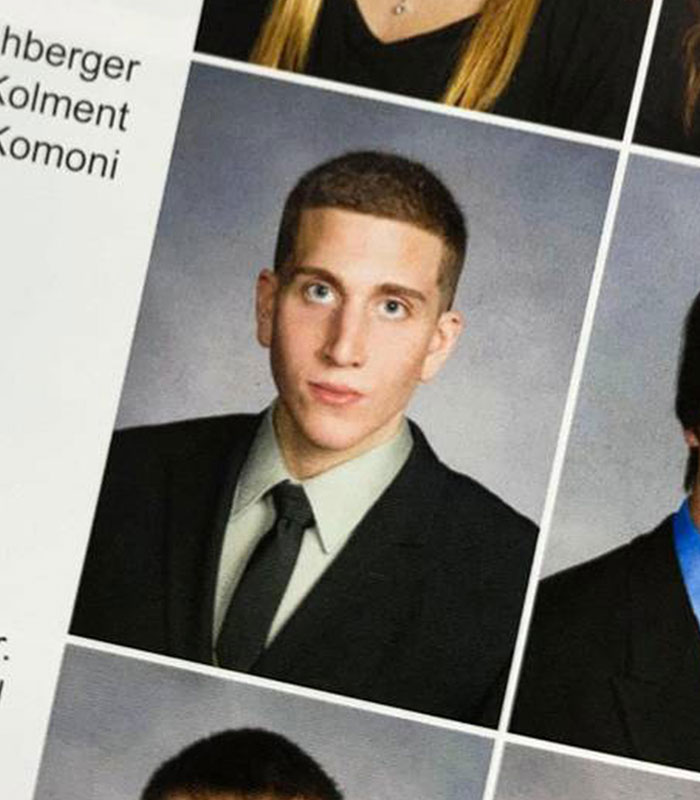
Kevin Fixler/Idaho Statesman/Tribune News Service via Getty Images
The term incel is short for involuntary celibate.
It commonly describes people, particularly men, who allege they cannot find romantic or intimate partners. Some online incel communities promote hostility toward women, although not everyone who experiences loneliness or rejection shares those beliefs.
When the Daily Mail spoke with Baylis again, his friend Tyler Holden also discussed the theory.
“There was incel talk for sure. Incels are typically mad that women are pretty and don’t want to have s*x with them, essentially,” Holden said.

“Some people said they know he was,” he added.
However, Baylis himself acknowledged the uncertainty surrounding his theories. He said he did not know whether Kohberger had selected the victims for a particular reason.
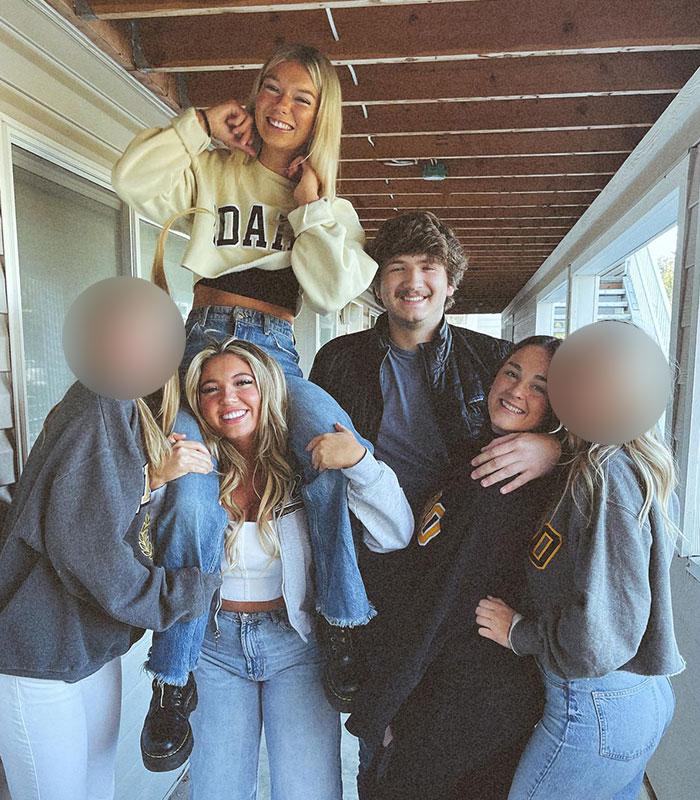
When he first saw photographs of victims Kaylee Goncalves and Madison Mogen, Baylis recalled thinking, “That’s for sure what he’d be into.”
He quickly added, “I don’t know if he chose them for a reason. It’s all speculation.”
Baylis further shared his theory about why Kohberger slayed the four students
Baylis said the brutality of the attack made him believe the homicides were planned.
“If you are attacking people like that, it sounds like it was premeditated,” he told the Daily Mail.
He also offered a disturbing guess about what might have motivated his former friend.
His best guess was that Kohberger “just wanted to know what m**dering felt like.”
Baylis also considered the possibility that something had suddenly changed during the attack. He imagined Kohberger thinking, “I am here, and you are so pretty – I hate that.”
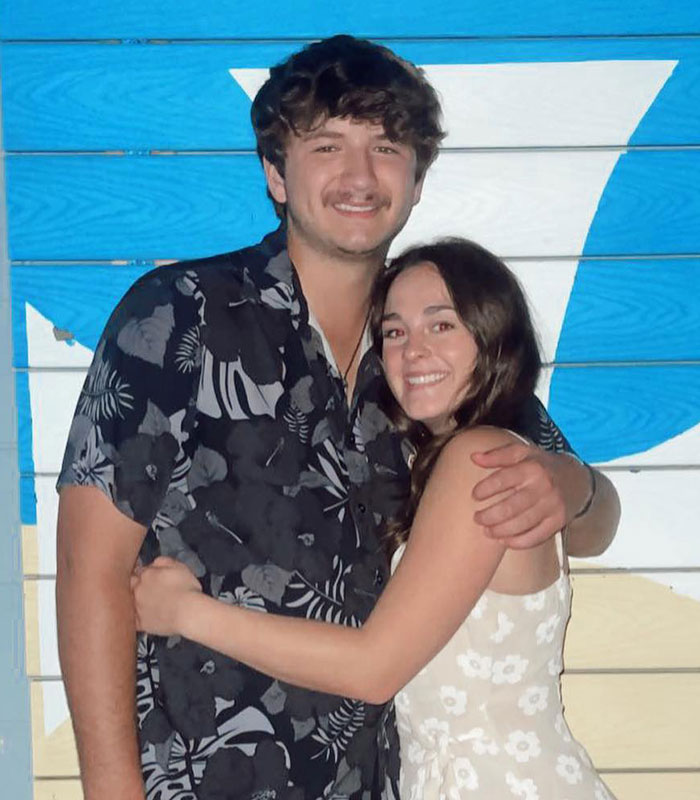
The four victims were 21-year-olds Kaylee Goncalves and Madison Mogen, and 20-year-olds Xana Kernodle and Xana’s boyfriend, Ethan Chapin.

They were slaughtered inside an off-campus student house in Moscow, Idaho, on November 13, 2022.
Kohberger was then a 28-year-old criminology PhD student at Washington State University, located near the University of Idaho.
His arrest on December 30, 2022, shocked people who had known him before the incident. Baylis said he first heard the news over the Christmas holidays.
“Oh, what? I said I know that guy and then when I googled him, I said OMG I know that guy,” he recalled.
Baylis looked at photographs from the crime scene and was shocked by what he saw
“There was blood everywhere. It was so terrifying,” he said.
He struggled to understand why Kohberger would carry out such a violent attack, particularly because he remembered him as someone who had never displayed the same kind of aggression during their time together.
“There was never, like, a point where I’m like, ‘Oh, yeah, that’s right. He for sure would have done that,’ you know?” Baylis said.
He recalled that Kohberger could be competitive when they played games but did not fly into a rage when he lost.
“He talked with us just fine, you know?” he added.
Baylis’s memories differed from accounts given by others who knew Kohberger in Pennsylvania. Those individuals reportedly remembered him as an uncomfortable presence who struggled to accept rejection from women.
Furthermore, Baylis said some details of the case have never made sense to him.
“There are so many things you could do to attempt to get away with m**der, and he did none of them,” he said.
He pointed to the amount of blood at the scene and questioned why Kohberger would allegedly leave behind evidence if he had planned the crime.
“Not that I am some type of m**derer, but I wouldn’t do four at a time. It just makes no sense to me,” Baylis said.
“I don’t see how you could have forgotten the sheath,” Baylis said. “That’s very weird to me.”
Baylis acknowledged that he had initially tried to follow the principle that someone should be considered innocent until proven guilty, but he found the case difficult to make sense of.
“But also, God forbid, he was innocent this whole time, and I was talking smack, you know?” he said.
Despite their long history, Baylis is unsure about reaching out to Kohberger in prison
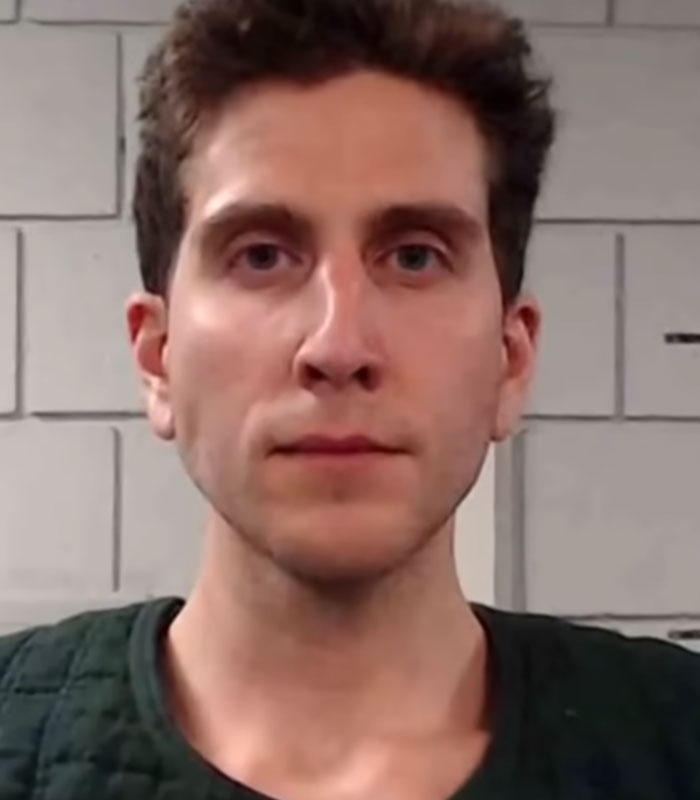
He told the outlet that he would like to understand what happened but wants to wait for the court proceedings to unfold.
When asked whether he had considered writing to his former friend, Baylis said he was unsure.
“Cause I also, I don’t like to be fake either. I don’t want to pretend to be friendly or anything,” he explained.
Police arrested Kohberger at his parents’ home in Albrightsville, Pennsylvania, 17 miles from Baylis’s home.
In July 2025, Kohberger admitted to slaughtering four students as part of a plea deal that spared him capital punishment. On July 23, 2025, he was sentenced to four consecutive life terms.
However, the agreement did not require him to explain why he committed the slayings.
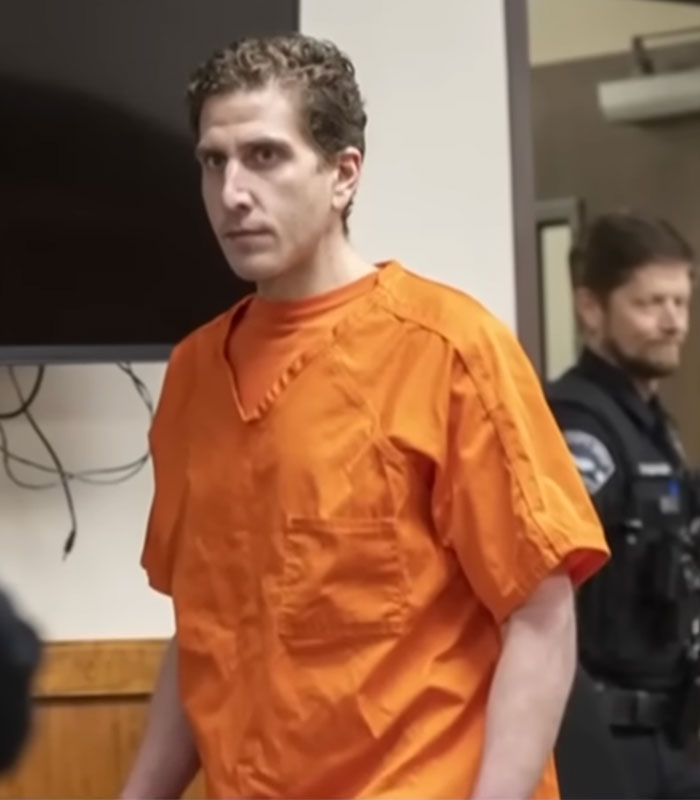
Despite admitting to the homicide and receiving four life sentences, Kohberger is now challenging his conviction.
In July, he filed a handwritten petition seeking to withdraw his guilty plea. He claimed his lawyers had misled him and failed to tell him about certain evidence, including unidentified “clumps” of hair reportedly found in Chapin’s hand.
Because Kohberger pleaded guilty, the case did not proceed to a full trial where all the evidence could be examined in court.
If a judge allows him to withdraw his plea, the case could go to trial, and the capital punishment could become an option again.
Kohberger’s family has supported his effort to challenge the conviction and has retained a new attorney. The family has also reportedly refinanced its Pennsylvania home.
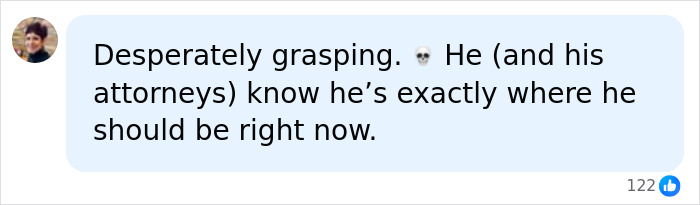
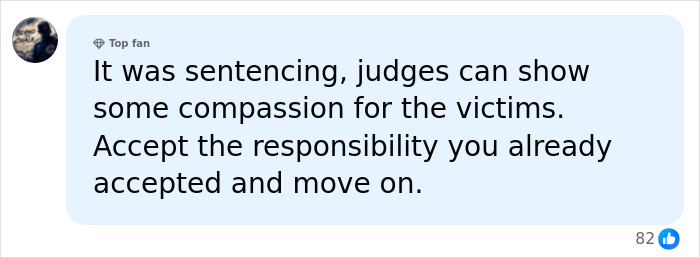
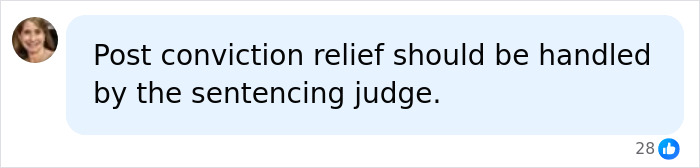
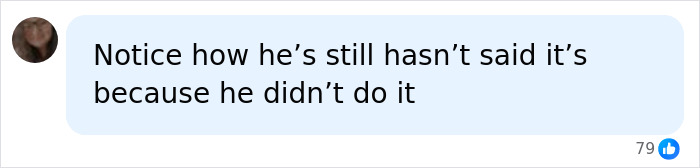
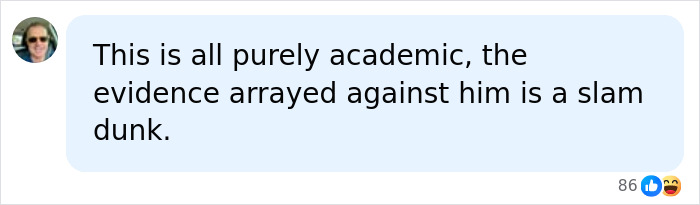
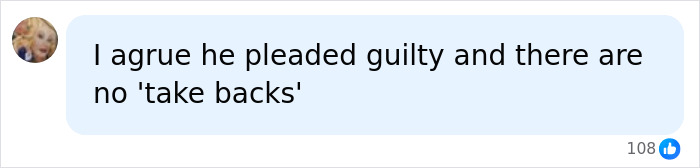
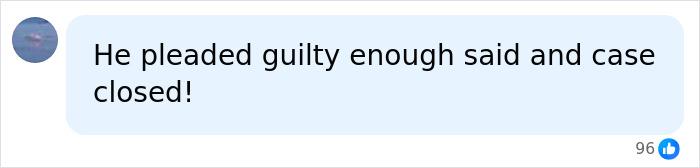
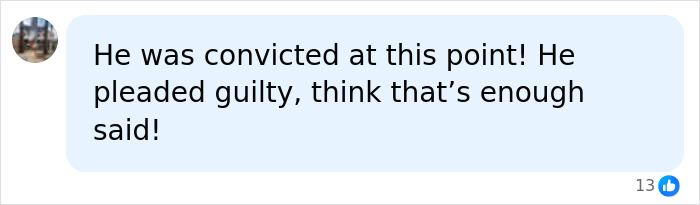
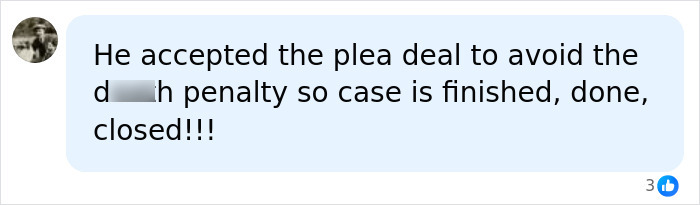
“He’s guilty. Hands down,” wrote one netizen

 Follow Us