Grief does not follow a schedule, and nobody gets to tell someone else how long they are allowed to mourn. But there is a version of moving on that happens too fast, giving off a stench of apparent relief. It makes the people left behind start to wonder whether the person they thought they knew ever really existed.
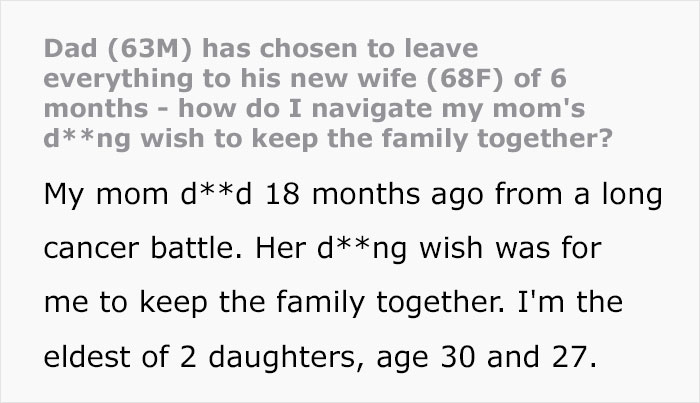
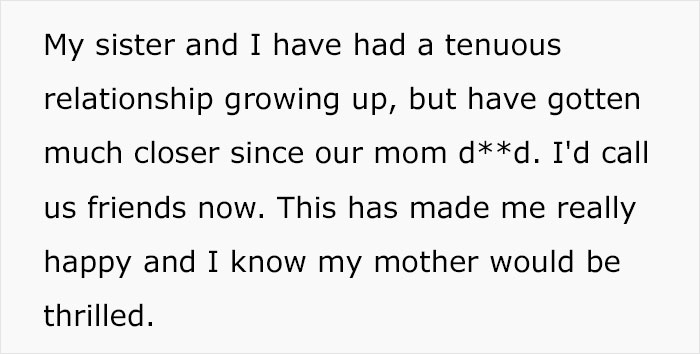
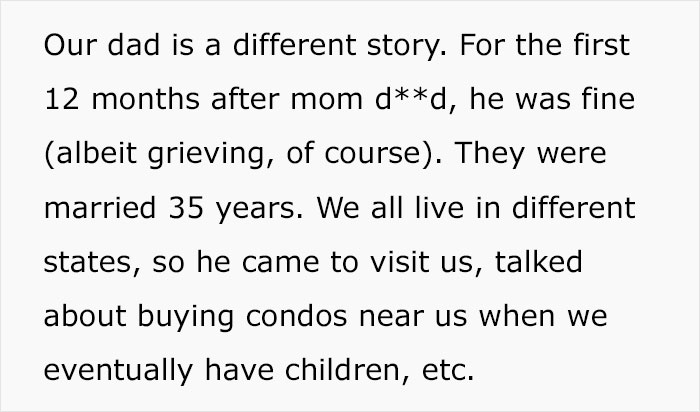
One woman made a promise to her late mother to keep the family together. Her father appears to be doing everything in his power to make that promise impossible to keep, and she is trying to figure out what family even means when the person who is supposed to hold it together has already chosen a different one.
There are no rules about how long you should grieve a loss of a partner before moving on, but there are some basic expectations
wirestock / magnific (not the actual photo)

One daughter was pretty shocked to learn her dad started dating soon after their mom’s funeral, but even more shocked when she heard he was engaged 6 months later

lucigerma / magnific (not the actual photo)
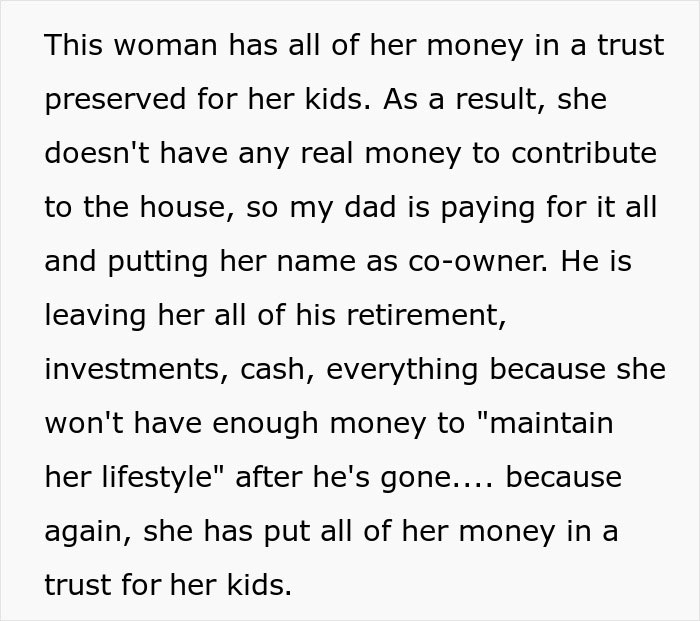
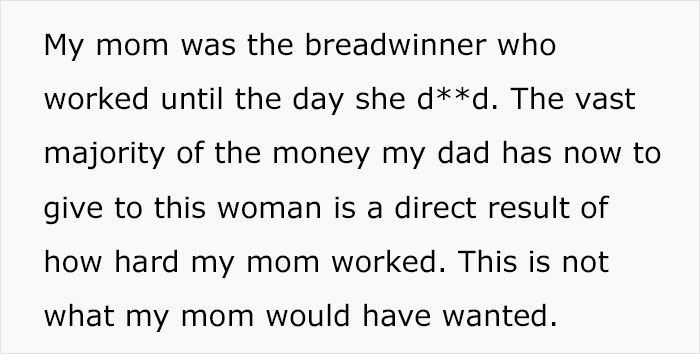
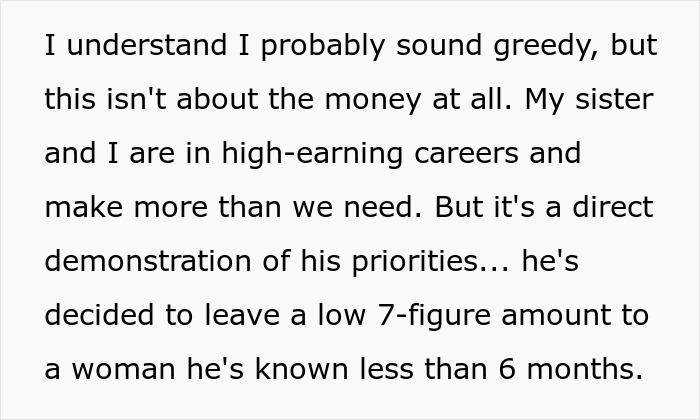
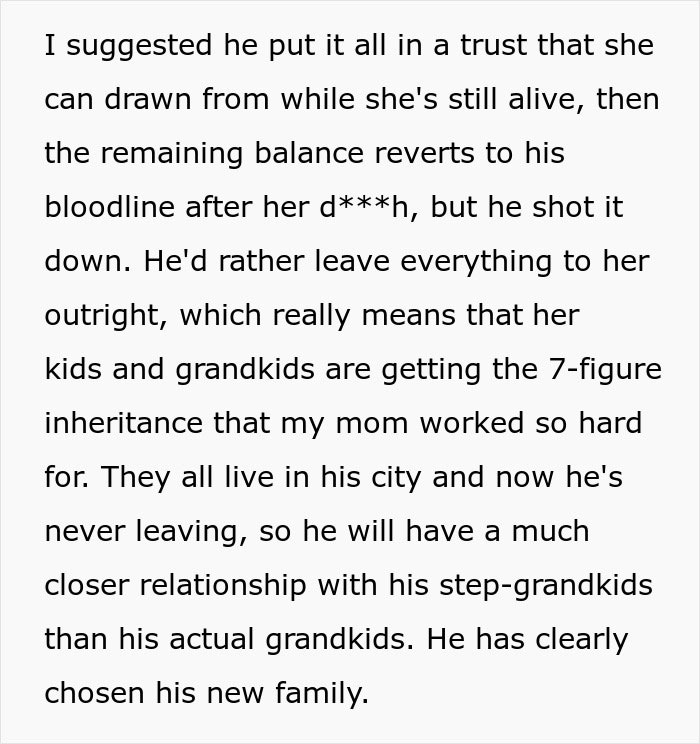
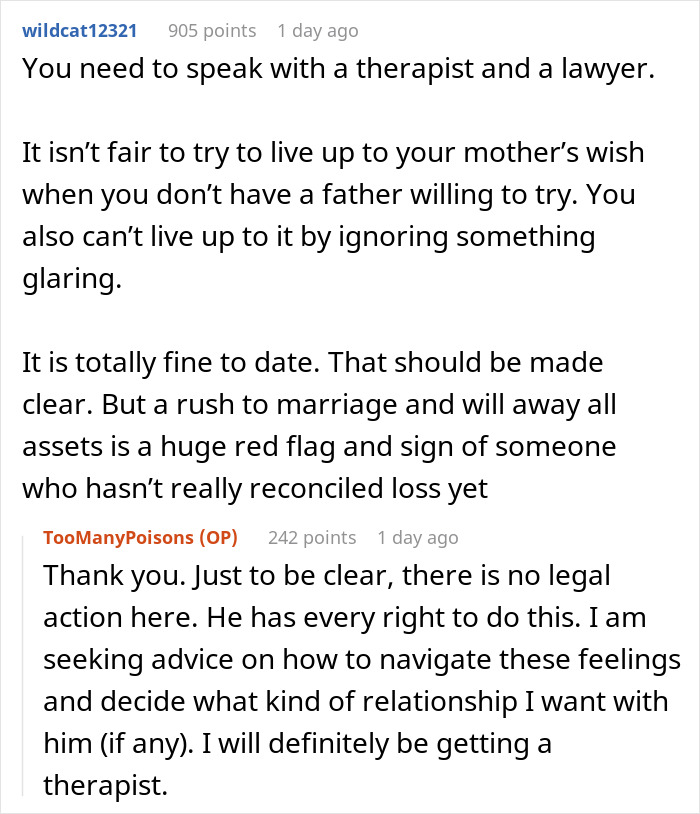
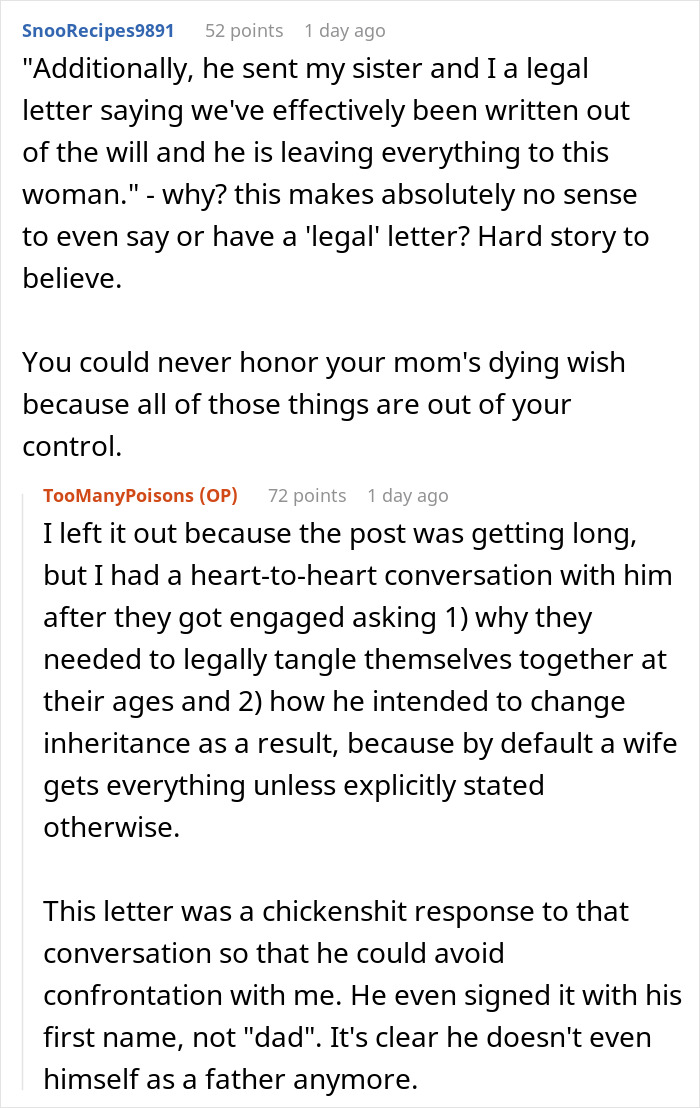
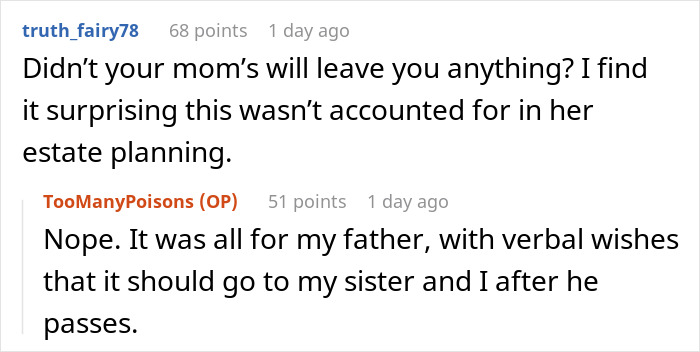
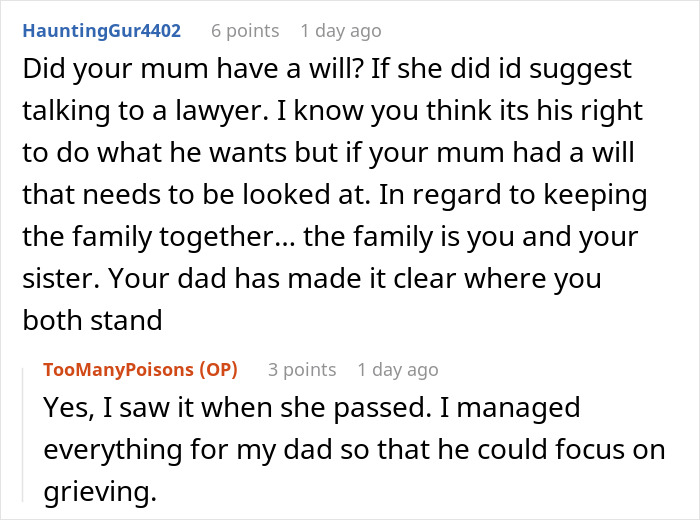
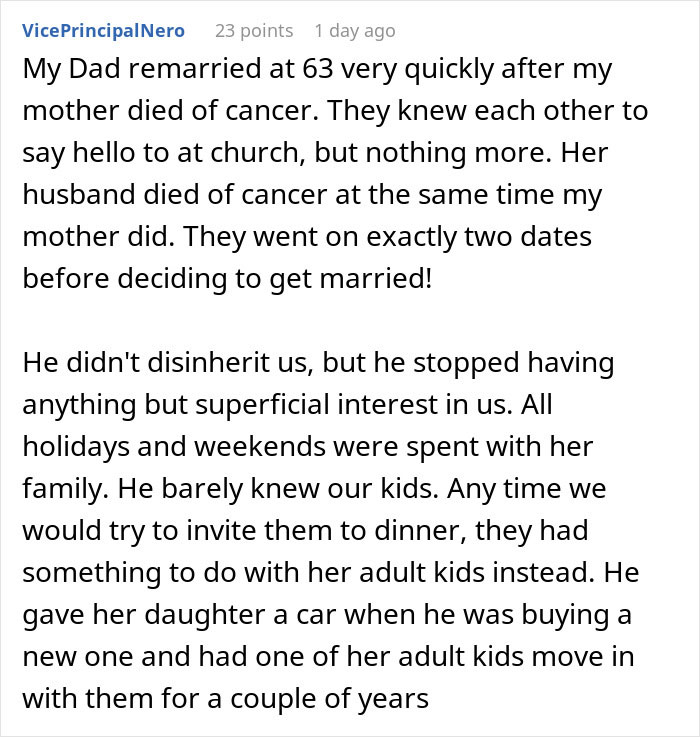
To make matters worse, he notified his daughters that their mother’s estate now belonged to his new wife, not to them


user21155762 / magnific (not the actual photo)
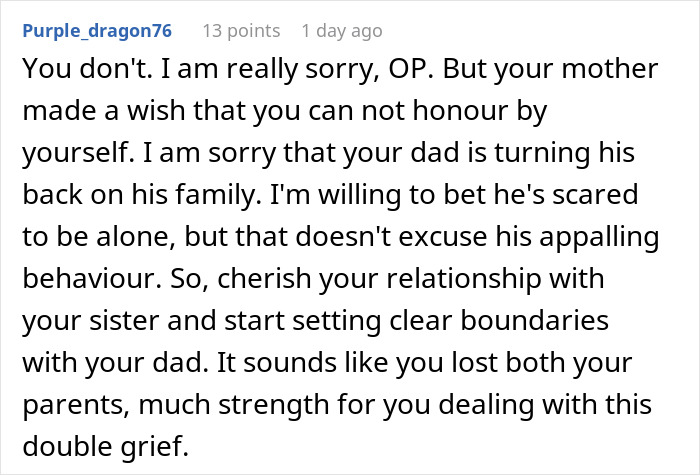
The daughter was distraught, not about the money as much as about their mother’s final wishes of keeping their family together
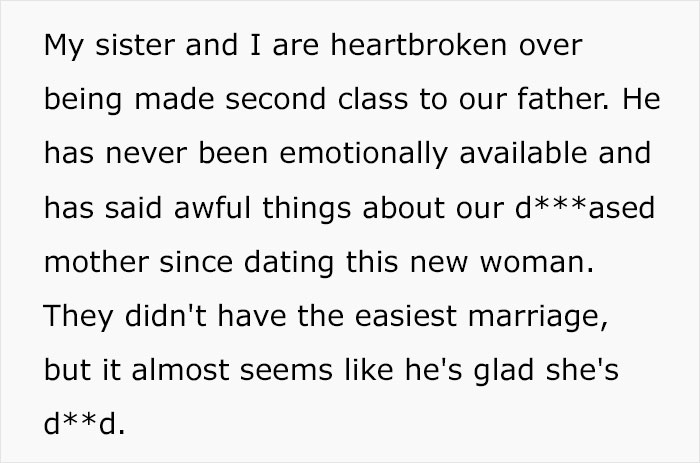
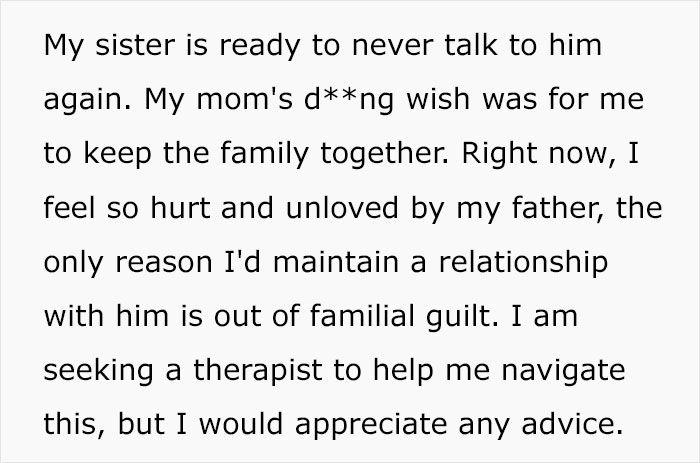
It seemed the father had no interest in that, and chose his new family over his one of more than 35 years
Statistics show that roughly 60% to 61% of widowers are remarried or in a new relationship within two years of losing their wives. For widows, that figure drops to around 19%. It reflects decades of research showing that men rely more heavily on their spouses for emotional support, social connection, and daily structure, making the loss more destabilising and the drive to replace that support system more urgent.
None of that makes a five-month engagement eighteen months after a 35-year marriage any less jarring to witness as a daughter, but it does place it in a pattern that is considerably more common than it should be.
Psychology and Serenity identifies something without a simple name, but immediately recognisable to anyone who has lived it. Losing one parent already shifts an adult child into a new psychological position: suddenly the oldest generation, the keeper of family history, the person the memories now live with.

efurorstudio-1 / magnific (not the actual photo)
When the surviving parent simultaneously turns away and invests that remaining emotional energy elsewhere, something specific breaks. The validating mirror of your own family history goes dark, and what is left behind is a kind of psychological homelessness, a feeling of having lost not just a parent but the entire architecture of where you came from.
When a family undergoes major loss, a surviving parent’s emotional bandwidth often contracts dramatically under the weight of their own grief. If that contracted energy gets channelled entirely into a new relationship and a new family unit, the adult children from the previous life feel sidelined.
They also experience real psychological, emotional, and relational shifts that do not resolve simply because the parent has found happiness. His happiness and their grief are both real. They are just not being treated as though they are.
What do you feel this distraught daughter needs to do? Share some advice in the comments!
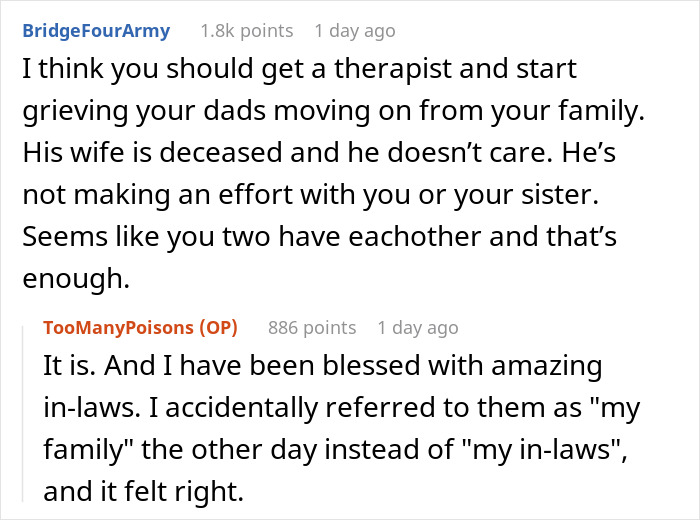
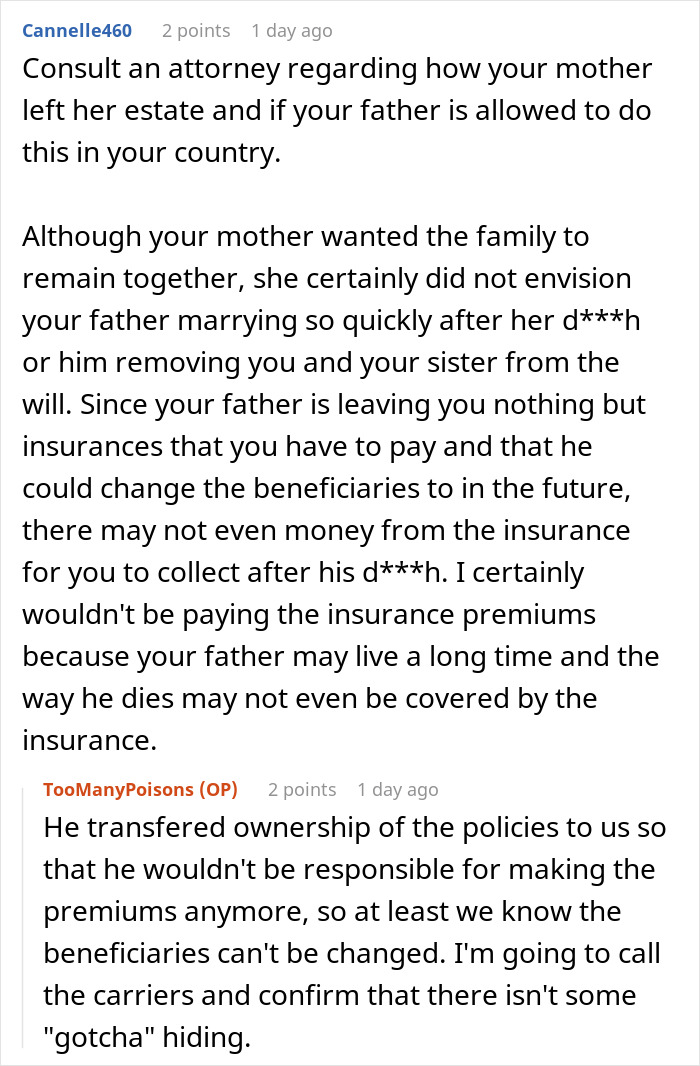
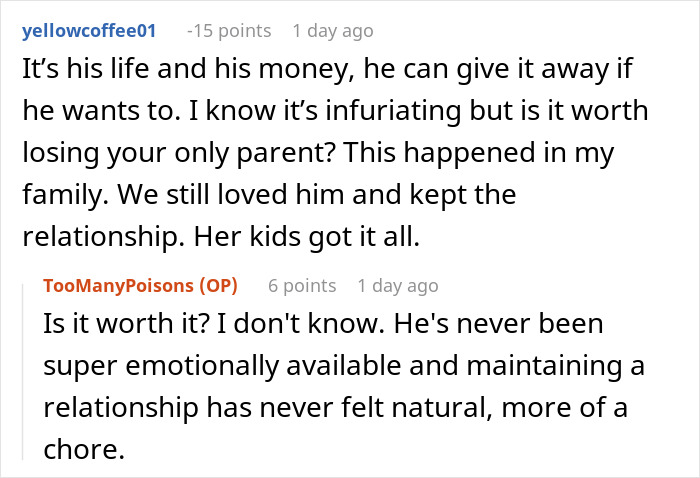
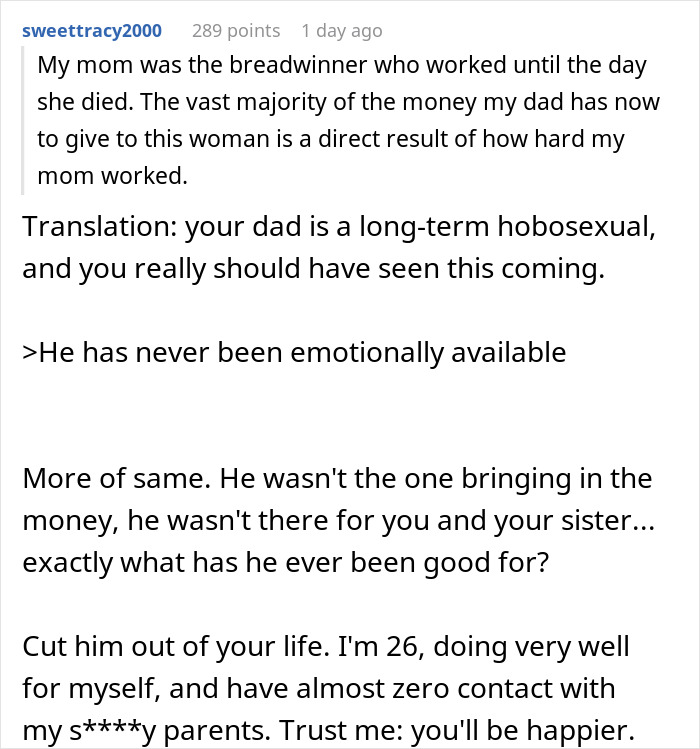
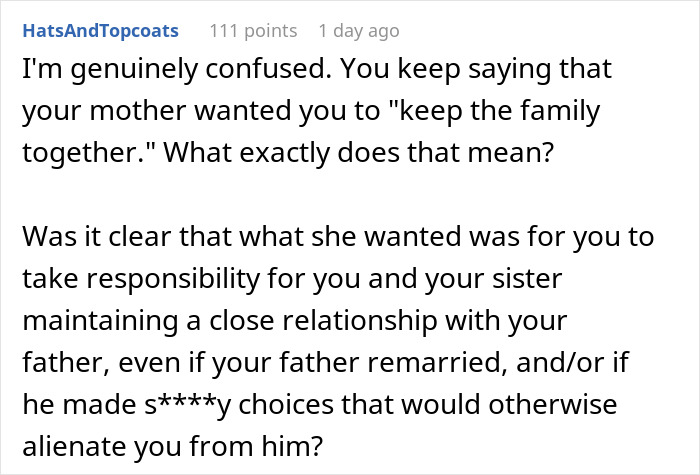
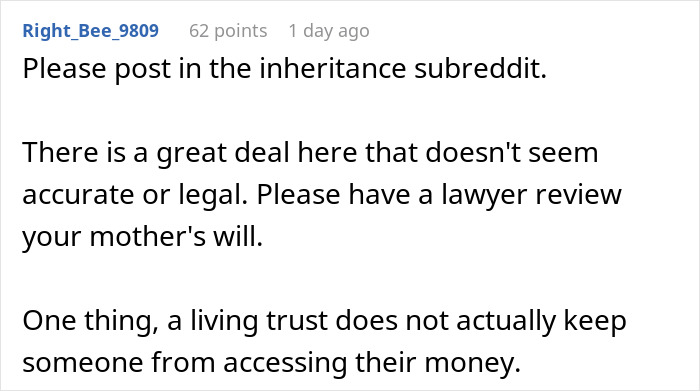
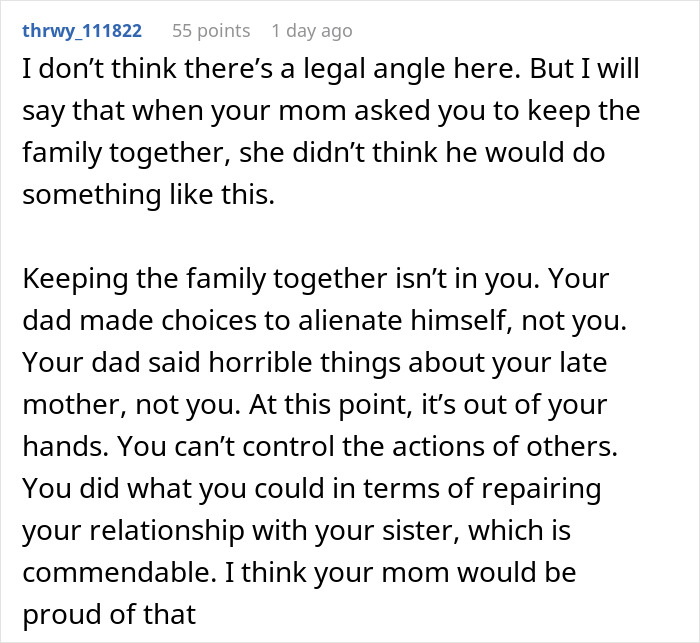
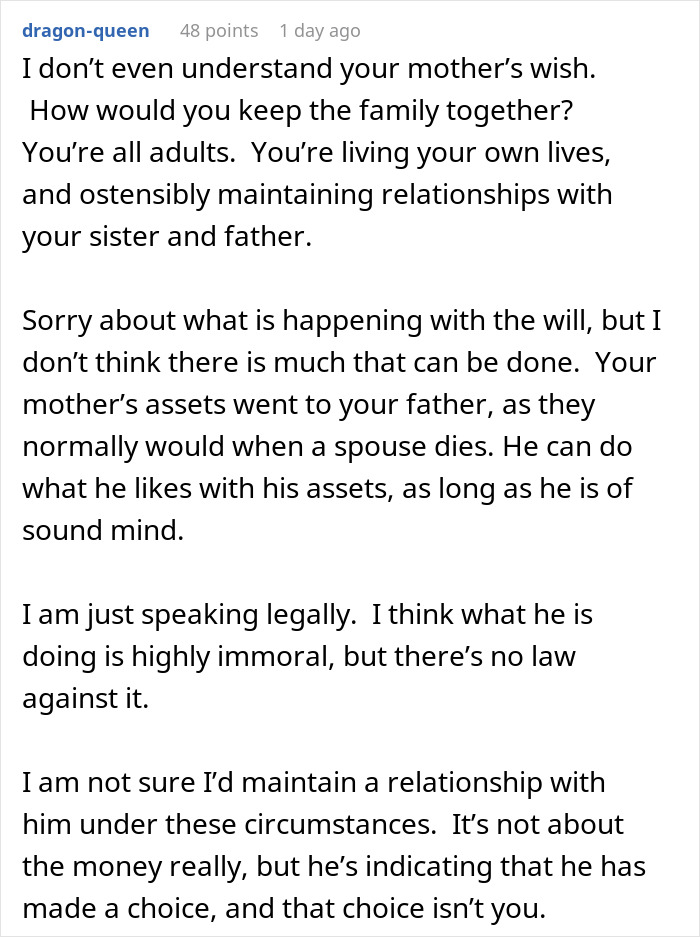
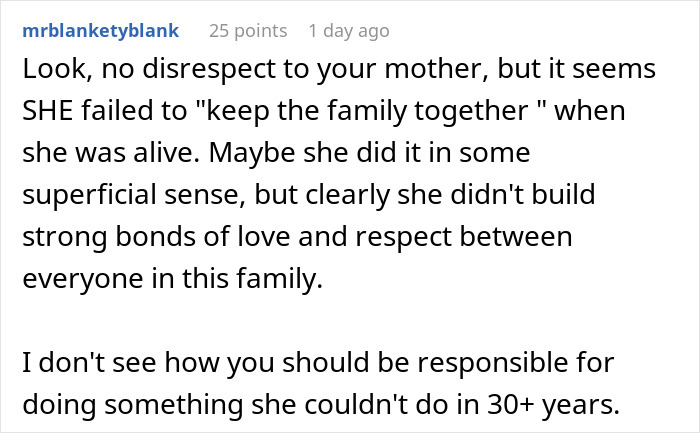
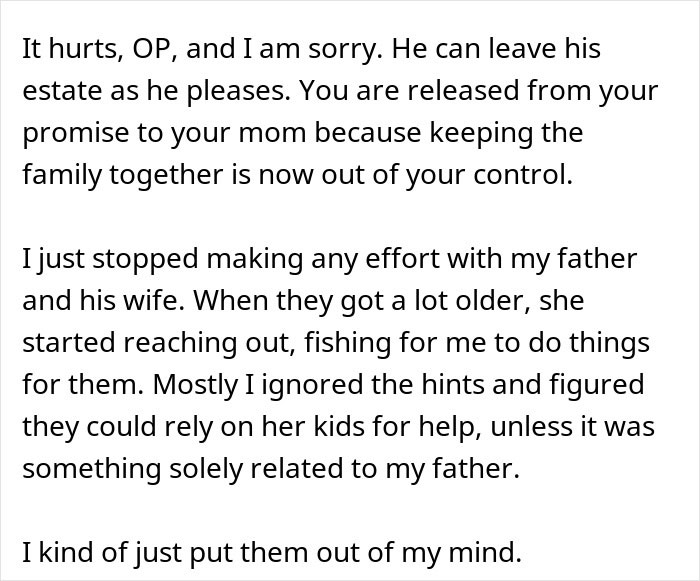
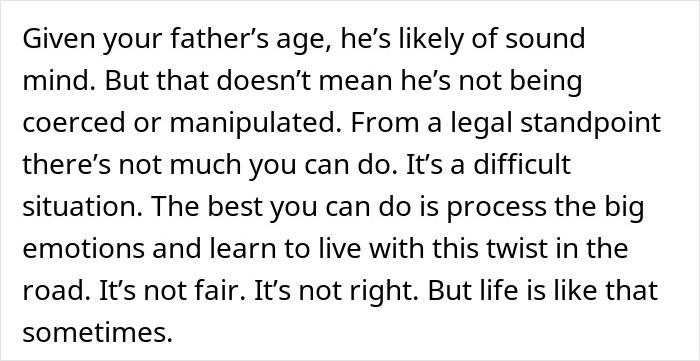
Commenters tried to give some legal advice, but it all boils down to grief counceling and therapy as the way forward








 Follow Us