As a 90s kid, when I look back at my childhood and youth, there are tons of brands that used to dominate the scene. They were everywhere, and their names seemed impossible to escape. If you wanted to watch a movie, you’d go to Blockbuster. If you wanted some photos, you’d go to Kodak. If you wanted a reliable phone, you’d buy a Nokia.
But even the biggest companies can make one decision that changes everything. When netizens were asked which companies went bankrupt because of one terrible decision, thousands shared examples of businesses that once seemed unstoppable. From missed opportunities to questionable choices, these stories reveal how quickly a successful company can lose its place at the top.
Someone sparked the conversation with a simple question, “What’s a company that made one bad decision and went bankrupt because of it?”. People online have watched many, many companies disappear from the spotlight. The conversation gathered 3.4K upvotes and more than 2.3K replies, showing how fascinating these failures are.
#1
Kodak (or more precisely, one of their engineers) invented a digital camera. They didn’t market the technology, as it would have disrupted their film supply business. Worse yet, they were happy to sell the license to companies like Sony, Canon or Nikon, which quickly dominated the market.
Suffice to say, Kodak went bankrupt right after the patent expired.
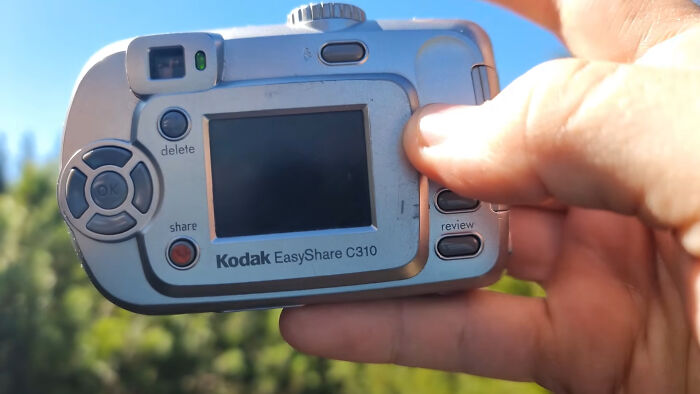
Image source: Szpagin, Johny DigiCam

#2
Blockbuster coulda bought Netflix
But honestly, I don’t think they would have done with it what Netflix did.
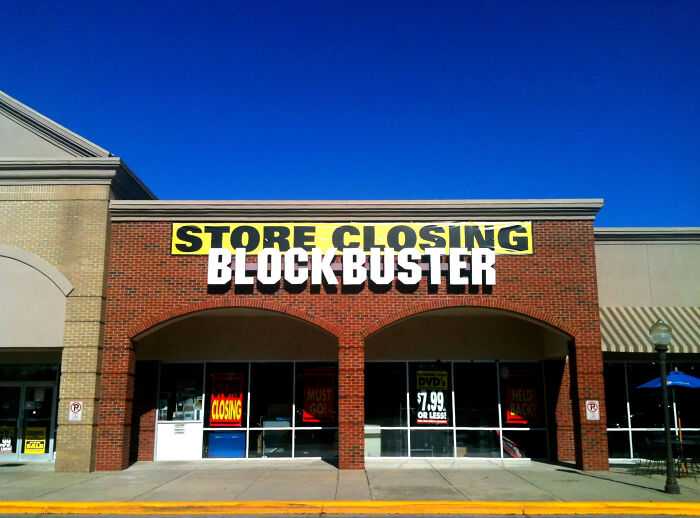
Image source: EatYourCheckers, angelo Yap
Some of the examples mentioned before are definitely among the most emblematic companies that people remember when discussing corporate giants that fell behind. This list includes several familiar names, including Xerox, which developed the first PC, and Yahoo, one of the most used search engines before Google became dominant.
#3
Nokia.
It used to be THE cellphone manufacturer at the time… until a series of bad, bad, BAD management decisions (Symbian, the refusal to adopt Android, and… Elop) led to its almost complete disappearance.
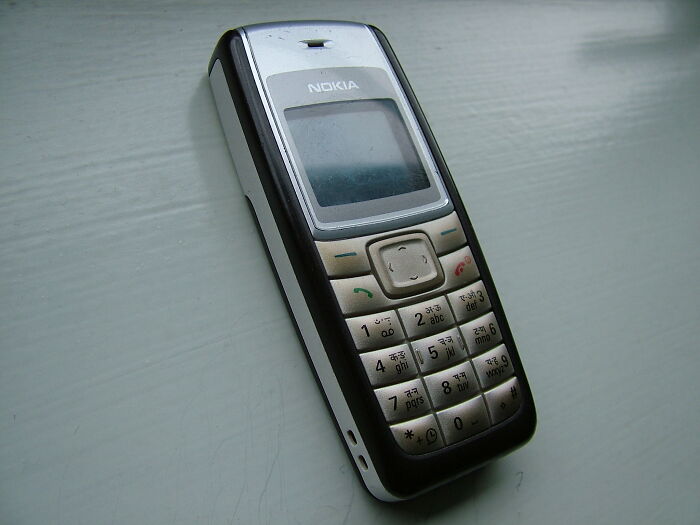
Image source: Jujstme, Bernard Goldbach
#4
Sears could’ve eaten Amazon’s lunch if only they’d bothered to digitize their catalog.
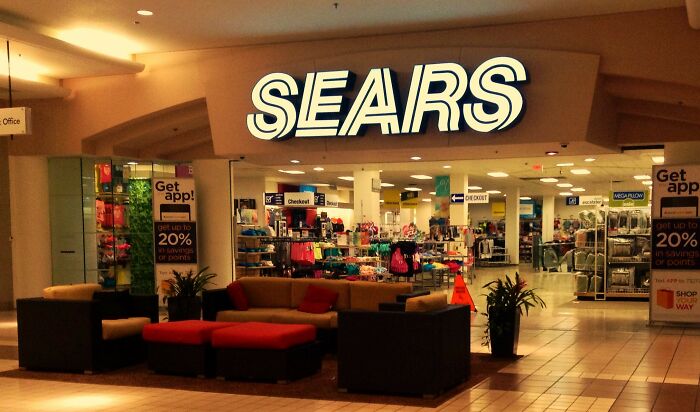
Image source: TyrantsInSpace, Mike Mozart
So, what brought these giants down? In many cases, the answer is a failure to innovate, just as experts explain. Companies can become too attached to successful products or business models, making change feel like an unnecessary risk. “Companies that have invested heavily in their systems or equipment are hesitant to invest again in newer technologies,” creating a big resistance to change.
#5
Skype dropping the video call ball to Zoom during Covid.
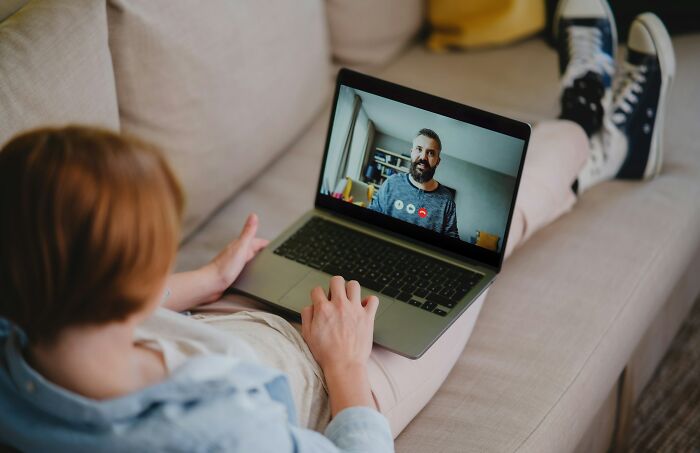
Image source: Decent_Pay_2317, Getty Images
#6
Circuit City
Decided to go the route of replacing older more experienced employees with cheaper inexperienced people to cut wage costs. Then they doubled down and reduced the floor staff at each store.
That move only helped the elite as then CEO Phillip Schoonover in 2007 got a $7 million bonus for such corporate cost cuts. Add in the recession and by 2009 the liquidation of all stores and mass layoffs have completely k****d the name.
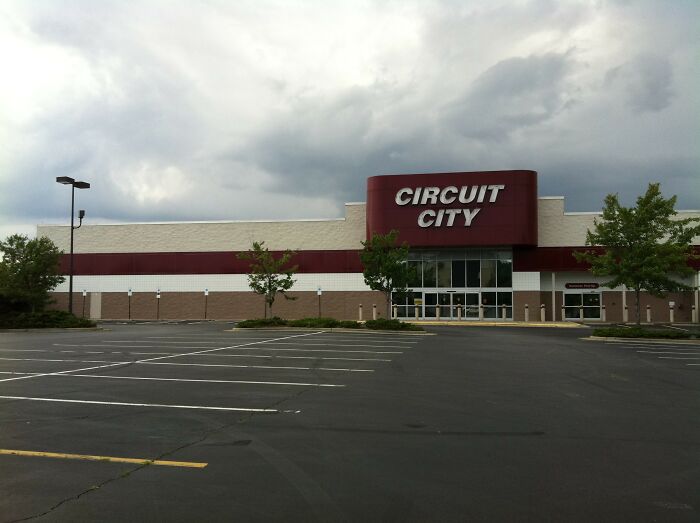
Image source: Architorture_66, Mike Kalasnik
Blockbuster may be one of the clearest examples. In 2000, Netflix offered to sell itself to the video rental giant for $50 million, but Blockbuster declined. Instead, the company continued relying on their traditional blue and yellow physical stores, and failed to see that the market was moving towards digital entertainment. By 2010, Blockbuster had to file for bankruptcy, while Netflix was already king.
#7
Ratners the jewellers
Gerald Rather described their products as cheap tat
Went from a high street mainstay to bankrupt inside a year .

Image source: Moontoya, user16679917
#8
RadioShack failed to address online sales and was their demise. I miss RadioShack products.
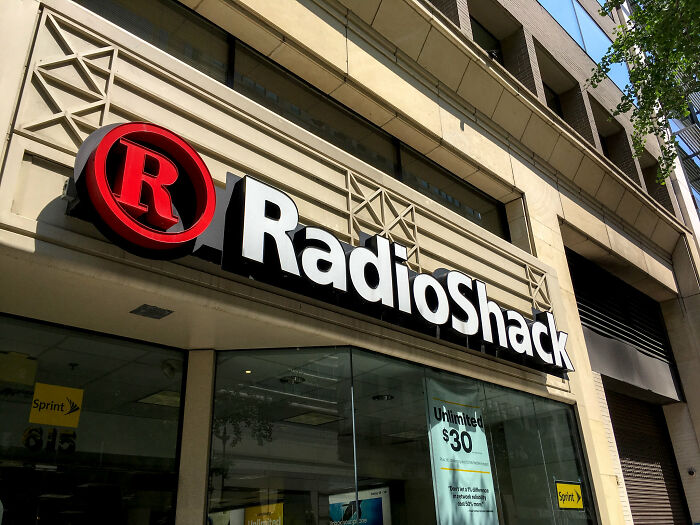
Image source: Ok-Flounder8166, Ryan McKnight
#9
Blackberry. Ignoring what apple were doing and not having a touchscreen phone to fight them.
Good movie though.
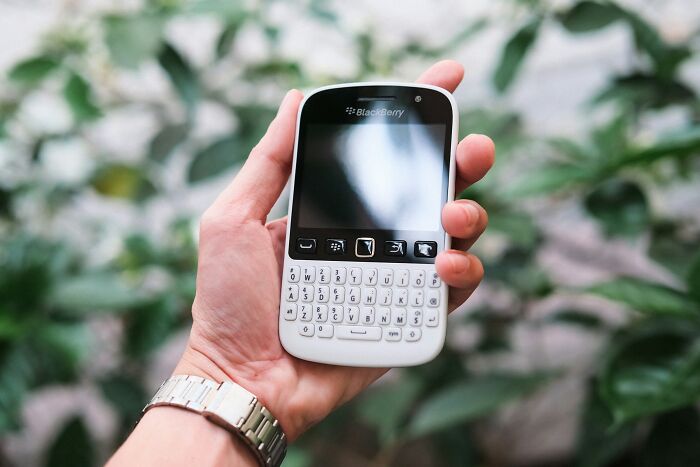
Image source: ShowmasterQMTHH, Thai Nguyen
BlackBerry experienced a remarkably similar shift. The company had once transformed mobile communication with its unique smartphones and physical keyboards. But as touchscreen devices became more and more popular, BlackBerry remained focused on protecting their identity. But failing to adapt was the major reason the company eventually fell.
#10
Yellow pages, lol they owned the world but had their heads in the sand when the internet started, now if they are not d**d they irrelevant.
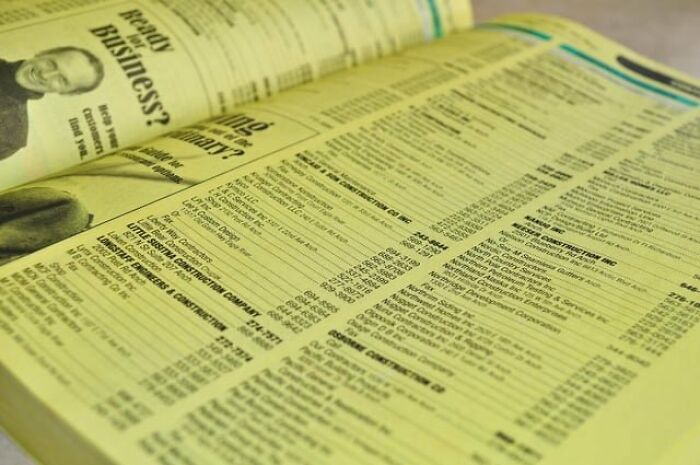
Image source: Such_Drop6000, RainbowDash118
#11
Digg. Did a redesign everyone hated.
Pretty much the entire userbase decamped to Reddit.

Image source: squigs, fxquadro
#12
Palm.
They pioneered concepts that we still use today a good decade before the iPhone was announced.
The originals were a non-connected handheld computer that had a ton of capabilities. There were app stores (plural!), a vibrant developers community, and a solid userbase. The one thing people kept asking for over and over: Add telephony! Add wireless networking!
They refused for years. Then they finally did with a weird flipphone/Palm hybrid with a keyboard. Everyone hated the smaller screen and keyboard — they had all gotten quite adept at the Graffiti input language. But they cited Blackberry as a reason why. They didn’t get that Blackberry was popular because of the backend services, not because of the keyboards.
They basically didn’t realize that smartphones was a huge emerging new market, not just a sub-region of their own market, and they paid the price.
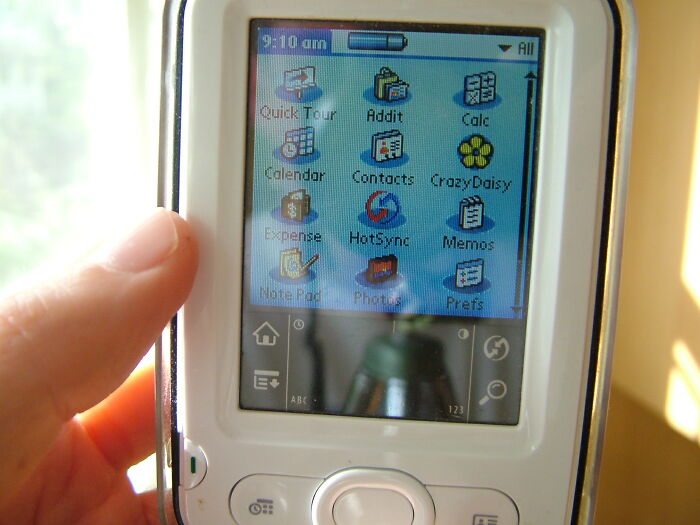
Image source: SpaceForceAwakens, Ian Lamont
Another enormous name that underestimated the smartphone market was Nokia. During the late 1990s and early 2000s, it was the global leader in mobile phones. However, the company put too much confidence in the strength of its own brand and products, and arrived too late to compete effectively with Android and the rapidly changing smartphone landscape.
#13
A local example from India – Bira Beverages was a new age artisanal beer company that was competing and grabbing market share from United Breweries (Kingfisher) at a rapid pace in the past ten years. They were a private limited company and all their liquor licenses (each Indian state requires the company selling alcohol to get a license to sell in the state) were for the private limited company.
Then in 2023 they decided to bring in more shareholders and possibly go public. As a result a small innocuous change to their name – went from “private limited company” to “limited”. That seemingly simple name change triggered a cascade of troubles. All their 29 state licenses became invalid overnight because they were in the name of the private limited company.
And because of India’s famously slow beaurocracy and corruption they couldn’t get the license renewed to the new name. They had to stop selling beer across multiple states. Lost market share. Inventory piled up. Lost retailers. Eventually disappeared from the market.
Bira held so much promise for the Indian beer consumer. But one f-up by their lawyers and they never recovered.

Image source: stoikrus1, pressmaster
#14
Jawbone. One of the first quality Bluetooth speakers with microphone , the jambox. Excellent product, had small medium and large sizes, I had several and used them as conference room speakers for meetings way before Bluetooth speakers were a thing.
They pivoted hard to fitness tracking, went up against the Fitbit, lawsuits etc, and they folded in 2017. Even though it no longer holds a charge and needs to plugged in all the time, I still faithfully listen to my jambox mini at my desk at work.
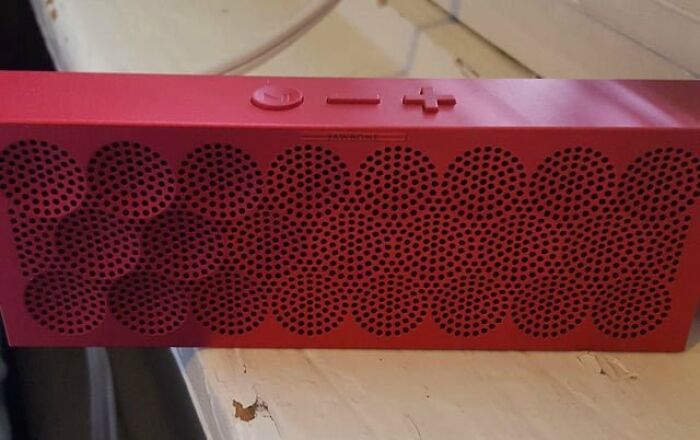
Image source: No-Picture4119, internet_friends
#15
[https://en.wikipedia.org/wiki/Osborne_effect](https://en.wikipedia.org/wiki/Osborne_effect)
Adam Osborne, CEO of Osborne Computer Corporation, announced the Osborne 2 before it was ready. Customers cancelled their orders for the Osborne 1 to wait for the superior successor. This robbed them of the money needed to finish developing the Osborne 2 and the company went under.
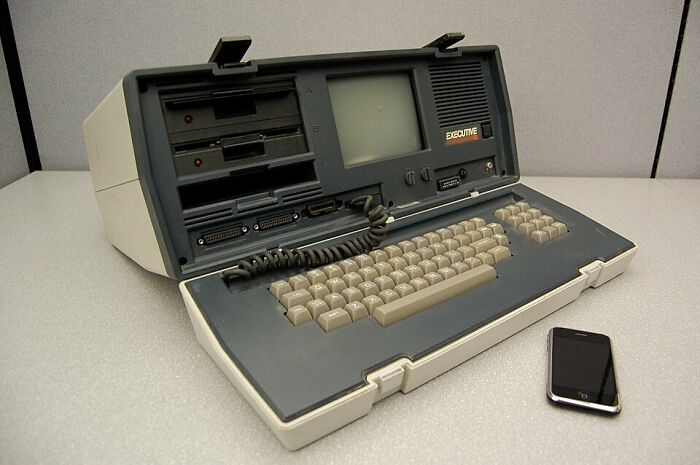
Image source: Loki-L, Casey Fleser
Still, not every corporate failure ends with a company disappearing forever. Some brands manage to survive in a smaller form, rebuild their operations, or return after years away from the spotlight. As this business analysis puts it, “Not every failure ends in a shutdown. Sears, Toys ‘R’ Us, and Kodak have all found smaller second lives since collapsing.”
Among these, Kodak is perhaps the most ironic example, mostly because the company helped create the technology that threatened its own business. Kodak developed the world’s first digital camera but remained heavily focused on photographic film. As digital photography transformed the market, the company struggled to adapt and filed for bankruptcy in 2012.
#16
Toys R Us recognized they needed to allow for digital sales. Not wanting to invest they made a deal to be for exclusive rights to sell toys on Amazon (then a much smaller company), and made no effort to have their own digital platform. They put it all in the hands of Amazon.
Amazon then broke the agreement and sold anyone’s toys on the platform. Toy R us sued and won, but the money Amazon was making was greater than the law suit anyway. Toys R Us was now way to behind to start building their own digital sales portal while Amazon was directly competing with them.
This was not the only thing, but was a major contributor to the company’s downfall.
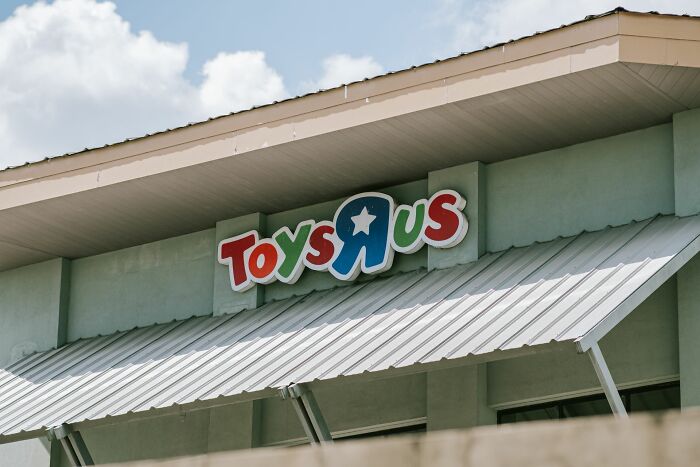
Image source: scorchedTV, Click Jeth
#17
It’s arguable whether it was “one bad decision”, but Arthur Andersen was the biggest of the Big Five, and then they decided that Enron was the hill they were prepared to d*e on.
It’s actually one of the worst decisions ever in business history, in my opinion, and should be used as a case study in how not to operate.

Image source: RichW100, pressfoto
#18
Pan Am aggressively acquired **National Airlines** in 1980 for $437 million. This caused them to have a ton of debt, and to pay for the debt, they began selling their profitable international routes.
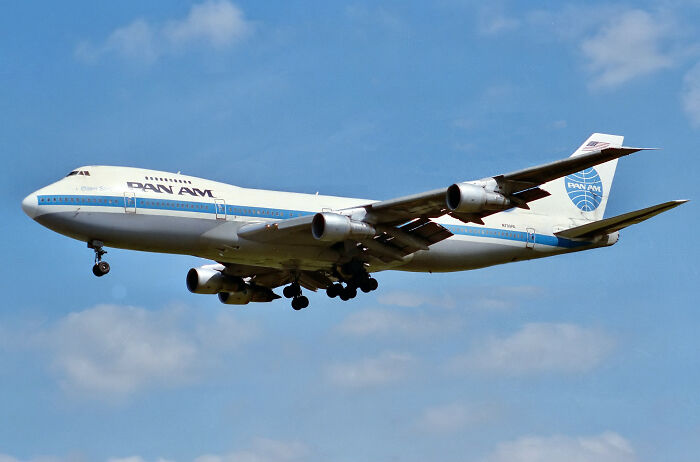
Image source: Predictor92, Colin Cooke Photo
And then there is General Motors, one of the most spectacular examples of a corporate giant falling from the top. As once the world’s largest automaker, GM eventually faced enormous financial pressure after years of questionable decisions and poor innovation endeavors. Its 2009 bankruptcy became the largest industrial bankruptcy in U.S. history, proving that even the biggest giants can fall.
What do you think? Which company’s downfall do you find the most surprising? Share your thoughts in the comments!
#19
Miku baby monitors.
The Miku tracked breathing, sleep cycles, and other data. Their closest competitors, the Nanit and Owlet, needed an additional special wrap or Bluetooth sock to do the same thing. The Miku did it with just the camera, a huge advantage.
They were clearly trying to grow, gather data, perfect, and pivot to the wider medical monitoring industry (imagine a single camera above a bed that did everything that the small city of monitors and wires do now).
Then they pushed one bad update, bricked every single camera they had sold, and couldn’t replace 100% of their inventory overnight, logistically and financially.
They were eventually sold off, either wholly or in pieces, under some court orders or lawsuits I believe. The new owners shifted to a mandatory monthly service fee of $10 for it to even work and all their users fled.
Today they’re a semi-budget camera with the monthly subscription offering many of the same services, but they don’t even make the top 5 to top 10 options most of the time.
Baby stuff is big bucks, and they were the #1 product on a trajectory to run away with it and now you have to Google a few times to even remember their name. All thanks to one bad software update.
Edited for a typo.

Image source: deputycoslyman, MikuCare
#20
Fleming Foods was once the largest wholesale grocery supplier in the world. Their decision to extend credit to K-Mart for groceries and supplies left them in an unrecoverable position when K-Mart filed for bankruptcy. Fleming was forced to file for their own bankruptcy as a consequence.
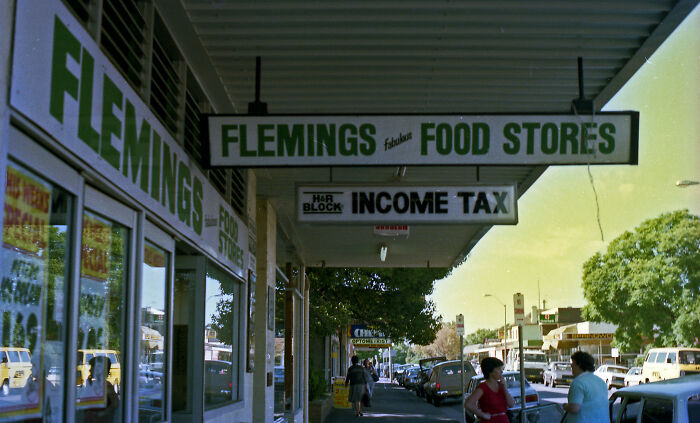
Image source: coly8s, Blue Mountains Library, Local Studies
#21
Beloit Corporation.
Had the paper making machine industry basically cornered world-wide for the better part of the last century.
Was purchased in the late 1980s by a company that never produced a single component of a paper machine.
They went far outside their wheelhouse on a couple of contracts and they were bankrupt inside of a year.
Bad management pure and simple.
There’s a YouTube video that goes through the entire history of the company.
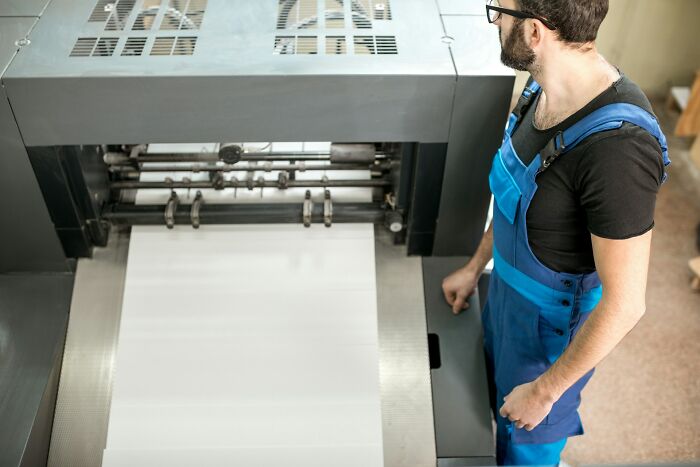
Image source: markraj, Getty Images
#22
Starbucks Korea. It just happened a couple of months ago. They’re not coming back from this.

Image source: terryn1, Nguyễn Thanh Tùng
#23
In German we had Quelle. They were what Amazon is today. Huge catalogue, enormous number of warehouses, the logistics to order stuff and send out stuff all set up. They had a sophisticated digital internal system to track the catalogue and inventory.
They failed to set up a web shop and became irrelevant and went under. If they had taken their systems, added a web shop, and continued on, Amazon wouldn’t ever have gained a foothold in germany or possibly Europe.
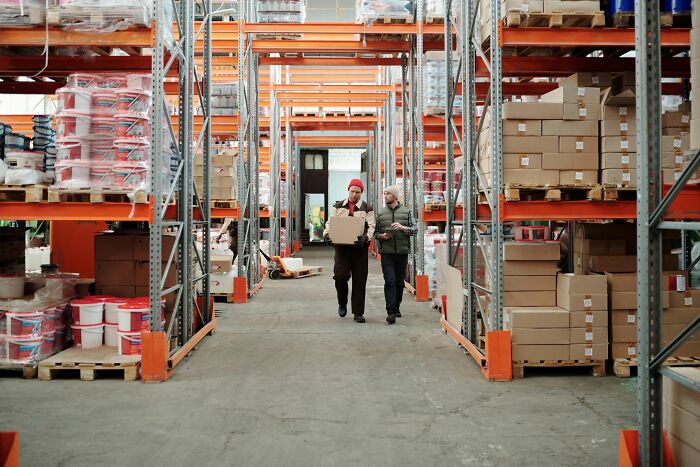
Image source: Polygnom, Tiger Lily
#24
GoPro’s decision to build a drone. They used to make good action cameras, and instead of staying ahead, they tried to catch up with the drone market and it all came crashing down. And then they got overtaken in the action camera department by a drone company.
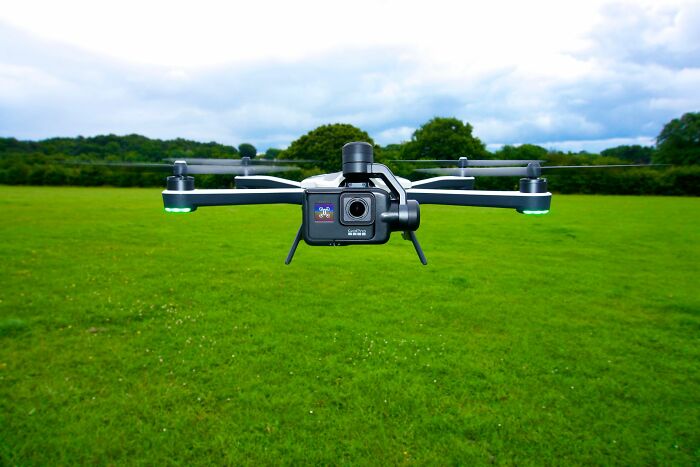
Image source: deletedly, Mike Bird
#25
Hudson’s Bay. Failed to get with the times and now bankrupt in Canada.
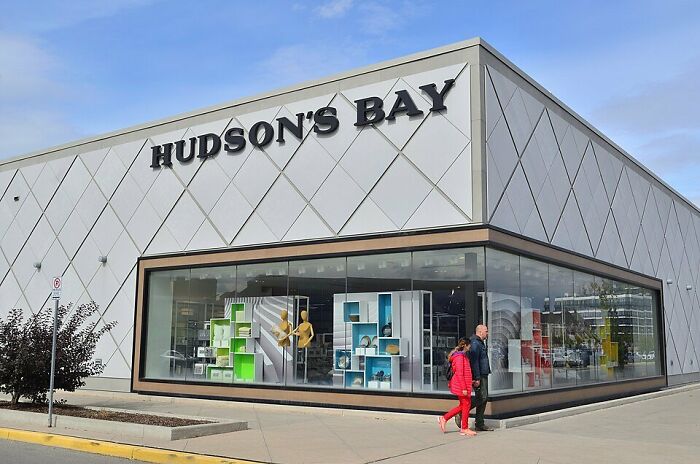
Image source: lylesback2, Raysonho @ Open Grid Scheduler / Scalable Grid Engine
#26
Oldsmobile in 1988 had a slogan to introduce newer model cars in an attempt to appeal to younger audiences.
The slogan was “This is not your father’s Oldsmobile”.
Sales for the brand tanked and the brand was contracted in 2003.
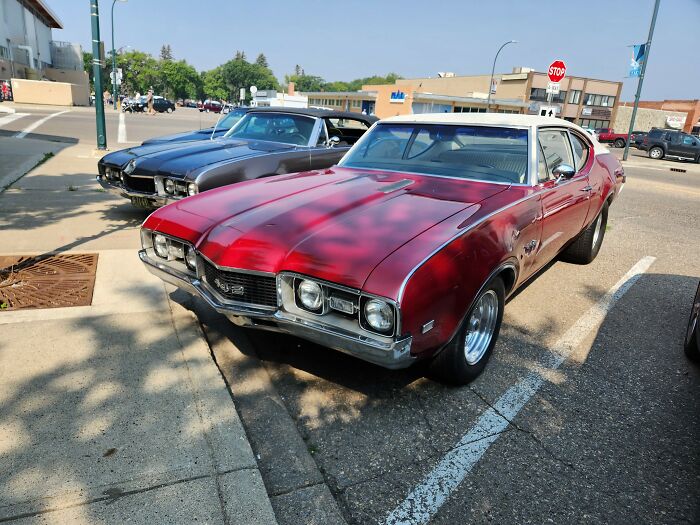
Image source: RelevantNothing4653, dave_7
#27
Wachovia put all of its eggs into credit default swaps and mortgage-backed securities…and then the 2008 housing crisis happened. Although they never officially went bankrupt, they were absorbed by Wells Fargo by the end of that year.
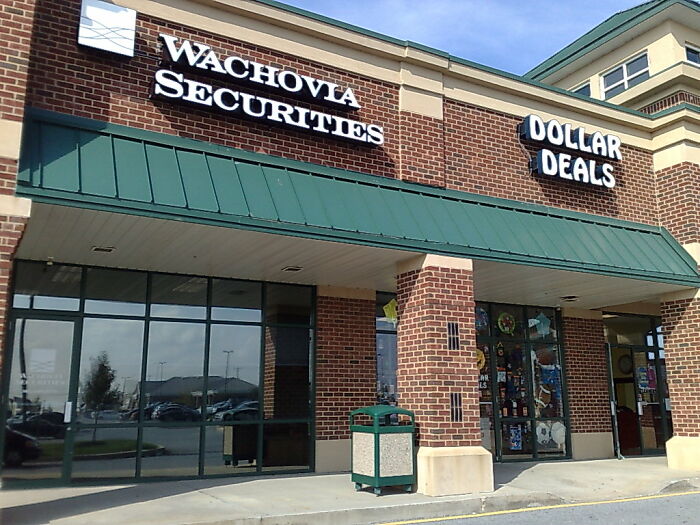
Image source: IlGreven, diaper
#28
Not bankrupt, but
Sony Mobile (Xperia). Their smartphone division obliterated its own market share due to corporate silos.
Sony revolutionized mirrorless cameras with their Alpha series and supplied sensor hardware to Apple, Samsung, and Google. Yet, for years, Sony’s own Xperia phones had mediocre camera processing. In 2019, Sony executives publicly admitted that the Alpha camera team actively blocked the mobile team from using their top software, processing algorithms, and Eye AF out of fear that a smartphone would cannibalize sales of $3,000 professional cameras.
By the time leadership merged the divisions and forced them to collaborate, competitors had locked down the market. They sacrificed a multi-billion-dollar smartphone opportunity to protect a standalone camera market that was shrinking anyway.

Image source: Bright_Corgi287, John Karakatsanis
#29
JCPenny once decided to go away with coupons, sales, etc. in favor of lower prices across the board. It was a colossal disaster and they never recovered.
Turns out your average consumer likes being manipulated into thinking they’re saving money.
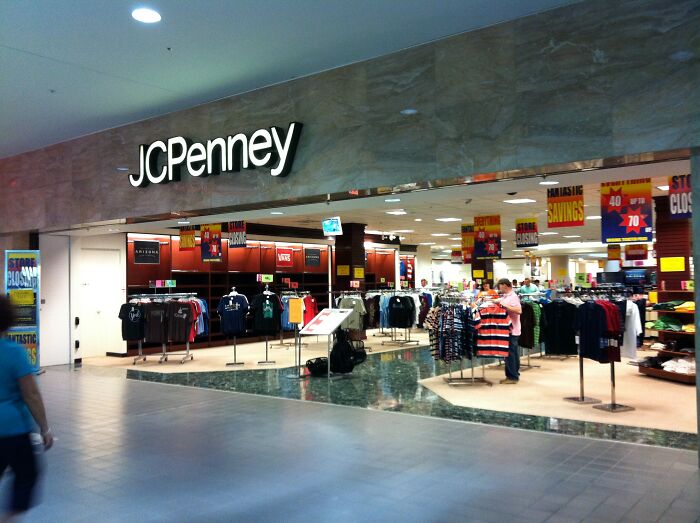
Image source: ShawshankException, Mike Kalasnik
#30
Remember when Atari rushed out an unfinished, untested game about ET the Extraterrestial? That didn’t just bankrupt the company, it came really close to taking down the entire industry.

Image source: tafkat, World of Longplays
#31
Ruby Tuesday attempted to swap all 5,000+ stores from a burger joint with a salad bar to a fine dining establishment. Their decision caused them to borrow 150 million a month or two before the 2009 bank collapse.
Image source: Leading-Shop-234
#32
Big Lots hired Bruce Thorn as their CEO.
Having military experience doesn’t mean you can run a company.
Managing to bankrupt a Fortune 500 company has to be a pretty good analogy for something, though. B*****d.
Image source: msnmck
#33
Takata Corporation by first picking the wrong propellant for their airbags, and then hiding the fact that it was dangerous until they went bankrupt when they had to recall 100 million airbags worldwide.
https://en.wikipedia.org/wiki/Takata_Corporation?wprov=sfla1.
Image source: jbaiter
#34
Brewdog Brewing. Were an indie Brewing company and had a large fan/consumer base. Sold out to a larger company, consumers didnt like this and basically stopped buying it.
Image source: According_Spot_4340
#35
“Privately held Rebel Creamery, based in Utah, filed for Chapter 11 bankruptcy less than a month after a federal judge in New York awarded Brooklyn-based Van Leeuwen nearly $24 million of its profits. Van Leeuwen sued Rebel in 2021, alleging the company copied its packaging with the same monochromatic, pastel design with black script spelling out the brand name.”
https://www.houstonchronicle.com/news/houston-texas/trending/article/rebel-creamery-ice-bankruptcy-22390391.php.
Image source: ___blarfl___
#36
Borders. Decided not to do ebook readers while Barnes and Nobel did. HUGE mistake and they went bankrupt .
Image source: Swizziedizziebizzie
#37
CompuServe deciding to try to be the second best AOL.
Image source: eldred2
#38
Bill Knapps. They tried to modernize and it lost all their base.
Image source: cassandraterra
#39
Would Theranos count here? It could have been life-changing, if there was less lying about the incorrect results and simply provided the accuracy percentage. Unfortunately, because of how inaccurate it was, it would have lost it’s market.
Image source: obbycake
#40
Didn’t go bankrupt, but I feel like bud light deserves an honourable mention. .
Image source: PhaseHoliday
#41
Most of the major banks in 2008. Oh nvm they got bailed out.
Image source: Bearusaurelius
#42
Rax creating Mr. Delicious. In an attempt to save the company after numerous failed ventures, Rax commissioned a series of ads with a smug mascot who had a habit of oversharing his love for Rax. The company filed for Chapter 11 three months later.
Image source: 1990Buscemi
#43
Knight capital software error. P**s poor testing and deployment resulted over $460 millions loss in 45mins.
https://www.henricodolfing.ch/en/case-study-4-the-440-million-software-error-at-knight-capital/.
Image source: mrnbaker101
#44
I’m surprised nobody’s mentioned Artesian Builds. One unhonored PC giveaway destroyed the company cause of a dumb CEO’s ego.
Image source: UnicornLiz
#45
The home improvement and gardening store Homebase, in the UK. They were bought in 2016 by an Australian company, who decided to completely change their business model to low cost warehouses, to match their Aussie stores. British consumers voted with their feet, and despite being sold on, it never recovered.
The last stores disappeared in 2025, and although the brand is now online, it’s only the brand. The original company is gone.
Image source: Bortron86
#46
Bungie. Not bankrupt yet, but… we all know where this is going.
They k****d off their massive game Destiny 2, in favor to focus on their new game Marathon… which almost has no players anymore already. Destiny 2 STILL has more players, despite never getting updates again, their entire team is laid off already.
Image source: Avrael_Asgard
#47
Barings Bank really ought not have hired Nick Leeson.
Image source: Fancy_Toe1451
#48
Movie Gallery – bought Hollywood Video 2005. Bankrupt by 2007.
They also spurned online rentals as Netflix took off.
Image source: Sea-Presentation5686
#49
Just for Feet, a Birmingham, Alabama based company ran a Superbowl commercial that came across with racist undertones in 1999. They were on the verge of becoming a major retailer and this put them under.
https://en.wikipedia.org/wiki/Just_For_Feet.
Image source: Eidsoj42
#50
MCI’s decision to bilk investors out of billions might fit the bill.
Image source: MsTerious1
#51
Ask in a year or 2 and Bricks and Minifigs might be on the list.
Image source: 74orangebeetle
#52
Yahoo turned down world changing offers for them.
Image source: stormblaz
#53
Quiznos decided to f**k over all their franchisees. Never bounced back.
Image source: ImpossibleHurry
#54
1. [Comdisco](https://www.forbes.com/forbes/2001/0611/072.html). They avoided risk under the founder Ken Pontikes. His son took over as CEO when he d**d. Decided to make two very risky lines of business: (1) DSL and (2) investing in dot coms by loaning them hardware for their startup. This was around the dot com boom in 2000 so it worked well for a while but the DSL eventually tanked and the dot coms went bust and all they could offer is hand their hardware back. Those two departments took the remainder of the company down. Maybe if Nick wasn’t chosen, it never would have happened.
2. Actually this company went bankrupt twice: [Sungard Availability Services](https://www.escrowlondon.com/news/us-and-uk-arm-of-sungard-enters-bankruptcy-what-does-this-mean-for-their-customers-and-their-business-contingency-plans/) (Data Centers and Disaster Recovery). They went bankrupt a first time to clear the books but didn’t reorganize correctly during it. As such a few years later they needed to do it again and it cost a lot of jobs and their integrity. Wound up selling most of the business. The second bankruptcy was the worst because they also got hit with covid, the rising energy prices in Europe, and some bad agreements signed where you couldn’t pass the cost to customers. It was a bloodbath. If they had done it right the first time, they probably would have avoided the mess in the end.
Image source: Ragnarok7771
#55
Nortel hiring John Roth as CEO.
Image source: No_Difference8518
#56
Not bankrupt but irrelevant: Groupon turned down a generous buyout offer from Google, right before they tanked.
Image source: Xyzzydude
#57
Tom, when is myspace coming back? Id love to see fb fail.
I can read, idc. Downvote me losers, Cheers.
Image source: Annual_Hunter_5840
#58
Tumblr (?
When they decided to go SFW.
Edit : Yes people, I understand they didn’t fully went bankrupt, but that one bad decision made them take a lot of damage, financial and traffic site wise.
Also, yes, I understand NSFW material is now “back”. But the first wave of this irreversibly hurt the page and it’s definitely not what it once was.
Image source: Paula_Sub
#59
AYDS diet candy stubbornly refusing to change their name when AIDS became an epidemic.
Image source: mrgraff
#60
Hoover. Free flights with a purchase.
Image source: CompleteDog
 Follow Us