Being promised a special place in someone’s big day can make you feel valued, included, and excited to celebrate alongside them. But discovering that the role you were so confidently given was quietly taken away can turn a joyful moment into a painful family conflict, especially when the reason behind it feels personal.
That’s what happened in this story. The Original Poster (OP) was thrilled to celebrate her younger brother’s wedding, only to discover she’d quietly been removed from the bridal party. The reason why left her questioning whether modern weddings have become more about appearances than the people meant to share the day.
More info: Reddit
In this age of perfectly curated photos, matching color schemes, and picture-perfect ceremonies, some celebrations can start to feel less like a gathering of loved ones
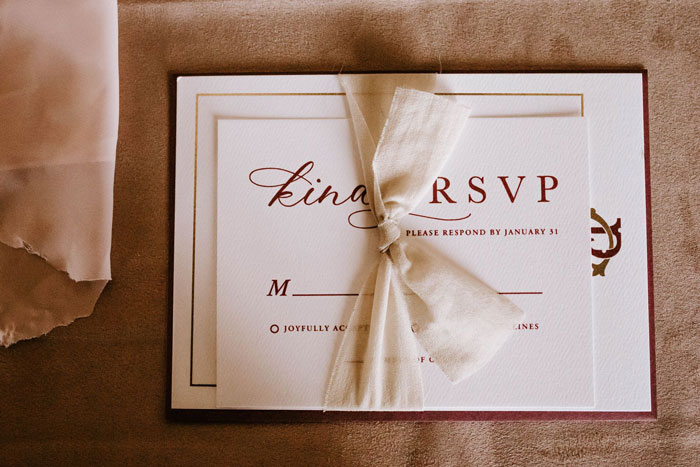
Image credits: Tara Winstead / Pexels (not the actual photo)

The author’s brother announced his engagement and excitedly told his three sisters they would all be bridesmaids at his wedding
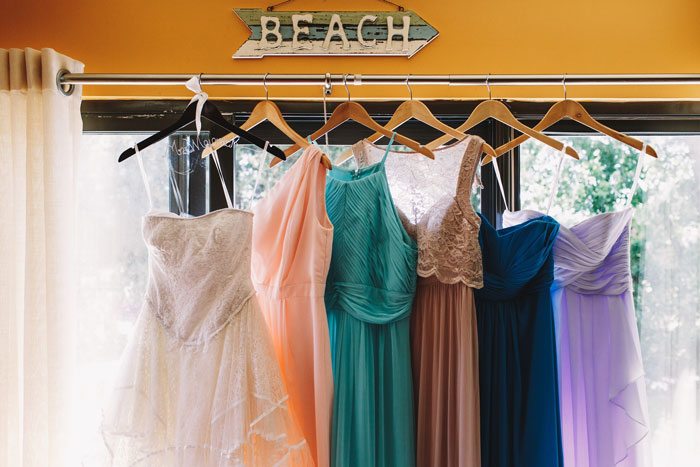
Image credits: freepic.diller / Magnific (not the actual photo)
After receiving a wedding color palette, she later discovered the bride had privately chosen only one sister for the bridal party
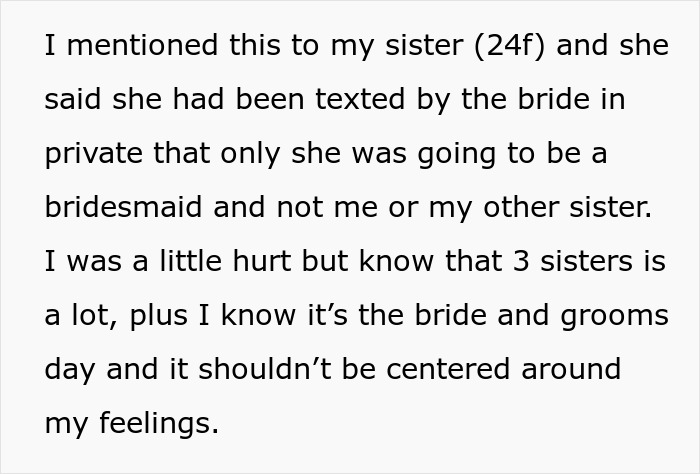

Image credits: shurkin_son / Magnific (not the actual photo)
She later learned she and another sister were excluded because of their appearance, including her postpartum weight and her sister’s facial piercings
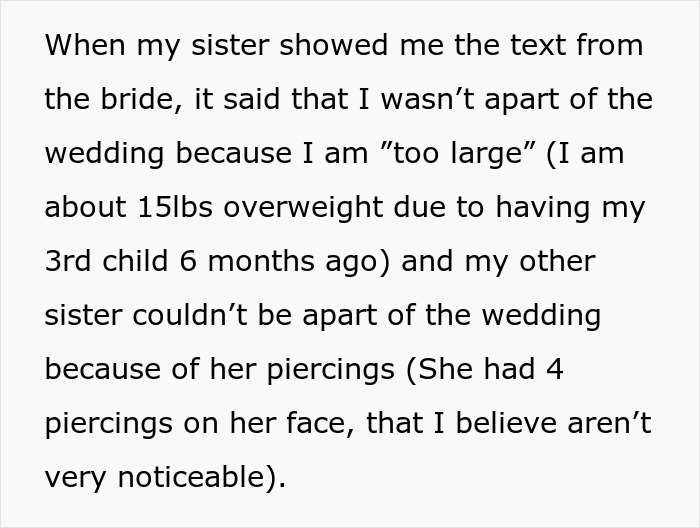
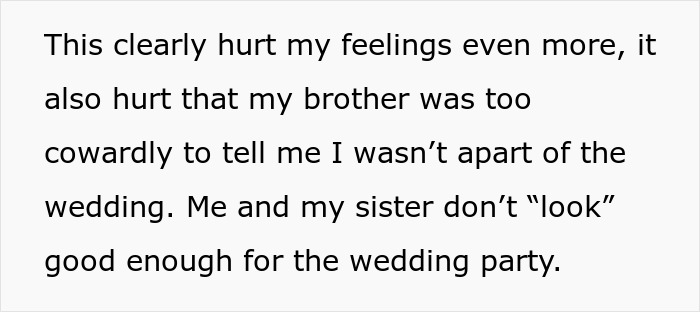
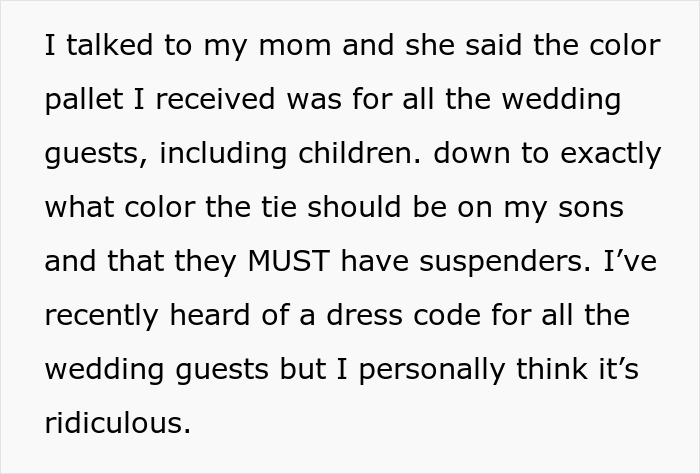
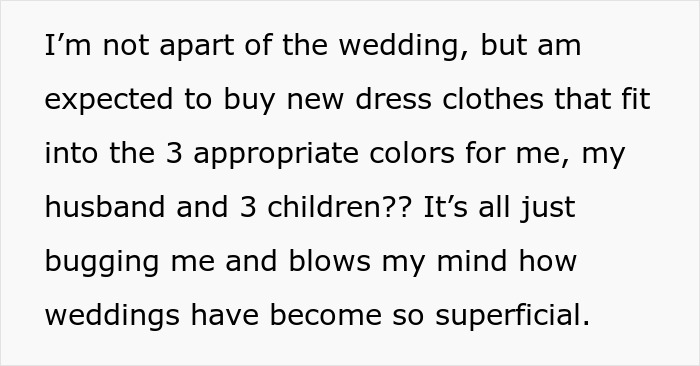
Image credits: moeall
Despite not being part of the wedding party, she was still expected to follow a strict guest dress code and buy matching outfits for her entire family
The OP explained that her brother is preparing to marry his fiancée after only four months of dating. Before the engagement became official, her brother excitedly shared that all three of his sisters would stand beside him as bridesmaids. Naturally, she assumed those plans were set in stone.
Later, after receiving what she believed was a wedding-party color palette, she casually asked who the bridesmaids and groomsmen would be, partly because she wondered if her husband had also been included. Her brother saw the message but never replied, leaving the question hanging without explanation. The truth eventually came through her younger sister instead of her brother.
The bride had privately messaged only one sister to explain that she alone would be serving as a bridesmaid, while the other two had been left out of the wedding party. Apparently, the OP had been excluded because she was considered “too large”, while the other sister had been excluded because of several facial piercings.
As if learning the truth weren’t upsetting enough, the OP later discovered that the color palette sent to the family wasn’t limited to the bridal party after all. Her mother explained that every guest was expected to comply with the assigned colors, including children. This then left her questioning how much importance had been placed on appearances over relationships.
Image credits: freepik / Magnific (not the actual photo)
There’s a difference between suggesting a dress code and expecting guests to purchase entirely new outfits, and Haley’s Comment affirms that. She notes that requiring attendees to wear specific colors or accessories can place an unnecessary financial burden on friends and relatives, particularly families who have to dress multiple people for the occasion.
The bride’s comment about the OP’s postpartum body also struck a nerve, especially considering she had welcomed her third child just six months earlier. According to Women’s Health, postpartum recovery is a gradual process that varies from one woman to another. They explain that it’s completely normal for and weight changes to continue well beyond the commonly referenced six-week postpartum period.
Taken together, the situation highlights how wedding planning can sometimes become a source of conflict rather than celebration. Psychology Today highlights that major life events such as weddings often amplify existing family dynamics as loved ones juggle expectations, traditions, finances, and emotions. They say honest communication and reasonable expectations can go a long way toward preventing misunderstandings.
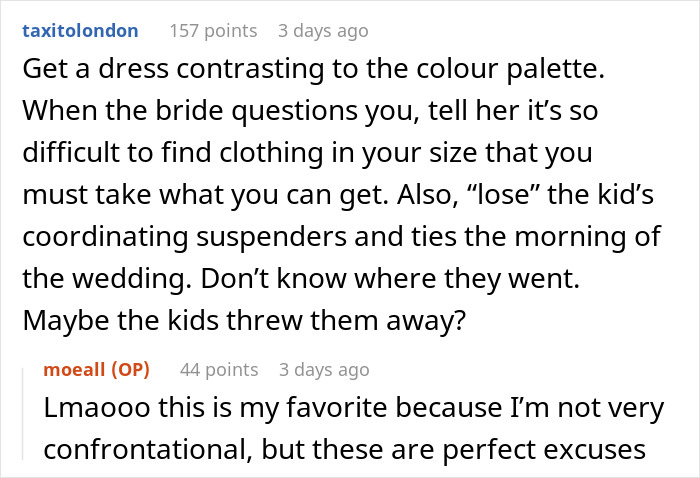
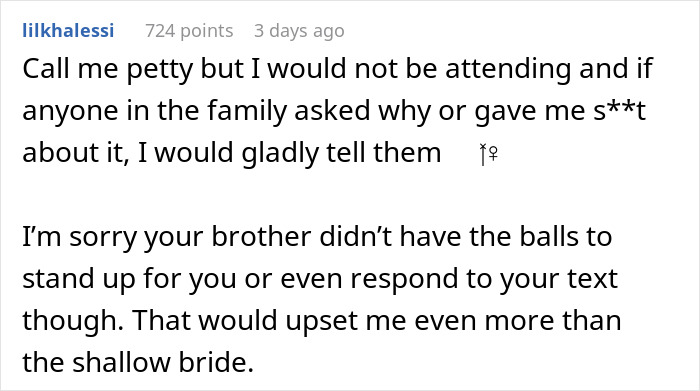
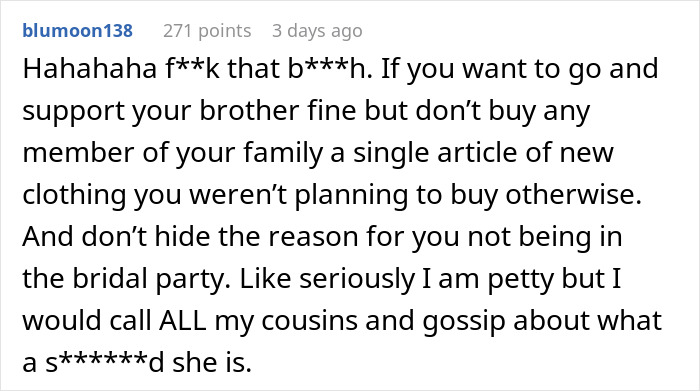
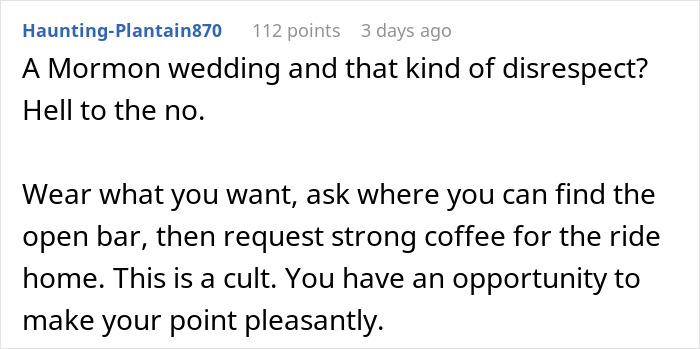
Netizens felt the bride’s expectations had gone too far, arguing that someone who isn’t even in the wedding party shouldn’t be expected to follow such a strict dress code. They also urged the OP to reconsider attending the wedding. What do you think? Would you attend a wedding if you were excluded from the wedding party for your appearance? We would love to hear from you!
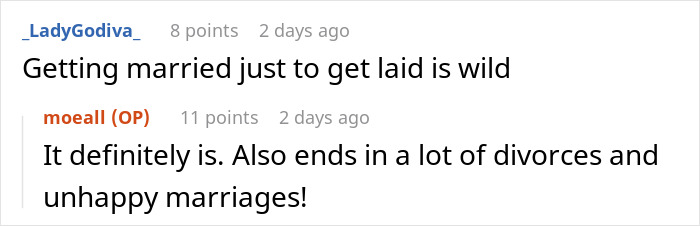
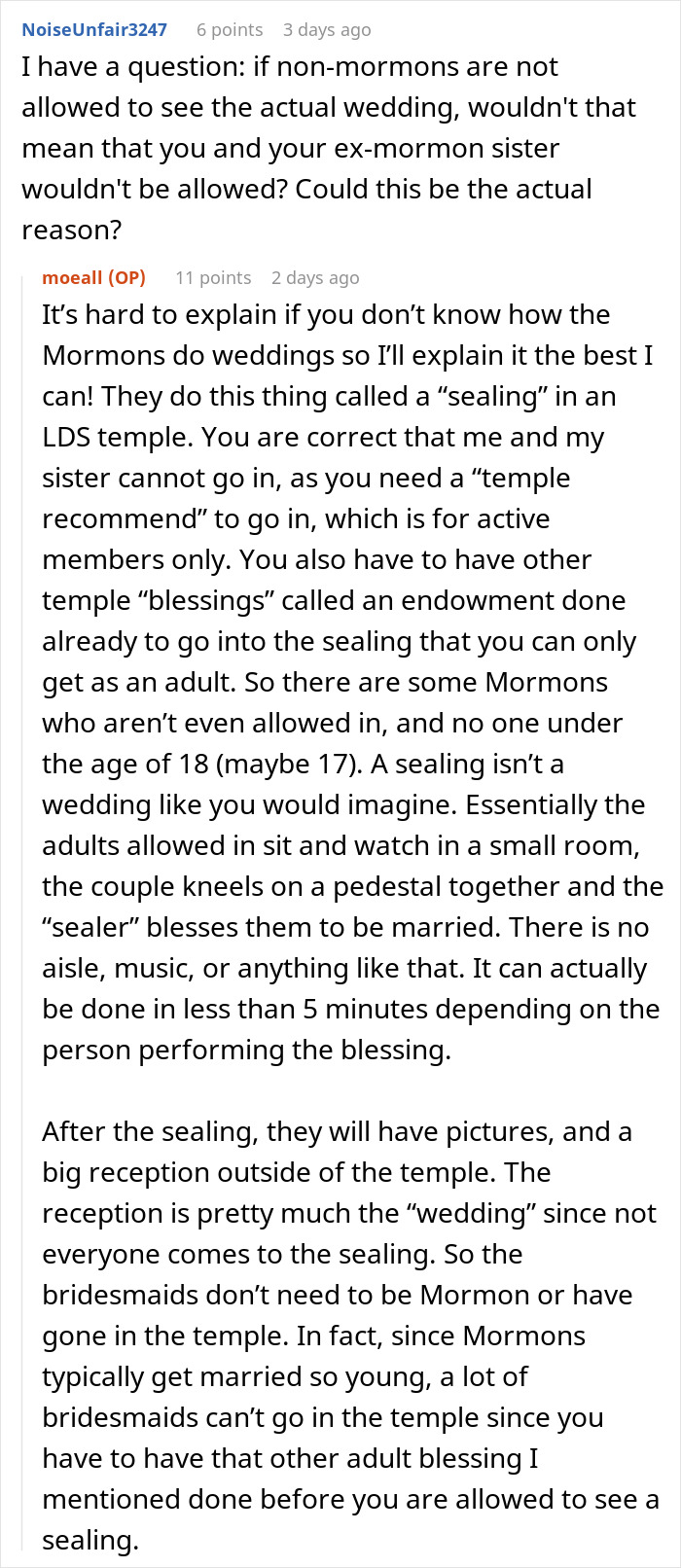
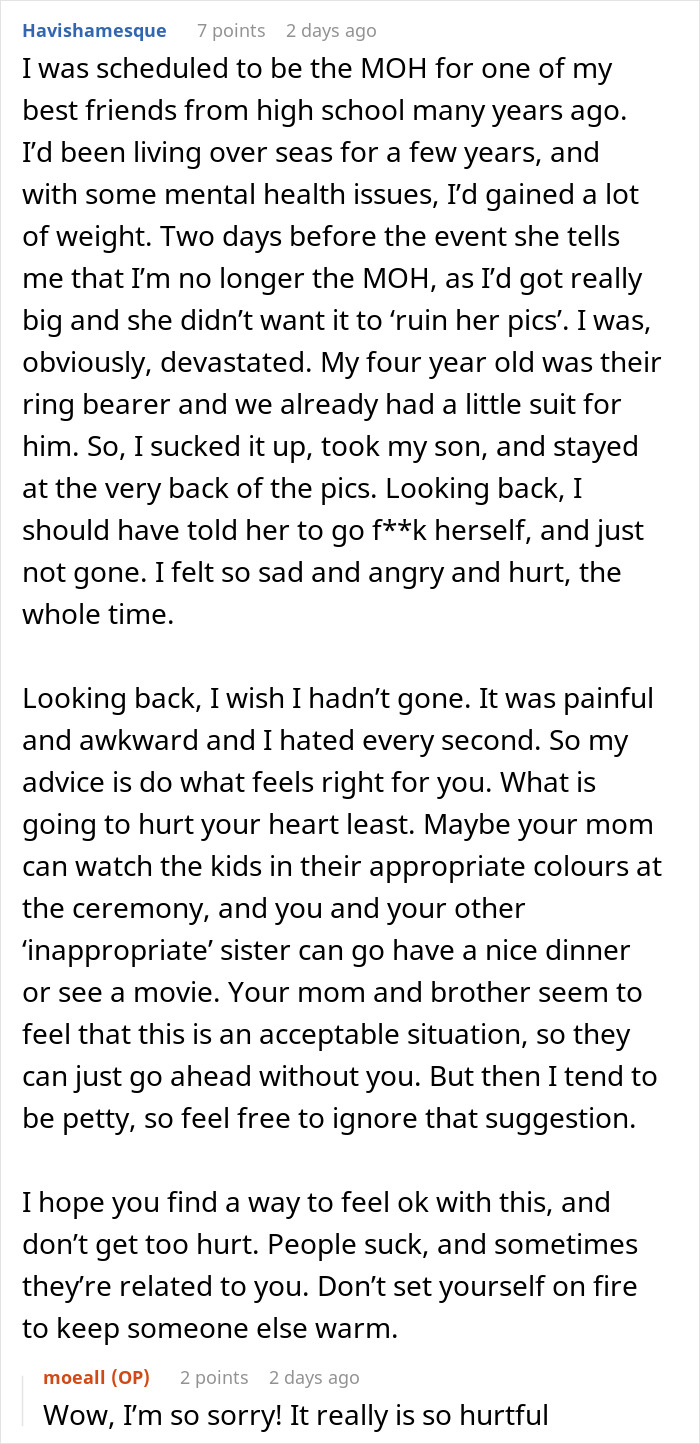
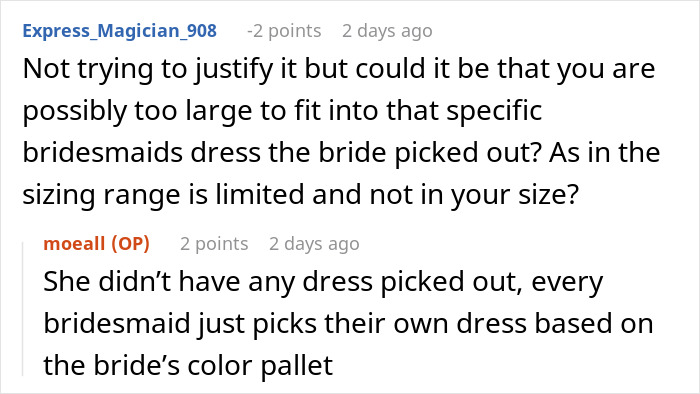
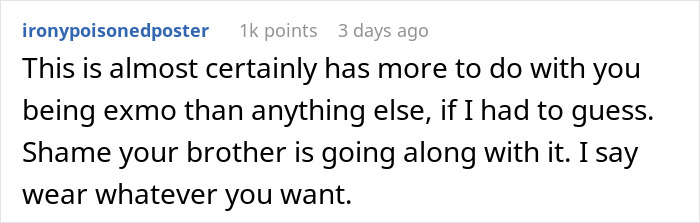
Netizens were more disappointed in the woman’s brother than in his fiancée, saying he should have defended his sisters instead of staying silent






 Follow Us