Online forums and social channels frequently judge, categorize, and devalue women based on shifting regional and cultural beauty ideals. One such culprit is the ongoing “beautiful mid” trend that took off three years ago. It’s internet shorthand for women who are undeniably attractive, yet strategically downgraded to “mediocre” — in other words, beautiful but framed as average and approachable.
One woman’s simple picture in a restaurant became the default poster for this phenomenon, generating tons of debate without her ever asking or consenting to the spotlight.
Keep reading to discover how the trend became a meme and the surprising story behind the photo that started it all.
When this woman posted a casual photo 3 years ago, she didn’t realize it would soon become a meme


At first, she became the definition of what men supposedly want in a woman — the “beautiful mid”
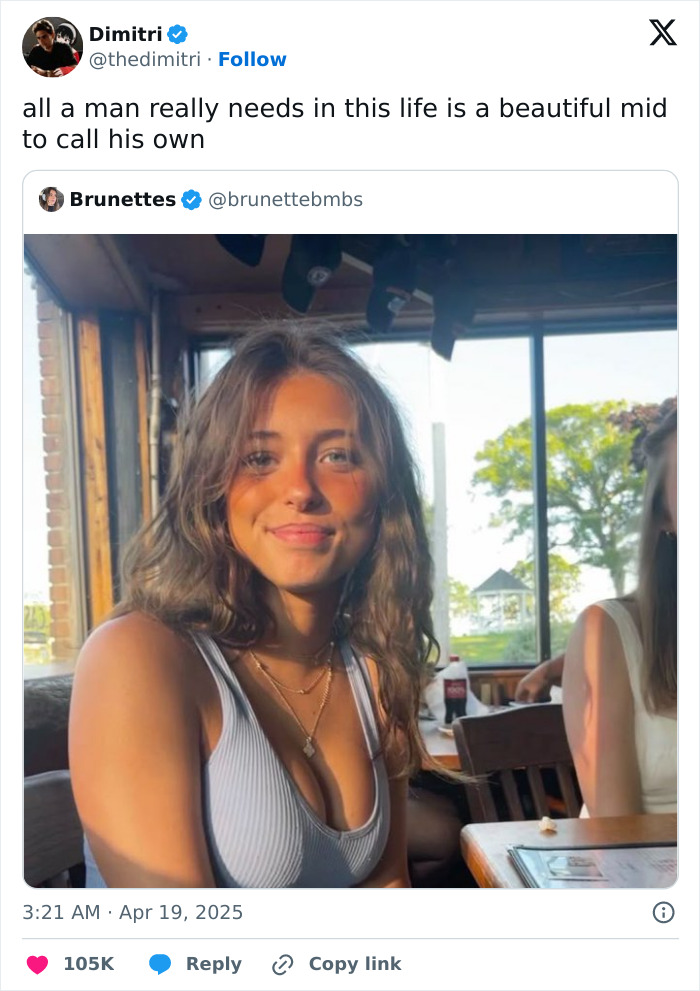
The term “beautiful mid” is a direct contradiction. In modern internet slang, calling someone “mid” means they are ordinary, average, or unremarkable. Pairing it with “beautiful” creates an intentional oxymoron.
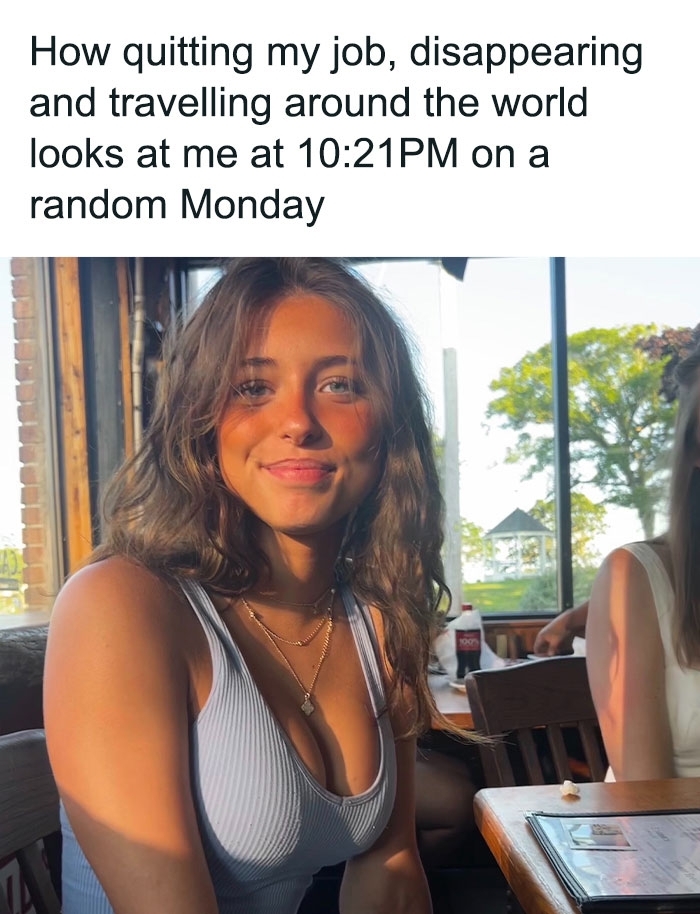
The trend peaked last year when a photo of this young woman named Evelyn Smith was shared by a user on X platform with the caption “all a man really needs in this life is a beautiful mid to call his own.” The image, originally posted by Smith herself on the photo-sharing app VSCO in 2023, showed her sitting in a restaurant and smiling casually.
The post on X pulled in over 113,000 likes almost overnight. Without her knowledge or permission, strangers in different parts of the world objectified and judged Smith’s casual dinner snapshot.
But then, she was transformed into something even bigger: a universal temptation
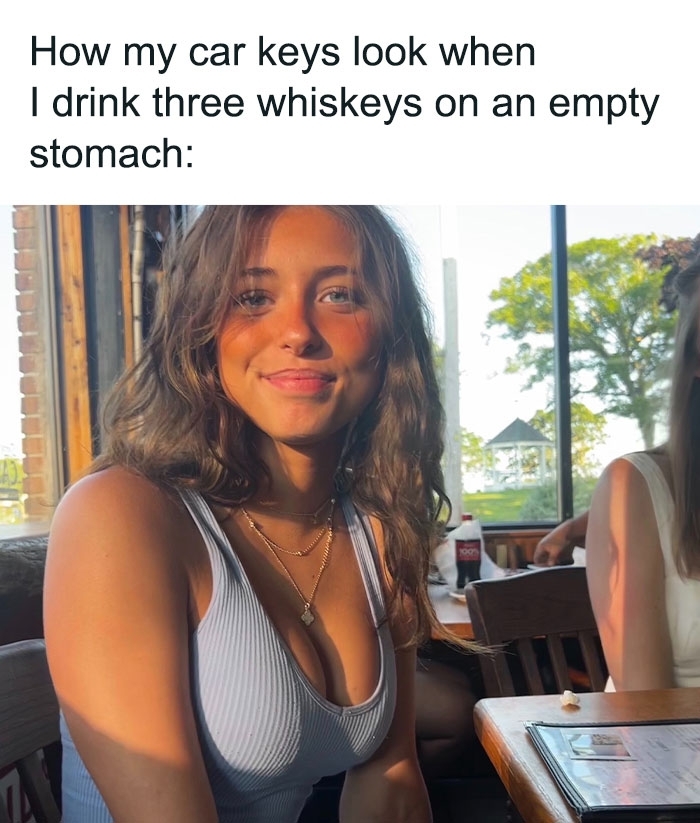
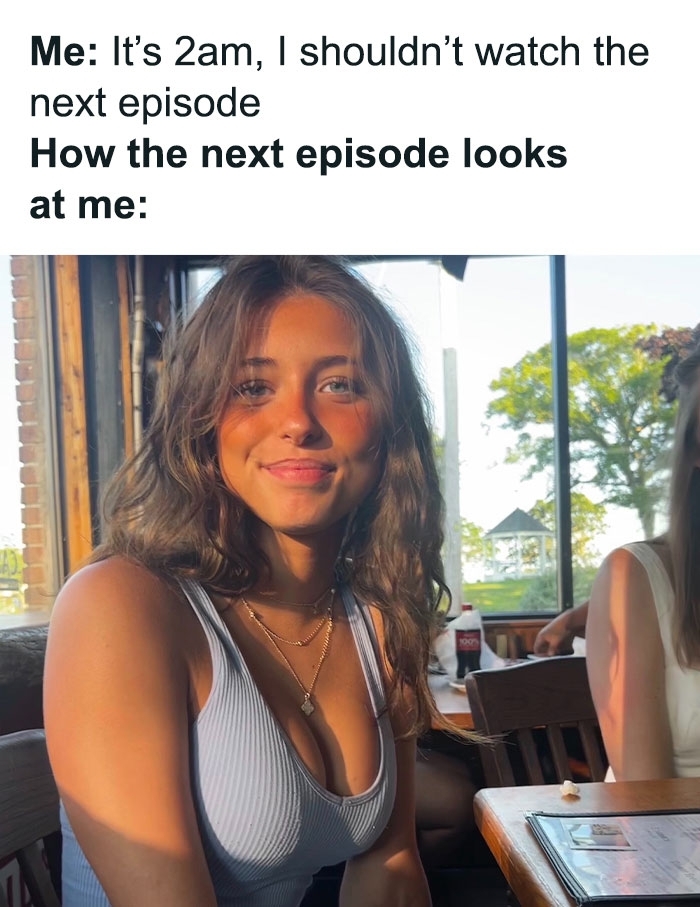
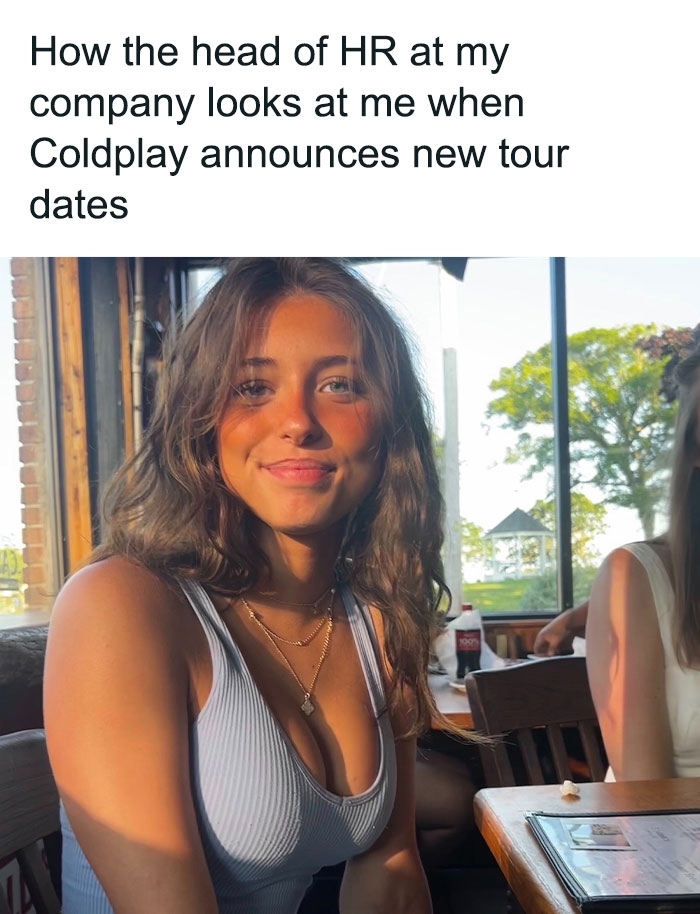
Once the “beautiful mid” caption brought massive visibility to Evelyn Smith’s photo, the internet quickly repurposed her direct, knowing gaze into a completely separate viral reaction template.
Known online as the “Evelyn Smith Stare,” the picture was turned into a versatile meme representing irresistible temptation or weak willpower. Captions placed above the image began framing her casual smile as a distraction — with jokes using the “How X looks at me when Y” phrasal template.
Even though the trend using her photo didn’t start as a genuine compliment, her candid smile ended up bringing so many people together through shared, self-deprecating humor.

Did Evelyn Smith ever comment on her viral fame?
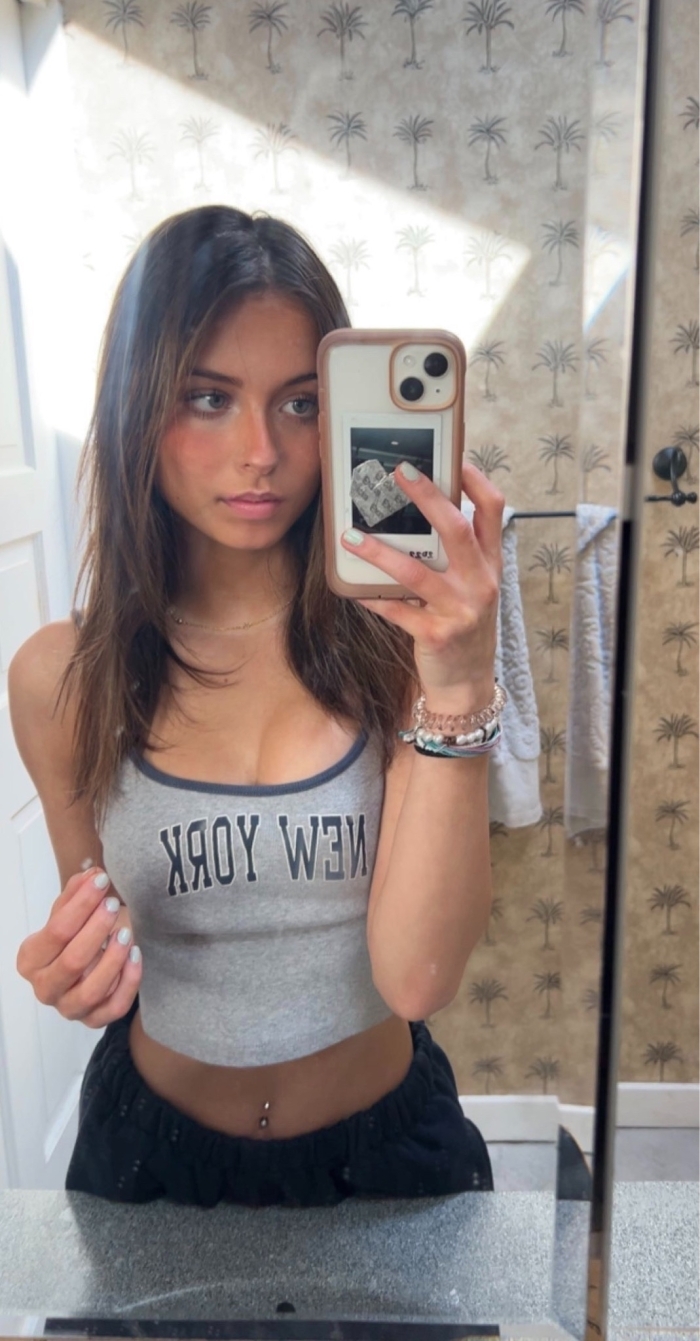
While her original VSCO post remains public and her social media following has grown significantly, she continues to keep her personal life private and has never publicly commented on her viral fame.

She has also not shared many details about her life online. Majority of her account is filled with selfies and lip-sync videos.

The origin story of the viral trend and how it unfolded
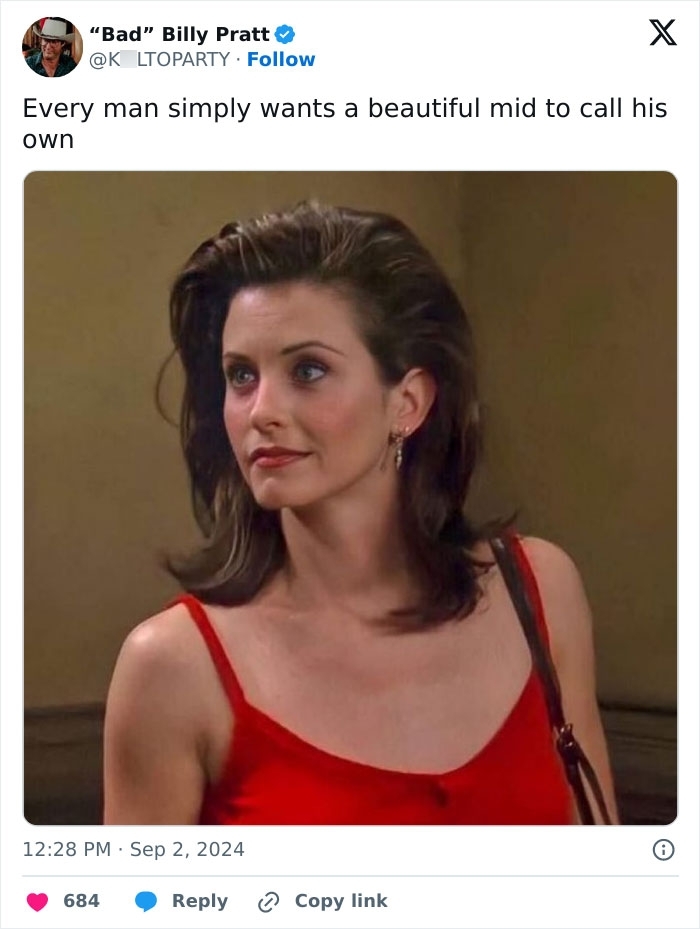
The trend first gained serious traction in September 2023, when an X (formerly Twitter) user @K**LTOPARTY posted a photo of a woman alongside a bold claim: “Every man simply wants a beautiful mid to call his own. Women will not understand this.”
The post — meant for engagement baiting — picked up over 9,000 likes in two weeks. According to KnowYourMeme, the expression is used to refer to “a type of mid appearance that can be described as ‘beautiful’ and ‘cute’ but not ‘hot.’”
Backhanded compliments and the pushback against online rating culture
As the phrase spread, social media feeds were flooded with pictures of both influencers and high-profile celebrities — including Sydney Sweeney, Madelyn Cline, and Avril Lavigne — all tagged with the same descriptor.
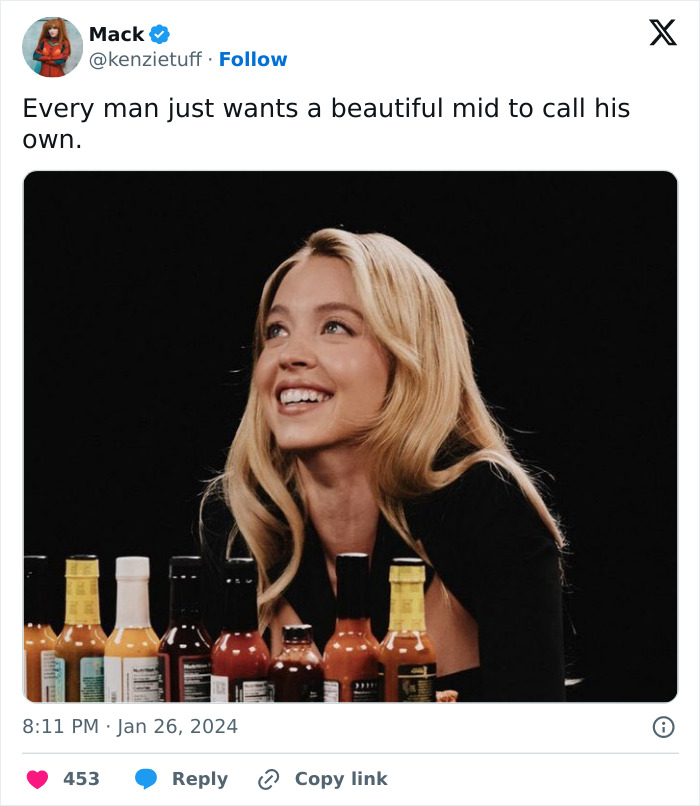
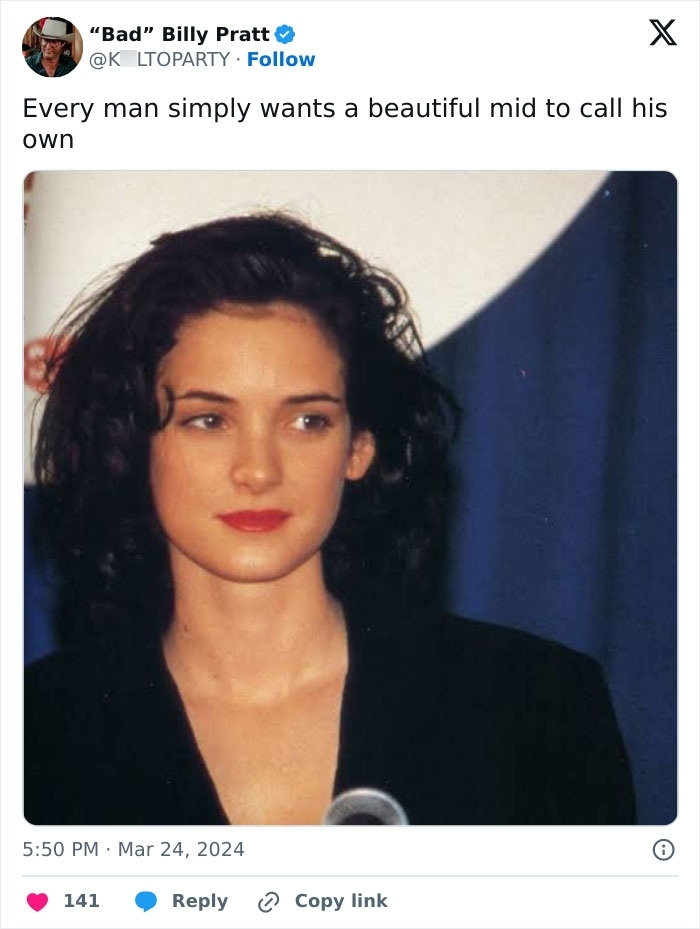
Some users treated the phrase as a harmless compliment about preferring “natural” charm over glamour. However, others immediately recognized it for what it was — a textbook backhanded compliment that lowers the bar for how women’s appearances are valued.
Critics also pointed out that the trend exposes just how distorted and unattainable modern beauty standards have become.
Many people mocked the trend’s absurdity and turned the phrase into an online meme. Some flipped the script by posting photos of conventionally attractive men labeled as “beautiful mids.” Others called out the inherent misogyny and pointed out that disguising an insult as a compliment is just another tactic to police women’s appearances.
An engagement bait turned into social commentary on how people see attractiveness
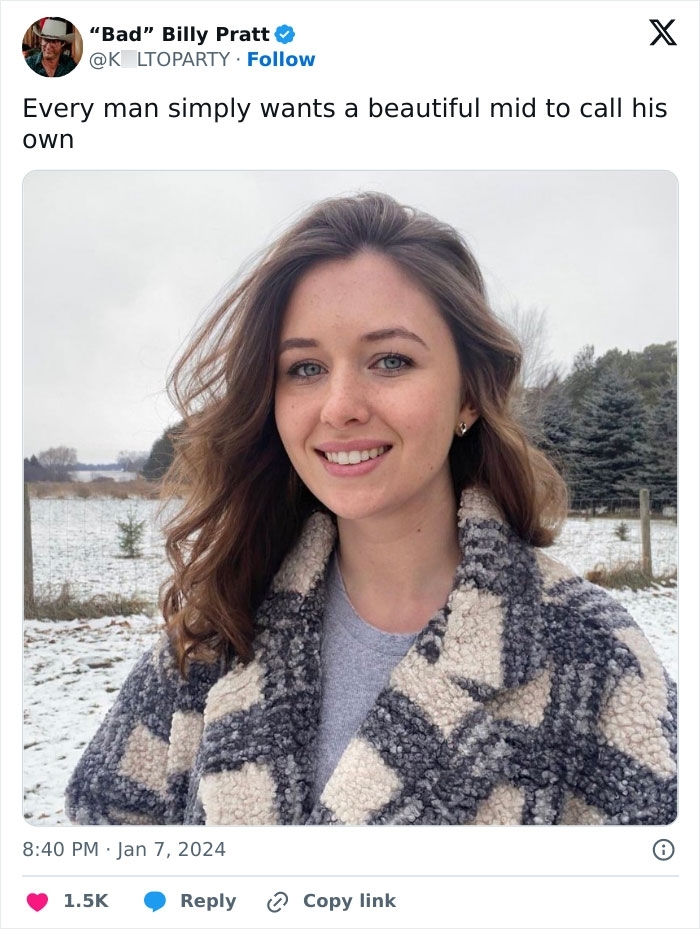
The phrase went so viral that women soon started sharing their own pictures, calling themselves a “mid girl” on TikTok and Instagram.
The problem with the self-label is that women end up objectifying themselves to match subjective and constantly shifting beauty standards. Because these ideals vary widely across regions and eras, they are practically impossible to achieve. As a result, participating in the trend turns into a self-defeating quest for male approval.
Women are also reduced to objects, rather than valued for their personality or achievements.
This trend is not happening in a vacuum — its psychological impact can be dangerous. Studies show that rigid beauty standards can take root in children as young as three. At that age, kids begin absorbing subtle social cues about attractiveness, which shape how they view their bodies, food, and self-worth.
Recent research also highlights how toxic online labeling directly harms mental and physical health.
“Exposure to beauty ideals does not necessarily remain an appearance issue. It can eventually translate into changes in eating behavior,” says Melissa Kozah, a nutritionist and health expert.
At the end of the day, the persistence of the “beautiful mid” label points to a deeper issue within online culture. The people eager to downgrade women are ultimately spending way too much time behind a screen… and far too little time confronting their own internalized misogyny and fragile insecurities.
Here’s a video that explains the popular trend
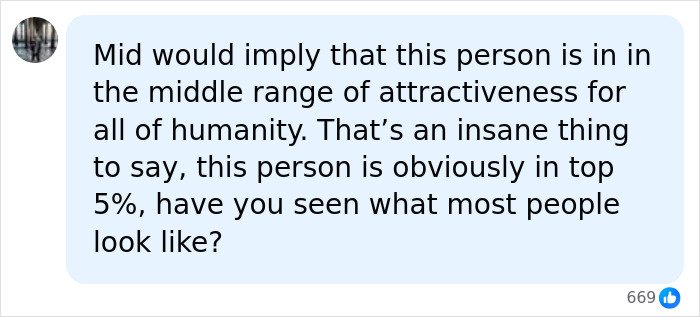
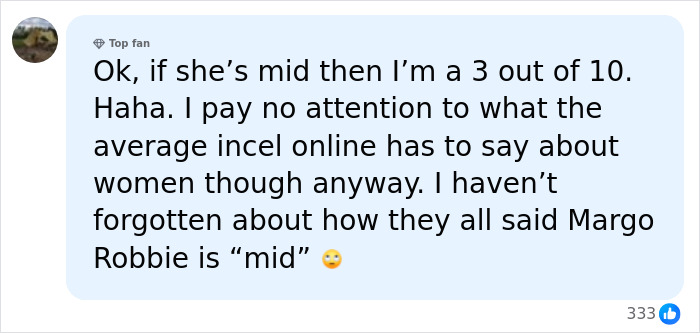
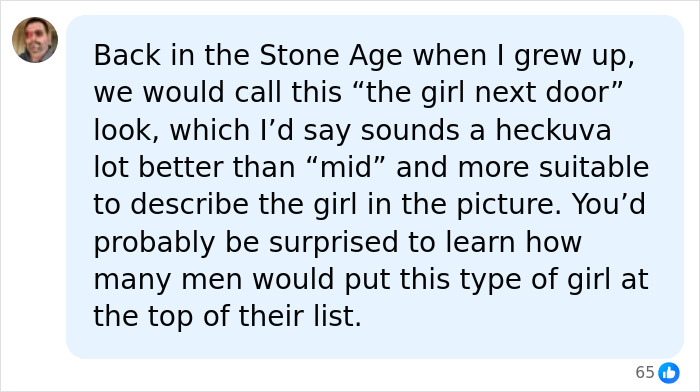
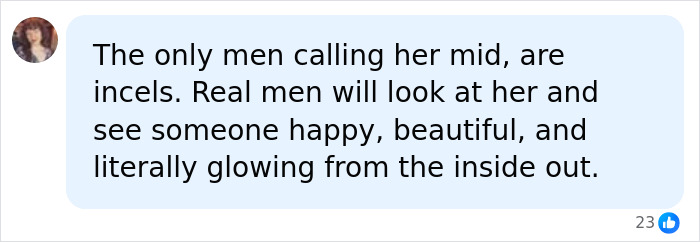
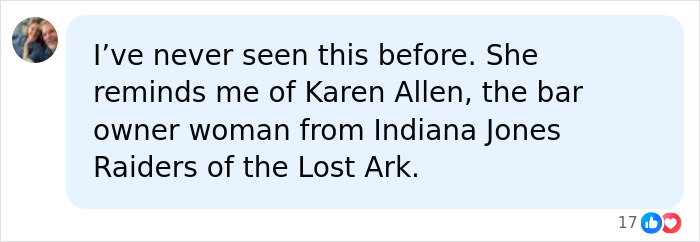
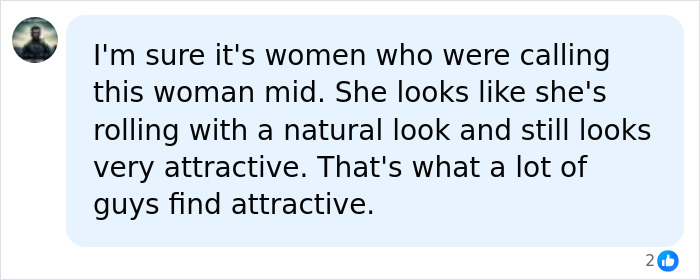
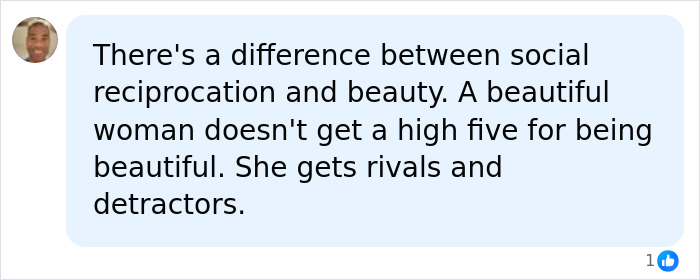
Here’s how people reacted to the original “beautiful mid” girl







 Follow Us