A lush green garden sprawling around your house, with a few flowers blooming and dancing in the pleasant summer breeze, they mildly spread their enchanting aroma. One look at it and passersby are refreshed and mesmerized. But summer ends and the flowers are no more, leaving your garden empty and lonely. Don’t fret; here comes the late-summer bloomer and oh-so-pretty aster!
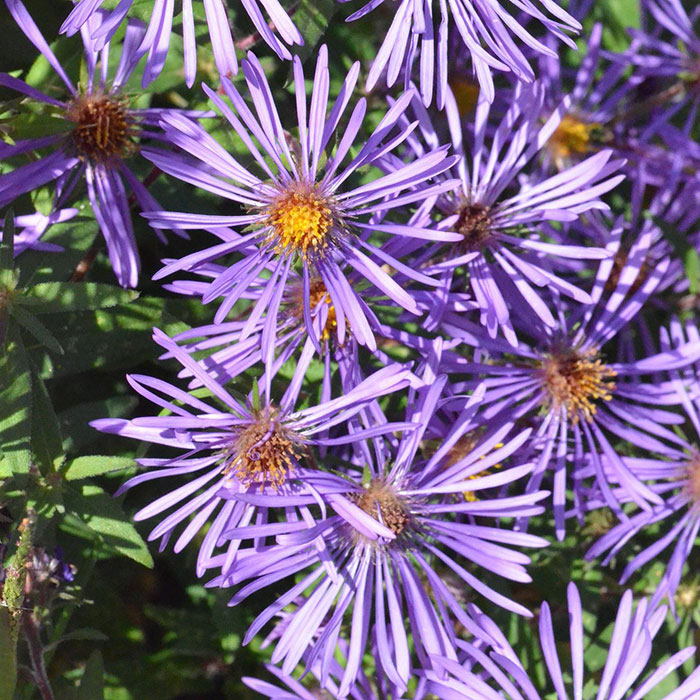
Image credit: delmarvanativeplants
What is an Aster Plant?
The aster plant is a perennial wonder that blossoms in late summer when most flowers have already served their time. Aster flowers have vibrant hues that instantly grab attention and last well into fall. Aster plants grow outdoors in zones 3 to 8 USDA. Here are its characteristics that you should know.
What Does an Aster Symbolize?
Aster flower meaning has Greek roots. Aster got its name from its flowers shaped like stars, as aster translates to ‘star’ in Greek. Their delicate petals are elegance-personified. Asters are also culturally symbolic of many things.
In some cultures, they symbolize love and affection, often appearing in bouquets gifted to loved ones. They are also associated with positive energy due to their vibrant hues and are often gifted for good luck. Some cultures honor these late-summer bloomers as a symbol of patience. During the Victorian era, they were symbolic of a final farewell and were often gifted while saying goodbye.
Lore has it that these star-shaped delights were often burned during the old days to keep away serpents. With so much symbolism and lore on its back, the historic aster flower still captivates people. It is a pleasure to have in the gardens.
If you plan to beautify your garden with this plant (you definitely should), then explore this guide. We have compiled everything necessary about these beauties. Let’s dig a little deeper and get to know more about asters.
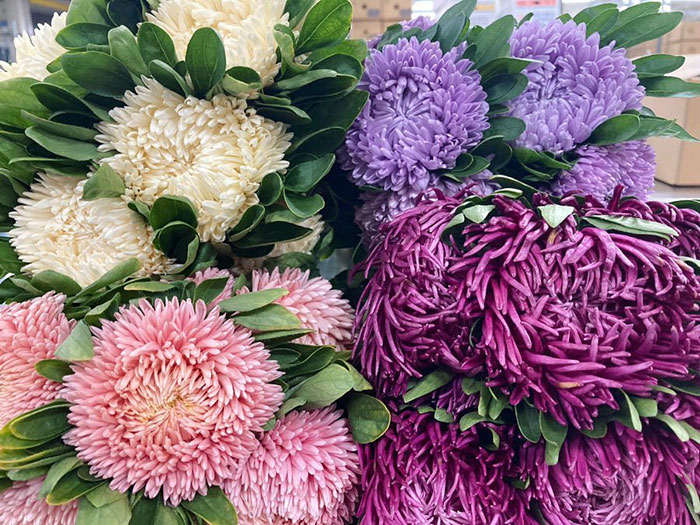
Image credit: naniwaflowerauction
Where, When, & How to Plant Aster
Asters thrive the best when exposed to full or partial sunlight. And they love moist soil that is well-drained and loamy. They prefer cooler temperatures, so partial sun exposure would be ideal if you live in a hot region. Aster is a versatile plant whose shorter varieties can thrive well on borders.
Mid or late spring is the prime time to plant aster after the frost season. If you purchase mature potted asters, you can plant them at the end of summer. The beautiful asters often bloom in late summer and fall. Ensure you plant young asters 1 to 4 feet apart, as they can grow quickly and aggressively. Keep a safe space of 3 feet while planting mature asters. Spacing them right will lead to their proper growth.
Planting & Propagating Aster
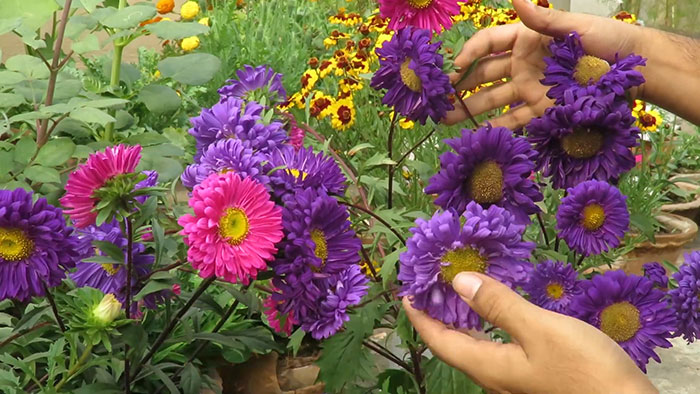
Image credit: Planting With Pablo
Let us look at different ways to propagate or grow aster from a purchased plant. You can pick the most suitable from the four we have detailed below.
Propogate Aster from Seeds
Propagate Aster Plant by Division
Grow Aster Plant from Cuttings
Grow Aster from Purchased Plants
Care for Aster with These Tips
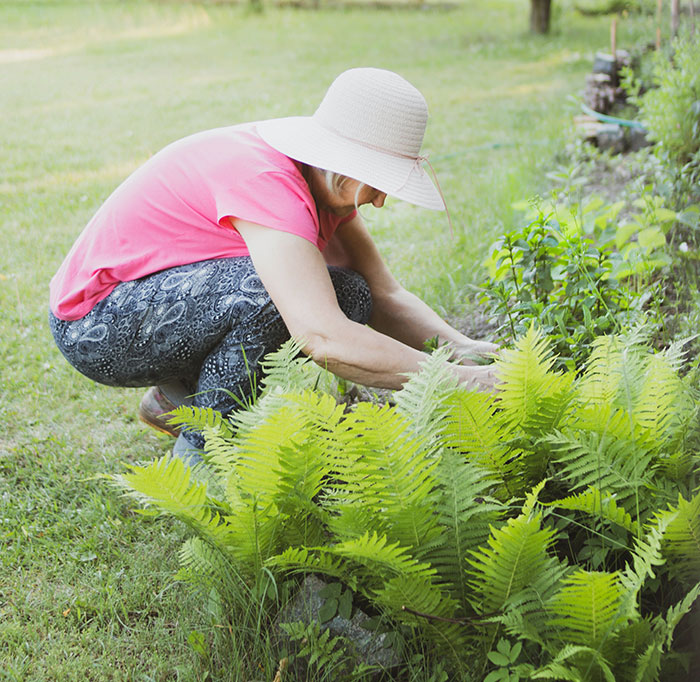
Image credit: Dominika Roseclay
Like many plants, even asters need caring. If you want to see asters blooming and thriving in your late-summer garden, then it’s essential to care for them properly. Dig into these gardening tips to get the perfect asters to create a dreamy and starry gardenscape.
Light, Soil, & Water Needs
Asters are big fans of the sun, without which they can easily flop. They bloom, thrive, and become the life of the garden when they’ve direct contact with sunlight for a minimum of six hours every day. Ensure they receive their daily dose of the sun to avoid untimely death. Some species can thrive in partially shady conditions, but their flowers will be fewer.
Wet soil can rot the aster roots, while the plant will wilt in dry soil. So, slightly acidic soil (pH 5.8 to 6.5), moist and loamy, is the perfect home for asters. Organic matter, like well-rotted manure or compost, makes the soil rich with nutrients, creating an ideal condition for aster plants to flourish.
As it needs moist soil, keep watering your aster regularly till the flowers reach full bloom. However, ensure that the water you give the soil doesn’t touch the leaves. If this happens, the plant is highly likely to catch mildew.
Temperature & Humidity
This starry, cool-looking flower loves cool temperatures. Its frost-hardy ability gives it the strength to survive for a short duration in frosty conditions. If you live in a hot region, ensure that you provide some shade to your aster. When it comes to humidity, aster has no particular preference. So you won’t have to worry about extra spritzing and all that drama.
Fertilizer Requirement
Asters are happy with moderate feeding. Providing them with a balanced flower fertilizer twice a month keeps them satiated. Ensure you start fertilizing in spring and stop as soon as the blooms open. Over-fertilization decreases their blooming period.

Image credit: Antony Trivet
Mulching
Mulching is ideal for overwintering. Once the asters stop blooming, water them regularly before the first freeze sets in. You can cut down the foliage when the frost is over. Come fall, add a thick layer of shredded bark mulch around so that it will cover the base of the plant. Ensure the mulch doesn’t gather near the stem, as it might rot the crown.
Trimming & Pruning it Right
Once the flowers start wilting and dying, simply pinch them off to make way for new growth and prevent self-seeding. Trim off dead stems or damaged foliage immediately. During the frost season, when there’s no foliage left, trim the stems to ground level. You can carry out this action in spring so birds like finches and chickadees can enjoy the aster seeds all through winter.
Potting & Repotting
If you have potted your asters using a compost mix to provide them sunlight outdoors, you must trim them and bring them inside. Don’t let these pots freeze outside. Once you get them indoors, water them regularly and ensure the soil is moist throughout winter. Come spring, you can repot them in a fresh compost mix and take them outdoors for the much-awaited bloom.
Blooming it Right
Ensure that your late-season aster gets all the care mentioned above and gets great flowers. Proper sun exposure, one inch of water every week, appropriate fertilizer needs, staking tall varieties, and pruning the new growth will all result in a thriving, blooming, and the most beautiful aster ever.
Pests and Problems
Powdery mildew disease is a sworn enemy of aster plants. Other rust and fungal diseases can also harm aster. They can all be prevented by insecticidal sprays, soaps, or removing the middle clump of aster. Your aster might also be attacked by lace bugs or mites that devour all the nutrients. But don’t worry. You can get rid of these by spraying insecticides early and regularly.
Types and Varieties of Aster Plants
With a multitude of types and varieties, aster is a plant that is much loved. Below, find the most common varieties and types of aster that have been sparking up people’s gardens into gorgeous ones.
New England Aster
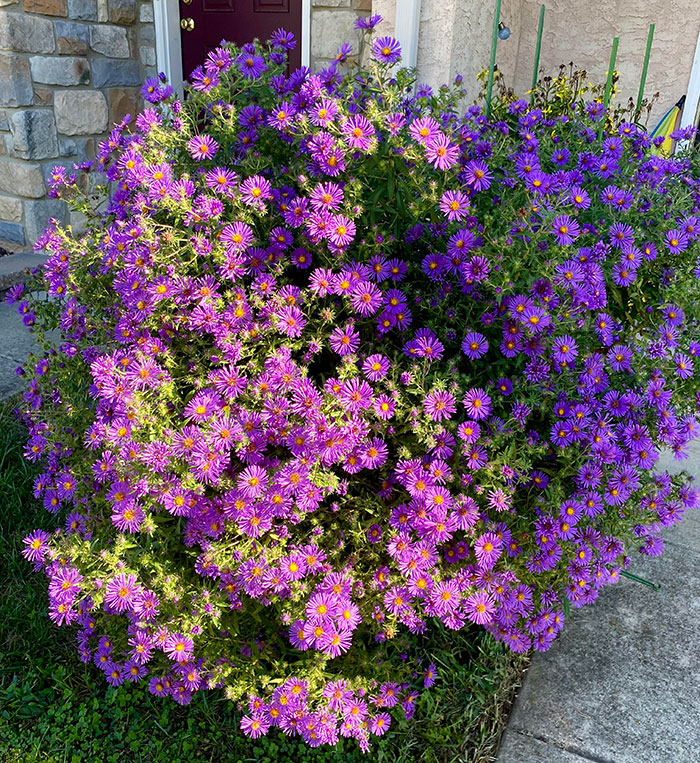
Image credit: Emotional-One7307
New York Aster
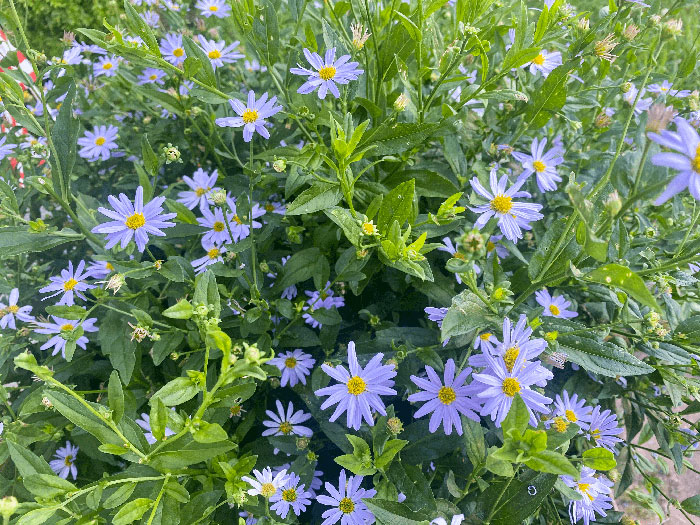
Image credit: Reddit.com
Michaelmas Daisy
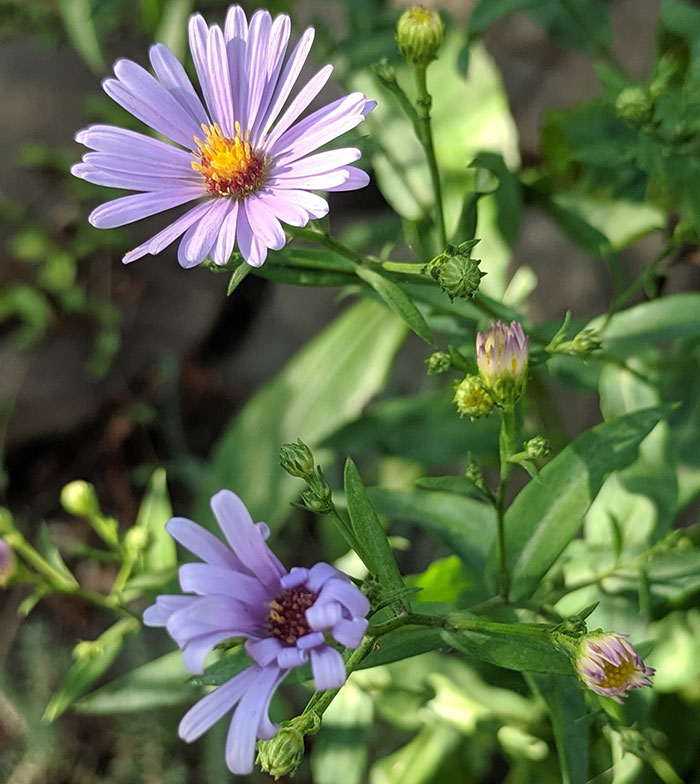
Image credit: freyja_nordic
Smooth Aster
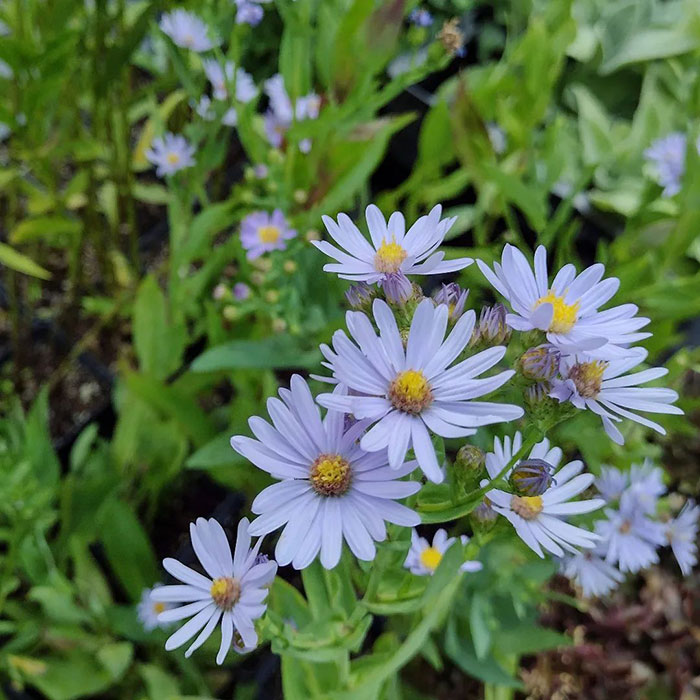
Image credit: everlaughterfarm
Calico Aster
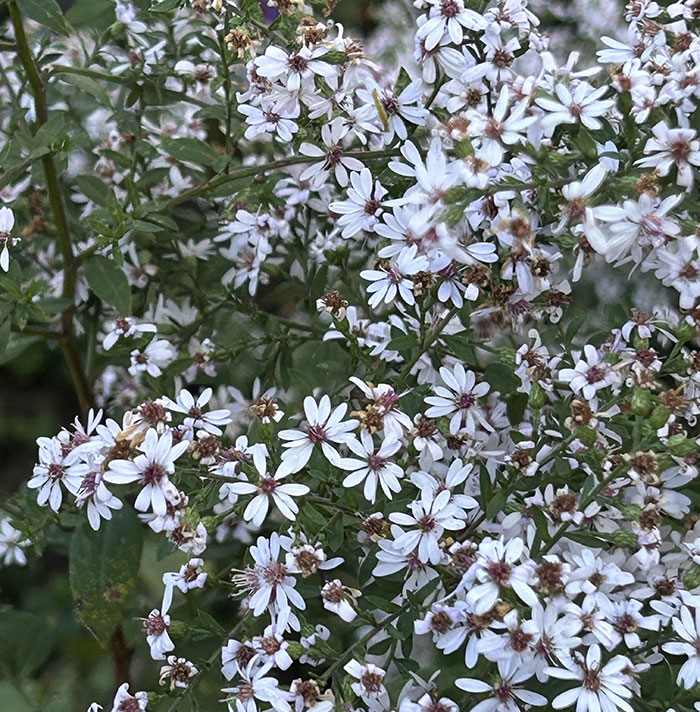
Image credit: TellYourDogzHeyForMe
Aromatic Aster
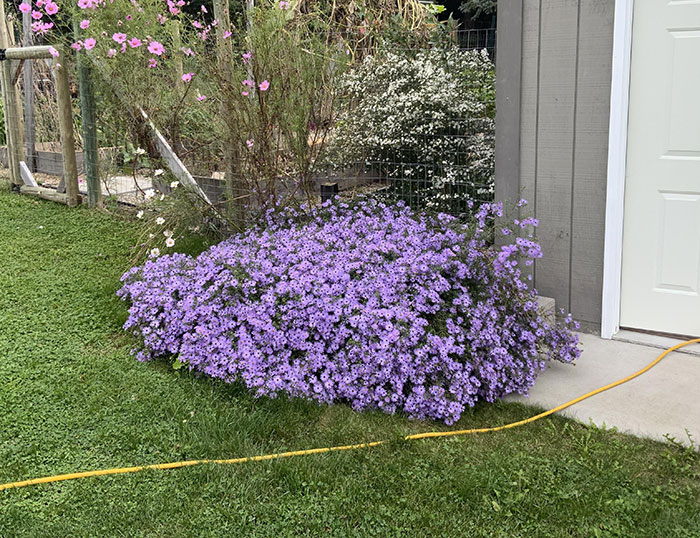
Image credit: Elymus0913
China Aster
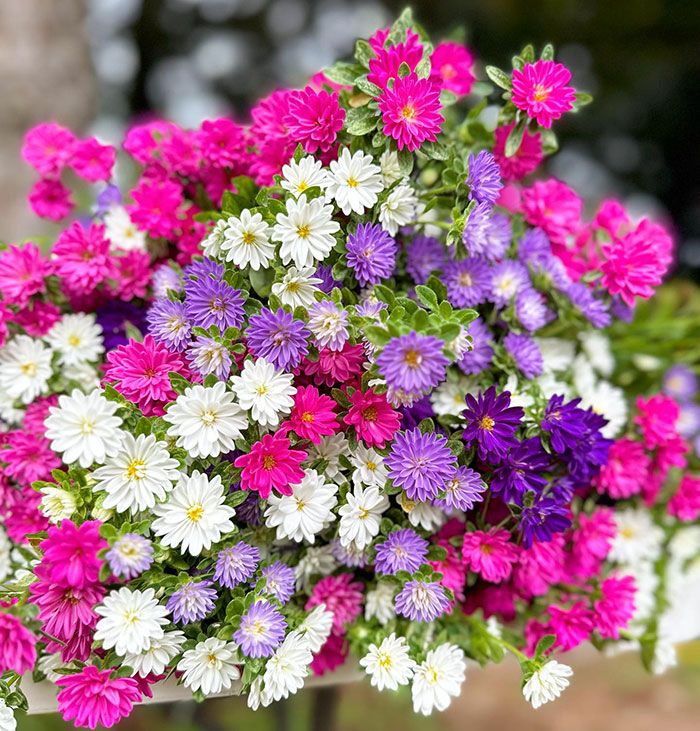
Image credit: moonshot_farm
It consists of cultivars with many hues like white, purple, pink, and blue. Among the varieties most familiar to home gardeners are the double-flowered Matsumoto cultivar and the Lilliput Blue Moon, known for its disc-like blooms.
Tatarian Aster
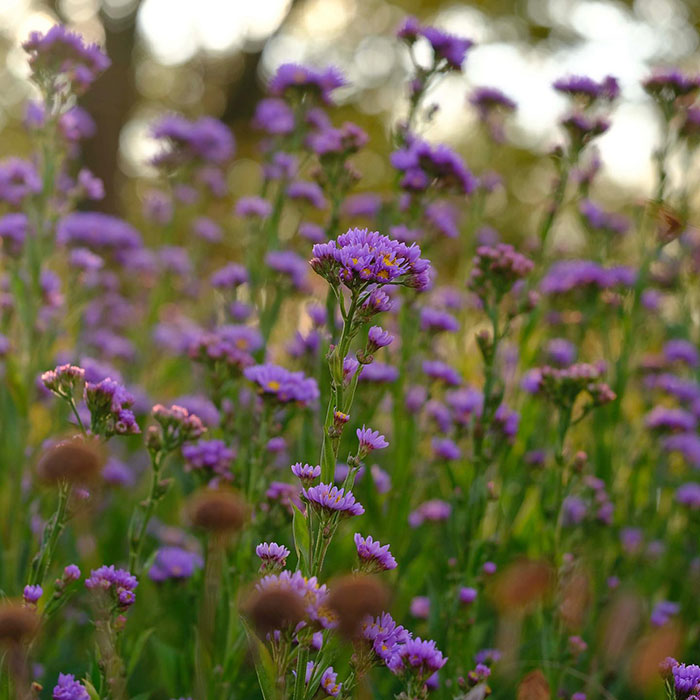
Image credit: luriegarden
Heath Aster
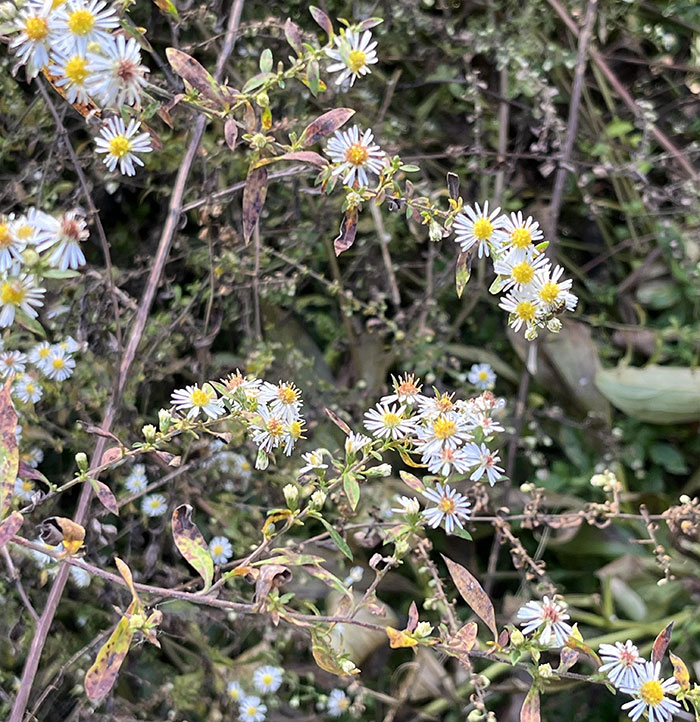
Image credit: thefreneticferret
Companion Plants
If you are a gardener who wants the most perfect garden in the whole wide world, you need to have plants and flowers that would complement the aster and create a cohesive whole. Here are the ones that would definitely be best friends with your aster.
Sedum
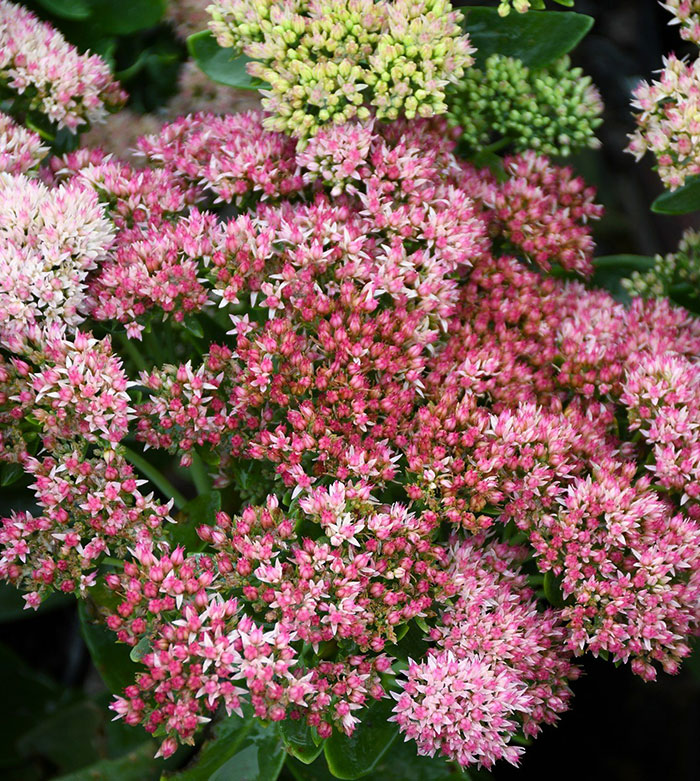
Image credit: gertens_
The stunning sedum is a diverse genus of succulent plants. Commonly known as ‘Stonecrop,’ it has a lot of varieties and cultivars that love full sun and well-draining conditions. Not only is it aesthetically pleasing, but it also attracts pollinators like bees and butterflies.
It is pretty low maintenance and can easily survive draughts. ‘Autumn Joy’ is a low-growing sedum that covers the ground like a blooming mattress. Its contrastive texture to the asters makes these two the perfect choice to grow side-by-side.
Boltonia
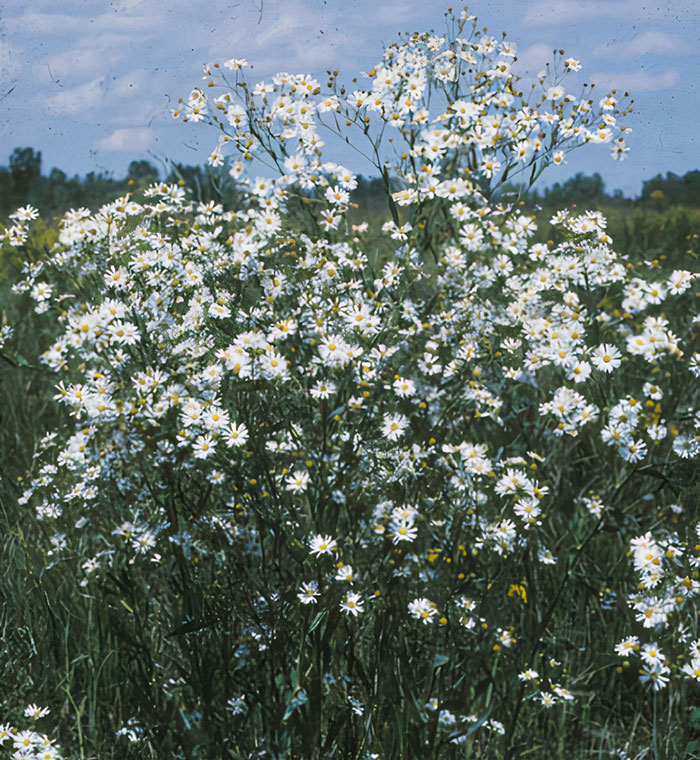
Image credit: Eugene van der Pijll
This end-of-summer bloomer looks quite similar to aster. It loves moist or wet soil, and pollinators like bees and butterflies are attracted to it. It can grow pretty tall and provide a burst of white or pink hues in your garden.
Russian Sage
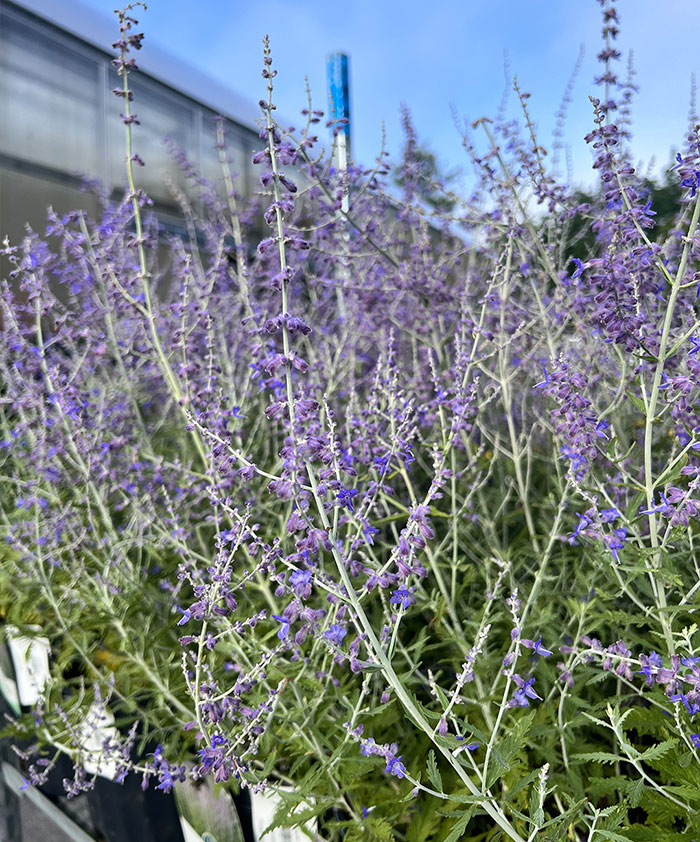
Image credit: adamsfairacrefarms
This perennial is famous for its silvery-gray foliage featuring tall spikes of adorably tiny lavender-blue flowers. Their ethereal appearance can glam up any garden. They emit a lovely aroma and bloom the best when exposed to full sun and top-notch draining. Plant them close, and they can thrive with minimal maintenance. Their striking vertical element and wispy aura will pair perfectly with aster.
Anemone
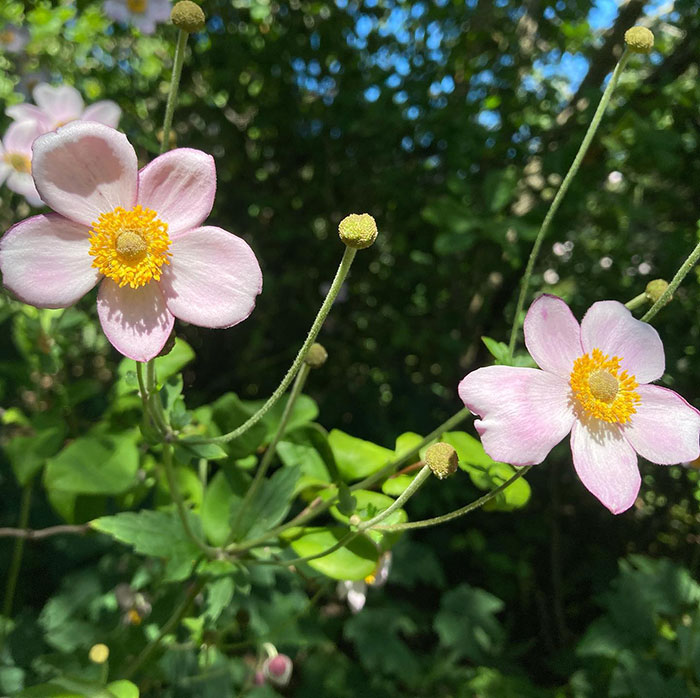
Image credit: lewisginter
These late summer bloomers will make excellent companions of aster. Popularly known as ‘Japanese Windflowers,’ they have a lot of varieties with delicate blooms. They thrive the best when exposed to partial or complete shade and good drainage. Their delicate beauty and ability to attract pollinators like bees and butterflies make them a must-have with your aster plant.
The Alluring Aster: A Star-geous Bloom!
These star-shaped flowers are truly mesmerizing. Their pretty perfect hues, delicate petals, adorable shape, or ability to attract pollinators, what’s not to like? We hope we made it easy for you to understand how to grow and care for an aster. Just follow our guide to witness an aster in full bloom, dancing happily. Tell us in the comments about your well-cared and blooming aster.
Planning to turn your garden into a home for the blooms? You should definitely check our guide for different beauties like dianthus and delphinium or even tending to your bougainvillea vine!
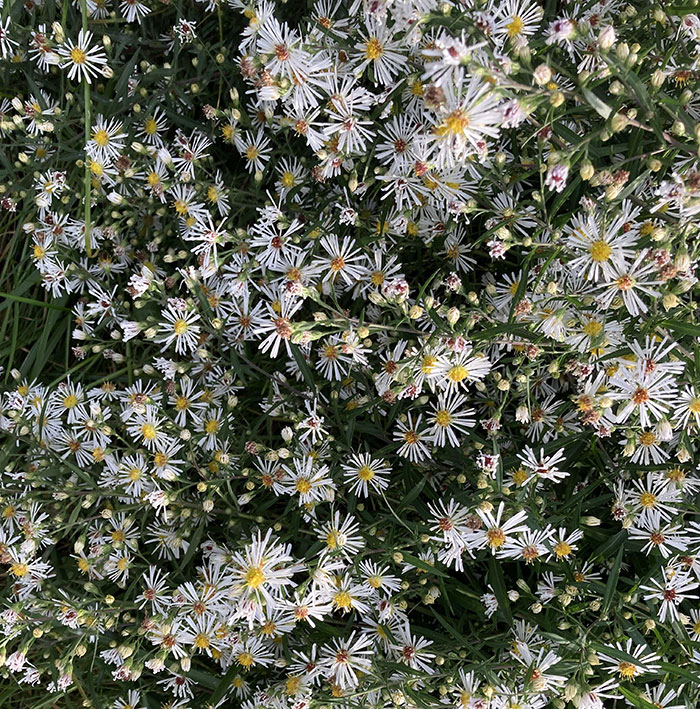
Image credit: BearofSloths
Aster FAQs
Do Asters Come Back Every Year?
Yes. Many asters are perennial plants, meaning they come back every year.
Where do Asters Grow Best?
Asters grow best when they have exposure to full sun.
Is Aster Poisonous to Dogs?
No, aster isn’t poisonous to dogs. However, they can cause a mild stomach upset if consumed by dogs. Therefore, it is vital to carry out proper garden safety and keep your pet dog away from these flowers.
What Time of Year Do Asters Bloom?
Asters usually bloom at the end of summer to early fall. But, the time can vary a little based on the species of aster that you have in your garden and your local climate.
How Long do Asters Live?
The perennial asters can live up to 3 to 5 years of age. But this age can vary based on facts like the species of aster, its growth conditions, and the care it is provided.
 Follow Us