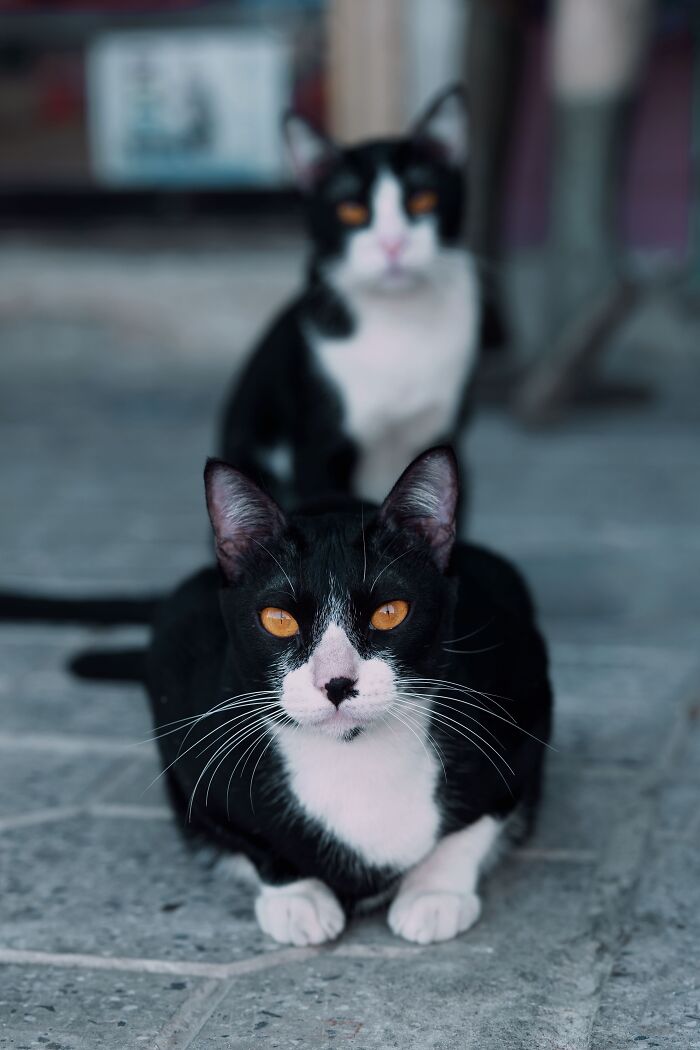
Long before anyone posted cat photos online, people in China wrote poems to their cats, drafted adoption contracts, and argued over what to call them. The names they chose were small works of art. A cat with a black back and white belly could be ”Dark Clouds Covering Snow”, a cat in a poet’s study might simply be ”Little Tiger”, and a cat at the Ming court, ”Frosty Brows”, was buried in a golden coffin on an emperor’s orders. How did people come to name cats this way? The answer starts with the fact that the house cat arrived in China relatively late.
Long before cat photos existed, people in China gave their cats poetic names like “Dark Clouds Covering Snow” and “Little Tiger”
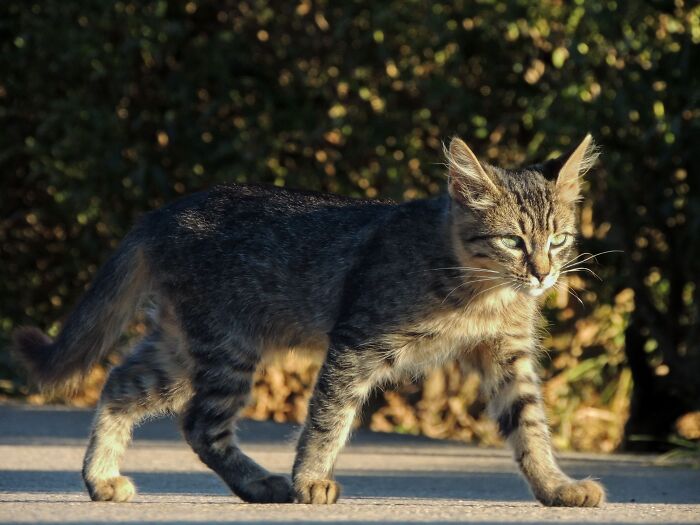
Early Chinese texts mention a ”cat” alongside bears and tigers, but those were wild felines, and leopard cats hung around farming villages for at least 5,400 years, hunting rodents. The true domestic cat arrived much later. The earliest known cat in China dates to around 730, in the Tang dynasty, and its ancestry traces back to the Near East, suggesting a journey along the Silk Road. New and rare, these cats were first kept by the elite, so naming began among them. A Tang provincial governor is recorded as the first person in Chinese history to name his cats, and he kept dozens.
By the Song dynasty, the cat had its own poetic nickname: linu (狸奴), roughly “wildcat servant.” No one used it more fondly than the poet Lu You (1125-1210), who wrote of bringing a small cat home as a gift of salt so it would guard the thousands of books in his mountain study. The cat did its job and earned a name: he called it ”Little Tiger” after it cleared out a rat hole, and he promised it fish as a reward.

Domestic cats arrived in China around 730 during the Tang dynasty, likely traveling from the Near East along the Silk Road
Another of his cats, ”Pink Nose”, got a more teasing poem. In it, he complains that the cat once guarded the grain store fiercely but now acts as if it lives in a palace, eating fish and sleeping in his bed. It is easy to see who ended up as the servant. The word has outlasted them all, because today’s Mandarin slang for a cat owner is maonu (猫奴), “cat slave.”
Not every name came from a poet’s pen, though. Most simply described the coat, and cat manuals turned this habit into a full vocabulary. The traditional Xiang Mao Jing ranks pure yellow first as the ”golden thread cat”, pure white second as the ”snow cat”, and pure black third as the ”iron cat”, and calls any solid-colored cat ”Good In All Seasons”. Even this ranking had local opinions: Cantonese speakers disliked the white cat and called it a ”filial cat”, a name tied to mourning and bad luck.
During the Song dynasty, poets wrote about their cats, gave them playful names like “Pink Nose,” and even promised them fish as rewards for catching rats
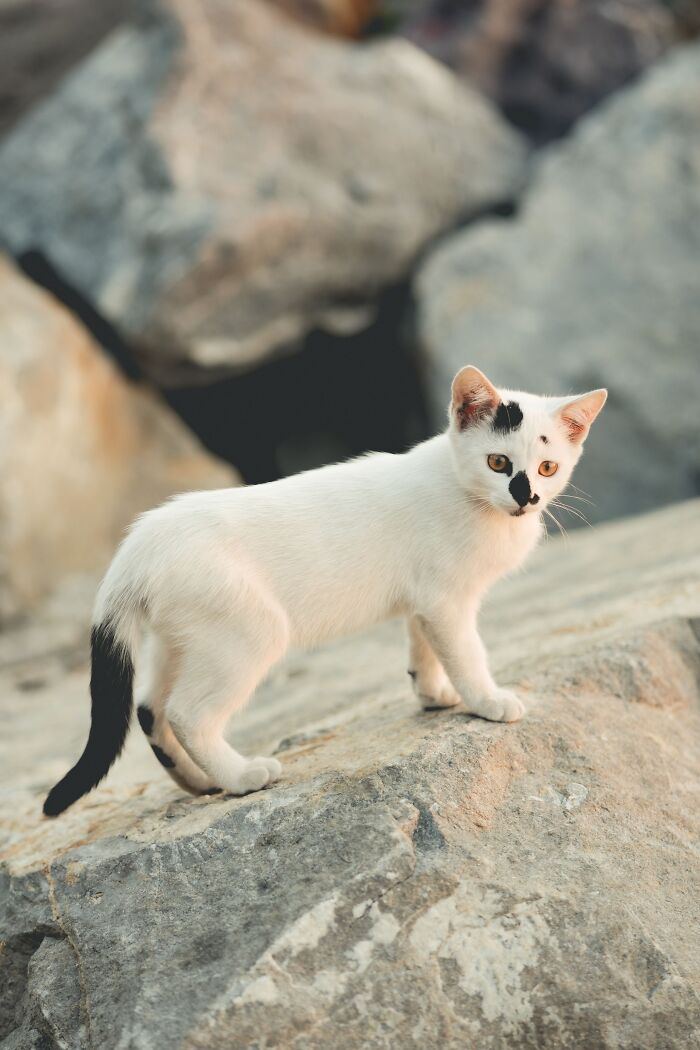
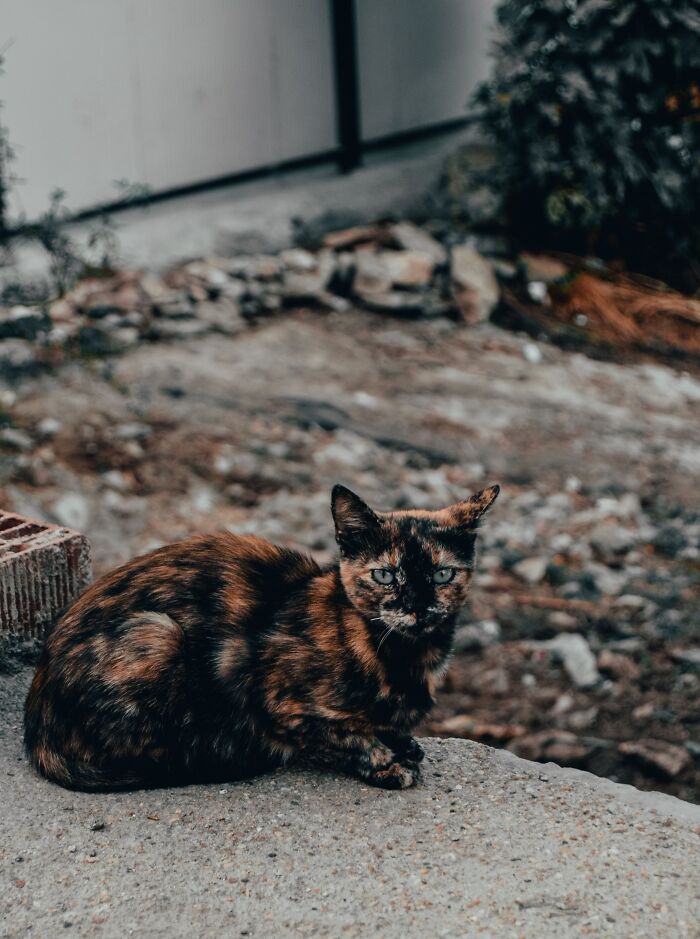
The patterned cats got the most inventive names. A tortoiseshell was ”tortoiseshell spotted”, and a cat with a black back and white legs and belly was ”Dark Clouds Covering Snow”. A white cat with a black tail was ”Spear Dragged Through Snow”, the dark tail standing out like a spear against a snowfield, while the common tabby, lihua (狸花), is literally ”fox-patterned” because its broken stripes recalled a fox’s coat.
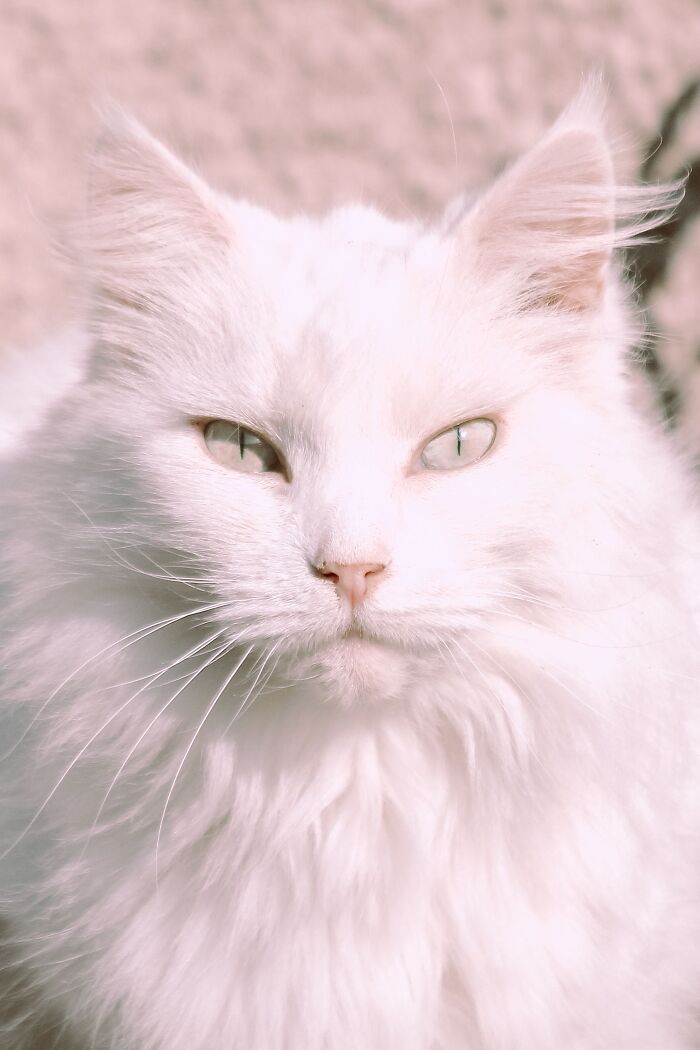
A good coat was only half the story, and owners knew what else to look for. A Song scholar, Lu Dian, even offered advice on spotting a good mouser: a long tail, a short waist, and golden eyes. Appearance counted among the wealthy, too. A Song text describes the ”lion cat”, a long-haired white cat kept in the capital, Lin’an, whose snow-white coat trailed along the ground, and tells of one sent as tribute from a foreign country.
Chinese cat manuals classified felines by their coats, with names like “Golden Thread Cat,” “Snow Cat,” and “Spear Dragged Through Snow.”
Poets, meanwhile, kept inventing names for their own animals. Mei Yaochen, who died in 1060, had a cat called ”Five White” that never let rats gnaw his books. When it died, he offered it rice and fish, buried it in a river, and wrote a mourning poem. Huang Tingjian called a cat xianchan, roughly ”cicada carrier”, in a poem asking a friend for a kitten, and the word became a recognized poetic alias for ”cat”.
Getting that kitten was a ceremony in itself. In Song and Ming times, adopting a cat was treated like a small wedding, and poems describe it with words for “betrothal” and “invitation.” The family giving up the cat expected a “bride price” of valuable salt or small fish threaded on a willow branch, exactly what Huang’s poem describes. A model ”cat contract” even survives, with a drawing of the cat in the middle and the terms spiraling outward around it. Its sample cat is named ”Black Spots”, and it calls on the ”King Father of the East” and ”Queen Mother of the West” to keep the cat from wandering south or north. A little economy grew around all this, too: the Song memoir Dongjing Meng Hua Lu records street vendors selling cat food and small fish.
Adopting a cat in Song and Ming China could involve ceremonial gifts of salt or fish, written contracts, and poems celebrating the new arrival
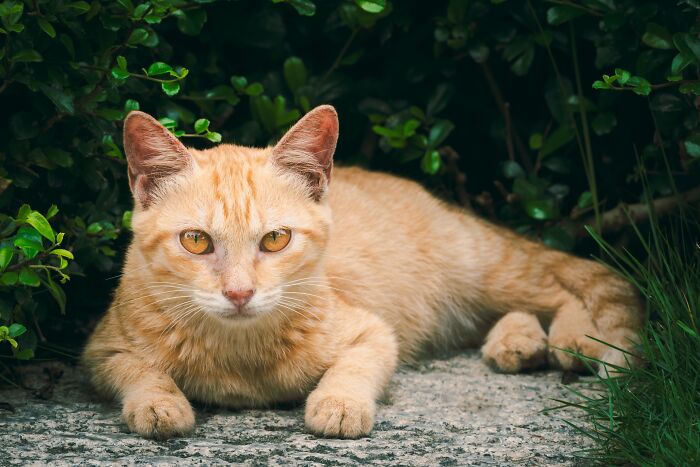
Naming reached its grandest in the Ming palace. A department called the Cat House looked after cats with official standing, and the palace record Zhuozhong Zhi describes how they were named: an intact male was a ”Little Servant”, a neutered male an ”Old Master”, a female a ”Maid”, and a cat that earned a title became a ”Manager”.
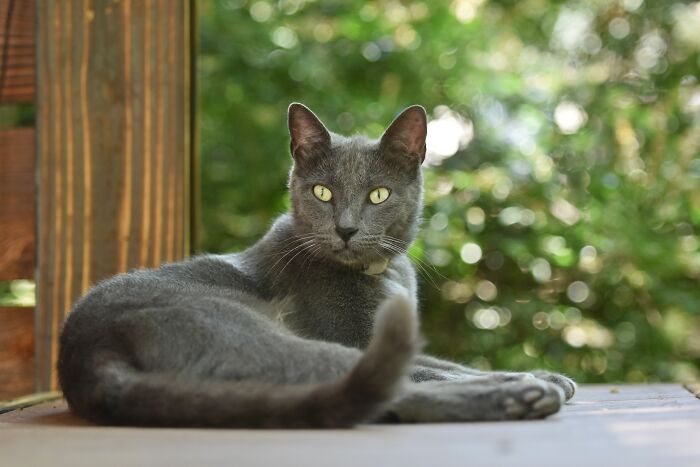
The most famous of them was Frosty Brows (霜眉), a lion cat belonging to Emperor Jiajing, who reigned from 1521 to 1567. According to Ming accounts, its fur was slightly bluish-gray, and its brows shone white, hence the name. When it died, the emperor had a golden coffin made, buried it at the foot of Longevity Hill, and gave it the title Qiulong, a kind of dragon. He also ordered his officials to write eulogies so that its soul could rise to a higher plane. Most struggled with the odd assignment, but Yuan Wei won praise for a line saying the lion had turned into a dragon, and he is said to have risen quickly afterward.
At the Ming imperial court, cats received official titles, and Emperor Jiajing even ordered a golden coffin and commemorative eulogies for his beloved cat, Frosty Brows
Boys in Bristol Photography/Pexels
Taken together, the names tell a story of their own. Tomb figurines, murals, and carved bricks from the Tang and Song periods show that people already kept cats for company as well as to catch mice, and nobody gives a mere rat-catcher a name like“Dark Clouds Covering Snow.” That kind of name goes to a member of the household.
From ordinary household pets to imperial companions, cats in ancient China were cherished so deeply that their names became little works of art
 Follow Us