When a Cleveland Bay foal named Moose was born in Williamsburg, Virginia, in 2019, his arrival marked an important milestone in the efforts to preserve one of the world’s rarest horse breeds. With his friendly nature, curious personality, and eagerness to interact with people, Moose has since taken on another important role: helping visitors discover a living piece of American history.
Moose was born as part of Colonial Williamsburg’s Rare Breeds Program, which preserves the heritage breeds that played an important role in shaping America. The nonprofit operates a living history museum where visitors can experience life in an 18th-century American town, complete with historic buildings, traditional trades, costumed interpreters, and even the animals that were part of everyday life centuries ago.
Scroll down to see more of Moose and learn about how he’s fulfilling his duties.
More info: colonialwilliamsburg.org | Instagram | Facebook | x.com
Moose’s large, floppy ears earned him the name shortly after he was born
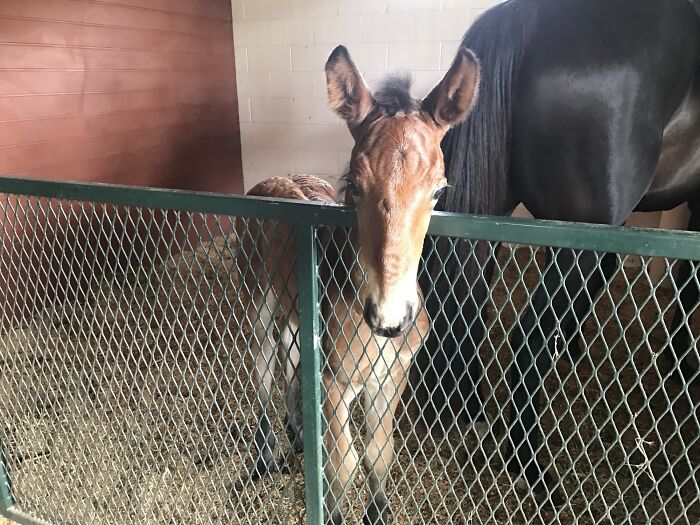
Among these animals are Cleveland Bay horses, a breed that originated in England and was once valued for its strength, temperament, and versatility. From pulling carriages and transporting goods to working on farms, these horses served many purposes in early America. However, as machinery and motorized vehicles gradually replaced working horses, their numbers declined dramatically, leaving the breed critically endangered.

Moose was Colonial Williamsburg’s first foal born through a successful embryo transfer
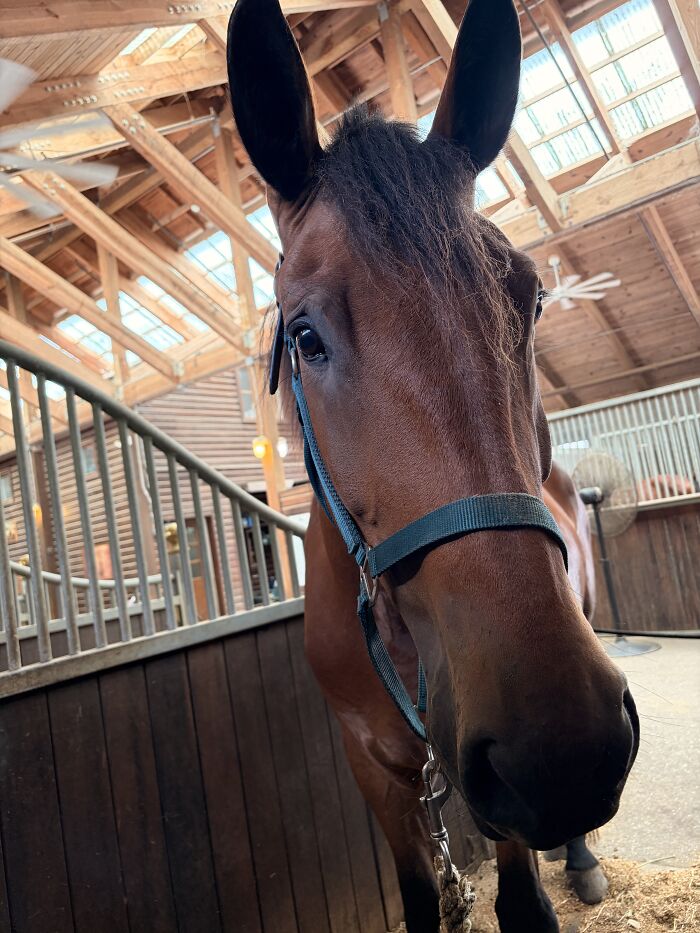
From an early age, Moose displayed a playful personality and a love of interacting with people
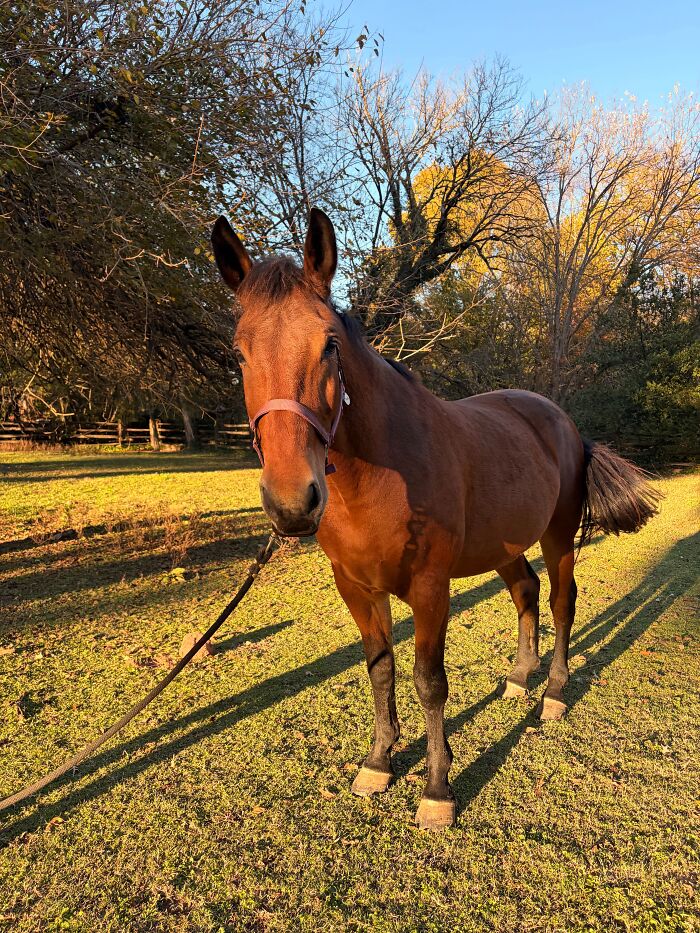
In an effort to learn more about Moose and the conservation work he represents, Bored Panda reached out to Colonial Williamsburg. “Moose was born at Colonial Williamsburg in 2019 and holds a special place in our Cleveland Bay conservation program as our first successful embryo transfer foal,” the team told us.
These qualities made him a natural ambassador for Colonial Williamsburg’s Rare Breeds Program
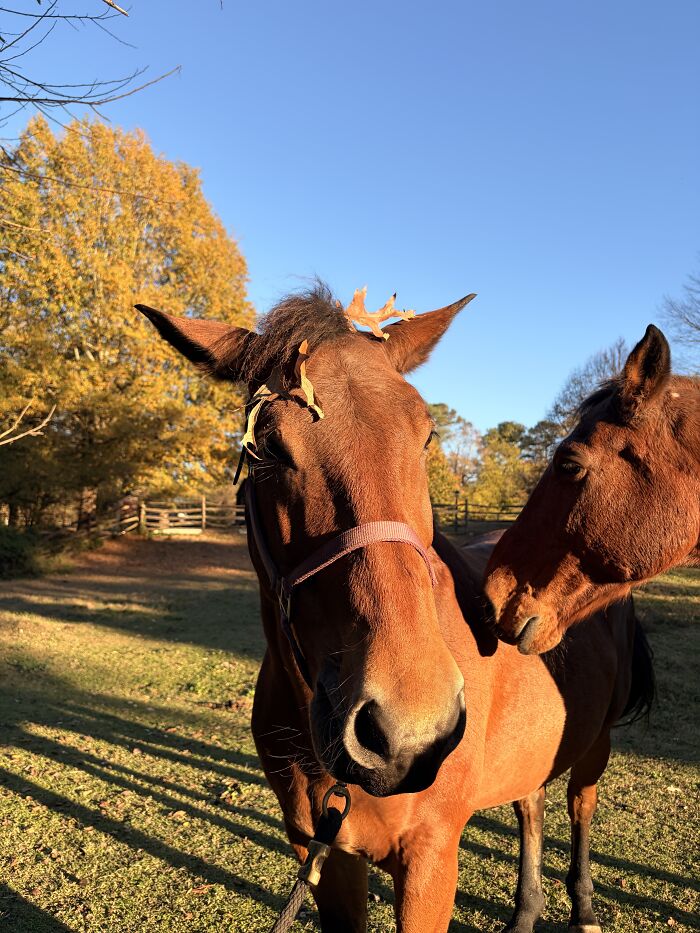
He is now being trained to carry historical interpreters through Williamsburg’s Historic Area
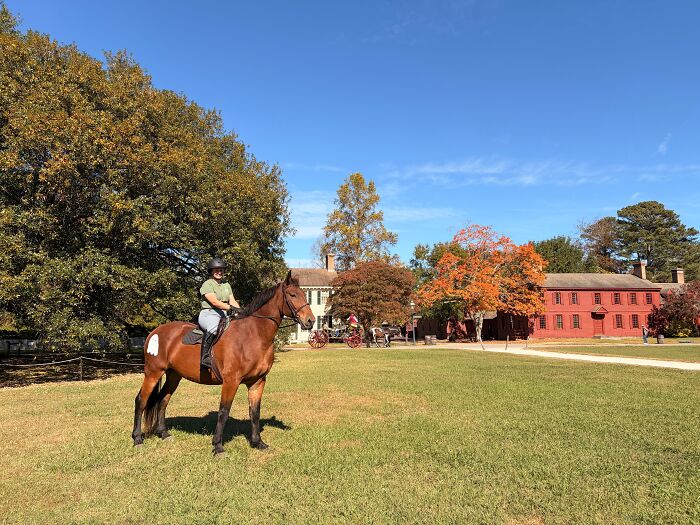
His birth resulted from careful breeding efforts aimed at increasing the breed’s population while maintaining its genetic diversity. Today, Moose serves as an ambassador for the program, meeting visitors from around the world and taking part in educational activities.
His work helps recreate the role horses played in everyday life in 18th-century America
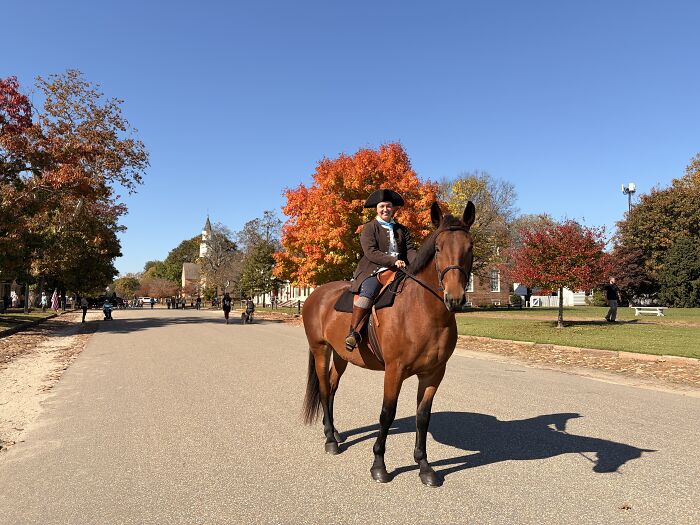
Despite their historical significance, Cleveland Bays are now among the world’s rarest horse breeds
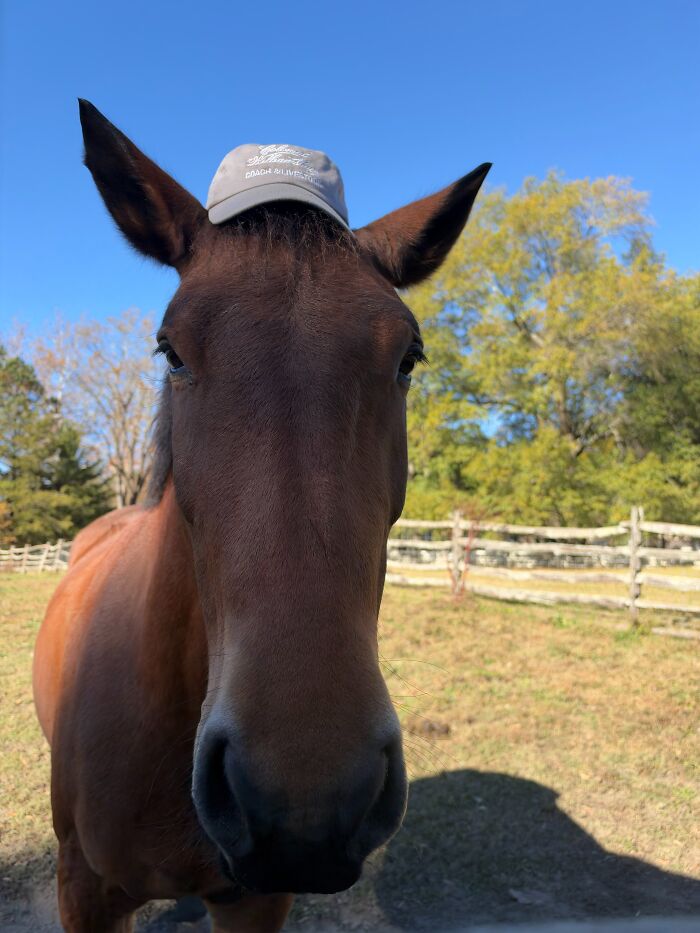
“To this day, he continues to show off that engaging and curious personality while interacting with visitors and working alongside staff with his playful attitude and willingness to connect and add to each guest’s experience,” the team shared.
Colonial Williamsburg combines modern breeding techniques with historical education to help preserve the breed
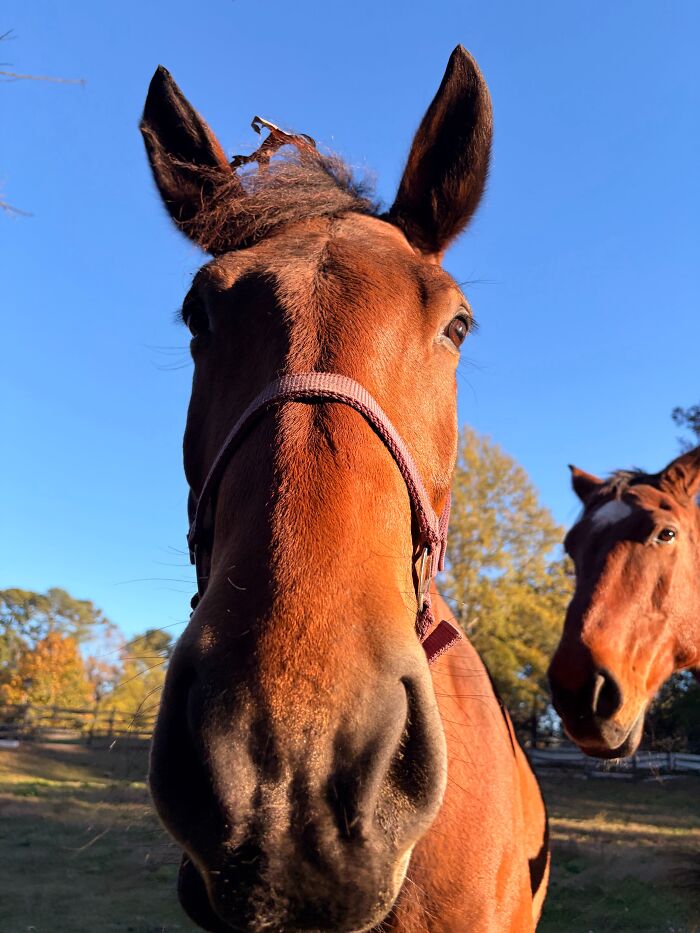
The organization also works with international partners to strengthen the breed’s genetic diversity
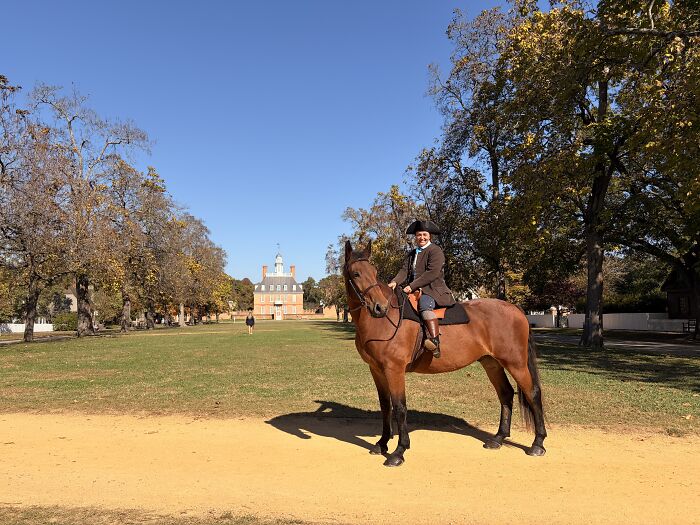
The conservation efforts at Colonial Williamsburg extend well beyond horses. The Rare Breeds Program is currently home to more than 100 animals, including cattle, sheep, and poultry, many of which belong to breeds that were once common but have since become increasingly rare.
Through horses like Moose, visitors can experience firsthand why these heritage breeds are worth preserving
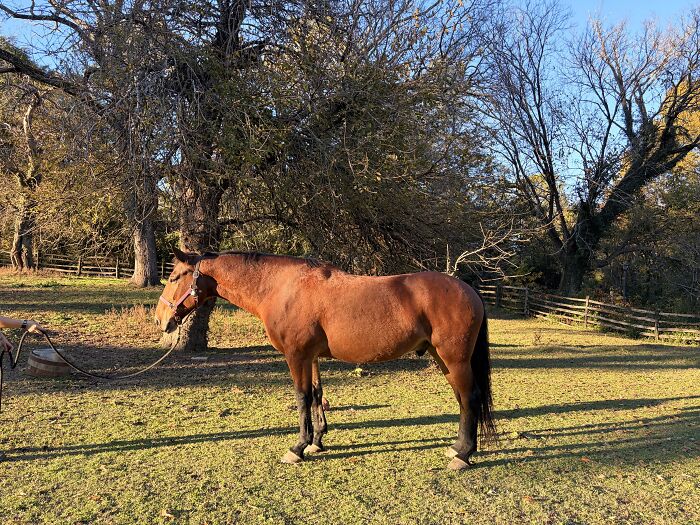
With his big ears and equally big personality, Moose is helping keep a piece of American history alive
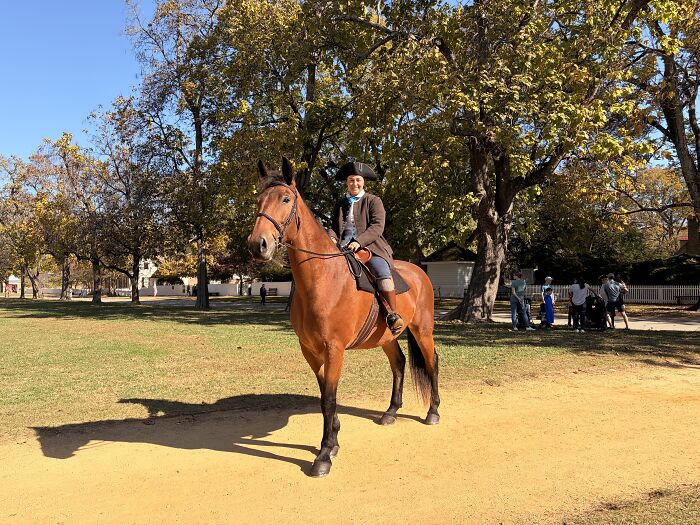
Moving forward, the organization hopes to expand its conservation efforts, introduce additional heritage breeds, strengthen its international partnerships, and develop new educational experiences for visitors.
All the while keeping his curious and loveable personality
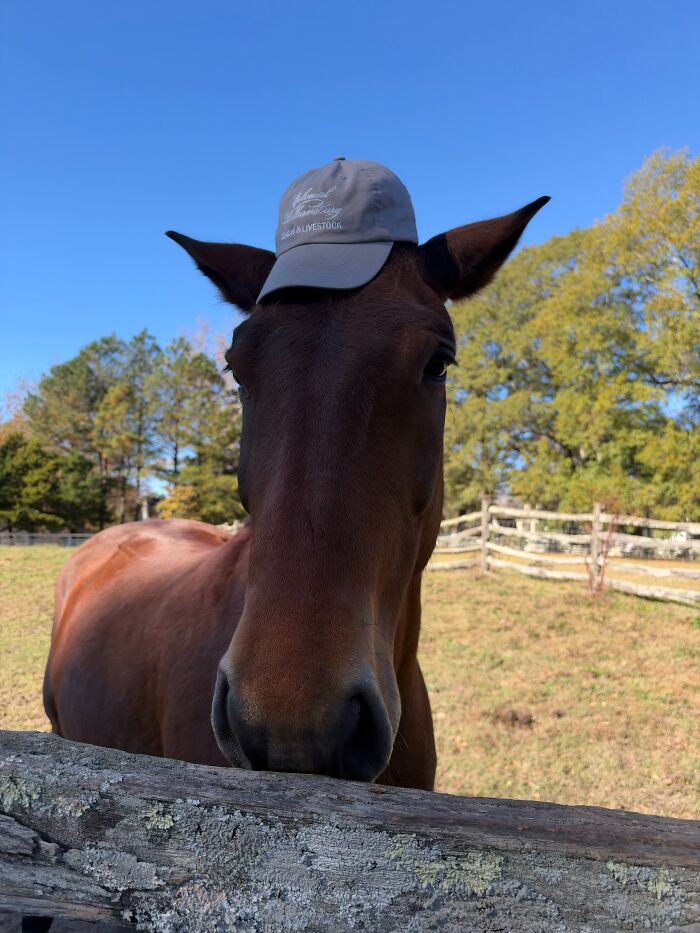
For Moose, however, much of the work comes naturally. His love of interacting with people gives visitors a chance to get to know a breed they might otherwise never encounter and to learn why preserving these animals matters. Thanks to Colonial Williamsburg and its partners, horses like Moose can remain part of American life for generations to come.
 Follow Us