Getting a good photograph of a moving insect can be tricky enough, but capturing the tiny details of its eyes, wings, or body takes a whole different level of patience. For photographer Dara Ojo, however, the results are well worth the effort. Originally from Nigeria and now based in Edmonton, Canada, Dara specializes in macro photography, capturing close-ups of insects, spiders, and other small creatures in their natural habitats. His photographs offer a much closer look at animals that many of us would probably walk right past, revealing their unusual features, intricate patterns, and sometimes surprisingly expressive faces. Dara first became interested in photography in 2020, while living in China during the COVID-19 pandemic. What began as a hobby soon became a passion that has taken him to countries including Costa Rica, Ecuador, Mexico, and Nigeria, where he has spent countless hours searching for and photographing fascinating little creatures. Regular Bored Panda readers might remember we first featured his work last year.
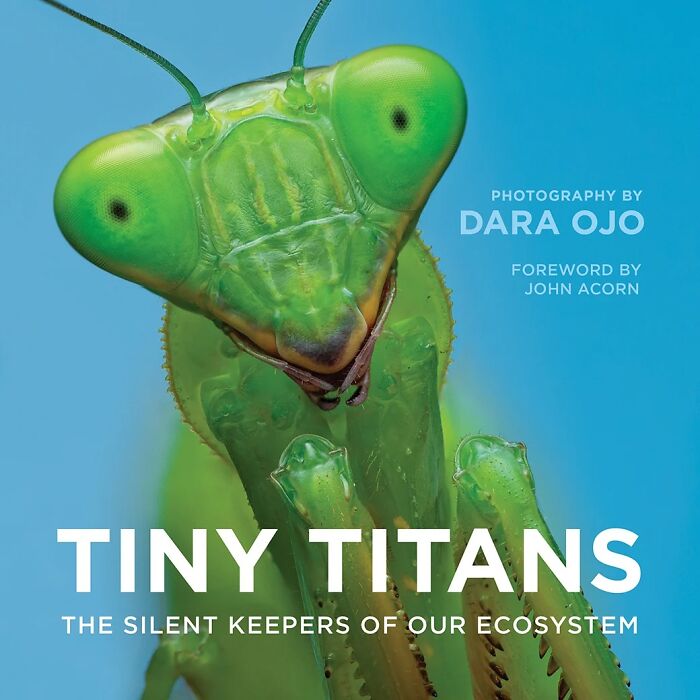
Recently, Dara reached another milestone with the release of his first photography book, Tiny Titans: The Silent Keepers of Our Ecosystem, published by Rocky Mountain Books. Featuring 120 photographs and accompanying stories from his travels, the book highlights not only the beauty and diversity of these animals but also their importance to the natural world. After all, insects and other arthropods do far more than simply crawl, fly, or occasionally find their way into our homes. From pollinating plants and breaking down organic matter to providing food for other animals, they play essential roles in keeping ecosystems healthy. Through his work, Dara hopes to encourage people to appreciate these often misunderstood creatures and perhaps become a little less afraid of them.
We’ve gathered a selection of Dara’s fascinating macro photographs below, so scroll down to take a closer look at some of nature’s smallest inhabitants. And while you’re at it, don’t miss our interview with the photographer, in which he shares more about his new book, some memorable wildlife encounters, and the challenges of photographing tiny creatures in the wild.
More info: Instagram | explorewithdara.com | buymeacoffee.com
#1 Red Damselfly (Pyrrhosoma Nymphula)

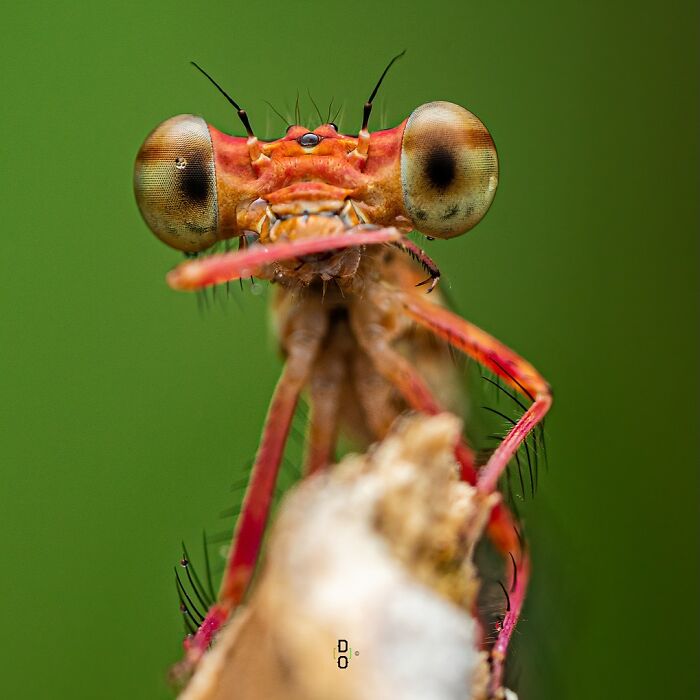
Image source: explorewithdara
#2 Wagler’s Pit Viper (Tropidolaemus Wagleri)
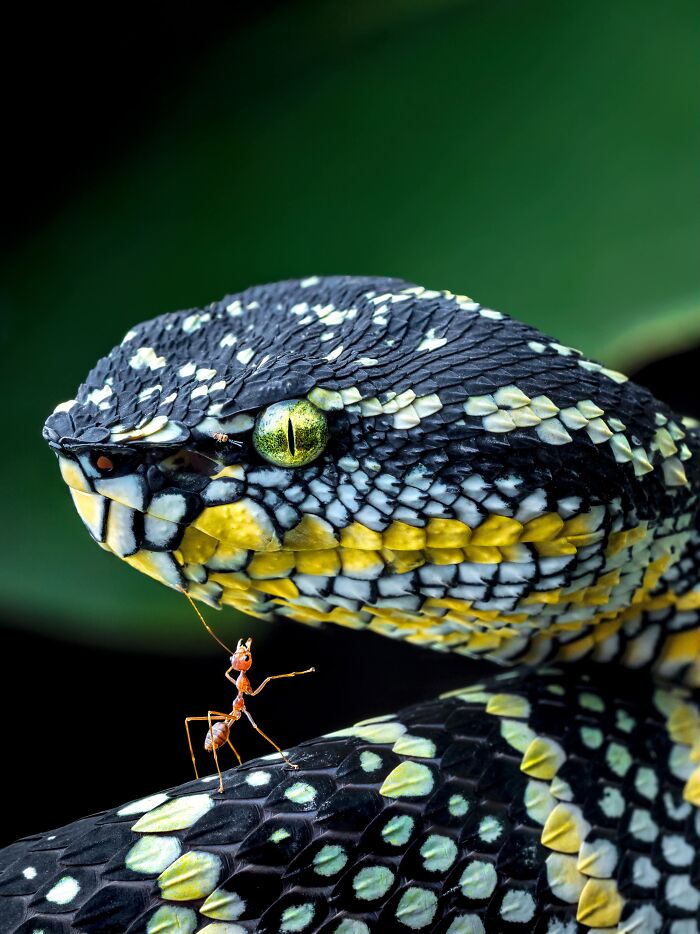
Image source: explorewithdara
To begin, we asked Dara what inspired him to turn years of photographing insects and spiders into his first book, and what reaching this milestone means to him personally: “If you had told me six years ago that I would one day publish a photography book about insects and spiders, I probably would have laughed! I wasn’t even a photographer back then. My journey began in 2020 while I was living in China, around the time the pandemic changed everything. I started exploring photography and eventually became fascinated by the tiny creatures living all around us. The more I photographed them, the more I realized how extraordinary their world was. Creatures that most people would walk past without a second thought suddenly became the subjects of some of my most fascinating encounters.”
#3 Jewel Weevil (Eurhinus Magnificus)
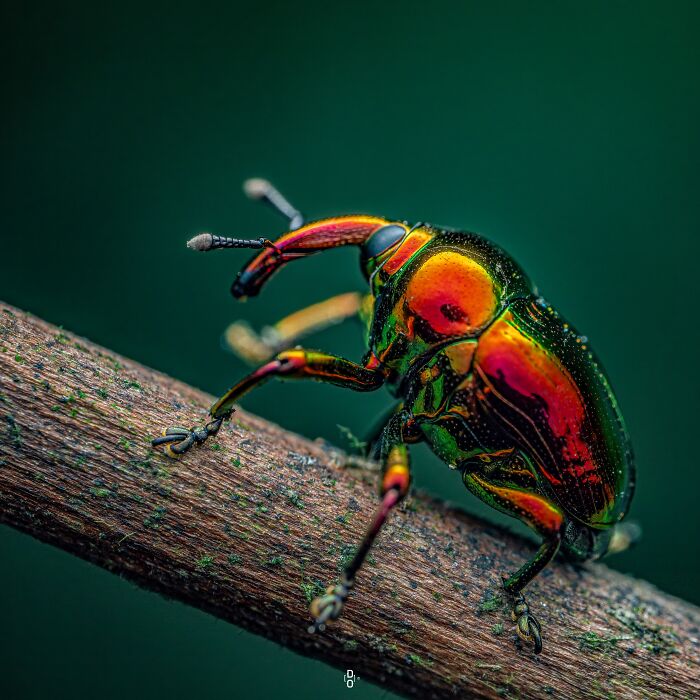
Image source: explorewithdara
#4 Female Wolf Spider (Family Lycosidae) Carrying Offspring
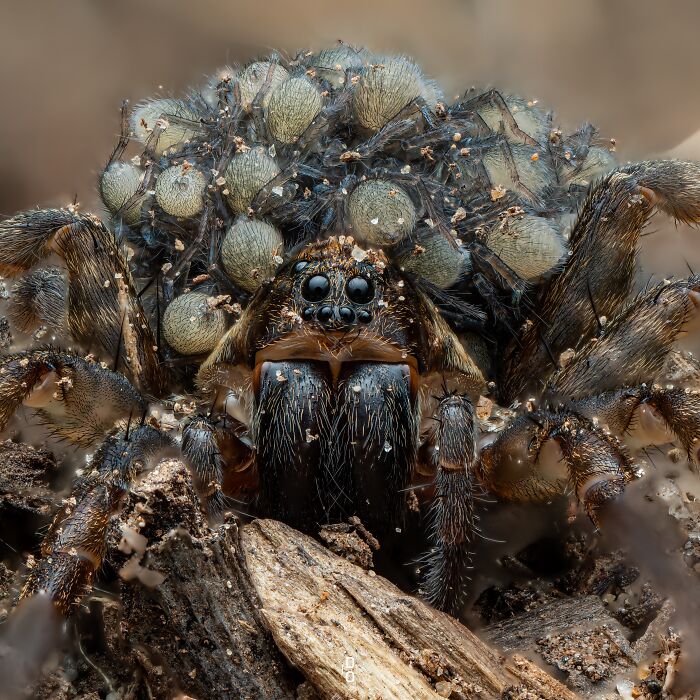
Image source: explorewithdara
“Over the years, that curiosity has taken me across continents, from forests in China to the rainforests of Costa Rica and Ecuador, and back to my home country, Nigeria. Along the way, I began thinking about how I could bring these experiences together in a way that people could enjoy beyond social media. I wanted something people could hold, take their time with, and perhaps share with someone who had never given insects a second thought. That’s how Tiny Titans came to life. It brings together 120 photographs and short stories about the incredible creatures I’ve encountered over the years. Personally, this milestone means a great deal to me. I’m entirely self-taught, and what began as a hobby during a very uncertain period of my life has become something much bigger than I ever imagined. Seeing those years of exploration, patience and discovery come together in a book is incredibly rewarding. More than anything, I hope it encourages people to look a little closer at the world around them.”
#5 Green Huntsman Spider (Micrommata Virescens)
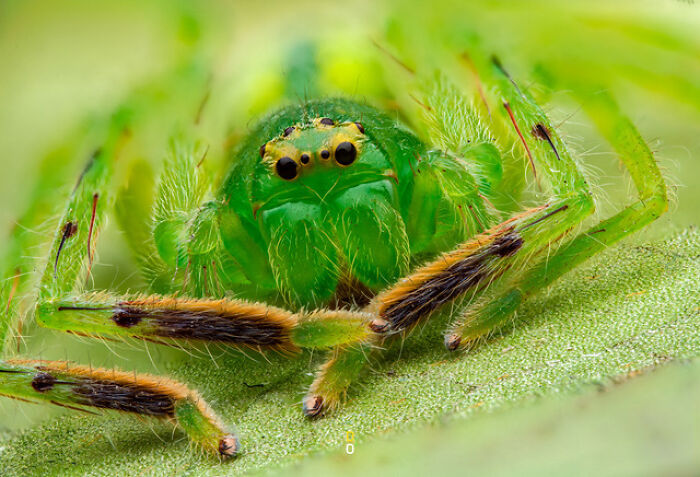
Image source: explorewithdara
#6 Primrose Moth (Schinia Florida)
Rosy Maple Moth
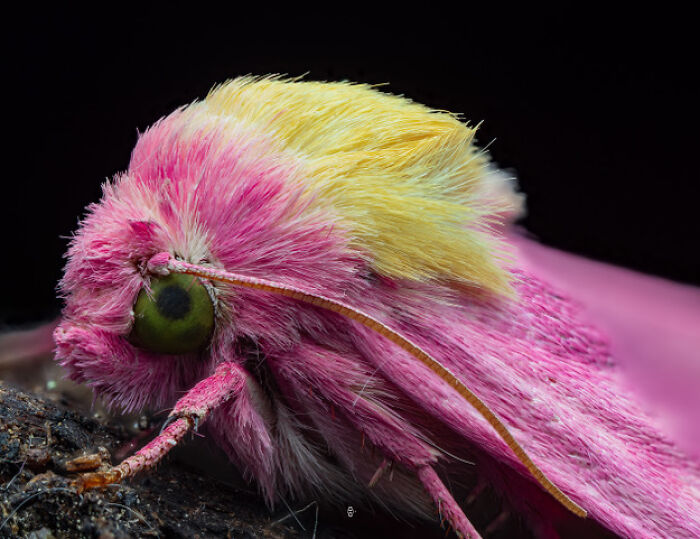
Image source: explorewithdara
With so many photographs and stories collected during his travels, we were also curious whether a particular encounter with a tiny creature had left a lasting impression on Dara: “There have been so many encounters that have stayed with me, but one that immediately comes to mind is photographing a wolf spider carrying her babies on her back in Mexico. Now, I know spiders aren’t everyone’s favourite creatures, and a photograph showing a spider covered in tiny spiderlings might not be what most people consider adorable! But what I was witnessing was something quite remarkable.”
#7 Ladybird Spider (Eresus Sandaliatus)
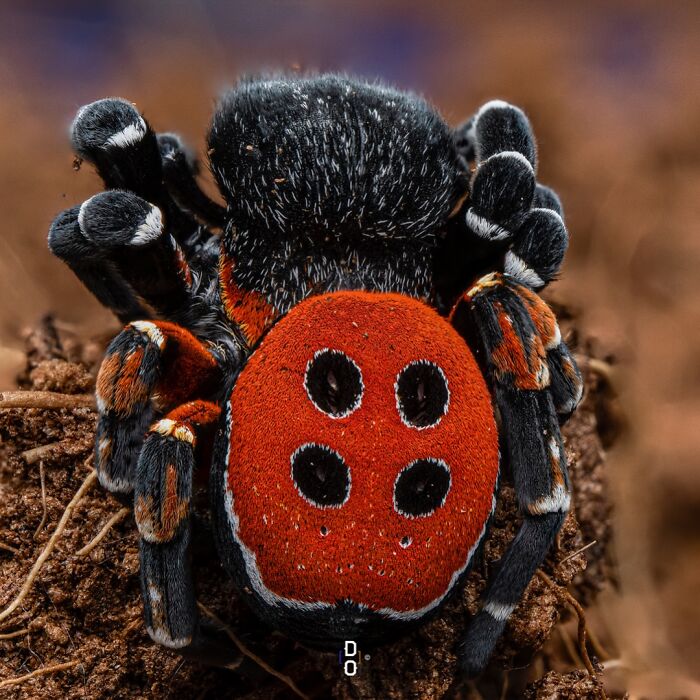
Image source: explorewithdara
#8 Jade Jumping Spider (Siler Semiglaucus)
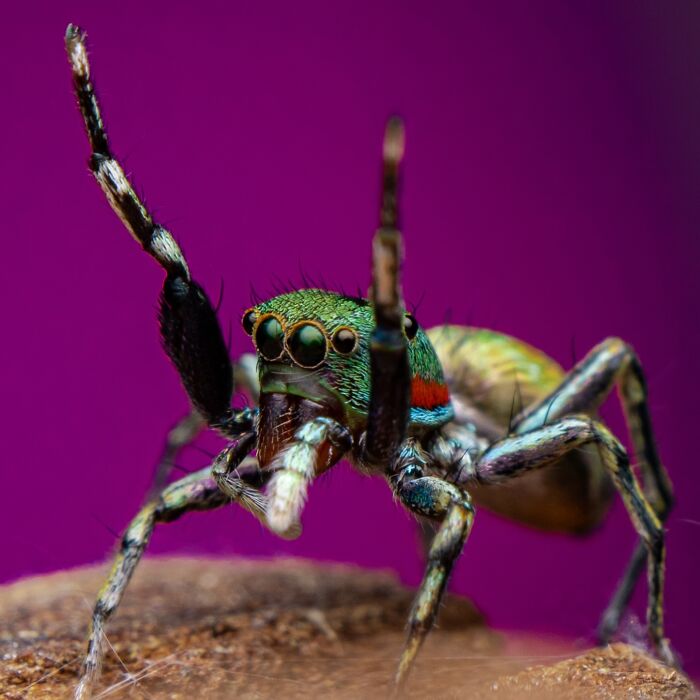
Image source: explorewithdara
“Female wolf spiders are incredibly dedicated mothers. After their eggs hatch, the spiderlings climb onto their mother’s back, where she carries them around until they’re ready to venture off on their own. It’s a fascinating example of parental care in a creature that many people instinctively fear. That encounter reminded me why I love doing what I do. We tend to associate behaviors like caring for offspring with birds and mammals, but equally fascinating stories unfold in the lives of much smaller animals. I think that’s one of the most beautiful things about macro photography. It allows me to reveal details and behaviors that would otherwise go unnoticed. And sometimes, all it takes is one photograph to completely change how someone feels about an animal they’ve been afraid of their entire life.”
#9 Ladybug (Coccinellidae)
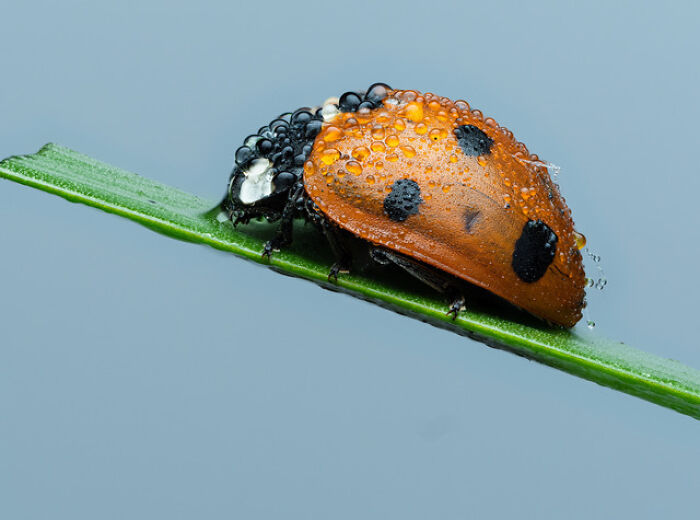
Image source: explorewithdara
#10 Weevil (Pissodes Pini)
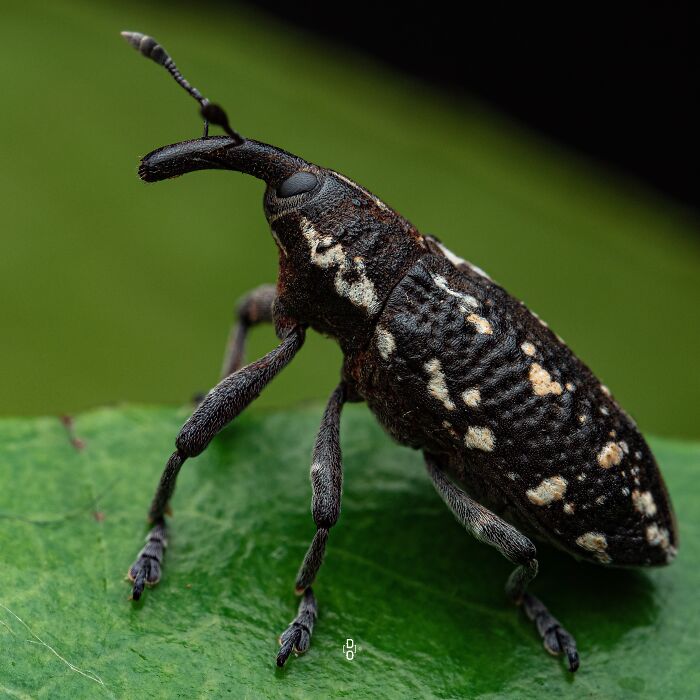
Image source: explorewithdara
We then asked Dara about some of the biggest challenges of photographing such small, often unpredictable subjects in their natural environments, and what the experience has taught him over the years: “I think one of the biggest misconceptions about macro photography is that because the subjects are small, they must be easy to photograph. In reality, it can be quite the opposite! Imagine trying to photograph a creature that’s just a few millimeters long, constantly moving, sometimes in complete darkness, while you’re surrounded by mosquitoes, humidity and unpredictable weather. Then add the challenge of getting the eyes perfectly in focus while working at extreme magnification. Even the slightest movement can ruin a photograph. I’ve spent countless hours in forests, sometimes returning without a single photograph I’m happy with. But that’s part of the experience, and I’ve learned to appreciate it.”
#11 Weevil (Family Curculionidae)
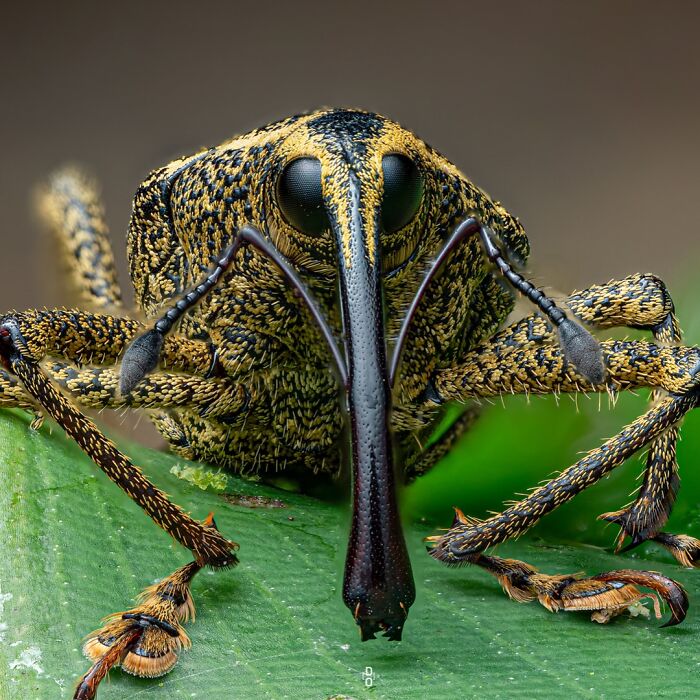
Image source: explorewithdara
#12 Giraffe Weevil
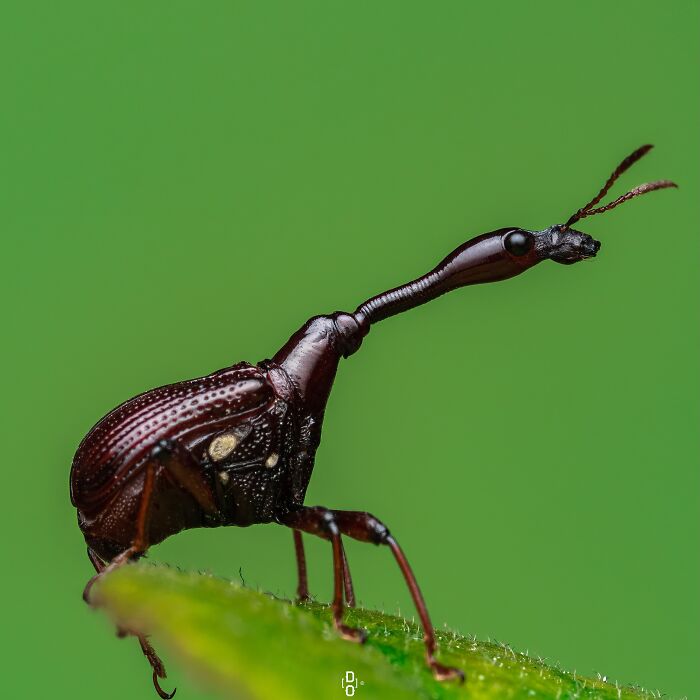
Image source: explorewithdara
“One thing that’s particularly important to me is photographing creatures in their natural environments without harming, manipulating or staging them. That means working around their behavior rather than expecting them to cooperate. Sometimes the best decision is to put the camera down and simply observe. Perhaps the greatest lesson I’ve learned is that nature operates on its own terms. Patience matters, but so does curiosity. The more time I spend observing these animals, the more I realize how much we still have to learn about them. And despite having photographed these creatures for more than six years, I still get excited every time I encounter something I’ve never seen before. I hope that feeling never goes away.”
#13 Green Broad-Nosed Weevil (Polydrusus Formosus)
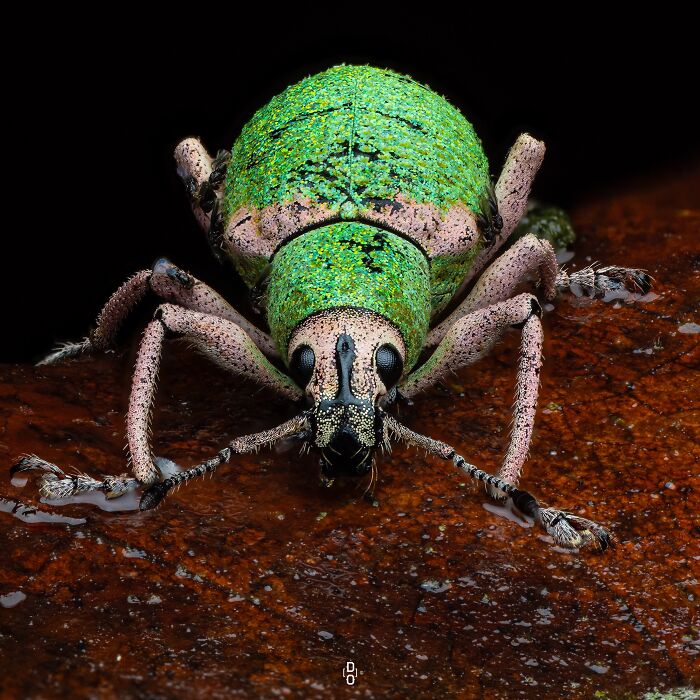
Image source: explorewithdara
#14 Pale Green Weevil (Polydrusus Impressifrons)
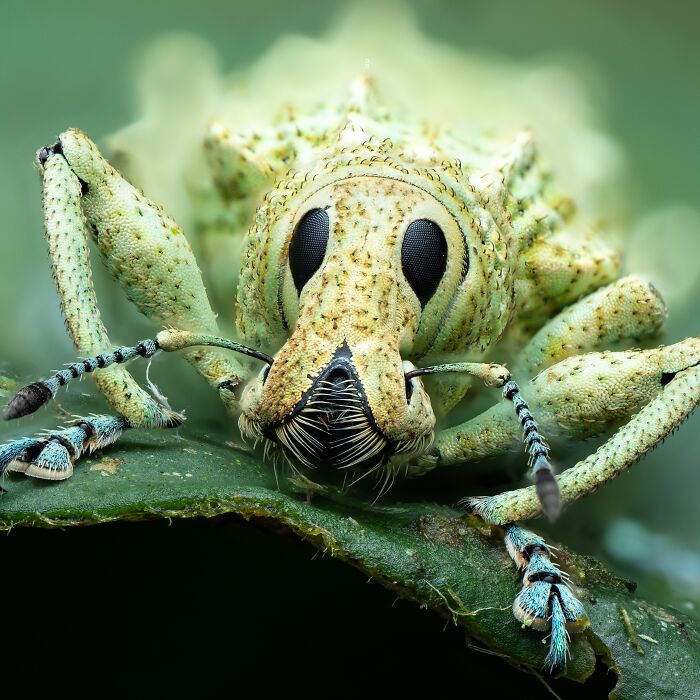
Image source: explorewithdara
Finally, since insects and spiders are often overlooked or feared, we wanted to know what Dara hopes people will understand about these animals after seeing his photographs or reading Tiny Titans, particularly when it comes to their importance in nature: “I would love for people to understand that these creatures are not just here to frighten us, annoy us or occasionally wander into our homes. They are some of the most important animals on our planet. Insects and other arthropods play extraordinary roles in keeping ecosystems functioning. They pollinate plants, recycle organic matter, help maintain healthy soils, regulate other animal populations and provide food for countless species. Without them, the natural world as we know it would be very different. But beyond their ecological importance, I want people to appreciate them as fascinating living creatures in their own right. A jumping spider looking directly into my camera, a mantis perfectly disguised among leaves, or a mother spider carrying her babies might seem like small moments, but they reveal a world filled with remarkable adaptations, behaviors and survival strategies.”
#15 Green Huntsman Spider (Micrommata Virescens)
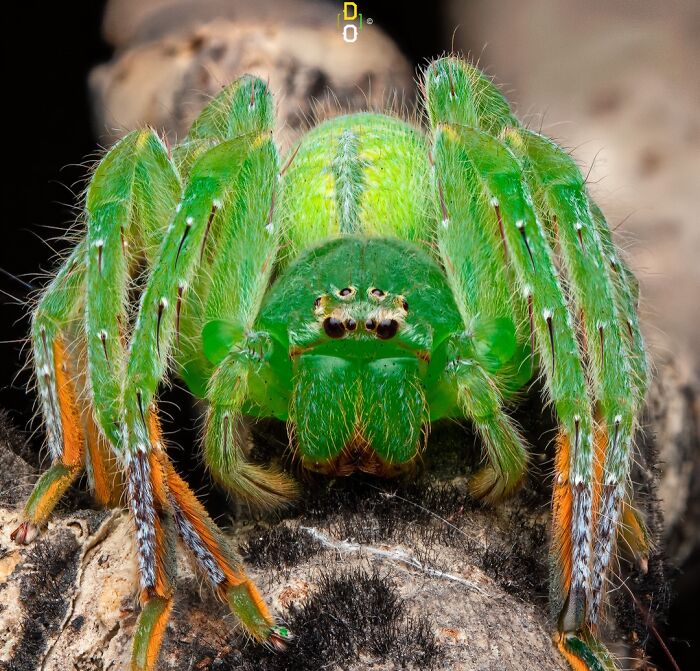
Image source: explorewithdara
#16 Male And Female Goldenrod Crab Spider (Misumena Vatia)
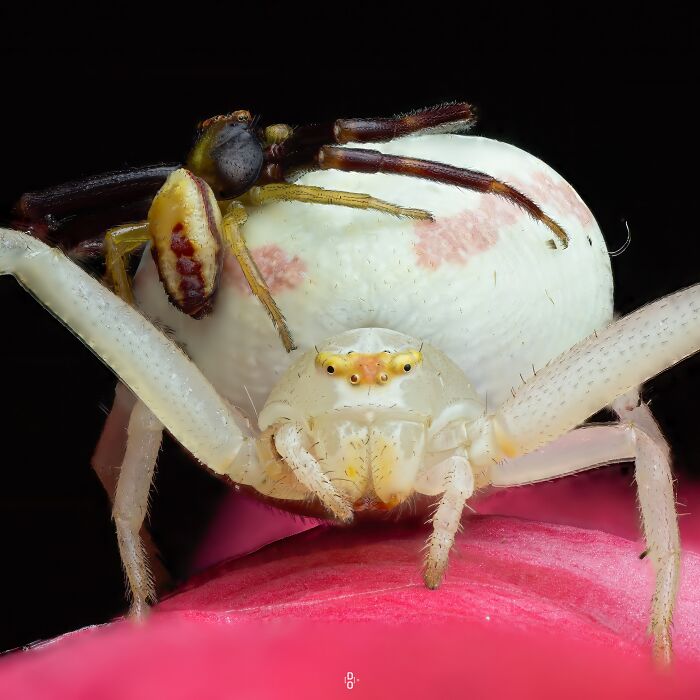
Image source: explorewithdara
“This is also why becoming a Rainforest Alliance Ambassador recently has been particularly meaningful to me. It’s an opportunity to continue using photography and storytelling to raise awareness about biodiversity and the importance of protecting the natural world. I believe that the more people understand and appreciate these creatures, the more likely they are to care about what happens to them and the habitats they depend on. I also understand that not everyone will fall in love with spiders or insects after seeing my photographs, and that’s perfectly fine! I’m not asking people to love every creature they encounter. I’m simply hoping they’ll become a little more curious, a little less fearful, and perhaps think twice before harming something they don’t understand. That, to me, is what Tiny Titans is really about. Making the tiny impossible to ignore, and reminding people that protecting nature also means protecting the creatures we rarely stop to notice.”
#17 Frog-Legged Leaf Beetle (Sagra Buqueti)
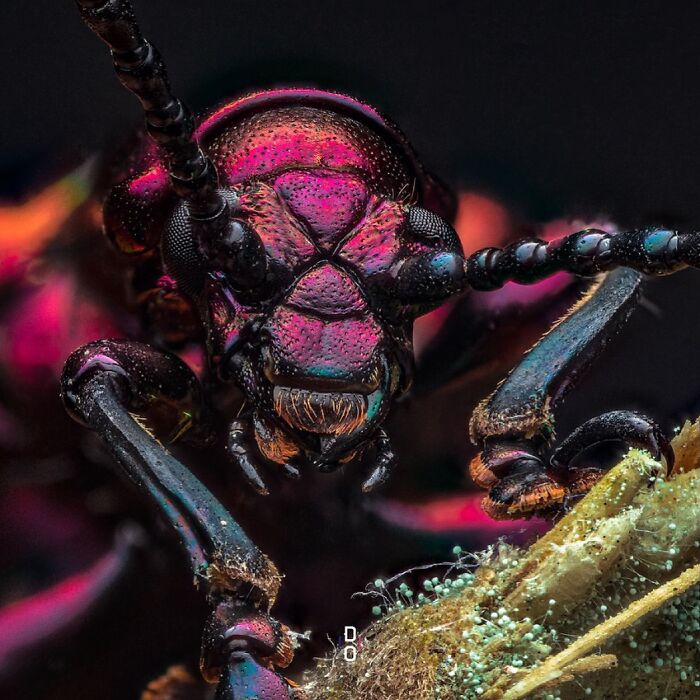
Image source: explorewithdara
#18 Ogre-Faced Spider (Deinopis Subrufa)
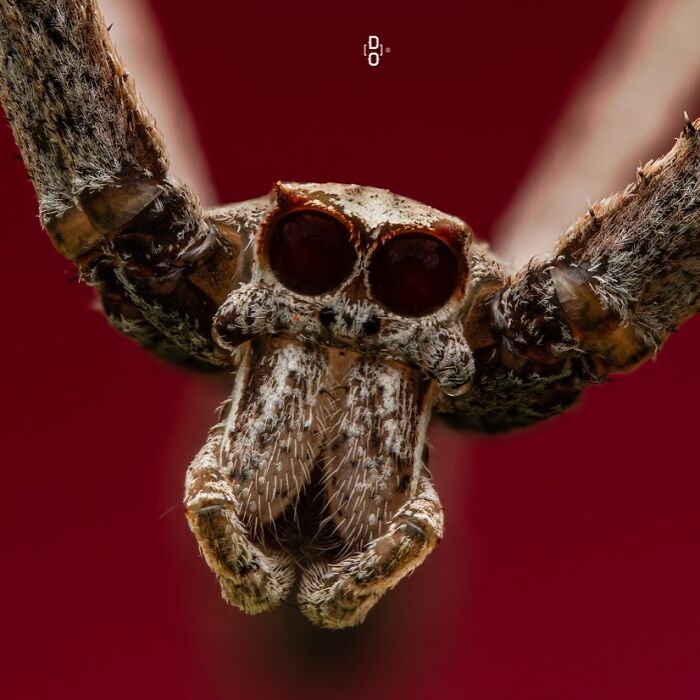
Image source: explorewithdara
#19 Female Horsefly (Family Tabanidae)
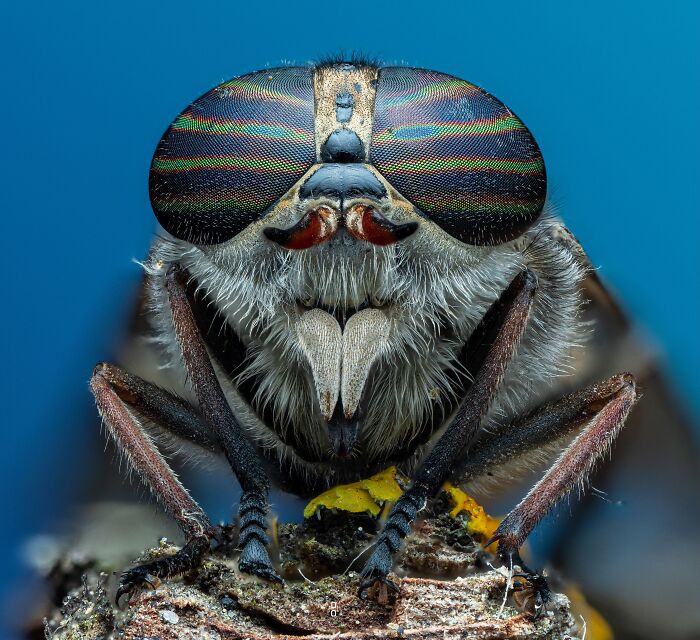
Image source: explorewithdara
#20 Clown-Face Tiger Moth (Idalus Critheis)
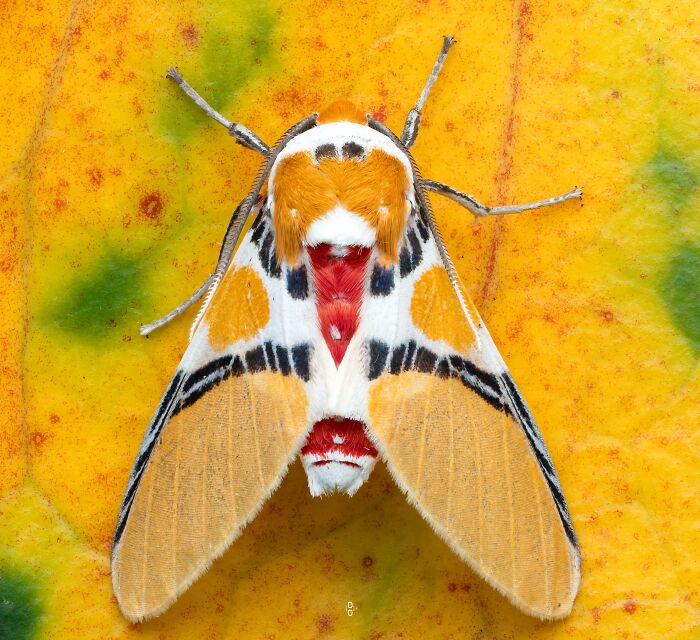
Image source: explorewithdara
#21 Amazonian Poison Frog (Ranitomeya Ventrimaculata)
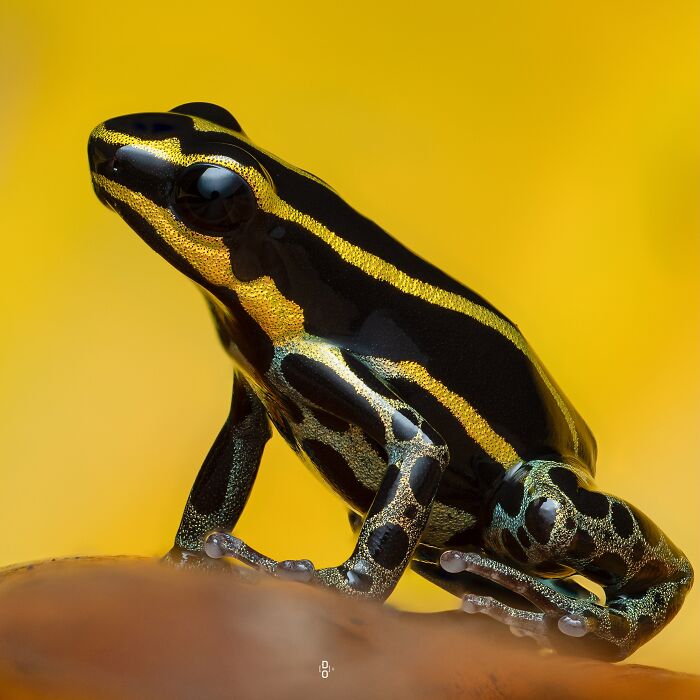
Image source: explorewithdara
#22 Tiger Moth
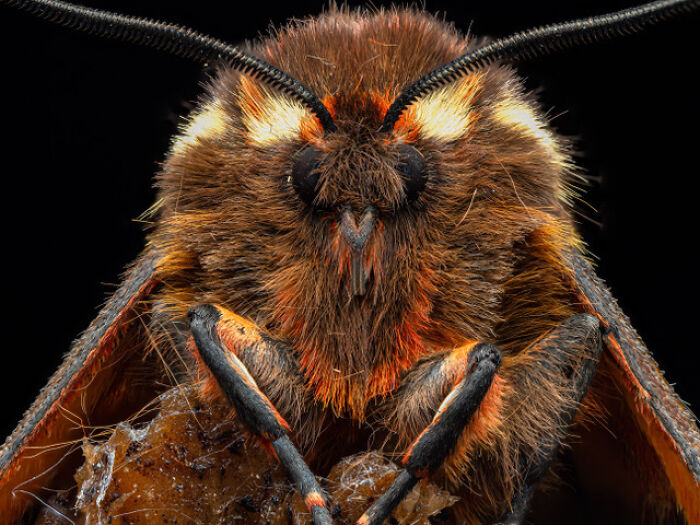
Image source: explorewithdara
#23 Spiny-Headed Tree Frog (Triprion Spinosus)
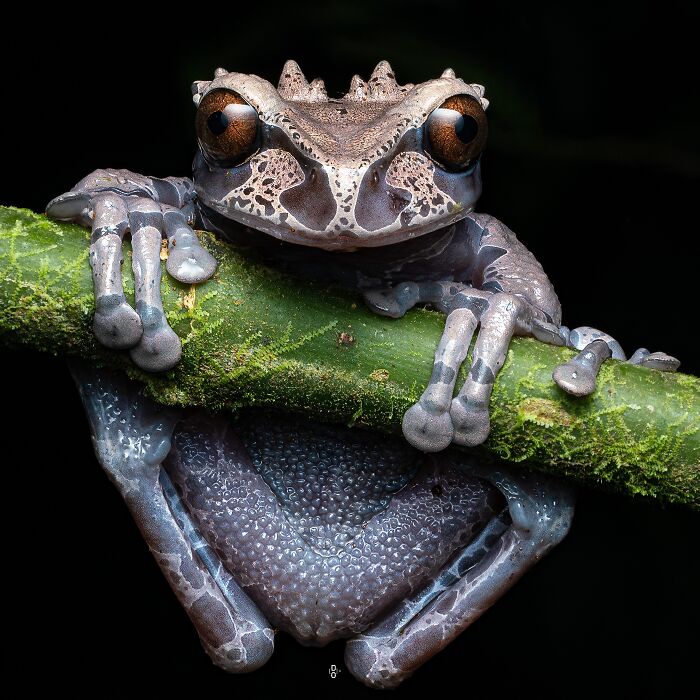
Image source: explorewithdara
#24 Cottony Planthopper Nymph (Family Flatidae)
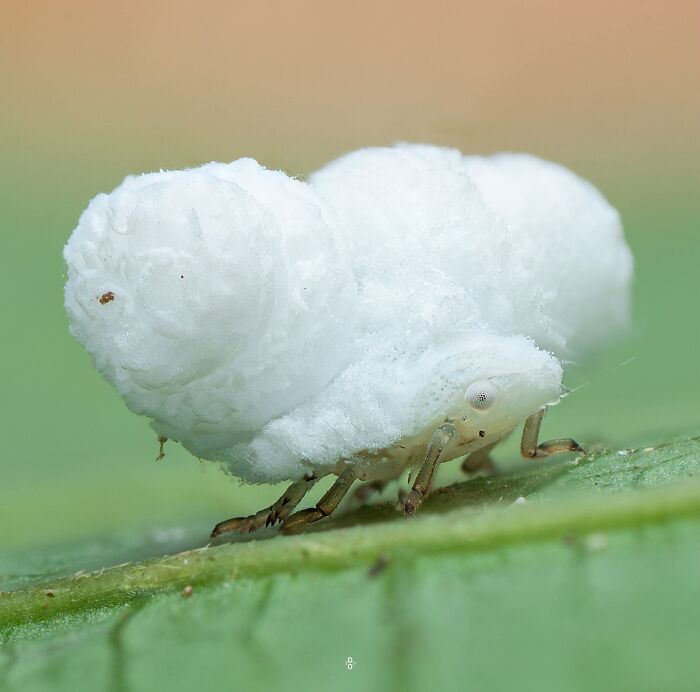
Image source: explorewithdara
#25 Rhinoceros Katydid (Copiphora Rhinoceros)
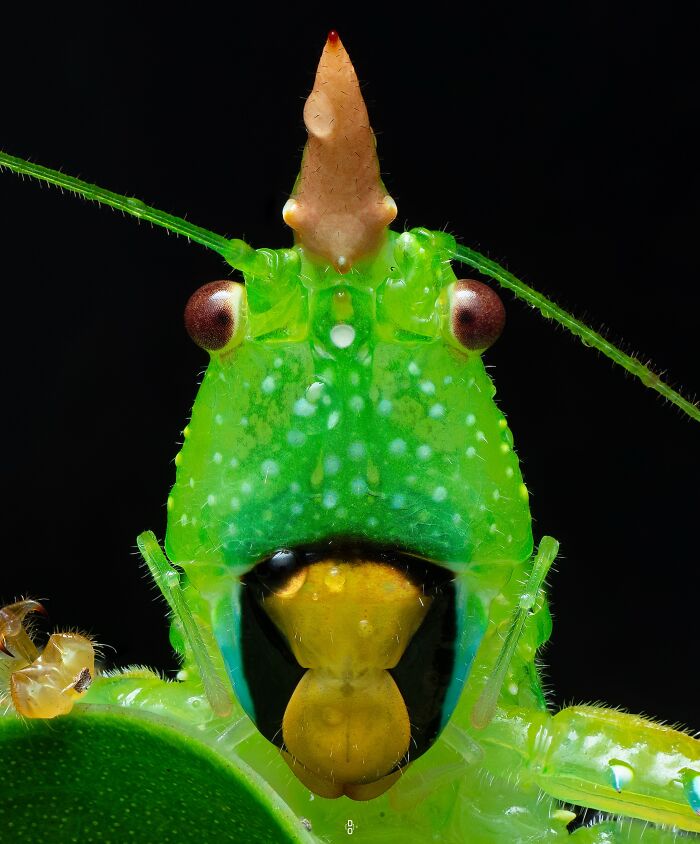
Image source: explorewithdara
#26 Mating Weevils (Sub-Family Entiminae)
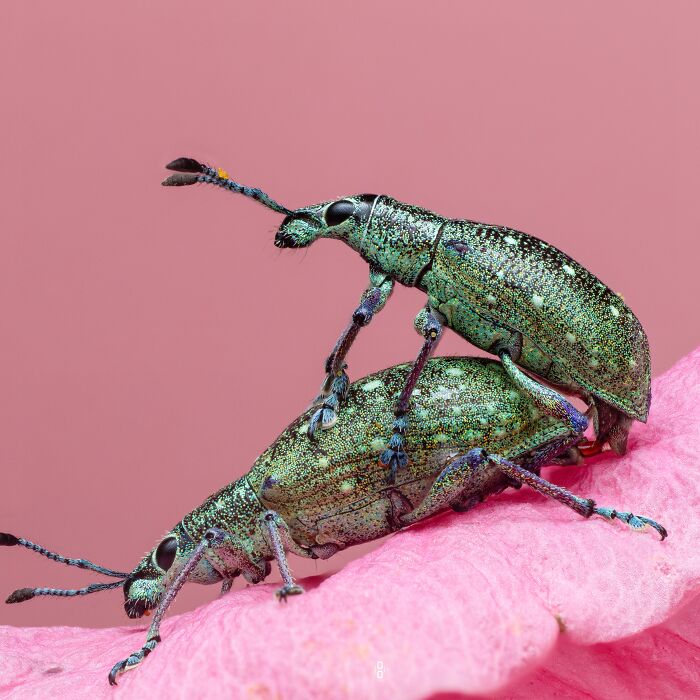
Image source: explorewithdara
#27 Weevil
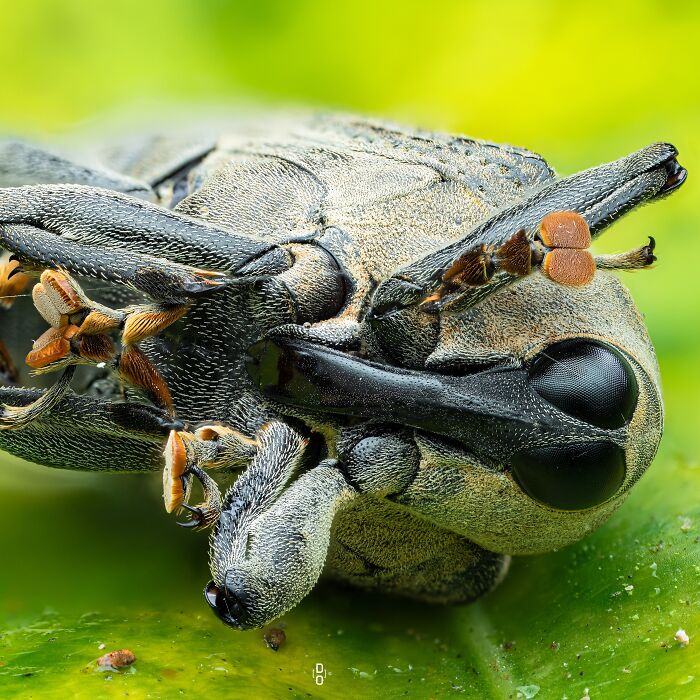
Image source: explorewithdara
#28 Spiny Weevil (Acantholophus Echinatus)
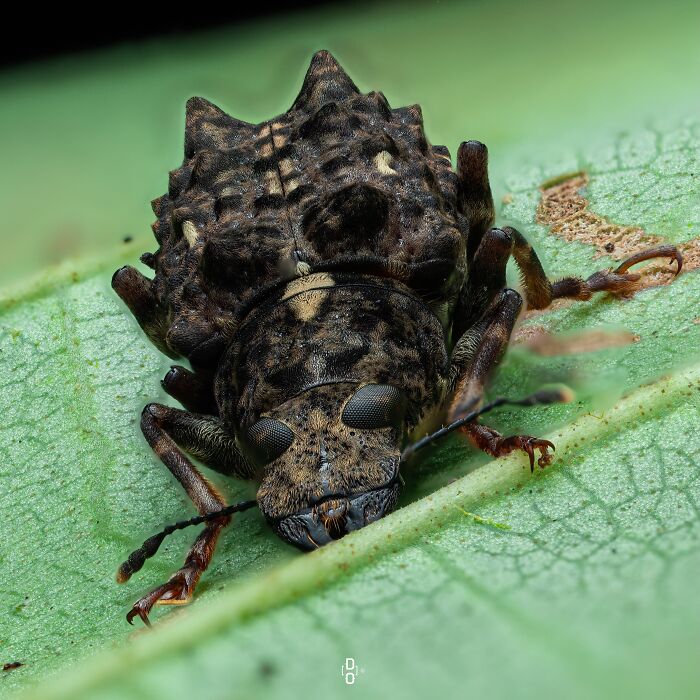
Image source: explorewithdara
#29 Weevil (Family Curculionidae)
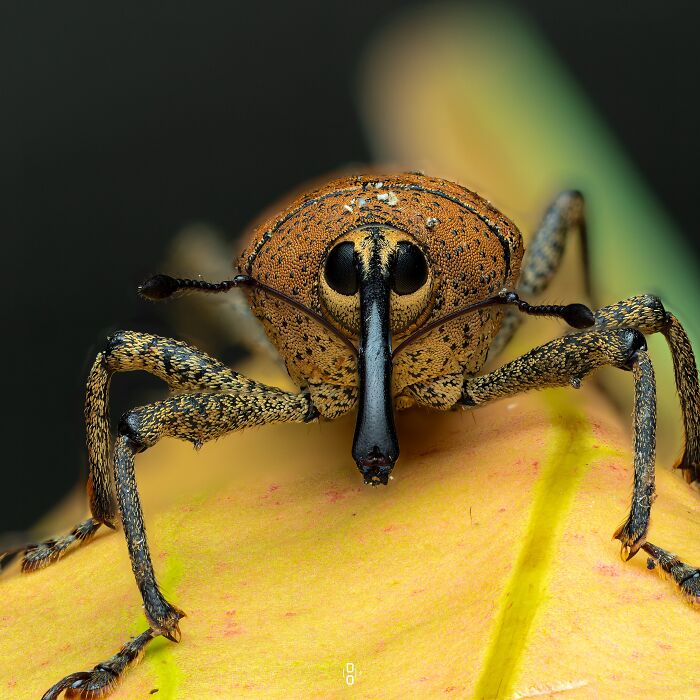
Image source: explorewithdara
#30 Bamboo Beetle (Cyrtotrachelus Dux)
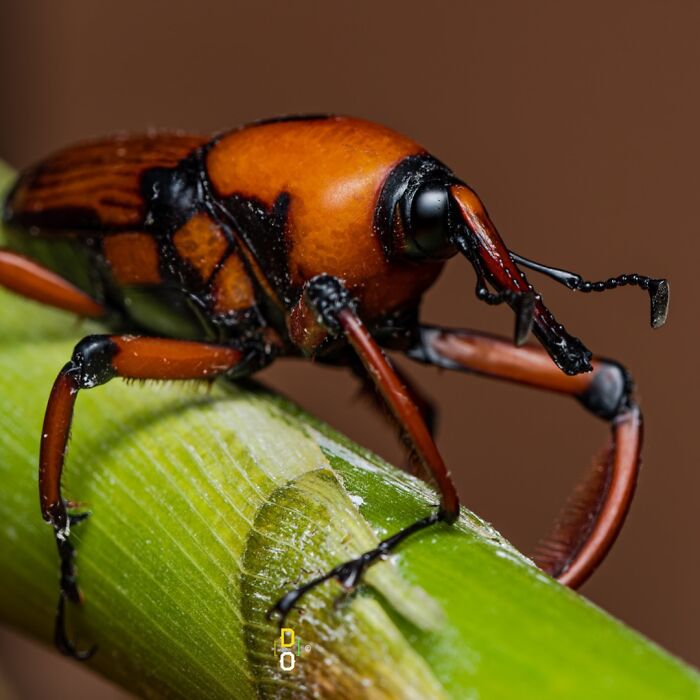
Image source: explorewithdara
#31 Red Leaf-Rolling Weevil (Homoeolabus Analis)
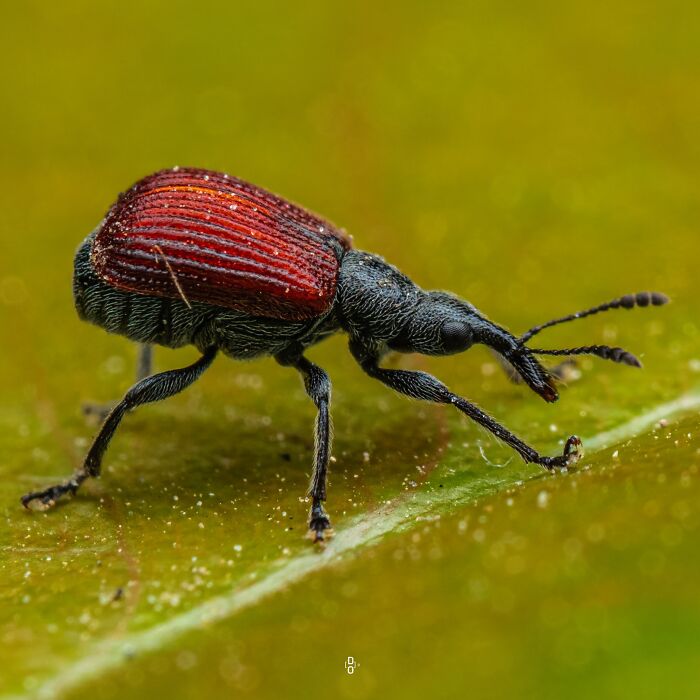
Image source: explorewithdara
#32 Weevil (Family Curculionidae)
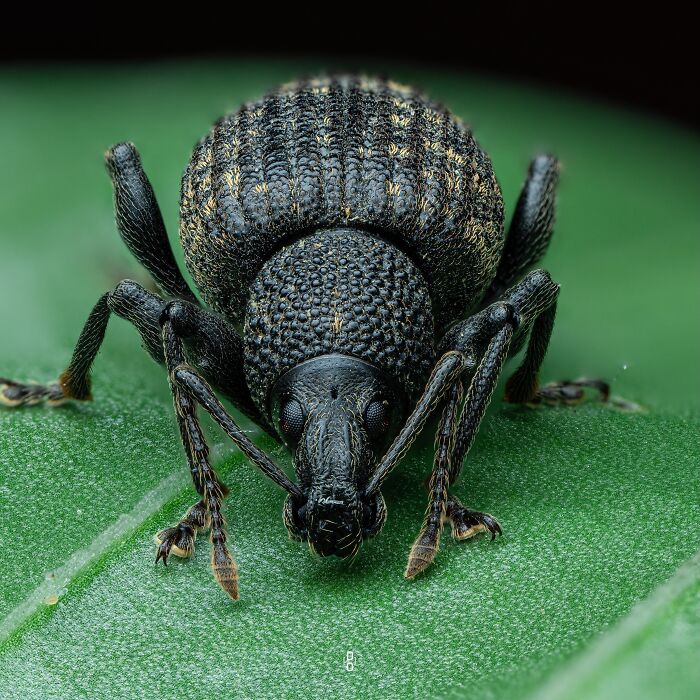
Image source: explorewithdara
#33 Fly-Mimicking Weevil (Timorus Sarcophagoides)
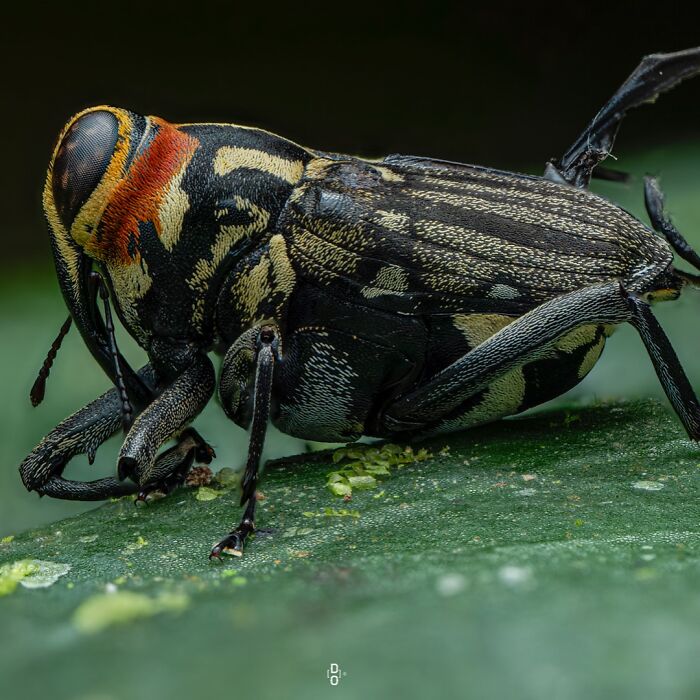
Image source: explorewithdara
#34 Green Weevil
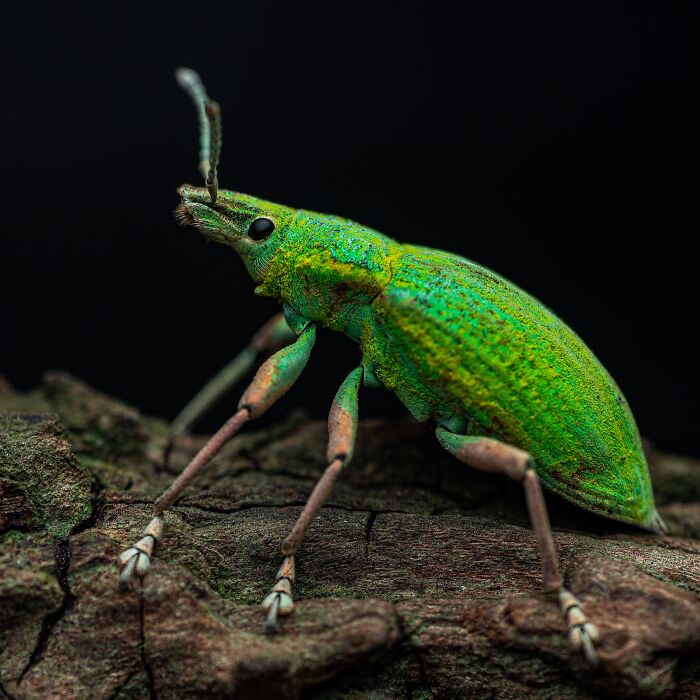
Image source: explorewithdara
#35 Praying Mantis
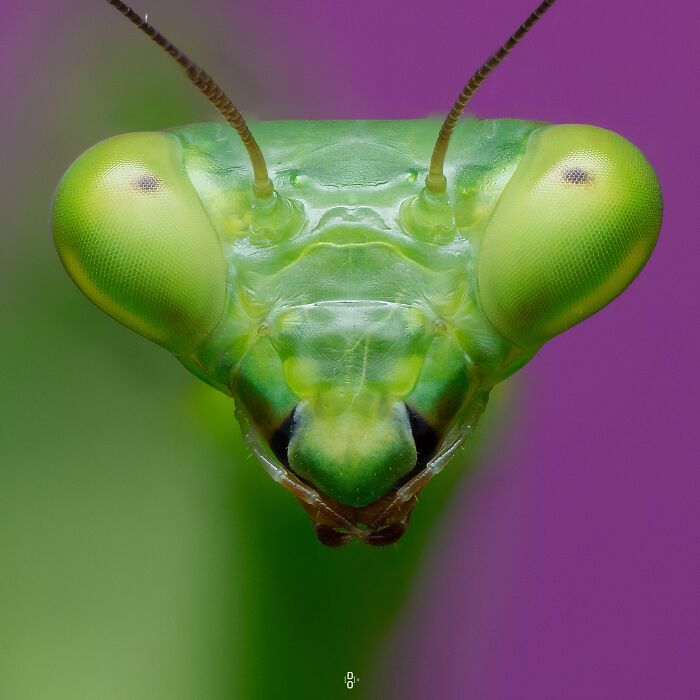
Image source: explorewithdara
#36 Green Jumping Spider (Lyssomanes Viridis)
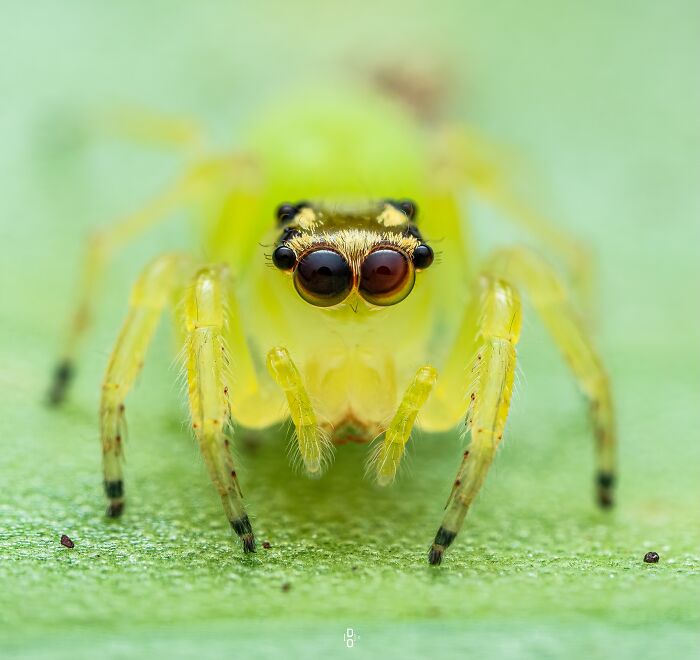
Image source: explorewithdara
#37 Yellow-Headed Snake (Oxyrhopus Occipitalis)
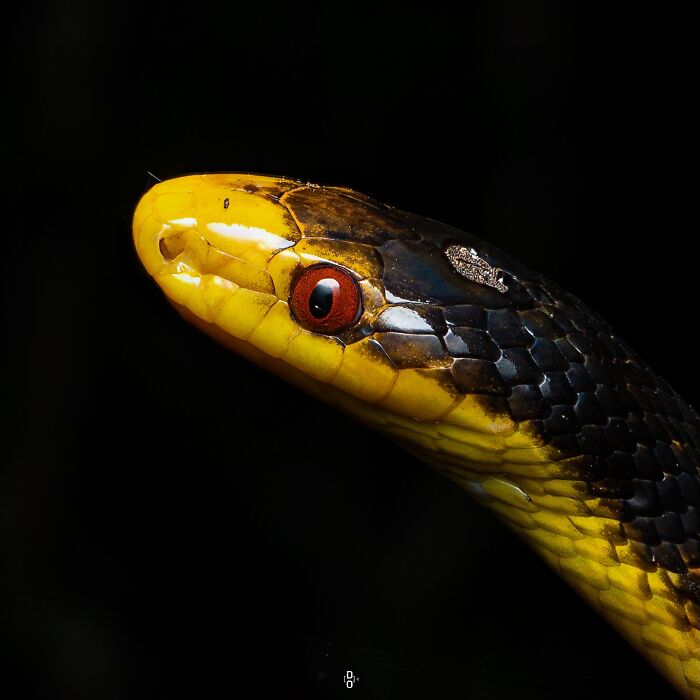
Image source: explorewithdara
#38 Moth (Lepidoptera)
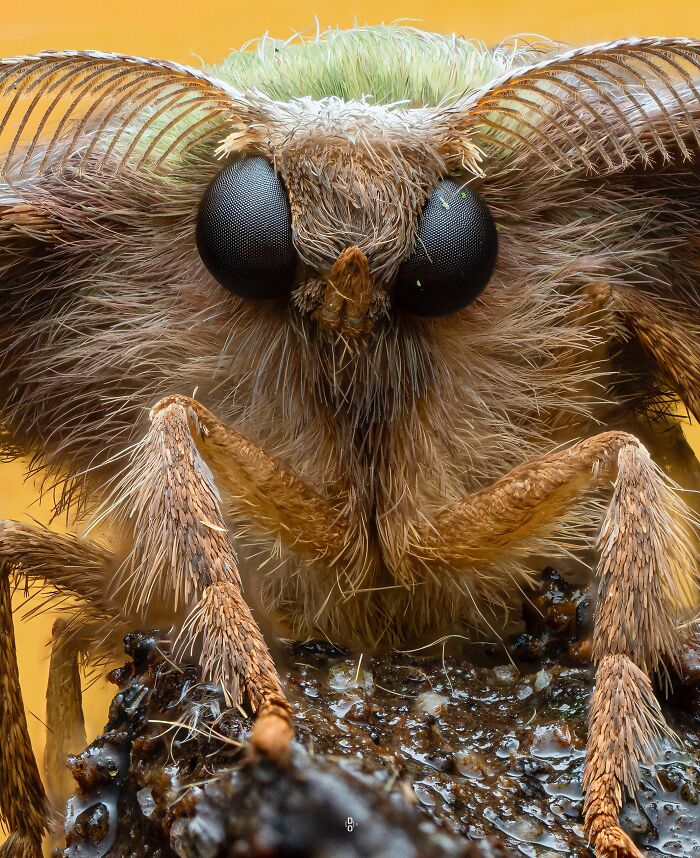
Image source: explorewithdara
#39 Hoverfly (Family Syrphidae)
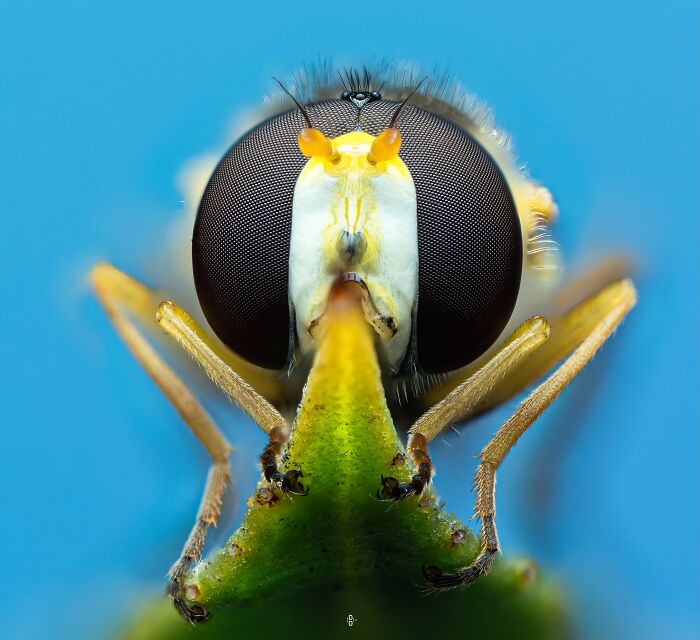
Image source: explorewithdara
#40 Mango Stem Borer Beetle (Batocera Rufomaculata)
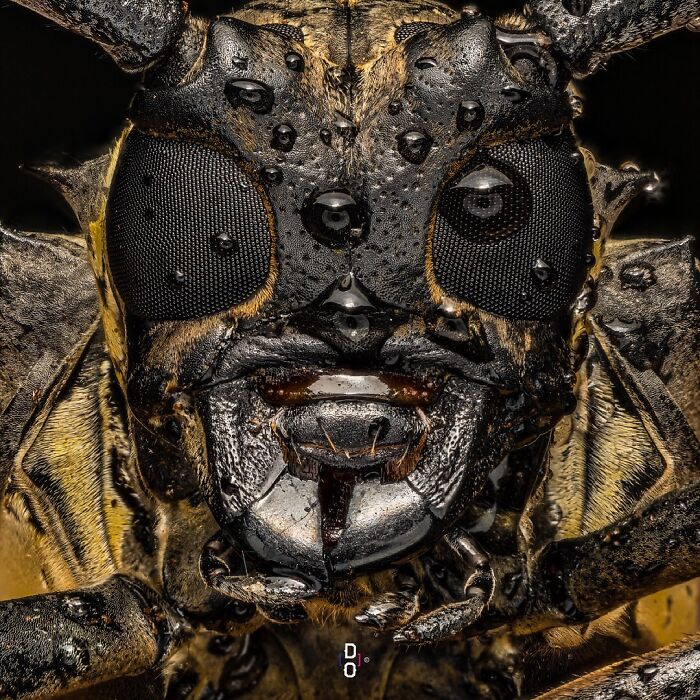
Image source: explorewithdara
#41 Long-Headed Planthopper (Family Dictyopharidae)
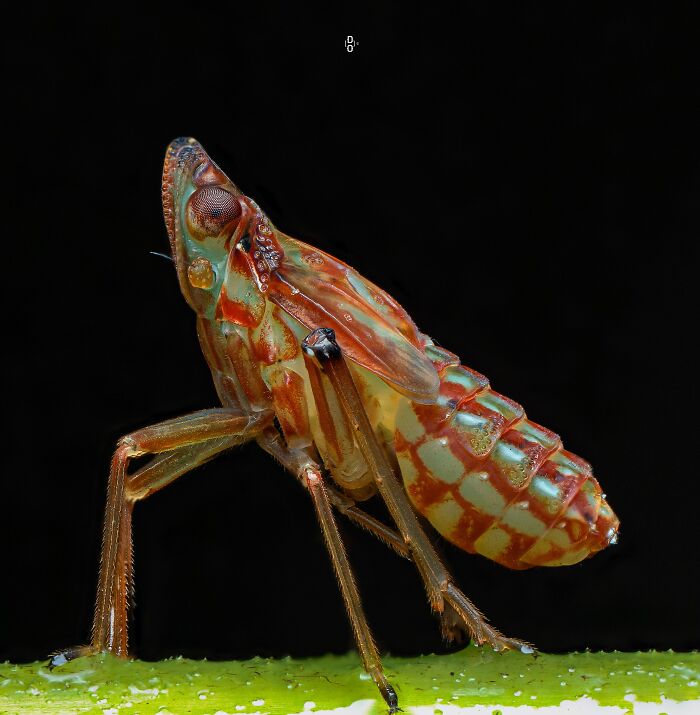
Image source: explorewithdara
#42 Mating Weevils
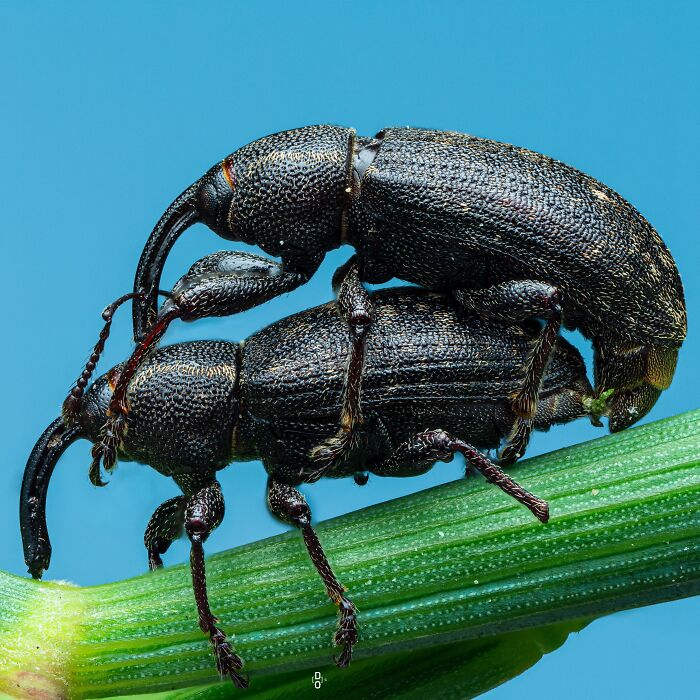
Image source: explorewithdara
#43 Planthopper Nymph
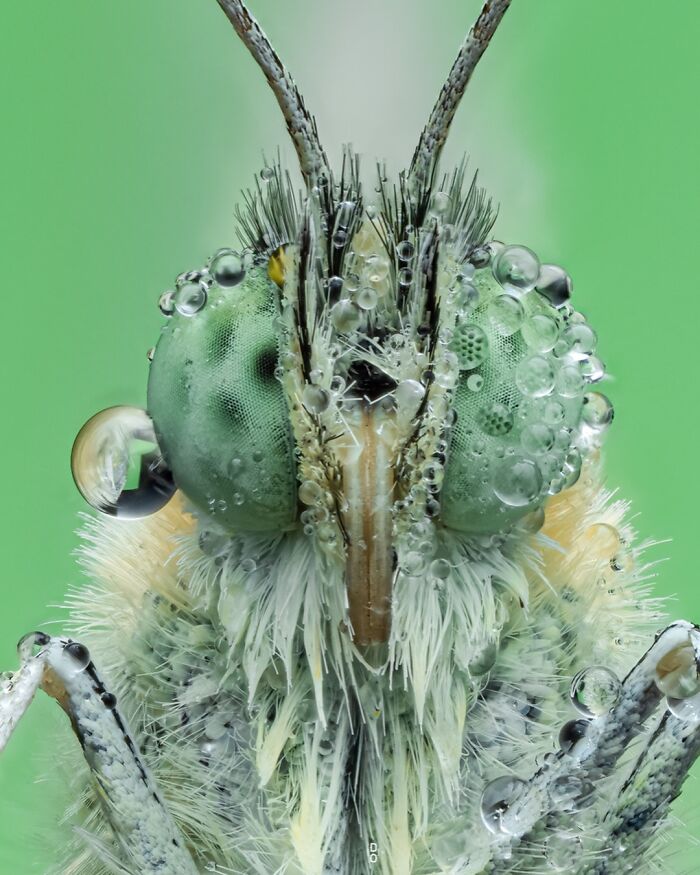
Image source: explorewithdara
#44 Longhorn Beetle (Family Cerambycidae)
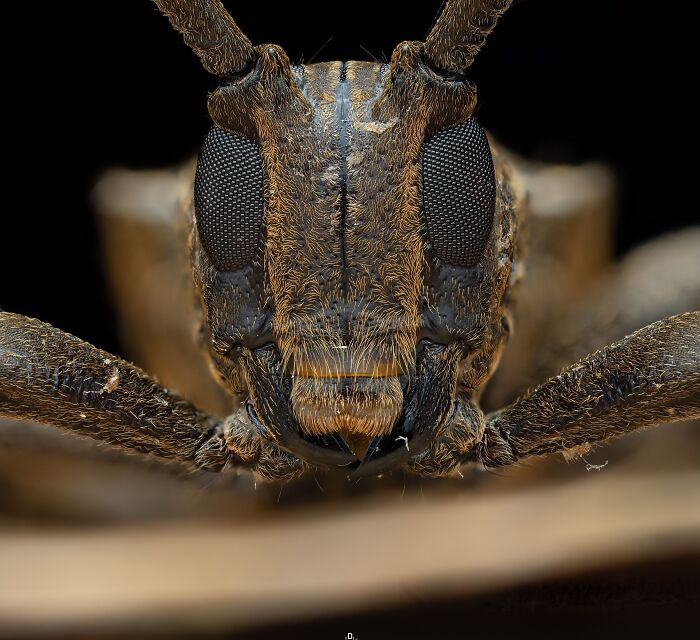
Image source: explorewithdara
 Follow Us