Many people dream of getting paid to do absolutely nothing at work. However, you have to be careful with what you wish for. What might seem like winning the lottery at first can soon leave you feeling stressed, anxious, and scared, and questioning your ethics and purpose in life.
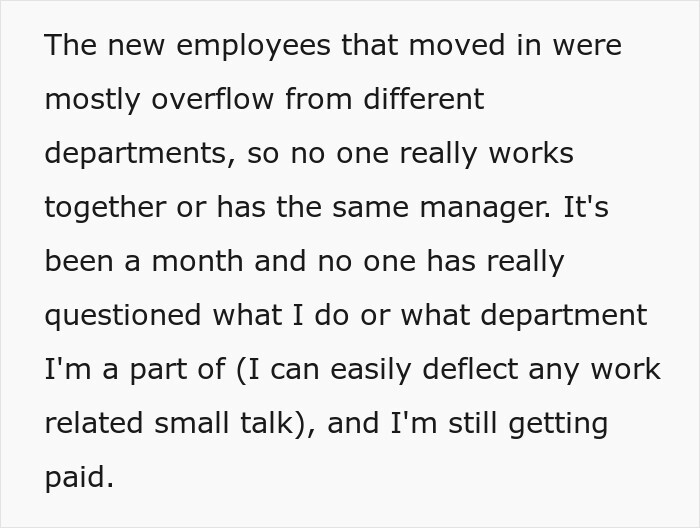
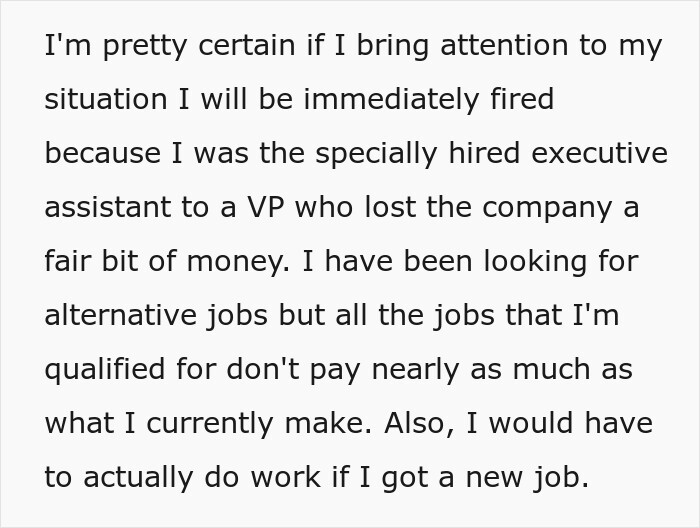
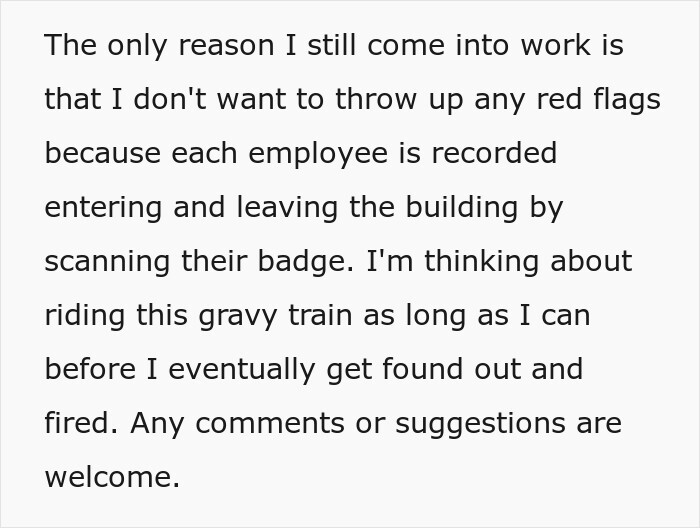
Employee u/SirDackADoo took the internet on a wild ride, revealing how he “slipped through the cracks” at his company. He was getting paid to do no work all day. However, regret soon started creeping in, and he started looking for a way out. Keep scrolling to read his epic story.
Doing nothing at work may sound splendid, but it can, surprisingly, lead to a lot of stress

Jonathan Borba / Pexels (not the actual photo)

This worker revealed how he ended up getting paid to laze around all day at the office. It seemed perfect at first

Vitaly Gariev / Pexels (not the actual photo)

Vitaly Gariev / Pexels (not the actual photo)
Broadly speaking, employees are genuinely productive only for a few hours each day
Employers may want maximum efficiency, but employees are rarely fully engaged throughout the entire workday. The actual number of hours they work is often much lower than their official hours. Remember, being actually productive and working more hours are not the same thing.
That’s natural. Your mind and body need rest. Working more and more does not lead to better results. Ideally, your employees will be able to do deep work and genuinely focus on their tasks, instead of multitasking and taxing their brains.
Moreover, by not going above and beyond every waking moment at the office, you tend to avoid burnout. Strategically, in the long run, you want to aim for high-quality but sustainable work, rather than forcing overtime on already exhausted staff members.
Companies ought to embrace a healthy work-life balance, so long as employees are behaving fairly and aren’t trying to “game the system” to avoid their responsibilities.
So, how much does the average employee actually work each day? As reported by time-tracking platform My Hours, on average, a person is only productive for 2 hours and 53 minutes each day.
Meanwhile, around 2 hours are spent procrastinating each day. Generally speaking, employees spend a mere 12 minutes on a task before they’re interrupted. That’s particularly harmful because it takes a whopping 23 minutes to refocus on a task.
Offering your workers flexible hours can make them 39% more productive and provide them with 64% better focus, according to a report by Future Forum.

Yan Krukau / Pexels (not the actual photo)
Just because someone looks busy doesn’t mean that they’re actually busy
On the flip side, employees with rigid work schedules are 2.5 times more likely to look for a new job, 4.6 times more likely to suffer from stress and anxiety related to work, and 2.6 times more likely to have a worse work-life balance.
Some workers end up pretending to do their jobs instead of actually being productive. They focus on merely looking busy instead of doing something that brings value to the company and improves their own skills.
There’s quite a bit of variation in this by country and culture. According to data from Statista, employees in India spend 43% of their time doing performative work versus 57% productive work.
In Japan, employees spend 37% of their time on performative work, and a similar number (36%) is found in Singapore.
In the United States and South Korea, just 28% of employees’ time is spent on performative work. In Germany, 29% of time is spent on ‘pretend mode,’ while this number stands at 30% in the United Kingdom and 31% in France.
We want to hear your perspective, Pandas. Once you’ve finished reading the entire story, drop by the comments to share your take. What is your dream job? How long do you think you would enjoy being paid to do nothing at work before you sought out some interesting tasks? What are the best and worst jobs you’ve ever had, and why? Let us know!
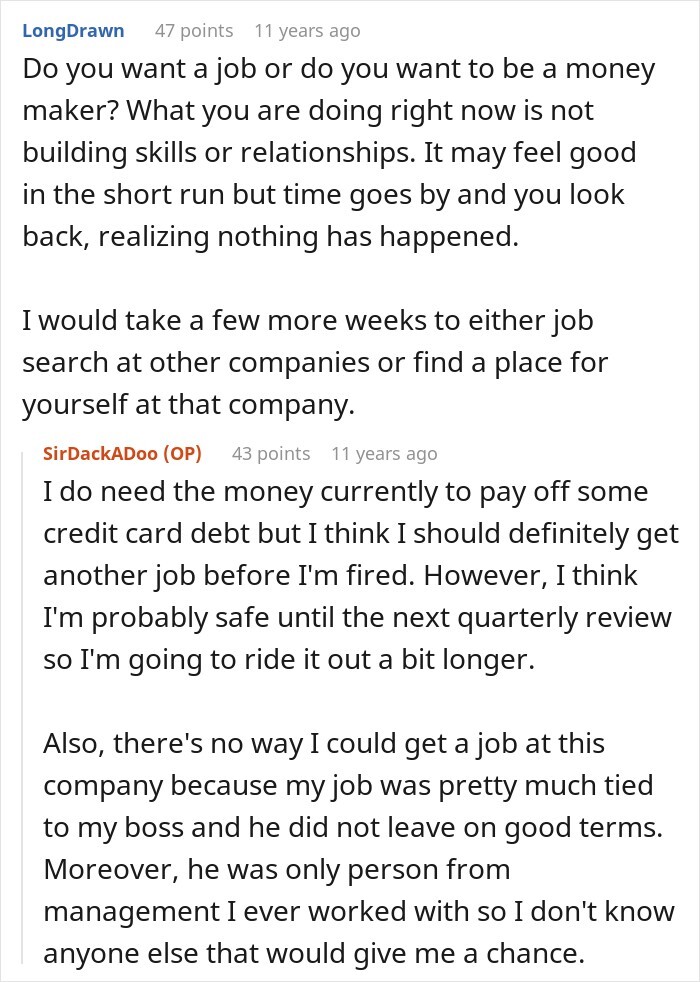
The internet had a lot to say about the employee’s unique situation. Here are some people’s thoughts
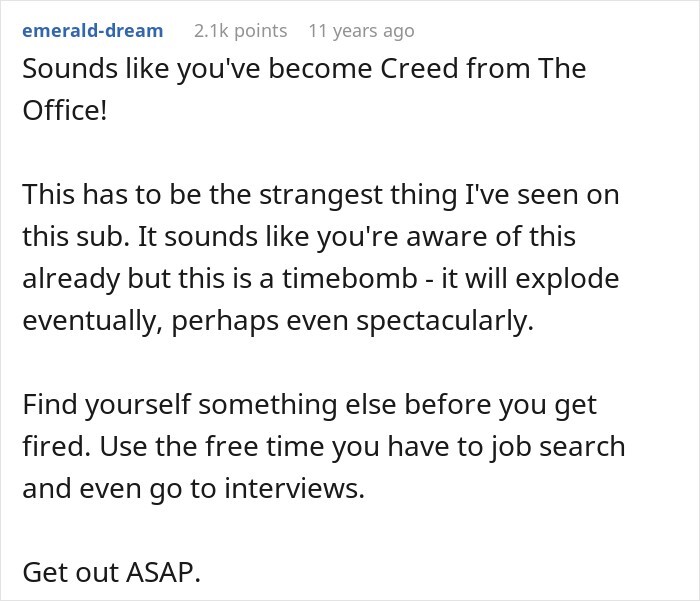
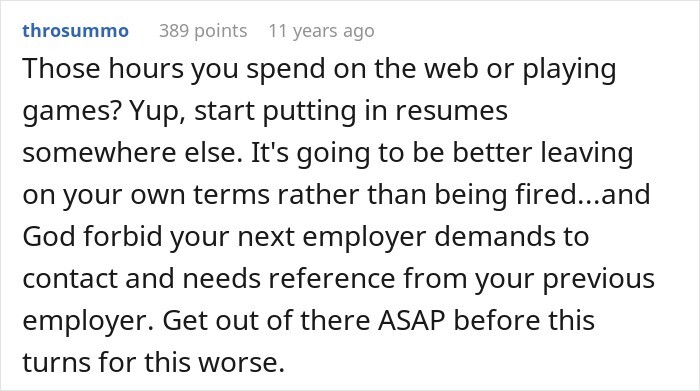

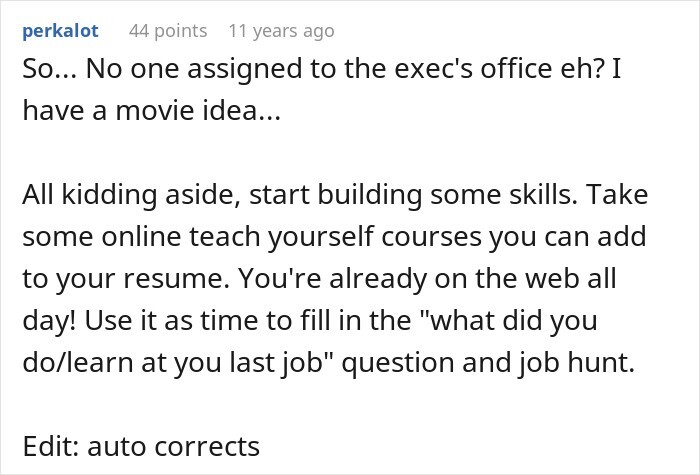
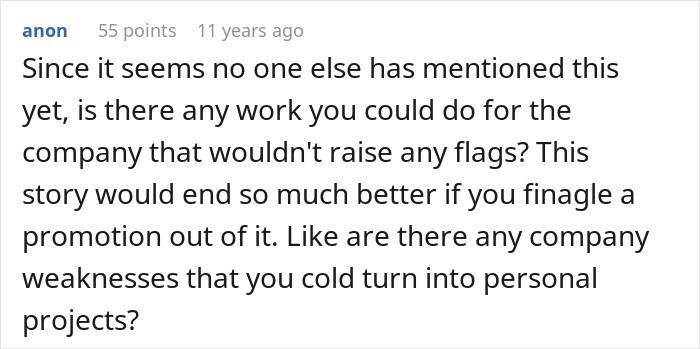

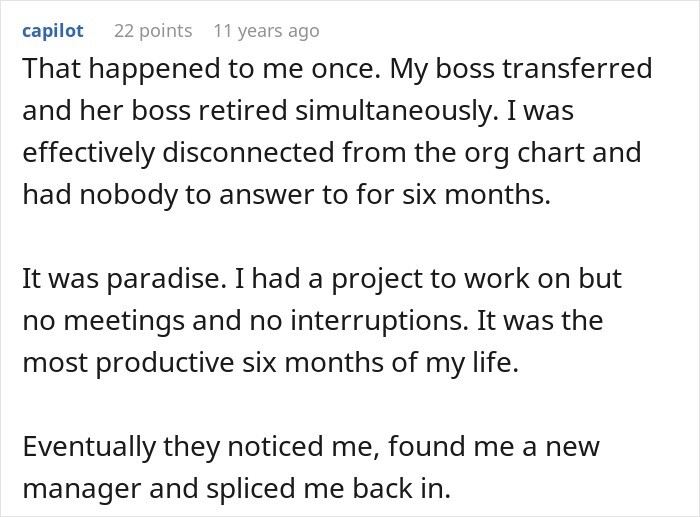
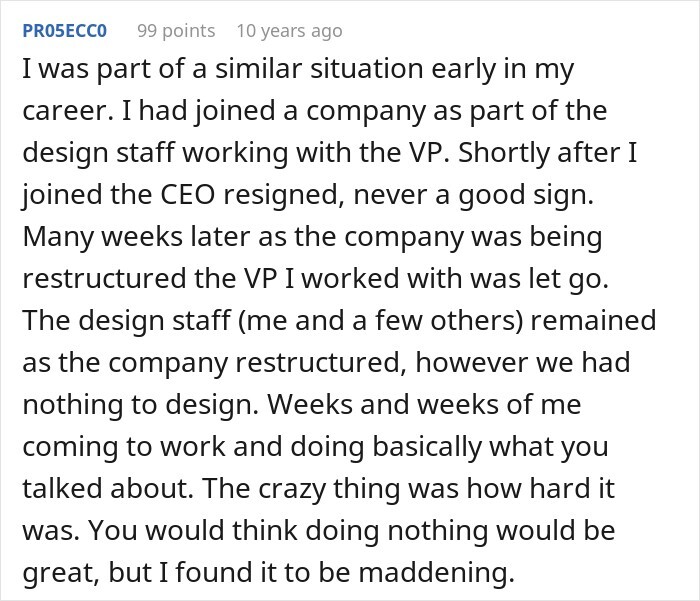
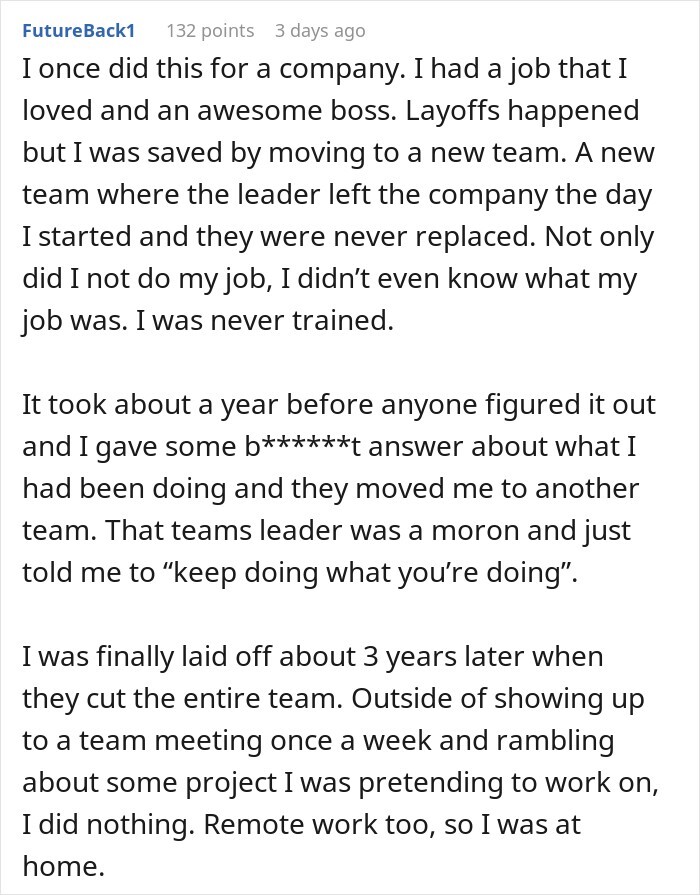
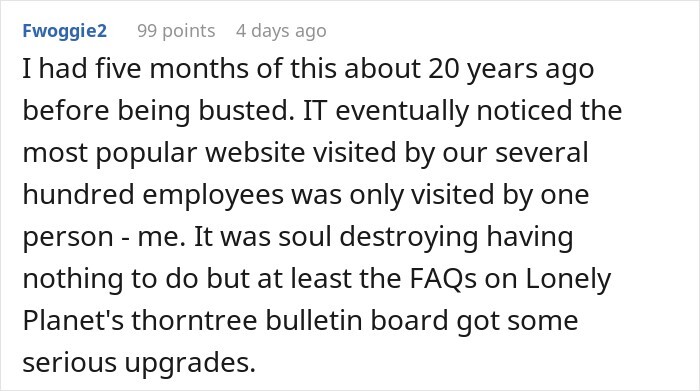
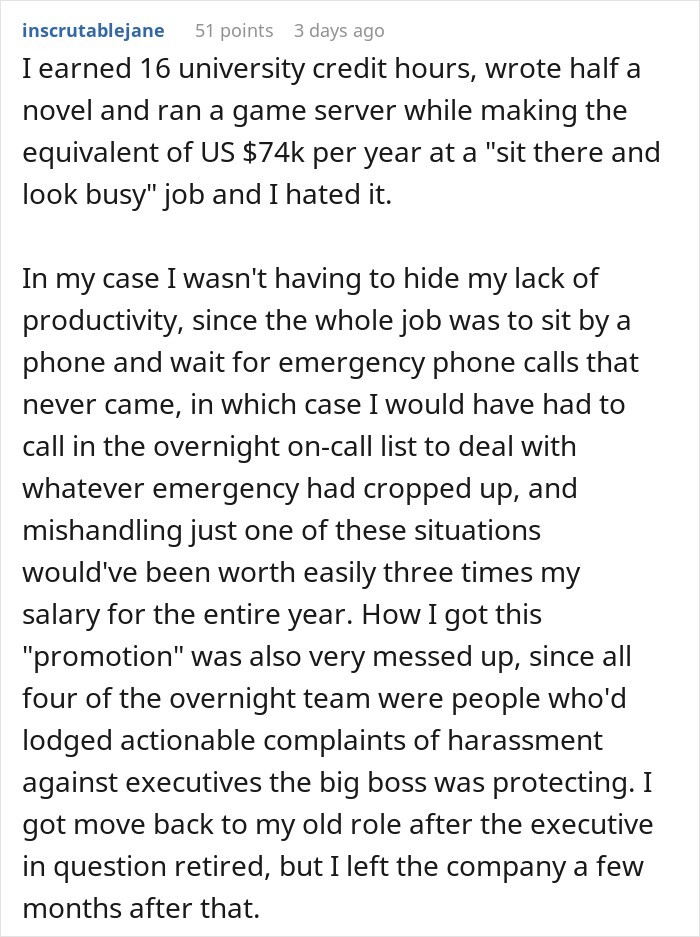
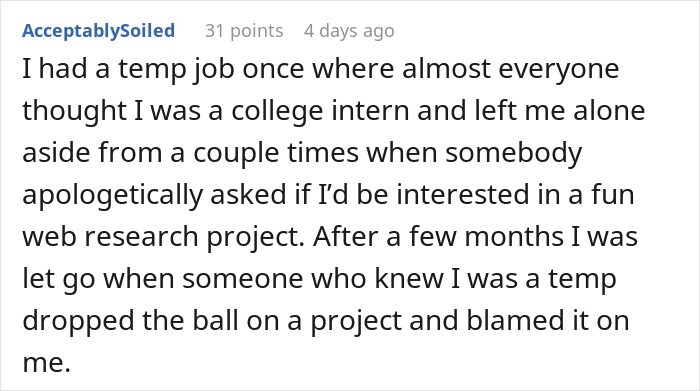
A few readers shared similar stories of their own

Alex Qian / Pexels (not the actual photo)
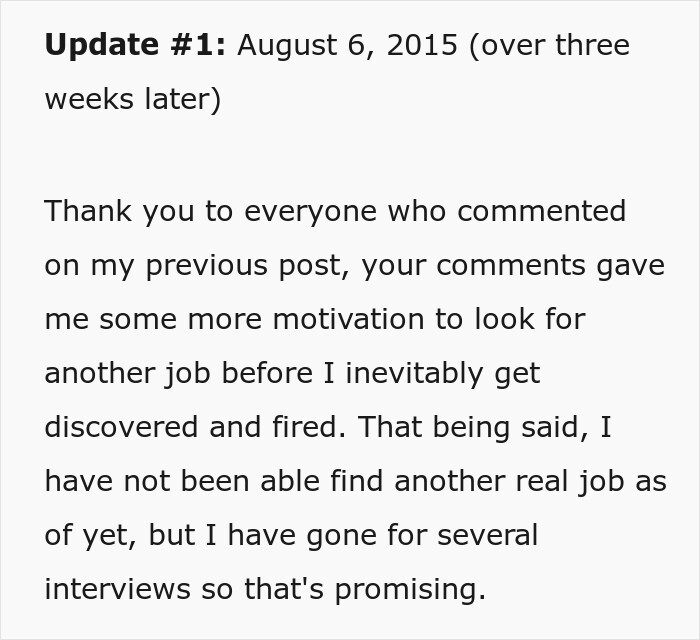
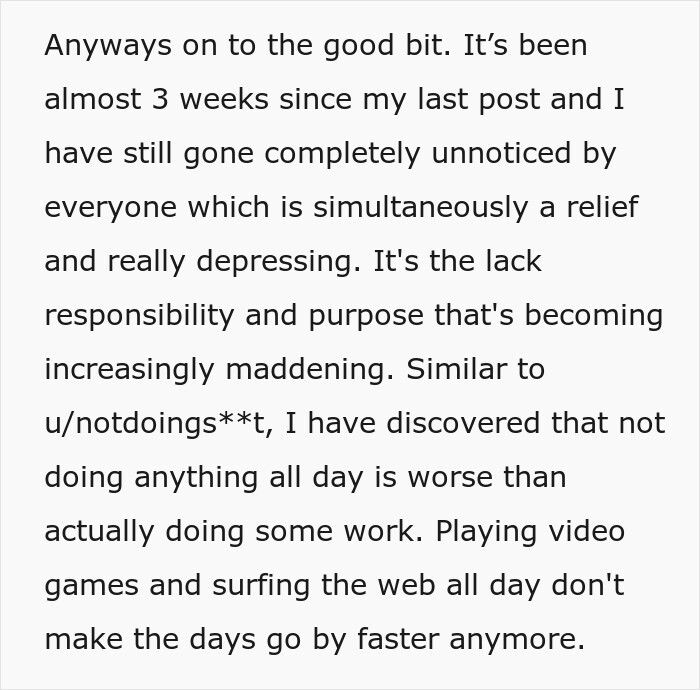
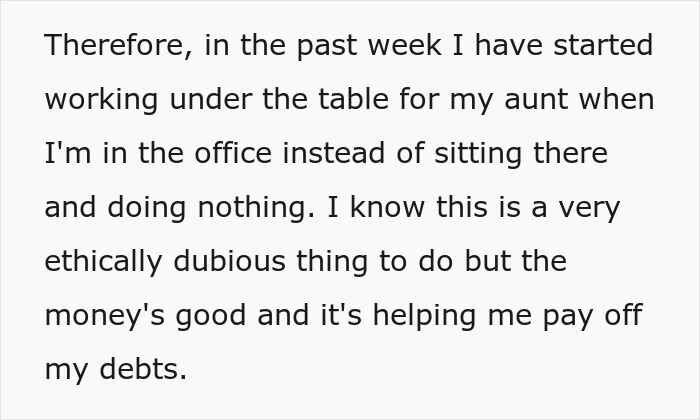
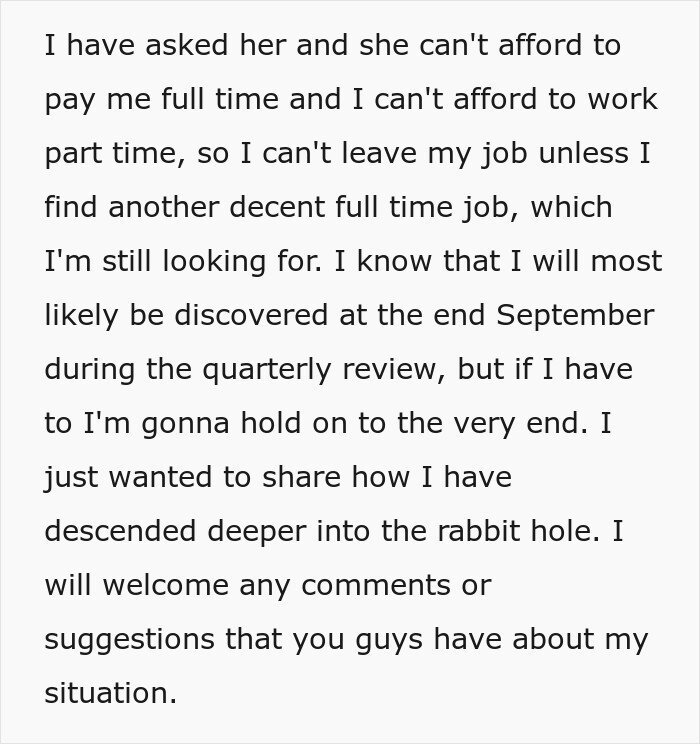
Later, the worker shared the first of many updates about him “slipping through the cracks” at his company

Startup Stock Photos / Pexels (not the actual photo)


MART PRODUCTION / Pexels (not the actual photo)
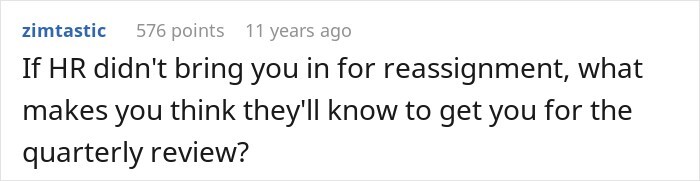
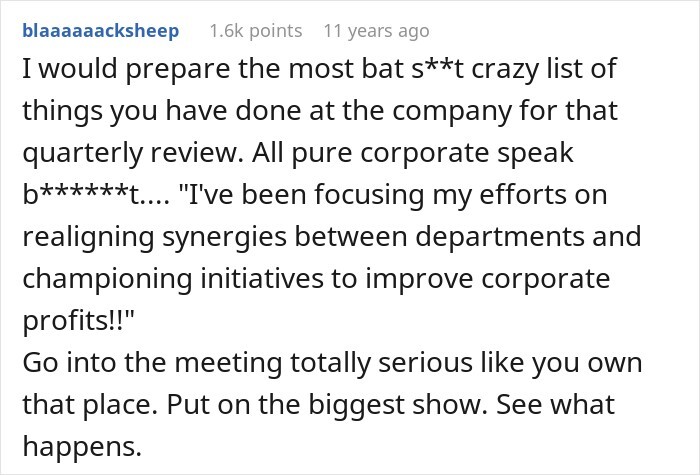
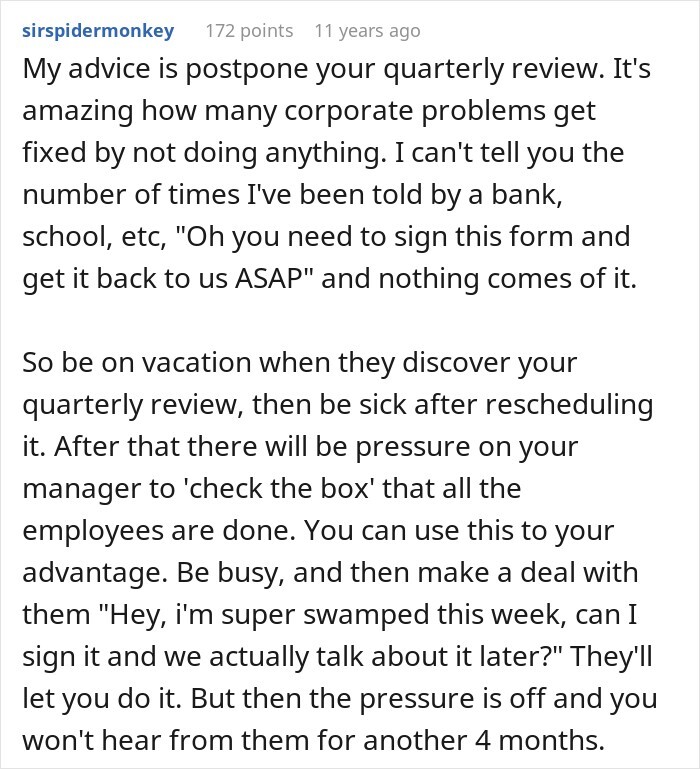
This is what readers said after reading the update







RDNE Stock project / Pexels (not the actual photo)
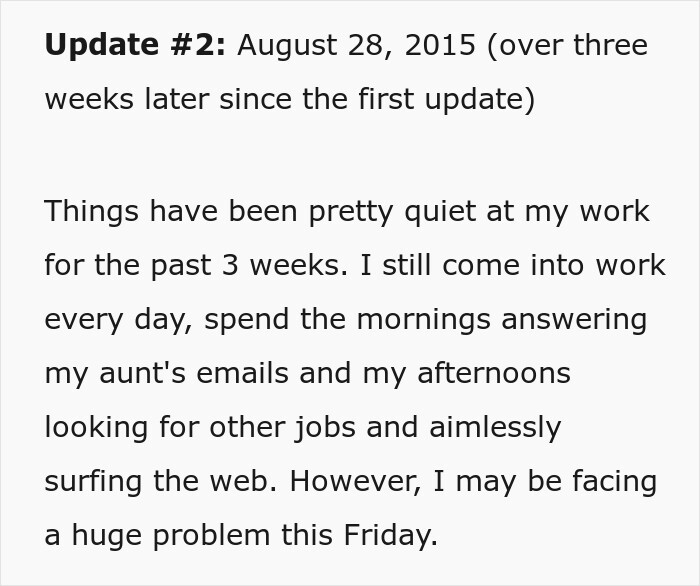
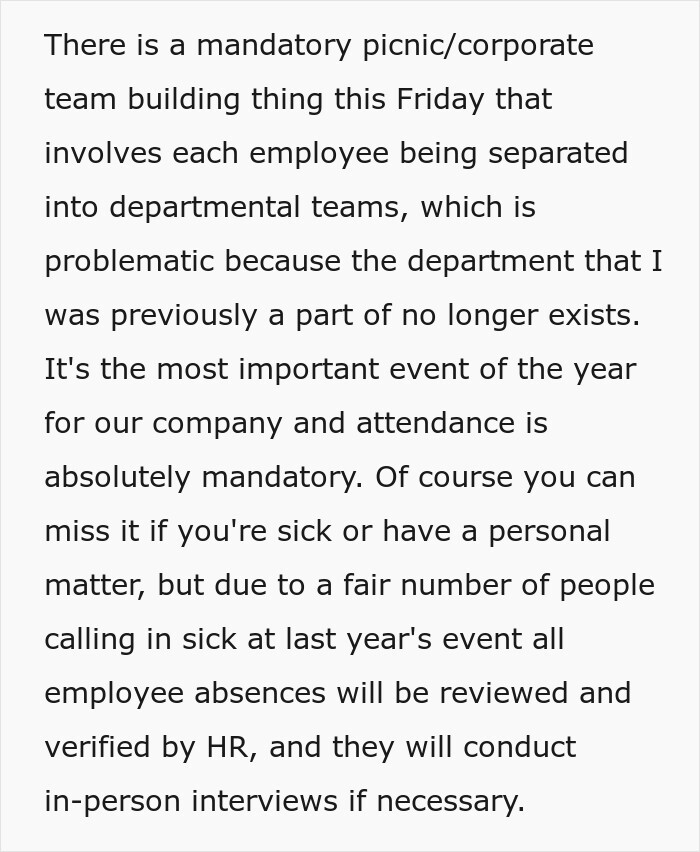
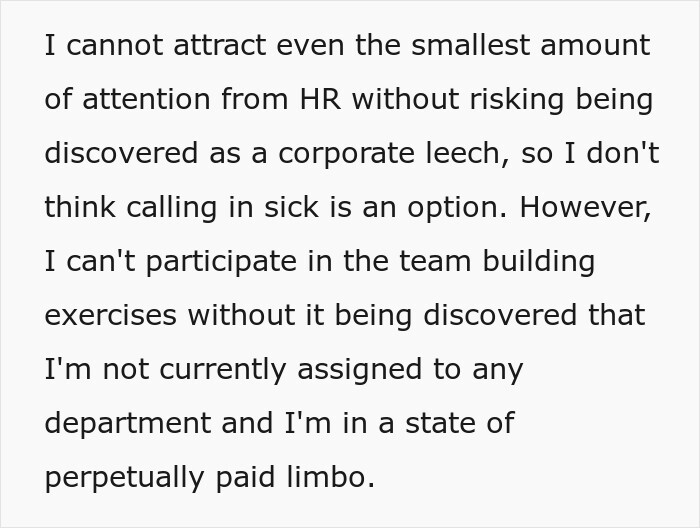
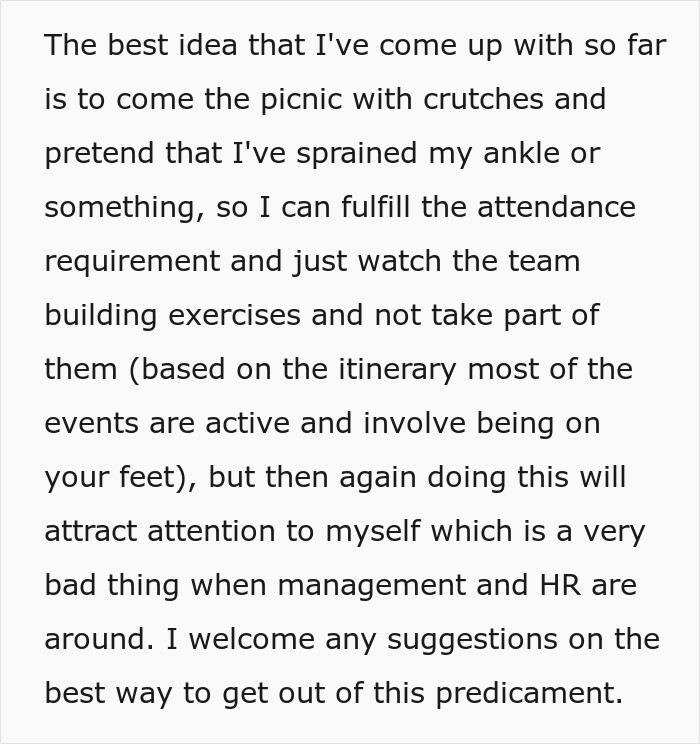
In another update, the author revealed that things were starting to heat up at the office

Gustavo Fring / Pexels (not the actual photo)
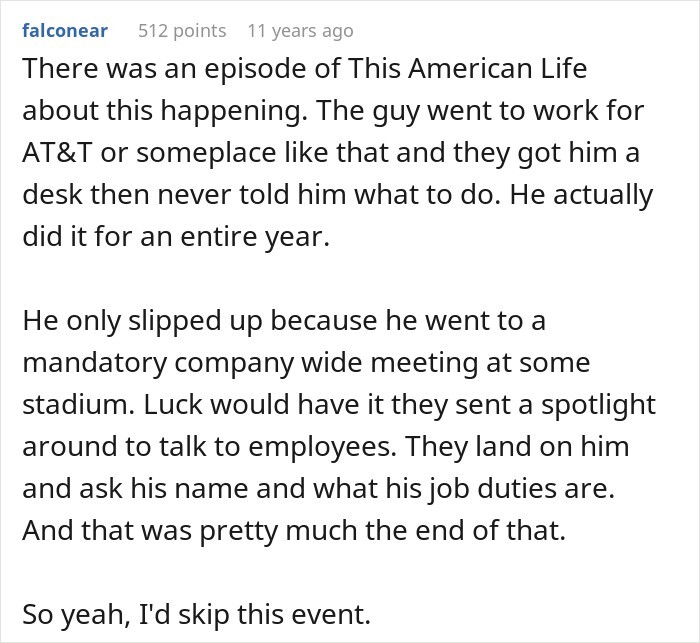
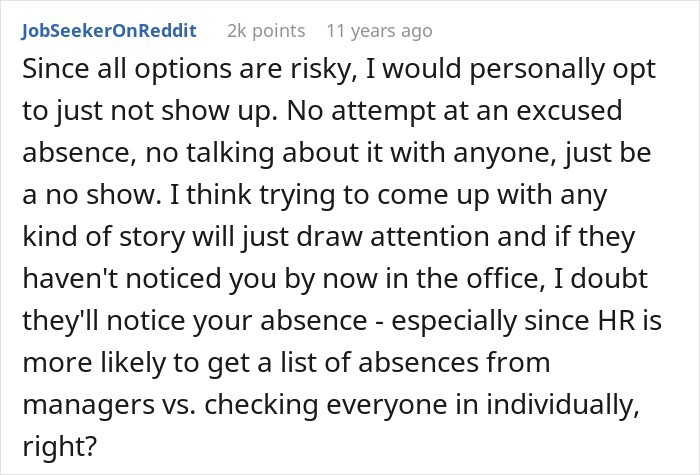
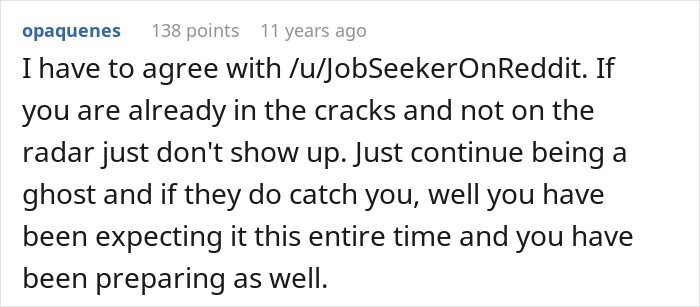
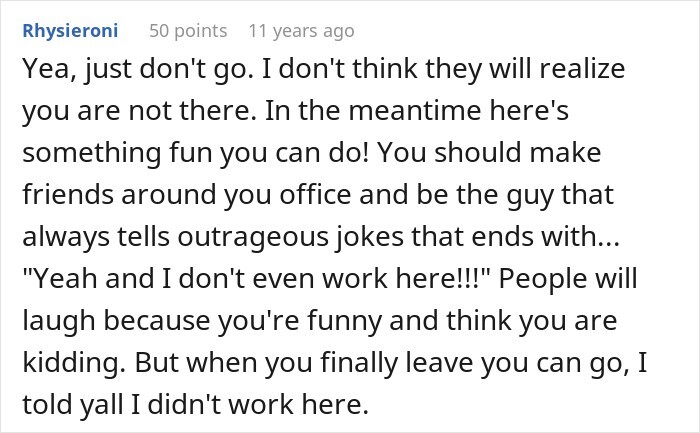
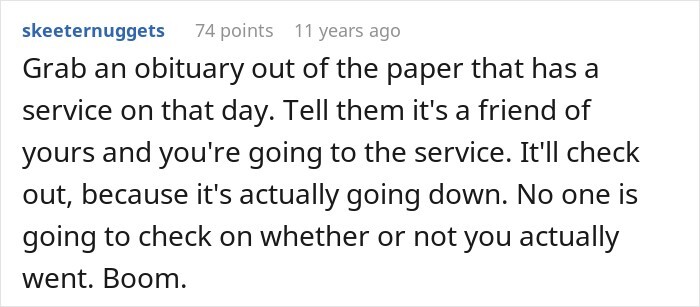
Here are some internet users’ perspectives and pieces of advice for the employee



Tima Miroshnichenko / Pexels (not the actual photo)
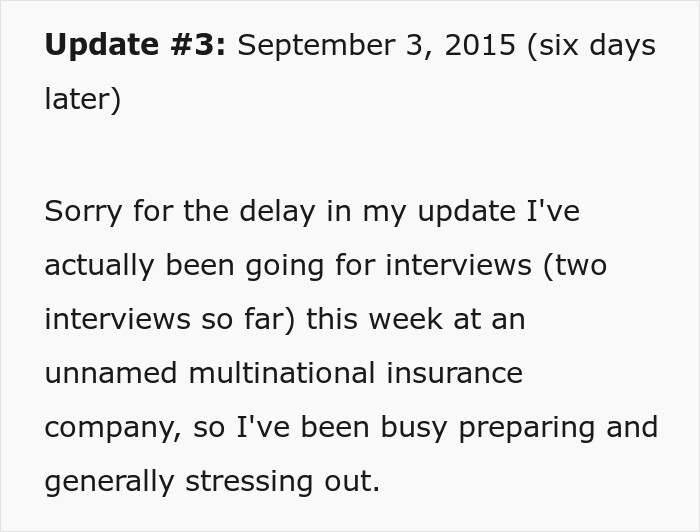
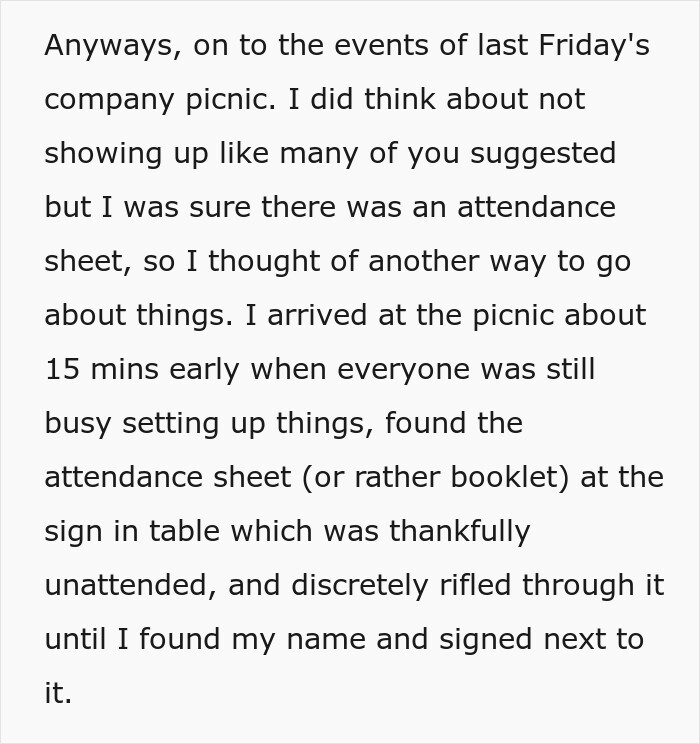
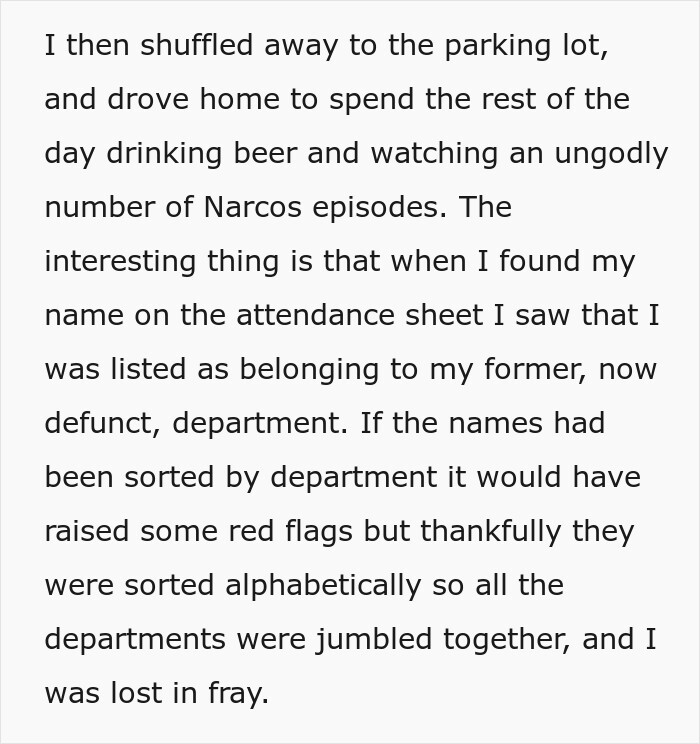
The situation at work became even more tense. Here’s what happened next

Vanessa Garcia / Pexels (not the actual photo)
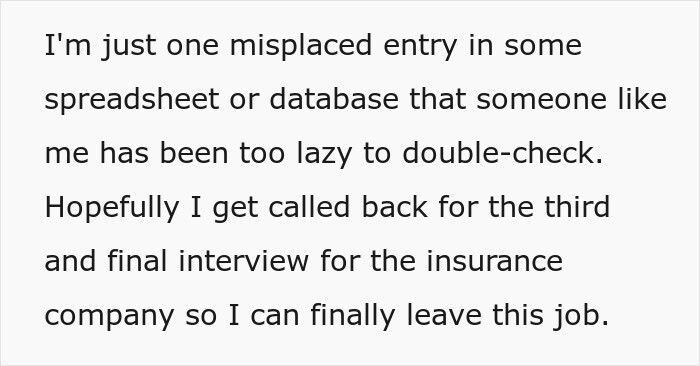

Gustavo Fring / Pexels (not the actual photo)
Internet users once again weighed in
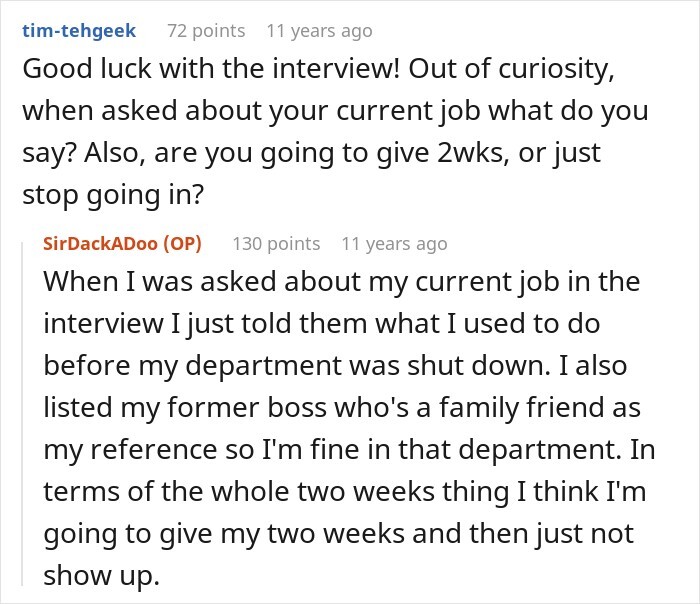
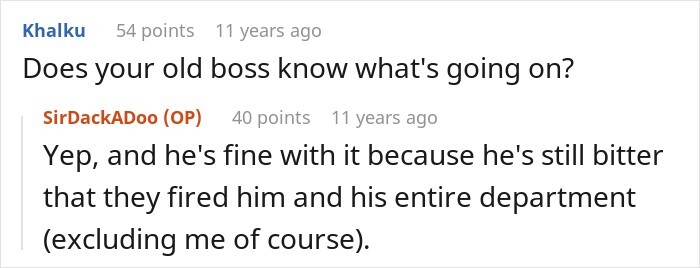




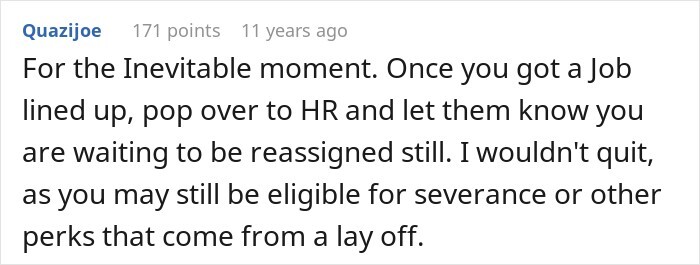



ArtHouse Studio / Pexels (not the actual photo)
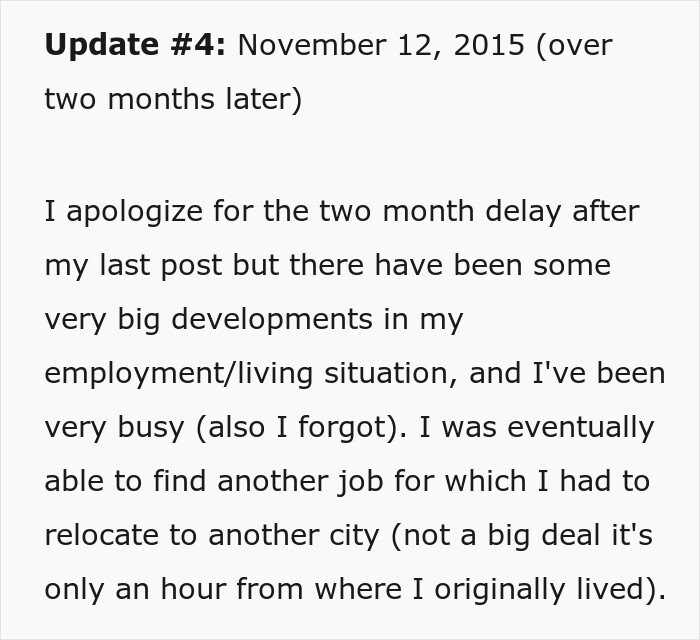
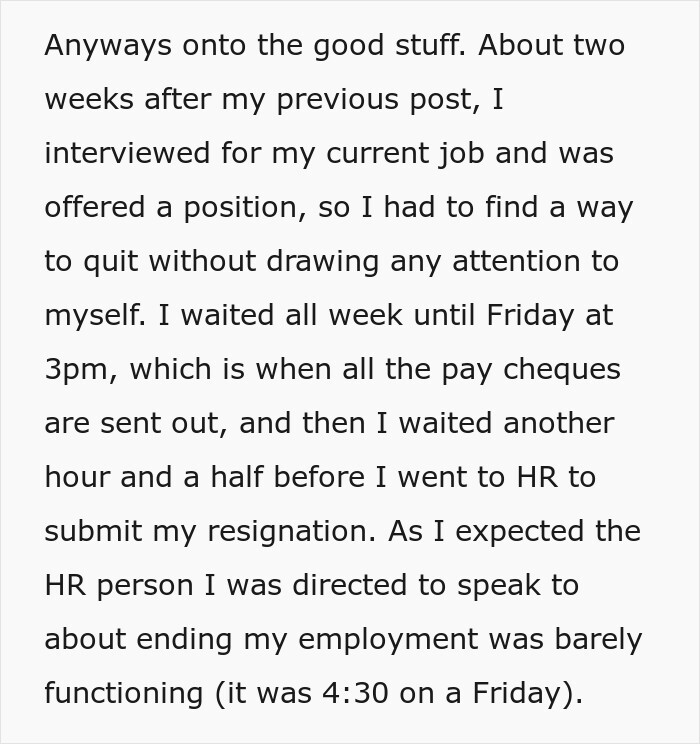
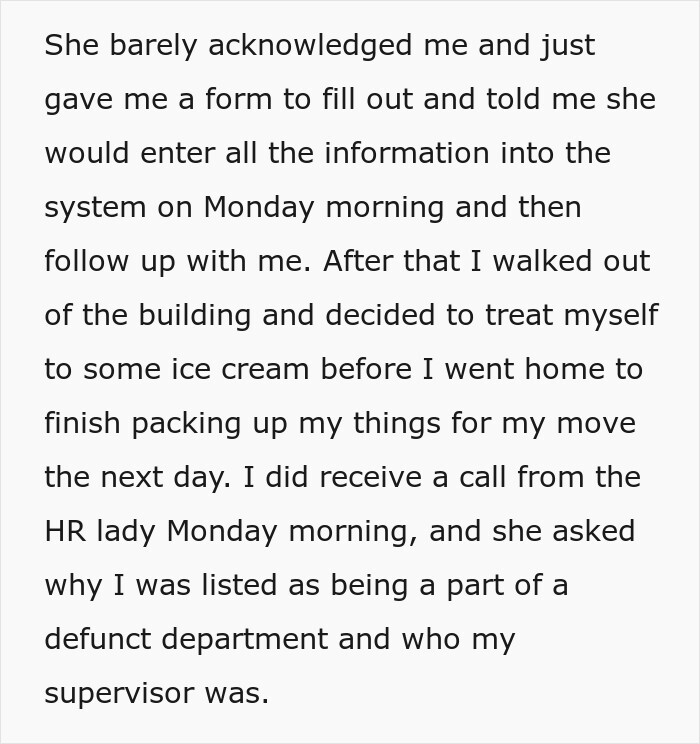
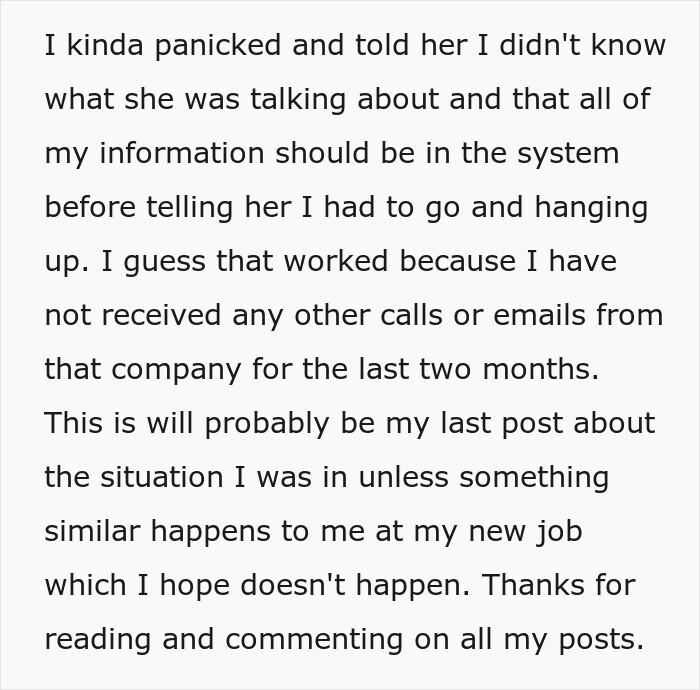
In a final update, the author explained what he finally ended up doing

Tima Miroshnichenko / Pexels (not the actual photo)

Vlada Karpovich / Pexels (not the actual photo)
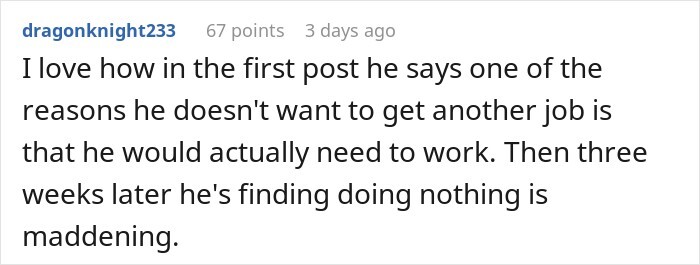
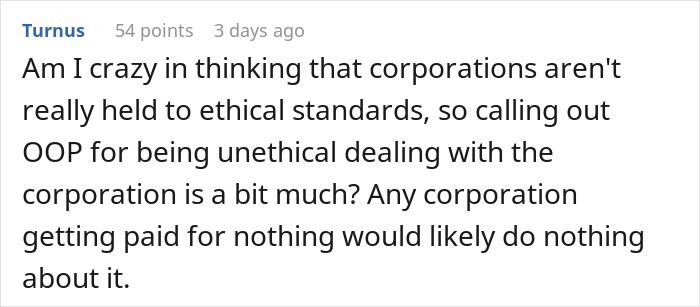
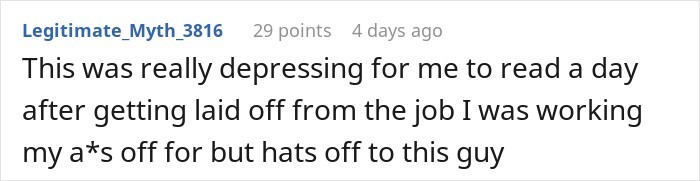
After reading the full epic story, people shared their final thoughts







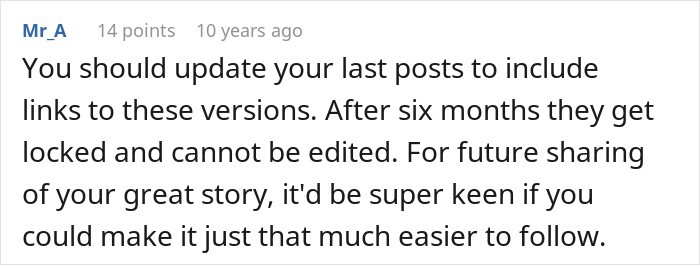


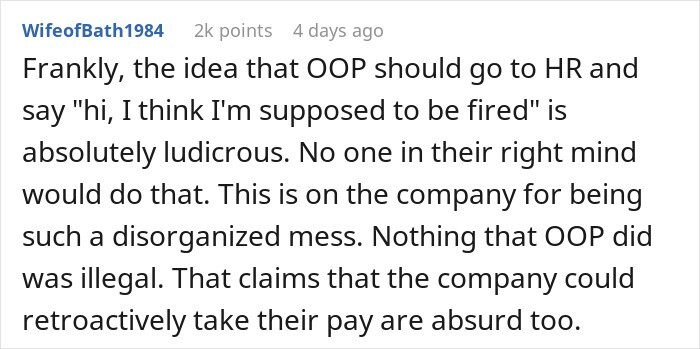

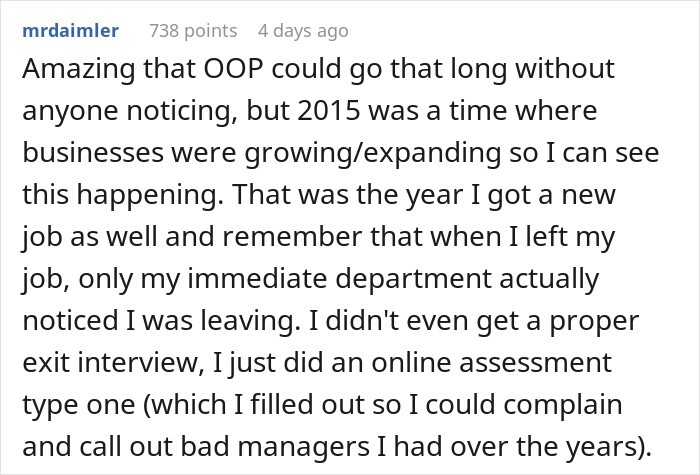


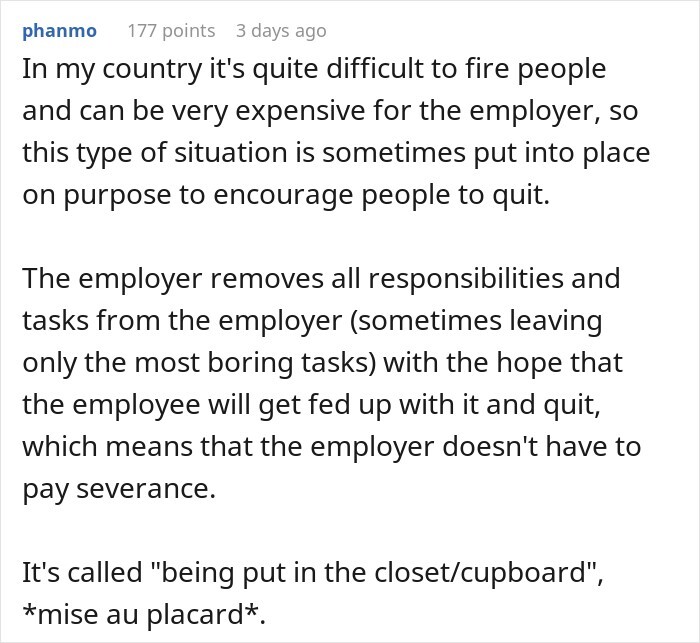



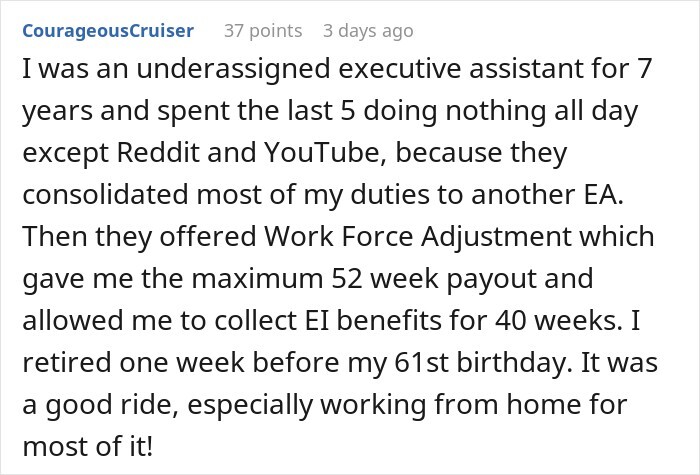
A few more readers revealed having experienced similar things at work
 Follow Us