How many emails with a boring subject line and a vaguely official logo have you swiped away this year without reading? Probably dozens. Class action notices are the dental appointments of the inbox, easy to ignore and annoying to deal with. But occasionally they can be well worth your time.
Most of us assume they are spam, a scam, or a polite way of telling us we are owed 43 cents. Sometimes that is exactly what they are. But every so often, one of them has real money attached, and nearly four million Americans have figured out which one to open.
It is easy to ignore a class action email, because it looks just as boring as the rest of the spam in your inbox

FlamingoImages / Envato (not the actual photo)

But due to a massive AT&T data leak, you could be owed some money if you act fast
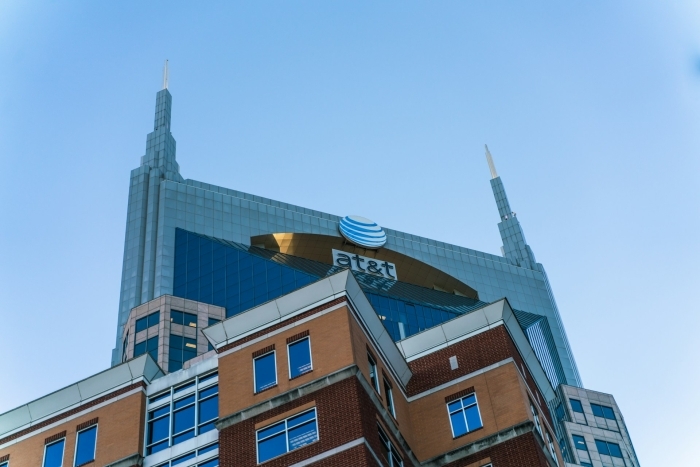
In March 2024, AT&T announced it was investigating a data leak involving current and former customers. A dataset had surfaced on the dark web containing personal information dating back to 2019, including Social Security numbers. According to company reports, around 73 million people were affected. That is roughly one in every five Americans, which means there is a decent chance someone at your last family barbecue was caught up in it.
Then, in July 2024, a second incident came to light. AT&T discovered that customer records had been illegally downloaded from a third-party cloud platform. This one involved phone numbers plus call and text records for “nearly all” AT&T cellular customers, along with customers of other providers who use its network, covering May 1 to October 31, 2022. So if you have ever called, texted or been texted by an AT&T customer in that window, your data may have been in the mix.

jm_video / Envato (not the actual photo)
The company saw two massive data leaks and created a settlement fund of over $175 million
Both incidents led to lawsuits, and AT&T agreed to set up a $177 million settlement fund. The money is split in two. $149 million goes to claims connected to the March breach and $28 million to the July one. Both current and former customers can qualify, and Kroll Settlement Administration is responsible for notifying eligible people.
Notices went out explaining how to submit a claim, and, according to reporting on the court proceedings, about 3.92 million valid claims were submitted. AT&T has not admitted fault. The company says it denies the allegations that it was responsible for the criminal acts underlying the breaches and that it agreed to settle “to avoid the expense and uncertainty of protracted litigation.” Which is corporate for “we would rather write a cheque than sit in court for years.”

SUPITNAN / Envato (not the actual photo)
People stand to gain up to $7,500 each, if they can prove financial losses directly linked to the events
The headline figure is up to $7,500. The reality for most people is a lot less glamorous. That number only applies if you can prove actual financial losses, and there are rules about it.
If you were affected by the March breach, you can claim up to $5,000 for documented losses, but they must have happened in 2019 or later and be “fairly traceable” to the breach. That can include identity theft costs, unauthorized charges, bank fees or credit monitoring expenses, as long as you have the receipts.

magnific / Magnific (not the actual photo)
There are tiers of claims available, and most people will only receive a few dollars
For the July incident, the cap is $2,500, and the losses must have occurred on or after April 14, 2024. If you were hit by both and can document both, the ceiling is $7,500, with separate paperwork for each.
For everyone without a paper trail, there are tiered payments. These are estimates, not guarantees:
• March breach, Social Security number exposed: roughly $39 to $40
• March breach, other personal information exposed: roughly $7.50 to $8.10
• July breach, call and text records exposed: roughly $6.50 to $7.10
So the realistic outcome for most claimants is somewhere between “a sandwich” and “a very nice dinner for one.”
Brendan Stephens / Unsplash (not the actual photo)
But experts still warn people that even some of the settlement emails could be scam attempts too
A federal judge granted final approval of the settlement on October 2, 2026. The next key date is November 2, 2026, the reported deadline for AT&T to appeal. If no appeal is filed, payments could start landing as early as December. The settlement website says that benefits begin “after the Settlement has obtained Court approval and the time for all appeals has expired.” Until then, the best thing you can do is wait and keep an eye on your email.
The official settlement website is telecomdatasettlement.com. That is where you can find details about the agreement and the claims process.
With millions of people expecting settlement-related messages, scammers are paying close attention. AT&T has advised caution around anyone who asks for an upfront fee to release your payment, requests your credit card details, or points you to an unfamiliar website. A real settlement will never charge you to receive your own money. If something feels off, close the tab and go directly to the official site.
Your data got leaked. The least the internet can do is to not let someone steal your settlement too.
This content creator explained to her followers how she got her settlement notifications
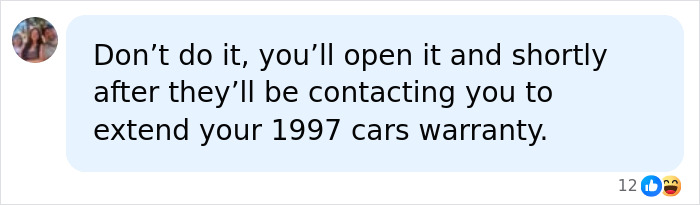
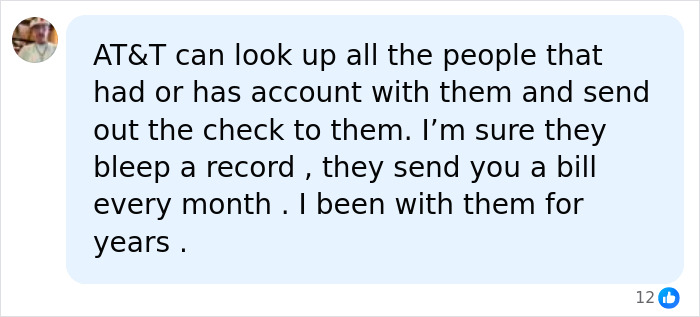
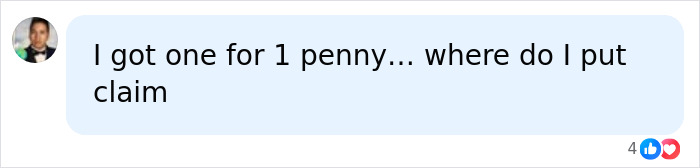
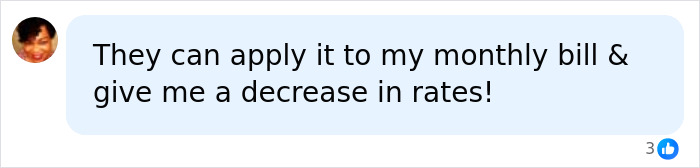
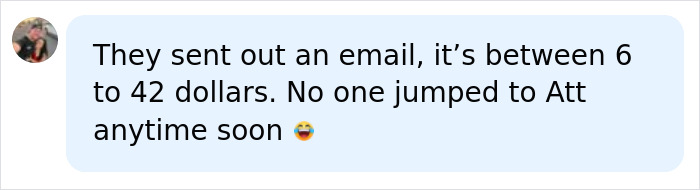
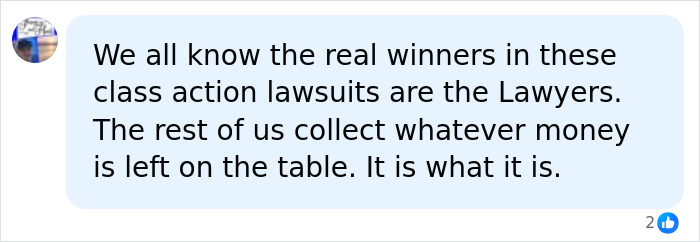
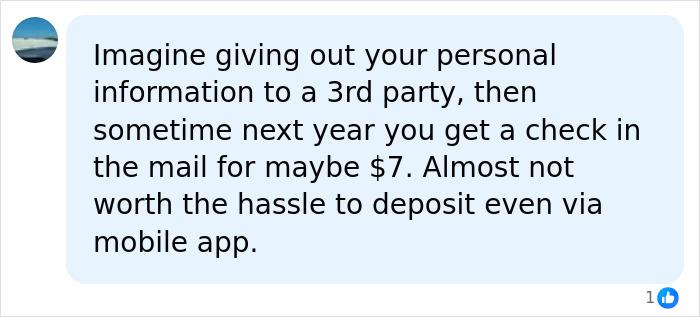
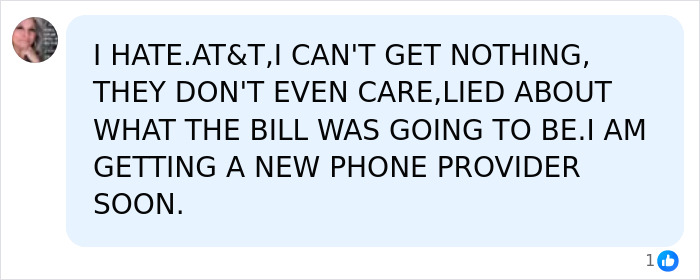
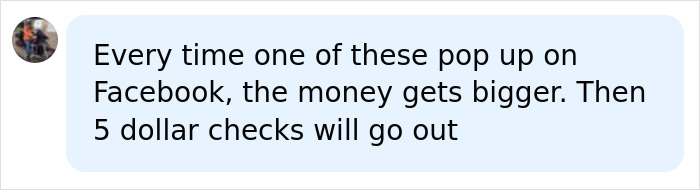
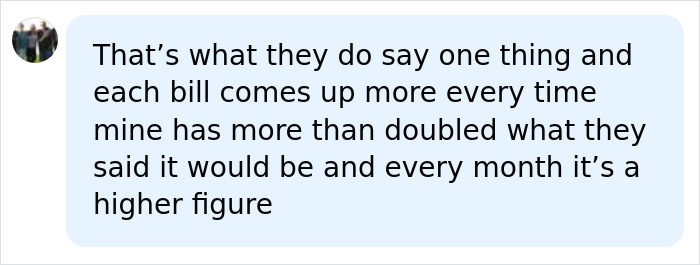
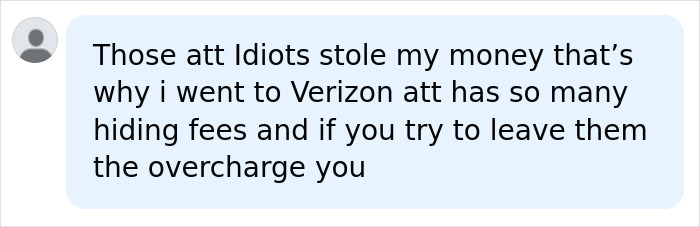
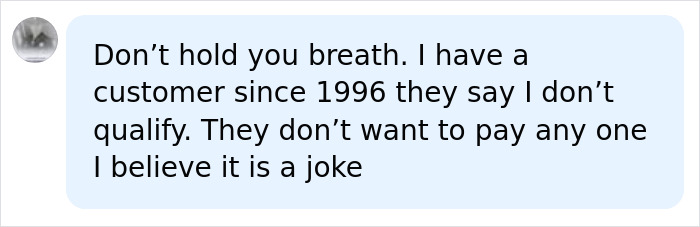
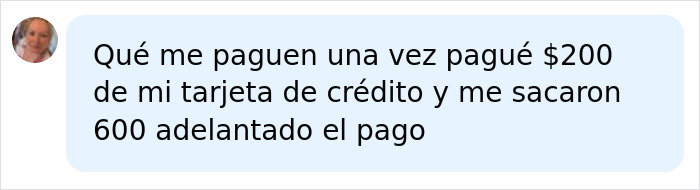
People flooded the comments, each wanting their piece of the pie













 Follow Us