Saying “no” sounds simple enough, right? But for many of us, it comes with a side of guilt. We worry about disappointing people, hurting their feelings, or coming across as rude. But here’s the thing: you can’t say yes to everything, and sometimes, standing your ground is exactly what you need to do. After all, protecting your time, money, and peace of mind isn’t selfish.
Take this woman’s story, for instance. A widowed mom was simply trying to finish her grocery shopping when a stranger asked her to help pay for her groceries. Already on a tight budget, she politely declined, but the woman refused to take no for an answer. And let’s just say things got uncomfortable pretty quickly. Keep reading to find out how the mom handled the situation.
Grocery shopping in 2026 has become increasingly expensive, making it harder for many families to stick to a budget
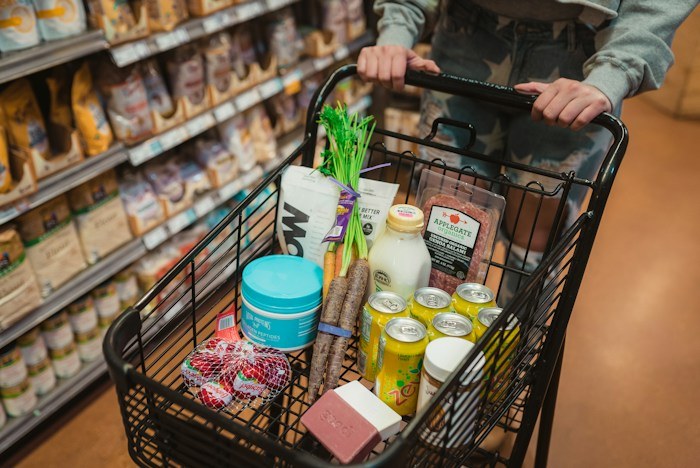
Karsten Winegeart / Unsplash (not the actual photo)

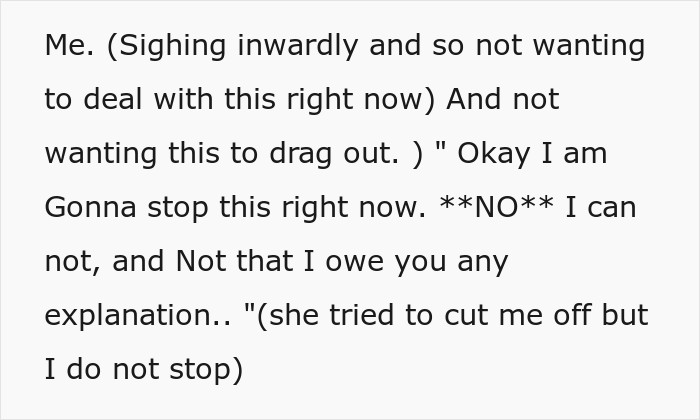
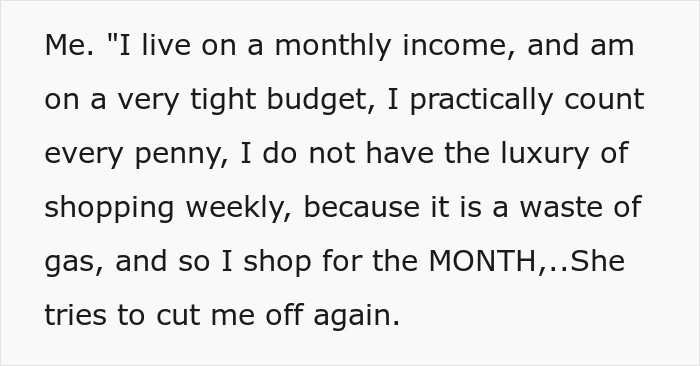
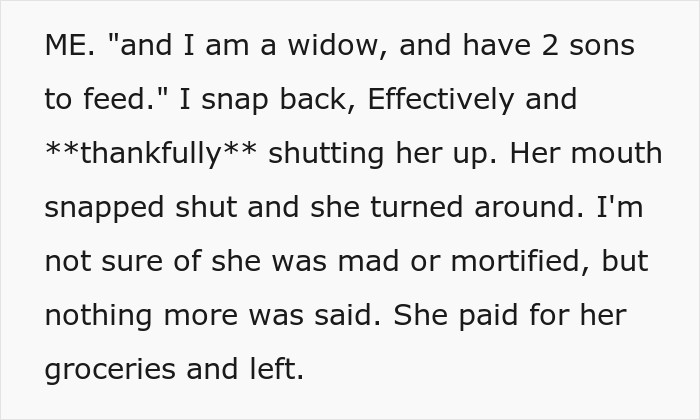
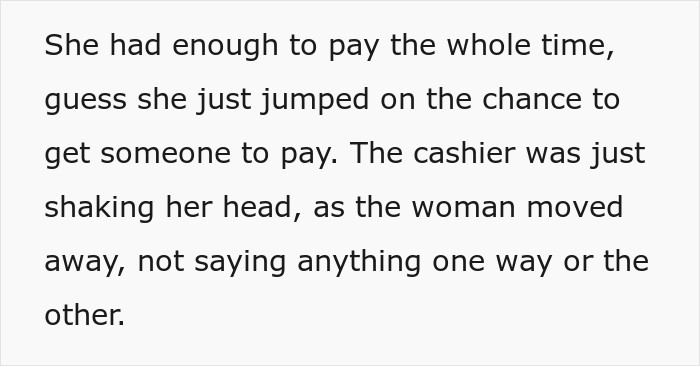
A financially struggling mom shared how an entitled shopper tried to pressure her into paying for their groceries at the supermarket
Ninthgrid / Unsplash (not the actual photo)
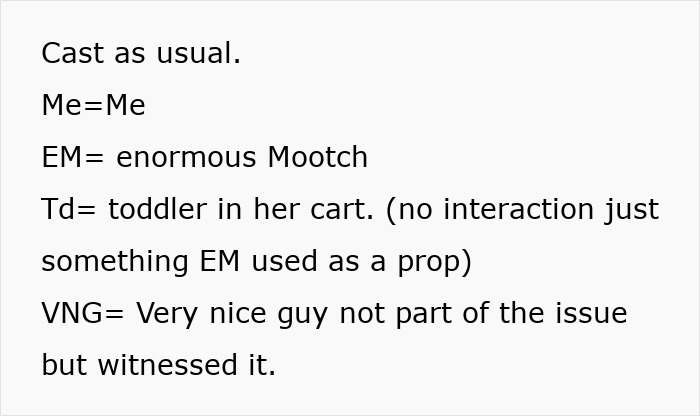
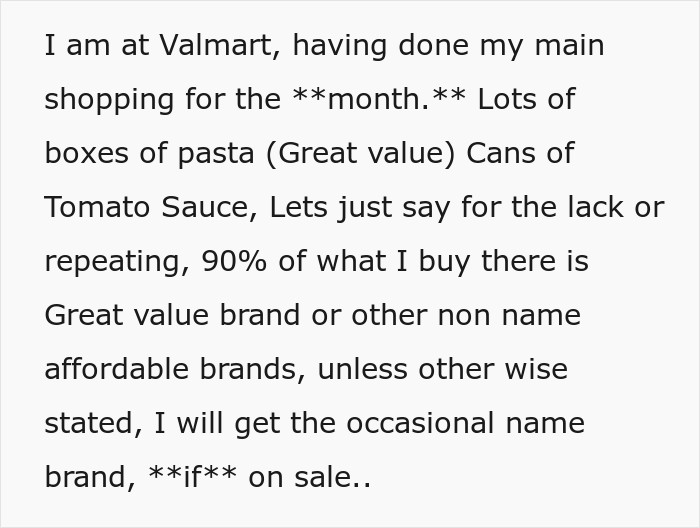
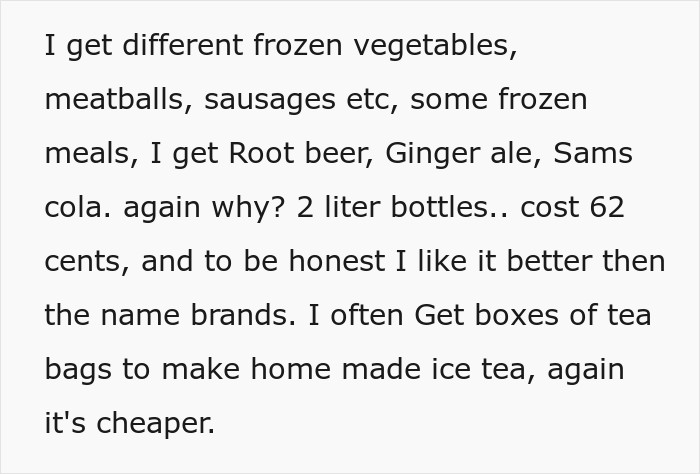



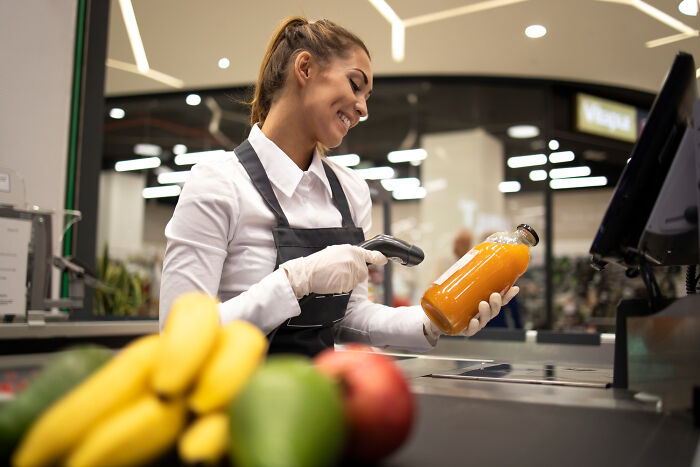
aleksandarlittlewolf / Magnific (not the actual photo)


kastoimages / Magnific (not the actual photo)


ARTcreator_98 / Magnific (not the actual photo)
Grocery prices have increased significantly, partly due to ongoing geopolitical tensions in the Middle East
2026 has already been quite a year, hasn’t it? Between economic uncertainty and ongoing conflicts in the Middle East, there’s a lot happening around the world. And while these issues might seem far away, their effects can be felt much closer to home, from rising energy costs to expensive groceries. For many families, managing everyday expenses has become a real challenge.
And grocery shopping is one place where people are feeling the pinch. With food prices putting pressure on household budgets, many are thinking twice before tossing things into their carts. Whether it’s switching to cheaper brands, skipping favorite snacks, or cutting back on extras, even a simple grocery run now involves some careful planning. After all, when every penny counts, even small savings can make a difference.
Across Europe, inflation is expected to build throughout 2026 and intensify even further next year, largely driven by rising energy costs linked to escalating geopolitical tensions in the Middle East. According to a RaboResearch report, “another wave of inflation may lead consumers to simply buy less or dine out less frequently,” setting the stage for increasingly difficult price negotiations between retailers and foodservice operators in the months ahead. This kind of pressure doesn’t just affect businesses; it eventually shows up in everyday consumer choices as well.
In the UK, the outlook is just as concerning. The Food and Drink Federation, which represents around 12,000 food and drink manufacturers, has predicted that food prices could rise by at least 9% by the end of 2026. That’s a sharp jump—nearly triple the earlier forecast of 3.2% made before tensions in the Middle East began to escalate.
In the U.S., the picture is mixed but still challenging. CouponFollow analyzed monthly Consumer Price Index average food price data from the U.S. Bureau of Labor and Statistics over the past two years. While 11 out of 25 common grocery staples have actually decreased in price, the increases in other items have more than offset those savings, meaning overall grocery costs remain high. This creates a situation where small savings in some areas are quickly erased by sharp increases elsewhere.
According to USA Today, which had special access to this analysis, proteins and beverages have seen the biggest price increases. Price increases have also varied significantly across food categories. As David Ortega, a food economist and professor at Michigan State University, explains, price fluctuations haven’t been uniform—aligning with broader global food trends. This uneven pattern makes budgeting harder for everyday consumers trying to predict monthly expenses.
In fact, an index tracking global food commodity prices by the UN’s Food and Agriculture Organization rose by 2.4% in March, marking its second consecutive monthly increase. This index, which monitors the cost of grains, sugar, meat, dairy, and vegetable oils, had already risen in February after five months of decline. The sharpest increases in March came from vegetable oil and sugar, which jumped by 5% and 7% respectively. These shifts reflect how sensitive global food systems are to economic and geopolitical pressures.
It is important not to panic buy, but instead to plan and shop strategically to manage rising costs
yuriyrudy / Magnific (not the actual photo)
So what can shoppers actually do in the face of rising prices? According to the BBC, households can take practical steps to stay ahead without panic-buying. Keeping a small stack of essentials like pasta, rice, and tinned goods can help, but overstocking isn’t necessary. Opting for frozen fruits and vegetables is another smart move; they’re often more affordable and still packed with nutrition. Small, consistent habits like these can make a noticeable difference over time without adding stress.
Clay Cary, Senior Trends Analyst at CouponFollow, shared with USA Today: “Using coupons, purchasing your grocery items with store brands (if they are similar), and buying in bulk (staples) at reduced price levels when available as well as comparing the ‘unit price’ for each item will assist you in creating a series of small actions that contribute to long-term financial advantages.” These everyday strategies may seem minor, but when combined, they can significantly ease monthly financial pressure.
And here’s the good news: eating on a budget doesn’t necessarily mean compromising on nutrition. Sometimes, it’s simply about making smarter choices at the grocery store. For instance, in her book The Carnivore Diet Cookbook for Beginners on a Budget, Heather Choate explores how people following a meat-based diet can save money without always buying expensive cuts. Instead of splurging on premium steaks, she suggests more affordable options like ground beef, eggs, pork, and chicken thighs. She also shares tips on buying meat in bulk, looking out for discounts, and using slow cookers to make cheaper cuts more enjoyable. Of course, a balanced diet can include a much wider variety of foods, but her advice shows how a little planning can stretch your grocery budget without sacrificing meal quality.
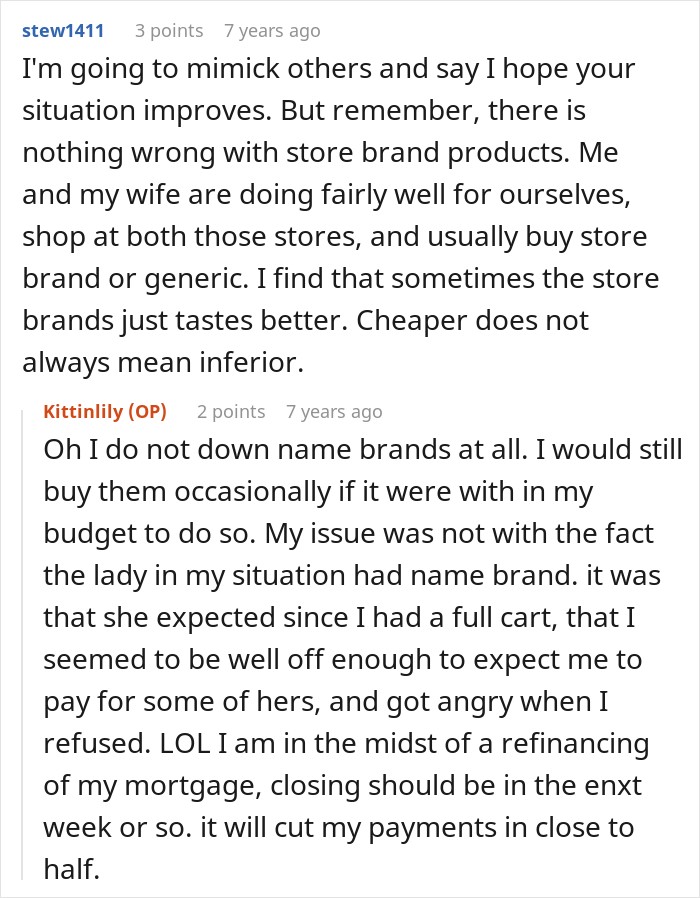
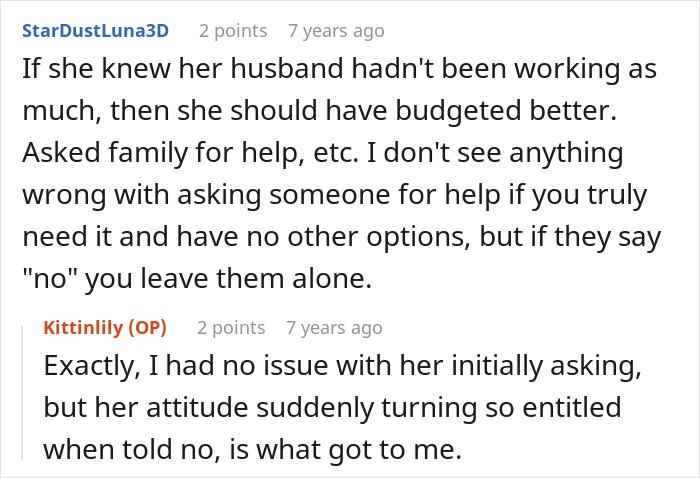
Coming back to today’s story, the woman was simply trying to make the most of her budget by buying groceries in bulk. But another shopper assumed that a full cart meant she had money to spare and expected her to pay for someone else’s groceries. It’s a good reminder that we never really know someone’s financial situation just by looking at them. And while helping others is wonderful, nobody should feel pressured into doing so. What do you think, pandas? Was the woman right to stand her ground? And have your grocery shopping habits changed lately?
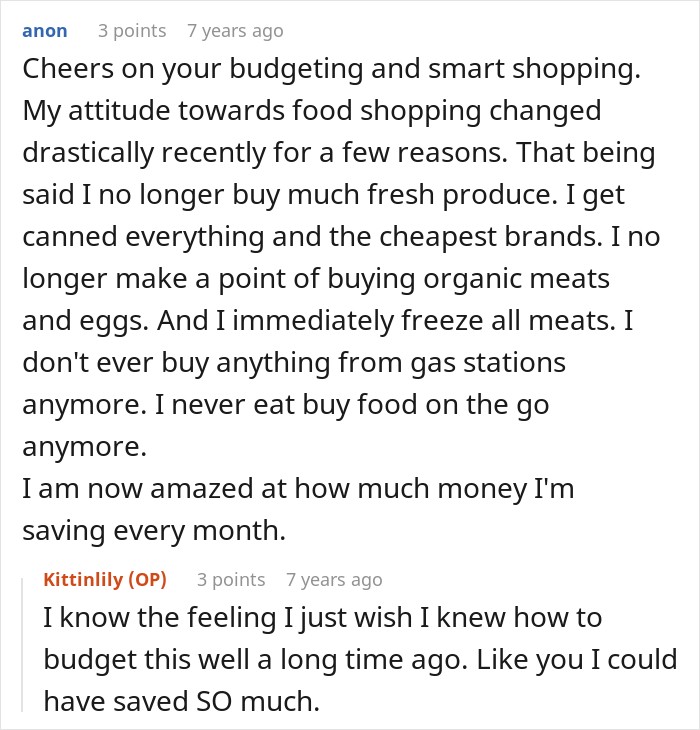
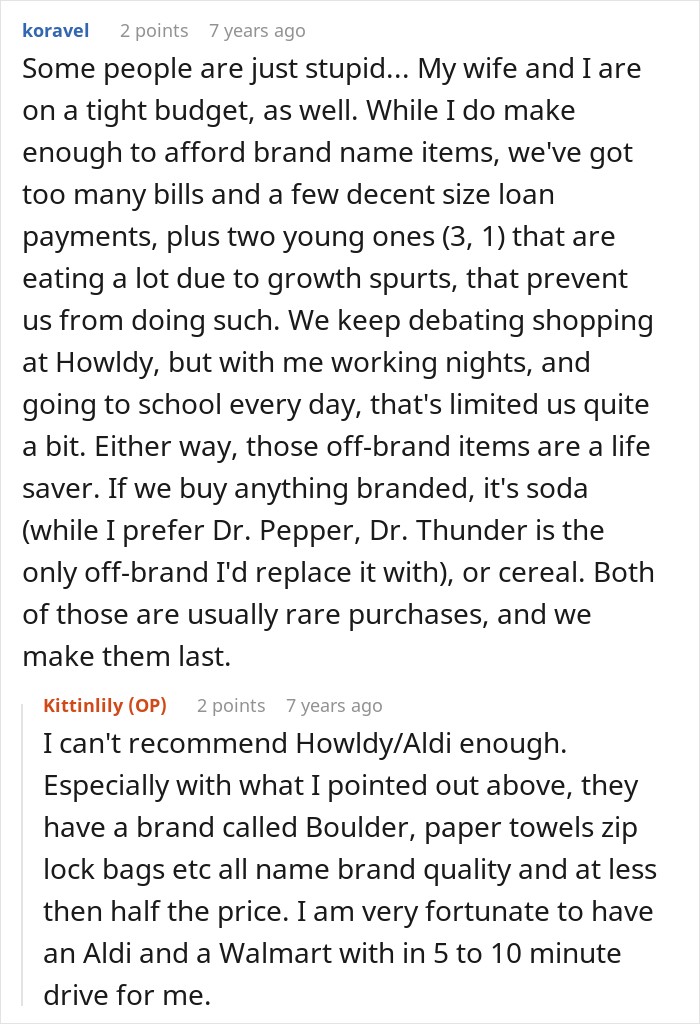
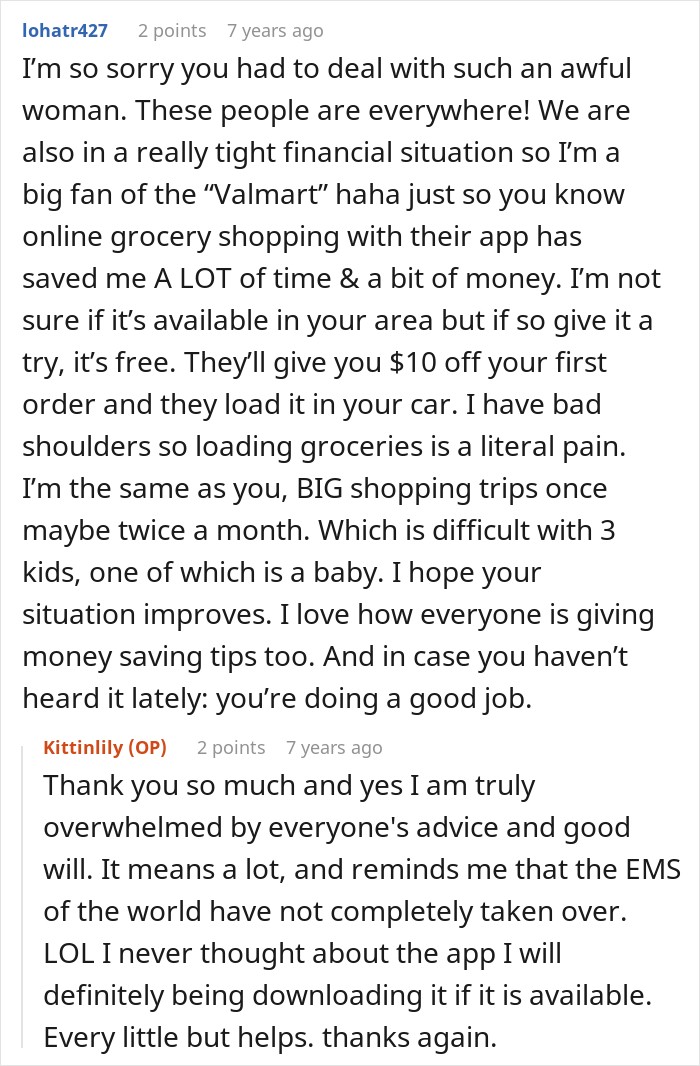
People online were quick to share their opinions on the situation, with many supporting the mom
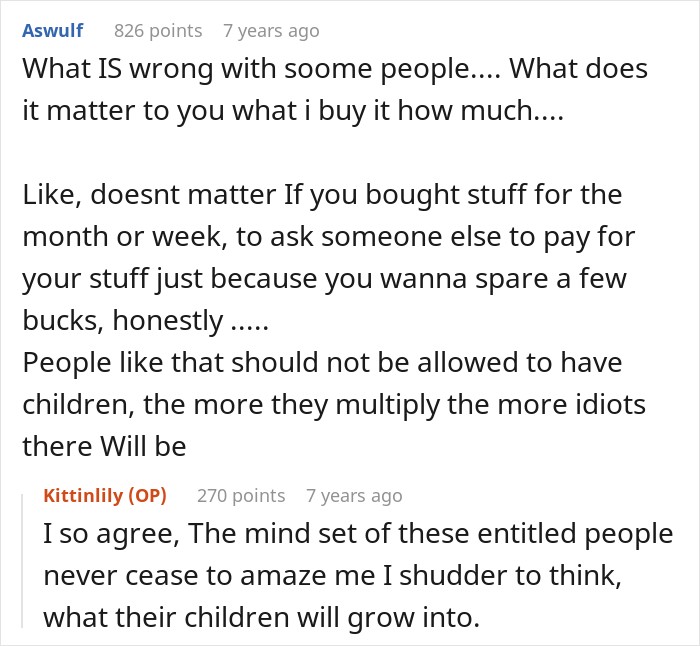
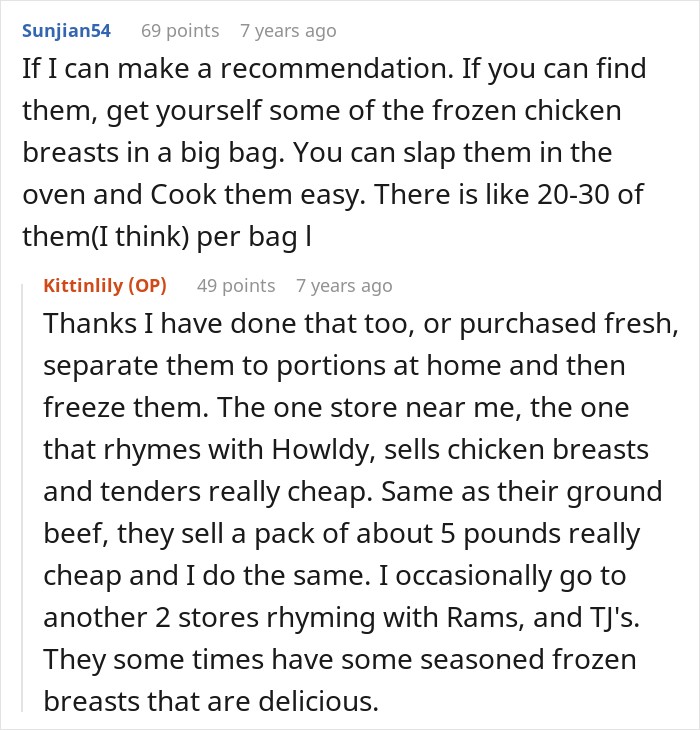


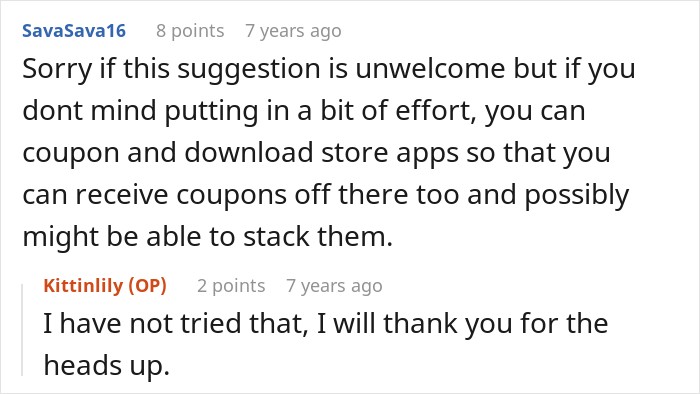
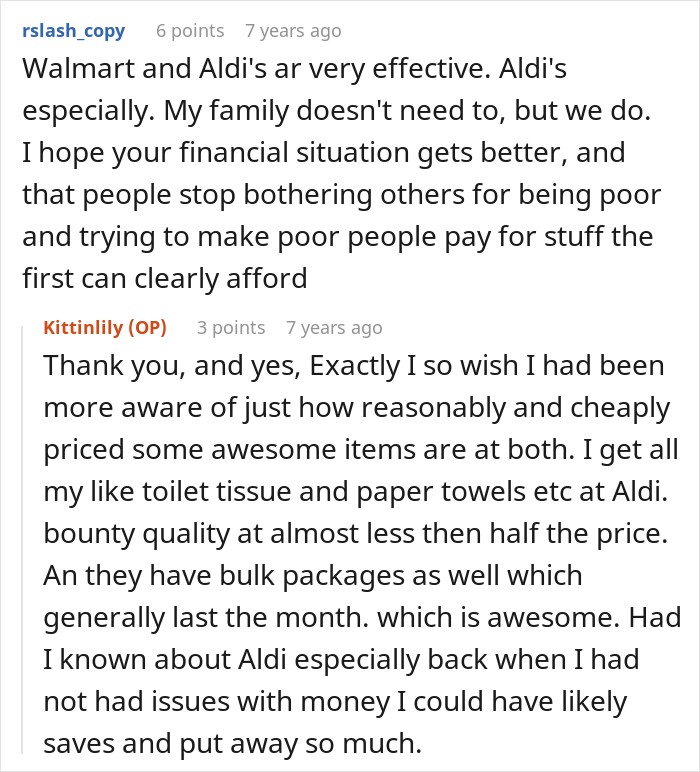
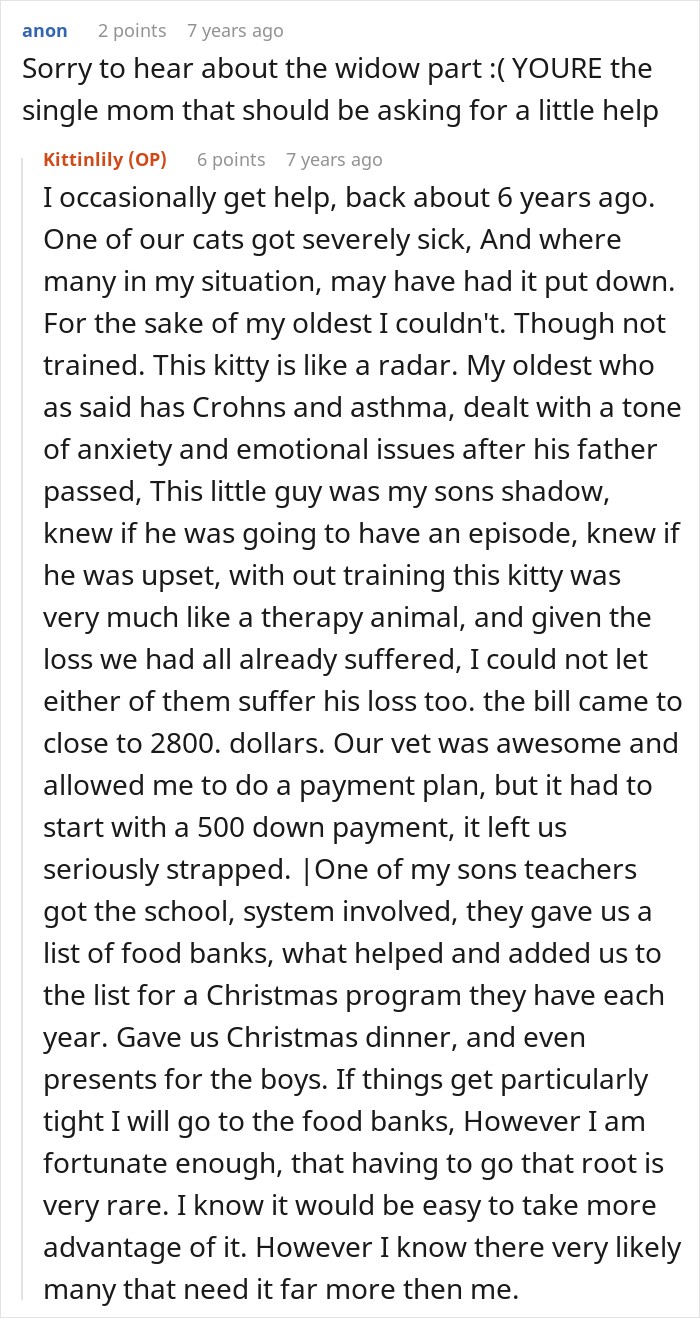
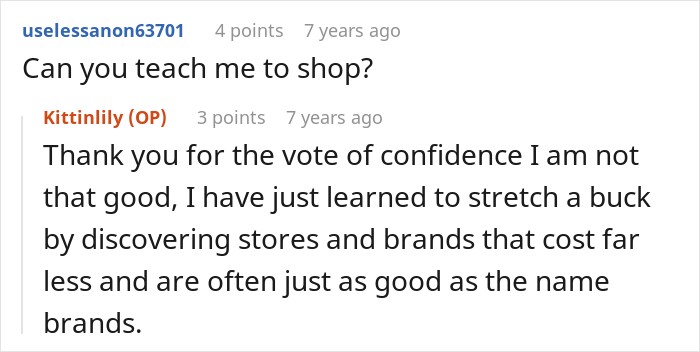
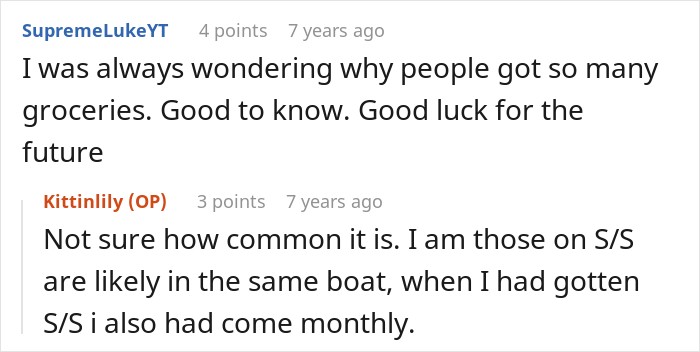
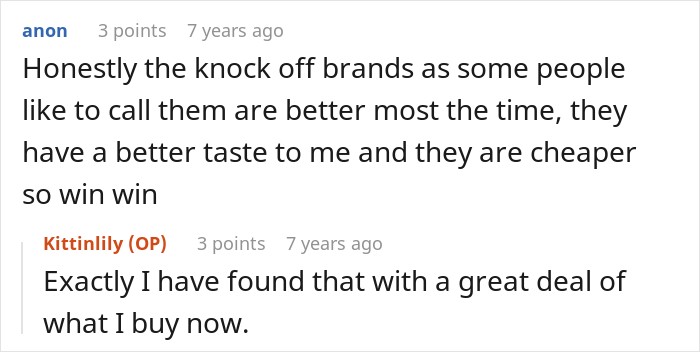







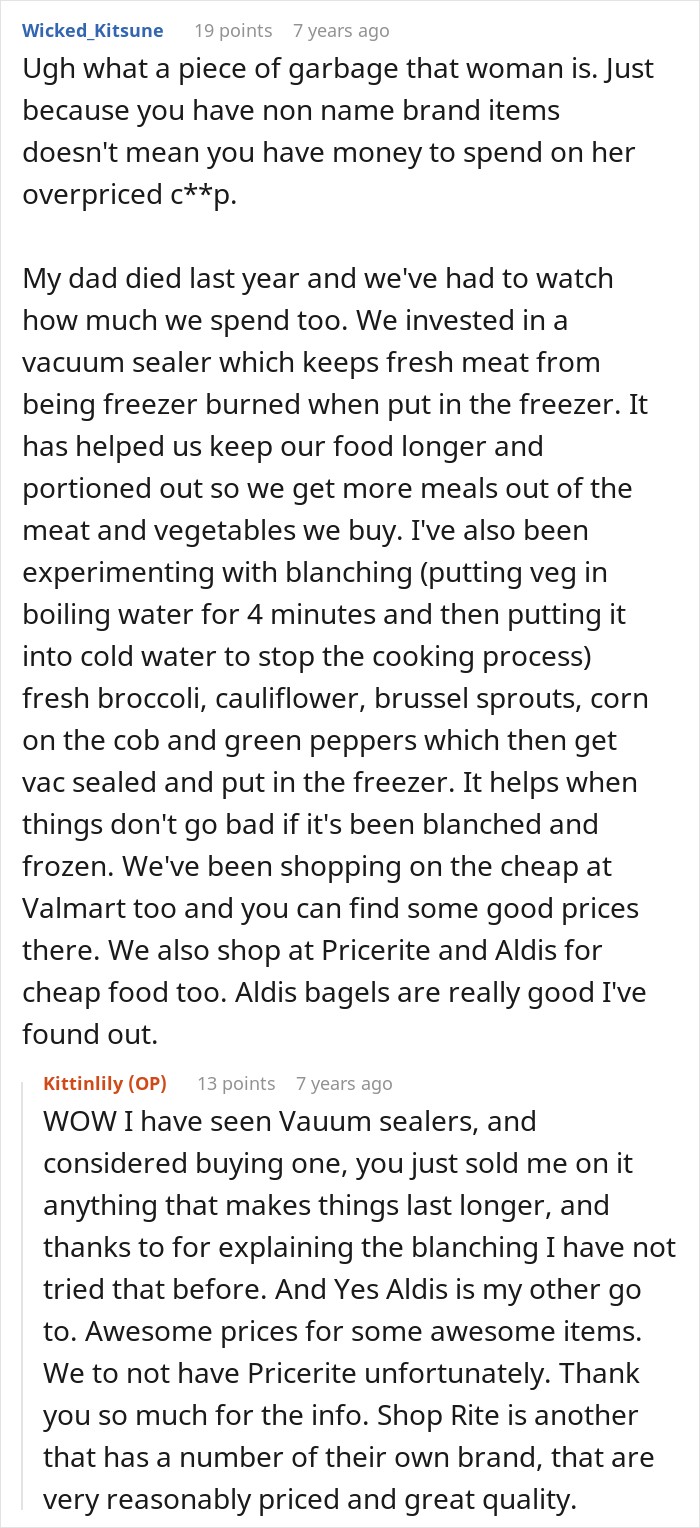
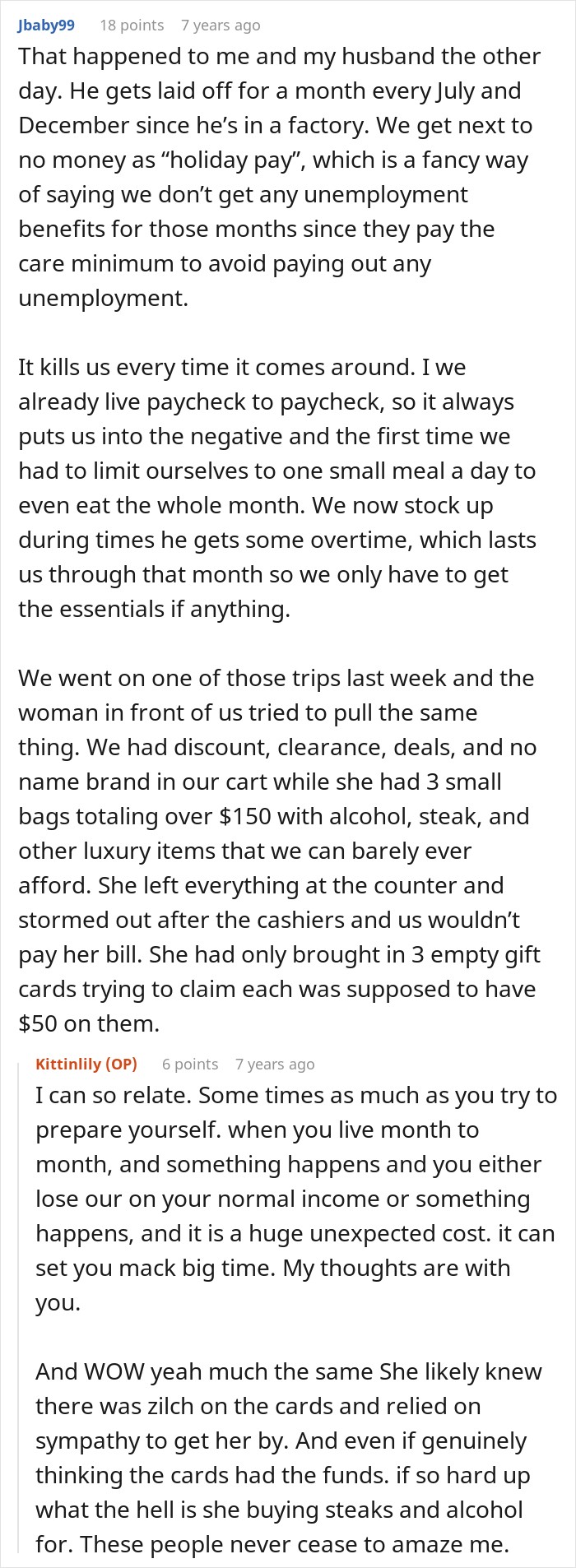
Others shared similar experiences of dealing with entitled shoppers at grocery stores

 Follow Us