The growing visibility of young women using walking sticks and wheelchairs has sparked a viral debate about invisible disabilities and chronic illness, particularly after a controversial newspaper column questioned their need for these aids.
In August 2026, writer Kathleen Stock published an opinion piece in The Times titled “Why are young women using walking sticks?”, reportedly suggesting that online subcultures could be encouraging some young women to identify as disabled.
The column prompted intense backlash from disabled people, medical professionals, and advocacy groups, who argued that questioning people’s mobility needs based on their appearance overlooks how chronic illnesses affect the body.
As people question why someone might need a mobility aid one day but not the next, Bored Panda spoke to several experts and a woman living with a chronic condition to explain why some disabilities fluctuate.
A controversial Times column questioned whether social media was influencing young women to use walking sticks

Kathleen Stock’s opinion piece questioned whether the growing visibility of young women using walking sticks could be explained by “social contagion,” suggesting that online influencers and increased attention to bodily sensations might influence how some people interpret their symptoms.
The article also questioned the nature of the pain experienced by young women using mobility aids and encouraged them to “ditch the props” and “stand on their own two feet.”
The framing drew criticism from disabled people and medical professionals, who argued that it encouraged readers to question the legitimacy of disabilities they could not see.
A Change.org petition titled “Demand accountability from The Times over Kathleen Stock’s article on disabled women” called on the newspaper to review the piece and substantiate claims suggesting that young women might be influenced into adopting illness identities.
The petition argues that the article’s portrayal of walking sticks and wheelchairs as “props” reinforces the idea that disabled people must prove their conditions are genuine if they appear healthy or can walk without assistance.
It also highlights the difficulties faced by people with fluctuating disabilities, whose mobility can vary depending on their symptoms and circumstances.

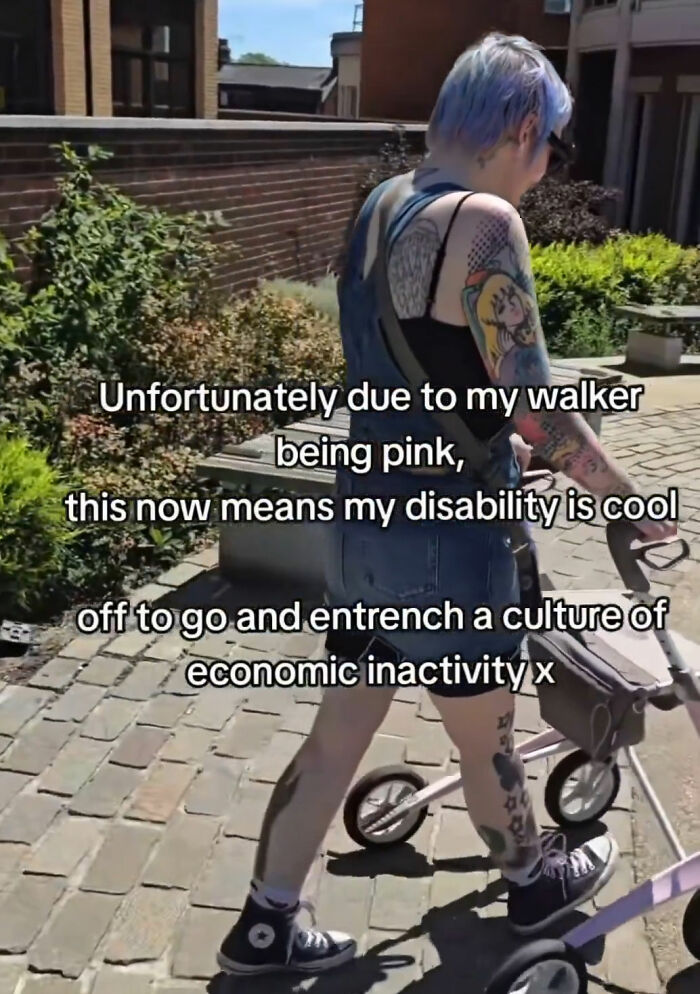
The petition has attracted approximately 1,800 signatures, as of this writing, as criticism of the article continues to circulate online.
Its authors stressed that they were not calling for an end to discussions about medical diagnosis or health misinformation.
Instead, they argued that claims about disability and chronic illness should be supported by evidence rather than speculation.
Walking sticks, crutches, walkers, and wheelchairs can serve several purposes, from improving balance and reducing pressure on painful joints to conserving energy and helping someone remain active despite chronic symptoms.
Rob Letizia, a physical therapist with 25 years of experience fitting and training people to use mobility aids, explained that the reasons for needing them vary considerably.
“Joint instability, post-injury or post-surgical weight-bearing limits, neurological conditions, dizziness and balance disorders, and conditions where fatigue or pain fluctuates, such as long COVID, POTS, or chronic pain” can all affect someone’s mobility, he told Bored Panda.
The expert added, “Age isn’t the criterion; function is.”
Physical therapists explain why young people with chronic illnesses may need mobility aids

One condition featured prominently in the debate is Postural Orthostatic Tachycardia Syndrome (PoTS or POTS), which affects the autonomic nervous system that regulates involuntary functions, including heart rate and blood pressure.
Dr. Lesley Kavi, chair of PoTS UK, explained, “When people have PoTS and other forms of orthostatic intolerance (symptoms that develop when upright and are relieved or prevented by lying or sitting down), they experience altered blood circulation when upright.”
Blood can pool in the lower body because the blood vessels do not narrow appropriately, reducing blood circulation to the brain. The heart then races to compensate.
This can result in dizziness, palpitations, fainting, and fatigue, making prolonged standing and everyday activities difficult.
Other conditions can affect mobility in different ways.
Ehlers-Danlos syndromes and hypermobility spectrum disorders can involve joint instability and pain, while myalgic encephalomyelitis/chronic fatigue syndrome (ME/CFS) can cause severe fatigue and worsening symptoms after exertion.
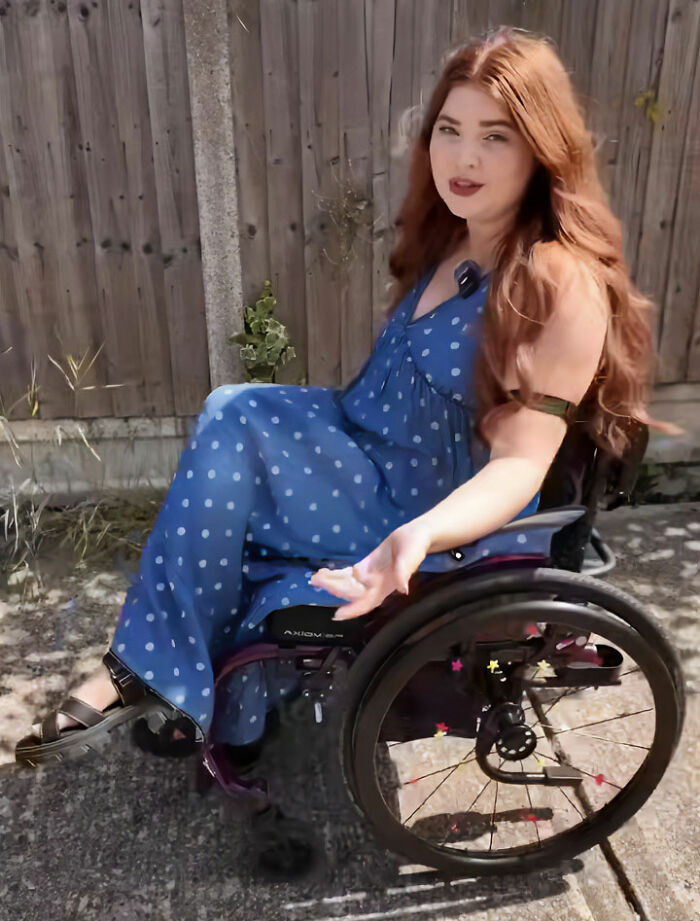
Fibromyalgia and multiple sclerosis can also affect people’s ability to move comfortably and reliably.
These conditions affect people differently, and not everyone with a particular diagnosis will need a mobility aid.
The important consideration is how a person’s symptoms affect their daily functioning.
Dr. Kim Bell, a physical therapist specializing in dizziness, vertigo, balance problems, and fall prevention, also highlighted the potential role of Long COVID.
“One factor I think is important to consider when discussing mobility challenges in younger people since 2020 is Long COVID,” she said.
“In my clinical practice, I have seen a significant increase in complex dizziness and vertigo cases since 2020, including in young people.”
Dr. Bell noted that some patients experience orthostatic intolerance, while others have spells of dizziness and vertigo that improve before returning.
“This type of fluctuating illness can understandably affect mobility and daily function,” she explained.
Being able to walk sometimes does not mean someone can manage an entire day without assistance

One of the most common misconceptions about mobility aids is that people who can stand or walk independently do not need a wheelchair or walking stick.
However, taking a few steps is not the same as walking safely over a longer distance, staying upright for an extended period, or managing the physical demands of an entire day.
This is particularly relevant for people with fluctuating or dynamic disabilities, whose symptoms can vary from hour to hour.
Dr. Kavi explained that PoTS symptoms can worsen with heat, dehydration, food, exercise, and prolonged standing.
Menstruation and viral illnesses can also contribute to symptom deterioration.
Consequently, someone who manages a short walk on one occasion might experience severe dizziness or near-fainting after standing in a queue or traveling on public transport.
Dr. Kavi also noted that “some people with PoTS experience fewer symptoms” while walking because their leg muscles help circulation.


However, stopping and remaining upright can cause blood to pool again, potentially triggering fainting or near-fainting.
For some patients, a wheelchair can reduce this symptom burden and make outings possible.
Therapist Letizia explained, “Someone can stand and transfer but run out of energy, or trigger pain or dizziness, after a short distance. The chair is for distance and recovery, not because their legs don’t work at all.”
Dr. Bell made a similar point, explaining that some patients become lightheaded immediately after standing, while others develop symptoms only after remaining upright for a while or exercising.
“Seeing someone stand or walk for a short period does not give you the full picture of what happens to that person when they remain upright or active for longer periods,” she said.
Isobel Williams, a woman living with PoTS who volunteers for PoTS UK, knows this firsthand.
“Without my wheelchair I’d be entirely housebound,” she said. “My legs work, but I can’t be upright long enough to make it outside, I’d just pass out or end up on my hands and knees.”
Mobility aids can help people conserve energy and participate in everyday life
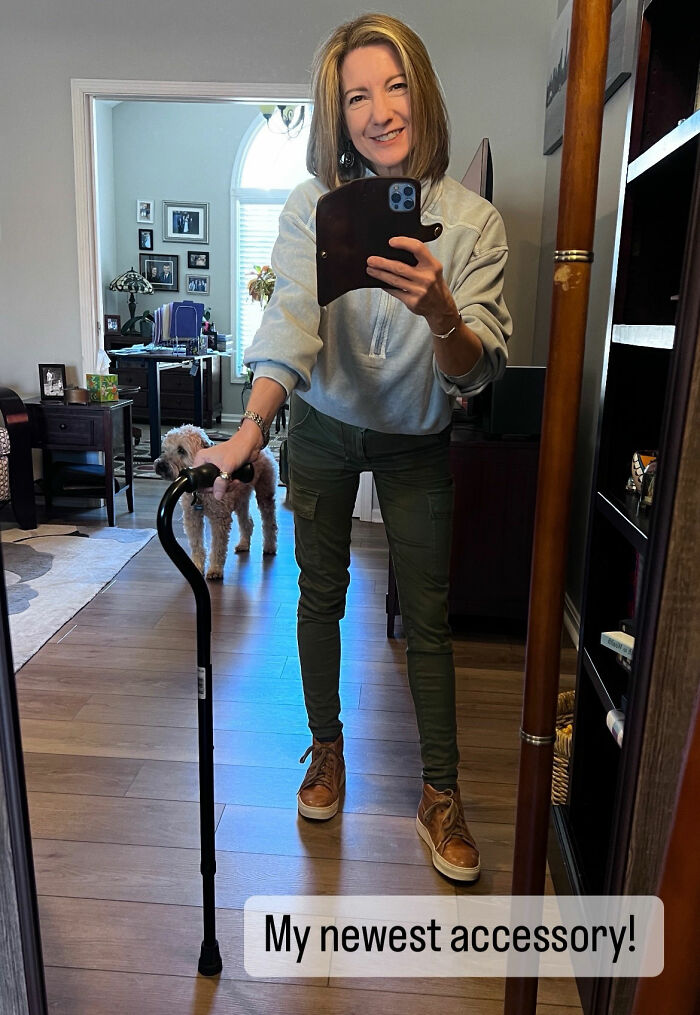
Williams explained that she can function relatively well while lying down, but standing triggers a rapid deterioration in her symptoms.
“PoTS affects everyone differently,” she said, adding that her own symptoms have varied considerably over the years.
For someone living with a chronic illness, getting from one place to another can require considerably more effort than it might for someone without the same symptoms.
A mobility aid can reduce the physical demands of movement, provide additional stability, relieve pressure on painful joints, and save energy for other activities.
Gerda Maissel, a rehabilitation physician and founder of My MD Advisor, explained that mobility aids serve three basic purposes: “First, they increase safety. Second, they reduce the work of walking or mobility. And third, they can reduce pain both directly and indirectly.”
Different devices offer different kinds of support.
A cane can provide an additional point of contact for someone with relatively minor balance difficulties, while a walker can offer more stability.
Crutches may help reduce weight-bearing on an injured limb, and a wheelchair can make longer distances more manageable for someone with limited stamina.
The appropriate choice depends on the individual’s needs and should be assessed by a qualified rehabilitation professional.
Maissel said, “A mobility aid will not eliminate your dizziness, but it will reduce the risk of falling if you lose your balance while dizzy.”
Similarly, redistributing weight away from a painful hip, knee, or ankle can reduce the load placed on an affected joint.
For people with fatigue-related conditions, conserving energy can be just as important as improving balance.
Valerie Briggs, an occupational therapist who works in neurolymph therapy, explained that mobility aids can “help people realize how to utilize their physical strength and endurance in a way that supports their desired activities.
Experts warn that delaying mobility aids because of stigma can have serious consequences


For Williams, using a wheelchair has made a meaningful difference in how much she can participate in life outside her home.
She said going out in her wheelchair can still trigger symptoms that leave her feeling worse for around five days afterward, but it allows her to leave the house approximately once a week.
“My wheelchair doesn’t resolve things, but it does mean I can get out and about a bit,” she said.
The aim, therefore, is not necessarily to eliminate a person’s symptoms or restore their previous level of mobility.
Sometimes, it is to make everyday activities possible despite those symptoms.
Despite their practical benefits, some worry that using a cane or wheelchair will make others perceive them as weaker, less independent, or more disabled than they appear.
Others may feel they have to wait until their symptoms become severe enough to justify using an aid.
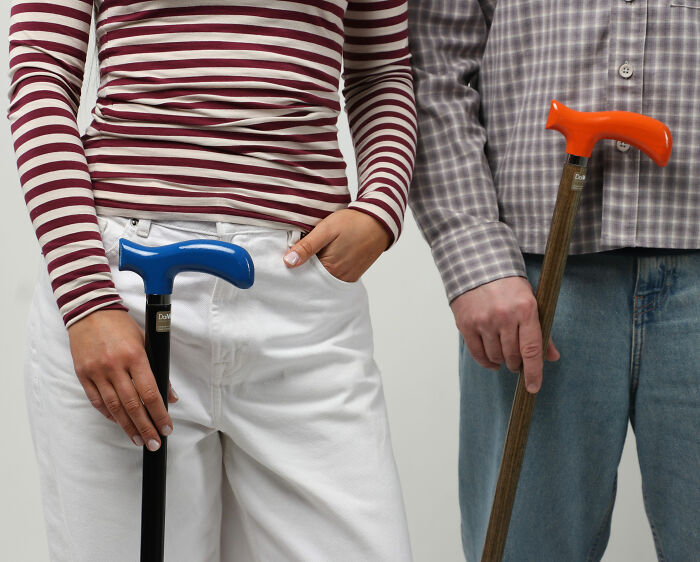
Dai Walk/Pexels (not the actual photo)
Maissel said she sometimes encounters families who worry that using a mobility aid will cause their loved ones to give up walking.
“The drive to walk unassisted is deeply human,” she said.
However, she added that people more often set aside canes or crutches too soon, or use them less often than needed, than use them excessively.
Letizia also rejected the idea that using an aid necessarily means giving up on recovery.
“Prescribed and used well, an aid is a tool, and we pair it with a plan for strength and conditioning,” he explained.
Dr. Bell cautioned against assuming someone’s motivation or recovery potential based on their use of an aid.
“What I see clinically is that people with chronic dizziness and Long COVID can have symptoms that fluctuate significantly,” she said. “Someone’s abilities on one day, or even at one point during the day, may not represent their overall condition.”
Delaying appropriate support can also create problems.
Women with chronic illnesses often face additional barriers when seeking a diagnosis
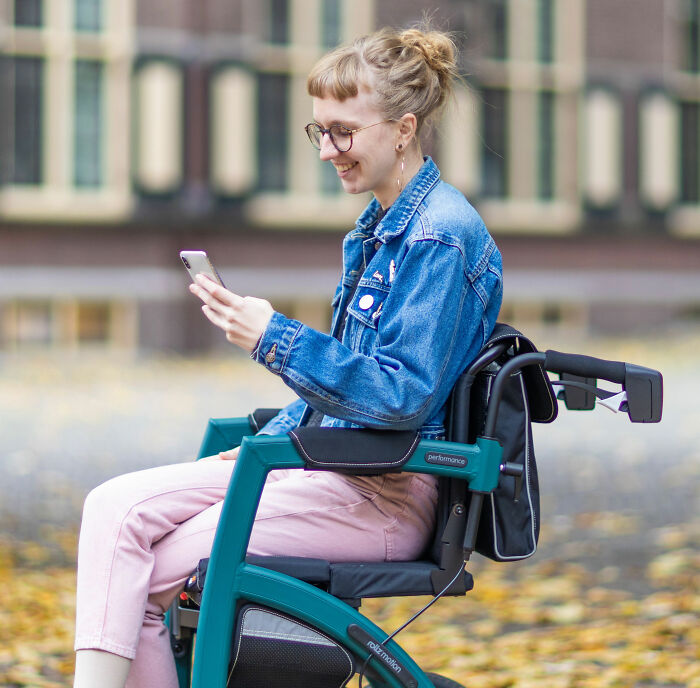
Rollz International/Pexels (not the actual photo)

People who experience dizziness or instability may face a greater risk of falls, while those who repeatedly push beyond their physical limits can experience symptom flare-ups.
For people with PoTS, the relationship between mobility and conditioning can be particularly complex.
Dr. Kavi noted that physical deconditioning can worsen symptoms, which is one reason some patients use wheelchairs selectively rather than for every activity.
The goal is to find an appropriate balance based on the person’s condition, not to assume that using an aid is inherently harmful or that everyone should be encouraged to walk unassisted regardless of their symptoms.
The controversy has also raised questions about why some young women with chronic conditions struggle to have their symptoms recognized in the first place.
PoTS can be difficult to identify because its symptoms, including dizziness, fatigue, and palpitations, can occur in other conditions.
Dr. Kavi said the UK healthcare system faces several barriers to diagnosis, including insufficient PoTS training, a shortage of specialists, and uncertainty over which medical services should manage the condition.

She also raised concerns about “gender discrimination in healthcare,” adding that men with PoTS are half as likely as women to receive a mental health label for their physical symptoms.
According to Dr. Kavi, attributing symptoms to psychological causes can delay diagnosis and appropriate treatment, while leaving patients “reluctant to seek medical help again.”
Williams experienced a lengthy diagnostic journey herself.
She said it took approximately 18 years for her to receive a PoTS diagnosis, despite living with chronic illness for much of her life.
Her experience shows why increased awareness matters to people who have spent years trying to understand what is happening to their bodies.
Williams shared that many people with Long COVID have also developed PoTS, while social media has made it more common for chronically ill people to share their experiences.
“When I was a chronically ill teenager, I connected with people via snail mail and online message boards,” she said.
PoTS UK says there is no evidence that the mobility aids at the center of the debate are unnecessary
Ivan S/Pexels (not the actual photo)
“It was different back then, but I can assure you there were so, so many of us, fighting the judgment that comes with these invisible and relentless battles.”
Social media has become an important part of the discussion, allowing people with chronic illnesses to exchange information, find others with similar experiences, and talk openly about conditions that may otherwise leave them feeling isolated.
Critics of the growing visibility of mobility aids have suggested that online communities could encourage young women to identify as disabled or use aids unnecessarily.
However, Dr. Kavi said she was not aware of studies confirming that claim.
“This is just an impression,” she said.
She added that online communities can help people with PoTS feel less isolated and share ideas for maintaining their independence.
“There is no evidence that the aids discussed in the Times and similar publications are unnecessary,” Dr. Kavi said.
She also explained that some people experience genuine symptoms of orthostatic intolerance without meeting the standard diagnostic criteria for PoTS, yet may still benefit from similar therapeutic measures.
That does not mean every claim shared online should be treated as a medical diagnosis.
For Williams, greater visibility has helped make conversations about chronic illness more normal, even though she recognizes that fluctuating disabilities can be difficult for outsiders to understand.
“I’m a huge advocate for ‘adapting’ to get the most out of life,” she said, adding, “I don’t think people truly need to understand all the ins and outs of why or when people use mobility aids, they just need to refrain from negatively judging disabled people.”
For many people, a walking stick or wheelchair is not a symbol of giving up.
It is a practical tool that helps them navigate a world that can otherwise be difficult to access.
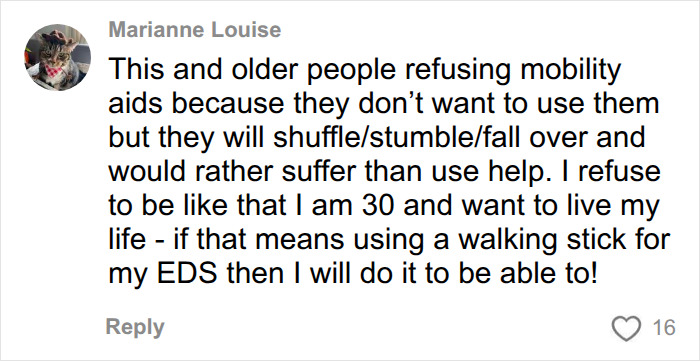
“Women have long been stigmatized for medical conditions, leading to delays in treatment. Our bodies are different than men’s,” one netizen wrote








 Follow Us