Blending families isn’t easy and takes a lot of patience. I know this from my own experience, since my family is blended too. As parents, we have to build a new life with our partner while making sure our children don’t feel left out. It gets even trickier when everyone has their own ideas about where they fit in the family.
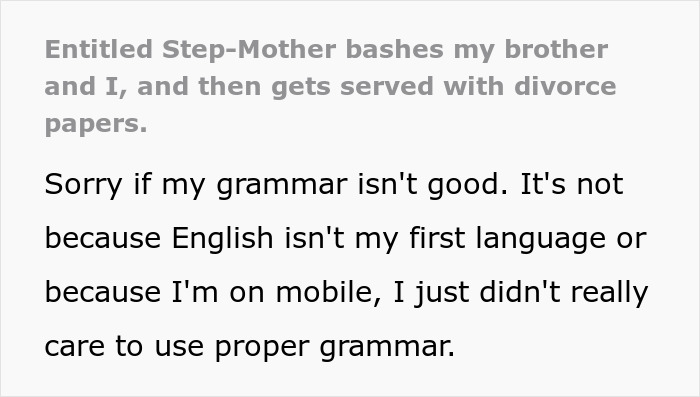
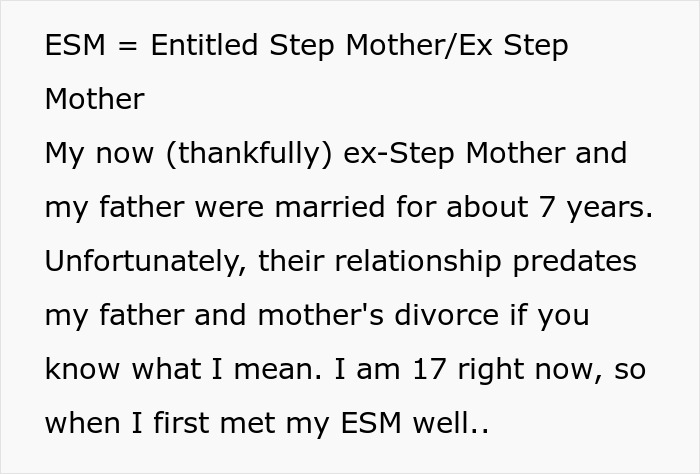
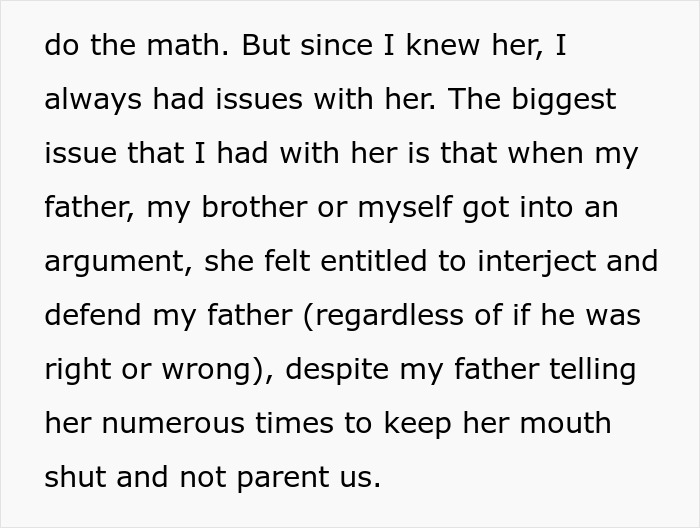
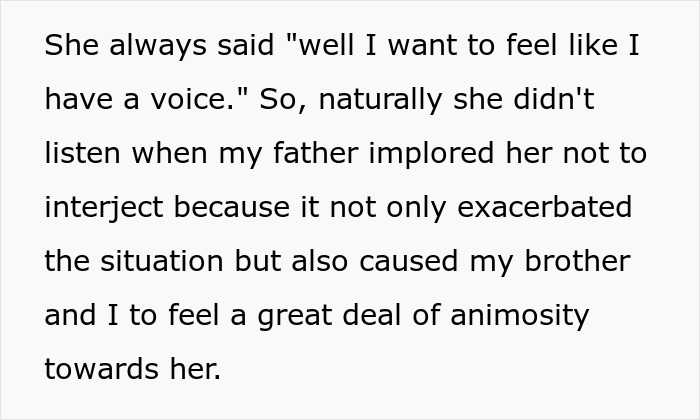
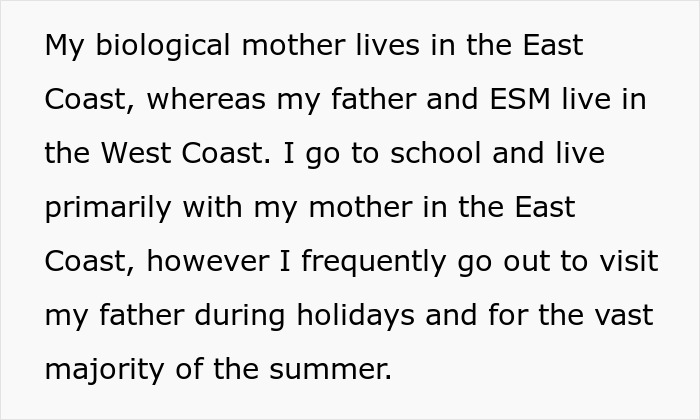
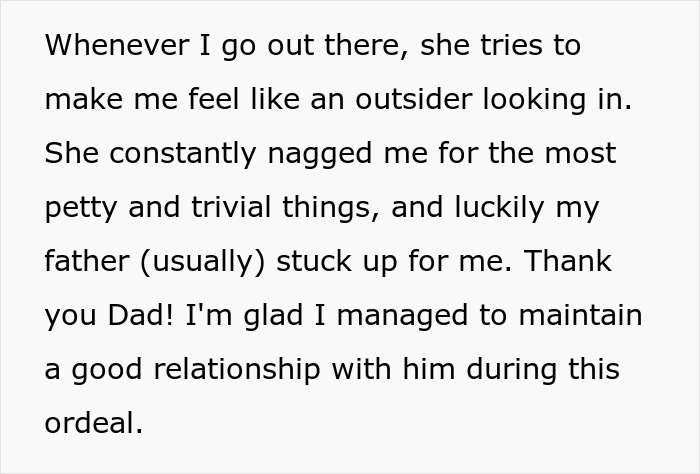
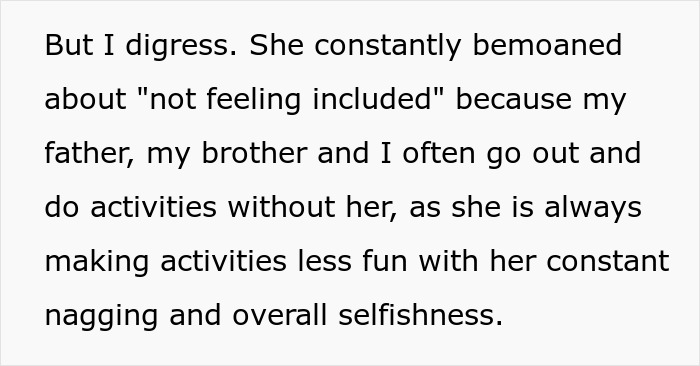
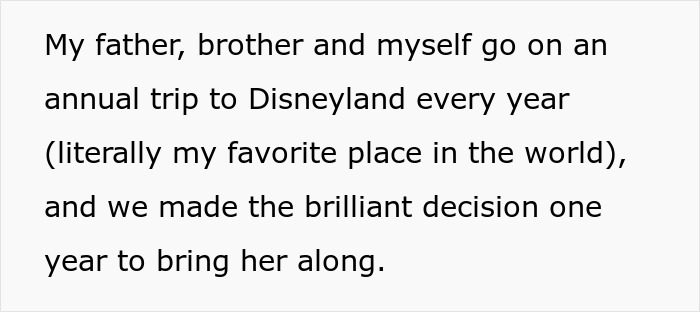
A teenager went through these challenges himself after his dad remarried. On Reddit, he explained that his stepmother often got involved in family arguments and made him feel unwelcome when he visited. This led to a lot of resentment and eventually caused serious problems in their family.
Blended families often struggle with boundaries, loyalty, and changing family roles

fabio-3 / Magnific (not the actual photo)

A stepmother repeatedly interfered in family arguments and made her stepsons feel like outsiders during visits

The Yuri Arcurs Collection / Magnific (not the actual photo)


Onai Leonardo / Pexels (not the actual photo)

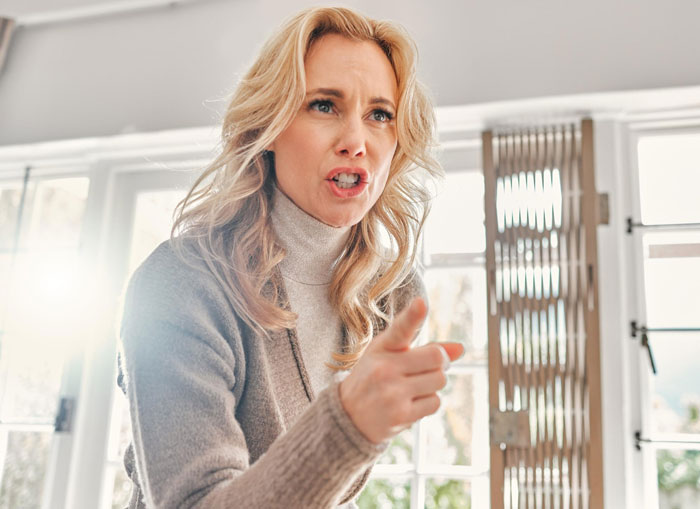
The Yuri Arcurs Collection / Magnific (not the actual photo)

magnific / Magnific (not the actual photo)
People who have gone through divorce may carry unresolved emotional baggage into their future relationships
You’d think that, after getting divorced, you learn a thing or two that’d make your next marriage successful. However, when one ends, the next one does not necessarily have better odds. Researchers estimate divorce ends 41% of first marriages, compared with 60% of second marriages and 73% of third marriages. So this case just adds up to those numbers.
Robert Taibbi, L.C.S.W., explains that people who have been divorced often bring emotional wounds from past relationships into new ones. If someone has experienced betrayal, control, or emotional abuse before, they may be more sensitive to those behaviors and react more strongly. This emotional baggage can affect how they deal with conflict in a second marriage.
A parent entering a new relationship has to make room for another adult without making the children feel pushed aside. Kids may struggle when a partner starts taking time and attention from the parent they already share. In our story, the father’s summers with his sons mattered a lot to them. Ruining that precious time couldn’t be simply ignored.
Children often see their parent’s home as their own, even if they only stay there on weekends or during school breaks. When a new partner moves in, it can feel like an intrusion, and kids need time to get to know that person. They also need to feel sure that they still have a secure place in the family.
Taibbi suggests that stepparents focus on building relationships with children before taking on discipline. He advises couples to agree on rules and expectations and to give children time to adjust. If a stepparent tries to take charge too soon, children may respond with, “You’re not my mother or father.”
The specialist also warns against creating an “us versus them” feeling between stepfamilies. Partners should support each other and let the biological parent handle discipline at first. This approach takes patience, as the stepparent builds trust, learns the family’s routines, and slowly takes on more parenting responsibilities.
The relationship between a stepparent and child is connected to a child’s emotional and physical well-being
vh-studio / Magnific (not the actual photo)
When children join a stepfamily, they might feel jealous, competitive, or resentful as their home life changes. The Child Mind Institute explains that kids often trust their biological parent first and need time to build trust with a stepparent. This process can be even harder if the new adult tries to rush things.
Stepparents should not expect children to become close right away, especially since kids did not choose the new family setup. The Institute suggests taking things slowly and focusing on respect. Over time, children may form a strong bond with a stepparent, but forcing affection or authority can lead to rejection, insecurity, and resentment.
There is no simple solution for either role, but research highlights the importance of focusing on the child’s experience. A 2022 systematic review from the U.S. National Library of Medicine looked at 56 studies and found that the quality of the stepparent-child relationship is connected to children’s psychological, behavioral, social, academic, and physical well-being. When these relationships are stronger, children tend to have better outcomes.
This research helps explain the conflict in this story. The father’s sons wanted time with their parent, while their stepmother hoped to be more involved in his life. Instead of finding a balance, ongoing interference turned normal family tensions into resentment. When she reacted angrily to four extra days, the marriage finally ended.
In the end, the father decided to put his relationship with his sons first. The stepmother’s repeated efforts to take a bigger role only widened the gap between them. What started as family tension eventually led to the end of the marriage. Do you think the father was right to end the marriage after his wife’s outburst? What would you have done in his place? Share your thoughts in the comments!
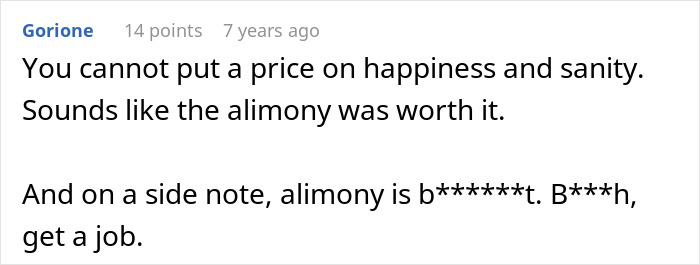
People were quick to point out that the author’s stepmother came across as particularly cruel



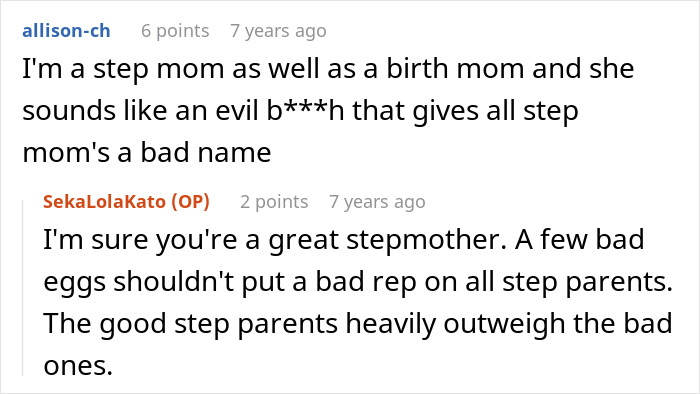


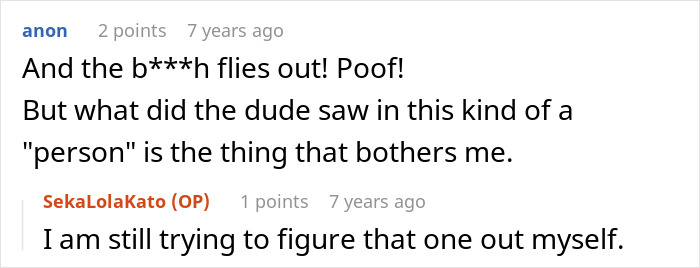

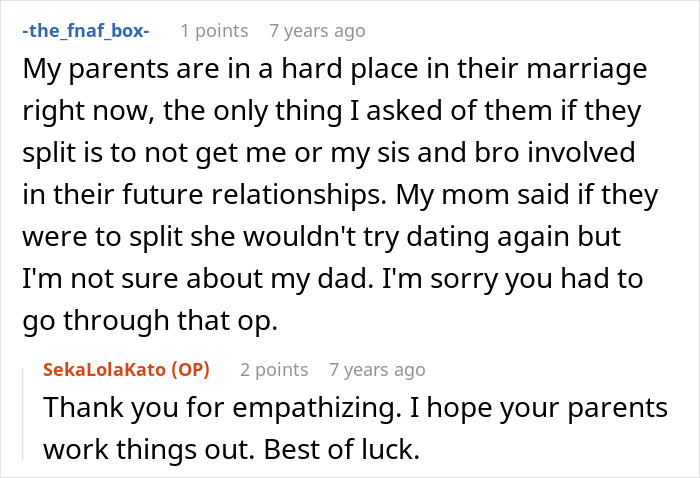

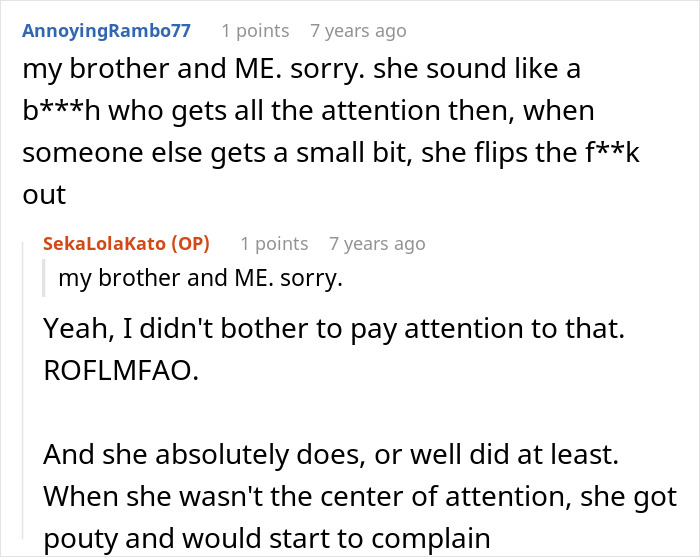

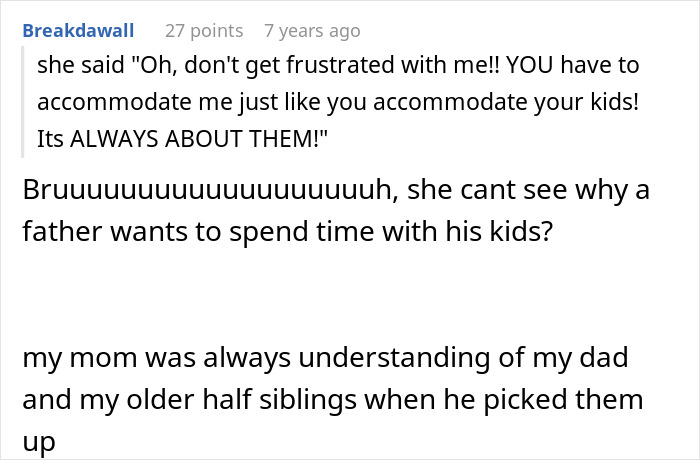




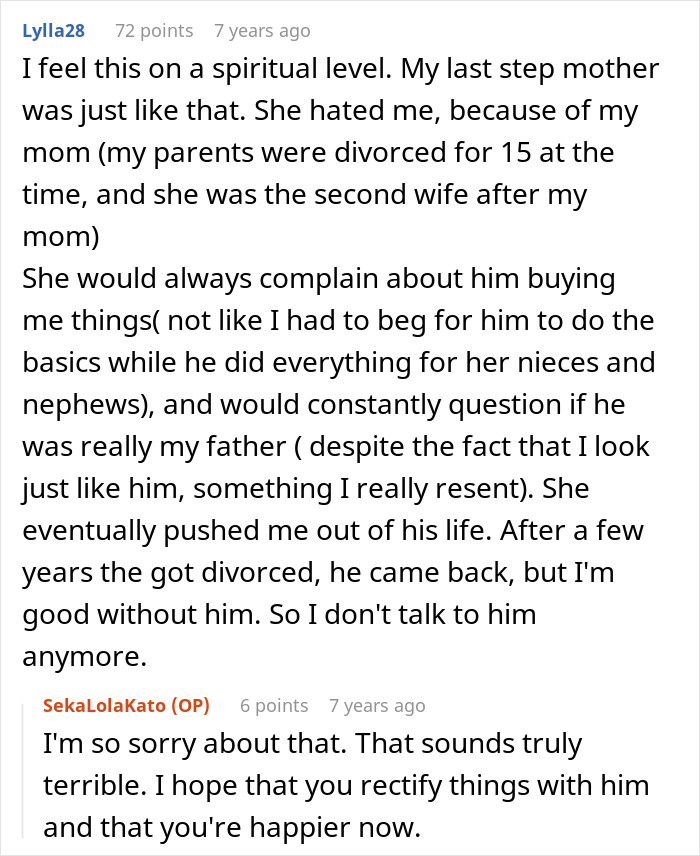
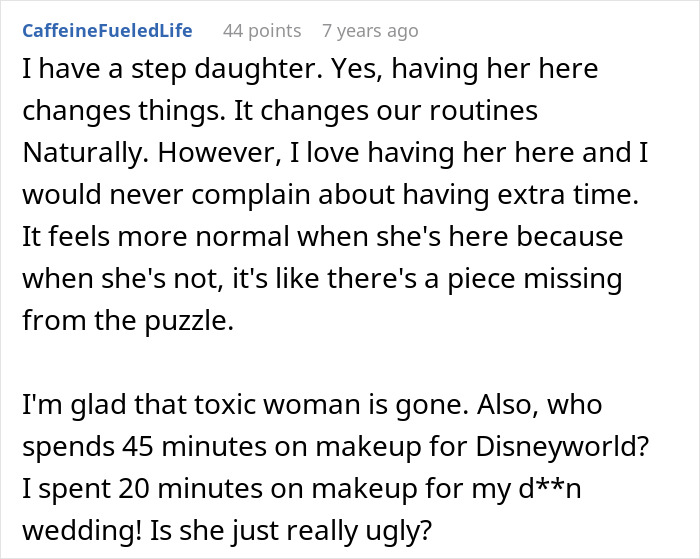
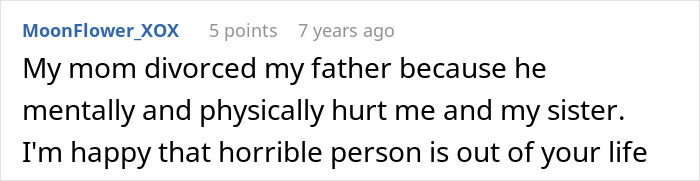
A few people also opened up about their own experiences

 Follow Us