Some people think that, because they are family, they are immune from rules. After all, as family, they only have everyone’s best interest at heart, which they might see as justification to do whatever they feel like. In case the tone here wasn’t a hint, this is just entitled behavior.
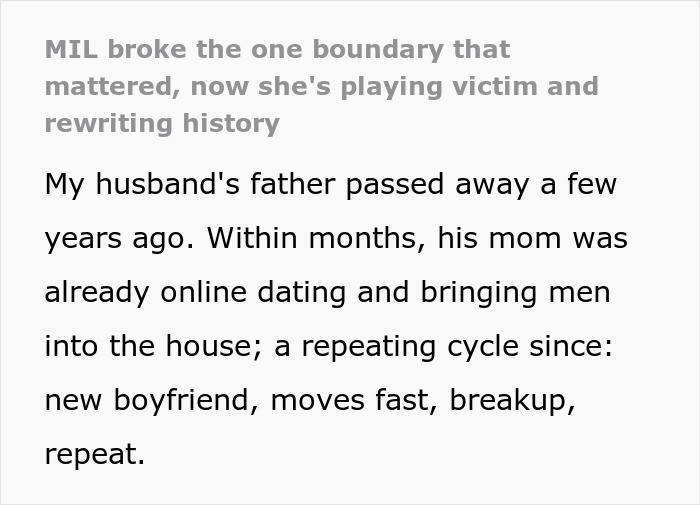
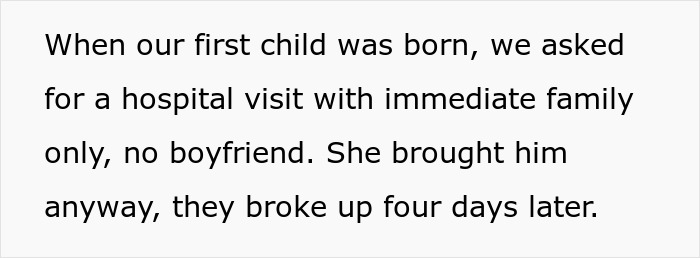
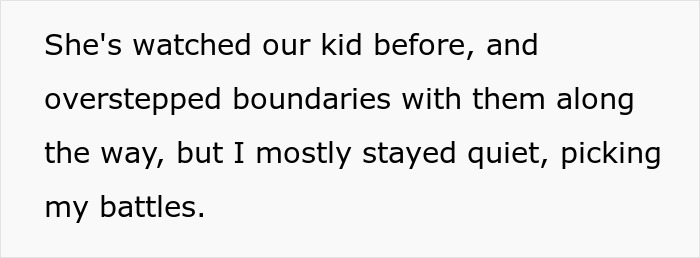
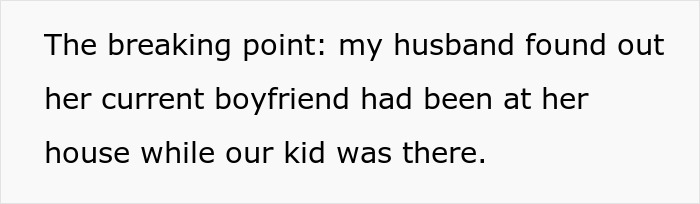
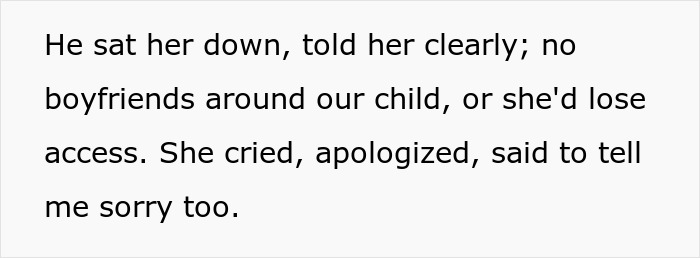
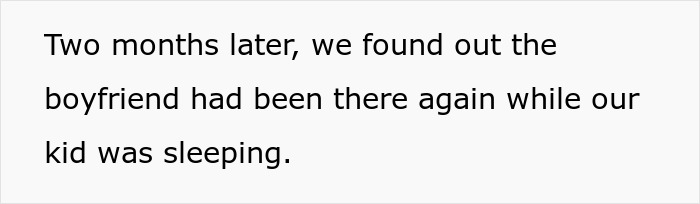
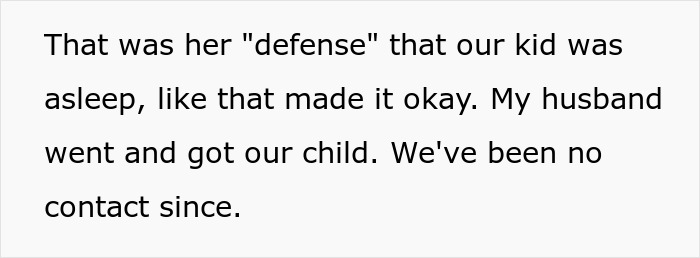
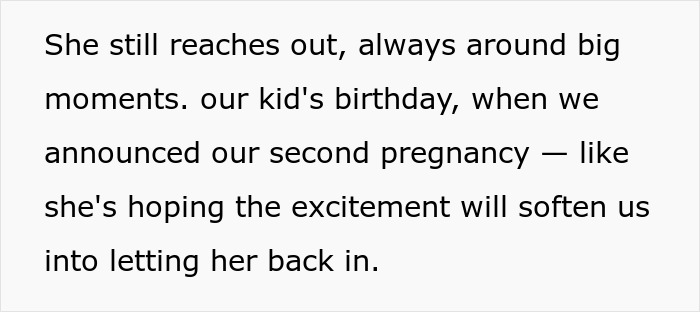
A woman went online to vent about her mother-in-law who insisted on playing victim despite being the reason she got herself cut off. The couple had a specific rule about their kids that the MIL repeatedly felt she could ignore, then was surprised when they had enough and told her that she’s lost her child privileges.
Even families need boundaries

magnific / Magnific (not the actual photo)

So one woman’s MIL ended up cut off when she would not follow rules

Getty Images / Unsplash (not the actual photo)

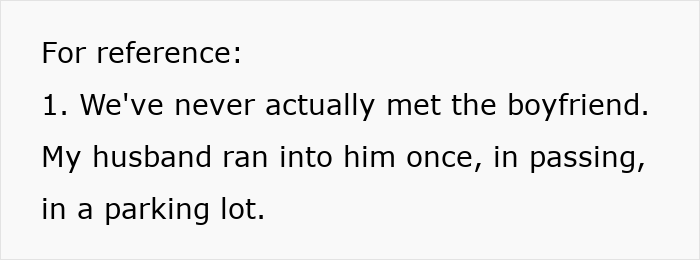
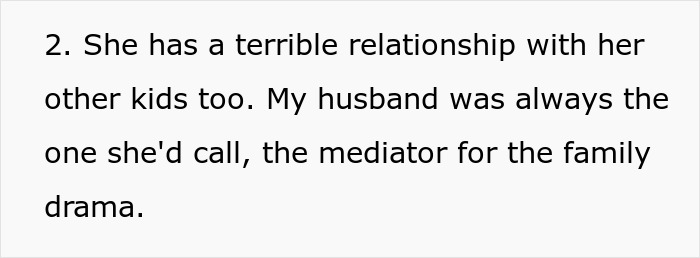
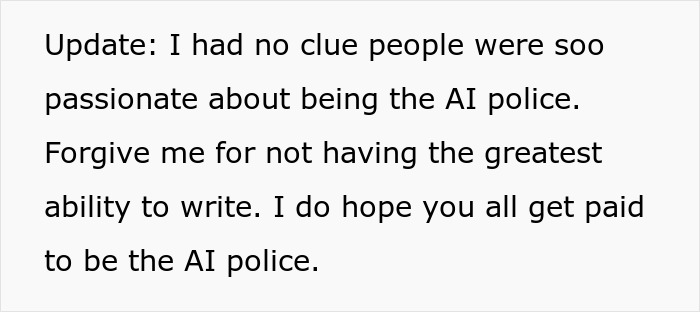

magnific / Magnific (not the actual photo)
The role of “grandparent” makes some adults think they can do anything
Stories like this keep showing up because the pattern is disturbingly common, and there is a reason it keeps working on people, at least for a while. Entitlement inside a family rarely announces itself. It shows up as small overreach, a boyfriend brought where he was explicitly not wanted, a rule tested once to see what happens, then tested again because nothing happened the first time. According to The Parent Cue, a sense of entitlement often grows out of family dynamics where certain behavior gets excused or enabled over and over, and the person doing it starts to believe the rule was never really a rule at all, just a suggestion they can wear down.
That is exactly why the sleeping child excuse lands so badly with anyone reading it. It was not a genuine misunderstanding of the boundary. It was an attempt to find a technicality inside a rule that had already been stated in plain language. Boundaries that bend the moment someone finds a loophole are not boundaries, they are negotiations, and family therapists who write about grandparent relationships tend to agree that flexibility only works when both sides are negotiating in good faith.
Access to grandchildren gets treated in a lot of these situations as an entitlement rather than what it actually is, a relationship that depends on trust like any other. Romper notes that undermining a parent’s rules and pushing back on updated expectations is one of the more common ways that trust erodes, especially when the grandparent falls back on some version of the old standby that their own parenting turned out fine, so the new rule must be unnecessary. That line shows up constantly because it reframes a boundary as an insult rather than a decision, which makes it easier to justify crossing it again.

Rifki Kurniawan / Unsplash (not the actual photo)
The consequences of crossing a boundary are just as important
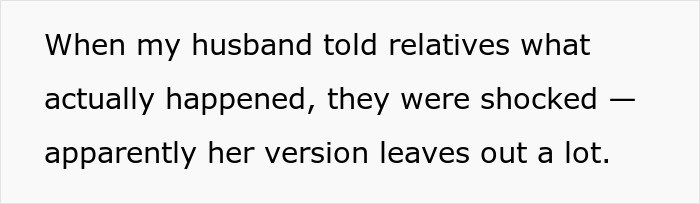
What happens after the boundary breaks is its own pattern too. Instead of owning the decision, the person who caused the fallout starts managing how the story gets told. This is a form of what family systems researchers call triangulation, pulling other relatives into the conflict as messengers or witnesses so the narrative gets filtered through someone with an interest in softening it. Writing on triangulation in family systems describes how this keeps direct communication from happening, because as long as everyone hears a curated version secondhand, nobody can compare notes and see the full picture. It also explains why the extended family reacted with shock once they finally heard the unfiltered version. They had only ever been given the edited one.
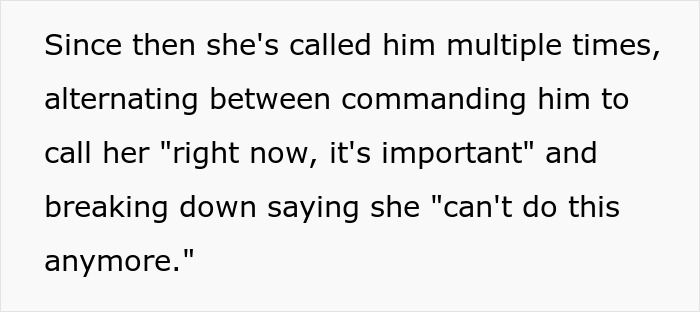
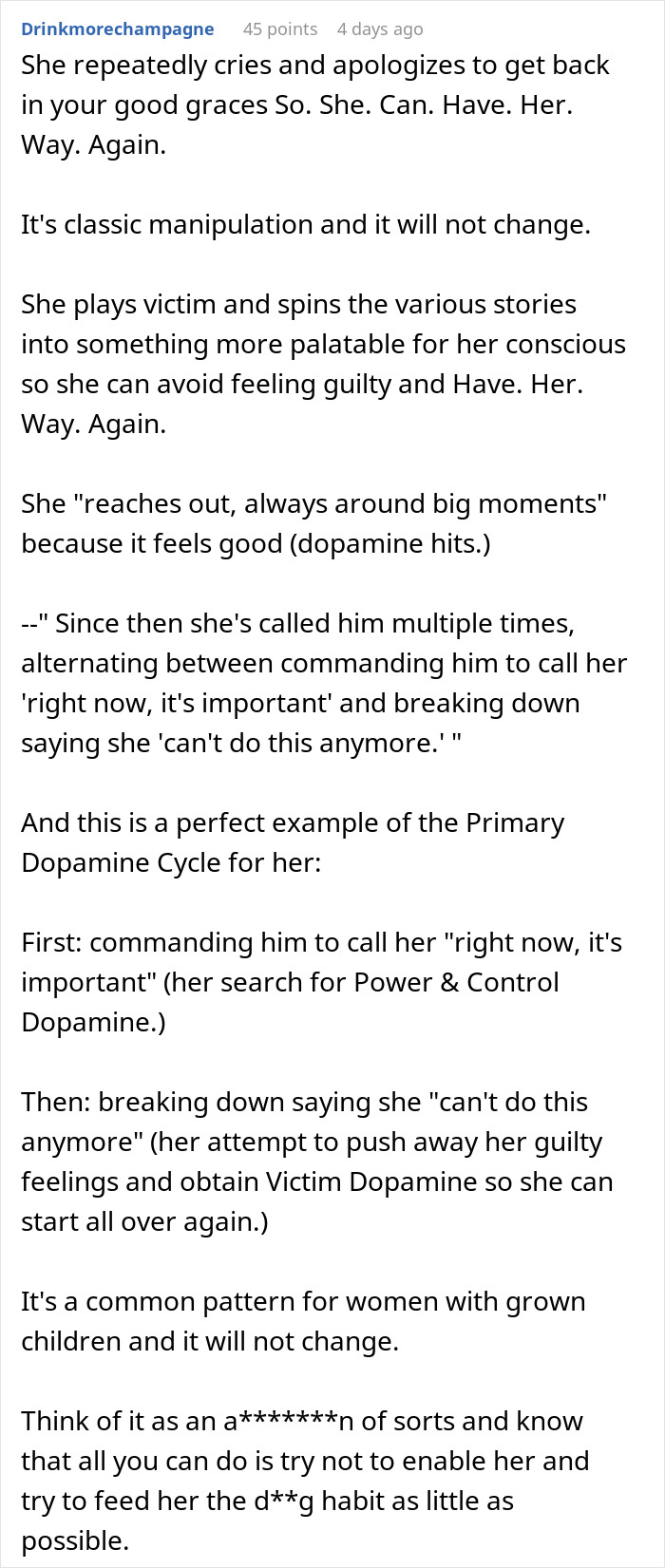
Alternating between commanding someone to call right now and collapsing into saying they cannot do this anymore is worth naming too. It mirrors what psychologist Stephen Karpman described in his Drama Triangle, where a person moves between persecutor and victim depending on which role gets them what they want in the moment. Guilt did not work, so urgency gets tried, and when urgency does not work either, it swings back to guilt.
None of this means every grandparent who oversteps is doing it with calculated malice. Plenty of people genuinely struggle to accept that adult children get to set new terms. But struggling to accept a boundary and repeatedly, knowingly breaking it after being told exactly what would happen are different things, and only one of them deserves the benefit of the doubt. Consequences are what make a boundary real in the first place. Without them, it is just a sentence someone said once and hoped would be respected on its own.
She gave some more details in the comments
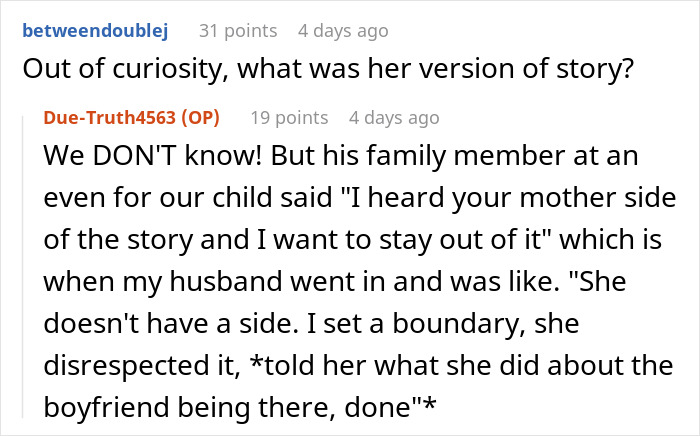
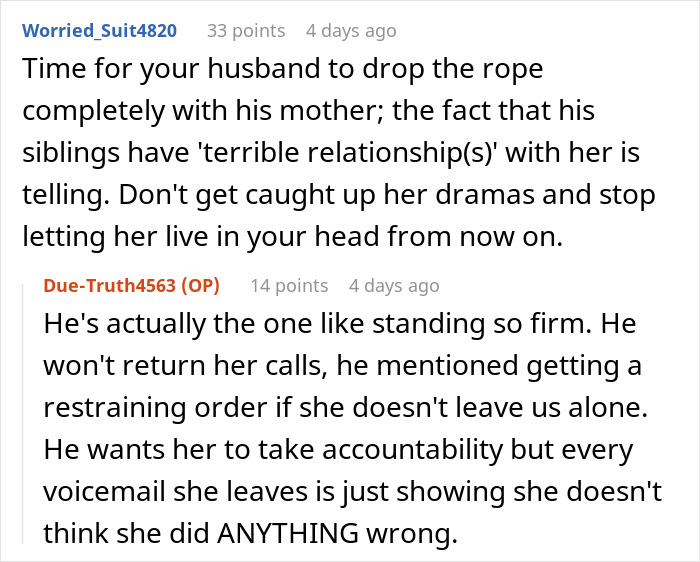
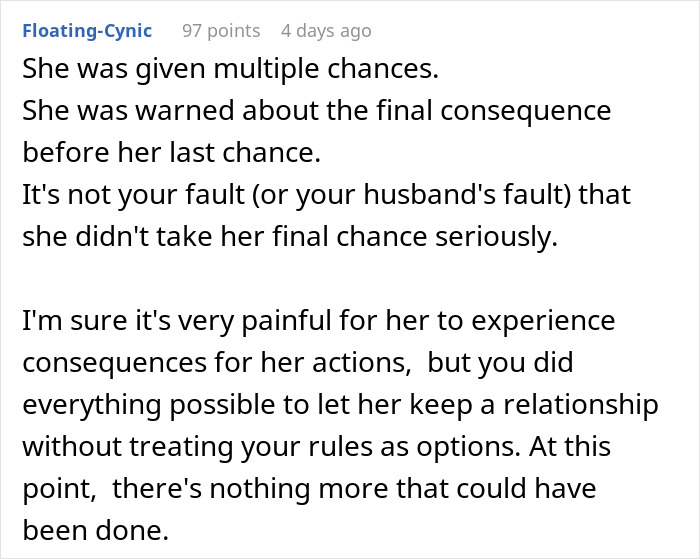
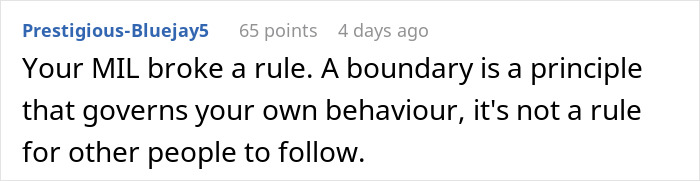
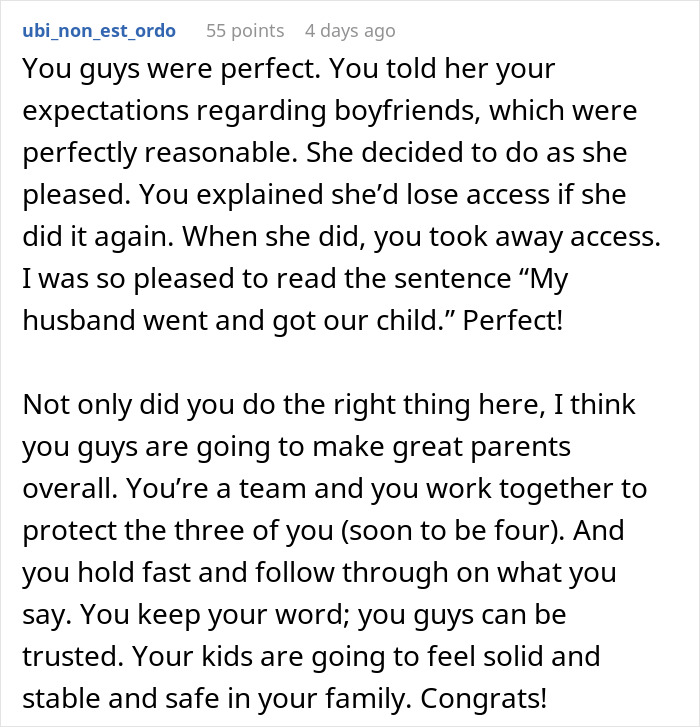
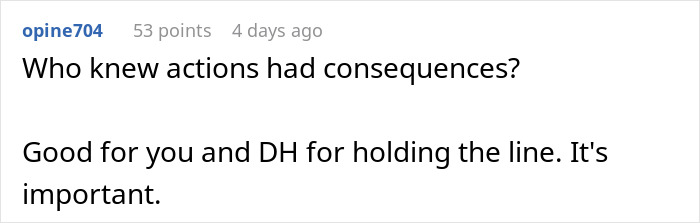
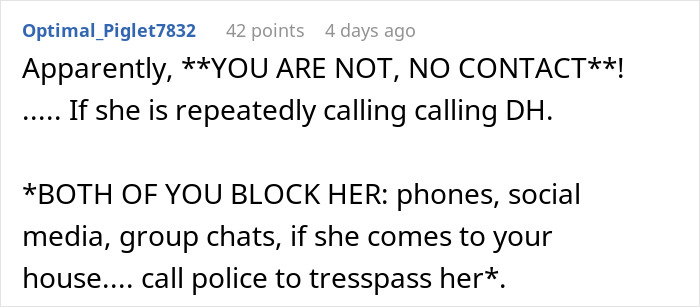
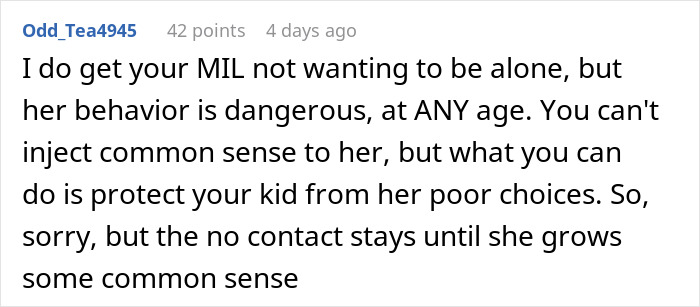
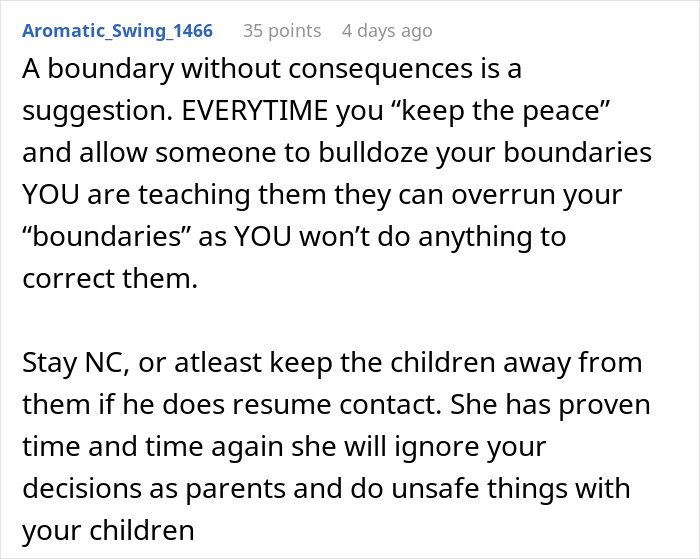
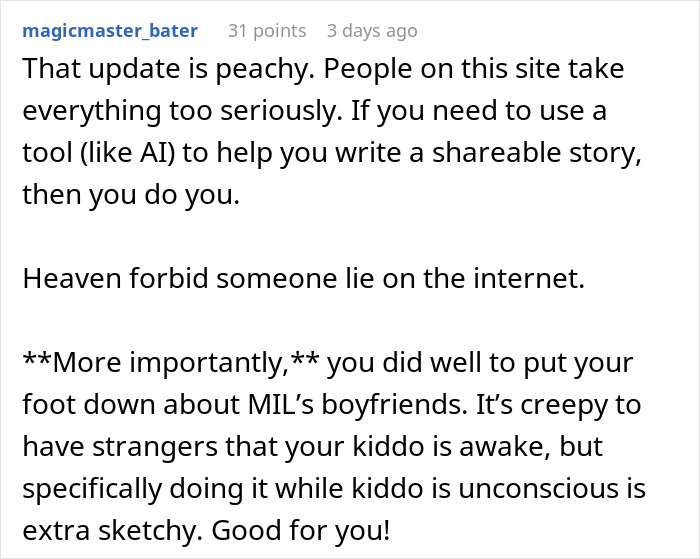
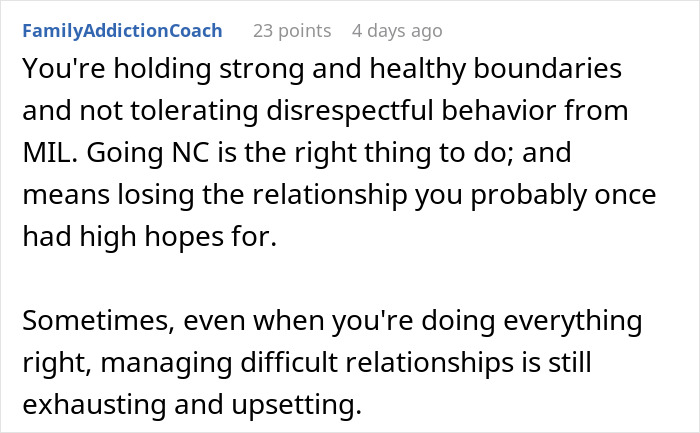
Readers were not sympathetic to the MIL
 Follow Us