After seven days and hours of deliberations ended without a verdict last week in the Lindsay Clancy trial, three female jurors have now broken their silence about the heated disagreement that left the panel deadlocked.
The women described a tense battle over reasonable doubt, with one juror allegedly refusing to budge even after admitting he had doubts about Clancy’s criminal responsibility.
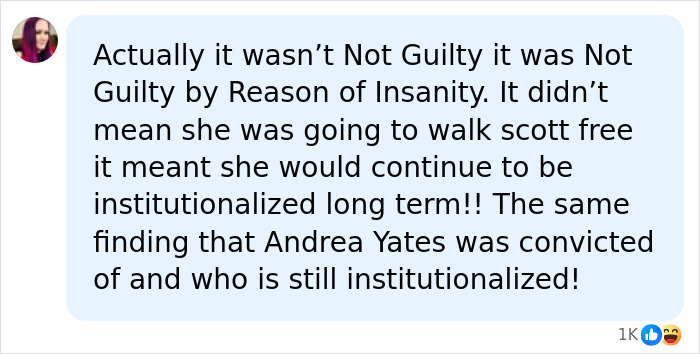
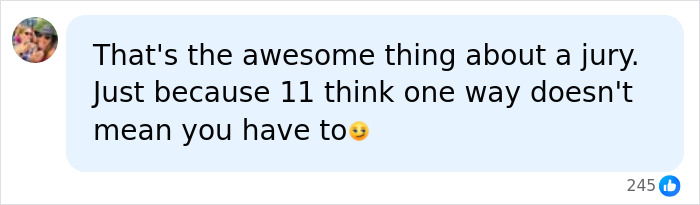
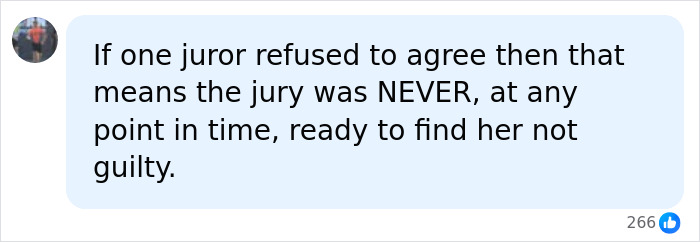
Reacting to the latest development, one person wrote online, “He might be the only one in the room who’s wrong, or he might be the only one who stood up to the pressure. It’s modern version of 12 Angry Men.”
Three female jurors revealed how one holdout allegedly brought the Lindsay Clancy trial to a standstill

Trigger Warning: This article contains sensitive content that may be distressing for some readers.
The Lindsay Clancy trial ended in a mistrial on Friday, September 4, after the 12-person jury failed to reach a unanimous decision.
The jury had reportedly reached an 11-1 split, with 11 jurors prepared to find Clancy not guilty by reason of insanity and one male juror refusing to join them.
Now, three of the women on the jury have spoken publicly about what happened behind closed doors.
The three jurors were foreperson Roni Carlson, chef Kellie Farina, and Paula Devlin, a former defense contractor employee.

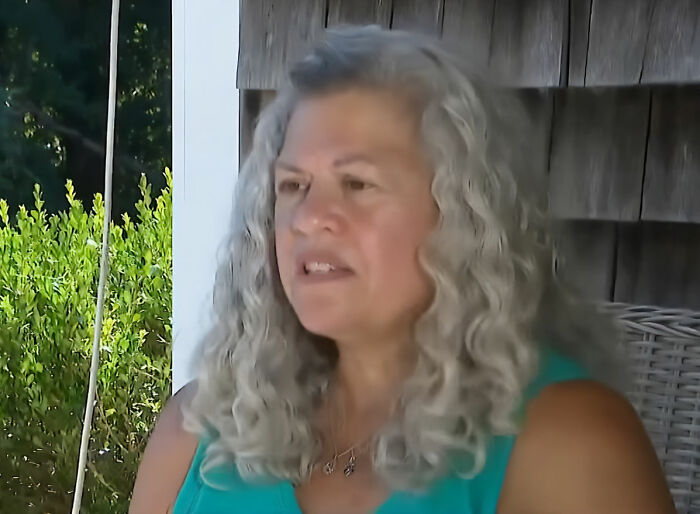

Speaking with NBC10 Boston, they described increasingly frustrating exchanges with the unidentified male holdout, whose name remains sealed.
According to the jurors, the disagreement centered heavily on the legal standard of reasonable doubt and whether Lindsay’s severe mental illness prevented her from being held criminally responsible.
Carlson said the holdout eventually acknowledged that he had reasonable doubt.
That moment initially seemed like a breakthrough to her.
Jurors found the male holdout “arrogant” as he allegedly refused to listen to their arguments

“He admitted he had reasonable doubt. I started filling out the forms; I was so excited,” she said. “There were three forms I had to fill out, and then he said, ‘but I’m still not going to say she’s not guilty by reason of insanity.’”
For the other jurors, that reportedly became one of the most frustrating moments of the deliberations.
Devlin described the holdout as “very arrogant,” adding, “He really did not take anything that anybody said.”
Another juror recalled, “Every one of us in the hours of our frustration would get up and walk the room because you just couldn’t sit anymore. And we would all go to the cart with the exhibits. He, I think, got up to the cart once and then went back to his seat.”
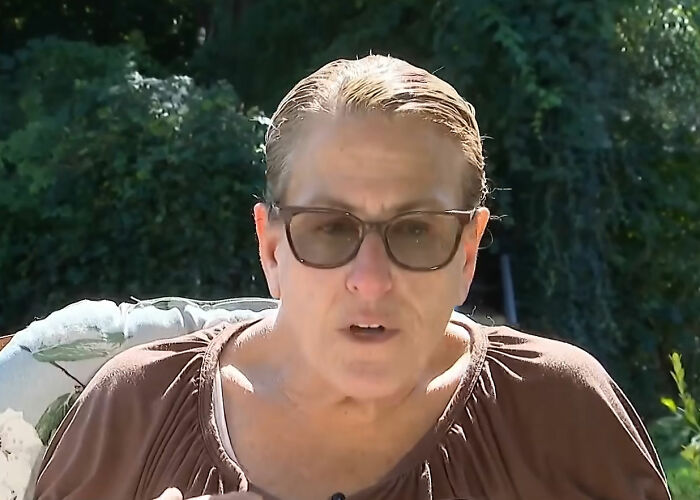
She added that the women tried to get him to reconsider the legal standard, even reading the definition of reasonable doubt aloud.
“We read to him, on numerous occasions, the definition of reasonable doubt…” she said. “But he had the hardest time getting over the fact that Lindsay viciously ki**ed her children.”
The arguments reportedly became so heated that alternate jurors could hear the deliberating panel through a wall.
At one point, Carlson sent a note to the judge raising concerns about the holdout’s approach to reasonable doubt.
Judge William Sullivan questioned the jurors and repeated his instructions, but the disagreement ultimately remained unresolved.
The mistrial came after jurors repeatedly told the judge they could not reach a unanimous verdict

Clancy, a former labor and delivery nurse, had pleaded not guilty by reason of insanity.
The prosecution has alleged that Lindsay strangled her children using exercise bands inside their family home in Duxbury, Massachusetts, while her husband was briefly out running errands in January 2023.
Afterward, she attempted to take her own life by cutting herself and jumping from a second-story window, an act that left her paralyzed from the waist down.
Her defense argued that she was experiencing severe postpartum psychosis and had effectively lost contact with reality when she attacked her children.
However, prosecutors argued that Lindsay knew what she was doing and had acted deliberately, pointing to evidence they said showed planning and awareness before the attack.

The prosecution maintained that her mental health problems did not prevent her from understanding the nature and wrongfulness of her actions.
According to the Cleveland Clinic, postpartum psychosis can involve symptoms including severe confusion, hallucinations, delusions, agitation, and disorganized thinking.
It is considered a psychiatric emergency because people experiencing it can pose a serious risk to themselves or others.
Importantly, postpartum psychosis is not the same thing as postpartum depression.
While postpartum depression is considerably more common, postpartum psychosis is rare and can cause a person to lose touch with reality.
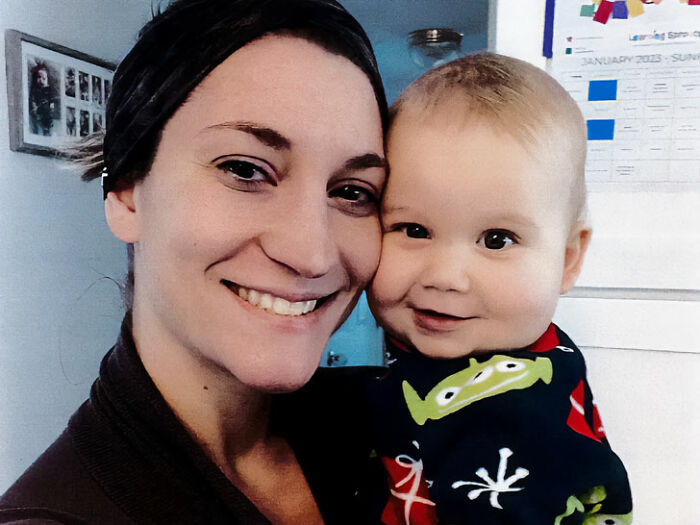
Lindsay has been accused of strangling her three young children, Cora, 5, Dawson, 3, and Callan, 8 months old
Plymouth Superior Court in Massachusetts
It can emerge in the days or weeks following childbirth, although the timing can vary.
Clancy’s attorney Kevin Reddington has remained openly critical of how the final days of deliberations unfolded.
Reportedly, he had previously asked to remove the disputed juror, arguing that he was refusing to apply the court’s instructions on reasonable doubt.
Judge Sullivan declined to remove him, emphasizing the importance of preserving the integrity of jury deliberations.

Plymouth Superior Court in Massachusetts
Following the mistrial, Reddington also raised the possibility of resolving the case without putting Lindsay through another lengthy trial.
He has expressed hope that the two sides could potentially negotiate a plea agreement, although prosecutors have not announced a final decision about whether they intend to retry her.
He also made an extraordinary appeal to President Donald Trump, asking him to consider pardoning Clancy and describing her as an intelligent, hardworking, and fundamentally good person who had been overwhelmed by severe mental illness.
“I do feel a very strong bond with Lindsay because of the type of person she is. She’s such a wonderful, wonderful person,” Reddington said.
“Mr President, I hope that you would consider this young lady, the type of person she is, what she’s been through, and consider a pardon.”
However, an important legal complication remains: Clancy faces state charges in Massachusetts, while presidential pardon power generally applies to federal offenses.
For now, the case remains unresolved, and a September 29 hearing is expected to address next steps.
“Justice isn’t always unanimous; sometimes it just takes one person willing to be the loneliest man in the room. Mad respect!” one netizen wrote




 Follow Us