At 20 years old, Dorothy Stratten appeared to be living out the kind of Hollywood dream countless young women imagined for themselves.
She had arrived in Los Angeles as a shy teenager from Vancouver and, within only a few years, transformed into one of the entertainment industry’s most promising new faces.
After being named Playmate of the Year for 1980, Stratten began moving beyond modeling and into mainstream film, landing the title role in Galaxina and working alongside Audrey Hepburn in director Peter Bogdanovich’s They All Laughed.
“She was going to be the biggest thing they ever had,” agent David Wilder later said.
Paul Snider, however, her husband and self-appointed manager was watching that success take her further away from him.
Stratten was his, he thought, and if he couldn’t have her, then neither would the world.
Dorothy Stratten was a shy Canadian teenager with little interest in becoming famous

Frank Edwards/Fotos International/Getty Images
Dorothy Ruth Hoogstraten was born on February 28, 1960, in Vancouver, British Columbia, to Dutch immigrant parents Simon and Nelly Hoogstraten. She grew up alongside her younger sister Louise and younger brother John.
Dorothy was described as shy, gentle and inexperienced, and she did not grow up aggressively pursuing fame.
As a teenager, she attended school while working part-time behind the counter at a Dairy Queen. She had relatively modest ambitions and, according to Teresa Carpenter’s influential account of the case, had once regarded herself as “plain with big hands.”
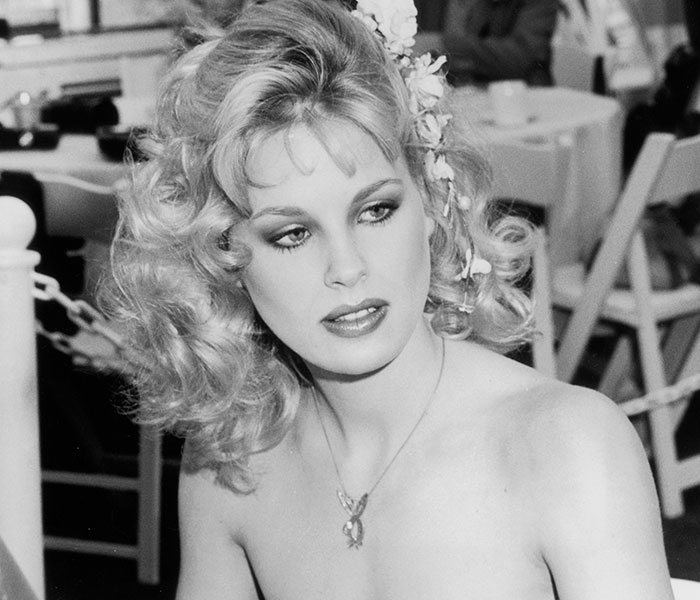
One night, in early 1978, Paul Snider walked into the restaurant.

Fotos International/Getty Images
Snider was about nine years older than Dorothy and had already immersed himself in Vancouver nightlife. He promoted automobile and motorcycle shows, associated with women working in clubs and was widely known as a hustler and, more worryingly, a pimp.
When he first saw Dorothy, his reaction was immediate. He saw not a person, but a commercial opportunity.
“That girl could make me a lot of money,” he told a friend, according to Carpenter’s reporting.
Snider obtained Dorothy’s number through another waitress and began courting her. He bought her clothes and jewelry, took her to his apartment for dinners and convinced her that her appearance could provide a path toward something much bigger.
Dorothy began believing him.
Snider arranged the photographs that eventually took Dorothy to Hollywood

After accompanying Dorothy to her graduation dance, Snider arranged professional photographs, including some without clothes.
Photographer Uwe Meyer remembered her as nervous but cooperative.
“She was eager to please,” he recalled. When Meyer hesitated to physically position her for the photograph, Dorothy reportedly told him, “Do whatever you like.”
Another photographer, Ken Honey, had connections with adult magazines but initially refused to photograph Dorothy because she was underage according to British Columbia law, and required parental authorization.
Surprisingly enough, Dorothy’s mother gave her permission.
The resulting pictures were submitted to the magazine.
By the summer of 1978, Hollywood had entered Dorothy’s life. She traveled to Los Angeles for test photographs in August, with Snider positioning himself as the person managing her career.


Her rise was meteoric. She became Playmate of the Month in August 1979. Then shortened Hoogstraten to a more marketable name.
Dorothy Stratten was born.
Opportunities came fast. Her film appearances included Americathon, Skatetown, U.S.A., Fantasy Island and Buck Rogers in the 25th Century. When productions needed an exceptionally attractive young actress, Dorothy was the one they called.
“A quality like Dorothy Stratten’s comes by once in a lifetime,” Wilder later said. “She was exactly what this town likes, a beautiful girl who could act.”
Paul Snider had made Dorothy’s dreams come true, and she married him for that
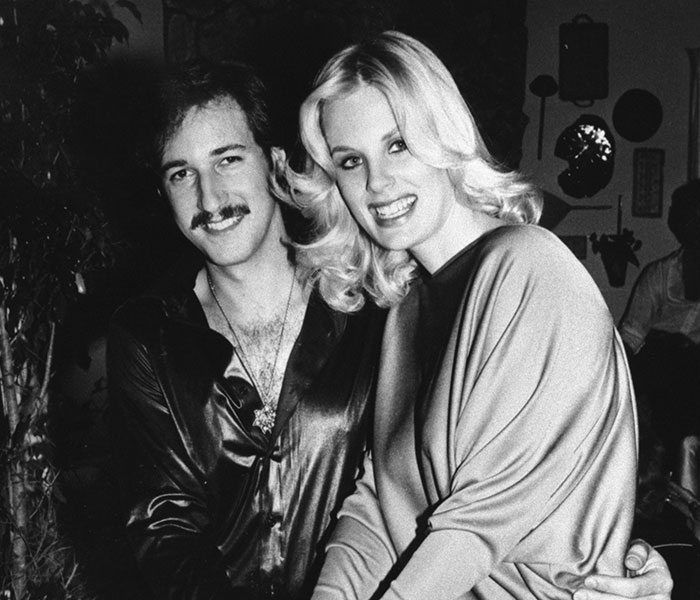
Despite Dorothy’s feelings for Snider, later accounts would describe his interest in her as an “investment.” She was becoming his primary route into the Hollywood world he had long wanted to enter.
Snider reportedly reminded her that they had a “lifetime bargain” and pushed for marriage even as people around Dorothy questioned whether the relationship would eventually limit her.
She defended him.
“He cares for me so much. He’s always there when I need him,” Dorothy told friends. “I can’t ever imagine myself being with any other man but Paul.”
They married in Las Vegas on June 1, 1979. Dorothy was 19 and Snider was 28.

However, as her career accelerated, Snider’s power and influence over her started to deteriorate. He soon took a financial interest in Dorothy’s earnings and treated her rising profile as something they had built together.
Snider wasn’t popular inside Hollywood. Even Hugh Hefner, the magazine’s owner, warned Dorothy that her husband had a “pimp-like quality.”
The pair nevertheless remained attached personally, professionally and financially.
He talked about her becoming another Marilyn Monroe and reportedly obtained a Mercedes with personalized STAR-80 plates. His dreams for her career were inseparable from his own ambitions.
“We’re on a rocket ship to the moon,” he would reportedly say.
The magazine described Dorothy as the “goddess of the new decade”
Frank Edwards/Fotos International/Getty Images
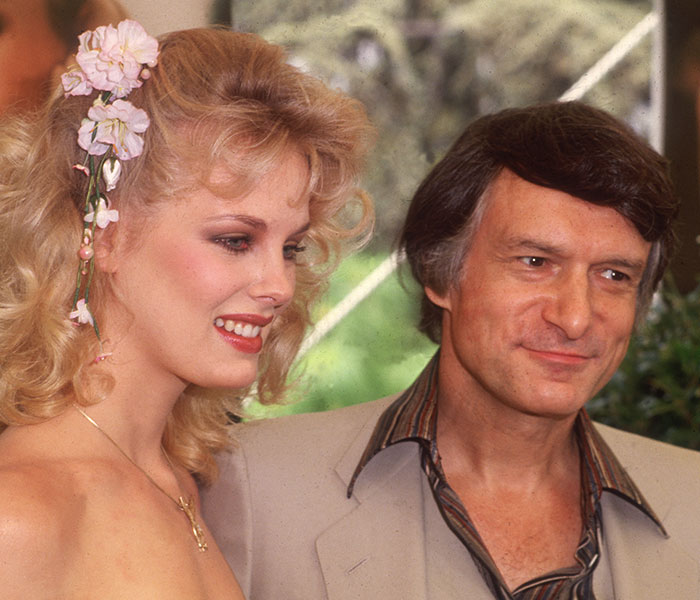
Dorothy was selected as Playmate of the Year for 1980, receiving increased publicity, money and professional opportunities.
At the April presentation ceremony, Hefner described her as “really quite unique,” while Dorothy publicly thanked him and said he had made her “probably the happiest girl in the world” that day.
The magazine marketed her future aggressively. A June profile described Dorothy as one of the “emerging goddesses of the new decade,” while comparisons with Marilyn Monroe became increasingly common.
Her acting career was also beginning to move beyond small television appearances.

Dorothy played the title role in the science-fiction comedy Galaxina. More importantly, in March 1980 she began filming Peter Bogdanovich’s They All Laughed in New York alongside Audrey Hepburn and Ben Gazzara.
Principal photography began on March 31. During production, Dorothy and Bogdanovich fell in love.
Soon, Dorothy began separating herself from Snider and moved away from him. Divorce discussions followed, along with efforts to untangle the money and business arrangements tying them together.
Bogdanovich later said they planned to marry after her divorce was complete.
To say Snider reacted badly would be an understatement.
As Dorothy pulled away, Snider began having her watched

Boris Spremo/Toronto Star via Getty Images
By the spring and summer of 1980, Snider was losing the thing around which he had built much of his identity.
Dorothy was becoming powerful, financially independent, moving into mainstream acting and building a life that no longer required him to manage it.
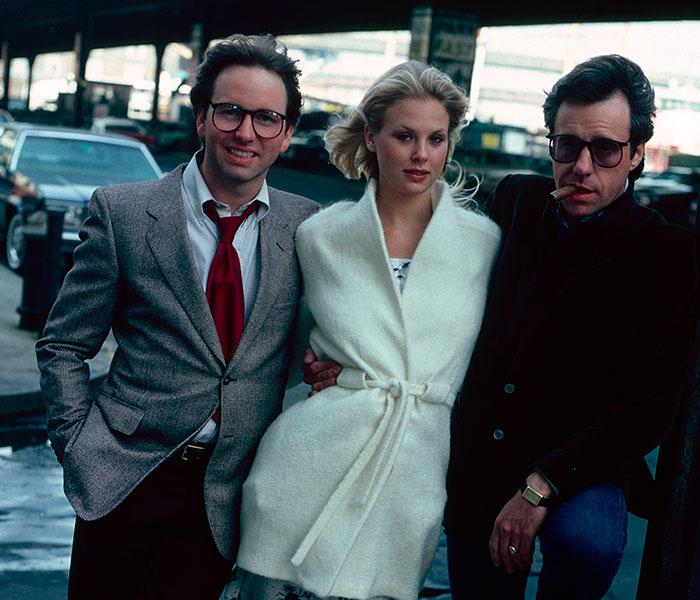
Snider became increasingly suspicious about her relationship with Bogdanovich and hired private investigator Marc Goldstein to follow her.
Steve Schapiro/Corbis via Getty Images
Goldstein later became entangled in years of controversy surrounding the case, particularly after Bogdanovich’s book implied that the investigator had played a darker role.
Goldstein denied those allegations and eventually sued the director for $10 million, arguing that he had been falsely accused of assisting Snider.
What investigators could establish was that Snider’s possessiveness had intensified as Dorothy prepared to leave him.
“A very sick guy saw his meal ticket and his connection to power, whatever, slipping away,” he said.
“And it was that that made him k*ll her.”
Dorothy agreed to meet Snider to settle the remaining issues between them
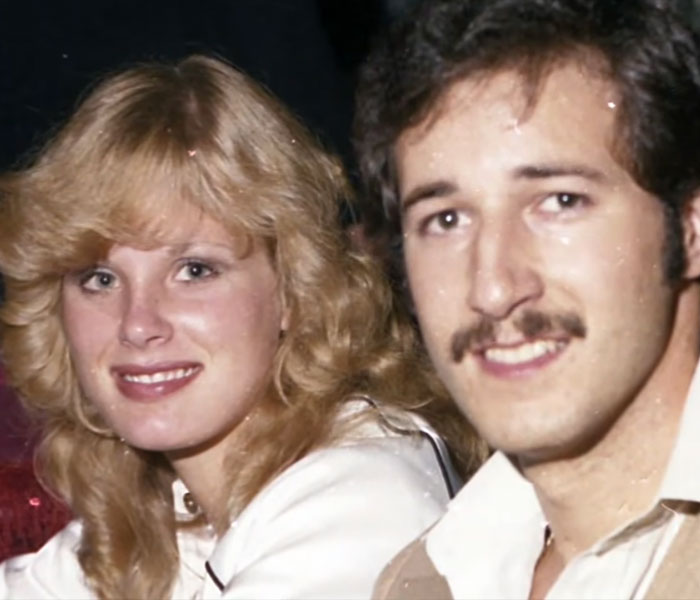
On August 14, 1980, Dorothy arranged to meet her estranged husband at the house he rented at 10881 Clarkson Road in West Los Angeles.
She apparently expected to discuss their divorce, property and remaining financial arrangements.
Dorothy reportedly brought approximately $1,000 to $1,100 in cash, apparently hoping to resolve some of those issues amicably. Police later found the money among her belongings.
She arrived around noon.
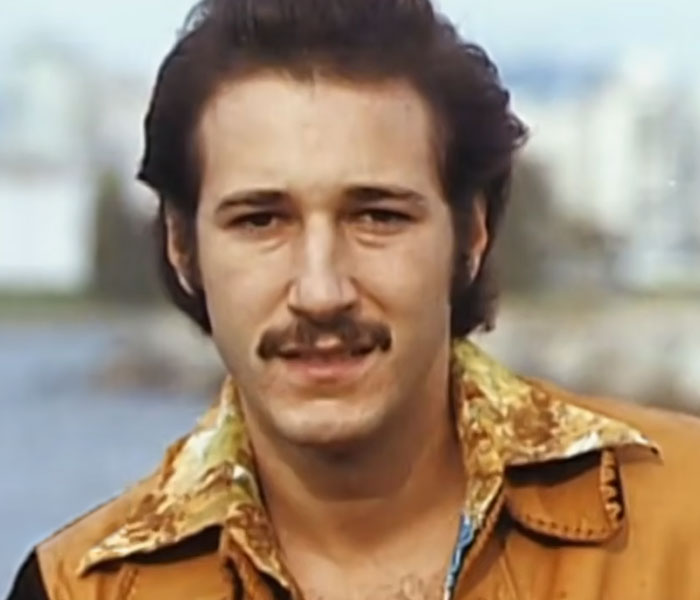
Another resident, Stephen Cushner, was at the house earlier but eventually left Dorothy and Snider alone.
The meeting turned violent.
A jealous rage consumed Snider. Police would later confirm that he took advantage of Dorothy and, not content with that, s*ot her in the face with a 12-gauge firearm.
When his fury had subsided, Snider stood there contemplating what he had done. He remained inside the house for some time before turning the same weapon on himself.
Dorothy was 20 years old, and her dream was over.
Her missed phone calls eventually led others back to the house

Amir Shiri/Unsplash (not the actual photo)
Dorothy had been expected to contact Bogdanovich and others after meeting Snider.
The calls never came.
As the hours passed, concern grew. Snider’s private investigator also attempted to contact the house and eventually urged others to check on them.
Late that evening, Cushner returned with another housemate, Patti Laurman.
To their horror, they were welcomed by Dorothy and Snider’s remains.
Some accounts place that discovery at approximately 11 pm on August 14, while police documentation and later reports place officers at the scene after midnight on August 15.
The discrepancy appears to reflect the interval between the housemates finding them and the subsequent police response.
Investigators found both bodies unclothed. Snider was positioned with the firearm nearby in circumstances consistent with a self-inflicted wound.
The evidence was conclusive. There would be no arrest, murder trial or justice for Dorothy.
Hollywood struggled with losing what Dorothy might have become
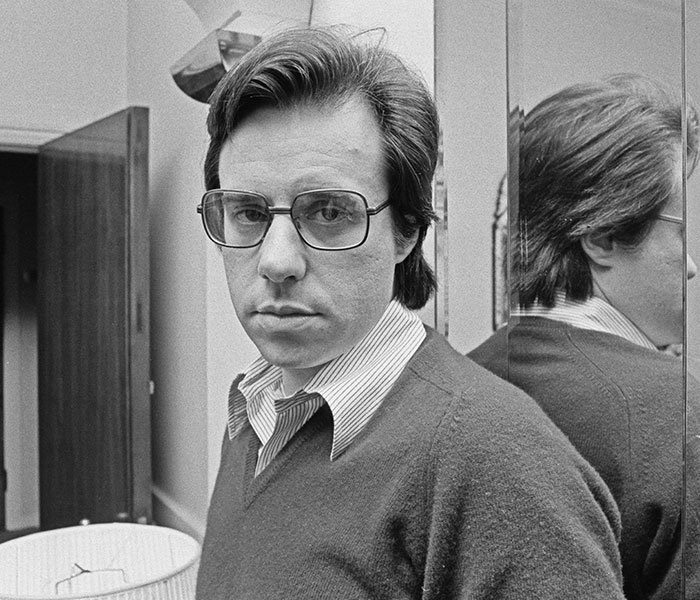
Evening Standard/Hulton Archive/Getty Images
News of the homicide spread on August 15, with newspapers reporting that the reigning Playmate of the Year had been attacked by her estranged husband.
Bogdanovich was devastated.
In a statement issued after her passing, he described Dorothy as beautiful “in every way imaginable” and wrote, “Dorothy looked at the world with love, and believed that all people were good deep down.”
“She was mistaken,” he added, “but it is among the most generous and noble errors we can make.”
They All Laughed was released in 1981. Dorothy delighted audiences with her final major performance posthumously.
That year, Jamie Lee Curtis portrayed her in the television movie Death of a Centerfold: The Dorothy Stratten Story.
In 1983, Bob Fosse released Star 80, starring Mariel Hemingway as Dorothy and Eric Roberts as Snider. The film became perhaps the most famous dramatization of their relationship and helped cement the homicide as one of Hollywood’s darkest stories.
Bogdanovich married Dorothy’s younger sister, who was 12 when the attack happened
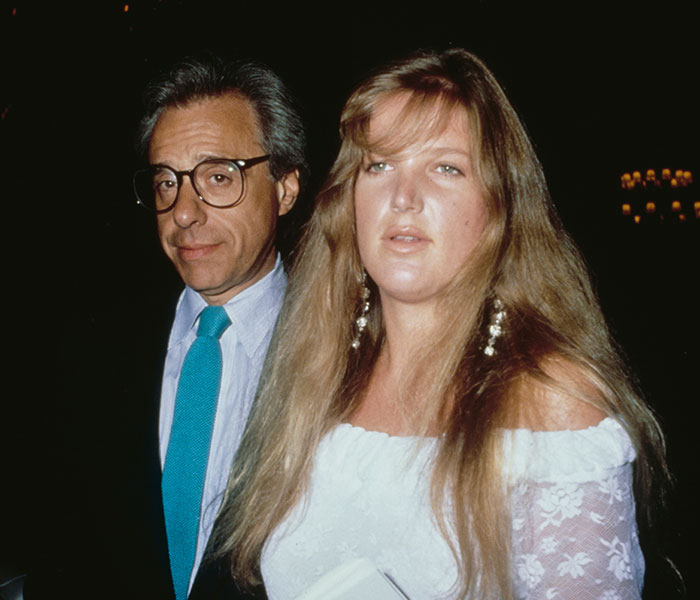
In 1984, Bogdanovich published The Killing of the Unicorn: Dorothy Stratten 1960–1980, combining his memories of their relationship with an attack on what he considered the exploitation surrounding Dorothy.
He described her as “the noblest person I ever met, the gentlest and the bravest.”
The book intensified an already bitter feud with Hefner over responsibility for the circumstances surrounding her life. Bogdanovich criticized the magazine’s culture, while Hefner defended himself and accused the director of rewriting the tragedy around his own role.
Years later, Bogdanovich acknowledged that he might have treated his own decisions more critically.

“It was a tragedy that everything just went wrong,” he said. “There were a lot of ways it could have been different.”
His fixation on Dorothy also affected his finances. After They All Laughed struggled to secure conventional distribution, Bogdanovich spent millions releasing it himself and eventually filed for bankruptcy.
Then, in a controversial turn of events, he married Dorothy’s younger sister Louise Stratten in January 1989. She was 20 while Bogdanovich was 49. Louise had been only 12 when Dorothy was attacked.
The couple later divorced.
Dorothy Stratten became a symbol of the danger young women face in Hollywood
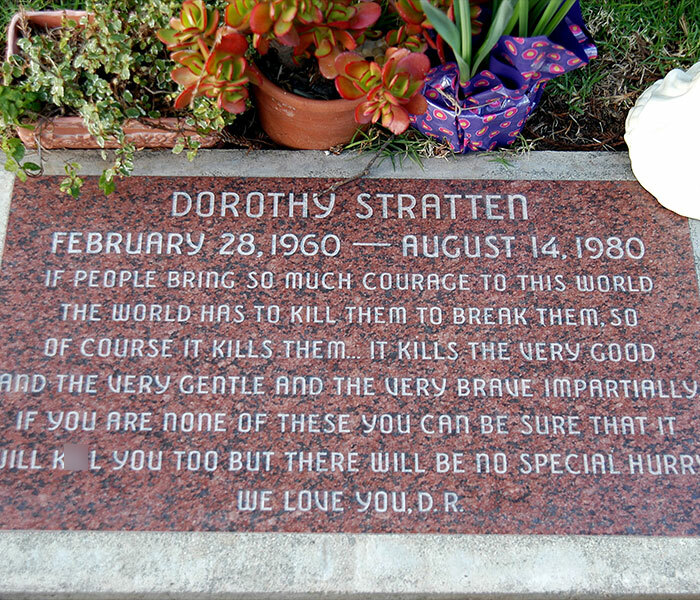
Dorothy’s story has never disappeared from popular culture.
Alongside Star 80, Death of a Centerfold and Bogdanovich’s book, documentaries and investigations have repeatedly revisited her life.
In 2022, Hulu’s Welcome to Chippendales fictionalized Dorothy and Snider’s relationship while incorporating Snider’s connection with the early Chippendales business.
Yet beneath the Hollywood mythology lies a pattern that persists to this day.
Dorothy met an older man while still a teenager. He told her she could be famous, launched her career and increasingly attached his financial future to hers. As she matured, earned her own money and moved beyond the world he had constructed around her, his control weakened.
Then she tried to leave.
Similar stories would resurface in 2017 in the wake of the MeToo Movement. With several women in show business sharing their experiences being taken advantage of by men who had paved the way for them in the industry.
“Hollywood wasn’t good for her,” a fan lamented










 Follow Us