Raising a child brings immense joy, but it also leaves many mothers physically and emotionally drained. In those early months, the bedroom becomes a sanctuary for rest and recovery. So, you’d assume a partner would protect that private space at all costs, right?
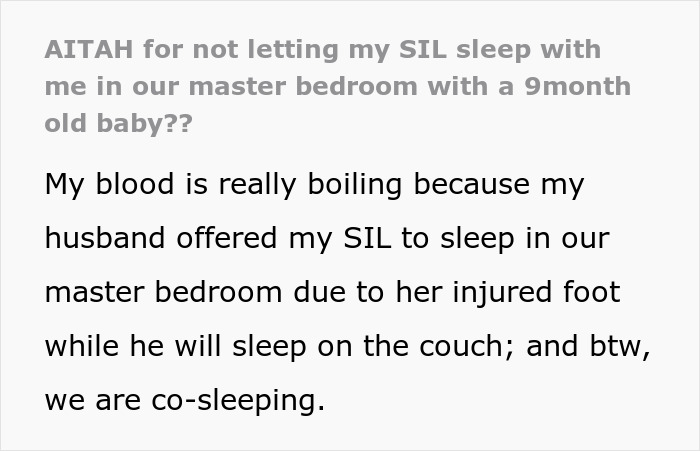
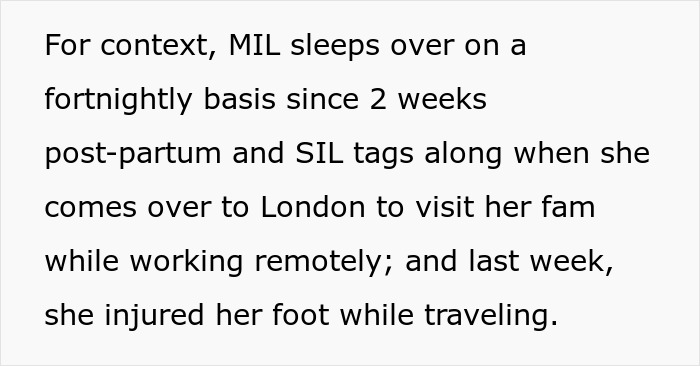
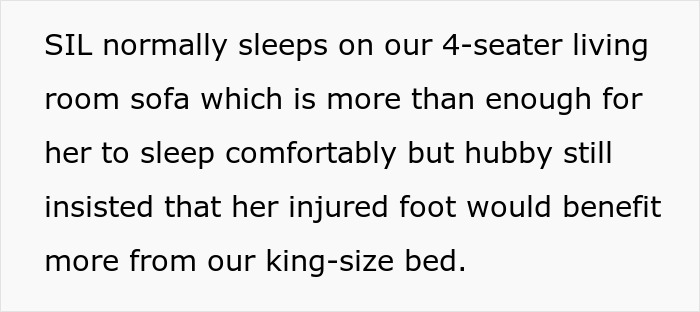
Instead, one husband offered up their king-sized bed to his injured sister without asking his wife first. His plan: He’d take the couch, while his wife shared the bed with their 9-month-old baby and her sister-in-law.
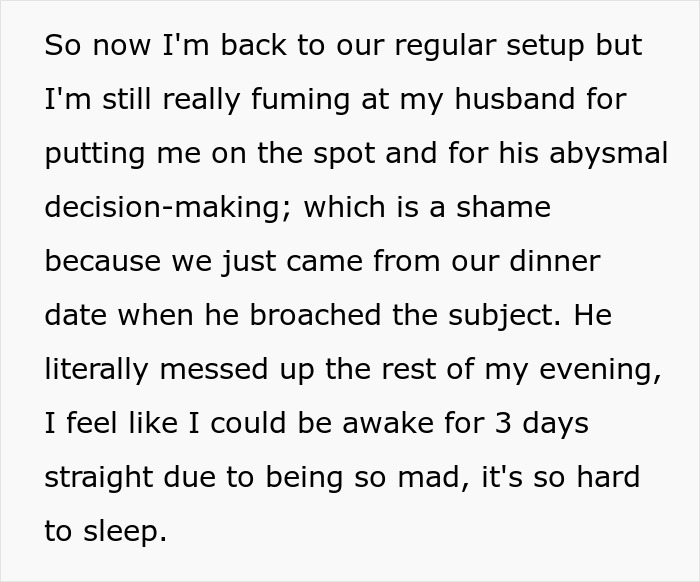
Unwilling to co-sleep with a relative, the new mother put her foot down, which led to an awkward late-night family drama.
At the end of the day, she kept her bed, but sleep still eluded her — so she turned to the internet for a reality check.
A woman said she refused to let her sister-in-law sleep in the same bed as her and her baby
artfolio / Magnific (not the actual photo)

She said her husband offered up the bedroom without consulting with her first

Getty Images / Unsplash (not the actual photo)


katemangostar / Magnific (not the actual photo)
Failing to protect your partner’s mental health signals a deeper marital breakdown
The weeks following childbirth are intense. While a mother’s body tries to heal, her brain is dealing with shifting hormones, constant fatigue, and non-stop infant care. This is easily one of the most fragile phases a woman goes through, which is why the right support system matters.
Help from a partner, family members, and friends can lower stress levels and protect the new mom’s mental health. However, not all help is good help.
A 2025 study in BMC Pregnancy and Childbirth found that while proper support helps against postpartum depression, unsolicited or boundary-crossing “help” usually backfires.
New moms often report feeling more stressed when family members overstep and invade their private spaces. The research shows that unwanted intrusions can trigger intense anxiety and leave mothers feeling inadequate in their own homes.
A new mom also needs a space where she can exist without worrying about others. Postpartum recovery means being vulnerable, walking around half-naked to nurse, and resting without worrying about who is looking.
When guests intrude on that private area, it forces the mom into performance mode. Instead of focusing entirely on her baby, she suddenly has to manage social dynamics and host other people.
At the same time, lack of partner support is one of the fastest ways to send a new mother’s emotional distress levels through the roof.
If your partner constantly brushes off your feelings, takes their family’s side, or shuts down the conversation, the problem isn’t your in-laws anymore. It could be your relationship.
“A partner who protects the family unit, including protecting a new mother’s postpartum space and mental health, is doing something essential. A partner who treats their parent’s comfort as more important than their spouse’s wellbeing is making a choice that compounds over time,” says Olga R, a certified maternal wellness coach.
What experts say about co-sleeping and bed-sharing with your baby
Understandably, some parents want to be close to their baby while sleeping at night. It makes midnight feedings and diaper changes way easier, and keeps the little one within arm’s reach. But while co-sleeping seems like the ultimate bonding hack, medical experts warn it comes with serious dangers.
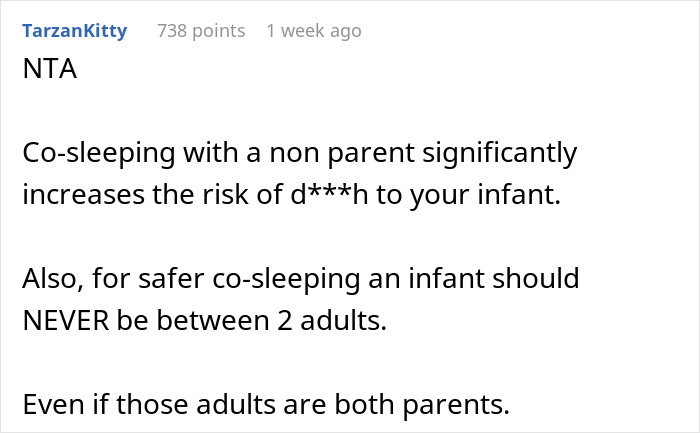
Sharing a bed with an infant drastically increases the risk of suffocation, accidental falls, and fatalities.
Standard adult beds simply aren’t built for babies. Heavy blankets, soft pillows, squishy mattresses, and the constant risk of a sleeping parent rolling over can easily block an infant’s airway.
Still, bed-sharing remains popular due to deep-rooted cultural habits and pure convenience. Some research even suggests it can help calm fussy infants or make nursing smoother. The Academy of Breastfeeding Medicine offers a long checklist for safer bed-sharing, but it applies only if the baby is exclusively breastfed.
Even then, experts warn that pulling it off safely in a standard home is nearly impossible.
“It’s hard to meet all the criteria for a hazard-free sleep environment, as many infants are breast milk-fed via bottle or formula-fed. These criteria only apply to exclusively breastfed infants. Parents would have to be very intentional about following all of these guidelines, which don’t correspond to the typical American sleep environment,” pediatrician Heidi Szugye shares.
“However, as many parents accidentally fall asleep with their baby when nursing them or choose to sleep with their infant despite knowing the risks, I think it’s important to raise awareness of what factors in a sleep environment increase or decrease the risk of SIDS.”
Beyond the safety hazards, co-sleeping often wrecks sleep quality for both parents and babies, making it a nightmare to transition the child to their own crib later on. That is why the American Academy of Pediatrics (AAP) strongly recommends room-sharing instead — keeping the baby’s crib right next to your bed. That way, you get the convenience without the fatal risks.
About 1,351 infants die from SIDS each year in the US, according to recent Centers for Disease Control and Prevention (CDC) data.
At its core, this story isn’t just about who gets the big bed. It’s a wake-up call for how easily boundaries break when communication fails.
By putting her foot down, the mother didn’t just reclaim her bedroom and comfort—she also protected her 9-month-old from the serious safety risks of bed-sharing with an unaware guest.
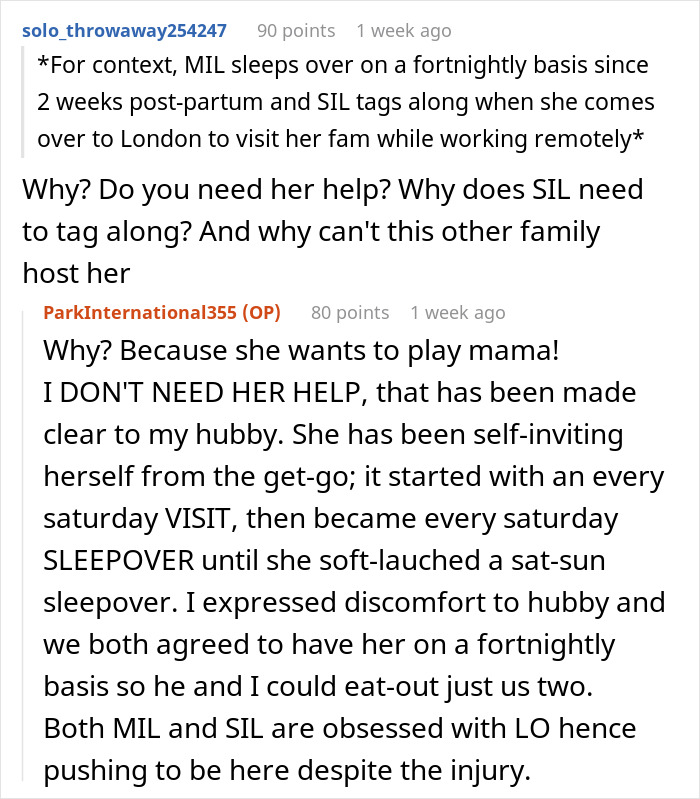
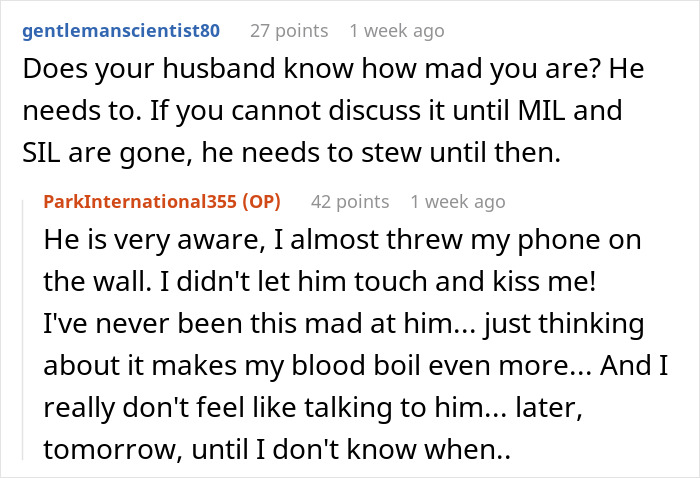
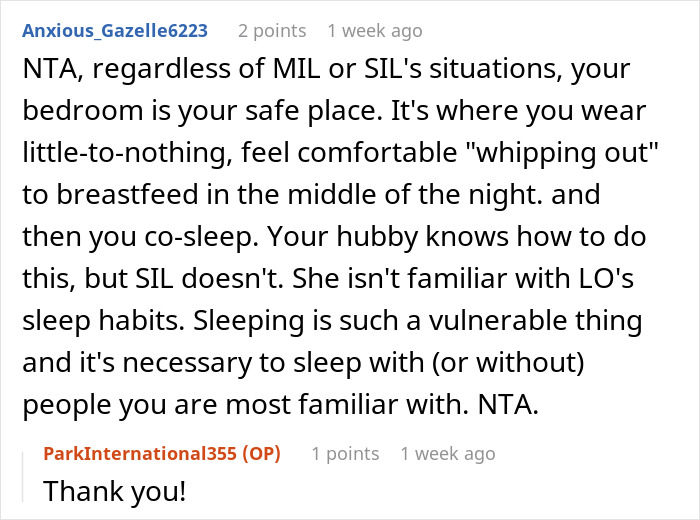
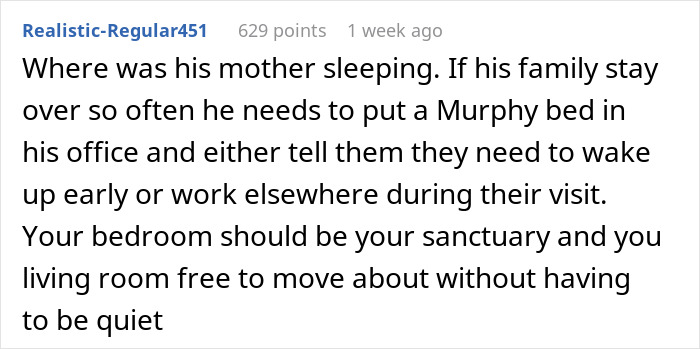
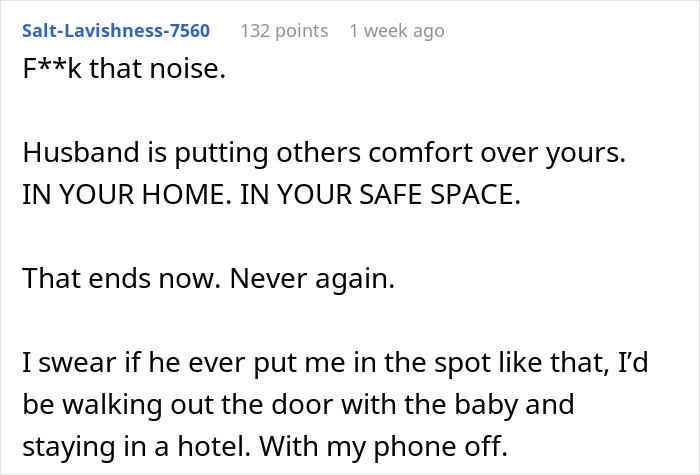
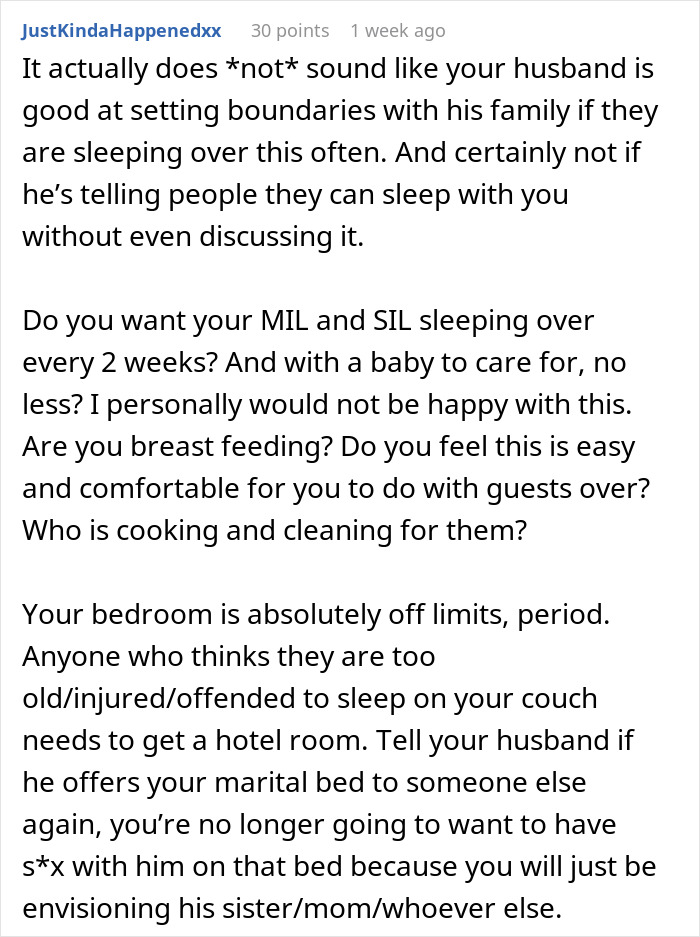
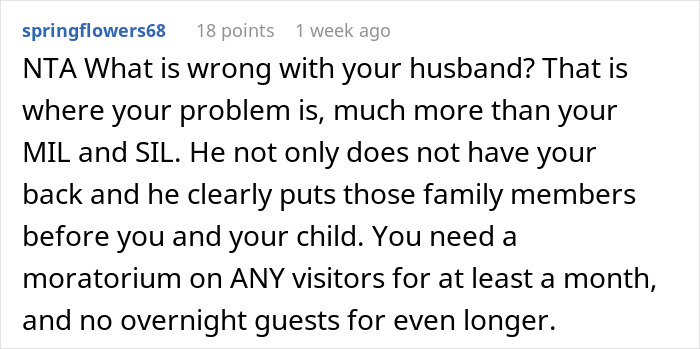
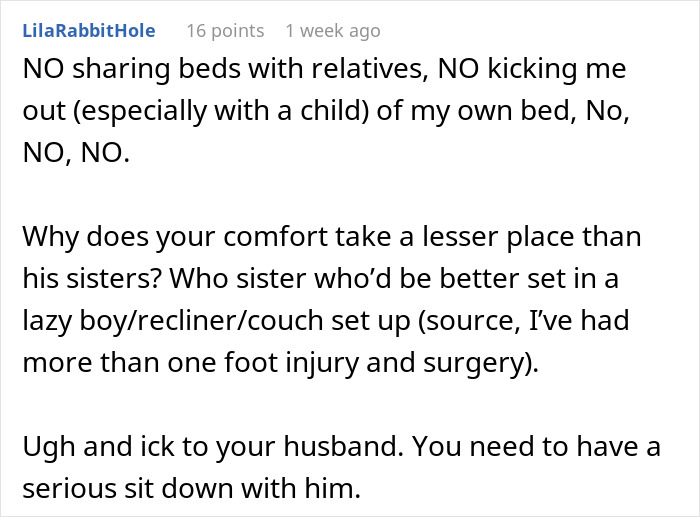
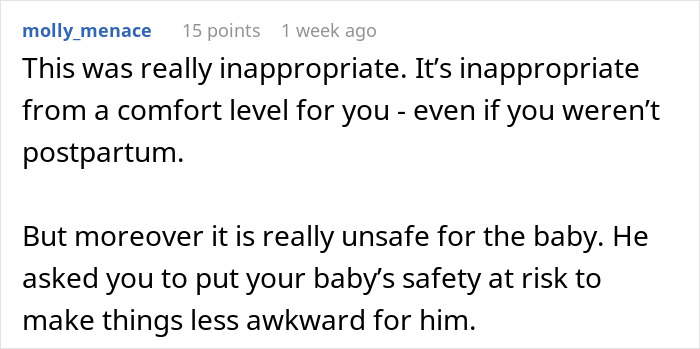
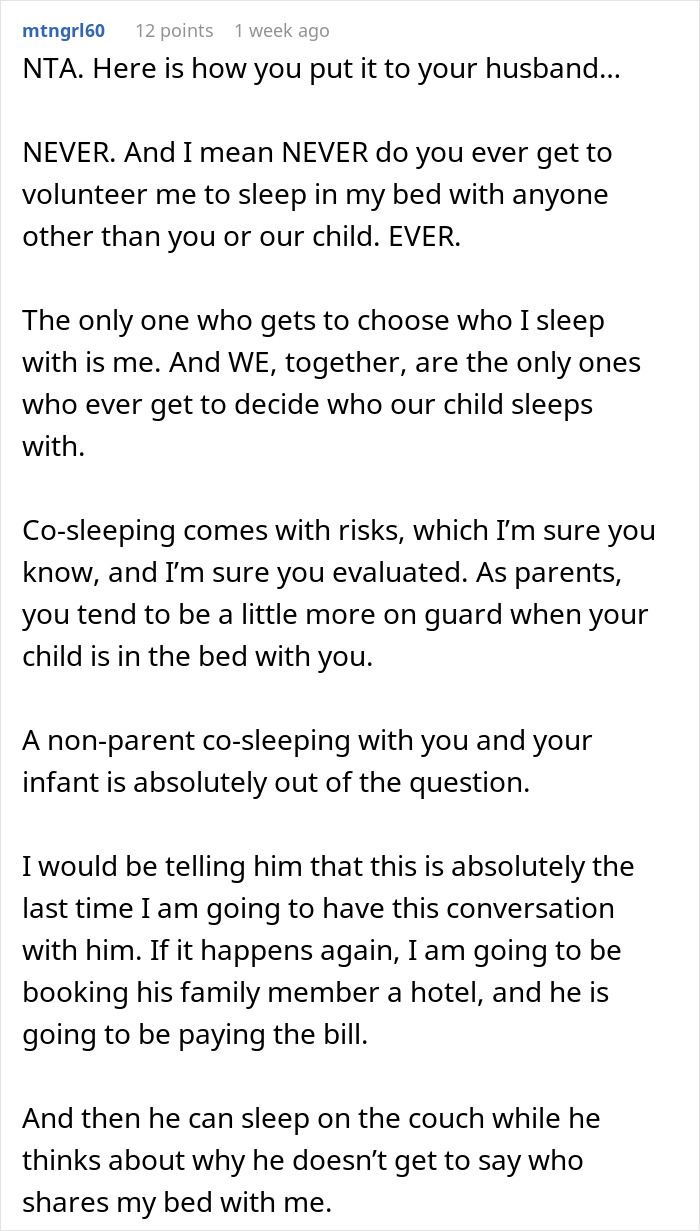
The real issue here was also the husband trying to make a major decision without consulting his wife first, as many in the comments pointed out.
The internet was outraged at how the husband handled the situation


















 Follow Us