We all have those little health complaints we tell ourselves are probably nothing, especially when they come and go. A bit of tiredness here, some breathlessness there, and it is easy to chalk it up to a long day or maybe getting older. Yet those small changes can be your body telling you that something needs attention.
Dr Jeremy London knows that better than most. The cardiovascular surgeon had spent decades treating heart patients when he began experiencing symptoms of his own, and despite knowing exactly what they could mean, he pushed them aside. Then, during a hunting trip with his son, a frightening symptom made it much harder to ignore what his body was saying.
Your body can give you subtle clues when something is wrong, and it is important to take them seriously
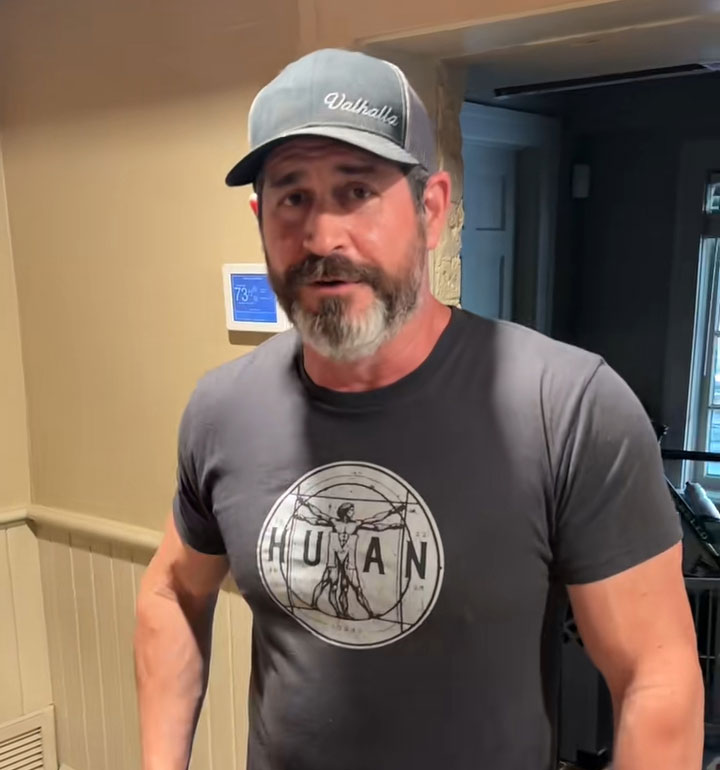

A heart surgeon noticed an unusual change in his own health, and what he initially brushed off turned out to be far more serious than he expected
Before the heart attack, Dr London had already noticed that he was not feeling quite like himself. His energy was lower, he was getting tired more easily, and he occasionally felt what seemed like heartburn. But none of it seemed serious enough to push him to get checked out at the hospital.
During a hunting trip with his youngest son, while sitting in a deer stand, the doctor was suddenly hit with severe, crushing chest pain that was so intense it brought him to his knees. As a cardiovascular surgeon, he knew what that kind of pain could mean, yet he still tried to dismiss it.

photoroyalty / Magnific (not the actual photo)
It was almost too late when he finally got checked, and now he’s urging others not to ignore signs that something is wrong
Instead of seeking emergency care right away, he decided it might be reflux and tried to carry on. He drove back home, and the pain eased after he rested and took medication. With the worst of it gone, it would have been easy to convince himself that the episode had passed.
The following morning, though, the same crushing pain returned when he climbed a flight of stairs. This time, he could not brush it aside so easily. He contacted a cardiologist friend, who helped get him evaluated, and the tests revealed a 99% blockage in a coronary artery at the back of his heart.
That experience changed how Dr London talks about symptoms people are tempted to dismiss. In his videos, he explains that chest pain or shortness of breath brought on by exertion and relieved by rest is a major red flag, stressing that it does not have to happen during something extreme. Even ordinary activities such as taking out the trash or walking up the stairs can be enough to expose a problem.



zavalishina / Magnific (not the actual photo)
Knowing the warning signs and understanding your heart health can help you act sooner and save your life
Dr London’s symptoms match what the British Heart Foundation describes as stable angina, which can happen when the heart works harder, such as during exercise, and ease when a person rests. That pattern can make the discomfort seem temporary, but recurring symptoms like these can still point to an underlying heart problem.
Chest pain is not always as dramatic as people imagine. The American Heart Association says heart attack symptoms can start slowly, with discomfort that comes and goes, while shortness of breath, unusual tiredness, nausea or lightheadedness can also occur. That is one reason seemingly ordinary symptoms can be easy to dismiss.



senivpetro / Magnific (not the actual photo)
Heart attack symptoms can show up in places you might not expect, not just in your chest
The symptoms can also show up in places people may not immediately associate with the heart. Mayo Clinic notes that pain or discomfort can spread to the back, neck, jaw, teeth, shoulders or upper abdomen, while heartburn or indigestion can occur too. A brief ache in the back or jaw, for example, may seem far removed from a heart problem, which makes these less obvious signs worth knowing.
Heart disease can develop without any warning, so knowing the symptoms is only part of protecting your heart. It is also worth tracking blood pressure, cholesterol, and blood sugar, while staying active, eating well, and avoiding tobacco. The CDC points out that these habits can help lower the risk of heart disease and heart attack.
Dr London’s story shows why it is important to pay attention when something about your health feels unusual, even if the symptom seems minor. Knowing your risk factors and getting persistent or unusual symptoms checked can make a real difference. Have you ever had a symptom that seemed harmless at first but turned out to be worth checking? Tell us about it in the comments.
Watch the full video here
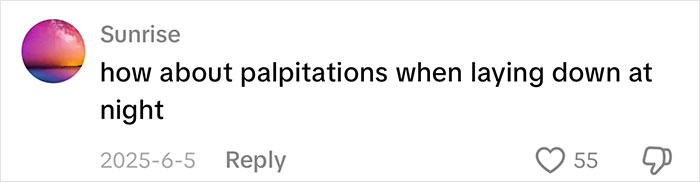
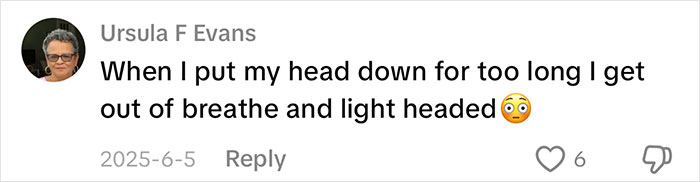
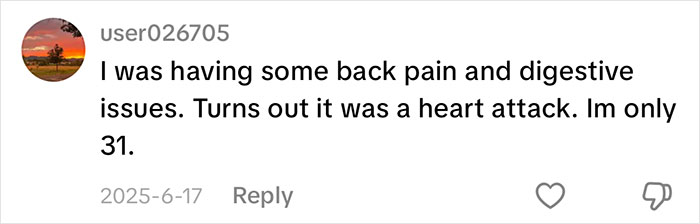
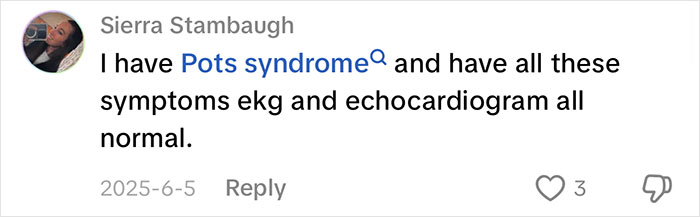
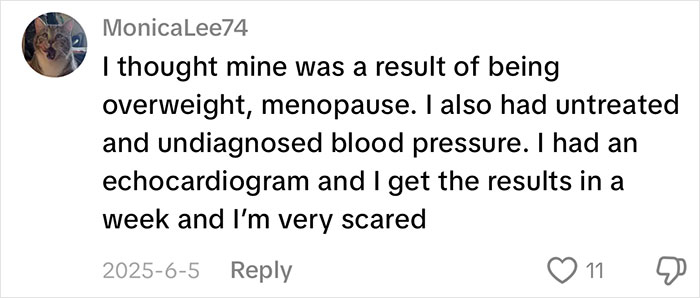
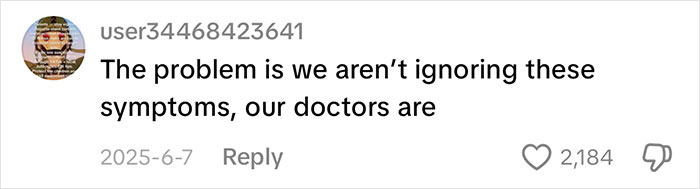
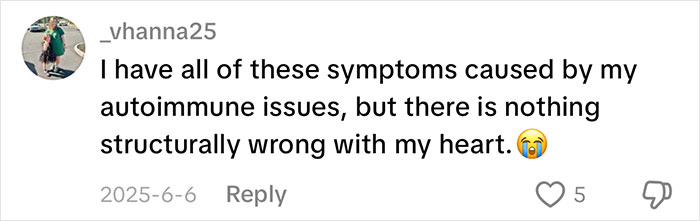
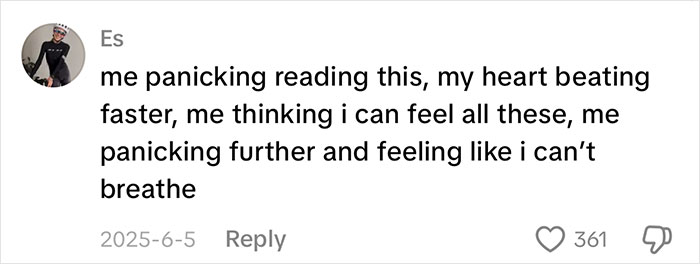
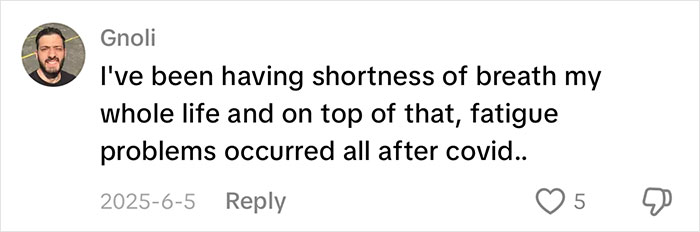
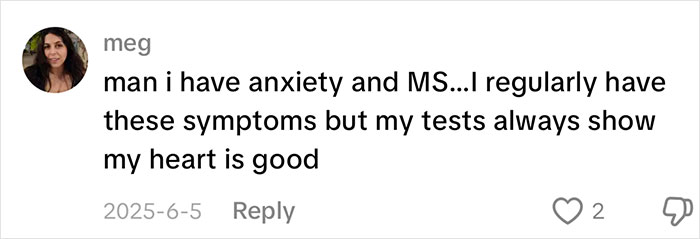
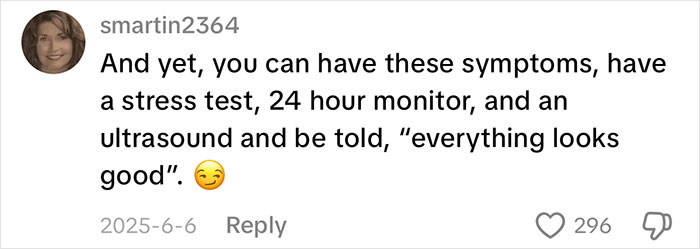
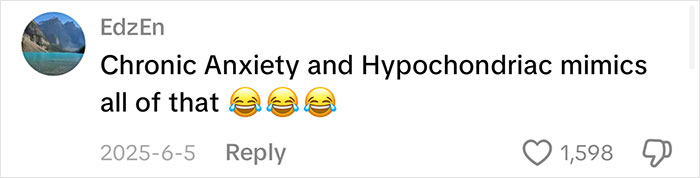
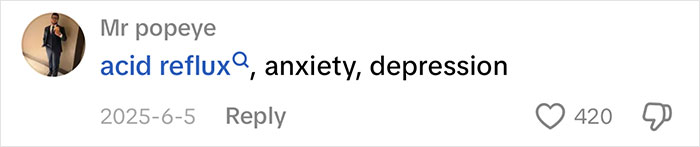
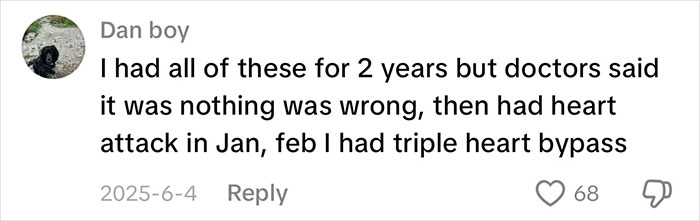
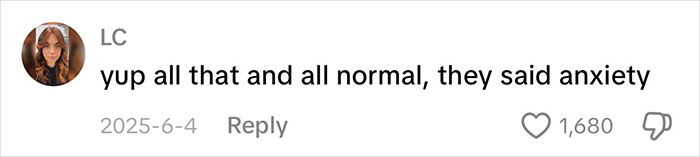
Readers shared their own symptoms and wondered if they could be signs of a heart problem








 Follow Us