Polyamory is having a moment. What was once considered a fringe lifestyle choice has moved steadily into mainstream conversation, with more couples than ever exploring what non-monogamy looks like for them. The rules, the boundaries, the communication required to make it work- it is a whole architecture that couples build together, and when it works, it genuinely works.
When someone decides to quietly demolish that architecture while their partner is not looking, it stops being polyamory and starts being something with a much simpler name. One man opened his marriage with care, and his best friend saw it as a chance to take advantage. This story takes such an unexpected turn that the author came back 9 years later with a remarkable revelation.
Polyamory might be more common these days, but the rules are still complex and nuanced

kues1 / Magnific (not the actual photo)

One couple was making their way from a swinging lifestyle into a poly one, and they both agree on some understandable boundaries



magnific / Magnific (not the actual photo)
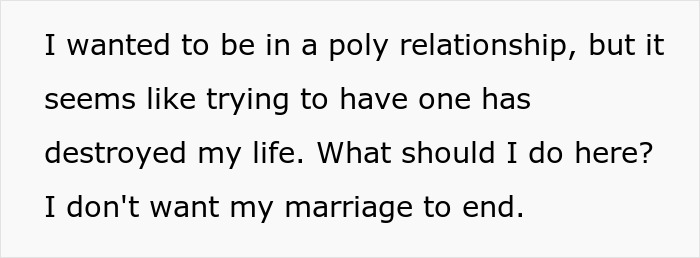
The one rule the husband was absolutely clear on was that he wanted them to have final approval of each other’s partners



Drazen Zigic / Magnific (not the actual photo)
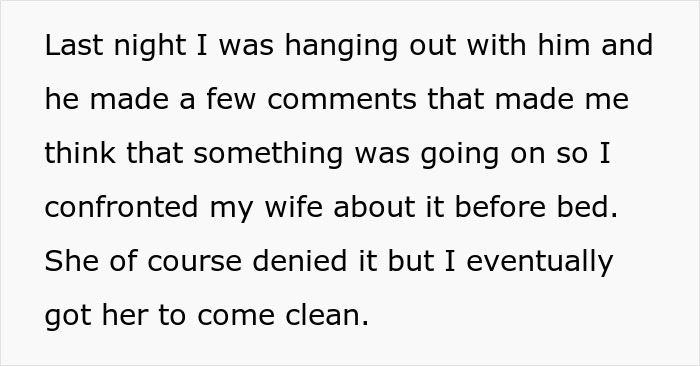
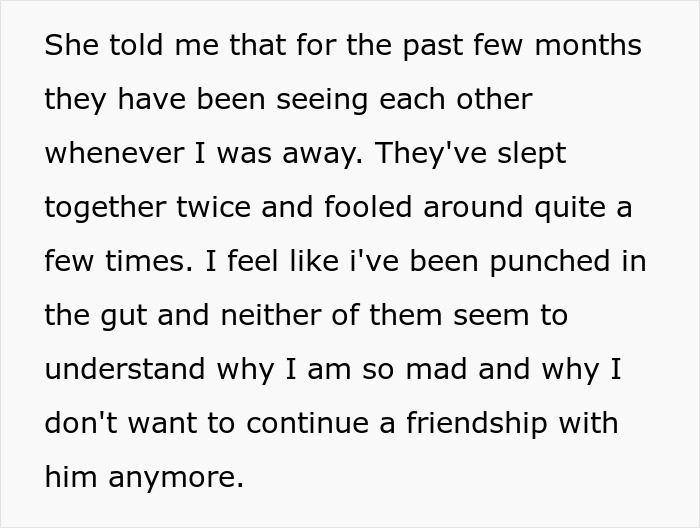
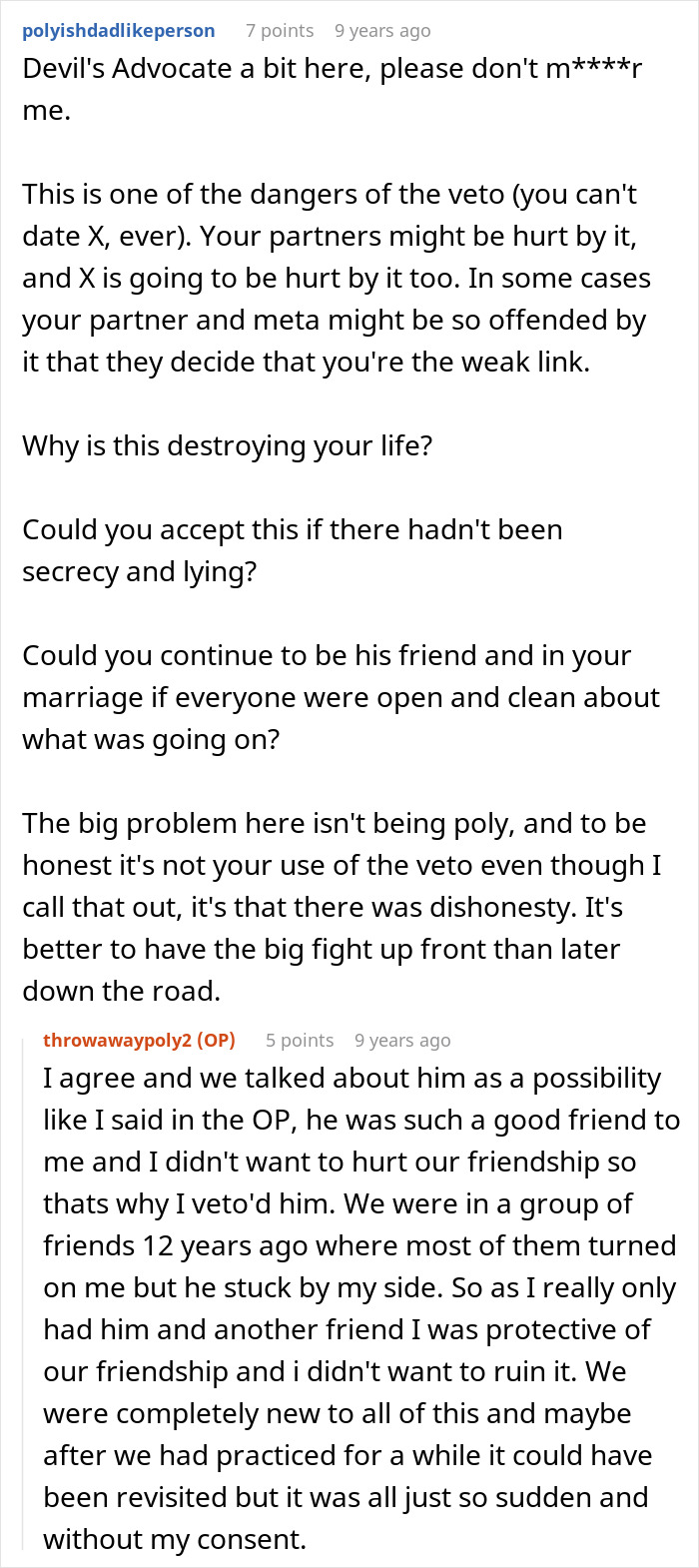
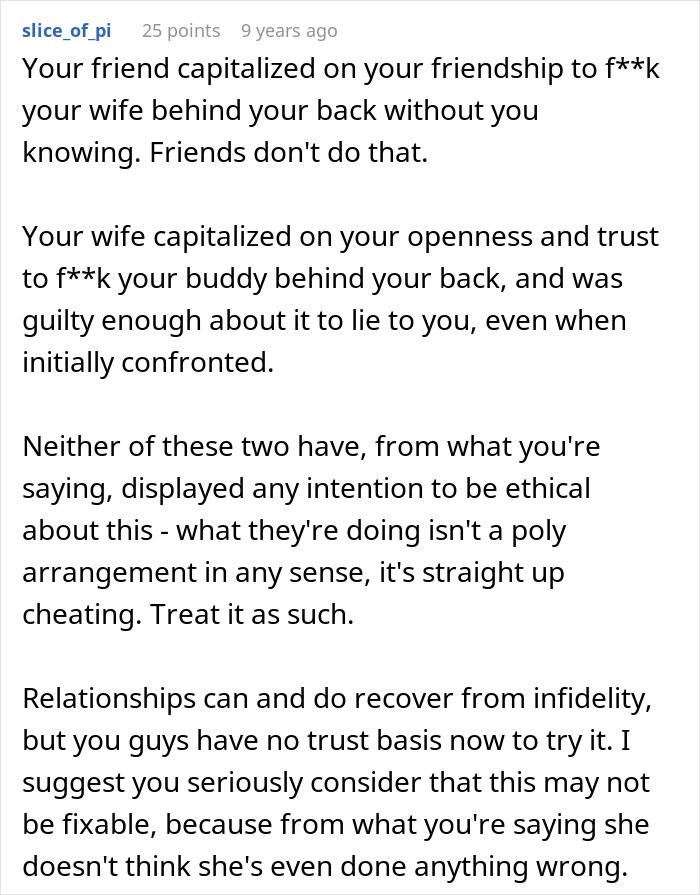
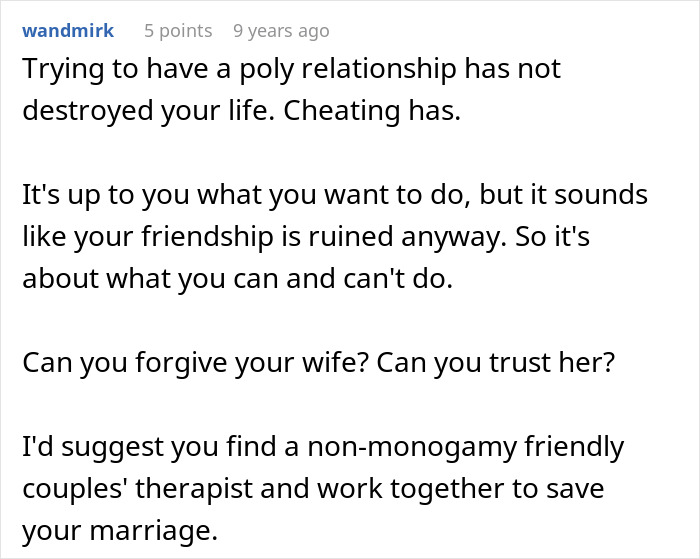
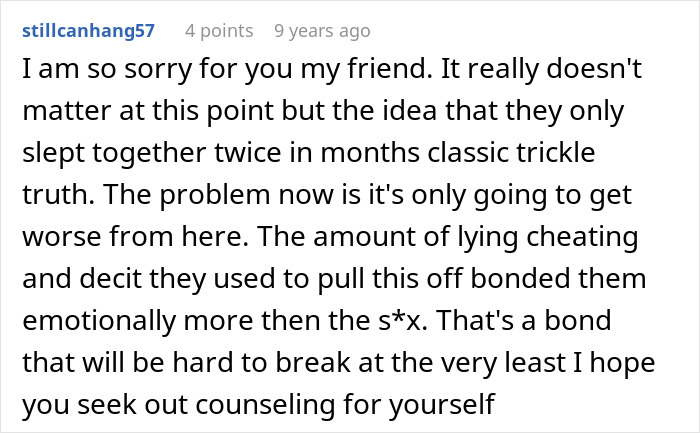
But the woman soon became entangled with her husband’s best friend after both of them decided to ignore the rules
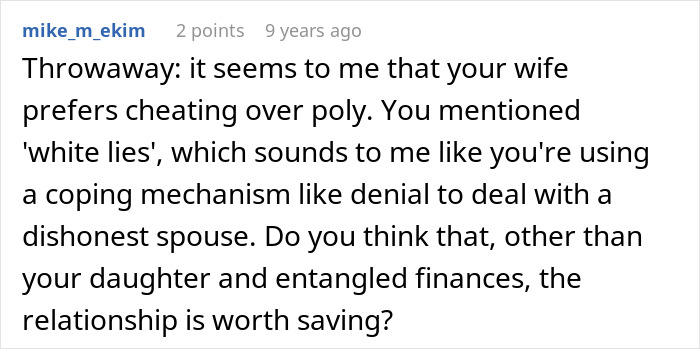
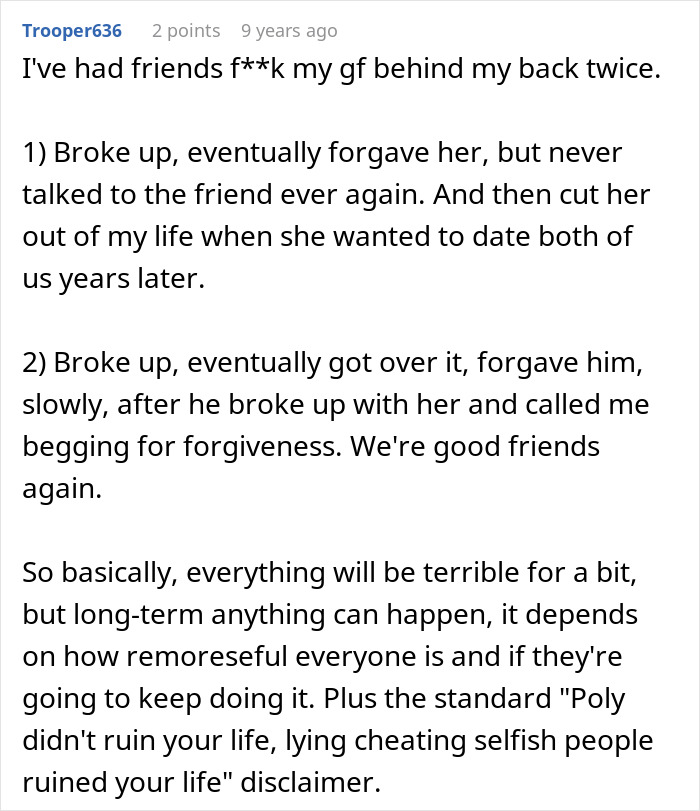
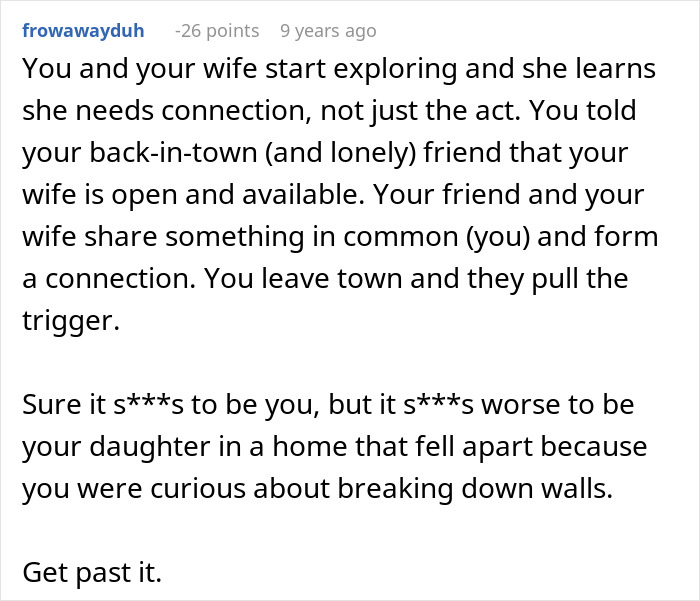

rantaimages / Magnific (not the actual photo)
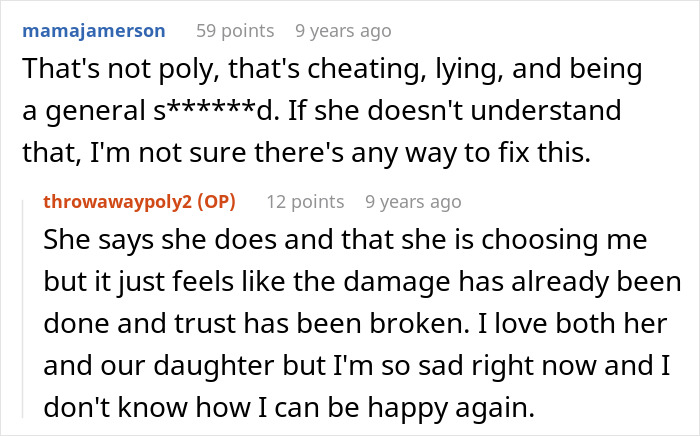
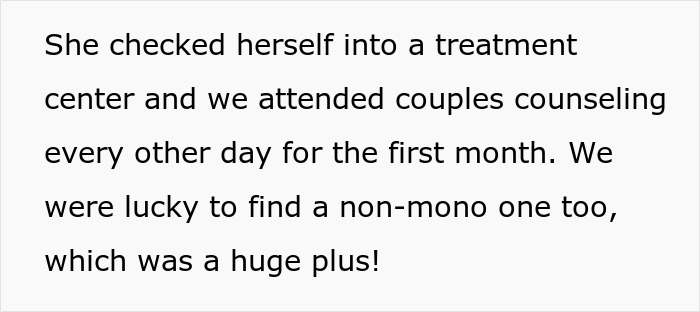
10 months later, he returned to the internet to give people the full story of the aftermath

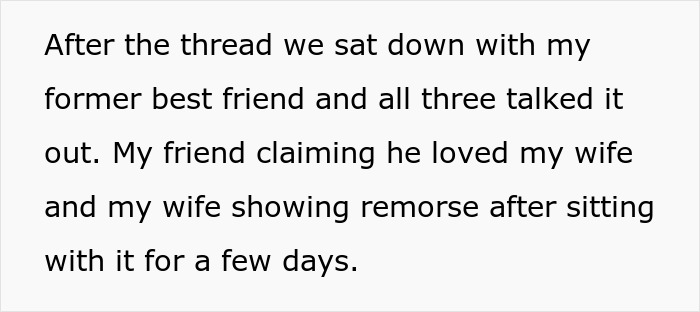


prostooleh / Magnific (not the actual photo)
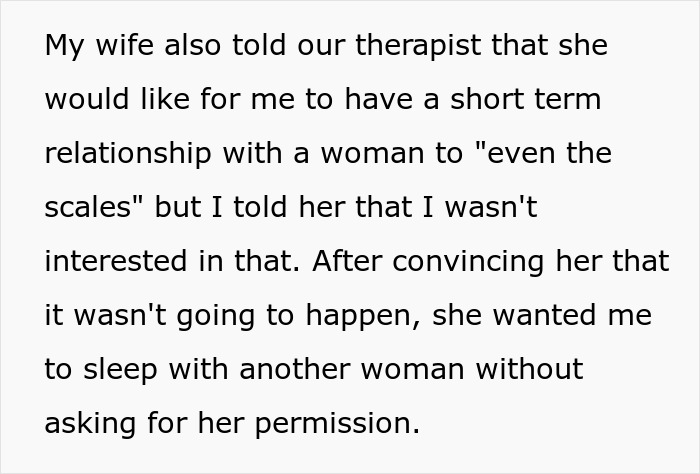
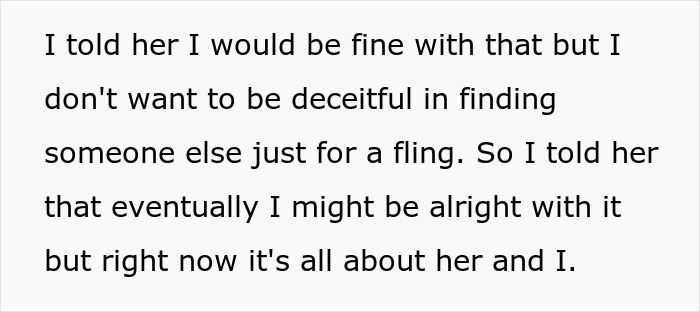
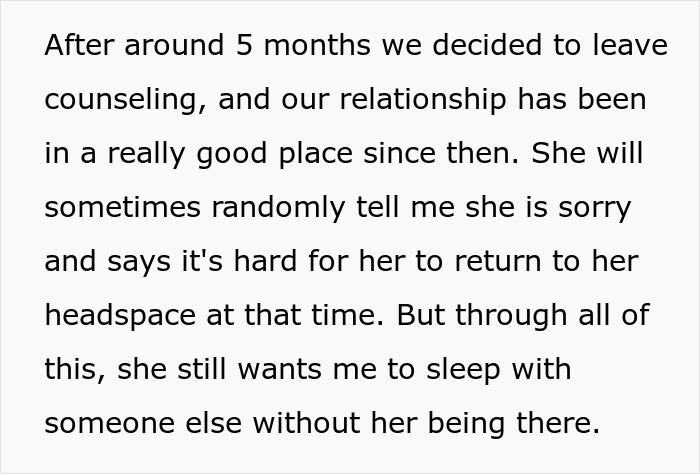
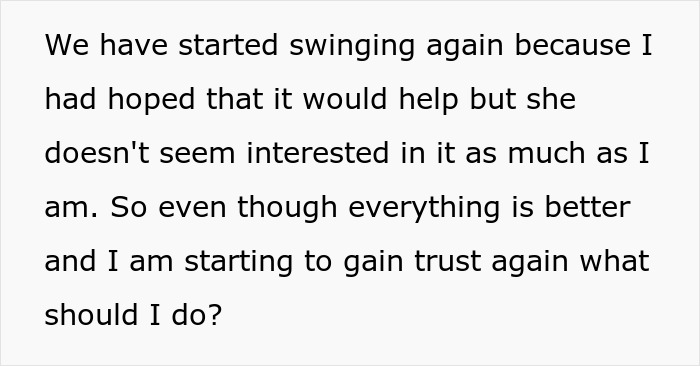
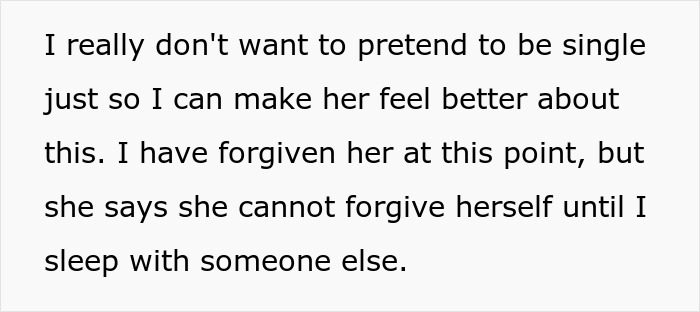
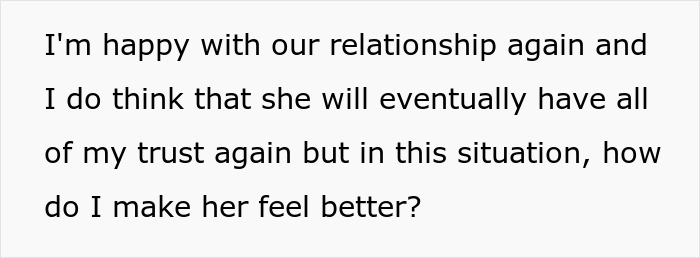
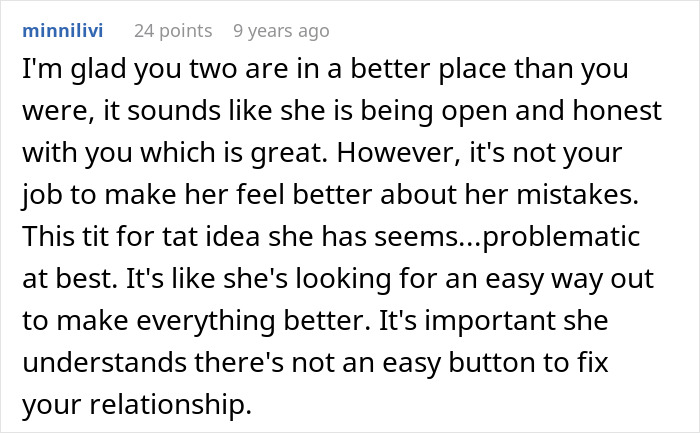
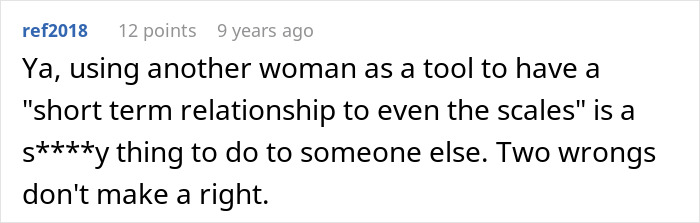
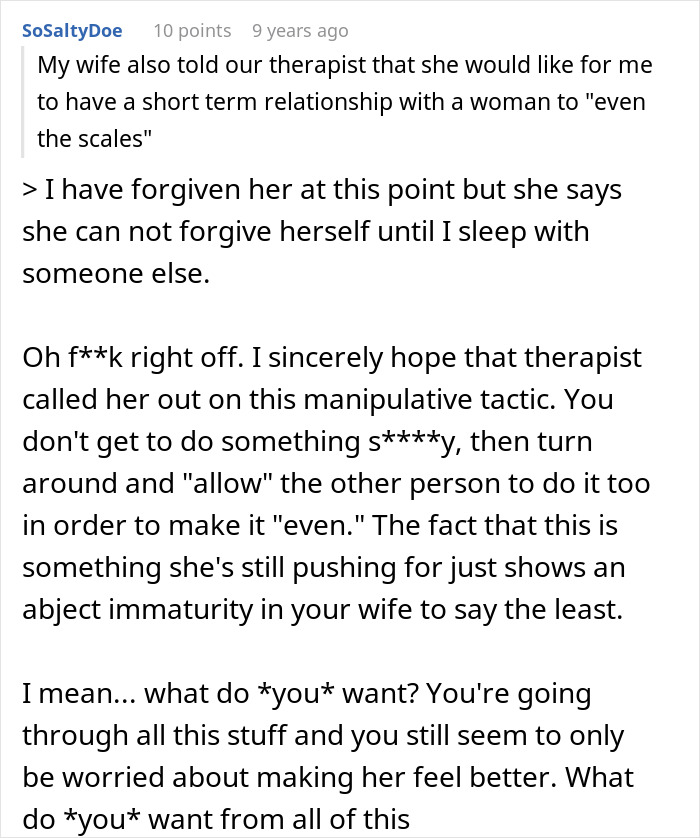
They sought out couples councelling and a lot of other issues came to light



stockking / Magnific (not the actual photo)
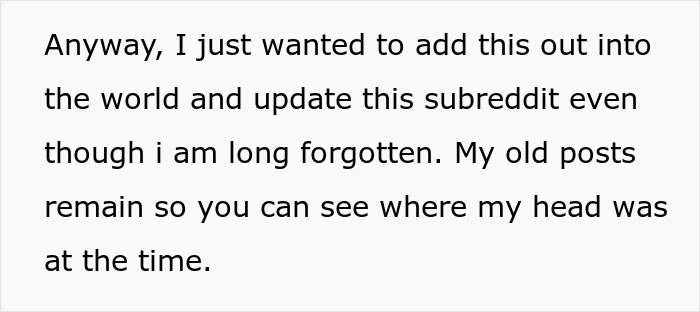
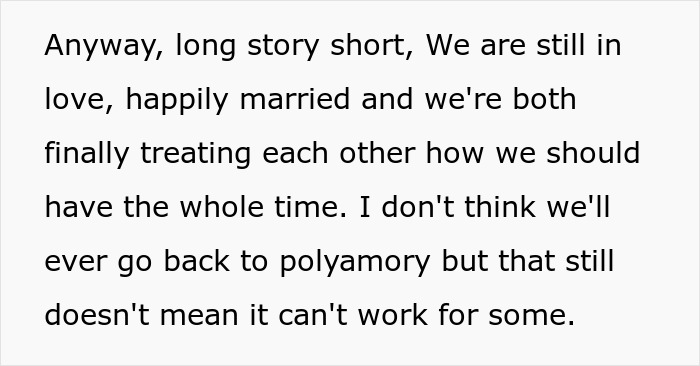
This story had people so captivated that the husband returned nearly a decade later with some astonishing self-reflective insight



DC Studio / Magnific (not the actual photo)
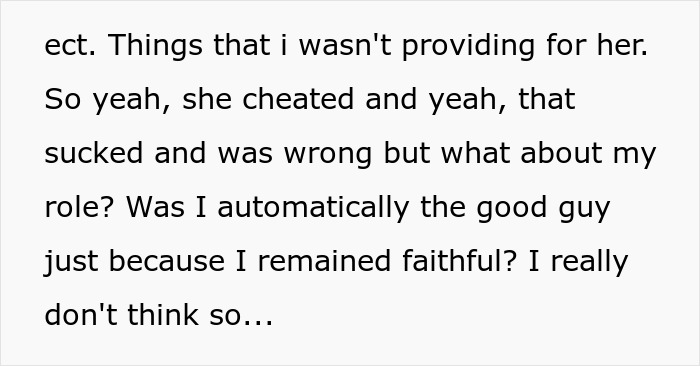
He had realised that he did not invest enough into their marriage at the time of the infidelity, acknowledging his part in the whole ordeal
Polyamory is more common than most people assume. Roughly 4% to 5% of adults are currently practicing some form of consensual non-monogamy, while up to 20% have explored it at some point. Poly is coming out of the shadows, and many of the stigmas tied to it are slowly fading away. This couple was even able to find a therapist who worked with this lifestyle.
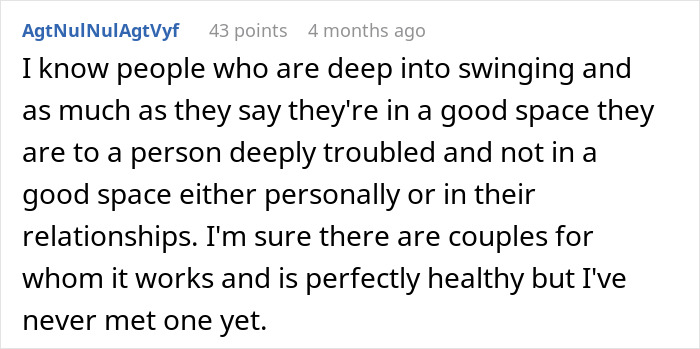
And yet, many people still confuse it for swinging. Swinging centres on recreational intimacy with other couples while keeping emotional attachment firmly inside the primary relationship. Polyamory adds the emotional dimension: multiple genuine romantic connections built with full knowledge and consent of everyone involved.
The couple in this story started with swinging and were navigating the shift toward polyamory when everything went sideways. It is a complex route at best, and they surely tried to set clear boundaries; it’s just a pity not everyone respected them.

Drazen Zigic / Magnific (not the actual photo)
Decolonizing Love outlines why those boundaries exist in the first place. In any non-monogamous structure, clear limits create the framework for honesty and transparency. They protect emotional health, prevent manipulation, and teach everyone involved how to engage with each other with basic respect.
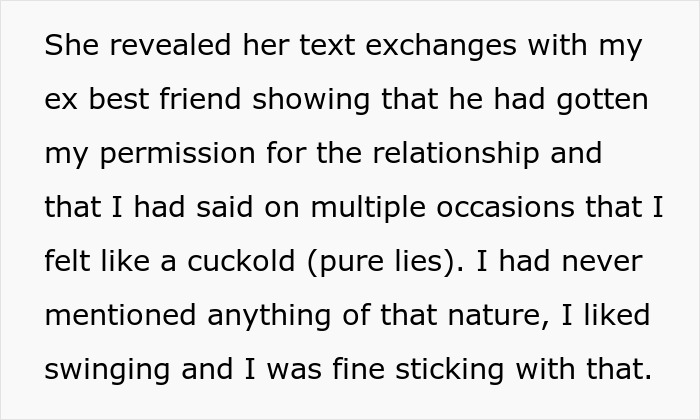
The husband laid out one request, and that was that he get to approve his wife’s partners, and she have the same right over his. He had already said no to this particular person becoming her boyfriend. The friend had heard that conversation secondhand and proceeded anyway, which is just a betrayal with extra steps.
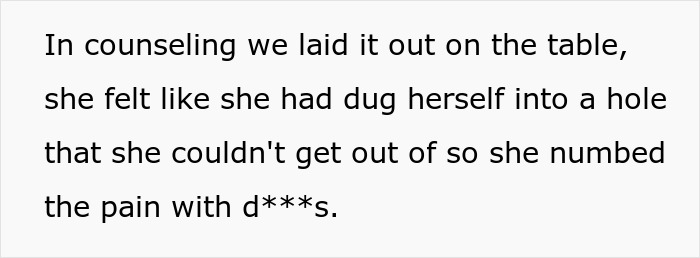
The substance use element that emerged in counselling adds another layer entirely. The friend had introduced his wife to illegal substances over the course of their secret relationship, which, as a former user, put her in a position of real vulnerability and fear. This is far from the ‘love’ that this ex-friend claimed to have.
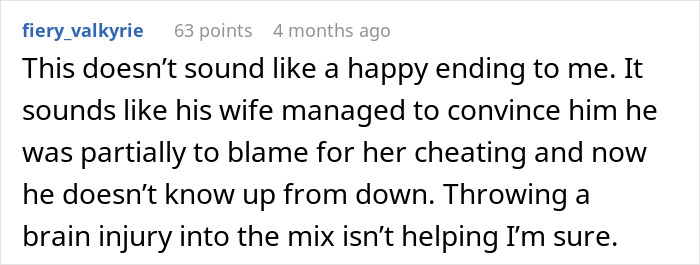
Affair Recovery also reminds us that an affair usually stems from deeper issues, and is just a symptom of relationship troubles. The update that the husband posted nine years later is remarkable for the degree of genuine self-reflection it contains. He acknowledged that he had checked out of the marriage, that he had been coasting on autopilot, and that the friend had filled a gap that he had left open.
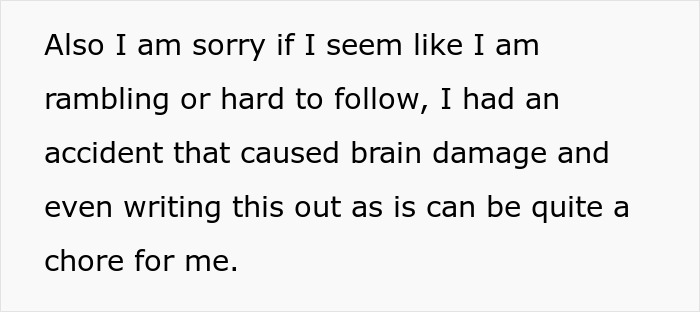
He was careful to say that the cheating was still wrong, that it still sucked, that he was not automatically the good guy simply because he remained faithful. That level of honesty about his own role, offered nine years later and after a brain injury that made writing difficult, is the kind of thing that therapists spend years trying to help people reach.
Do you think this was cheating, or should it be given a whole different label, considering they were already exploring polyamory? Share your thoughts in the comments.
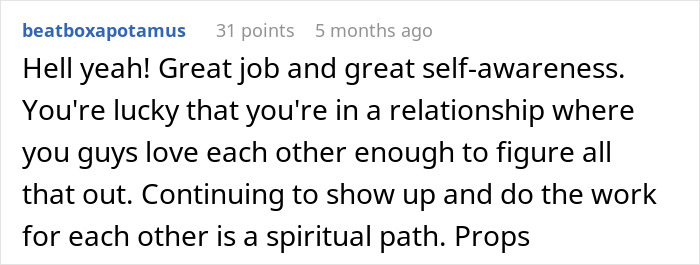
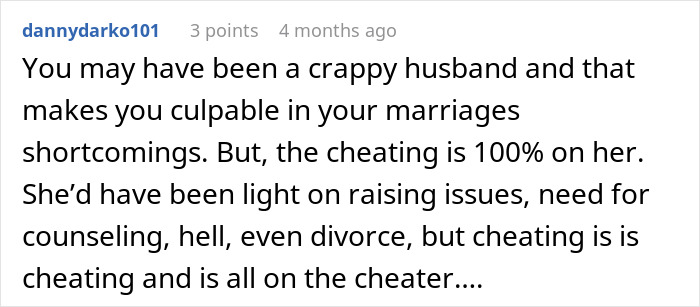
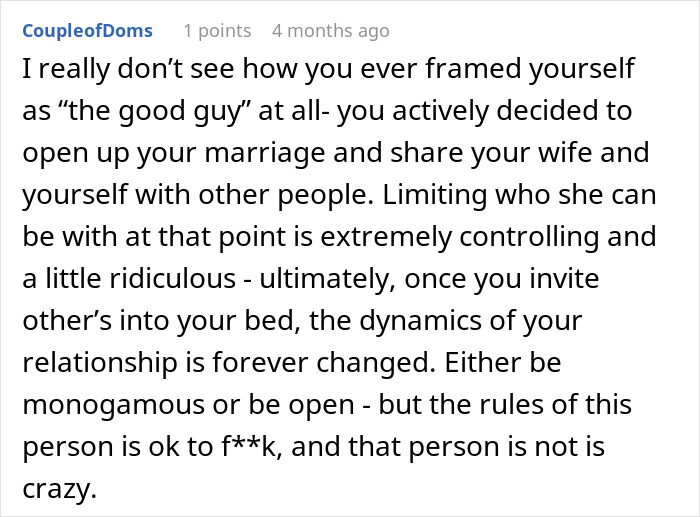
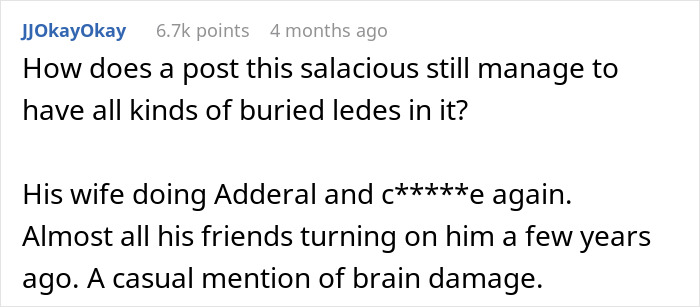
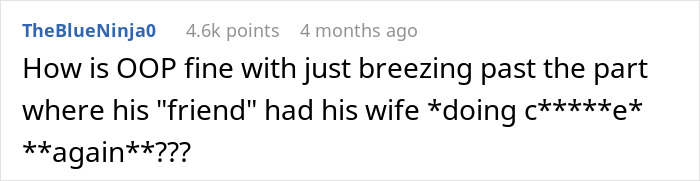
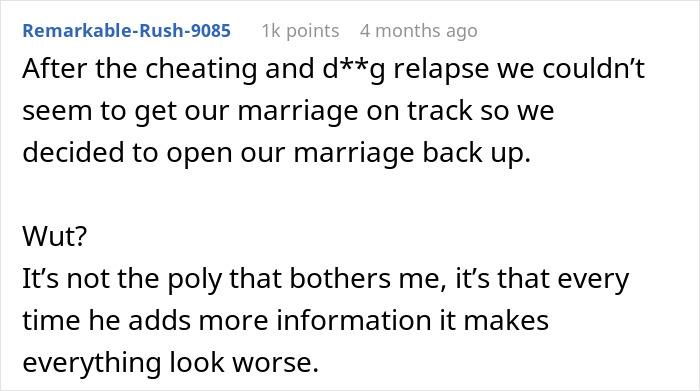
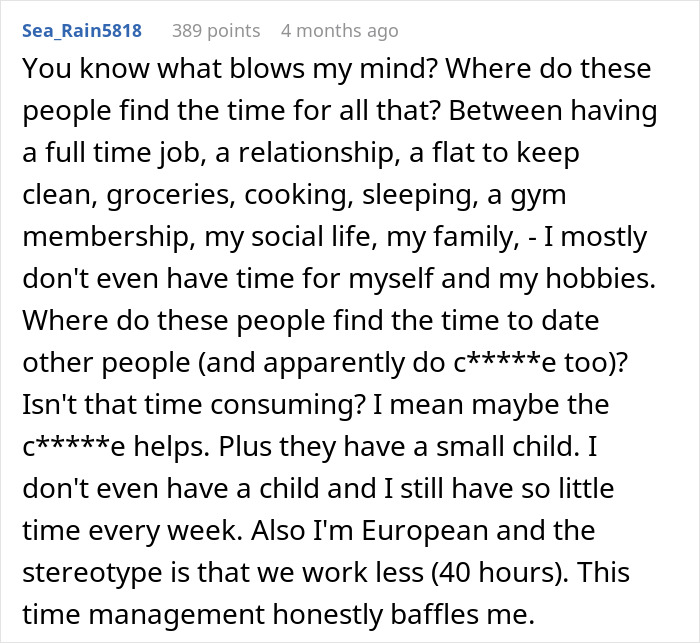
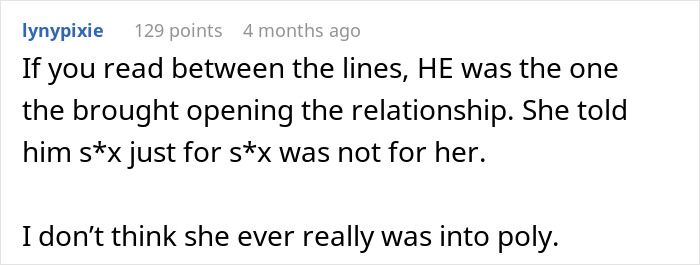
Commenters were applauding this self-aware husband, amazed that he was able to come to such a powerful conclusion to fix his marriage















 Follow Us