In a medical emergency, common sense and a little consideration can make all the difference because every second matters. In those moments, everyone is on guard, and emergency responders have to move quickly to assess the situation and begin treatment. A short delay can mean the difference between getting the help someone needs in time and the situation getting worse.
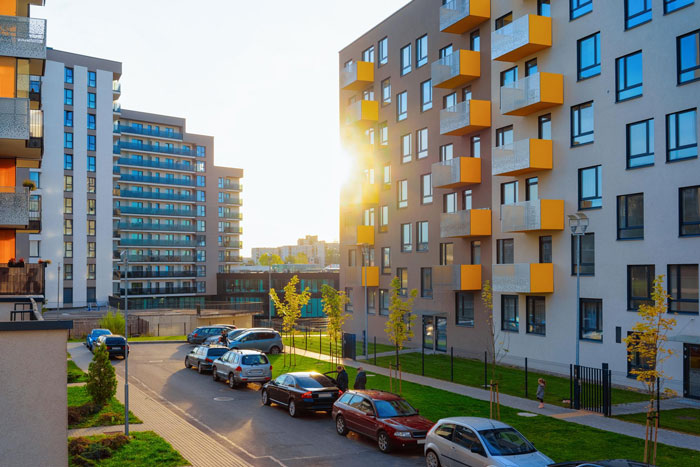
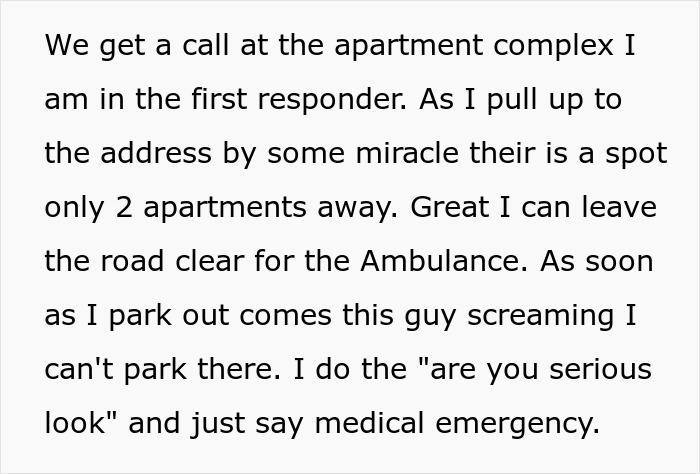
This paramedic shared how he found himself in a bizarre situation while responding to a medical emergency at an apartment complex. He saw a nearby parking spot that let him keep the road clear for the ambulance, but a resident rushed out, furious that the emergency vehicle was in his spot. Read on to see how the parking dispute turned into something quite ugly.
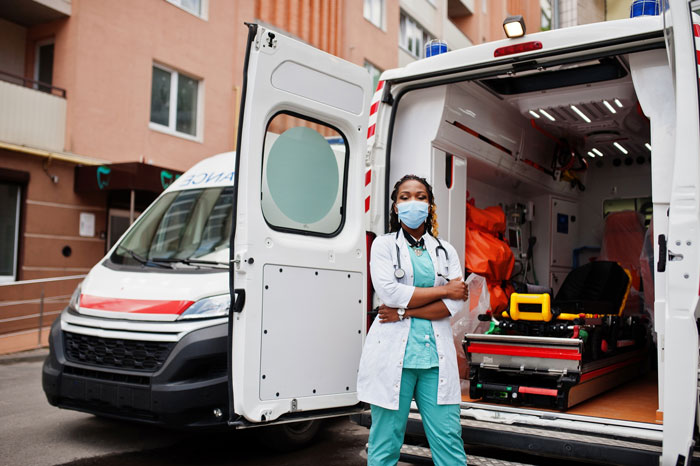
Medical emergencies require quick thinking, calm action, and room for responders to do their jobs
asphotostudio / Magnific (not the actual photo)

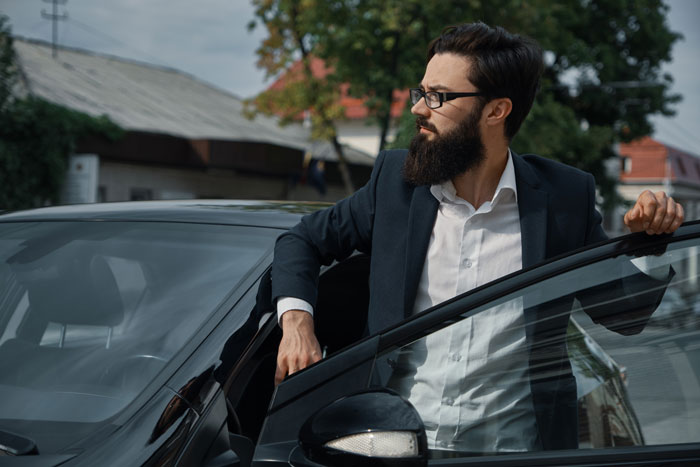
A resident got mad when a paramedic parked in his spot while responding to an emergency
roman_babakin / Magnific (not the actual photo)
ArthurHidden / Magnific (not the actual photo)
nomadsoul1 / Magnific (not the actual photo)
Emergency vehicles need to be positioned carefully so responders can reach patients while leaving room for other units
Emergency medical calls can be unpredictable, and getting to the patient is only the beginning. EMS guidance emphasizes scene safety and making sure responders can work without unnecessary hazards or interference. Their vehicles need to be positioned to protect the patient while leaving enough room for other emergency units still on their way.
That helps explain why the paramedic chose a nearby parking spot, even though it was assigned to someone else. According to the NAEMT, EMS crews may sometimes have to use restricted or unconventional parking during an emergency when no reasonable alternative exists. The goal is to get close enough to the patient without creating another hazard at the scene.
And leaving room for the ambulance was important too. FireRescue1 notes that emergency vehicles should be positioned to create a protected work area and keep the patient-loading zone safe while allowing other responding units enough room to operate. The priority is protecting the patient and giving every responder, piece of equipment, and vehicle involved enough room to do their job safely and effectively.
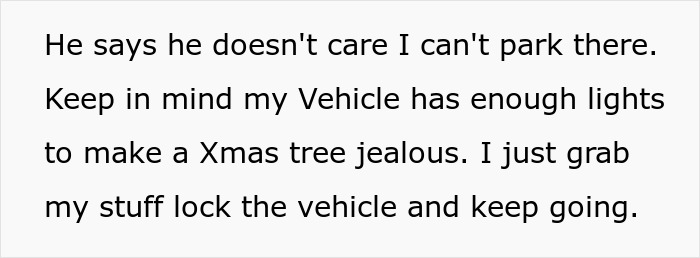
In this case, the paramedic says he planned to stay only long enough to treat the patient and leave. He also said his vehicle was clearly marked with emergency lights, making it difficult to misunderstand why he was there. Rather than argue with the resident, he explained that he was responding to a medical emergency and continued inside.
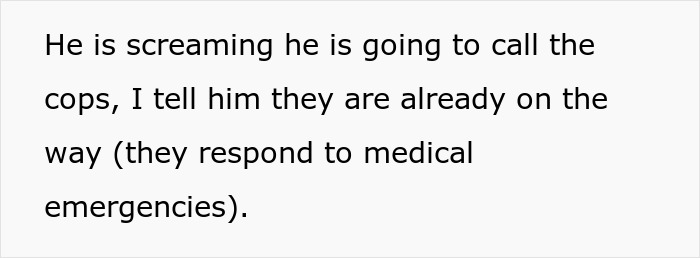
The situation became much more serious when the resident followed him into the apartment and continued demanding that the vehicle be moved. EMS workers already face risks from potentially violent or confrontational situations as part of their jobs. The CDC explains that violence is among the occupational hazards EMS clinicians can encounter and recommends workplace violence prevention and de-escalation measures.
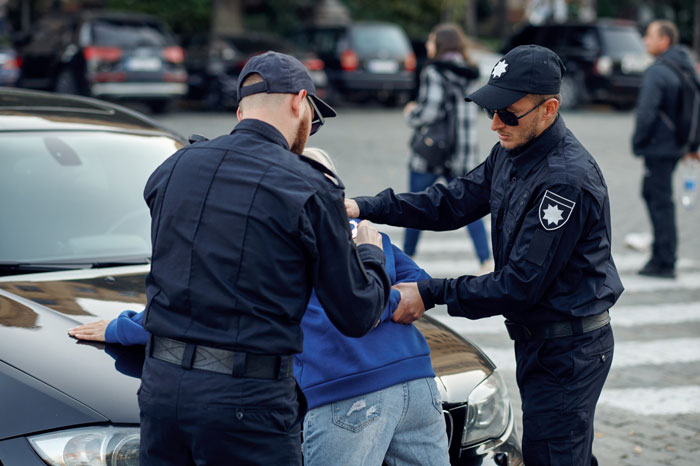
nomadsoul1 / Magnific (not the actual photo)
Police use of force should be based on the situation and kept reasonable and proportionate to the threat
Keeping an emergency scene controlled matters because responders need to concentrate on the person receiving care. Journal of Emergency Medical Services notes that scene control includes creating an environment that allows patient care to happen efficiently, including removing obstacles and uninvolved bystanders who could become distractions.
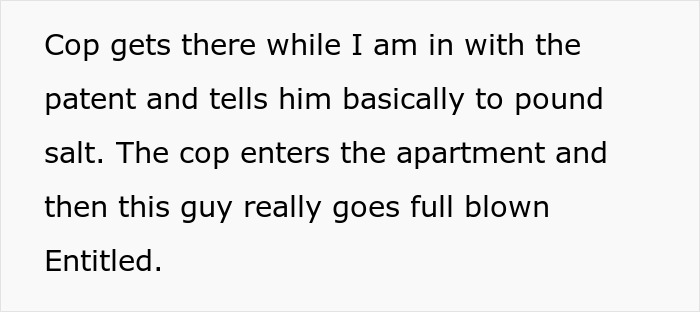
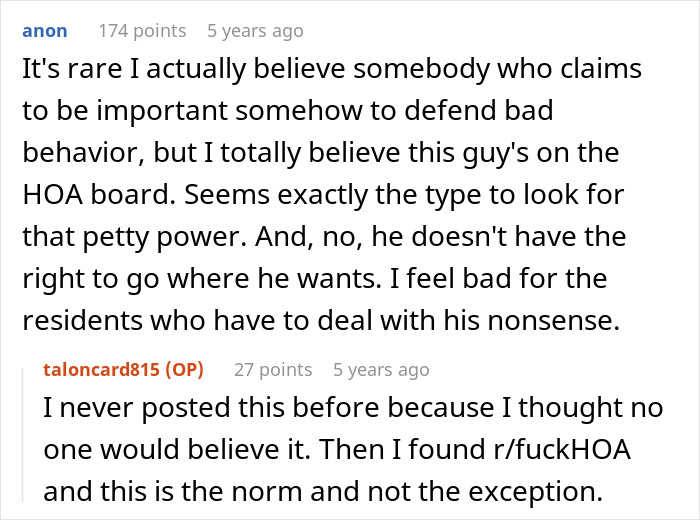
The resident apparently did not take the warning as his cue to leave. Instead, he reportedly insisted that being on the HOA board meant he could go wherever he pleased. That claim only escalated the confrontation, with the paramedic saying backup was eventually called and officers had to remove him from the room physically.
By then, the situation had moved well beyond an argument about a parking space. The paramedic said officers had already warned the man to leave, but he continued resisting and had to be physically removed from the room. With the confrontation still escalating, police eventually used a taser to bring him under control.
That kind of force is generally meant to come after attempts to gain compliance and should be based on the circumstances officers are facing, rather than used as punishment. The U.S. Department of Justice says officers should use de-escalation when feasible and that force should be objectively reasonable, necessary, and proportional to the threat or resistance involved.
Sometimes, the smartest thing to do in an emergency is get out of the way. A parking spot can be reclaimed later, and a few minutes of inconvenience hardly justify turning it into a much bigger problem. So, what do you think? Would you have handled the parking situation differently, or did this HOA member take entitlement way too far?
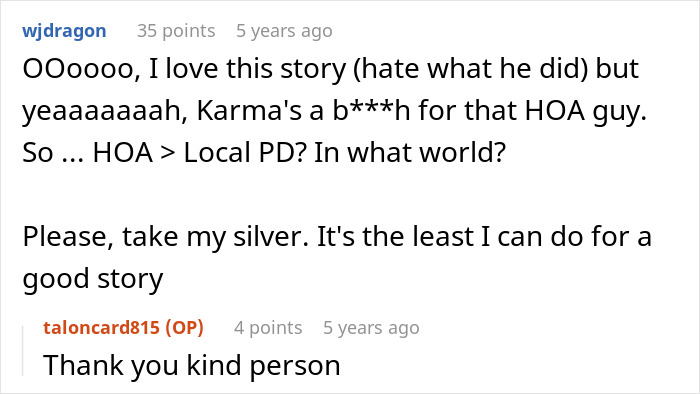
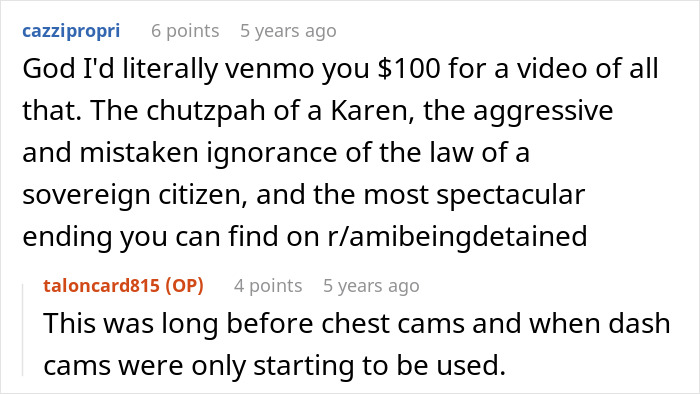
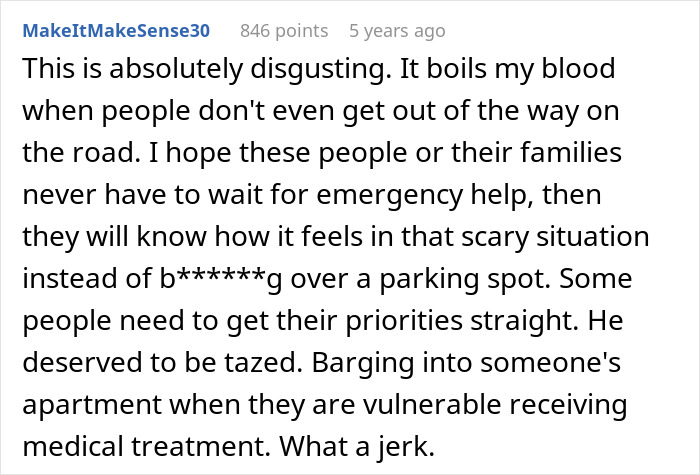
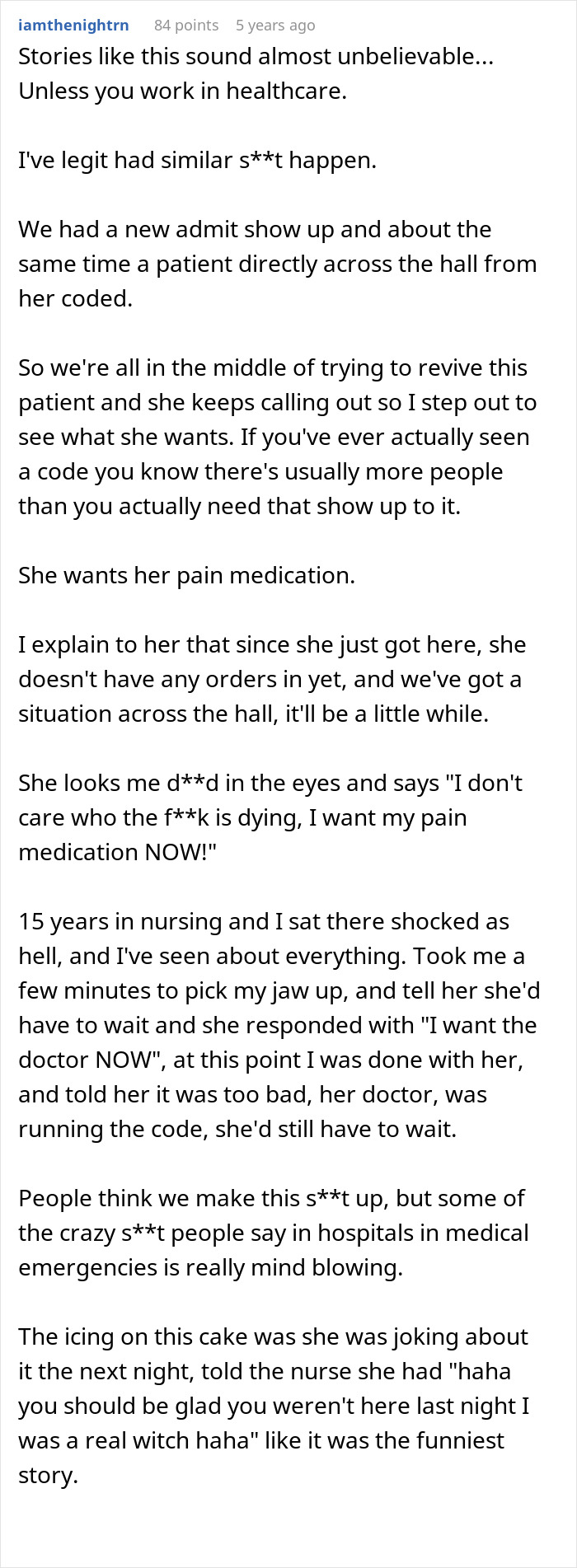
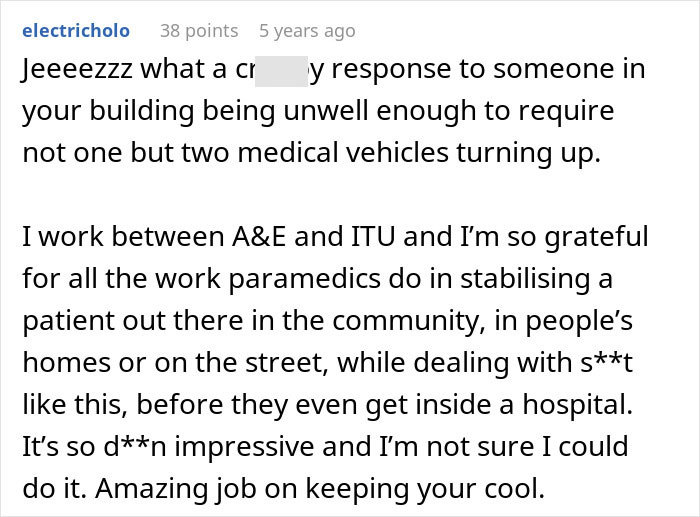
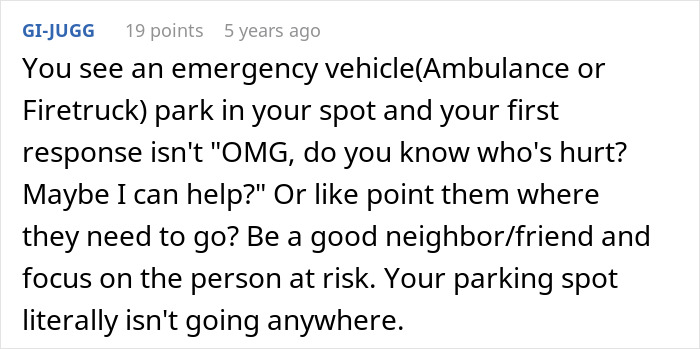
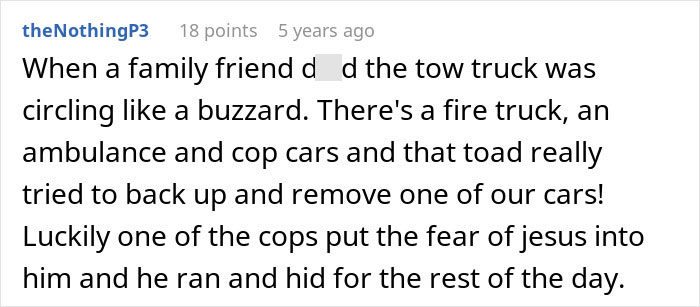
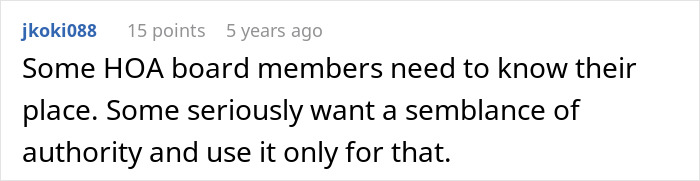
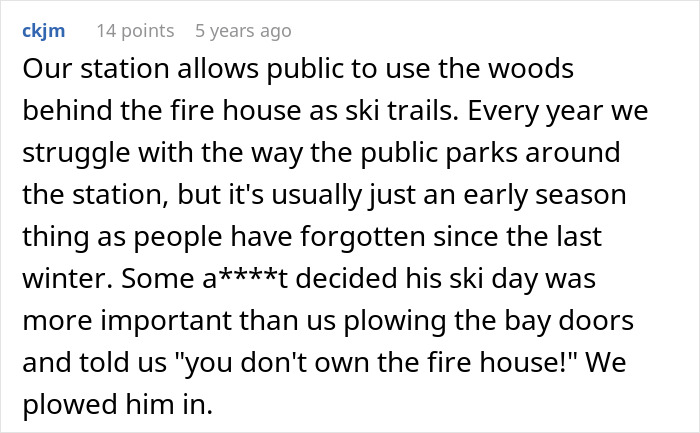
Commenters call the HOA member’s behavior a ridiculous power play, while some say such entitlement is all too familiar to healthcare workers



 Follow Us