At nine o’clock on the second night, I weighed myself for the second time that day. That hadn’t been the plan. I’d intended on just one weigh-in each morning for the three days of the diet and however long afterwards it took to get back to my starting weight.
But that morning’s number had unsettled me: 1.15 kilos down in a day. I assumed it was still moving 12 hours later based on how I felt and wanted to know how much. Another 450 grams gone.
By the next morning, after 48 hours of eating nothing but tinned sardines, I had lost more than two kilos – around 4.6 lbs. As someone with a high metabolism, dropping weight was nothing new. And I had experienced losing water weight after eliminating carbs in the past. But this time it felt severe.
So, two days into a three-day sardine fast, I committed one of the worst sins of immersion journalism – I quit of my own accord. I did, however, try to hold onto the mental benefits I had sought out and found.
Sardinemaxxing, what?

The most expensive can of sardines found on shop shelves in Bogotá ($8.50), was also the best in terms of texture and flavor. (Image credits: Charles Parkinson)
The sardine fast is a simple concept: just eat nothing but sardines for days. While most proponents suggest one to three days, some promote up to a week. Water, black coffee and plain tea are allowed. You can eat fresh or tinned sardines; though the latter are generally easier for anyone not living in a Mediterranean fishing village. A sprinkle of herbs and squeeze of lemon are fine. But forget about bread. Don’t even look at a cracker.
While the origins of the diet are contested, many accounts trace it back to the American powerlifter Frederick “Dr Squat” Hatfield, who reportedly put himself on one to two tins of sardines a day for a week at a time after being diagnosed with metastatic cancer and given three months to live. In December 2012, he told CBN News he pursued low carb diets after hearing they could help with his cancer, and had been free of the disease for over a year. Hatfield died of heart failure in May 2017, aged 74.


Frederick “Dr Squat” Hatfield is widely credited with originating the sardine fast (Image credits: Salvatore Italiano / Facebook)
Hatfield’s own account of his recovery, given to CBN News, does not mention sardines at all – it describes a general ultra-low-carb approach. The sardine specificity comes from Dominic D’Agostino, a University of South Florida researcher who describes Hatfield as his mentor and who told the Tim Ferriss podcast in 2025 about the novel diet.
While Hatfield’s metabolic approach to treating cancer made the TV news at the time, it wasn’t until 2023 that the practice of solely eating sardines began to gain mainstream traction. That was thanks in large part to Dr. Annette Bosworth, better known online as “Dr. Boz,” who reported adopting the mono-diet while travelling with her family as an easier way to stay on the ketogenic diet. From there, online interest in it began to grow, before spiking in late 2025.
The ketogenic diet generally involves consuming no more than 50 grams of carbs per day in order to force the body into ketosis, by which it burns fat as its main energy source. When your body primarily uses carbs for fuel, it converts them into glycogen, which is bound to water and stored in muscles and the liver. When you stop eating or severely restrict carbs, that water is released as glycogen stores are depleted, usually within three days. Thereafter the body starts converting fat into energy molecules known as ketones.
Some proponents of sardine fasting say that as well as quickly pushing your body into ketosis, it also floods your system with high quality omega 3s, selenium and vitamin D, resulting in such benefits as better sleep, improved mood, greater stress tolerance, and enhanced thyroid function and metabolism. In a YouTube video that has been widely circulated on social media, low-carb influencer Dr Eric Berg told his almost 15 million subscribers that three cans a day delivers enough omega-3s to turn off chronic inflammation.
A more recent and less radical trend seeking some of those benefits is so-called sardinemaxxing, which essentially involves slipping as many of the little beasts into your diet as you can. While some proponents of sardinemaxxing promote daily consumption, experts say you only need to eat two portions a week to reap many of the benefits.
The portable size and lack of spillage risk that cans offer also makes sardinemaxxing easy to work into daily life. Although, keep in mind it’s still a minority activity and you’ll likely get a few sideways glances if you rip open a pungent tin of chonkers at your local coffee shop.

Large sardines are affectionately known in tinned fish communities as “chonkers” (Image credit: CannedSardines / Reddit)
Considering the risks
Before undertaking the sardine fast, I wanted to better understand the risks – not just of the fast in its common three-day guise, but also in the event that someone chose to extend it for longer, be that in the search for online shock and traction or to achieve even more radical weight loss.
Sardines are a notable source of purines, which the body converts into uric acid, meaning someone with gout might trigger an episode through high consumption. Tinned sardines also carry a hefty salt load, which is not ideal for anyone with high blood pressure, heart failure or reduced kidney function. But, according to Professor David Goldfarb, a nephrologist at NYU Langone Health, a standard sardine fast offers few risks to a generally healthy person.
“Three days is not very long,” Goldfarb told Bored Panda. “If you did it for three years, that might be a different thing.”

Professor David Goldfarb (Image credits: NYU Langone Health)
Dr. Boz’s support team drew a similar line when I put the same question to them by email, noting that short, intensive periods of higher sodium or purine intake “can be meaningful for people with specific conditions,” and advising anyone with a history of gout, kidney disease or sodium sensitivity to consult their healthcare provider before attempting a concentrated sardine protocol.
Goldfarb said that many of the risks or complications that might arise from sardine fasting are more broadly associated with the ketogenic diet.
“We’re pretty sure that the keto diet is associated with kidney stones,” he said, pointing to trials where ketogenic diets were used to treat epilepsy in children. “Some incredible proportion of those children did have a kidney stone, and of course kidney stones would otherwise be relatively unheard of in children.”
According to a 2007 study published in the Journal of Child Neurology, 6.7% of a cohort of 195 children undertaking keto to address epilepsy had developed kidney stones – a rate that leapt to 10% among those who did not take potassium citrate to diminish the likelihood of developing stones.
A 2021 meta-analysis of 36 studies covering 2,795 patients showed pooled kidney stone incidences among children at up to 7.5%. Meanwhile, a 2023 study published in the journal Neuropediatrics studied 88 epileptic children in Turkey who had undertaken keto for at least a year and found kidney stones in 17% of the cohort.
The Epilepsy Foundation includes kidney stones among other risks associated with the ketogenic diet, including high cholesterol, growth slowing and gastrointestinal upset, and states that they generally occur “in 1 in 20 children.”
If those numbers appear low, it’s worth noting that studies of overall incidences of kidney stones among children place the rate at no more than 1%, and often much lower.
A high animal protein diet leads to changes in how your body processes citrate, which is one of its key inhibitors of kidney stones. Goldfarb says that stone formation can occur in a “relatively short period of time,” potentially even just be a few weeks.
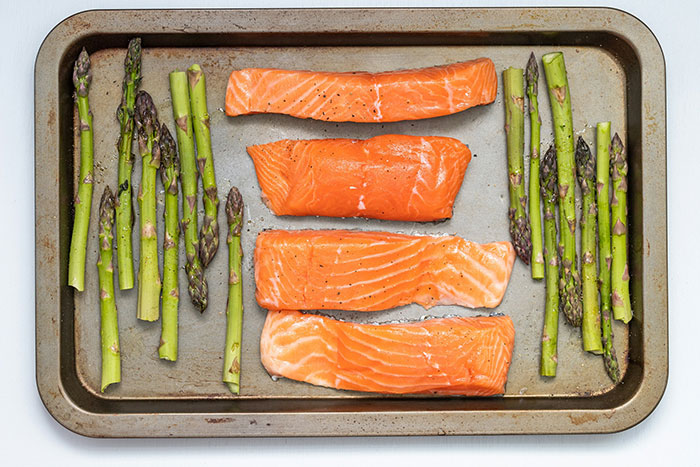
The ketogenic diet is often built around fatty protein sources and low-carb vegetables (Image credits: Christine Siracusa / Unsplash)
The fish, he stressed, was not the key variable. “I don’t think sardines are special from that point of view,” he said. “You could eat a high protein diet out of animal protein – you know, it could be chicken – and you could have the same effects.”
His suggested mitigation is alkali, in the form of citrate, echoing the efficacy it showed in the 2007 study – and on this topic he volunteered a disclosure before I could ask for one.
Goldfarb owns Moonstone Nutrition, which sells a high-citrate drink he has published research on; that study carries a conflict-of-interest management plan drawn up by NYU Langone, under which he was barred from analysing his own data.
Citrate supplementation isn’t proprietary to him, though. It appears in both American and European urology guidelines, and other over-the-counter versions exist. On stones you’ve already got, he was careful not to oversell: citrate, he said, would be a reasonable treatment for the effects of a high animal protein diet.
Questioning the gains
As well as the potential risks, I was also dubious about the claims around the cognitive benefits offered by sardine fasting – not because I doubted them entirely, but rather because I had experienced the mental benefits provided by a standard ketogenic diet and questioned sardines offering anything additional.
I asked Amy Goodson, a registered dietitian, whether the mental clarity people report might be something the omega-3s, selenium and vitamin D were doing, rather than just a typical part of ketosis and she was unequivocal.
Those nutrients, she told Bored Panda, “don’t create a unique short-term ‘brain boost’ beyond what you can obtain from a balanced diet that includes these foods regularly.”

Amy Goodson, MS, RD, CSSD, LD, Registered Dietitian (Image credits: amygoodsonrd.com)
Dr. Boz’s team, to their credit, said much the same thing. What proponents often report as a distinct “sardine effect,” they told me, is “consistent with early ketosis plus a meal pattern that is high in fat and protein and low in variety.” The practical difference, they wrote, “is less about a unique biochemical pathway and more about meal composition, satiety, and the simplicity of the protocol.”
On what the fast actually costs you, Goodson was more concerned with absence than excess. Mercury isn’t the issue – sardines are small, low on the food chain and not a major source of the toxic heavy metal. The problems are the sodium, the purines, and everything that isn’t in the tin.
“Even a three-day mono-diet begins limiting important nutrients like fibre, vitamin C, potassium, and beneficial plant compounds, so I wouldn’t recommend it as a health strategy,” she said.
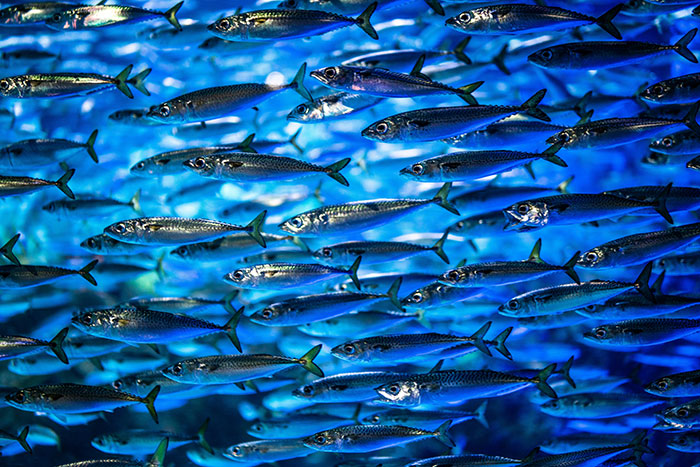
Sardines are low on the food chain so don’t contain high levels of mercury (Image credits: Fengyou Wan / Unsplash)
As for the prospect of someone taking a sardine fast beyond generally recommended limits, Goodson drew the line at repetition as much as duration.
“Once someone extends these diets beyond several days – or repeats them regularly – they move beyond a social media experiment into a pattern that increases the risk of nutrient deficiencies, disordered eating behaviours, and an unhealthy relationship with food.”
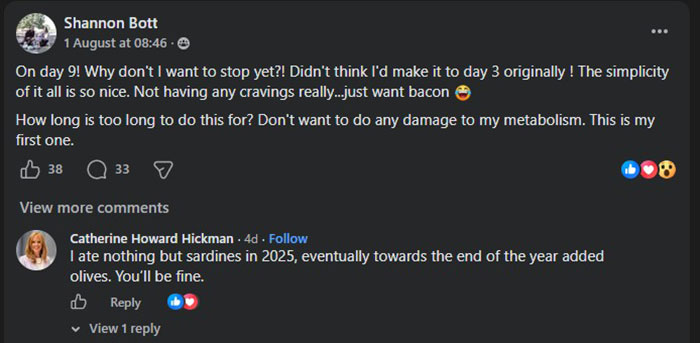
A Facebook user claiming to have “eaten nothing but sardines” for most of 2025 (Image credits: Facebook)
Coming back off it matters too, though not for the reasons people assume. A three-to-five-day sardine fast doesn’t carry the refeeding syndrome risk of a real fast, she said, but the temptation to celebrate with something ultra-processed can be overwhelming for some.
“Rather than immediately overeating highly processed foods, gradually reintroducing fruits, vegetables, whole grains, legumes, and dairy helps restore fiber, carbohydrates, and other nutrients missing during the fast while minimizing digestive discomfort,” she said.
Two days of fish

This reporter contemplates a plate of sardines fried in the olive oil they were canned in (Image credits: Charles Parkinson)
Unlike a lot of the people posting in sardine fasting communities online, I actually enjoy eating the oily little ocean dwellers. I also have experience of fasting and doing restrictive diets, so I am more accustomed to hunger than some people and familiar with the malaise that accompanies transitioning from carb to fat burning – commonly referred to as “keto flu.”
On day one I ate five tins — two for breakfast, one at lunch and two more at dinner. Beyond a bit of light-headedness in the evening, the day passed relatively easily.Day two was less pleasant, fuelled in part by my realization that the $2.50 (€2.20) cans of sardines I selected for half of my three-day supply were squishier and less fresh tasting than the other tins I’d tried the day before.
In an extremely limited market, I’d chosen badly and now had five cans of what seemed like stinking mush compared to the $8.50 can I had tried. For my first can of the day, I reduced that to four with a grimace. I then made the welcome discovery that the cheapest-on-the-market $1.40 (€1.20) can of sardines in tomato sauce that I followed it with was surprisingly nice.

Three of the five sardine varieties that were found on shop shelves in Bogotá (Image credit: Charles Parkinson)
That day, dizziness and weakness hit pretty hard as I ran some errands around the neighbourhood. I went home to force down a third tin for lunch – the fifth and final brand I could get my hands on in Bogotá – and collapsed onto the sofa to drink a litre of water with fresh lime and salt.
By evening, I was much improved, but my appetite had disappeared entirely – a familiar symptom of ketosis for me. Despite the fact I was feeling noticeably lighter on my feet, it was late by the time I realised I hadn’t eaten dinner, and I had no desire to climb into bed with pilchard burps.
Radical weight loss
The next day the numbers were in – I had lost 2.1kgs (4.6lbs) in the 48 hours since beginning the sardine fast, and I felt it. While I was aware that a good portion of that was water expelled as I used up glycogen, I was now down to my lowest adult weight in memory.
Dr. Boz’s team confirmed as much when I described my experience to them, replying that it lined up with what she commonly sees: a rapid drop in the first 48 hours, “much of which is commonly from water and glycogen,” alongside improved mental clarity and higher ketone production.

Dr Annette Bosworth, better known as Dr Boz (image credits: Dr Boz / YouTube)
And while I did experience notable cognitive benefits, they felt much like those I had previously achieved with a standard ketogenic diet. That is to say, I felt confident I could preserve them by just keeping carb consumption low and jacking up fat intake to prevent unnecessary weight loss.
With different foods on the menu, my appetite woke up. Breakfast on day three was four eggs, half an avocado and butter coffee. Walnuts and blueberries for a midmorning snack. Salmon, broccoli and cauliflower for lunch. Brazil nuts and cheese between meals. Steak and salad filled with healthy fats for dinner. By the following morning I had successfully turned back the tide and increased my weight by… 250 grams.
I ate similarly again on day 4, except with significantly more sharp cheddar and serrano ham, and by the following morning I had risen another kilo. Ultimately, though, I was reminded of how I found the amount of fat I needed to consume on the ketogenic diet in order to not lose weight somewhat disconcerting. I was also daunted by the restrictiveness required to maintain it.
In the past when I did a ketogenic diet for several months, my relationship with food shifted. Half of the fruit and veg section in supermarkets became almost untouchable – essentially feeling as if they were now poisonous to me – while entire aisles were off limits. It didn’t feel like a healthy relationship with food then, and even less so now, in a country where sweet tropical fruits are abundant and lunch plates are famously stacked up with multiple carbs.
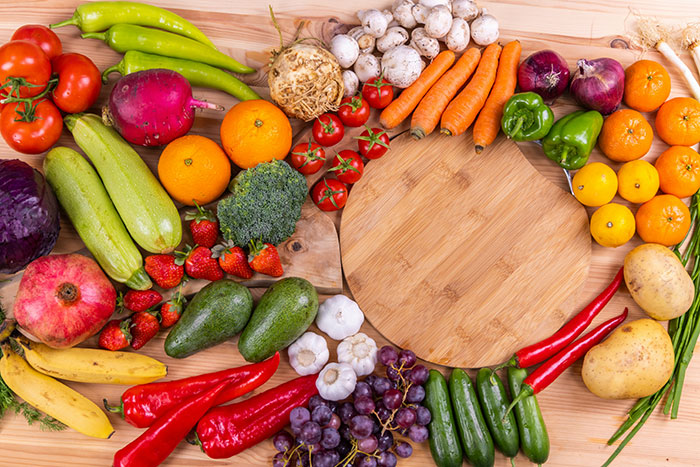
Many fruits and vegetables can only be eaten in tiny portions on the ketogenic diet (Image credits: Engin Akyurt / Unsplash)
So, after two days of keto, I went back to eating carbs again, albeit resolving to avoid ultra-processed carbs and sugar. It’s an approach that Goodson says is more sustainable for most people.
“Balancing high-fiber (less processed sugar) carbohydrates AND protein is really the key to stable blood sugar, stable energy, and strong focus. Your energy and focus levels follow your blood sugar, so if your blood sugar looks like a roller coaster, so do they”, she said. “When you eat high-fiber carbs and protein, your blood sugar is more stable. That should be the goal for people because it also allows for individuals to get in a variety of nutrients, whereas many trendy diets can be restrictive of necessary nutrients.”
By the morning of day six, I was back up above my starting weight, and five days later I had put two more kilos on. It’s worth noting what my own numbers cannot tell you. I weighed myself at home, on the same scale, at roughly the same time each morning. What I did not log was whether I had been to the toilet. On one morning the difference between my pre- and post-breakfast weight was 250 grams; on another it was 750.
The simplicity problem
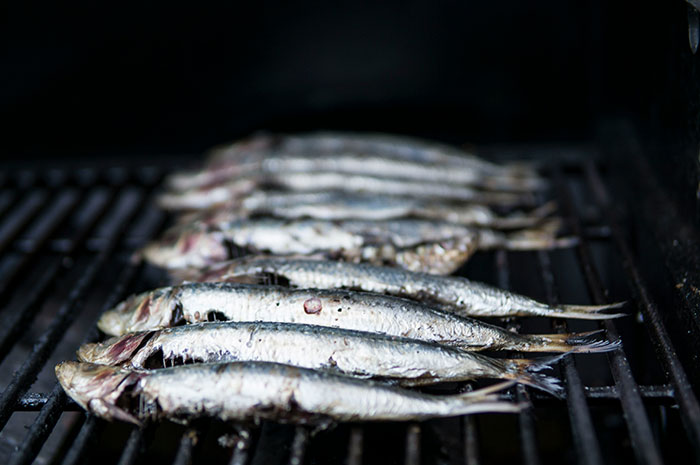
Fresh sardines on a grill (Image credits: Elle Hughes / Unsplash)
While the sardine fast is sold on what it puts into you, its problems lay more in what it takes away takes away.
When I asked Dr. Boz’s team what happens to the gut microbiome when fibre intake abruptly drops to near zero for three to five days, they were straightforward about it: the longer-term significance of a drop that short “is not established in Dr. Boz’s public materials.”
When I asked whether her protocol distinguishes between the metabolic impact of sardines packed in water and those in extra virgin olive oil – a question that commonly appears in online communities – there is no formal, quantified distinction.
And on whether cramming a fortnight’s worth of tinned food into three days raises any concern about forever chemical exposure from can linings, they were candid that they were not able to provide an assessment, and suggested I consult toxicology or public-health sources instead.
None of that is evasion. It is a straight answer about the limits of a protocol whose appeal, as her own team put it to me, lies in “meal composition, satiety, and the simplicity of the protocol.”
Ultimately, ease is the product. There is nothing to weigh, nothing to cook, nothing to decide. For two days, I lived it, and there is no denying it made meal planning much easier.

A photo shared by a sardine fasting community member, with the caption “locked in for a week of camping) (Image credits: Facebook)
But simplicity is also what makes a sardine fast worse than its alternatives. It strips out many essential elements of a healthy diet without delivering anything a broader low-carb diet wouldn’t. It hands you a number on day two that will thrill or frighten you depending on what you were hoping for, without telling you much about your body.
I quit mine after two, and the only thing I lost that stayed lost was the belief that a sardine fast might offer benefits that cannot be found by less restrictive means. However, I gained a enhanced appreciation for the need to choose carbs wisely, as well a commitment to eat two cans of oily fish per week.
Sardines are cheap, filling, rich in things you want and low in the things you don’t, making them highly recommended foods among many nutritional experts. But, only eating sardines for days on end? I’m canning that idea.
 Follow Us