The workplace has changed dramatically over the decades, with a stronger focus on employees’ rights and welfare. Yet some lessons have remained remarkably consistent: those who feel undervalued or underpaid can eventually choose opportunities where their skills receive proper and well-deserved recognition.
Today’s story offers a glimpse into an earlier era, thanks to our Original Poster (OP) who shared the experience of his grandfather at an English factory. Despite working hard, the grandpa felt consistently overlooked by his supervisor. When a better-paying opportunity appeared, he decided to quit, but his departure was harder for the company than anyone had expected.
More info: Reddit
Fair pay and employee recognition are essential aspects of the worklife, as businesses often face costly consequences when overlooking valuable workers

Image credits: senivpetro / Magnific (not the actual photo)

A netizen shared the story of their grandfather, a factory worker who endured an awful boss while his company bought a new machine requiring specialized knowledge

Image credits: aleksandarlittlewolf / Magnific (not the actual photo)
The worker mastered the complex German machine without formal training, then pursued better pay after his boss rejected a mortgage-related request


Image credits: magnific / Magnific (not the actual photo)
The company panicked after discovering the worker’s departure left critical machine knowledge behind, eventually costing thousands when problems emerged
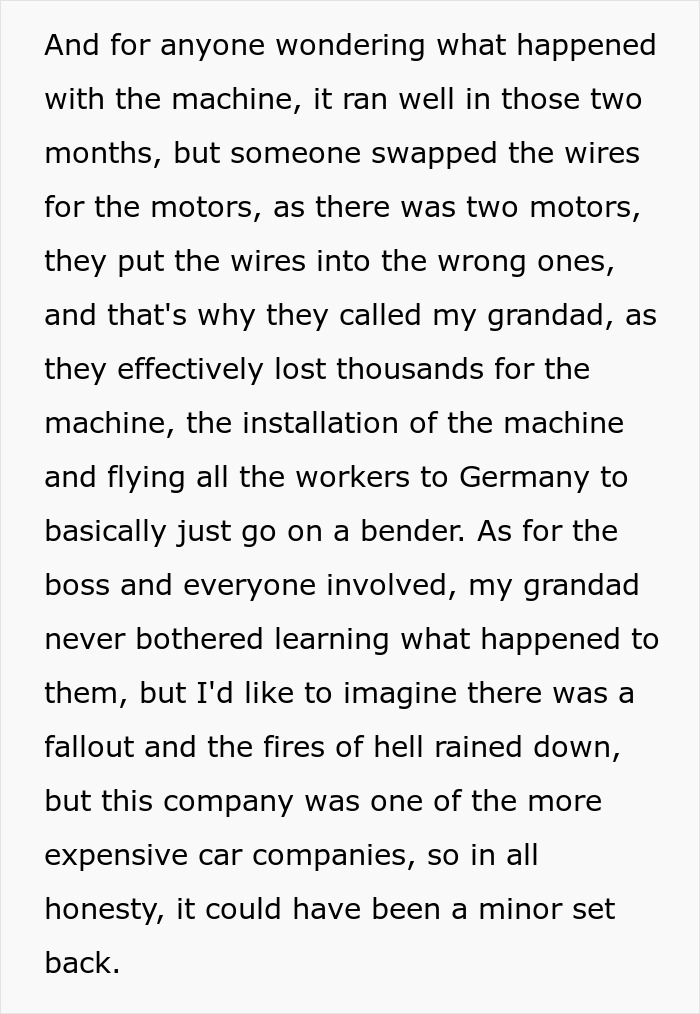
Image credits: Doc_Baker74
The grandfather moved forward with better opportunities, while the author reflected on the story and how mistreating valuable employees can lead to an unforeseen consequences
Decades ago, the OP’s grandpa was a factory worker in England who earned modest wages while enduring a hard supervisor. After marrying, he needed better income for a mortgage, but his boss refused assistance. Soon afterward, a friend offered him a job for considerably better pay. He decided to resign and submitted his two-week notice directly to the supervisor, who proudly emphasized his authority.
During those two weeks, nobody appeared concerned about his departure. On his final day, a manager approached him, surprised to learn he was leaving. Other senior employees soon asked similar questions, revealing everyone was unaware. They seemed utterly afraid: the OP’s grandpa had acquired unique expertise regarding a recently installed foreign and complicated German machine.
Several employees had traveled to Germany for three months to learn operating and repair procedures, but apparently had returned with limited practical knowledge. Meanwhile, the author’s grandfather had observed German technicians installing the equipment and understood its operation. Once he left, that knowledge effectively disappeared with him.
Two months later, the company desperately offered him his old position back. He declined, explaining that returning meant going backward toward poor pay and disrespect. Around that time, employees had connected wires to the wrong motors, leaving the expensive machine unusable and costing the company thousands.

Image credits: magnific / Magnific (not the actual photo)
The story offers a revealing and quite interesting snapshot of British working life during the late 1960s and early 1970s, when managerial authority still carried considerable weight. Yet this was also a period of major change: new legislation began strengthening individual workplace protections, including safeguards against unfair dismissal and rights connected to trade union membership.
The £22 weekly wage also stands out. This source shows that in October 1970, full-time manual men aged 21 and over earned an average of about £28 per week. That placed the grandfather’s reported income roughly 21% below the contemporary male manual-worker average, while his prospective £48 delivery wage would have been around 71% higher. It was an outstanding upgrade.
The number £22 seems insanely low for us right now. Using inflation alone, £22 in 1970 corresponds to roughly £373 today, while £48 equals approximately £814 in 2026 purchasing power. These figures should not be treated as modern equivalent salaries, since several costs changed differently over time. Still, they help illustrate the substantial change in how money is perceived over the years.
Workplace standards have since developed considerably. But the story’s concerns still remain to this day. Recent data estimated 445,000 workers were underpaid in 2025, showing that stronger protections have not eliminated every problem. Workers can still face underpayment or feel undervalued. And sometimes, companies pay a high price for that too, even today.
Do you have any stories of the past like this one? Was the grandfather right to leave after being undervalued, or should he have given the company another chance? Let us know what you think!
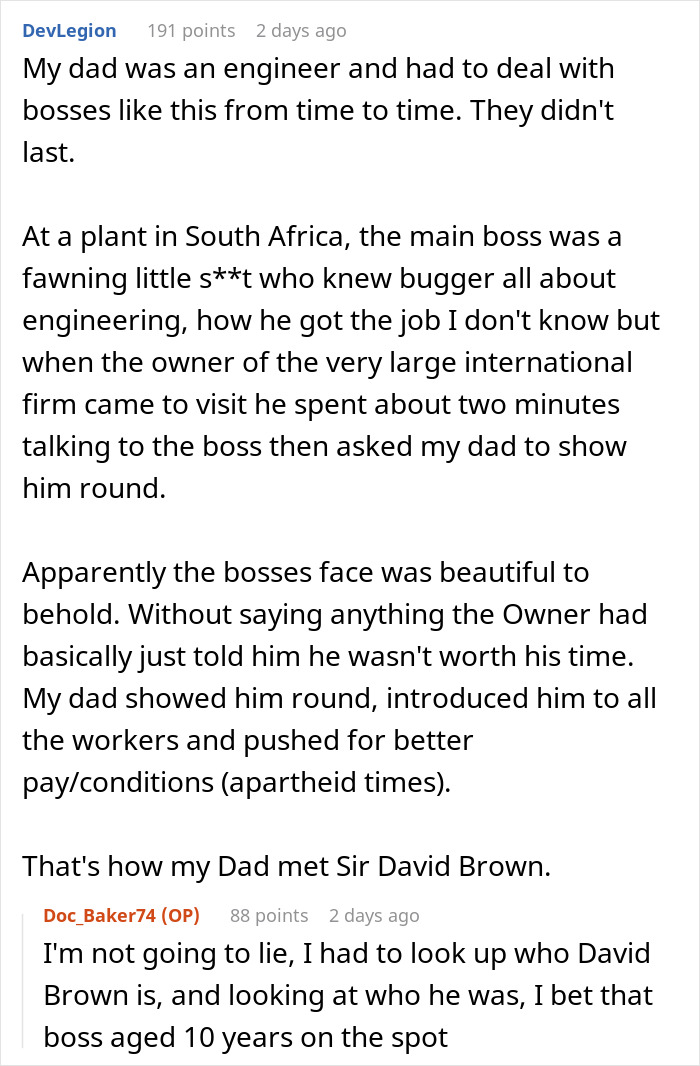
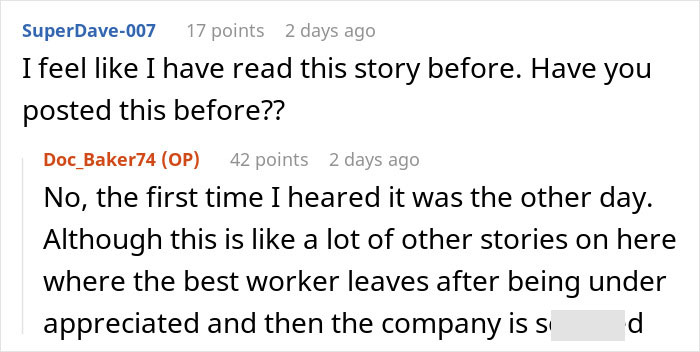
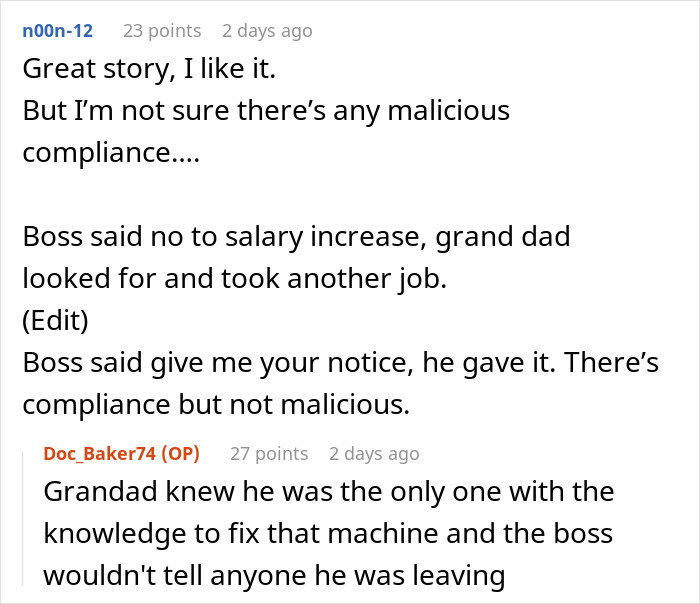
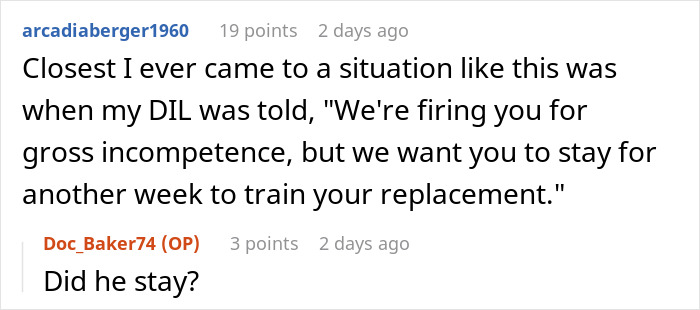
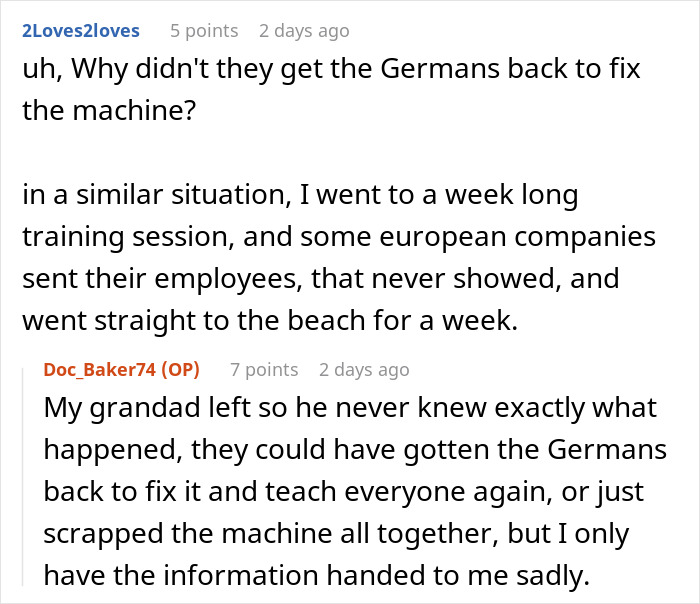
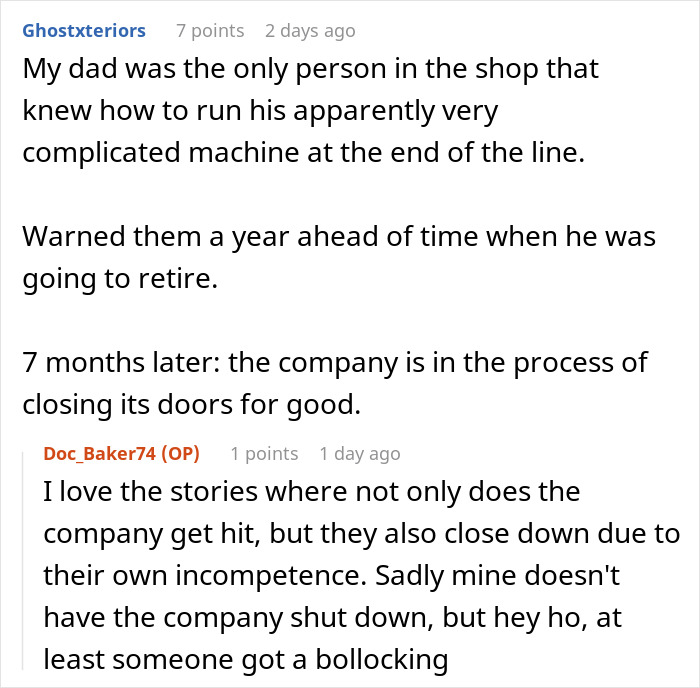
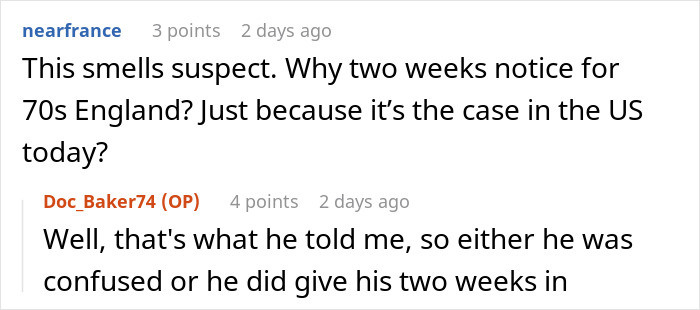
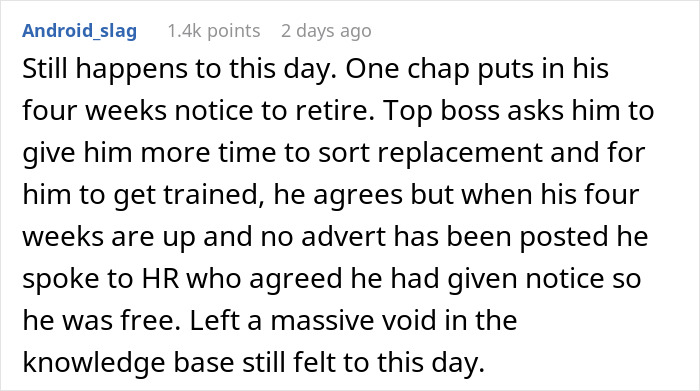
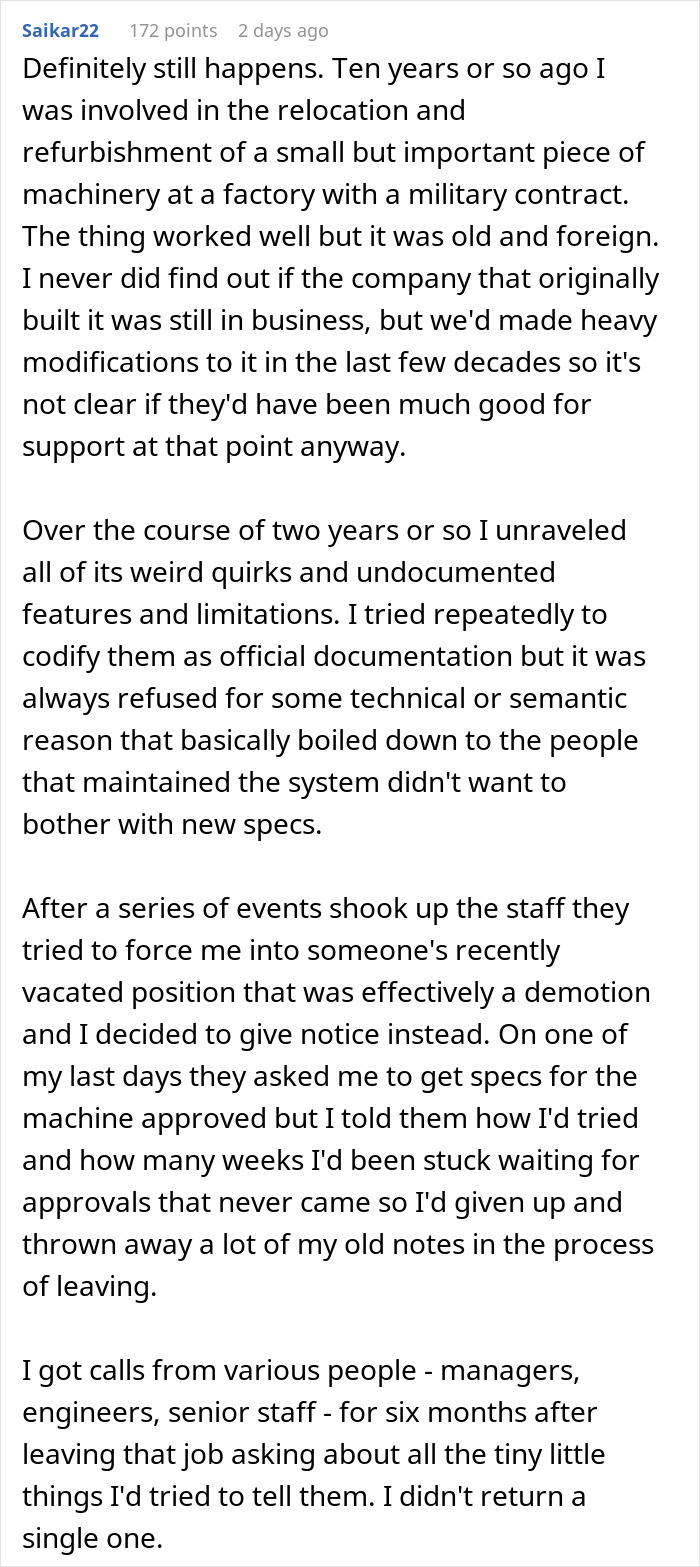
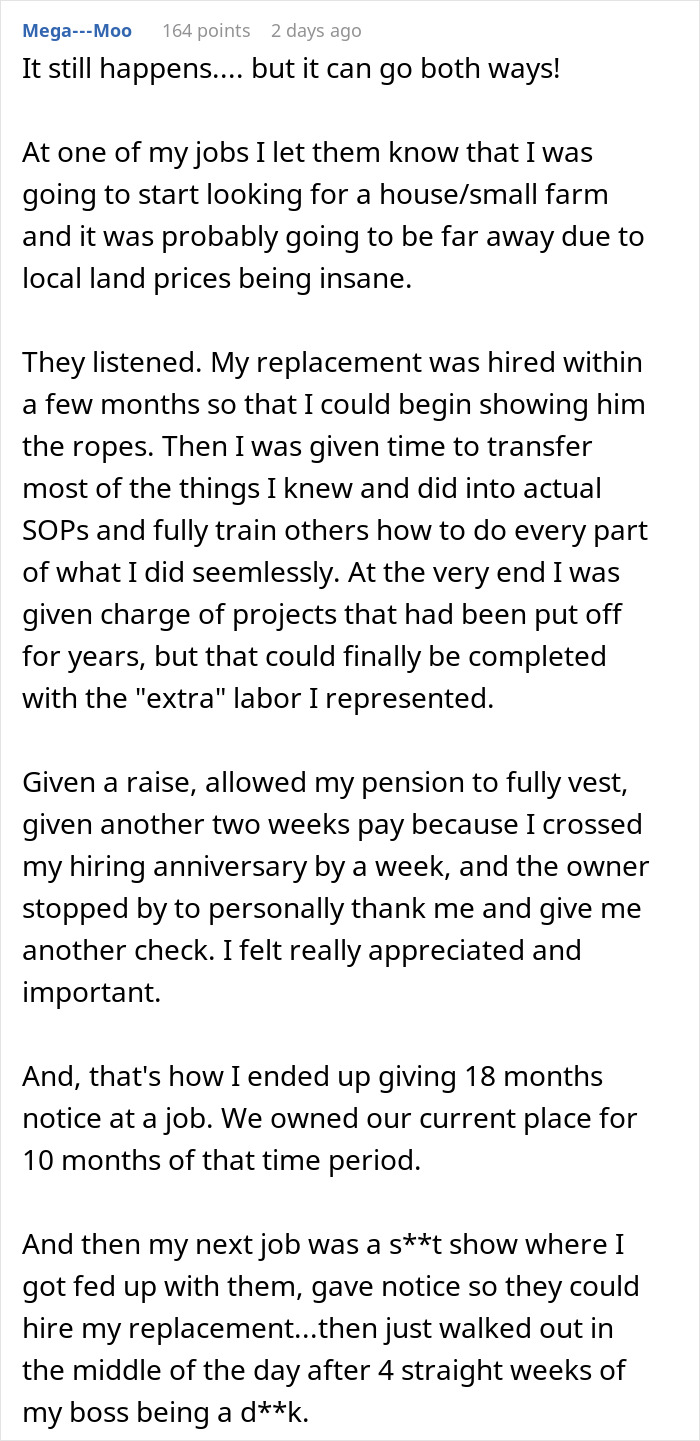
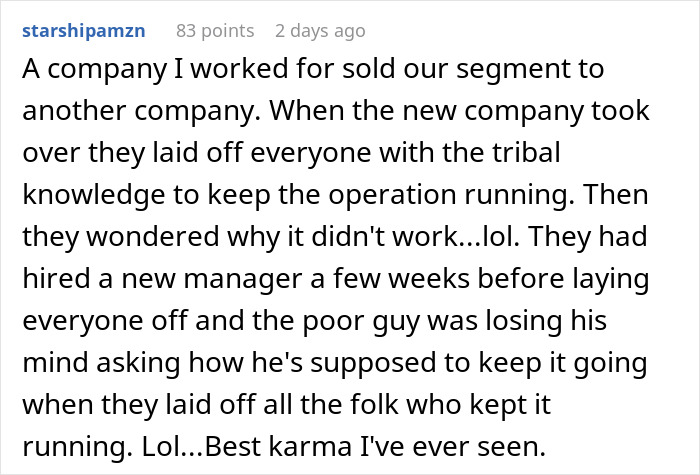
The community responded with clear interest in the story, while readers shared their own workplace anecdotes and experiences








 Follow Us