Just because it’s a quintessential human tendency and quite a common habit to lie, it does not mean that it doesn’t cause real damage.
One online story shows just how quickly a secret can spill and shatter years of built-up trust. A woman explained how a single comment during a family dinner forced a series of shocking admissions. Her fiancé confessed he was still in touch with his ex-girlfriend and that his family even viewed her as a “backup plan.”
Now, with her fiancé dismissing her feelings as an overreaction, she is left wondering if she can ever truly trust him again.
A woman said that her fiancé’s family accidentally revealed a secret

Image credits: Getty Images / Unsplash (not the actual photo)

She said a comment by her future father-in-law is making her reconsider the marriage plans
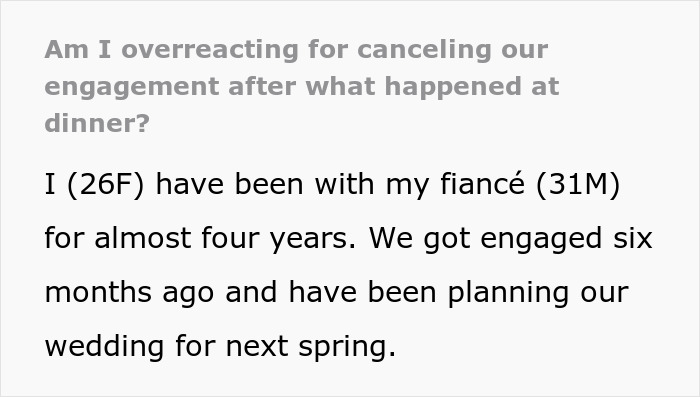
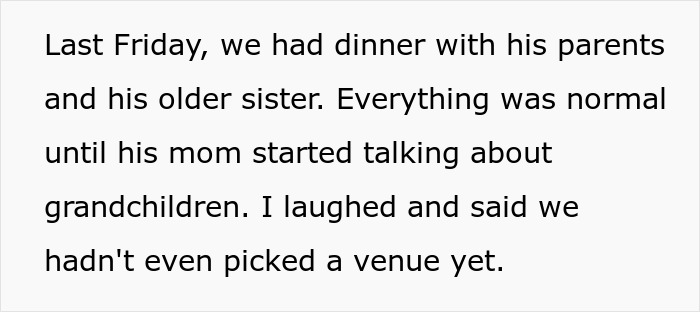
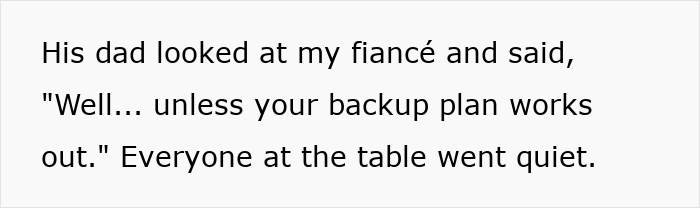
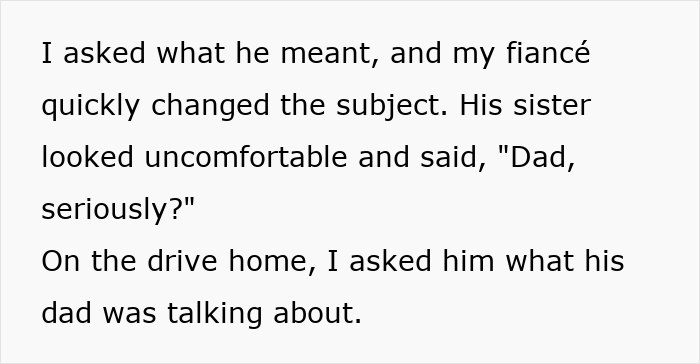
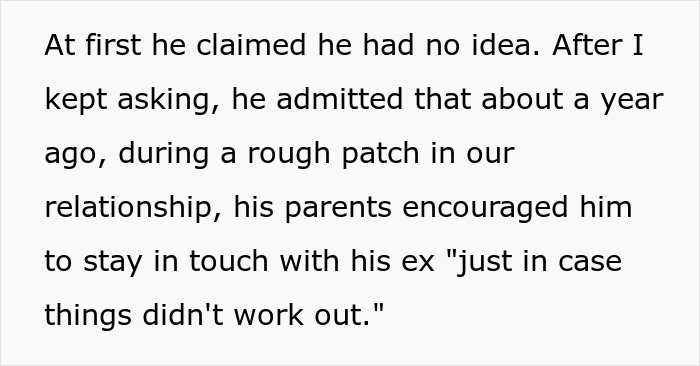
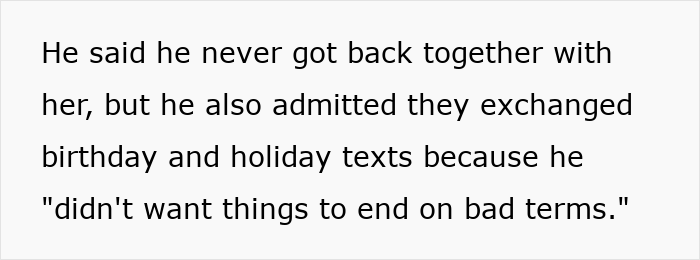

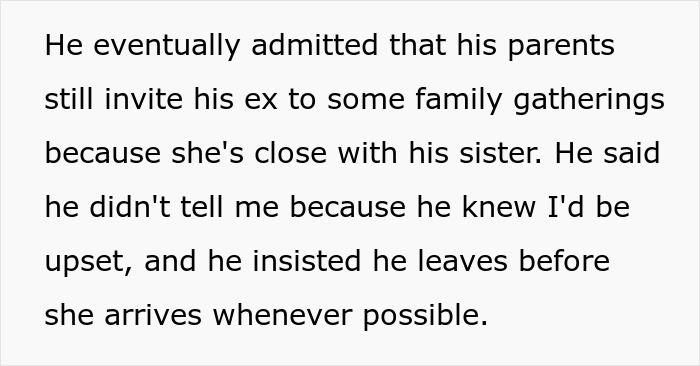


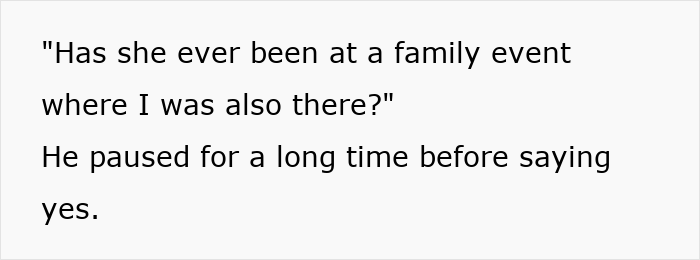

Image credit: Vera Arsic / Pexels (not the actual photo)
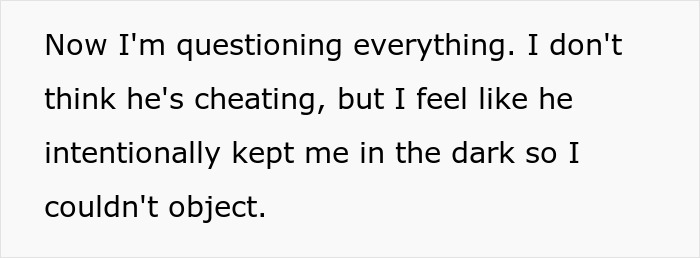
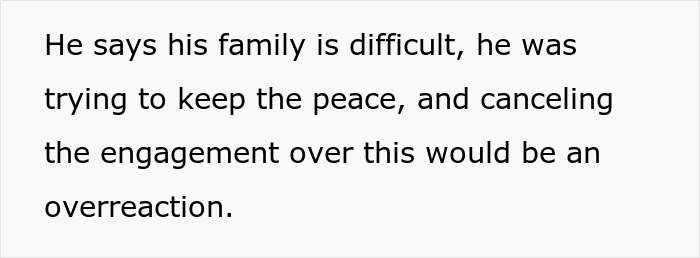
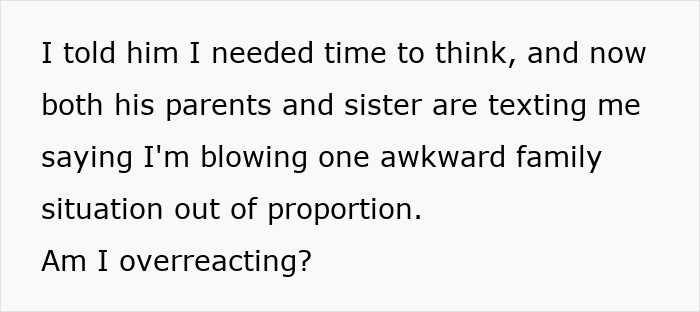
Image credits: Mindless_Lettuce5306
Why we lie and what hiding the truth does to intimacy
The hidden weight of secrets is a universal human experience, as almost everyone carries them.
Research led by Dr. Michael Slepian, a psychologist and professor at Columbia Business School who has surveyed more than 50,000 people globally, reveals that the average person holds 13 secrets at any given time.
Out of these, five are complete secrets that have never been uttered to a single living soul. Slepian also identified 38 distinct categories of secrets that people routinely hold. The most common subjects included romantic and physical desires, financial debts, past physical or emotional betrayals, personal mental health struggles, and secret professional ambitions.
A secret isn’t just something you prefer to keep private or dislike talking about. According to this research, a secret is defined by your deliberate decision to prevent someone else from finding out about something.
While keeping small, personal details to yourself is completely normal, hiding secrets that directly impact your relationship rarely goes over well with your partner. In a recent survey by Match.com Singles in America, 70% of respondents named dishonesty as their top relationship deal breaker.
When people look for a long-term partner, they often prioritize emotional safety and predictability. But dishonesty can easily shatter this.
“Most people assume that lying only becomes a problem when it’s ‘big.’ Of course, most people understand that big betrayals do, in fact, severely damage relationships. However, lying usually starts long before the major crisis point. It often begins in much quieter ways,” says Trish Glynn, a mental health counselor.
She believes a relationship doesn’t need a single catastrophic lie to become unsafe. “It can become remarkably unsafe through repeated small betrayals of truth. A half-answer here and a missing detail there… Dishonesty doesn’t have to be loud and overt to be destructive. In fact, the most dangerous kind of dishonesty is often subtle.”
A 2026 study from the University of Copenhagen surveyed 656 adults about dishonesty in their romantic lives. Researchers found that dishonesty almost always erodes trust, cuts off communication, and creates emotional distance. The damage was identical regardless of why the person lied.
The study also highlighted a pattern called the “slow burn”. Even if the other partner never discovers a lie, the liar experiences a temporary relief that quickly turns into guilt, shame, and anxiety. To maintain the secret, the liar often grows suspicious of their partner or pulls away emotionally. This damages the bond without the partner ever knowing why.
Research shows that people lie primarily for self-preservation and social harmony.
Most lies fall into a few key categories: avoiding punishment or awkwardness, protecting someone’s feelings (altruistic lies), and managing how others view us.
“When faced with the possibility of punishment, judgment, or humiliation, lying can feel like a shield. For example, a child might deny breaking a vase, fearing the consequences of confessing,” says RJ Starr, a structural theorist in theoretical and integrative psychology.
He believes this behavior is rooted in a survival mechanism. It is basically an attempt to avoid pain, whether physical or emotional.
Can lying lead to open and honest conversations?
Not every relationship ends in a disaster, however.
In a study, some people said they felt that finally revealing a secret actually saved their relationship. Researchers called this rare pattern the “repaired bond.”
For these couples, the truth finally forced them to have the hard conversations they had been avoiding. Some partners said their connection grew stronger over time because they finally cleared the air.
However, this outcome was extremely rare. For almost everyone else, lying either destroyed trust, created distance, sparked endless arguments, or ended the relationship.
Dr. John Gottman’s research shows that long-term recovery depends on total transparency. It’s when the dishonest partner answers hard questions honestly and willingly changes secretive behaviors.
At the same time, the hurt partner must evaluate whether the lie is an isolated mistake or a broader pattern of disrespect.
Most experts agree that a relationship can only survive dishonesty if both individuals actively commit to rebuilding emotional safety.
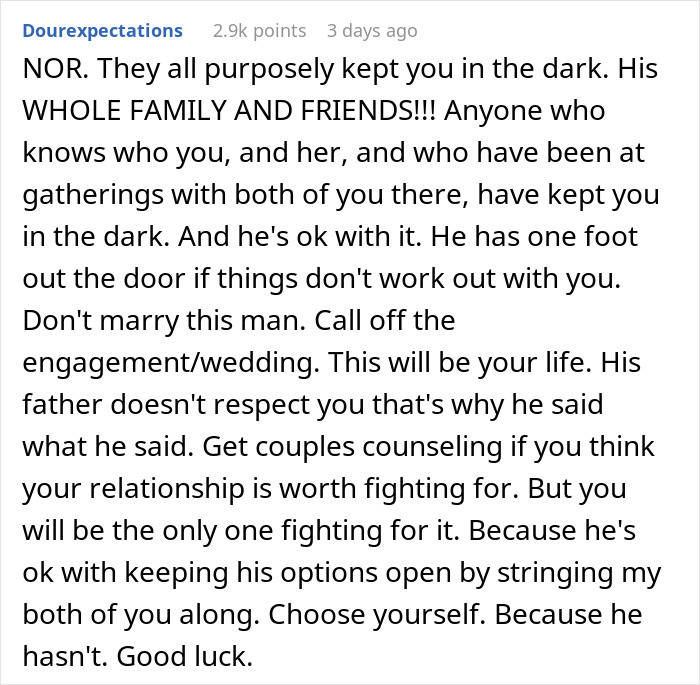
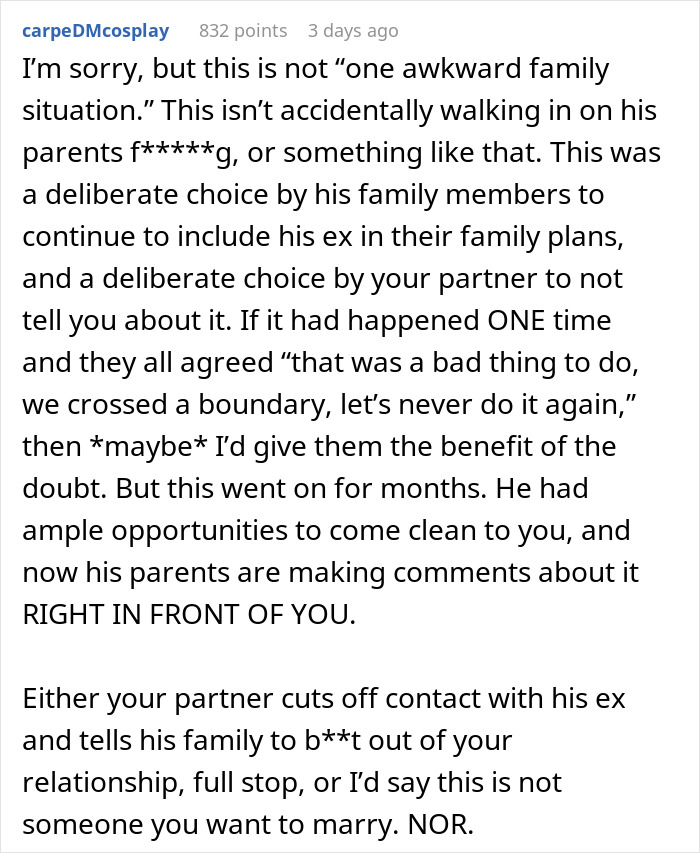
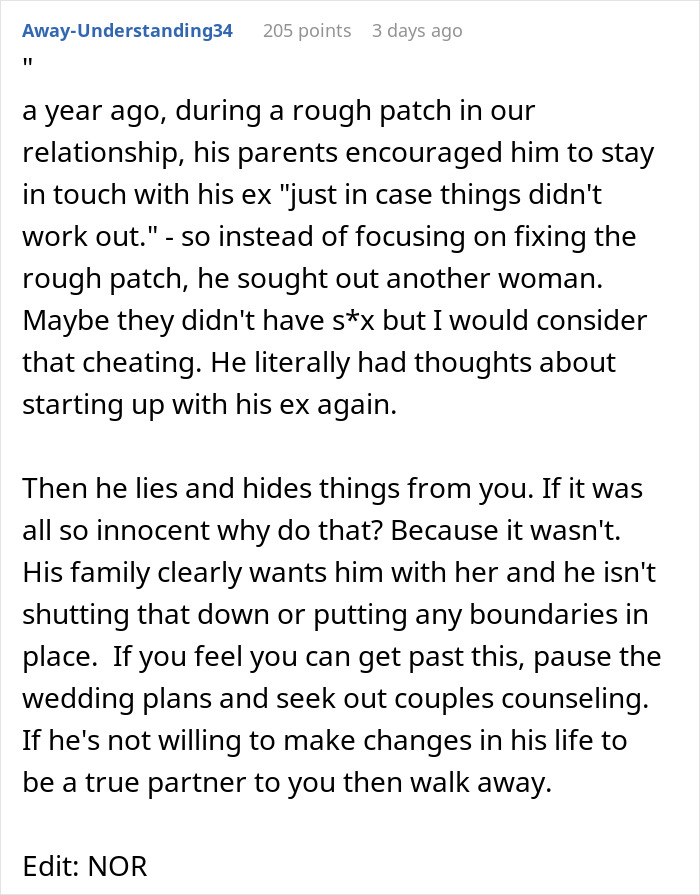
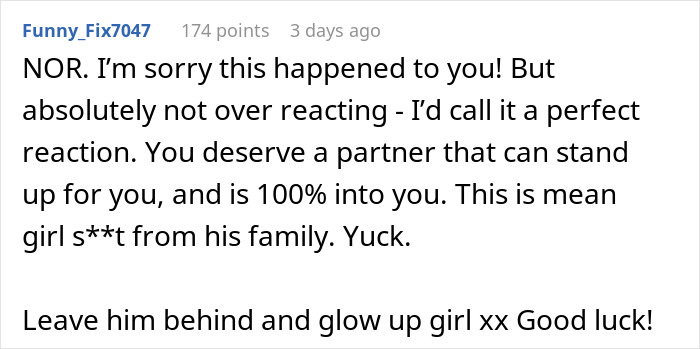
Many people assured the woman that she wasn’t overreacting



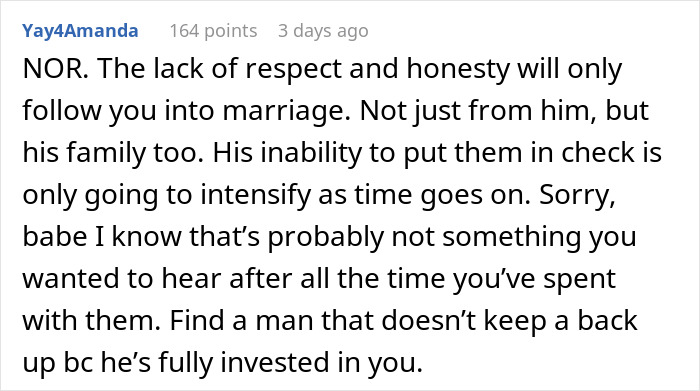


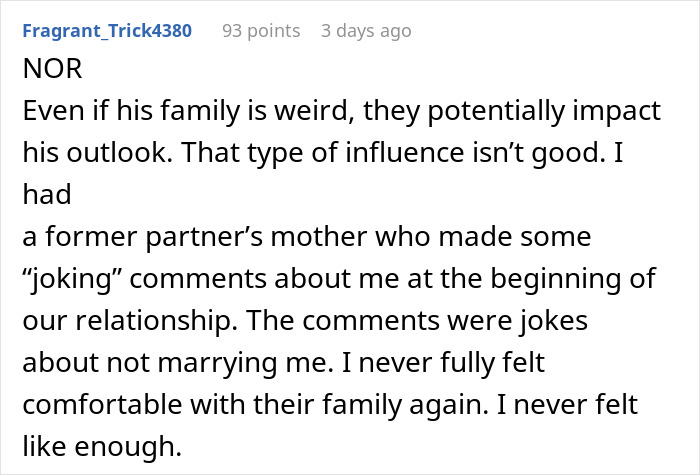
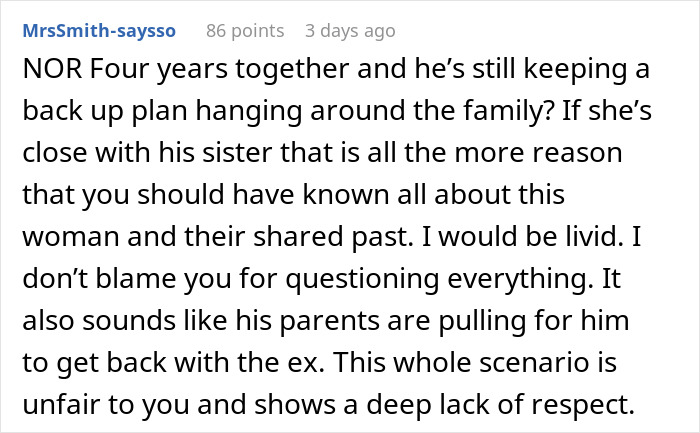
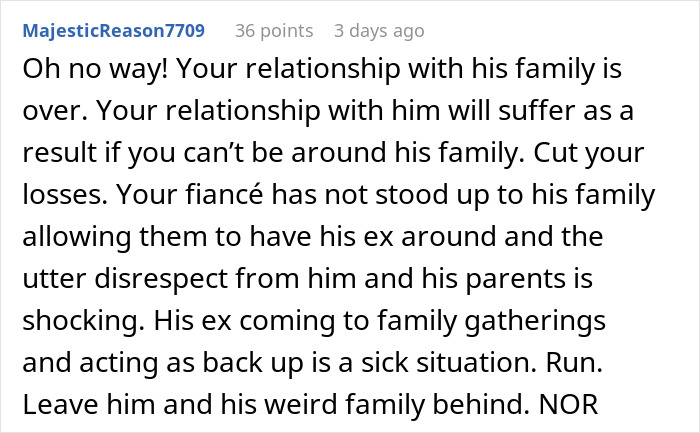


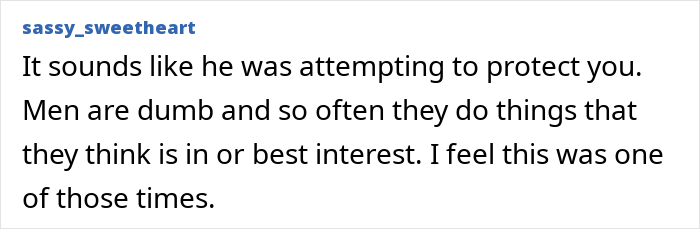
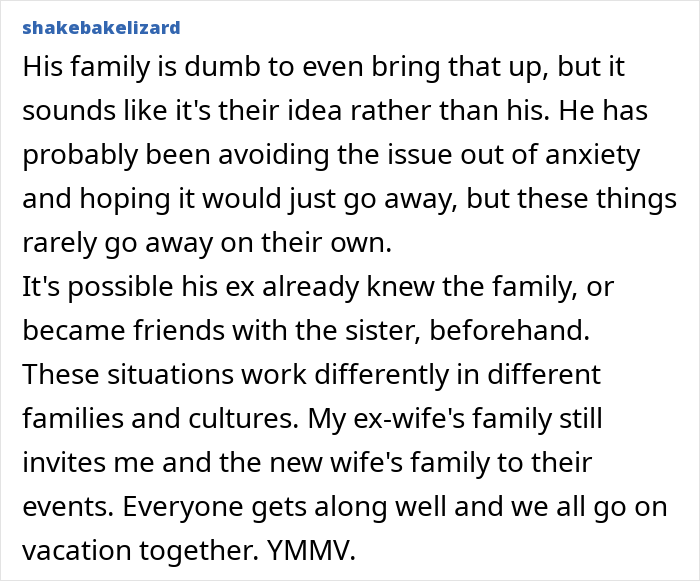
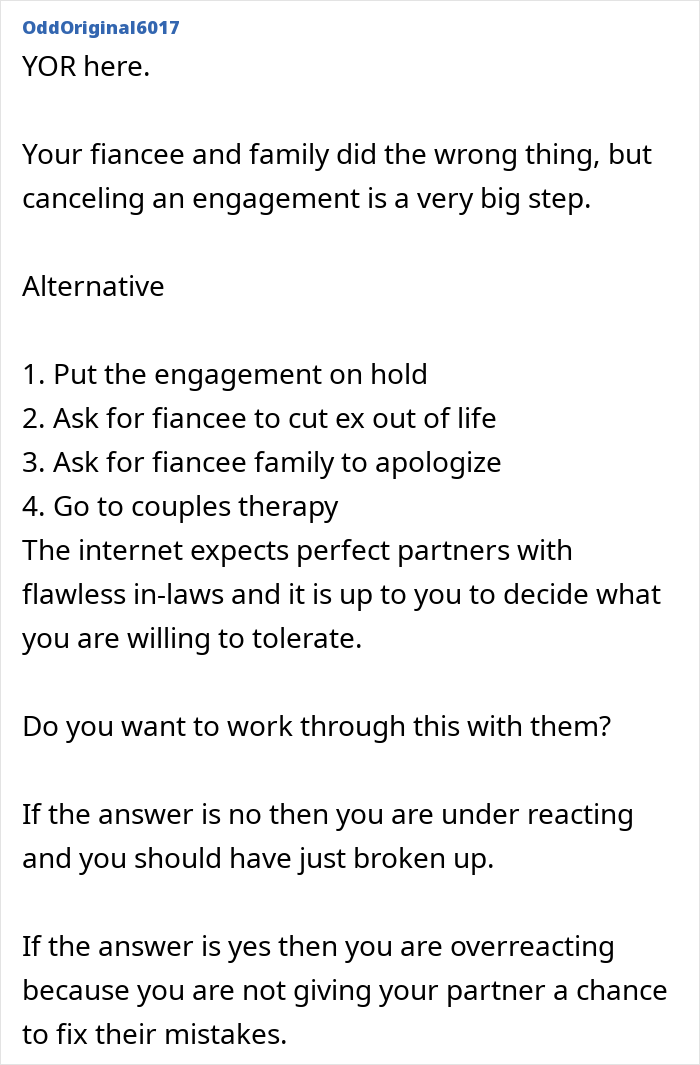
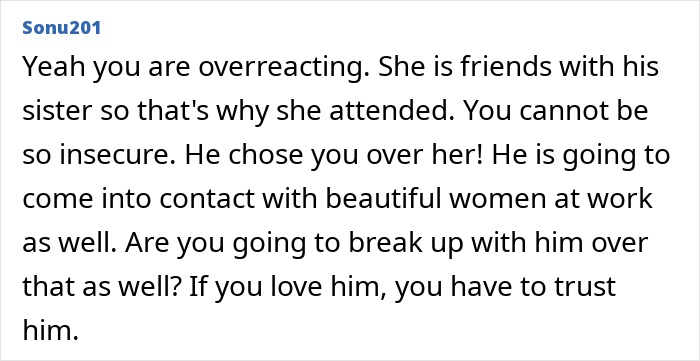
Some people defended the fiancé and said the woman might be overreacting

 Follow Us