Aaron Lee Tasjan, a Grammy-nominated country singer best known for albums such as Karma for Cheap and Stellar Electric, has opened up about several fans walking out during his July 12 concert in Texas.
The action was in response to his song I Love America Better Than You, which portrays the USA as a nation shaped by immigrants and queer feminists while reflecting on how values of inclusion and acceptance have become lost in recent times.
Per Tasjan, the song “doesn’t point fingers. It states plainly what it is and leaves room for questions.”
He addressed those who disagreed with him, saying that avoiding tough conversations will only deepen the country’s divisions.
Aaron Lee Tasjan stood by his song’s message after some fans walked out of his concert in disagreement
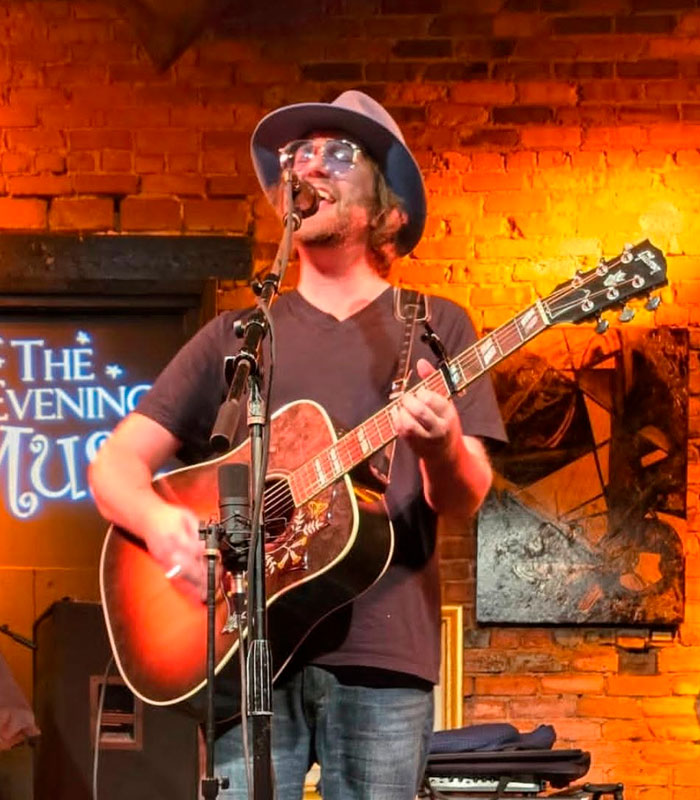
Image credits: Aaron Lee Tesjan
Tasjan took to Facebook on July 14 to share that at least eight people got up and left his show at 1895 St. Joseph’s Church in Galveston.
“They were clearly put off by the messages in the lyrics,” the 39-year-old said.
“I love America better than you / Her founding mothers and her hotdogs too / First Black president / Insurrectionists,” Tasjan sings, before ending with, “I love America better than you / Her crowded cities and her hotdogs too / Land of immigrants / Queer Trans feminists / I love America better than you.”

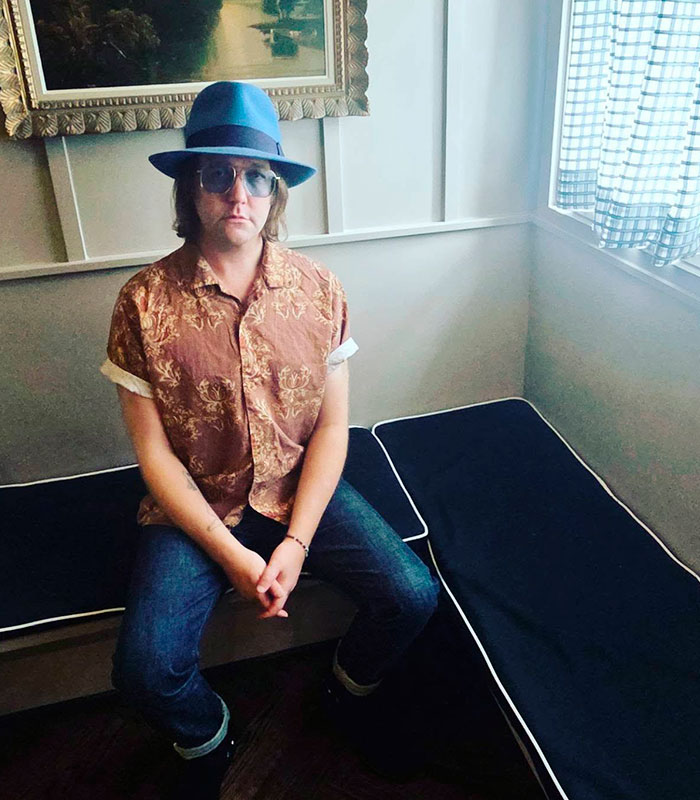
Image credits: aaronleetasjan
Tasjan said that as an artist, he realizes that his “job is not simply to sell tickets and t-shirts and receive applause.”
“To me, the main part of what we do is to create works that affect the listener.”
The singer said he believes in the “medicinal properties of songs,” explaining that “songs can serve the function of healing, reminding, and comforting, but most importantly, telling the truth.”
Tasjan said he respected the concertgoers’ decision to walk out but still received backlash
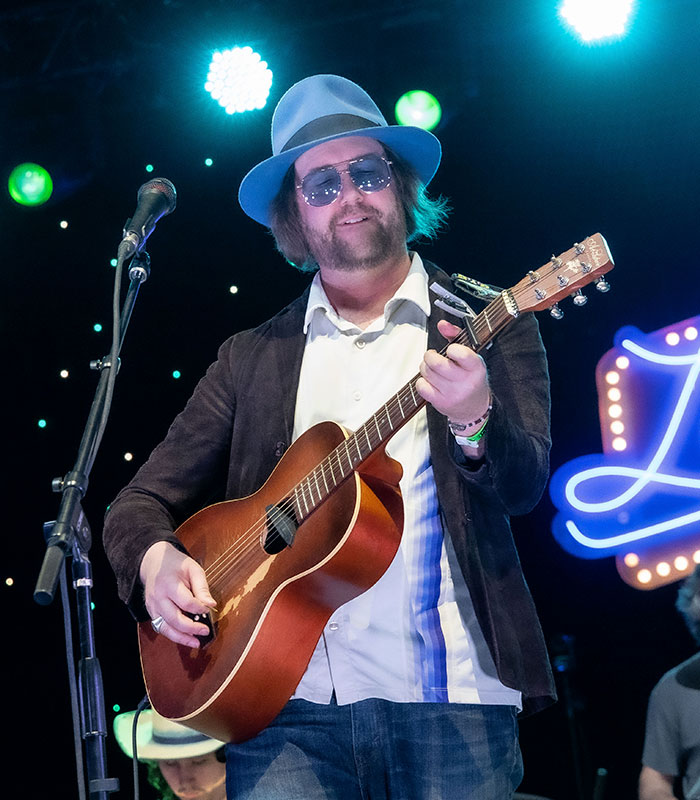
Image credits: Gary Miller/Getty Images
“I appreciate all eight of the folks who walked out of my concert for exercising their free will,” the singer said.
He, however, added, “At the same time, I invite all of us to continue to reflect on our values, as the values of the individual paint the picture of the values of our country.”
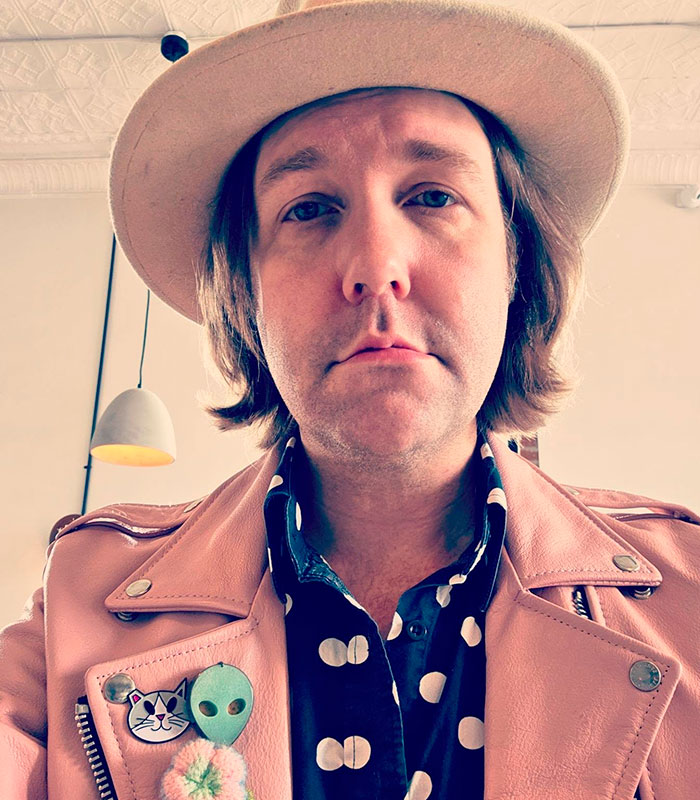
Image credits: aaronleetasjan
“The time to remain comfortable is gone,” he warned.
“If we choose only to walk away from that which makes us uncomfortable, we subject ourselves to an embittered stagnation or worse, a descent into fracture.”
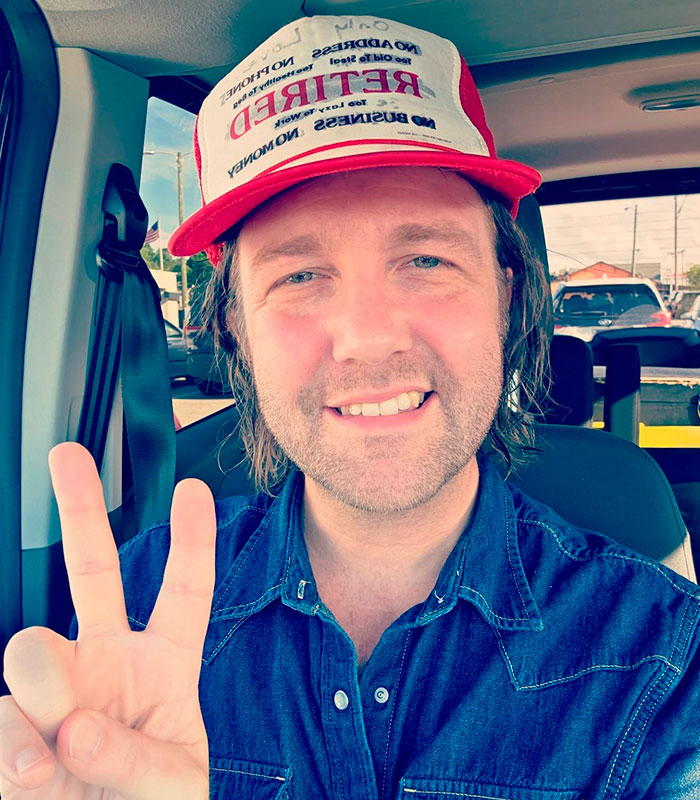
Image credits: aaronleetasjan
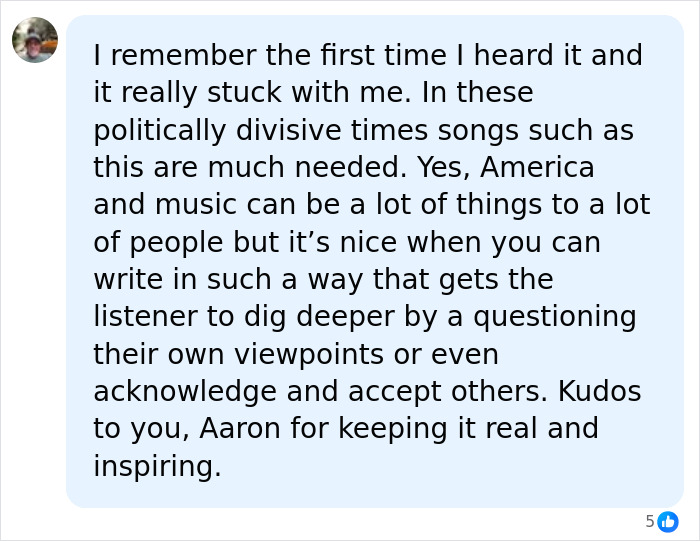
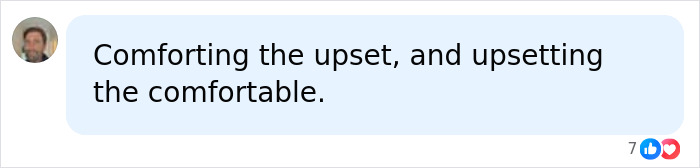
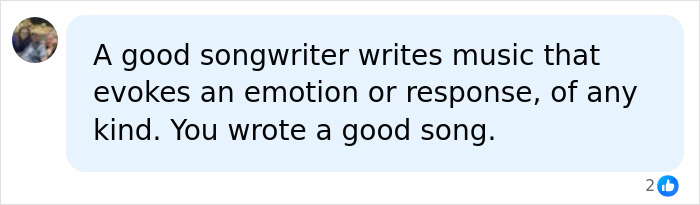
A netizen who disagreed with Tasjan wrote, “I don’t appreciate politically charged concerts. I don’t attend a show to be educated on current affairs.”
“He was clearly pushing a leftist liberal agenda down people’s throats,” asserted a second, while a third remarked, “People like him are ruining the country. We want traditional values, American tax dollars to benefit Americans only, and for women to play against women in sports.”
Tasjan responded to the outcry in a July 23 X post, writing, “People who love to play the role of patriotic American. Bless ’em.”
He is not the only musician to have recently received backlash for incorporating political themes into his art and performances.
Bruce Springsteen has criticized President Trump throughout the year
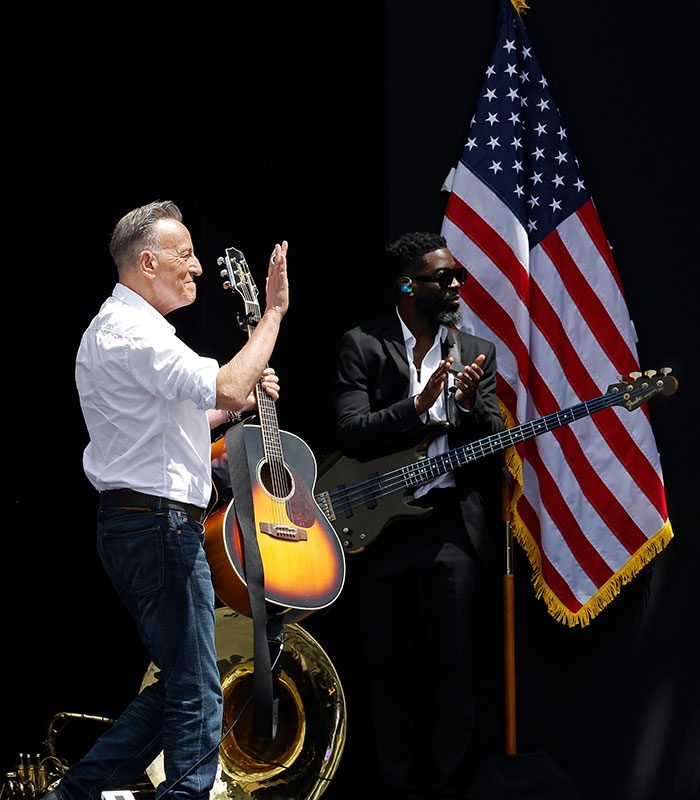
Image credits: Taylor Hill/Getty Images
On January 28, Springsteen released Streets of Minneapolis, a protest song addressing the Trump administration’s deployment of ICE agents for immigration enforcement efforts in Minnesota.
He kicked off his Land of Hope and Dreams American Tour in March, and during his performances, he has described the present government as “corrupt, incompetent, racist, reckless, and treasonous.”
On March 31, Springsteen said, “We are living through some very dark times.”
“The American values that have sustained us for 250 years are being challenged as never before. We have our young men and women’s lives at risk.”
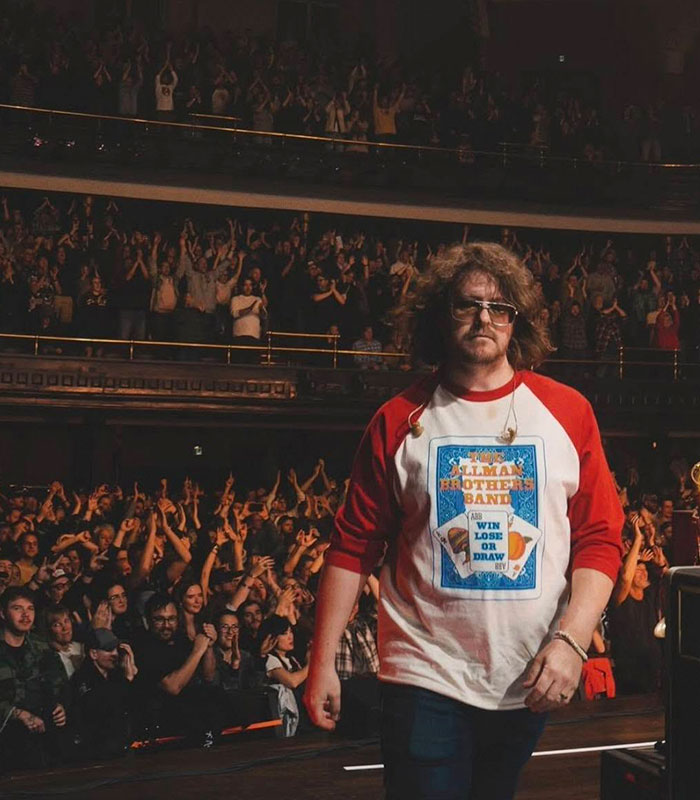
Image credits: Aaron Lee Tasjan
Trump responded to the singer’s criticism on April 2 by accusing him of suffering from “Trump Derangement Syndrome.”
“MAGA should boycott his overpriced concerts. Save your hard-earned money,” he added.
The singer, undeterred by this, continued taking aim at him, calling on his audience during his April 20 show in Newark to join him in choosing “hope over fear, democracy over authoritarianism, the rule of law over lawlessness, ethics over unbridled corruption, resistance over complacency, truth over lies, unity over division, and peace over conflict.”
Mick Jagger pushed back against artists using concerts for political commentary
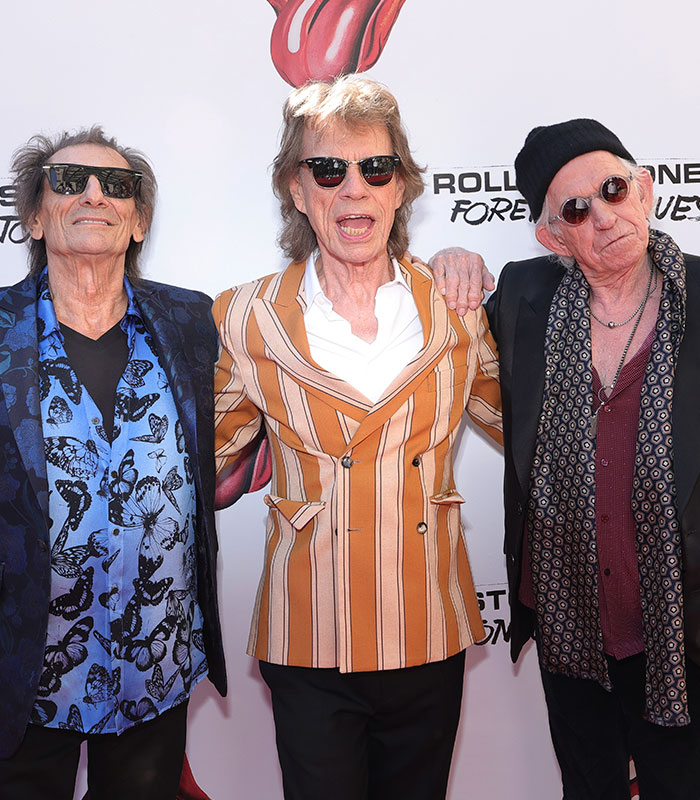
Image credits: Michael Loccisano/Getty Images
The Rolling Stones frontman was asked to weigh in on Springsteen’s speeches during a July 11 podcast interview with The New York Times.
People attend concerts to “have the best time they possibly can,” he began.
“For two hours or whatever time it is, they wish to forget all their problems and the problems of the world and their mortgages and whatever.”
So, it is the responsibility of artists to “give them the best time they can have,” he explained.
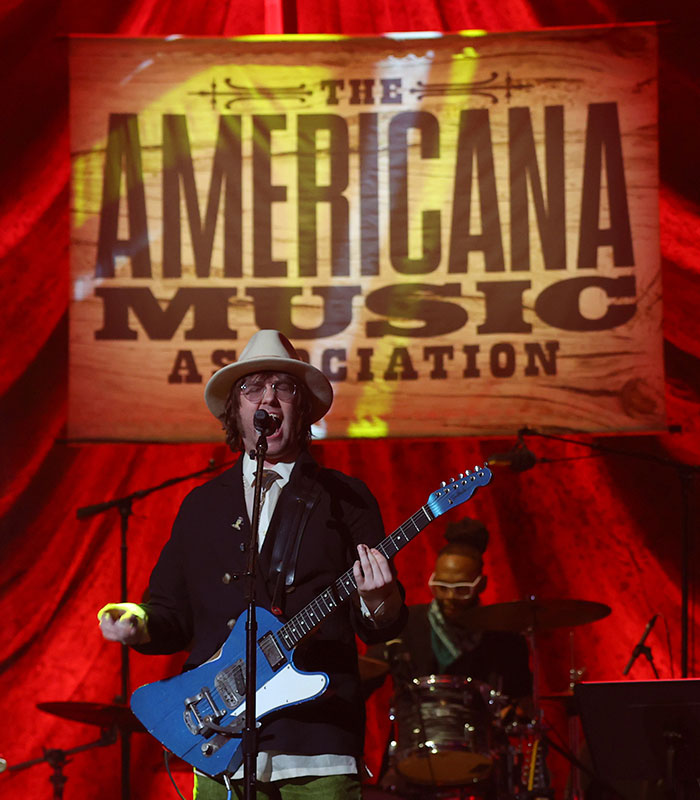
Image credits: Terry Wyatt/Getty Images for Americana Music Association
“You don’t want to lecture them,” Jagger advised, saying concerts should be similar to sports events where people just care about who’s winning and “not worrying about anything else.”
Jagger said he is not opposed to politics making their way into music — he just prefers a lighter touch.
“I’ve got into this habit of doing songs that are about personal relationships, and then I throw a verse about politics in there,” he said.
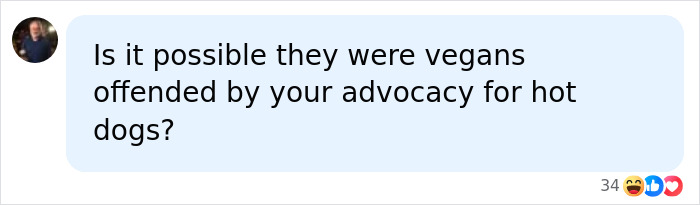
“Is it possible they were vegans offended by your advocacy for hotdogs?” a netizen joked
 Follow Us